Feeding pets the right way is not guesswork — it’s about nutrition, portion control, age, breed, and health needs. A proper pet meal guide helps pet owners choose safe foods, avoid common feeding mistakes, and build meals that support digestion, energy, coat health, and long-term wellness.
This guide covers dogs, cats, birds, fish, rabbits, hamsters, guinea pigs, reptiles, and exotic pets, with clear feeding advice, daily meal plans, and product suggestions. Whether you use homemade food, dry kibble, wet meals, or a mix, this guide helps you feed your pet with confidence.
Pet Meal Guide (Quick Overview)
A pet meal guide is a practical feeding plan that explains what to feed, how much to feed, and how often to feed pets based on their species, age, size, and health condition. It helps pet owners provide balanced meals using commercial pet food, fresh ingredients, or a safe combination of both.
A complete pet meal guide includes:
- Species-specific food recommendations
- Daily feeding schedules
- Portion sizes by age and weight
- Foods to avoid
- Meal tips for digestion, allergies, and sensitive stomachs
Using a proper pet meal guide improves nutrient intake, digestion, energy levels, immune health, and lifespan while reducing risks like obesity, diarrhea, and nutrient deficiency.
Why Following a Pet Meal Guide Matters
- Prevents overfeeding and underfeeding
- Supports healthy growth in puppies, kittens, and young pets
- Helps manage weight in adult and senior pets
- Reduces stomach issues and food intolerance
- Makes it easier to choose quality pet food and supplements
A structured pet meal guide also helps pet owners compare dry food, wet food, freeze-dried meals, raw options, and fresh meal plans before buying products online or from Amazon.
What This Pet Meal Guide Will Cover (Coming Sections)
In the next sections of this article, you’ll find:
- Dog meal guide (puppies, adults, seniors, sensitive stomachs)
- Cat meal guide (indoor, outdoor, kittens, senior cats)
- Bird feeding guide (parrots, budgies, finches)
- Fish feeding guide (tropical, goldfish, betta)
- Rabbit & guinea pig meal plans
- Hamster & small pet feeding tips
- Reptile meal guide (turtles, lizards, snakes)
- Best pet foods and supplements with Amazon product recommendations
Each pet section will include what to feed, how to feed, benefits, feeding mistakes to avoid, and trusted product picks.
Dog Meal Guide: Complete Feeding Explanation for All Dog Types
Feeding a dog is not just about filling a bowl. Dogs rely on humans to provide balanced nutrition, correct portions, and consistent feeding habits. A structured dog meal guide helps prevent common problems such as stomach upset, obesity, weak immunity, dull coat, and low energy.
Dogs process food differently at each life stage. Puppies need fuel for growth, adult dogs need balance for maintenance, and senior dogs need support for joints and digestion. Breed size, metabolism, and health conditions also change what and how dogs should eat.
Understanding a Dog’s Nutritional Needs (Important Basics)
Every dog meal should support these core needs:
Protein
Protein builds and repairs muscles, supports the immune system, and keeps dogs active. Quality sources include chicken, turkey, beef, lamb, and fish.
Fats
Healthy fats provide energy and support skin and coat health. Omega-3 and Omega-6 fatty acids are especially helpful for joints and inflammation.
Carbohydrates
Dogs can digest carbohydrates when cooked properly. Rice, oats, and sweet potatoes provide energy and fiber for digestion.
Vitamins & Minerals
Calcium, phosphorus, zinc, and vitamins A, D, and E support bones, teeth, vision, and overall health.
Commercial dog food is designed to balance these nutrients, which is why it should remain the main diet for most dogs.
Puppy Meal Guide (0–12 Months) – Detailed Explanation
Puppies grow faster than adult dogs, and improper feeding during this stage can cause bone problems, weak immunity, or digestive trouble later in life.
Why Puppies Need Special Food
- Puppy food has higher calories for growth
- Added DHA supports brain and eye development
- Balanced calcium prevents joint issues
Adult dog food does not meet these needs.
How to Feed Puppies Properly
- Choose a puppy-labeled dog food
- Measure food using the package feeding chart
- Divide food into multiple meals
- Feed at the same times daily
- Remove leftover food to avoid bad habits
Portion Control Matters
Overfeeding puppies can cause rapid weight gain, leading to joint stress. Underfeeding can slow growth and weaken immunity.
Recommended Puppy Foods
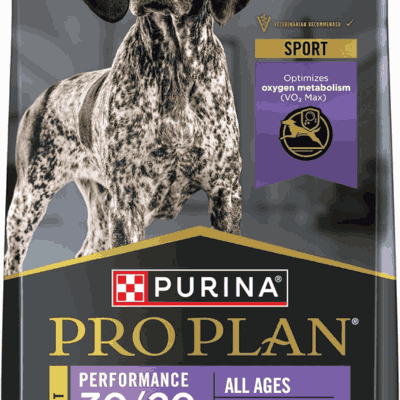 Salmon & Rice Formula, 33 lb. Bag. High-protein nutrition designed for active puppies and dogs to support lean muscle and endurance.
Check Price on Amazon
Salmon & Rice Formula, 33 lb. Bag. High-protein nutrition designed for active puppies and dogs to support lean muscle and endurance.
Check Price on Amazon
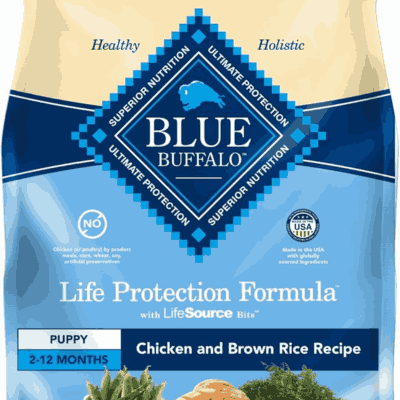 Chicken & Brown Rice Recipe, 5-lb Bag. Made with natural ingredients and enriched with DHA and ARA for healthy brain and eye development.
Check Price on Amazon
Chicken & Brown Rice Recipe, 5-lb Bag. Made with natural ingredients and enriched with DHA and ARA for healthy brain and eye development.
Check Price on Amazon
Adult Dog Meal Guide (1–7 Years) – Detailed Explanation
Adult dogs need food to maintain muscle, manage weight, and support digestion. Their metabolism stabilizes, making portion control very important.
Choosing the Right Adult Dog Food
- Look for meat as the first ingredient
- Avoid foods with excessive fillers
- Match food to activity level (active vs less active dogs)
Feeding Routine for Adult Dogs
- Feed twice daily (morning and evening)
- Stick to consistent feeding times
- Avoid free-feeding all day
Treats and Extras
Treats should never replace meals. They should be limited to training or rewards and kept under 10% of daily calories.
Recommended Adult Dog Foods (Amazon)
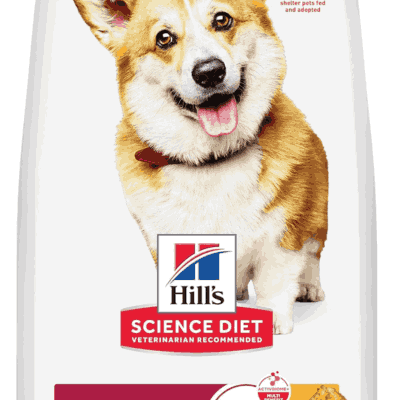
Hill’s Science Diet Adult Dry Dog Food
Chicken & Barley Recipe, 5-lb Bag. Small kibble formula providing premium nutrition for adult dogs ages 1-6 to support energy levels and lean muscle.
Check Price on Amazon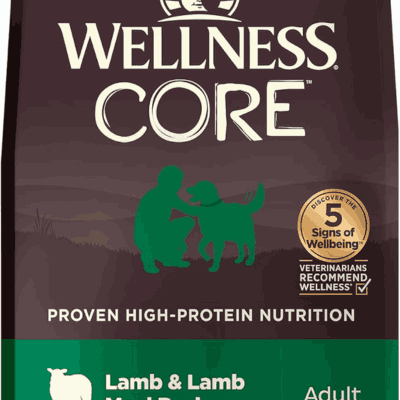
Wellness CORE Natural Grain-Free Dog Food
Lamb Recipe, 22-lb Bag. High-protein, natural grain-free dry food packed with superfoods to support optimal digestive health and a shiny coat.
Check Price on AmazonSenior Dog Meal Guide (7+ Years) – Detailed Explanation
As dogs age, their digestion slows, joints stiffen, and calorie needs drop. Feeding senior dogs the same food as adults can lead to weight gain and discomfort.
What Changes in Senior Dogs
- Lower energy levels
- Slower digestion
- Increased joint sensitivity
- Dental issues
Best Feeding Practices for Senior Dogs
- Switch to senior-specific food gradually
- Feed smaller portions
- Use softer food if chewing is difficult
- Monitor weight monthly
Recommended Senior Dog Foods (Amazon)
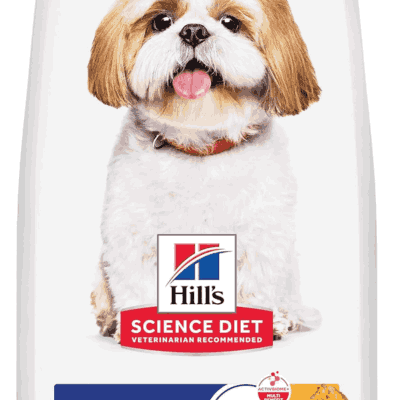
Hill’s Science Diet Senior Dog Food
Adult 7+ Small Kibble. Formulated with easy-to-digest ingredients like chicken, brown rice, and barley to support energy and vitality in aging dogs.
Check Price on Amazon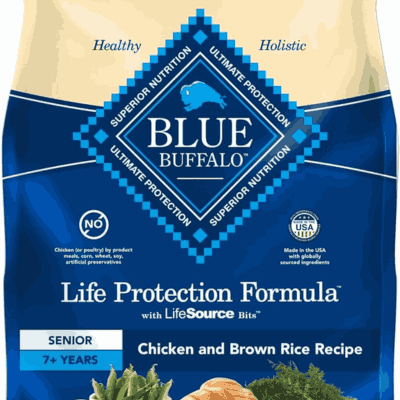
Blue Buffalo Senior Life Protection Formula
Chicken & Brown Rice Recipe. Includes Glucosamine and Chondroitin to support joint health and mobility in senior dogs, made with natural ingredients.
Check Price on AmazonDogs With Sensitive Stomachs – Deep Explanation
Some dogs have delicate digestion due to genetics, allergies, or past illness.
Common Causes of Sensitive Stomach
- Sudden food changes
- Low-quality ingredients
- Food intolerances
- Stress
Safe Feeding Strategy
Start with bland foods and slowly transition back to normal meals.
Bland Diet Feeding Process
- Boiled chicken (no skin or seasoning)
- Plain white rice
- Small portions every 6–8 hours
- Gradually mix dog food after 2–3 days
Recommended Sensitive Stomach Foods (Amazon)
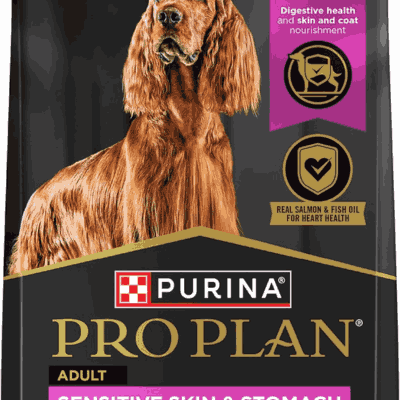
Purina Pro Plan Sensitive Skin & Stomach
Salmon & Rice Formula. Highly digestible recipe fortified with live probiotics and oatmeal to support digestive health and nourish sensitive skin.
Check Price on Amazon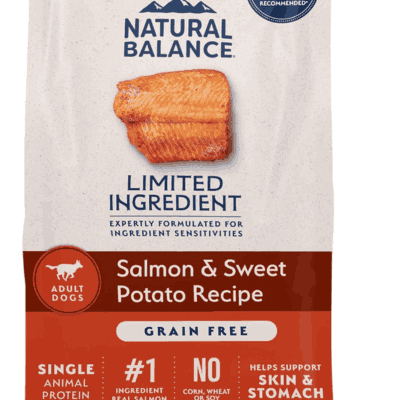
Natural Balance Limited Ingredient Diet
Salmon & Sweet Potato Recipe. Grain-free, single-protein source designed to minimize food sensitivities and maintain healthy digestion.
Check Price on AmazonSmall Breed Dog Meal Guide – Detailed Explanation
Small dogs burn calories faster but have smaller stomachs.
Feeding Needs
- Higher calorie density
- Smaller kibble size
- More frequent meals
Common Mistake
Overfeeding treats causes obesity quickly in small breeds.
Recommended Small Breed Foods (Amazon)
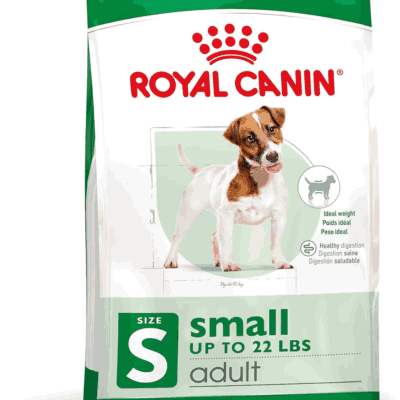
Royal Canin Small Breed Adult
Precise nutrition for small dogs (9-22 lbs). Formulated to meet high energy needs and maintain a healthy weight with L-carnitine.
Check Price on Amazon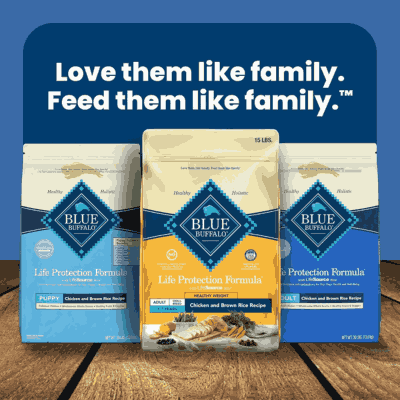
Blue Buffalo Small Breed Formula
Chicken & Brown Rice Recipe. Features increased protein and carbohydrates specifically tailored for the higher metabolic rates of small breed dogs.
Check Price on AmazonLarge & Giant Breed Dog Meal Guide – Detailed Explanation
Large dogs grow slower and need controlled nutrition to protect joints.
Feeding Rules for Large Dogs
- Avoid high-calcium puppy foods unless labeled for large breeds
- Feed twice daily to reduce bloating risk
- Maintain lean body condition
Recommended Large Breed Foods (Amazon)
Royal Canin Large Breed Adult
Specialized nutrition for large dogs (56–100 lb). Supports bone & joint health for heavy bodies and aids healthy digestion with high-quality proteins.
Check Price on Amazon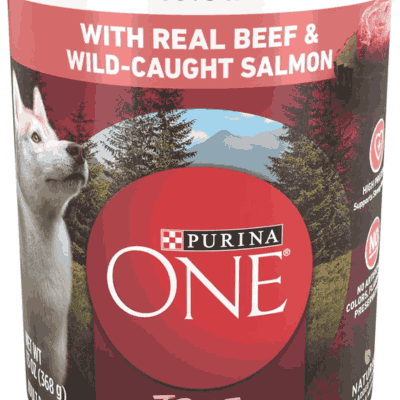
Purina ONE Large Breed Formula
Nutrient-dense formula with real beef and wild-caught salmon. Provides high protein to support strong muscles and natural energy for active dogs.
Check Price on AmazonHomemade Food for Dogs – What Owners Must Know
Homemade meals can support digestion but are not nutritionally complete unless carefully planned.
When Homemade Food Helps
- Recovery from illness
- Short-term digestive upset
- Appetite stimulation
When It Can Harm
- Long-term feeding without supplements
- Missing calcium or vitamins
Homemade meals should support, not replace, commercial food unless approved by a vet.
Foods That Are Dangerous for Dogs
Never feed:
- Chocolate
- Grapes or raisins
- Onions or garlic
- Alcohol
- Xylitol (found in sugar-free products)
Final Dog Feeding Advice
A successful dog meal plan is:
- Consistent
- Measured
- Balanced
- Matched to age and size
A reliable dog meal guide protects digestion, supports energy, and helps dogs live longer, healthier lives.
Cat Meal Guide: Complete Feeding Guide for Healthy Cats at Every Life Stage
Cats are obligate carnivores, which means their bodies are designed to survive on animal-based protein. Unlike dogs, cats cannot thrive on plant-heavy diets. A proper cat meal guide focuses on protein quality, hydration, portion control, and life-stage nutrition.
Feeding cats correctly helps prevent common issues like urinary problems, obesity, hairballs, digestive upset, and weak immunity. Indoor lifestyle, age, activity level, and health conditions all influence what and how much a cat should eat.
Understanding a Cat’s Nutritional Needs (Core Basics)
Every cat meal should prioritize:
High-Quality Animal Protein
Cats require taurine, an amino acid found only in animal protein. Without it, cats can develop heart and vision problems.
Healthy Fats
Fats provide energy and help maintain skin, coat, and brain function. Omega fatty acids also reduce inflammation.
Moisture Intake
Cats naturally have low thirst drive. Wet food plays a key role in preventing dehydration and urinary tract issues.
Essential Vitamins & Minerals
Balanced calcium, phosphorus, and vitamin A support bones, vision, and immune health.
Commercial cat food labeled “complete and balanced” is the safest long-term option.
Kitten Meal Guide (0–12 Months) – Detailed Explanation
Kittens grow rapidly and need food that supports muscle development, bone growth, and brain function.
Why Kittens Need Special Food
- Higher protein and calories
- DHA for brain and eye development
- Balanced minerals for healthy bones
Adult cat food does not meet kitten requirements.
How to Feed Kittens Properly
- Choose kitten-specific food
- Feed 3–4 small meals daily
- Offer both wet and dry food
- Keep fresh water available at all times
Portion Control for Kittens
Kittens need enough food to grow, but overfeeding can cause digestive upset. Follow feeding charts and monitor body condition.
Recommended Kitten Foods (Amazon)
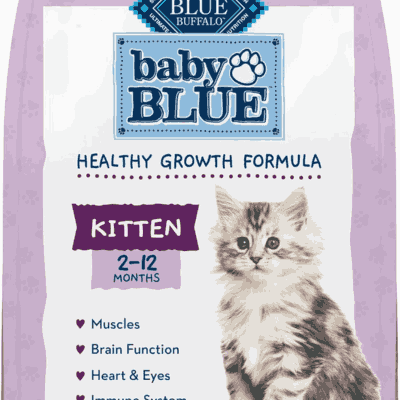
Blue Buffalo Healthy Growth Kitten Food
Chicken & Brown Rice Recipe. High-protein, natural formula enhanced with DHA and ARA to support cognitive development and retinal health in kittens.
Check Price on Amazon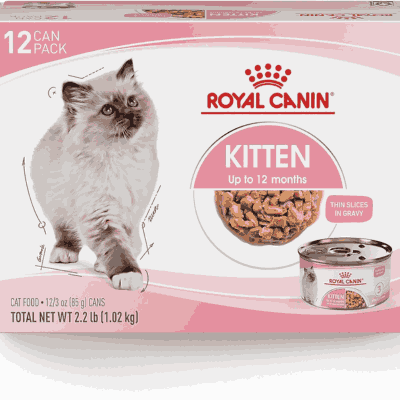
Royal Canin Kitten Wet Food
Thin Slices in Gravy. Designed for the 2nd stage of growth (up to 12 months), supporting immune system health with a proven antioxidant complex.
Check Price on AmazonAdult Cat Meal Guide (1–7 Years) – Detailed Explanation
Adult cats need a balanced diet to maintain muscle mass, energy, and a healthy weight.
Choosing the Right Adult Cat Food
- Meat should be the first ingredient
- Avoid excessive fillers
- Select indoor or active formulas based on lifestyle
Feeding Schedule for Adult Cats
- Feed 2 meals per day
- Avoid free-feeding for weight control
- Measure portions consistently
Wet vs Dry Food
- Wet food supports hydration and urinary health
- Dry food helps dental cleanliness
- A mix of both is ideal for most cats
Recommended Adult Cat Foods (Amazon)
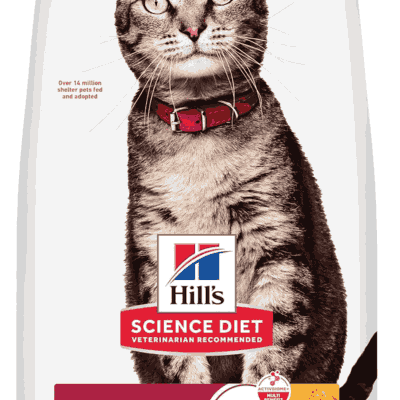
Hill’s Science Diet Adult Cat Food
Chicken Recipe. High-quality protein to support lean muscles and Omega-6 fatty acids for beautiful skin and fur.
Check Price on Amazon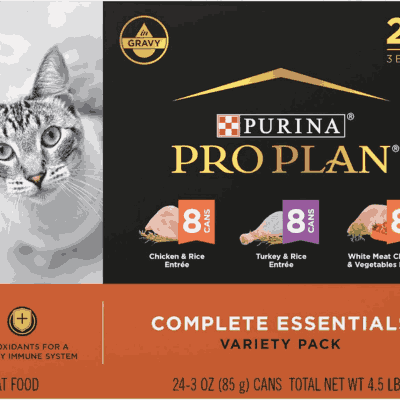
Purina Pro Plan Complete Essentials
High-protein formula with real meat as the first ingredient. Fortified with live probiotics to support digestive and immune health.
Check Price on AmazonSenior Cat Meal Guide (7+ Years) – Detailed Explanation
Senior cats experience changes in digestion, metabolism, and kidney function.
Common Changes in Senior Cats
- Reduced appetite
- Dental sensitivity
- Joint stiffness
- Slower digestion
Best Feeding Practices for Senior Cats
- Switch gradually to senior cat food
- Offer softer or wet food
- Feed smaller, frequent meals
- Monitor weight and hydration closely
Recommended Senior Cat Foods (Amazon)
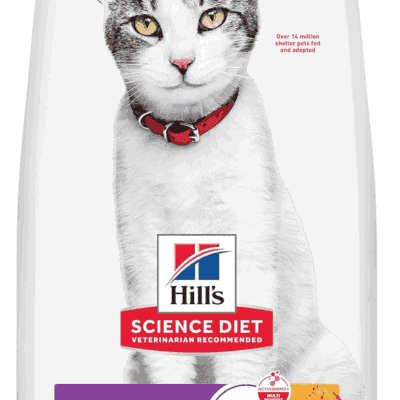
Hill’s Science Diet Senior Cat Food
Age 11+ Indoor Recipe. Specially formulated to support eye, heart, kidney, and joint health in older cats, with easy-to-digest ingredients.
Check Price on Amazon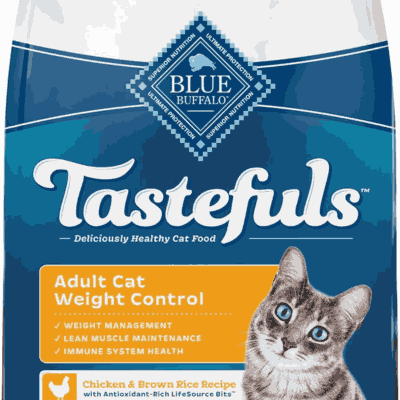
Blue Buffalo Healthy Aging Formula
Mature Cat Chicken & Brown Rice Recipe. Contains essential proteins and carbohydrates to help maintain healthy weight and mobility in aging cats.
Check Price on AmazonIndoor Cat Meal Guide – Detailed Explanation
Indoor cats burn fewer calories and are more prone to weight gain and hairballs.
Feeding Needs for Indoor Cats
- Lower calorie content
- Added fiber for hairball control
- Balanced protein to maintain muscle
Feeding Tips
- Use measured portions
- Encourage activity with playtime
- Avoid constant grazing
Recommended Indoor Cat Foods (Amazon)
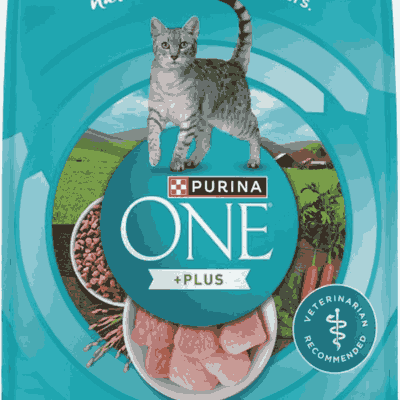
Purina ONE Indoor Advantage
Hairball Control Formula. Features real turkey as the #1 ingredient and a natural fiber blend to help minimize hairballs and maintain a healthy weight.
Check Price on Amazon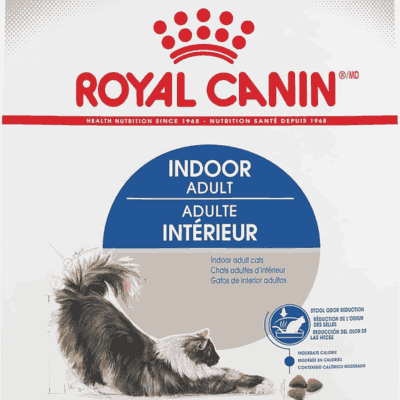
Royal Canin Indoor Adult Cat Food
Tailored for indoor cats. Highly digestible proteins help reduce stool odor, while specific calorie content helps sedentary cats maintain an ideal weight.
Check Price on AmazonOutdoor & Active Cat Meal Guide – Detailed Explanation
Outdoor cats require more calories due to increased activity.
Feeding Needs
- Higher protein and fat
- Increased calorie intake
- Strong immune support
Feeding Strategy
- Feed twice daily
- Monitor body condition regularly
- Provide fresh water outdoors
Recommended High Protein Cat Foods (Amazon)
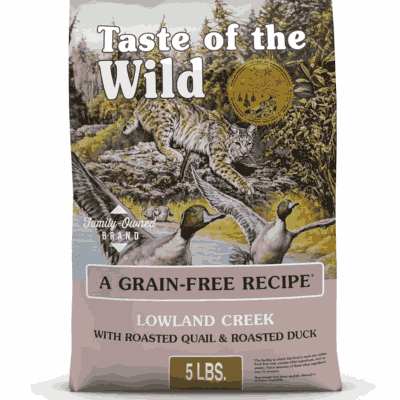
Taste of the Wild High Protein
Real Roasted Meat Recipe. A grain-free diet packed with roasted venison and salmon to provide highly digestible energy and antioxidants.
Check Price on Amazon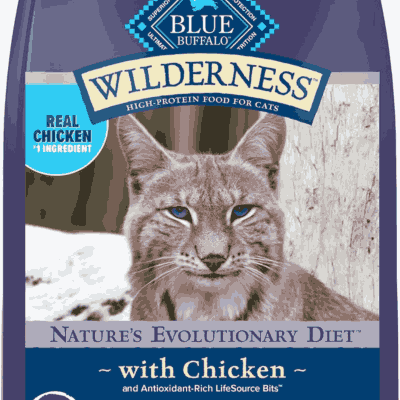
Blue Buffalo Wilderness High Protein
Chicken Recipe. Inspired by the diet of the lynx, this grain-free formula features more of the real chicken cats love to build muscle.
Check Price on AmazonCats With Sensitive Stomachs – Deep Explanation
Some cats struggle with vomiting, diarrhea, or food intolerance.
Common Causes
- Sudden food changes
- Food allergies
- Poor-quality ingredients
- Stress
Safe Feeding Approach
- Use limited-ingredient diets
- Introduce new food slowly over 7–10 days
- Avoid flavored treats during transition
Recommended Sensitive Stomach Foods (Amazon)
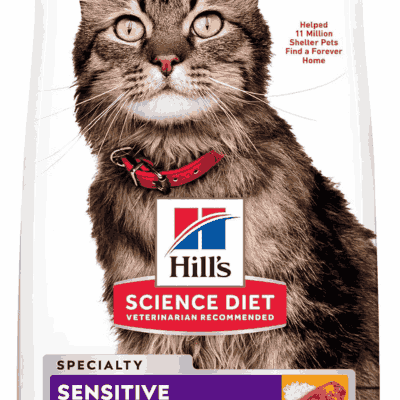
Hill’s Science Diet Sensitive Stomach & Skin
Chicken & Rice Recipe. Provides prebiotic fiber to fuel beneficial gut bacteria and supports a balanced microbiome for optimal digestive health.
Check Price on Amazon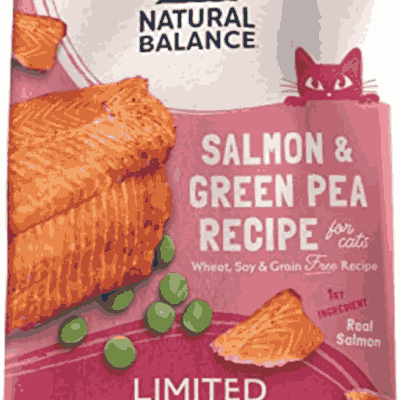
Natural Balance Limited Ingredient Cat Food
Green Pea & Duck Formula. Grain-free and made with a single animal protein source to help minimize food sensitivities and support healthy digestion.
Check Price on AmazonHomemade Food for Cats – What Owners Must Know
Cats cannot thrive on unbalanced homemade diets.
When Homemade Meals Help
- Short-term recovery
- Appetite stimulation under vet guidance
Risks of Homemade Feeding
- Taurine deficiency
- Calcium imbalance
- Vitamin A toxicity
Homemade diets should only be used with professional guidance.
Foods That Are Dangerous for Cats
Never feed:
- Onions or garlic
- Chocolate
- Alcohol
- Raw eggs or fish
- Dog food (long-term)
Final Cat Feeding Advice
A successful cat meal plan is:
- Protein-focused
- Moisture-rich
- Portion-controlled
- Adjusted by age and lifestyle
Following a proper cat meal guide supports digestion, prevents urinary issues, and helps cats live longer, healthier lives.
Bird Feeding Guide: Healthy Meal Plans for Pet Birds
Birds have fast metabolisms and sensitive digestive systems. Feeding them correctly is essential for energy, feather health, immunity, and long life. A proper bird feeding guide focuses on balanced nutrition, species-specific diets, portion control, and safe food choices.
Many health issues in pet birds—such as feather plucking, weak immunity, obesity, and vitamin deficiencies—come from poor feeding habits, especially seed-only diets.
Understanding Bird Nutrition Basics
Birds require a mix of:
Pelleted Base Diet
High-quality pellets provide balanced vitamins and minerals that seeds alone cannot.
Fresh Fruits & Vegetables
These supply fiber, antioxidants, and hydration.
Seeds & Nuts (Limited Use)
Seeds are high in fat and should be treats, not the main diet.
Clean Water
Fresh water must be available daily and changed often.
A bird’s diet should never rely only on seeds.
Parrot Feeding Guide (African Grey, Macaw, Cockatoo)
Parrots are intelligent birds that need variety and mental stimulation through food.
Best Diet for Parrots
- 60–70% high-quality pellets
- 20–30% fresh vegetables
- 5–10% fruits
- Small amounts of nuts as treats
Recommended Vegetables
- Carrots
- Bell peppers
- Broccoli
- Leafy greens
Feeding Tips for Parrots
- Rotate foods daily to prevent boredom
- Chop food into small, manageable pieces
- Remove uneaten fresh food after 2–3 hours
Recommended Bird Foods (Amazon)
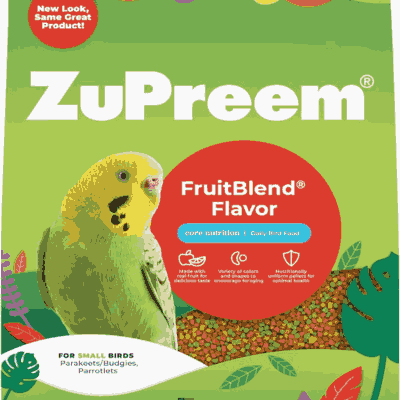
ZuPreem FruitBlend Flavor Pellets
Daily Parrot Diet. A healthy, balanced diet with natural fruit flavors (orange, apple, grape) that birds love, fortified with essential vitamins.
Check Price on Amazon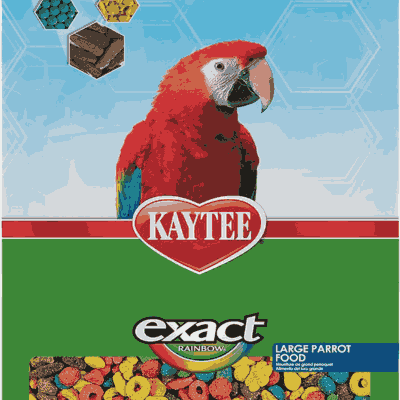
Kaytee Exact Rainbow Parrot Food
Premium Extruded Diet. Features Omega-3s to support heart, brain, and eye health, with crunchy textures and colors to encourage natural foraging.
Check Price on AmazonBudgie (Parakeet) Feeding Guide
Budgies are small birds but need balanced nutrition to stay active and vocal.
Best Diet for Budgies
- Pellets as the main food
- Small seed mix as treats
- Fresh vegetables daily
Safe Foods for Budgies
- Spinach (small amounts)
- Cucumber
- Apples (no seeds)
- Cooked grains
Feeding Mistakes to Avoid
- Seed-only diets
- Overfeeding millet sprays
Amazon Product Recommendations
- Harrison’s Adult Lifetime Fine Pellets
- Kaytee Forti-Diet Pro Health Parakeet Food
Finch Feeding Guide
Finches are delicate birds with specific feeding habits.
Best Diet for Finches
- Finch-specific seed mix
- Small pellets if accepted
- Fresh greens 2–3 times weekly
Feeding Tips
- Offer food in shallow dishes
- Keep food fresh and dry
- Avoid sugary fruits
Amazon Product Recommendations
- Kaytee Supreme Finch Food
- ZuPreem Smart Selects Finch Food
Canary Feeding Guide
Canaries thrive on simple, consistent diets.
Best Diet for Canaries
- Canary seed mix
- Egg food during molting
- Leafy greens weekly
Feeding Tips
- Avoid sudden food changes
- Provide cuttlebone for calcium
Amazon Product Recommendations
- Lafeber Classic Nutri-Berries for Canaries
- Kaytee Canary Seed Food
Feeding Schedule for Pet Birds
Most pet birds do best with:
- Fresh food in the morning
- Pellets available throughout the day
- Treats in the evening
Remove fresh foods before bedtime to avoid spoilage.
Foods That Are Toxic to Birds
Never feed birds:
- Avocado
- Chocolate
- Caffeine
- Alcohol
- Onion or garlic
Even small amounts can be fatal.
Supplements for Pet Birds
Supplements should be used sparingly and only when needed.
Common Supplements
- Calcium blocks
- Cuttlebone
- Mineral blocks
Avoid over-supplementation unless advised by an avian vet.
Final Bird Feeding Advice
A healthy bird diet is:
- Pellet-based
- Rich in vegetables
- Low in seeds
- Clean and fresh daily
Following a structured bird feeding guide improves feather quality, supports immunity, and helps birds stay active and vocal for years.
Fish Feeding Guide: How to Feed Pet Fish the Right Way
Fish may seem easy to feed, but improper feeding is one of the main causes of illness, dirty tanks, and early death in home aquariums. A proper fish feeding guide focuses on the right food type, correct portions, feeding frequency, and matching food to fish species.
Overfeeding is far more harmful than underfeeding. Uneaten food quickly breaks down in water, causing ammonia spikes and poor water quality.
Understanding Fish Nutrition Basics
Fish nutrition depends on species, but all fish need:
Protein
Supports growth, muscle development, and overall health. Carnivorous fish require higher protein levels.
Fats
Provide energy and help absorb vitamins.
Carbohydrates
Used in small amounts for energy.
Vitamins & Minerals
Support immunity, color, and organ function.
Commercial fish foods are designed to float, sink, or remain mid-water based on feeding habits.
Tropical Fish Feeding Guide (Tetras, Guppies, Mollies)
Tropical fish are active and require frequent but small feedings.
Best Diet for Tropical Fish
- High-quality flake food as a staple
- Micro pellets for variety
- Occasional frozen or live foods
Feeding Schedule
- Feed once or twice daily
- Only feed what they eat in 2 minutes
Common Feeding Mistakes
- Overfeeding flakes
- Feeding large pellets to small fish
Amazon Product Recommendations
- TetraMin Tropical Flakes
- Fluval Bug Bites Tropical Formula
Goldfish Feeding Guide
Goldfish have slower digestion and are prone to bloating.
Best Diet for Goldfish
- Sinking pellets instead of flakes
- Blanched vegetables (peas, spinach)
- Gel foods for digestion support
Feeding Tips
- Feed once daily
- Soak pellets before feeding
- Skip feeding one day per week
Amazon Product Recommendations
- Hikari Goldfish Sinking Pellets
- Repashy Super Gold Gel Food
Betta Fish Feeding Guide
Bettas are carnivorous and need protein-rich foods.
Best Diet for Bettas
- Betta-specific pellets
- Frozen bloodworms or brine shrimp
- Occasional treats only
Feeding Schedule
- Feed 1–2 times daily
- 2–4 pellets per feeding
Overfeeding Warning
Overfeeding bettas leads to bloating and swim bladder issues.
Amazon Product Recommendations
- Hikari Betta Bio-Gold
- Fluval Bug Bites Betta Formula
Bottom Feeder Fish Feeding Guide (Plecos, Corydoras)
Bottom feeders eat leftover food but still need proper meals.
Best Diet
- Sinking wafers
- Algae tablets
- Fresh vegetables
Feeding Tips
- Feed after tank lights turn off
- Place food near hiding areas
Amazon Product Recommendations
- Hikari Algae Wafers
- Tetra PlecoWafers
Feeding Fry (Baby Fish)
Baby fish require frequent feedings.
Best Foods
- Liquid fry food
- Crushed flakes
- Baby brine shrimp
Feeding Schedule
- 3–4 times daily
- Very small portions
Amazon Product Recommendations
- Hikari First Bites
- Tetra BabyShrimp
How Much Should You Feed Fish?
A simple rule:
Feed only what fish can eat in 1–2 minutes.
Uneaten food should be removed immediately to prevent water pollution.
Foods That Are Unsafe for Fish
Never feed:
- Bread
- Human snacks
- Seasoned foods
- Raw meat
These cause digestive problems and water contamination.
Supplements & Treats for Fish
Treats should be occasional and not daily.
Safe Treat Options
- Freeze-dried bloodworms
- Daphnia
- Spirulina-based foods
Final Fish Feeding Advice
A healthy fish feeding routine is:
- Species-specific
- Light and consistent
- Clean and controlled
Following a proper fish feeding guide helps maintain water quality, improves fish color, and extends their lifespan.
Rabbit Meal Guide & Feeding Plans: How to Feed Rabbits the Healthy Way
Rabbits have extremely sensitive digestive systems. Their health depends heavily on constant fiber intake to keep the gut moving. A proper rabbit meal guide focuses on unlimited hay, fresh greens, controlled pellets, and safe treats.
Many common rabbit health issues—such as bloating, dental disease, obesity, and digestive shutdown—are directly linked to improper feeding.
Understanding Rabbit Nutrition Basics
A rabbit’s diet must support continuous digestion and natural tooth wear.
Hay (Most Important)
Hay keeps digestion working and prevents dental overgrowth.
Fresh Vegetables
Provide hydration, vitamins, and enrichment.
Pellets (Limited)
Pellets are concentrated and should be fed in small amounts only.
Fresh Water
Clean water must always be available.
Core Rabbit Diet Breakdown (Daily Plan)
- 80–85% hay (unlimited)
- 10–15% leafy vegetables
- 5% pellets
- Occasional treats only
This balance keeps rabbits healthy and active.
Baby Rabbit Meal Guide (Up to 6 Months)
Young rabbits are growing and need extra nutrients.
Best Diet for Baby Rabbits
- Unlimited alfalfa hay
- Alfalfa-based pellets
- Fresh water
Feeding Tips
- Avoid vegetables until 12 weeks old
- Introduce new foods slowly
Amazon Product Recommendations
- Oxbow Essentials Young Rabbit Food
- Kaytee Alfalfa Hay
Adult Rabbit Meal Guide (6 Months–5 Years)
Adult rabbits need high fiber and controlled calories.
Best Diet for Adult Rabbits
- Unlimited timothy hay
- Leafy greens daily
- Timothy-based pellets (small portions)
Safe Vegetables for Rabbits
- Romaine lettuce
- Cilantro
- Basil
- Parsley
Avoid iceberg lettuce.
Amazon Product Recommendations
- Oxbow Essentials Adult Rabbit Food
- Small Pet Select Timothy Hay
Senior Rabbit Meal Guide (5+ Years)
Senior rabbits may eat less and need softer food options.
Feeding Adjustments
- Softer hay varieties
- Increased leafy greens
- Monitor weight weekly
Amazon Product Recommendations
- Oxbow Garden Select Adult Rabbit Food
- Oxbow Simple Rewards Timothy Treats
Rabbit Feeding Schedule (Simple Daily Plan)
Morning
- Fresh hay refill
- Small pellet portion
Evening
- Fresh vegetables
- Water change
Hay should always be available.
Foods That Are Safe as Rabbit Treats
Offer only occasionally:
- Apple slices (no seeds)
- Banana (small pieces)
- Strawberries
Treats should not exceed 1–2 teaspoons per day.
Foods That Are Dangerous for Rabbits
Never feed:
- Bread or grains
- Dairy products
- Onions or garlic
- Chocolate
- Sugary snacks
These can cause severe digestive issues.
Supplements for Rabbits
Most rabbits do not need supplements if fed properly.
When Supplements Help
- Poor appetite
- Dental issues
- Recovery after illness
Always consult a vet before supplement use.
Final Rabbit Feeding Advice
A healthy rabbit diet is:
- Hay-based
- Fiber-rich
- Low in sugar
- Consistent daily
Following a structured rabbit meal guide supports digestion, dental health, and long-term wellness.
Guinea Pig Meal Plans: Complete Feeding Guide for a Healthy Life
Guinea pigs have unique dietary needs that set them apart from other small pets. Unlike most animals, guinea pigs cannot produce their own vitamin C, which makes proper feeding absolutely essential. A well-structured guinea pig meal plan prevents common problems like scurvy, dental disease, digestive upset, and weak immunity.
Their digestive system depends on constant fiber intake, similar to rabbits, but with added vitamin C requirements.
Understanding Guinea Pig Nutrition Basics
A healthy guinea pig diet must include:
Hay (Foundation of the Diet)
Hay keeps digestion moving and prevents overgrown teeth.
Vitamin C
Essential for immunity, joint health, and wound healing.
Fresh Vegetables
Provide hydration, fiber, and natural vitamin C.
Pellets (Limited)
Pellets should be fortified with vitamin C and fed in small amounts.
Fresh Water
Clean water must be available at all times.
Core Guinea Pig Diet Breakdown (Daily)
- 80% hay (unlimited)
- 10–15% fresh vegetables
- 5% vitamin C–fortified pellets
- Occasional fruit treats
Baby Guinea Pig Meal Plan (Up to 6 Months)
Young guinea pigs grow quickly and need extra nutrients.
Best Diet for Baby Guinea Pigs
- Unlimited alfalfa hay
- Alfalfa-based vitamin C pellets
- Fresh water
Feeding Tips
- Introduce vegetables gradually
- Monitor weight weekly
Amazon Product Recommendations
- Oxbow Essentials Young Guinea Pig Food
- Kaytee Alfalfa Hay
Adult Guinea Pig Meal Plan (6 Months–4 Years)
Adult guinea pigs require consistent vitamin C intake.
Best Diet for Adult Guinea Pigs
- Unlimited timothy hay
- Daily vitamin C–rich vegetables
- Timothy-based fortified pellets
Best Vegetables for Vitamin C
- Bell peppers
- Romaine lettuce
- Cilantro
- Kale (small amounts)
Amazon Product Recommendations
- Oxbow Essentials Adult Guinea Pig Food
- Small Pet Select Timothy Hay
Senior Guinea Pig Meal Plan (4+ Years)
Older guinea pigs may have dental or mobility issues.
Feeding Adjustments
- Softer hay
- Increased vegetable intake
- Monitor chewing ability
Amazon Product Recommendations
- Oxbow Garden Select Guinea Pig Food
- Oxbow Simple Rewards Vitamin C Treats
Daily Feeding Schedule for Guinea Pigs
Morning
- Refill hay
- Fresh vegetables
Evening
- Pellet portion
- Water refresh
Hay should never run out.
Safe Fruits for Guinea Pigs (Treats Only)
Offer 1–2 times per week:
- Strawberries
- Orange slices (small)
- Kiwi
Fruit is high in sugar and should be limited.
Foods That Are Dangerous for Guinea Pigs
Never feed:
- Iceberg lettuce
- Onions or garlic
- Chocolate
- Dairy products
- Bread or grains
These can cause serious digestive issues.
Vitamin C Supplements: Do They Help?
Food-based vitamin C is best.
When Supplements Are Needed
- Poor appetite
- Illness recovery
- Limited vegetable intake
Avoid adding vitamin C to water—it degrades quickly.
Final Guinea Pig Feeding Advice
A proper guinea pig meal plan is:
- Hay-based
- Vitamin C–rich
- Low in sugar
- Consistent every day
Following a reliable guinea pig feeding guide helps prevent illness and supports a long, active life.
Hamster & Small Pet Feeding Tips: Safe and Balanced Meal Guide
Hamsters and other small pets have fast metabolisms and sensitive digestive systems. Feeding them correctly supports energy levels, digestion, dental health, and lifespan. A proper hamster feeding guide focuses on balanced commercial food, fresh vegetables, controlled treats, and species-specific needs.
Overfeeding and poor food choices are common causes of obesity, diabetes, and digestive problems in small pets.
Understanding Small Pet Nutrition Basics
Most small pets need:
Balanced Pellets or Seed Mix
High-quality commercial foods provide essential nutrients in the correct ratios.
Fresh Vegetables
Provide hydration, fiber, and vitamins.
Protein Sources
Important for growth and energy, especially for hamsters.
Chewing Materials
Support dental health and prevent overgrown teeth.
Hamster Feeding Guide (Syrian, Dwarf, Robo)
Hamsters are omnivores and enjoy variety.
Best Diet for Hamsters
- Commercial hamster food mix
- Fresh vegetables (small portions)
- Occasional protein treats
Safe Vegetables for Hamsters
- Cucumber
- Carrot
- Broccoli
- Spinach (small amounts)
Protein Treats
- Boiled egg (tiny piece)
- Mealworms (dried or live)
Amazon Product Recommendations
- Higgins Sunburst Gourmet Hamster Food
- Kaytee Forti-Diet Pro Health Hamster Food
Gerbil Feeding Guide
Gerbils are active and burn energy quickly.
Best Diet for Gerbils
- Gerbil-specific food mix
- Small amounts of seeds
- Fresh vegetables occasionally
Feeding Tips
- Avoid sugary treats
- Provide chew sticks
Amazon Product Recommendations
- Kaytee Forti-Diet Gerbil Food
- Vitakraft Menu Gerbil Food
Mouse & Rat Feeding Guide
Mice and rats are intelligent and need mental stimulation through food.
Best Diet
- Lab blocks or pellets
- Fresh vegetables
- Occasional fruit treats
Feeding Tips
- Offer food in puzzle feeders
- Avoid fatty snacks
Amazon Product Recommendations
- Oxbow Essentials Rat Food
- Kaytee Fiesta Mouse & Rat Food
Chinchilla Feeding Guide
Chinchillas have very delicate digestion.
Best Diet for Chinchillas
- Unlimited timothy hay
- Chinchilla-specific pellets
- Fresh water
Feeding Rules
- Avoid fruits and vegetables
- No sugary or moist foods
Amazon Product Recommendations
- Oxbow Essentials Chinchilla Food
- Small Pet Select Timothy Hay
Daily Feeding Schedule for Small Pets
Morning
- Fresh vegetables
- Water refresh
Evening
- Main pellet or seed mix
Remove uneaten fresh food within a few hours.
Treats: How Much Is Too Much?
Treats should be:
- Less than 5% of the diet
- Given 1–2 times per week
- Natural and unsweetened
Foods That Are Dangerous for Small Pets
Never feed:
- Chocolate
- Garlic or onions
- Citrus fruits (for most species)
- Sugary or salty snacks
Final Small Pet Feeding Advice
A healthy small pet diet is:
- Species-specific
- Portion-controlled
- Low in sugar
- Consistent daily
Following proper hamster and small pet feeding tips keeps pets active, prevents illness, and supports long-term health.
Reptile Meal Guide: Healthy Feeding Tips for Turtles, Lizards & Snakes
Reptiles have very specific dietary needs that depend heavily on species, age, and habitat. A proper reptile meal guide ensures correct nutrition, prevents obesity, metabolic issues, shell or bone problems, and supports overall health.
Many reptile illnesses, like metabolic bone disease, are caused by calcium deficiency, poor diet, or unbalanced feeding. Understanding what and how to feed your reptile is critical.
Understanding Reptile Nutrition Basics
Reptile diets vary widely depending on whether they are herbivores, omnivores, or carnivores, but all need:
Protein
- Essential for growth, muscle, and tissue repair
- Provided via insects, fish, or meat depending on species
Calcium & Vitamins
- Especially important for bone and shell health
- Supplements may be needed if natural diet is insufficient
Fiber & Greens
- For herbivorous reptiles like tortoises and iguanas
Hydration
- Fresh water must always be available
- Some reptiles may require misting or soaked foods for hydration
Turtle Feeding Guide (Aquatic & Land Turtles)
Diet by Type
Aquatic turtles:
- Pellets as main diet
- Occasional live or frozen insects, small fish
- Leafy greens (like romaine lettuce, dandelion greens)
Land turtles (herbivorous species):
- 80% leafy greens
- 10–15% vegetables
- Calcium supplement daily
Feeding Tips
- Feed juveniles once daily
- Adults can be fed every 2–3 days
- Remove uneaten food to avoid tank contamination
Amazon Product Recommendations
- Zoo Med Reptile Turtle Food
- Repashy Veggie Diet for Turtles
Lizard Feeding Guide (Bearded Dragons, Geckos, Iguanas)
Diet by Type
Bearded dragons (omnivores):
- 40% insects (crickets, mealworms)
- 60% leafy greens and vegetables
Leopard geckos (carnivores):
- Live insects (mealworms, crickets)
- Dust insects with calcium and vitamin supplements
Iguanas (herbivores):
- Leafy greens (collard, mustard, dandelion)
- Occasional vegetables
- High calcium content
Feeding Tips
- Juvenile lizards require daily feeding
- Adults may eat every other day
- Provide UVB lighting to aid vitamin D absorption
Amazon Product Recommendations
- Fluker’s Crickets for Lizards
- Zoo Med Reptile Calcium Supplement
- Repashy Superfoods for Herbivorous Lizards
Snake Feeding Guide (Ball Pythons, Corn Snakes, Boas)
Diet
- Most pet snakes are carnivores
- Feed rodents (mice or rats)
- Frozen-thawed is safer than live for safety
- Frequency depends on age and size:
- Juveniles: every 5–7 days
- Adults: every 10–14 days
Feeding Tips
- Prey should be appropriately sized (no bigger than the thickest part of the snake)
- Avoid handling snakes for 24–48 hours after feeding
- Monitor for regurgitation or refusal
Amazon Product Recommendations
- Pre-killed frozen mice/rats from RodentPro
- Fluker’s Feeding Tongs for Safe Handling
Feeding Schedule by Species
| Species | Juveniles | Adults | Notes |
|---|---|---|---|
| Turtle | Daily | Every 2–3 days | Remove uneaten food |
| Lizard | Daily | Every 1–2 days | UVB light required |
| Snake | Every 5–7 days | Every 10–14 days | Pre-killed prey recommended |
Common Feeding Mistakes in Reptiles
- Overfeeding leading to obesity
- Lack of calcium or vitamin D3
- Feeding inappropriate prey or vegetables
- Skipping hydration and UVB needs
Supplements & Treats for Reptiles
- Calcium powder – dust on insects for omnivorous/carnivorous reptiles
- Multivitamin drops – once per week for herbivores
- Avoid excessive treats to prevent obesity
Amazon Recommendations
- Repashy Calcium Plus Supplement
- Zoo Med Reptile Multi-Vitamin
Final Reptile Feeding Advice
A proper reptile meal plan is:
- Species-specific
- Balanced with protein, calcium, and vitamins
- Scheduled appropriately by age
- Clean and safe
Following a structured reptile meal guide prevents common health issues, supports growth, and keeps your reptile happy and active for years.
🐾 Best Pet Foods & Supplements (USA Amazon)
This section shows high‑quality food and supplement options for various pets. All products are popular on Amazon USA (affiliate-ready) and linked where possible.
🐶 Dogs – Best Foods & Supplements
🍖 Top Dog Foods (By Life Stage & Need)
- Hill’s Science Diet Adult Dog Food – balanced nutrition, easy digestion, vet‑recommended for most breeds.
👉 Check on Amazon - Purina Pro Plan Puppy / Sensitive Skin & Stomach – great options for puppies and dogs with food sensitivities.
👉 Check on Amazon - Blue Buffalo Life Protection – holistic diet with real meat and wholesome ingredients.
👉 Check on Amazon
💊 Dog Supplements (Skin, Joint, Digestion)
- Zesty Paws Multivitamin Powder for Dogs – immune + skin + coat support (high reviews on Walmart listings).
👉 Check on Amazon - NaturVet Daily Multi‑Vitamin All‑in‑One – bacon/chicken flavor, daily wellness support.
👉 Check on Amazon - Liquid Salmon Oil (EPA & DHA) – supports bone, joint, skin, and coat health.
👉 Check on Amazon
💡 Tip: Omega‑3 fish oil can reduce inflammation and help shedding.
🐱 Cats – Best Foods & Supplements
🐟 Top Cat Foods
- Hill’s Science Diet Adult Cat Food – complete nutrition and gentle digestion.
👉 Check on Amazon - Purina Pro Plan Complete Essentials – good protein profile and balanced nutrients.
👉 Check on Amazon - Stella & Chewy’s Freeze‑Dried Raw Cat Food – premium protein, great for picky eaters.
👉 Check on Amazon
🐱 Cat Supplements
- Bone Broth Powder (beef or chicken) – moisture + flavor booster for dry food diets.
👉 Check on Amazon - Probiotic Digestive Support Chews – helps digestion and may reduce gas or diarrhea.
👉 Check on Amazon
💡 Tip: Adding bone broth enhances hydration and urinary health in dry food cats.
🦜 Birds – Best Foods & Supplements
🦜 Balanced Bird Foods
- ZuPreem FruitBlend Pellets for Parrots – fortified with vitamins and minerals (suitable for medium parrots).
👉 Check on Amazon - Harrison’s Adult Lifetime Fine Pellets (Parakeets / Budgies) – nutrient rich and well‑balanced.
👉 Check on Amazon - Kaytee Forti‑Diet Pro Health Parakeet Food – fortified seed mix for small birds.
👉 Check on Amazon
🐦 Bird Supplements & Treats
- Cut‑Tlebone / Mineral Block – supports calcium needs and beak health.
👉 Check on Amazon
🐠 Fish – Best Foods & Supplements
🐡 Fish Diets
- TetraMin Tropical Flakes – balanced nutrition for active tropical fish.
👉 Check on Amazon - Fluval Bug Bites Tropical Formula – high protein, natural alternative for community fish.
👉 Check on Amazon - Hikari Goldfish Sinking Pellets – ideal for goldfish digestive health.
👉 Check on Amazon
🐟 Aquarium Supplements
- API Stress Zyme or Water Conditioner – helps maintain water quality and beneficial bacteria populations.
👉 Check on Amazon
🐰 Rabbits – Best Foods & Supplements
🐇 Core Rabbit Foods
- Oxbow Essentials Adult Rabbit Food – timothy hay‑based, balanced rabbit pellets.
👉 Check on Amazon - Small Pet Select Timothy Hay – staple high‑fiber hay for digestive health.
👉 Check on Amazon
🍀 Extras & Chews
- Oxbow Simple Rewards Timothy Treats – healthy chew treats.
👉 Check on Amazon
💡 Tip: Unlimited high‑quality hay is the foundation of a rabbit’s diet.
🐹 Guinea Pigs – Best Foods & Supplements
🐹 Core Foods
- Oxbow Essentials Adult Guinea Pig Food – timothy hay enriched and vitamin C fortified.
👉 Check on Amazon - Kaytee Timothy Hay & Treats – fiber‑rich hay options.
👉 Check on Amazon
🍓 Vitamin C & Treats
- Vitamin C Chews for Guinea Pigs (e.g., Oxbow Natural Science) – supports immune health.
👉 Check on Amazon
💡 Guinea pigs must get vitamin C daily because they can’t produce it themselves.
🐭 Hamsters & Small Animals – Best Foods & Supplements
🐹 Balanced Small Pet Foods
- Higgins Sunburst Gourmet Hamster Food – quality pellet/seed mix.
👉 Check on Amazon - Kaytee Forti‑Diet Pro Health Hamster Food – fortified nutrition.
👉 Check on Amazon
🦴 Chews & Extras
- Wooden Chew Toys & Dental Treats (Kaytee Chew‑Mojis) – support dental health and activity.
👉 Check on Amazon
💡 High‑fiber hay and chew materials keep teeth healthy and digestion normal.
🦎 Reptiles – Best Foods & Supplements
🦎 Diet & Supplements
- Fluker’s Freeze‑Dried Insects (crickets, mealworms) – protein for lizards and turtles.
👉 Check on Amazon - Zoo Med Reptile Calcium Supplements – support bone and shell health.
👉 Check on Amazon - Repashy Superfoods Herbivore Diets – balanced nutrition for herbivorous reptiles.
👉 Check on Amazon
💡 Many reptiles require calcium + vitamin D3 supplementation to prevent metabolic bone disease.
🐾 Quick Guide Tips – Choosing Pet Food & Supplements
✔ Always choose species‑specific formulas — dog food for dogs, bird pellets for birds, reptile diets for reptiles.
✔ Look for AAFCO‑approved complete nutrition for long‑term feeding.
✔ Pair food with supplements only when needed (digestive enzymes, joint support, vitamins).
✔ Rotate proteins and varieties within life stage guidelines to prevent boredom.