
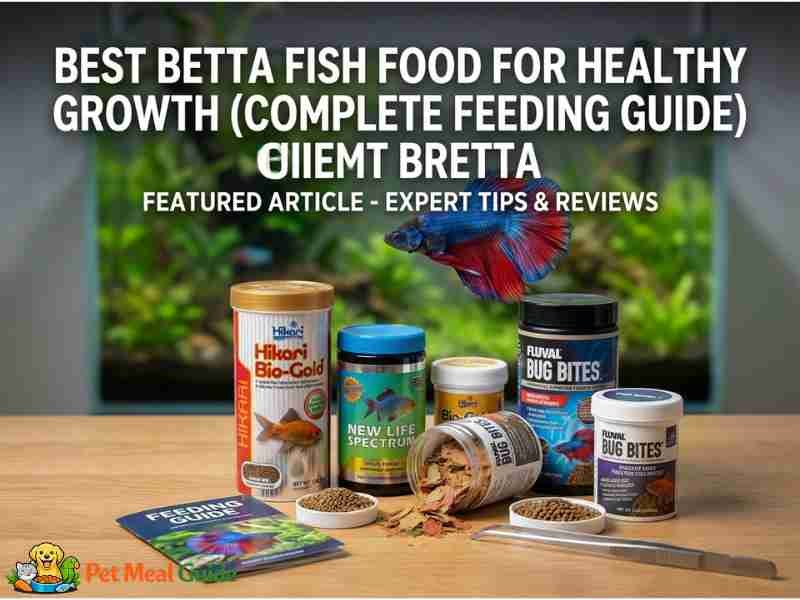
Best Betta Fish Food for Healthy Growth (Complete Feeding Guide)
Bringing a vibrant, flowing betta fish into your home is an exciting experience. However, beneath their beautiful fins and fierce personalities lies a highly specific digestive system. To keep your betta thriving, energetic, and colorful, you cannot simply grab the cheapest container of generic fish flakes off the pet store shelf. Finding the best betta fish food is the single most important factor in your fish’s longevity and health.
According to experts at leading aquarium organizations like Fishlore and Aquarium Co-Op, many common illnesses—ranging from swim bladder disease to severe fin rot—are directly linked to poor nutrition and overfeeding. Because these fish are naturally surface-feeding carnivores, providing a high-protein betta fish diet is absolutely non-negotiable.
In this comprehensive guide, we will break down exactly what do betta fish eat, review the highest-quality diets available, and provide a foolproof betta fish feeding guide to ensure your aquatic pet achieves maximum color and healthy growth.
The best food for a betta fish is a high-quality, protein-rich micro-pellet that contains at least 35% to 40% crude protein sourced from marine animals or insects. Because bettas are obligate carnivores, their diet should consist primarily of meat rather than plant matter or fillers.
The ideal betta fish diet includes:
- High-Quality Pellets: The best staple diet (e.g., Fluval Bug Bites or Omega One Betta Buffet).
- Frozen Foods: Bloodworms and brine shrimp (excellent for growth and color).
- Live Foods: Daphnia and mosquito larvae (provides mental stimulation and prevents constipation).
- Freeze-Dried Treats: Offered sparingly as a high-protein snack.
Avoid generic plant-based tropical flakes, as bettas cannot properly digest heavy carbohydrates, leading to severe bloating and swim bladder complications.
What Do Betta Fish Eat – Understanding the Natural Betta Fish Diet
To truly understand what do betta fish eat, we have to look at their natural habitat. Betta splendens originate from the shallow, sluggish waters, rice paddies, and marshes of Southeast Asia, particularly Thailand. In these warm, heavily vegetated waters, bettas do not graze on algae or aquatic plants.
Instead, they are skilled micro-predators. Their unique biology—specifically their upturned mouths—is perfectly evolved for snatching insects right off the surface of the water. In the wild, a natural betta fish diet consists almost entirely of:
- Mosquito larvae
- Small aquatic insects
- Tiny crustaceans like daphnia and copepods
- Bloodworms (midge fly larvae) found in the muddy substrate
Because of this evolutionary background, bettas have short digestive tracts that are specifically designed to process meat rapidly. They lack the long intestines required to break down heavy plant matter, corn, wheat, or soy. Therefore, any commercial high protein betta fish food you purchase must have whole fish, shrimp, krill, or insects listed as the very first ingredients.
If you are setting up a new habitat, providing the right nutrition is just as important as establishing a cycled environment. Beginners should always reference a thorough betta tank setup guide to ensure water parameters are optimal, as even the best diet won’t overcome the stress of toxic water.
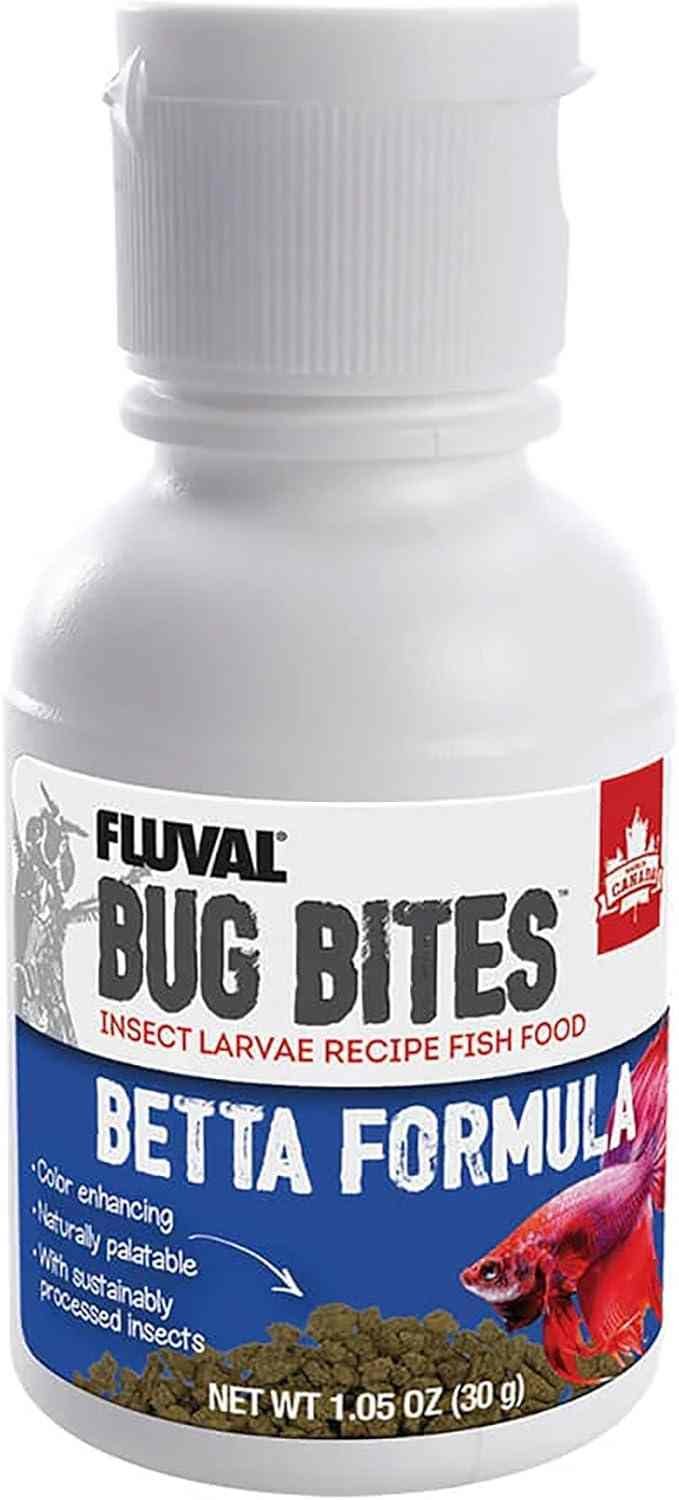
1. Fluval Bug Bites Betta Formula
Widely celebrated by aquatic veterinarians, Fluval Bug Bites is revolutionary because it uses Black Soldier Fly Larvae as the number one ingredient, perfectly mimicking the betta’s wild insectivorous diet.
- Protein Content: 40% Crude Protein
- Key Ingredient: Black Soldier Fly Larvae & Salmon
- Pellet Size: 0.25mm – 1.0mm (Micro granules)
- Benefit: Highly palatable and incredibly easy to digest
👍 Pros
- Mimics natural wild diet
- Sustainably sourced protein
- Contains Omega 3 & 6 for skin/fin health
👎 Cons
- Granules sink a bit too quickly for slow eaters
- Sizing can be slightly inconsistent
Top 5 Best Betta Fish Foods Reviewed
Navigating the aisles of a pet store can be overwhelming. To help you choose, we have analyzed the top-rated brands based on ingredient quality, protein ratios, and digestibility. Here is the definitive list of the best food for betta fish.
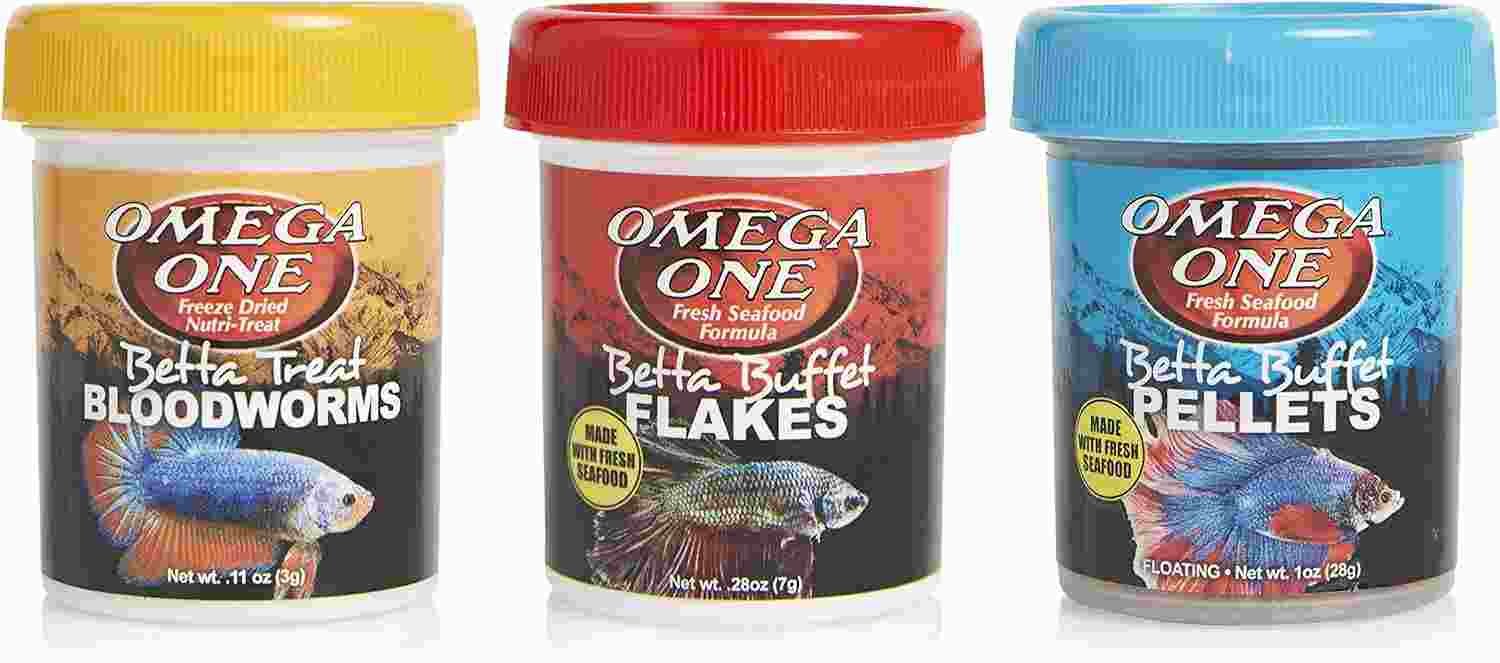
2. Omega One Betta Buffet Pellets
Omega One is famous for using fresh, sustainably harvested Alaskan seafood rather than cheap fish meal. This provides a clean, rich source of marine protein that significantly boosts a betta’s immune system.
- Protein Content: 40% Crude Protein
- Key Ingredient: Whole Salmon, Halibut, Shrimp
- Pellet Size: 1.5mm (Floating)
- Benefit: Exceptional color enhancement from natural salmon pigments
👍 Pros
- No fish meal; pure whole seafood
- Low ash content prevents cloudy water
- Floats well, allowing betta to surface feed
👎 Cons
- Pellets might be too large for juvenile bettas
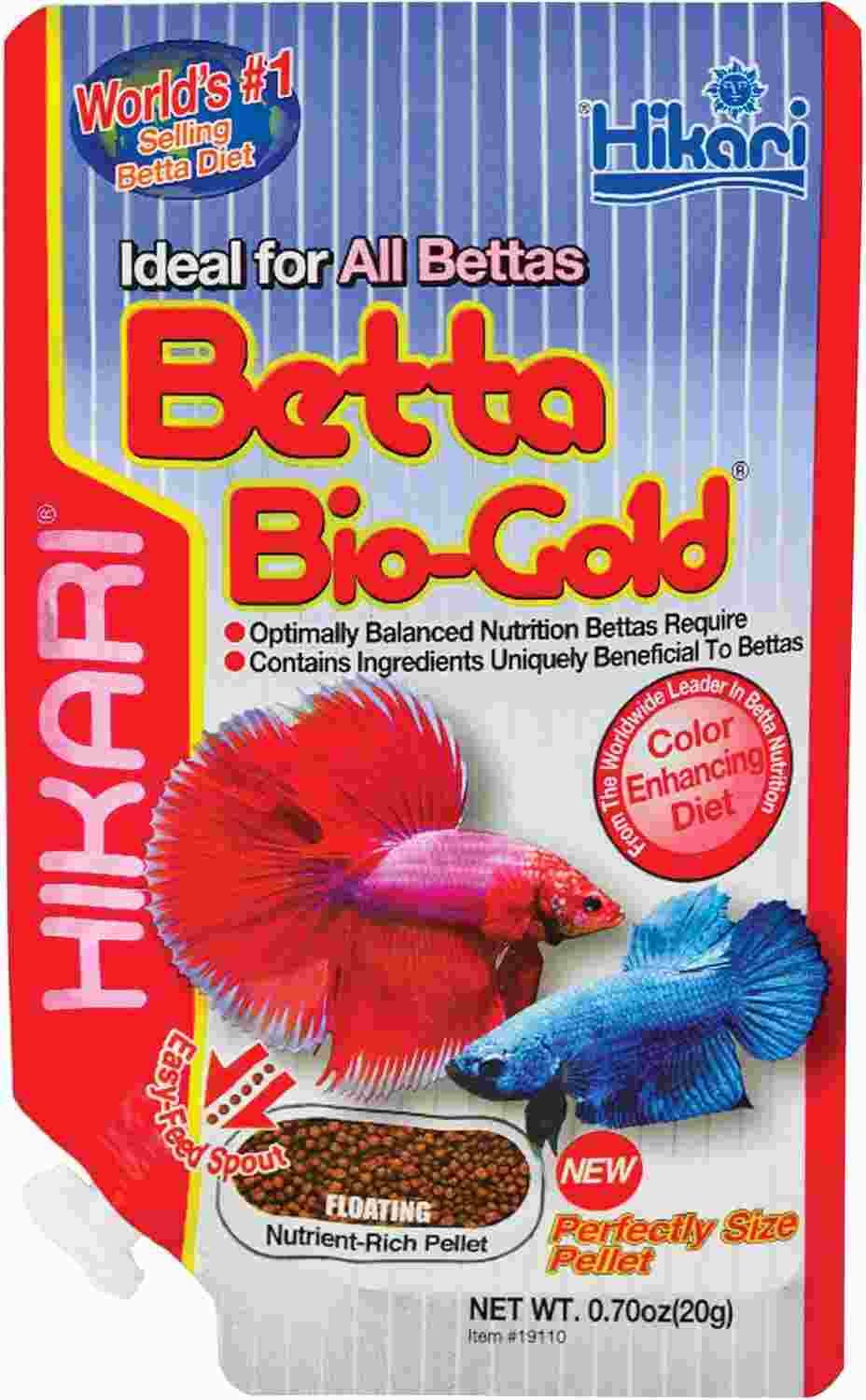
3. Hikari Betta Bio-Gold Pellets
A staple in the aquarium hobby for decades, Hikari Bio-Gold is scientifically formulated. It includes Astaxanthin, a natural color enhancer that brings out brilliant reds and blues in your fish.
- Protein Content: 38% Crude Protein
- Key Ingredient: Fish Meal, Wheat Flour, Soybean Meal
- Pellet Size: Micro Pellet (Floating)
- Benefit: Excellent for vibrant coloration and immune support
👍 Pros
- Perfectly sized for almost all adult bettas
- High in stabilizing Vitamin C
- Dispenser package prevents over-pouring
👎 Cons
- Contains more plant fillers (wheat/soy) than premium brands
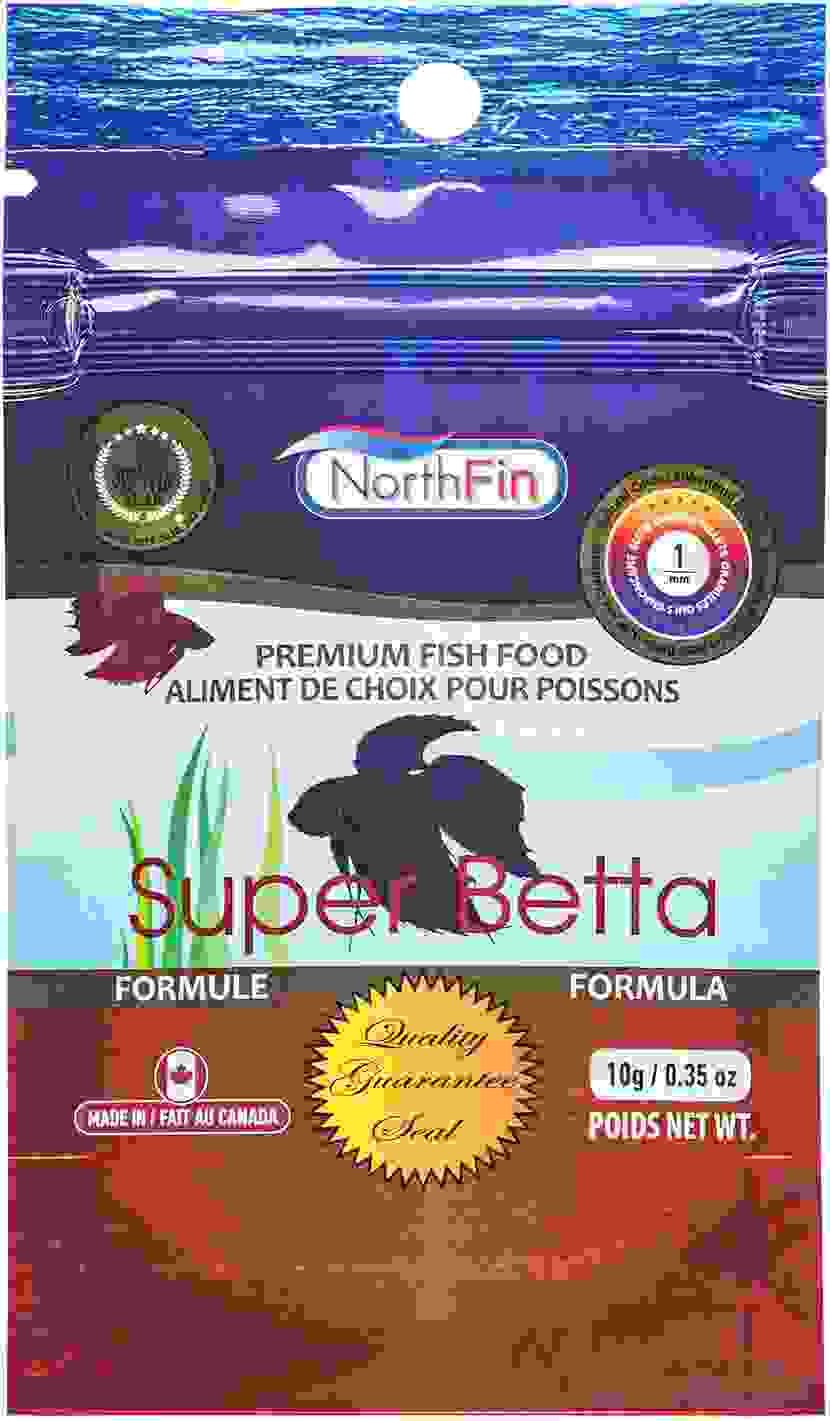
4. NorthFin Betta Bits
If you want an ultra-premium, filler-free diet, NorthFin is the answer. It is packed with Antarctic Krill, which acts as a powerful, natural flavor attractant for picky eaters.
- Protein Content: 45% Crude Protein (Highest on list)
- Key Ingredient: Whole Antarctic Krill Meal, High DHA Omega-3 Whole Herring Meal
- Pellet Size: 1mm (Slow Sinking)
- Benefit: Maximum muscle growth and fin regeneration
👍 Pros
- Zero artificial pigments or fillers
- Incredibly high protein percentage
- Great for bringing sick fish back to health
👎 Cons
- Slow sinking action; uneaten food must be removed
- Higher price point
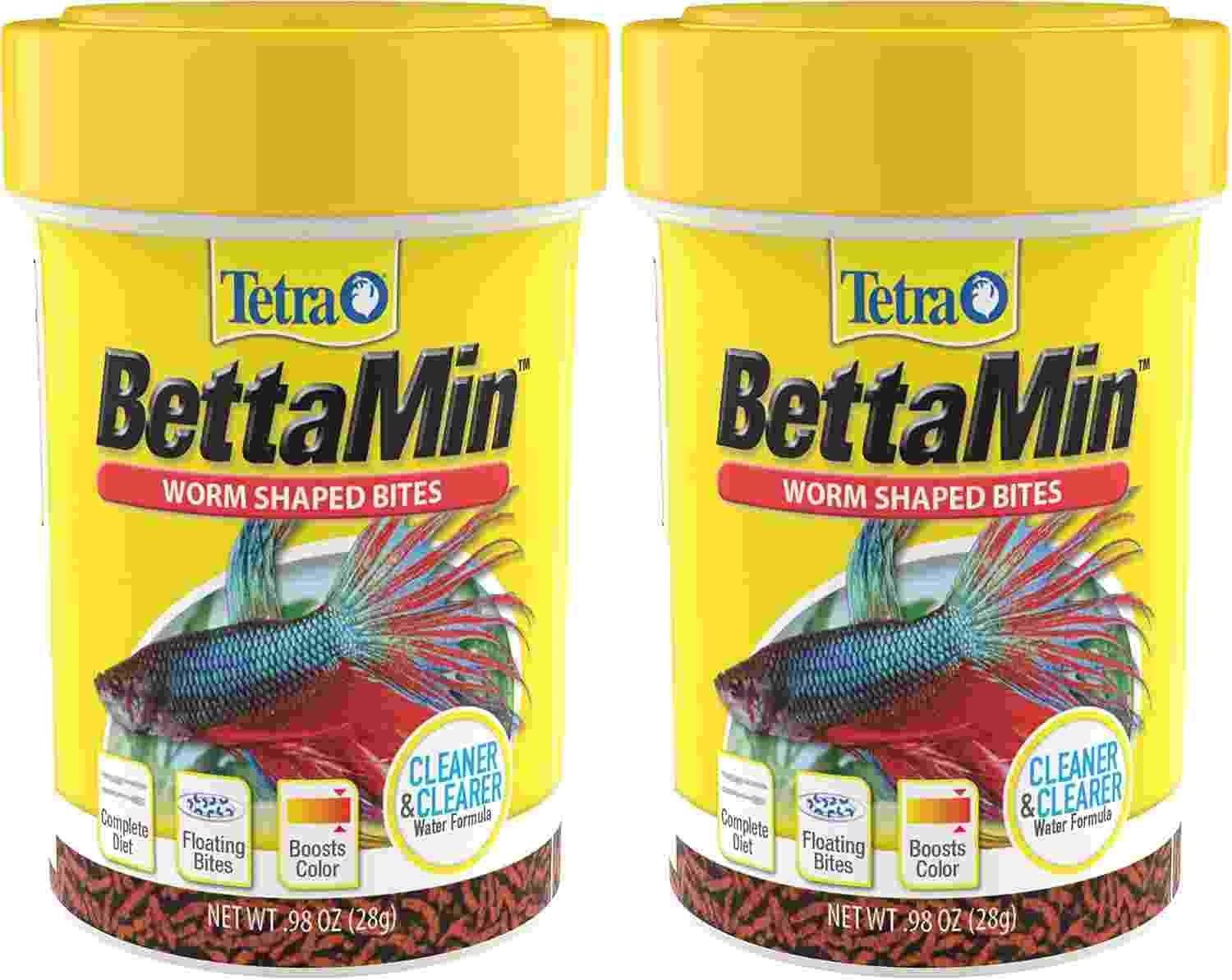
5. Tetra BettaMin Worm Shaped Bites
A highly accessible, budget-friendly option that cleverly shapes its bites like tiny bloodworms, triggering the betta’s natural hunting instinct.
- Protein Content: 43% Crude Protein
- Key Ingredient: Fish Meal, Freeze Dried Bloodworms
- Pellet Size: Worm-shaped crisp
- Benefit: Highly attractive to stubborn, new bettas
👍 Pros
- Very affordable and widely available
- Includes real freeze-dried bloodworms
- Shape encourages natural feeding behavior
👎 Cons
- Contains artificial colorings
- Can crumble and dirty the water if not eaten quickly
Betta Fish Food Comparison Table
To help you choose the best betta fish pellets or granules for your setup, reference this side-by-side comparison.
| Product | Protein % | Food Type | Key Ingredients | Best For | Price |
|---|---|---|---|---|---|
| Fluval Bug Bites | 40% | Micro Granules | Insect Larvae, Salmon | Mimicking Wild Diet | $$ |
| Omega One Betta Buffet | 40% | Floating Pellets | Whole Salmon, Halibut | Color Enhancement | $$ |
| Hikari Betta Bio-Gold | 38% | Floating Pellets | Fish Meal, Astaxanthin | Everyday Feeding | $ |
| NorthFin Betta Bits | 45% | Slow Sinking Pellets | Whole Krill, Herring | Growth & Fin Repair | $$$ |
| Tetra BettaMin | 43% | Worm-Shaped Bites | Fish Meal, Bloodworms | Picky Eaters & Budget | $ |
Types of Betta Fish Food Explained
While a high-quality pellet should form the foundation of your fish’s diet, variety is the spice of life. Feeding a diverse mix of foods prevents nutritional deficiencies and provides vital mental stimulation. Here are the four main types of food you should understand.
Betta Fish Pellets (The Best Staple Diet)
Pellets are specifically formulated to provide a nutritionally complete meal in a tiny package. They expand slightly in water and come in floating or slow-sinking varieties. Floating pellets are generally preferred because bettas have upturned mouths designed for surface feeding. When choosing betta fish pellets, always look for minimal wheat and soy fillers.
Freeze-Dried Betta Fish Food
Freeze dried betta food—such as freeze-dried bloodworms, brine shrimp, or tubifex worms—is an excellent, high-protein treat. The freeze-drying process removes moisture, making the food shelf-stable and free of parasites. However, it also removes a lot of the nutritional value compared to live food. Expert Warning: Always soak freeze-dried food in a small cup of aquarium water for 5 minutes before feeding. If fed dry, it can expand inside the betta’s stomach, causing severe bloating and swim bladder issues.
Frozen Betta Fish Food
Frozen foods are a fantastic middle ground between live and freeze-dried. You can purchase blister packs of frozen bloodworms, mysis shrimp, and daphnia at most local fish stores. Thaw a tiny portion in aquarium water and feed it using tweezers. Frozen foods retain almost all of their original nutritional profile and are completely parasite-free.
Live Food for Betta Fish
Nothing triggers a betta’s natural hunting instincts quite like live food for betta fish. Feeding live cultures is the absolute best way to condition bettas for breeding or to rehabilitate a sick fish. Common live foods include:
- Daphnia (Water Fleas): High in fiber, daphnia acts as a natural laxative and is the best cure for a constipated betta.
- Brine Shrimp (Sea Monkeys): Packed with fats and proteins, excellent for fry and adults alike.
- Mosquito Larvae: Their absolute favorite natural food. (Ensure you collect these from clean, chemical-free standing water).
Always source live food from reputable breeders to avoid introducing unwanted parasites into your aquarium ecosystem. Understanding how the aquarium nitrogen cycle works is crucial when feeding live foods, as any uneaten organisms that die in the tank can quickly cause an ammonia spike.
Betta Fish Feeding Schedule: How Often and How Much?
The most common cause of betta fish death is not starvation, but overfeeding. A betta’s stomach is roughly the size of its eye. Dumping a large pinch of food into the tank will overwhelm their digestive system and severely pollute the water.
How often should you feed a betta fish?
Adult bettas should be fed twice a day (e.g., once in the morning and once in the evening).
How much food per feeding?
Feed only 2 to 3 micro-pellets per meal. If you are feeding bloodworms or other treats, substitute them for a pellet meal (do not add them on top of the regular pellets).
Example Betta Feeding Chart:
- Monday: 2 Pellets (Morning) | 2 Pellets (Evening)
- Tuesday: 2 Pellets (Morning) | 2 Pellets (Evening)
- Wednesday: 2 Pellets (Morning) | 2 Frozen Bloodworms (Evening)
- Thursday: 2 Pellets (Morning) | 2 Pellets (Evening)
- Friday: 2 Pellets (Morning) | 2 Pellets (Evening)
- Saturday: Live or Freeze-dried Daphnia (Morning) | 2 Pellets (Evening)
- Sunday: FASTING DAY (No food)
Foods to Avoid for Betta Fish
Just because a food item is sold in the fish aisle doesn’t mean it belongs in your betta’s stomach. Avoid the following:
- Generic Tropical Flakes: These are formulated for omnivores (like guppies and tetras) and contain heavy amounts of kelp, algae, and wheat. Bettas cannot digest this, and the flakes will foul the water quickly.
- Human Food: Never feed your betta bread, crackers, cooked meats, or vegetables. (Note: The “pea method” for constipation is outdated; use daphnia instead).
- Expired Fish Food: Fish pellets lose their vitamin content (especially Vitamin C) about 6 months after the seal is broken. Throw out old food, as oxidized fats can make your fish sick.
Pro Tips for Betta Fish Healthy Growth
To ensure your betta lives a long, vibrant life (often 3 to 5 years in captivity), follow these expert husbandry tips:
- Remove Uneaten Food Immediately: If your betta spits out a pellet or misses one, use a turkey baster or fish net to remove it after 5 minutes. Decaying food produces toxic ammonia.
- Rotate Their Diet: Imagine eating the exact same dry cracker every day for your whole life. Rotating between high-quality pellets, frozen bloodworms, and live brine shrimp provides comprehensive nutrition and mental enrichment.
- Maintain Pristine Water Quality: Food fuels growth, but water quality dictates health. Ensure you have a gentle filter, a heater set to 78°F – 80°F, and perform 25% weekly water changes. Even the most expensive diet won’t help a fish living in a cold, dirty bowl. Check out this betta tank mates guide if you plan on adding clean-up crews like snails or shrimp to help manage uneaten food.
Video Guide: The Ultimate Betta Fish Feeding Tutorial
For a highly visual breakdown of portion sizes, pellet preparation, and feeding techniques, watch this comprehensive video guide by aquarium experts.
Common Betta Feeding Mistakes to Avoid
Many well-meaning beginners inadvertently harm their bettas through feeding errors. Be on the lookout for these common pitfalls:
- The “He Looks Hungry” Trap: Bettas are opportunistic eaters. In the wild, they don’t know when their next meal is coming, so they will beg for food every time you walk by the tank. Do not give in. Stick strictly to your schedule.
- Using the “Pinch” Method: Never pinch micro-pellets directly from the jar into the tank. It is impossible to count how many fall in. Always pour a few onto your palm or a clean spoon first, count out exactly 2 or 3, and drop them in.
- Feeding Large Pellets to Small Bettas: If you notice your betta biting a pellet and spitting it out repeatedly, the food is too hard or too large. Switch to a micro-granule like Fluval Bug Bites, or soak the pellet in tank water for a minute to soften it.
Frequently Asked Questions (FAQs)
The best food for a betta fish is a high-protein, meat-based micro-pellet, such as Fluval Bug Bites or Omega One Betta Buffet. These should be supplemented with occasional treats of frozen bloodworms or live daphnia for optimal health.
You should feed adult betta fish twice a day—once in the morning and once in the evening. Feed only 2 to 3 small pellets per meal, and incorporate one fasting day per week to allow their digestive system to rest.
While bettas can physically eat tropical flakes, it is highly discouraged. Most flakes are plant-based and contain fillers that carnivorous bettas cannot digest well, leading to bloating and poor water quality.
Yes, absolutely. Live foods such as daphnia, brine shrimp, and mosquito larvae perfectly mimic their natural wild diet. Live food provides excellent protein and encourages natural hunting behaviors.
Foods with a very high protein content (40% or more) and rich in Omega-3 fatty acids promote the fastest growth and fin regeneration. Live or frozen bloodworms and krill-based pellets are excellent for growth.
A healthy adult betta fish can survive 10 to 14 days without food. If you are going on a weekend trip, it is better to leave them unfed rather than risking an inexperienced pet sitter overfeeding and polluting the tank.
A betta will spit out food if the pellet is too large, too hard, or if the fish is picky. Try soaking the pellet in a few drops of tank water for two minutes before feeding to soften it, or switch to a micro-granule.
Yes, but only as an occasional treat (1-2 times a week). Because they contain zero moisture, they must be soaked in tank water prior to feeding to prevent them from expanding inside the fish’s stomach and causing constipation.