
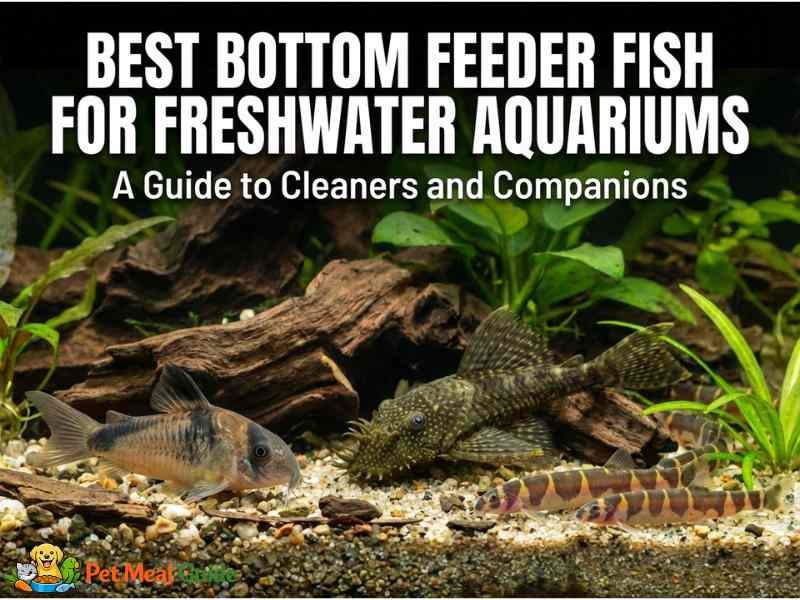
✨ Top Bottom Feeders for Freshwater Tanks
Bottom feeder fish are aquarium species that spend most of their time near the tank substrate searching for leftover food, algae, and small organisms. They are essential for a balanced aquatic ecosystem.
Some of the best freshwater bottom feeder fish include:
- Corydoras Catfish: Peaceful, schooling fish perfect for cleaning up uneaten food in small to large tanks.
- Bristlenose Plecos: Excellent algae eaters that stay relatively small compared to common plecos.
- Kuhli Loaches: Eel-like scavengers that excel at keeping sand substrates clean.
- Otocinclus Catfish: Highly efficient algae eaters for planted nano aquariums.
While these fish help clean leftover food and keep the aquarium balanced, they cannot survive on waste alone and require proper, targeted feeding with sinking pellets and algae wafers.
Complete Guide to Bottom Feeding Fish Species
A thriving, healthy aquarium is built on balance. While dazzling top-dwelling fish and colorful mid-water swimmers often grab all the attention, the unsung heroes of the aquatic world are working tirelessly below. Bottom feeder fish act as the ultimate clean-up crew for your tank, providing both immense utility and fascinating behavior.
Whether you are setting up your very first 10-gallon tank or maintaining a massive 100-gallon planted aquascape, choosing the right freshwater bottom feeder fish is a critical decision. Not only do they agitate the substrate and manage algae growth, but they also bring life and movement to the lowest level of your aquatic habitat.
In this comprehensive guide, we will explore the best bottom feeder fish for small tanks and large aquariums alike, provide a detailed bottom feeder fish names list, and share expert advice on how to properly feed and care for these unique bottom dwellers aquarium fish.
Understanding Bottom Feeder Fish in Freshwater Aquariums
To successfully keep bottom feeding fish species, it is crucial to understand what they are and the ecological role they play in the wild and in captivity.
What are bottom feeder fish? Bottom feeders are aquatic species specifically adapted to live, swim, and forage along the bottom of a body of water. Evolution has equipped them with physical traits perfect for this lifestyle. Most feature downward-facing mouths (inferior mouths) meant for grazing on surfaces, and many possess barbels—whisker-like sensory organs that help them detect buried food in murky water or dark substrate.
In a closed aquarium environment, their ecological role is vital. When top and mid-water fish eat, they inevitably miss flakes and pellets. These leftovers sink to the bottom. Without aquarium cleaning fish, this food decays, producing highly toxic ammonia. Bottom feeders act as the first line of defense, consuming this food before it rots.
However, an incredibly common myth must be dispelled: bottom feeders do not survive only on leftovers.
As stressed by leading aquatic biologists and experts at Seriously Fish and Aquarium Co-Op, bottom feeders are not “garbage disposals.” They do not eat fish poop. They require their own targeted diets, consisting of sinking pellets, algae wafers, and vegetables, to remain healthy and active.
Essential Supplies for Bottom Feeder Fish
To ensure your bottom feeding fish thrive, you must provide food that actually reaches them. Here are the top-recommended products for substrate-dwelling fish.
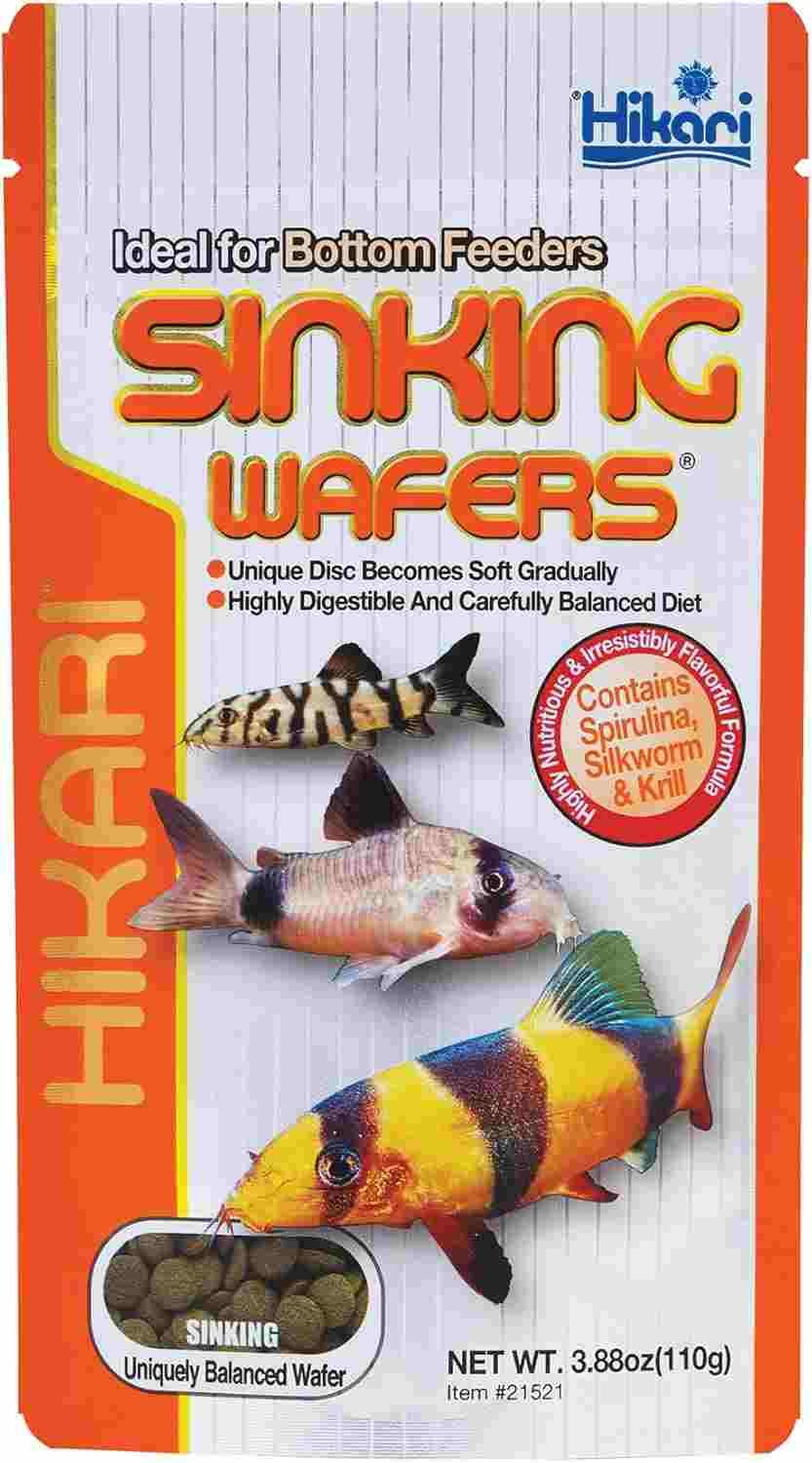
- Rapid-sinking formula
- Rich in vitamin C and protein
- Will not cloud aquarium water
- Perfectly sized for small mouths
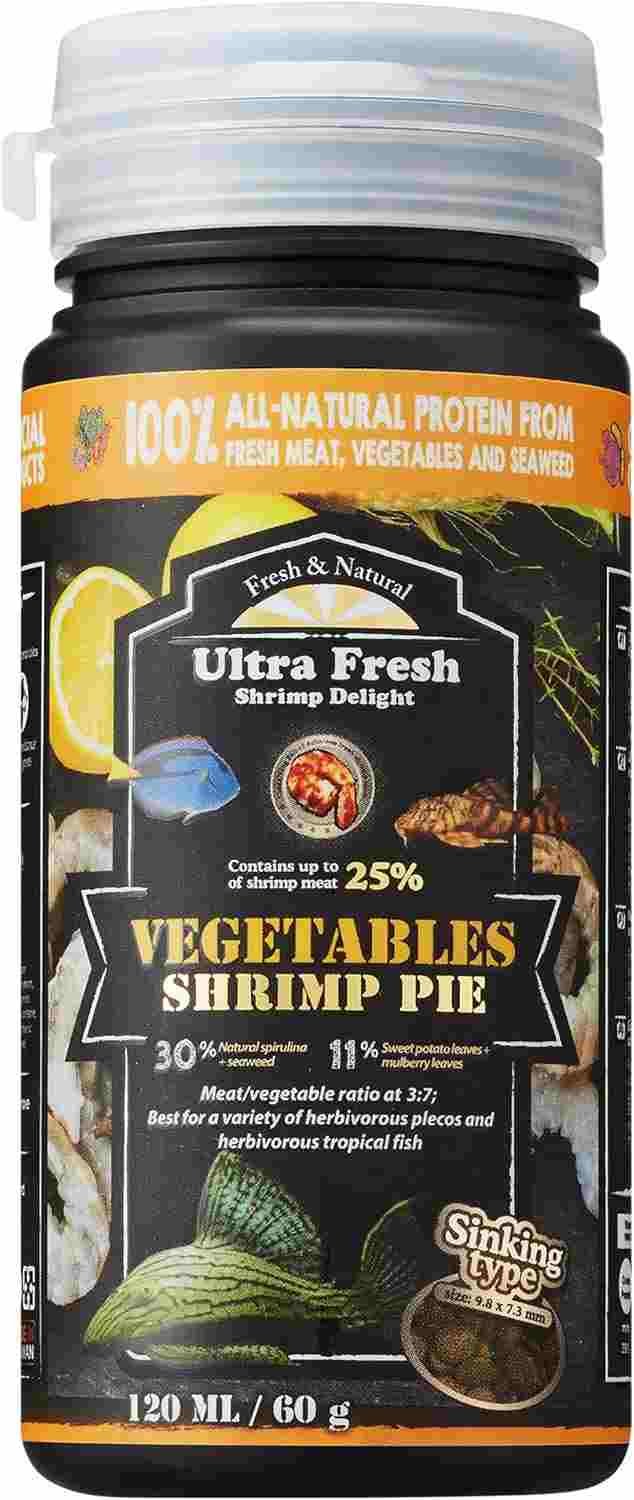
- High spirulina and algae content
- Disc shape allows for natural rasping/grazing
- Promotes healthy digestion
- Highly palatable for picky eaters
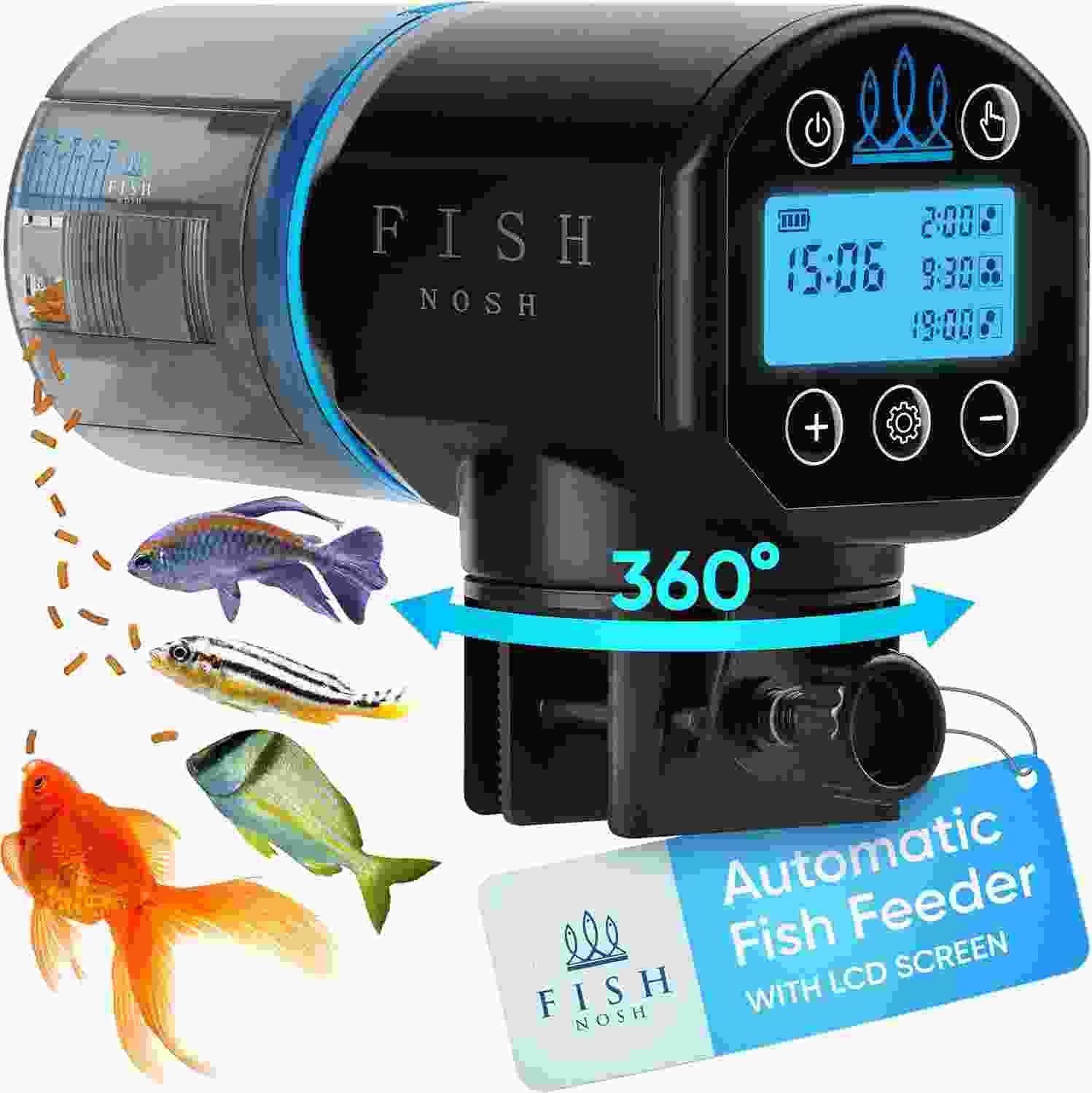
- Customizable portion control
- Moisture-resistant food hopper
- Program up to 4 feedings per day
- Ideal for vacations and busy schedules
Benefits of Bottom Feeder Fish in a Freshwater Aquarium
Adding a freshwater aquarium bottom feeder fish to your tank provides numerous practical and aesthetic benefits. They are often considered the “cleaning crew” for good reason.
- Cleaning Leftover Food: Their primary benefit is scavenging. By constantly sifting through the gravel or sand, they consume organic matter that would otherwise degrade and ruin your water quality.
- Algae Control: Many bottom dwellers, particularly certain catfish and plecos, are exceptional algae eating fish freshwater enthusiasts rely on. They graze on glass, rocks, and driftwood, keeping nuisance algae at bay.
- Substrate Agitation: Fish like loaches physically dig into the sand. This constant turning of the substrate prevents deadly anaerobic gas pockets from forming beneath the surface.
- Balancing the Ecosystem: By occupying the bottom layer of the tank, they ensure that the entire water column is utilized, creating a more dynamic, natural, and visually balanced aquarium.
However, experts at Fishkeeping World remind hobbyists to maintain realistic expectations. Bottom feeders support tank health, but they cannot replace regular water changes, gravel vacuuming, or filter maintenance.
Best Bottom Feeder Fish for Freshwater Aquariums
The aquarium hobby offers a vast array of bottom-dwelling species. Generally, these fish fall into four major categories: Catfish, Corydoras, Loaches, and Plecos. Let’s explore the bottom feeder fish aquarium enthusiasts love most.
Catfish – Popular Bottom Feeder Fish for Aquariums
The term “catfish” covers an incredibly diverse group of fish, renowned for their prominent barbels. They range from tiny, peaceful algae eaters to massive, predatory giants. For the home aquarium, smaller, peaceful species are highly recommended.
- Otocinclus Catfish: Often called “Otos,” these are perhaps the best algae eaters in the hobby. They are tiny (growing to about 2 inches) and do an incredible job of cleaning brown diatoms off plant leaves and glass. They are peaceful schooling fish and must be kept in groups of at least 6.
- Pictus Catfish: A highly active, beautiful silver catfish with black spots and incredibly long barbels. They are excellent scavengers but are predatory by nature; they will eat any fish small enough to fit in their mouths (like neon tetras). They require larger tanks (55+ gallons).
- Upside Down Catfish: Named for their bizarre habit of swimming and feeding completely upside down, allowing them to scavenge underneath broad plant leaves and driftwood where other fish cannot reach.
Corydoras Catfish – Best Bottom Feeder Fish for Small Tanks
When searching for the best bottom feeder fish for small tank setups, the Corydoras (often just called “Corys”) is the undisputed champion. These are small, heavily armored catfish that are universally peaceful.
Corydoras are highly social shoaling fish. They must be kept in groups of at least 6 of the same species. Watching a “cory train” shuffle across the substrate is one of the great joys of fishkeeping.
- Panda Cory: Named for the black markings over their eyes, they stay small (about 2 inches) and are incredibly active.
- Bronze & Peppered Cory: Some of the hardiest bottom feeders available, perfect for beginner aquarists.
- Pygmy Corydoras: Reaching only 1 inch in length, these are the ultimate nano-tank scavengers, though they spend more time hovering in the mid-water than other corys.
Because they use their delicate barbels to sift for food, Corydoras absolutely require a soft sand substrate. Sharp gravel will erode their barbels, leading to severe infections. You can read more about balancing their diet in our Aquarium Fish Feeding Guide.
Loaches – Active Bottom Feeding Fish
Loaches are scaleless (or very small-scaled) fish that are highly active and deeply inquisitive. They are excellent at getting into tight crevices to hunt down leftover food and pest snails.
- Kuhli Loach: These resemble small, banded eels. Kuhli loaches are nocturnal and somewhat shy, but they are fantastic scavengers. They love to burrow, so a sand substrate is mandatory.
- Yo-Yo Loach: Named because the patterns on their sides frequently spell out “Y-O-Y-O.” They are highly active, bold, and are famous for their ability to decimate pest snail populations in aquariums.
- Clown Loach: Stunningly beautiful with orange and black stripes. However, beginners beware: Clown Loaches grow very large (up to 12 inches) and live for decades. They require massive tanks (100+ gallons) and should not be kept in standard community tanks.
Plecos – Famous Bottom Feeding Fish for Algae Control
Plecostomus, or “Plecos,” are the iconic “suckerfish” of the aquarium hobby. They use their specialized sucker mouths to latch onto surfaces and rasp away algae and biofilm.
While the Common Pleco is sold in almost every pet store, they are generally a terrible choice for most aquariums because they grow up to 24 inches long and produce a massive amount of waste. Instead, opt for these appropriately sized species:
- Bristlenose Pleco: The ultimate pleco for the home aquarium. They only grow to about 4-5 inches, are extremely peaceful, and are voracious algae eaters. Males develop fascinating, fleshy tentacles on their snouts.
- Rubber Lip Pleco: Another excellent, smaller alternative to the common pleco, known for their pronounced “rubbery” lips and great algae-clearing abilities.
Plecos absolutely require natural driftwood in their tanks. They rasp on the wood, extracting dietary fiber (lignin) which is essential for their digestive health.
Top Bottom Feeders by Tank Role
The Algae Eaters
Best for keeping glass, plants, and decor free of brown diatoms and green spot algae.
The Leftover Scavengers
Best for sweeping the substrate to find missed flakes and sinking pellets before they rot.
The Snail Hunters
Best for controlling and eradicating pest bladder snail and ramshorn snail populations.
Bottom Feeder Fish List for Freshwater Tanks
To help you choose the right fish for your specific setup, here is a quick-reference bottom feeder fish names chart outlining their size, tank requirements, and dietary focus.
| Fish Name | Average Size | Tank Size Requirement | Primary Diet | Difficulty Level |
|---|---|---|---|---|
| Corydoras (Most Species) | 2 – 3 inches | 20+ Gallons | Omnivore (Scavenger) | Easy |
| Pygmy Corydoras | 1 inch | 10+ Gallons | Omnivore (Scavenger) | Easy to Moderate |
| Kuhli Loach | 3 – 4 inches | 20+ Gallons | Omnivore (Scavenger) | Easy |
| Bristlenose Pleco | 4 – 5 inches | 30+ Gallons | Herbivore (Algae/Wood) | Easy |
| Otocinclus Catfish | 1.5 – 2 inches | 10 – 20 Gallons | Herbivore (Algae) | Moderate |
| Clown Loach | 10 – 12 inches | 100+ Gallons | Carnivore (Snails/Scavenger) | Moderate |
| Pictus Catfish | 5 inches | 55+ Gallons | Carnivore/Omnivore | Moderate |
Best Bottom Feeder Fish for Small Aquariums
If you are working with a nano tank (10 to 20 gallons), you must be highly selective. Large plecos and active loaches will become stressed and severely pollute a small volume of water.
The best bottom feeder fish for small tank setups include:
- For a 10-Gallon Tank: A group of 6 Pygmy Corydoras or a small group of Otocinclus Catfish (provided the tank is heavily planted and well-established with algae). Snails and shrimp (like Amano or Cherry Shrimp) are also excellent bottom-dwelling alternatives for tanks this small.
- For a 20-Gallon Tank: You have more options. A school of 6 standard Panda or Bronze Corydoras will thrive here. Alternatively, a group of Kuhli Loaches will do exceptionally well, provided they have sand to burrow in and plenty of hiding spots.
What Do Bottom Feeder Fish Eat?
As emphasized by The Spruce Pets, bottom feeders cannot survive on the incidental flakes that fall from the top of the tank. You must provide them with a dedicated, sinking diet.
Proper feeding includes:
- Sinking Pellets and Wafers: These are engineered to drop straight to the bottom without disintegrating, allowing scavenging fish time to find and eat them.
- Algae Wafers: Essential for Plecos and Otocinclus to ensure they get enough vegetable matter when tank algae runs low.
- Frozen Foods: Corydoras and Loaches go crazy for sinking, thawed frozen bloodworms and brine shrimp. They are excellent high-protein treats.
- Blanched Vegetables: Plecos love fresh vegetables. Blanch (briefly boil) a slice of zucchini, cucumber, or deshelled peas, and weigh it down in the tank overnight. Remove any uneaten portions the next morning to prevent water fouling.
Because top-swimming fish (like bettas) are gluttons, they will often try to steal sinking wafers. If this is an issue, consider reading our guide on How Often to Feed Betta Fish to learn how to distract top feeders while feeding bottom dwellers.
Common Mistakes When Keeping Bottom Feeder Fish
Avoid these frequent pitfalls to ensure a long, healthy life for your bottom dwellers:
1. Assuming They Eat Feces: No fish in the aquarium hobby eats fish poop. Bottom feeders eat leftover food and algae. They contribute to the bio-load of the tank just like any other fish.
2. Using Sharp Gravel: Corydoras and Loaches have delicate barbels and soft bellies. Jagged, sharp gravel will cut them, leading to severe bacterial infections. Always use sand or very smooth, rounded gravel.
3. Ignoring Tank Compatibility: Bottom feeders are generally peaceful, but they can be bullied. Keeping gentle Corydoras in a tank with aggressive, territorial cichlids that claim the bottom of the tank will result in the bottom feeders being attacked or starved.
Pro Tips for Keeping Healthy Bottom Feeder Fish
Take your fishkeeping to the next level with these expert husbandry tips:
- Feed at Night: Many bottom feeders, especially Plecos and Kuhli Loaches, are nocturnal. If your top-dwelling fish are stealing the sinking wafers, wait until the aquarium lights have been off for 30 minutes, then drop the wafers in. The bottom feeders will find them using their barbels in the dark. Utilizing an Best Automatic Fish Feeder for Aquarium can help automate this late-night feeding.
- Provide Hiding Spots: Bottom dwellers, particularly scaleless fish like loaches, feel highly vulnerable in open water. Provide plenty of caves, dense plant cover, and driftwood. The more hiding places they have, the more secure they will feel, and ironically, the more often they will come out into the open.
- Maintain pristine Water Quality: Because they live at the very bottom of the tank, these fish are the first to suffer if ammonia or nitrites spike, or if detritus builds up in the substrate. Regular gravel vacuuming is non-negotiable.
Video Guide: Top Bottom Feeders for Aquariums
For a visual look at these fascinating species in action, check out this excellent video guide on selecting the best bottom feeders for your freshwater setup.