
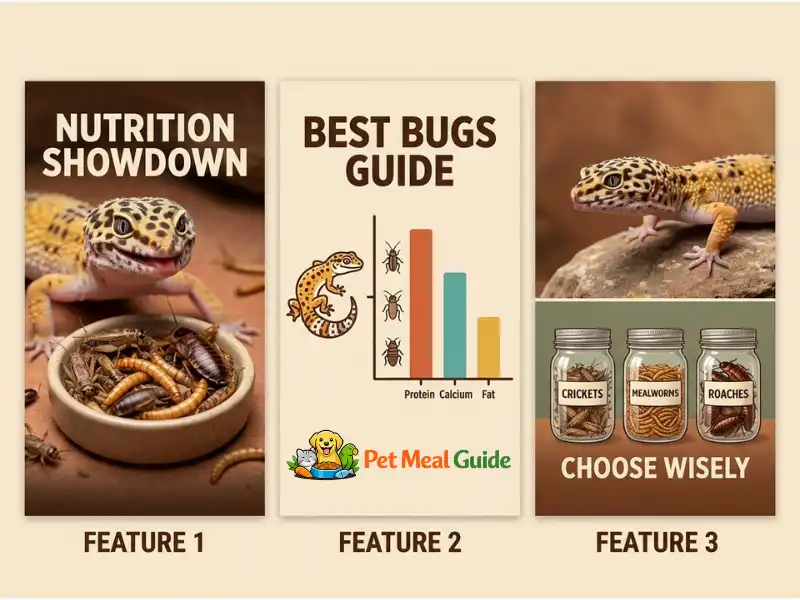
Best Insects for Leopard Geckos (Nutrition Comparison Guide)
Best Insects for Leopard Geckos (Quick Nutrition Guide)
Leopard geckos are obligate insectivores, requiring a highly varied diet of live, gut-loaded insects to maintain optimal health. Providing a diverse rotation of feeder insects ensures your gecko receives a complete spectrum of proteins, fats, amino acids, and essential moisture.
- Top Staple Insects: Dubia Roaches, Crickets, Mealworms, and Silkworms.
- Top Treat Insects: Hornworms (for hydration) and Waxworms (high fat).
- Protein Comparison Summary: Crickets and Dubia roaches offer the highest digestible protein (between 54% and 65% dry weight), while mealworms provide a balanced mix of protein (50%) and slightly higher fat/chitin.
- Feeding Frequency: Hatchlings eat daily, juveniles eat every other day, and adult leopard geckos eat 2 to 3 times a week. Always dust insects with reptile calcium.
Why Insect Nutrition Matters
When researching the leopard gecko insect diet, many beginner reptile keepers fall into the trap of convenience. They visit the local pet store, buy a bag of crickets, and feed only that one type of insect for the gecko's entire life. While crickets are a staple, this mono-diet is one of the most detrimental feeding mistakes you can make.
Leopard geckos (Eublepharis macularius) originate from the arid, rocky deserts of the Middle East. In their natural habitat, they are opportunistic hunters. A single night of foraging might yield a diet consisting of small scorpions, wild roaches, beetles, spiders, and various larvae. This wide variety of prey provides a complex matrix of vitamins and minerals. In captivity, we must mimic this diversity to prevent nutritional deficiencies, stunted growth, and weakened immune systems.
Furthermore, understanding a leopard gecko nutrition guide means understanding the difference between "meat" and "chitin." Chitin is the hard exoskeleton of the insect. While some chitin is good for digestion (acting as dietary fiber), insects with excessively hard shells (like superworms or adult beetles) can cause severe gastrointestinal impaction in smaller geckos. This guide will break down the exact nutritional science behind the best feeder insects for leopard geckos.
Top Recommended Feeder Insects & Supplements
Sourcing high-quality, parasite-free insects is critical. Wild-caught bugs are strictly off-limits due to pesticide exposure. Below are the top-rated, commercially available feeder insects and the essential calcium supplements required to process them safely.
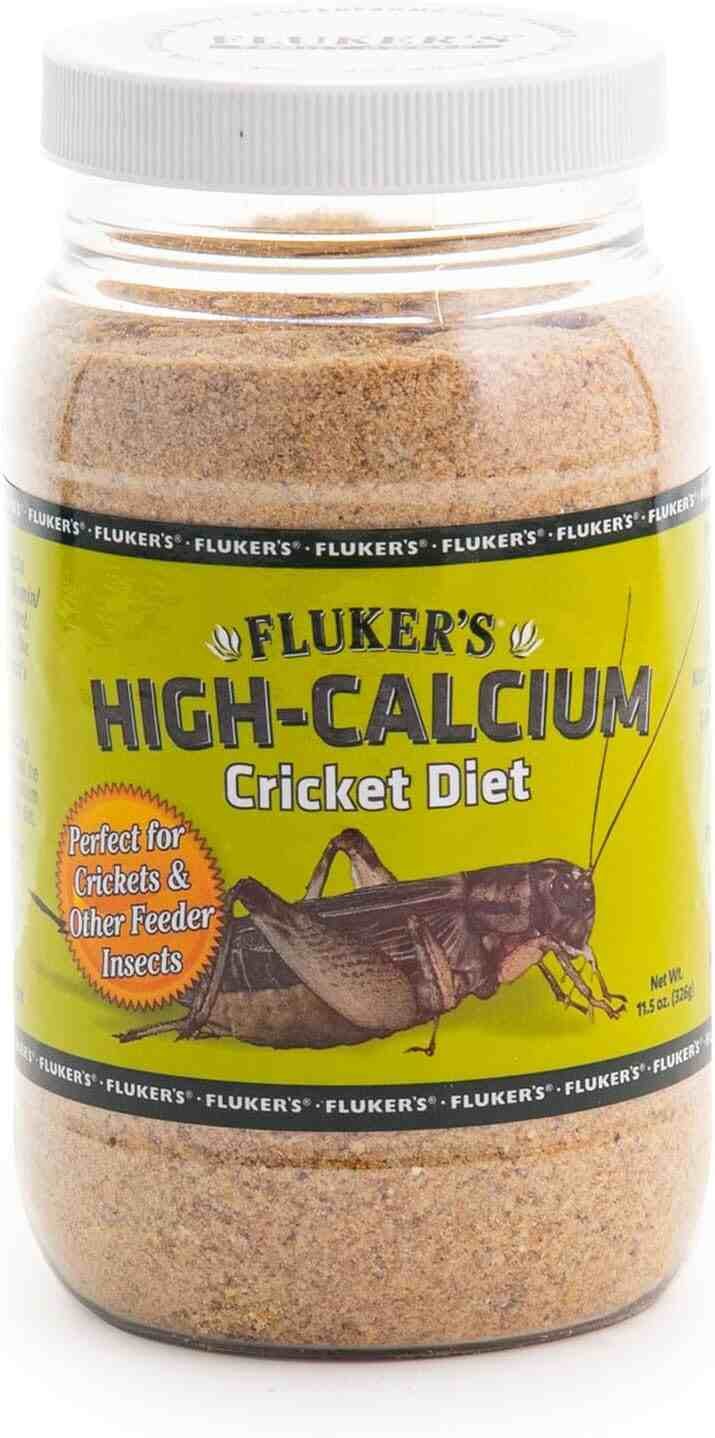
Fluker’s Gut Loaded Crickets
Live, healthy banded crickets shipped directly to your door. An excellent, active staple feeder that triggers your leopard gecko's natural hunting response.
Check Price on Amazon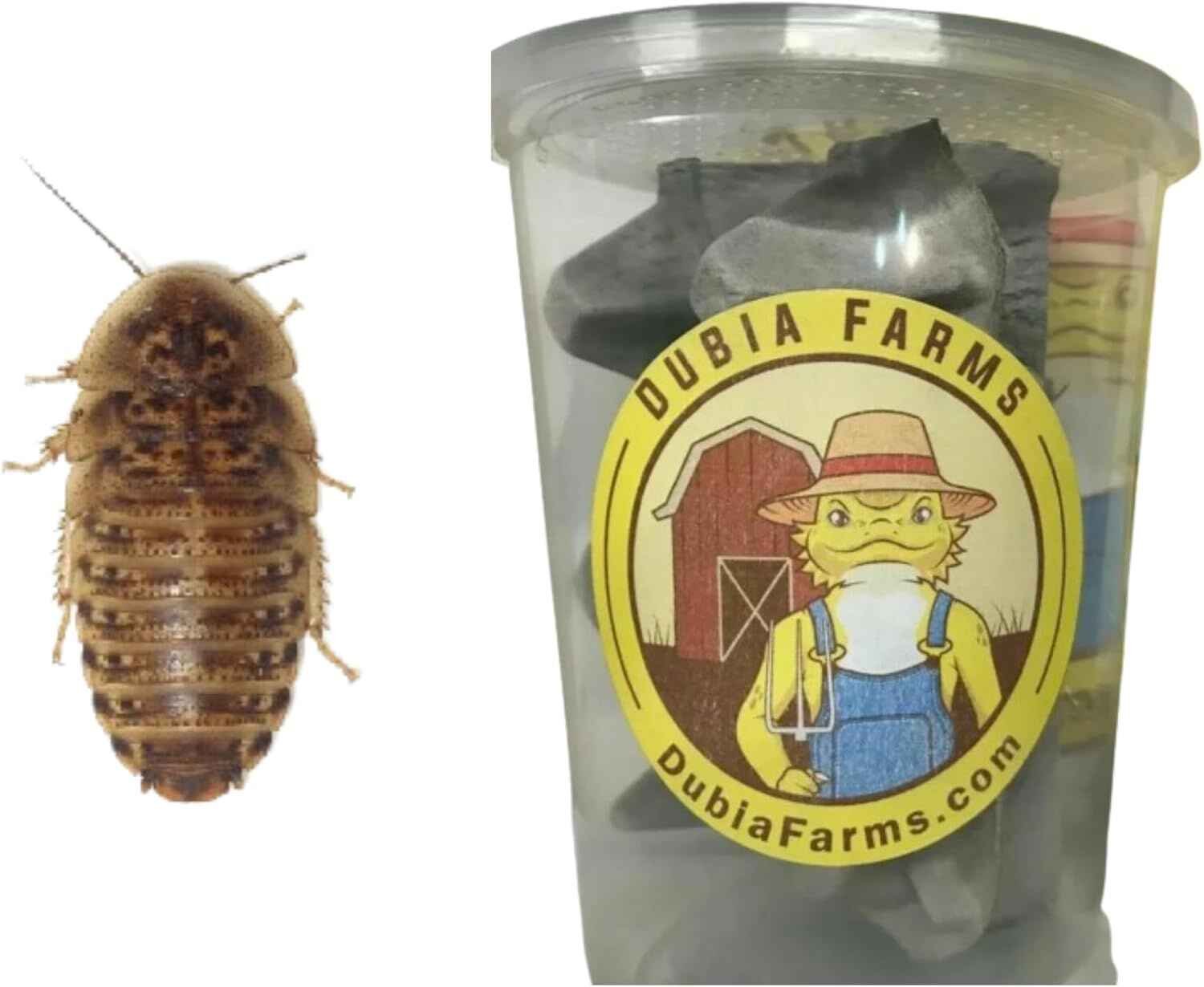
Dubia Roach Starter Colony Kit
The ultimate high-protein, low-odor feeder insect. This starter kit allows you to establish your own self-sustaining, highly nutritious roach colony.
Check Price on Amazon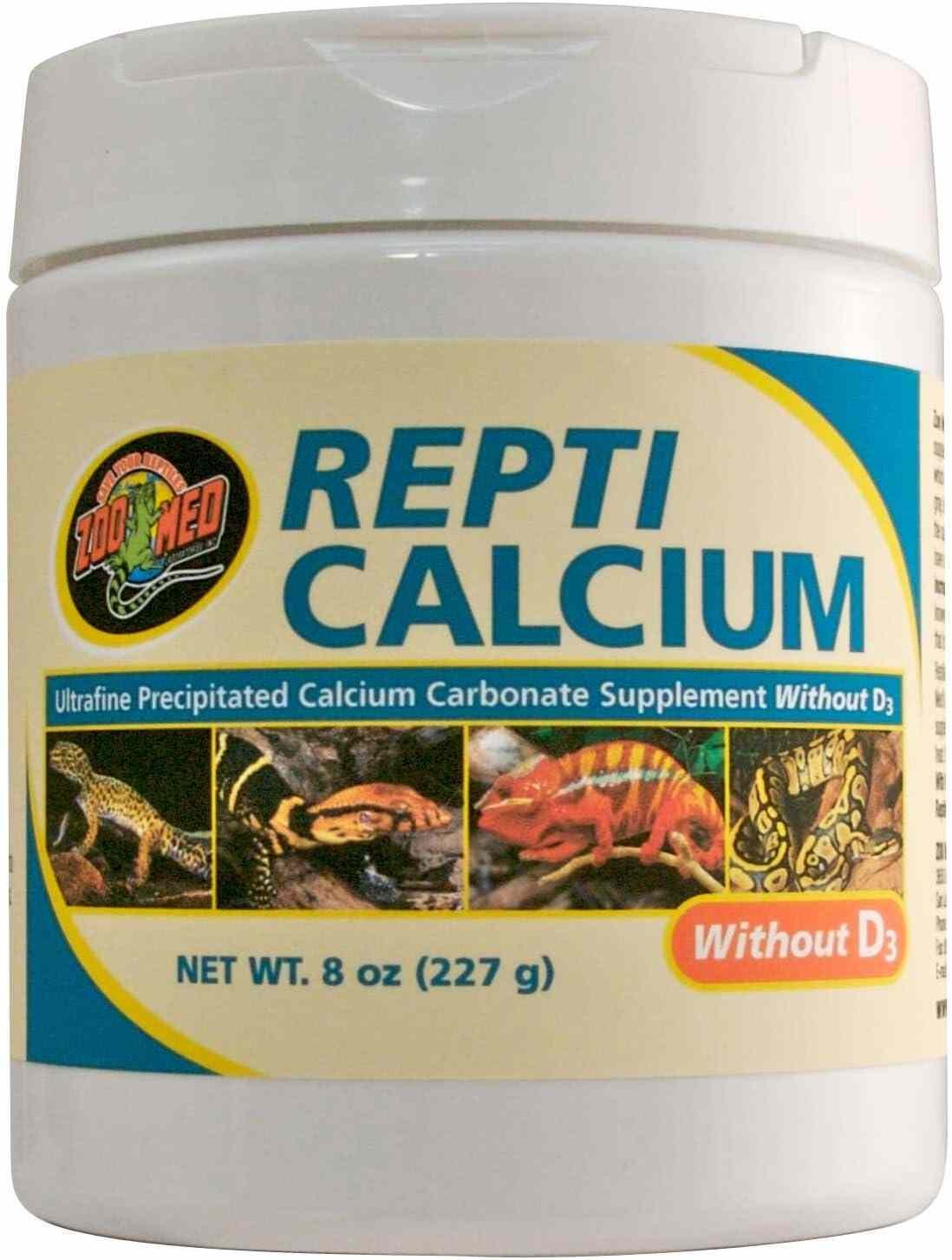
Zoo Med Repti Calcium with D3
An absolute necessity for any insect diet. Ultra-fine precipitated calcium carbonate with D3 ensures your gecko absorbs nutrients and prevents bone disease.
Check Price on AmazonTop 6 Best Insects for Leopard Geckos
To properly manage a leopard gecko feeding insects guide, you must know the unique profile of each bug. Here is an in-depth look at the six best insects you can offer your reptile.
1. Crickets (The Traditional Staple)
Crickets have been the backbone of the reptile hobby for decades. Their erratic jumping and fast movements are highly stimulating for leopard geckos, providing excellent physical exercise. They offer a great balance of protein and moisture.
- Pros: Cheap, widely available, triggers hunting instincts, relatively low fat.
- Cons: They smell bad, chirp loudly, die quickly, and can bite your gecko if left in the tank overnight.
- Feeding Frequency: Excellent daily/weekly staple.
2. Dubia Roaches (The Premium Staple)
Dubia roaches are widely considered the gold standard of feeder insects. They contain significantly more "meat" per insect than a cricket and have a much softer exoskeleton, making them incredibly easy for your gecko to digest.
- Pros: Silent, odorless, cannot jump, cannot climb smooth glass, live for over a year, highly nutritious.
- Cons: More expensive than crickets; they instinctively hide and play dead, which may not trigger a lazy gecko's hunting response. Illegal in Florida and Canada.
- Feeding Frequency: Outstanding primary daily/weekly staple.
3. Mealworms (The Convenient Staple)
Mealworms are the most convenient feeder to keep because they can be stored in the refrigerator, entering a state of dormancy that prevents them from turning into beetles for weeks. They are slightly higher in fat and chitin than crickets.
- Pros: Extremely easy to store, cheap, can be placed in an escape-proof bowl.
- Cons: Higher chitin content requires excellent basking temperatures (90°F+) to digest properly. Less active than crickets.
- Feeding Frequency: Great secondary staple. Rotate with crickets/roaches.
4. Superworms (For Adults Only)
Superworms look like giant mealworms, but they are a different species entirely. They are highly active and very large, making them an excellent meal for fully mature adult leopard geckos looking to maintain weight.
- Pros: Excellent for bulking up an underweight adult rescue gecko. Highly active.
- Cons: Very high in chitin. They possess strong mandibles and can give a painful nip. (Pro tip: crush their heads with tongs before feeding).
- Feeding Frequency: Occasional staple for adults. NEVER feed to babies or juveniles.
5. Silkworms (The Nutritional Powerhouse)
Silkworms are incredibly soft-bodied and highly nutritious. They contain an enzyme called serrapeptase, which is known to aid in calcium absorption and has mild anti-inflammatory properties.
- Pros: Extremely healthy, low fat, easy to digest, excellent for sick or elderly geckos.
- Cons: Very difficult to keep alive. They require a strict diet of mulberry leaves or specialized commercial silkworm chow. Expensive.
- Feeding Frequency: Excellent staple when available.
6. Hornworms (The Hydration Station)
Hornworms are the bright teal/green caterpillars you see in high-end pet stores. Because they are mostly water, they are the absolute best insect for a dehydrated gecko or a female recovering from laying eggs.
- Pros: Massive hydration boost. Visually stimulating for the gecko. Very low chitin.
- Cons: They grow astonishingly fast. A hornworm can outgrow the "safe feeding size" in just 3 days. High water content can cause runny stools if overfed.
- Feeding Frequency: Treat insect. Feed 1-2 times a month as a hydration boost.
Leopard Gecko Insect Nutrition Comparison Chart
Understanding a leopard gecko insect nutrition comparison requires looking at the dry matter composition. Here is a scientific estimate of the macronutrient profiles of the most common feeder insects to help you balance your pet's diet.
| Feeder Insect | Protein (Dry Weight) | Fat (Dry Weight) | Moisture Content | Feeding Frequency | Best For... |
|---|---|---|---|---|---|
| Dubia Roaches | ~54% | ~20% | 61% | Primary Staple | Maximum nutrition, easy digestion, low odor. |
| Crickets | ~65% | ~14% | 73% | Primary Staple | Triggering hunting instincts, lean protein. |
| Mealworms | ~50% | ~28% | 62% | Secondary Staple | Convenience, bowl feeding, building mass. |
| Silkworms | ~60% | ~10% | 80% | Primary Staple | Sick geckos, high calcium absorption, low fat. |
| Hornworms | ~9% (Wet basis) | ~3% | 85% | Occasional Treat | Rapid hydration, recovering females. |
| Waxworms | ~39% | ~55% | 60% | Rare Treat | Weight gain for emaciated rescues. High obesity risk. |
Dubia Roaches vs Crickets for Leopard Geckos
The debate of dubia roaches vs crickets for leopard geckos is one of the most common discussions among reptile enthusiasts. While both are fantastic staple insects, Dubia roaches generally win the debate when looking at long-term husbandry.
Nutritional Differences: While crickets technically have a slightly higher protein percentage by dry weight, Dubia roaches are much denser. A single medium dubia roach provides roughly the same caloric and nutritional mass as three or four crickets of similar size. Furthermore, the exoskeleton of a cricket contains more indigestible chitin than the relatively soft shell of a juvenile dubia roach.
Digestibility & Odor: Crickets are notorious for their foul odor. When crickets die in their enclosure, they release ammonia gas which smells horrific and kills the surviving crickets. Dubia roaches, on the other hand, are virtually odorless. They thrive in clean, dry environments and can live for 1 to 2 years, whereas crickets only live for about 8 weeks.
The only downside to Dubia roaches is that they prefer to hide in the dark. When dropped into a terrarium, a roach will freeze and try to burrow. This lack of movement might result in your leopard gecko ignoring it. Crickets will actively jump around, ensuring the gecko sees them. Using feeding tongs to wiggle the roach often solves this issue.
Best Feeder Insects for Baby Leopard Geckos
Hatchling and baby leopard geckos (0 to 6 months old) have a voracious appetite to fuel their exponential growth, but their tiny digestive tracts are incredibly fragile. Choosing the best feeder insects for baby leopard geckos requires strict adherence to the sizing rule.
Never feed a leopard gecko an insect that is larger or wider than the physical space between the gecko's eyes. Feeding oversized prey leads to choking, neurological damage from spinal pressure, and fatal gut impaction.
For babies, you should feed them every single day. The safest insects are:
- Pinhead to 1/4" Crickets: Highly active, easily digested.
- Extra-Small Dubia Nymphs (1/4"): Excellent protein for rapid growth.
- Mini Mealworms: Must be freshly molted (white in color) if possible to ensure the chitin is extra soft.
Avoid superworms, adult mealworms, and waxworms entirely during the baby stage. Their systems cannot handle the high fat and hard shells.
Gut Loading Insects for Maximum Nutrition
An insect is only as nutritious as the food sitting inside its stomach. If you buy crickets from a pet store that have been eating cardboard, you are feeding your leopard gecko an empty shell. This is why gut loading is mandatory.
Gut loading is the process of feeding your insects a highly nutritious diet 24 to 48 hours before feeding those insects to your gecko. When the gecko digests the bug, it also absorbs the vitamins from the bug's last meal.
- Best Gut Loading Foods: Carrots, sweet potatoes, butternut squash, dark leafy greens (mustard greens, collard greens), and commercial gut-loading gels.
- Foods to Avoid for Gut Loading: Spinach (binds calcium), iceberg lettuce (zero nutrition, causes diarrhea in bugs), and citrus fruits.
Deep Dive: Managing Your Gecko's Diet
To ensure your leopard gecko lives a long, healthy life (often 15 to 20 years!), you must pair this insect guide with proper scheduling and safe food practices. Expand your knowledge with our other essential husbandry guides:
- Ensure you are avoiding toxic bugs by reviewing the ultimate Leopard Gecko Food List Guide.
- Learn exactly when to feed babies vs. adults in our Complete Leopard Gecko Feeding Schedule.
- Struggling with portion sizes? Check our specific breakdowns on How Many Crickets to Feed a Leopard Gecko.
Veterinary & Research Sources
This leopard gecko diet insects guide is built upon peer-reviewed herpetological science and established veterinary best practices. For further authoritative research, please consult:
- Association of Reptile and Amphibian Veterinarians (ARAV) - Global experts in exotic companion animal medicine.
- RSPCA Reptile Care Guide - Leading animal welfare guidelines for captive reptile husbandry.
Visual Guide: Best Feeder Insects for Leopard Geckos
For a visual breakdown of insect sizes, how to gut-load them properly, and how to safely use feeding tongs to offer dubia roaches, watch this expert YouTube tutorial:
Pro Tips for a Successful Leopard Gecko Feeding Routine
Experienced breeders and keepers rely on these advanced strategies to keep their geckos in peak physical condition:
Even the healthiest gut-loaded dubia roach requires calcium supplementation. Insects naturally possess a poor Calcium-to-Phosphorus ratio. To fix this, you must dust the insects. For an adult eating 3 times a week: Dust with Calcium + D3 on Monday, plain Calcium (No D3) on Wednesday, and a Reptile Multivitamin on Friday.
If you feed mealworms or dubia roaches, they will immediately try to burrow under the substrate. Use an escape-proof ceramic feeding dish. This keeps the bugs contained and prevents your gecko from accidentally swallowing loose substrate while striking, which causes fatal impaction.
Never leave live crickets or superworms in the terrarium overnight. When your leopard gecko goes to sleep, hungry crickets will become predatory and chew on the gecko's soft eyelids, toes, and tail. Always remove uneaten insects after 15 minutes.
Frequently Asked Questions (High Search Demand)
Below are detailed answers to the most common questions reptile keepers ask regarding their leopard gecko's insect diet.
Dubia roaches and Silkworms are widely considered the healthiest staple insects for leopard geckos. Dubia roaches offer a highly digestible protein source with excellent meat-to-shell ratios, while silkworms are low in fat, highly nutritious, and contain beneficial enzymes. Crickets follow closely behind as a fantastic, lean staple.
Yes, in almost every measurable way. Dubia roaches contain more protein and less chitin than crickets, making them easier to digest. For the keeper, they are vastly superior because they do not chirp, do not smell, cannot jump, and cannot climb smooth surfaces.
Baby and juvenile leopard geckos can safely eat mealworms daily as part of their growing diet, provided proper basking temperatures (90°F+) are maintained to digest the chitin. However, adult geckos should only eat 2 to 3 times a week. For optimal health, mealworms should be rotated with other insects like crickets or roaches.
Leopard geckos must strictly avoid all wild-caught insects, as they carry deadly yard pesticides and internal parasites. Furthermore, they must never eat fireflies, lightning bugs, or any bioluminescent insect. These contain lucibufagins—a steroid toxin that is rapidly lethal to reptiles.
Absolutely. Relying on a single feeder insect limits the gecko's nutritional intake and can cause severe vitamin deficiencies, stunted growth, or feeding boredom. A healthy leopard gecko diet rotates between 3 or 4 different insects to mimic their natural wild foraging behavior.
A general rule is two appropriately sized crickets per inch of the gecko's total body length. For a typical baby, this means 5-7 small crickets per day. For an adult, this equates to 6-10 large crickets per feeding session, which occurs 2 to 3 times a week.
Superworms are safe only for fully mature adult leopard geckos. They have a very hard chitinous exoskeleton and strong mandibles, which pose a severe choking or impaction hazard to babies and juveniles. They should also be fed in moderation due to their higher fat content.
No, freeze-dried insects are not recommended. Leopard geckos are visual hunters stimulated by the erratic movement of live prey. Furthermore, freeze-drying removes all the moisture from the insect. Because geckos are desert animals, they rely on the fluids inside live insects for a massive portion of their hydration.