
Reptile Feeding Tongs
What are Reptile Feeding Tongs?
Reptile feeding tongs are essential husbandry tools required for safely handling live or frozen prey and preventing accidental, painful bites. The best reptile feeding tongs are highly durable, easy to grip, and long enough to maintain a safe striking distance from snakes, lizards, and other carnivorous reptiles. They allow for the precise feeding of juveniles, adults, and even aggressive species while significantly minimizing stress for your pet.
Veterinarians and experienced herpetologists consistently recommend metal or high-grade plastic/bamboo tongs equipped with non-slip grips. Critical features to look for include appropriate length (typically 12–24 inches), ergonomically comfortable handles, and secure food-grasping tips. Leading, trusted brands in the herpetoculture industry include Zoo Med, Fluker’s, and Exo Terra.
Whether you are feeding a delicate juvenile leopard gecko or an adult ball python with a lightning-fast feeding strike, using your bare hands to offer food is an unnecessary risk. A snake’s vision is largely movement and heat-based; when your warm hand enters the enclosure holding a warm mouse, the chances of a mistaken identity bite skyrocket.
This is where reptile feeding tongs become the most valuable tool in your reptile keeping arsenal. In this comprehensive, 2500+ word commercial guide, we will review the top reptile handling tools on the market, break down exactly how to use reptile feeding tongs safely, provide a species-specific sizing chart, and answer the most frequently asked questions regarding safe reptile feeding.
Top Recommended Reptile Feeding Tongs
Not all feeding tools for reptiles are created equal. You need tongs that provide enough tension to hold heavy prey (like adult rats) without requiring a crush grip, while also being gentle enough not to injure your reptile if they accidentally strike the metal. Here is our snake feeding tongs review covering the absolute best on the market.
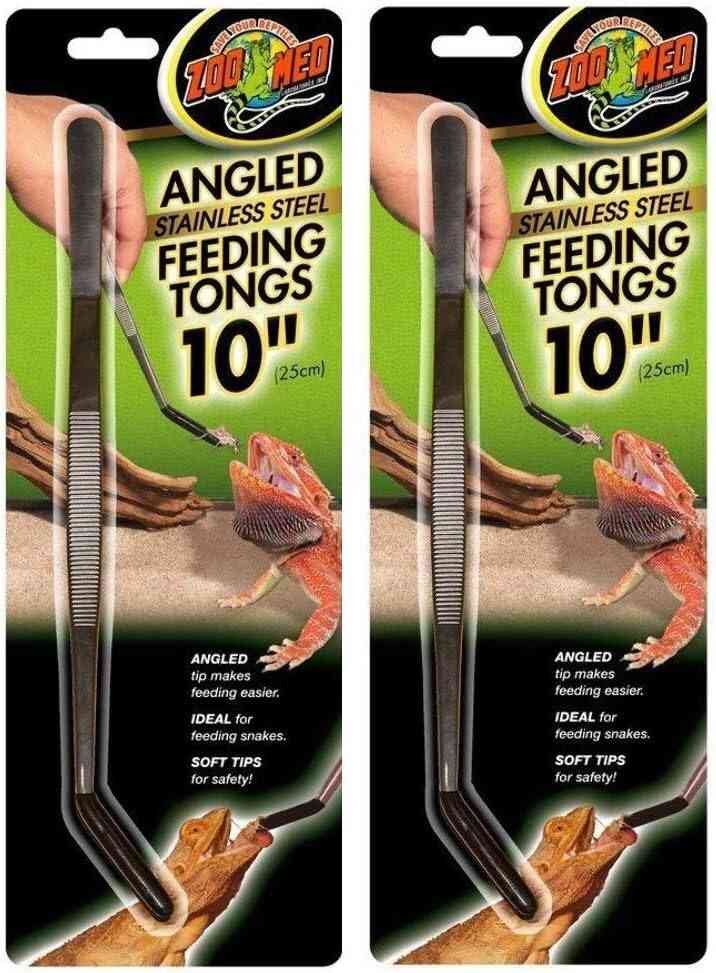
Zoo Med Stainless Steel Feeding Tongs (10″)
A staple in the reptile hobby, these durable stainless steel tongs are ideal for lizards, geckos, and juvenile snakes. The angled tip allows for a natural feeding presentation.
- Medical-grade stainless steel
- Will not rust when sanitized
- Perfect tension for feeder insects
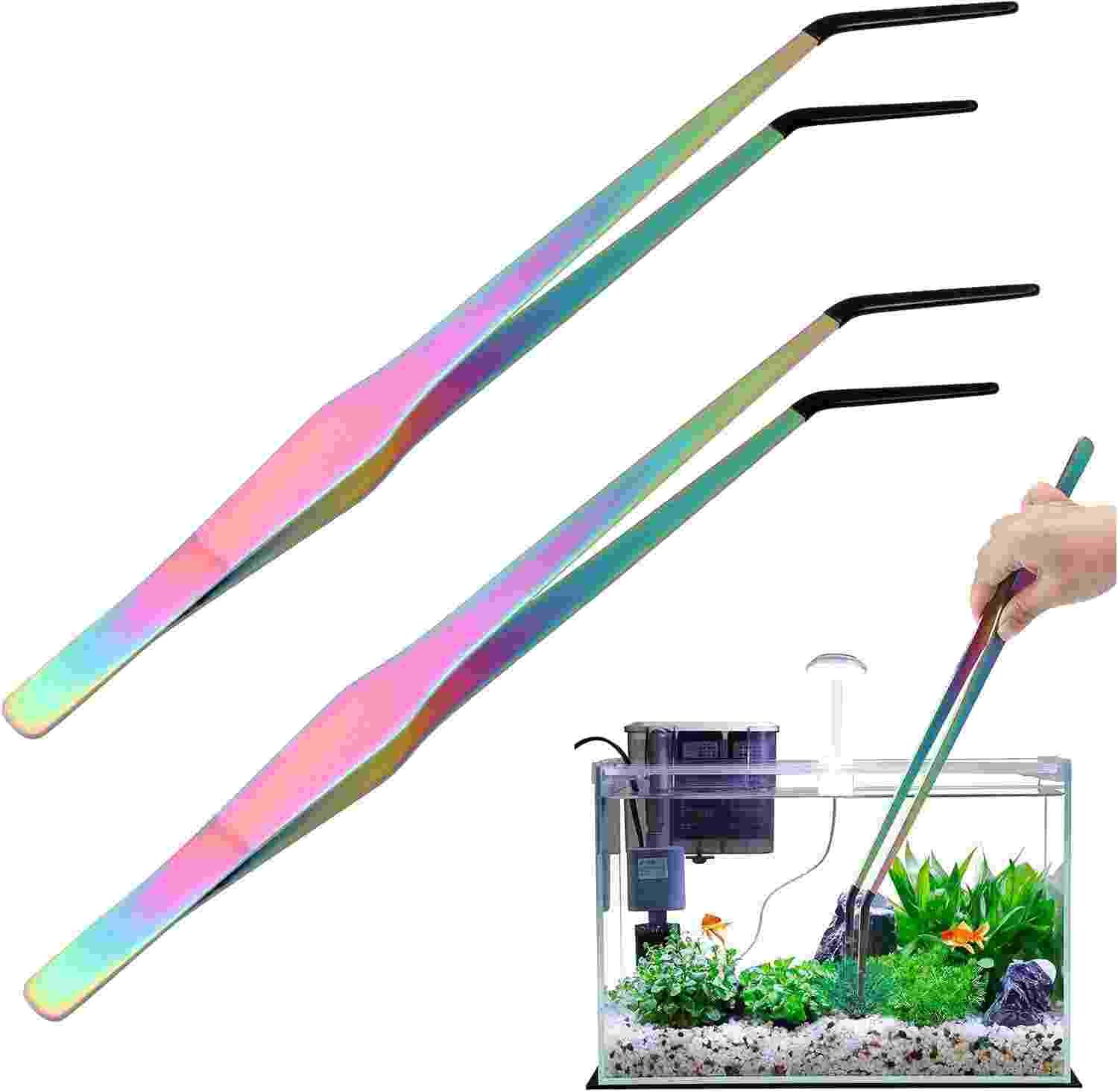
Extra-Long Feeding Tongs (24″)
The ultimate safety tool for adult snakes and aggressive species. These 24-inch tongs guarantee your hand stays far out of the strike zone when feeding frozen/thawed prey.
- Maximum bite prevention distance
- Holds heavy prey (adult rats)
- Textured tips for a secure grip
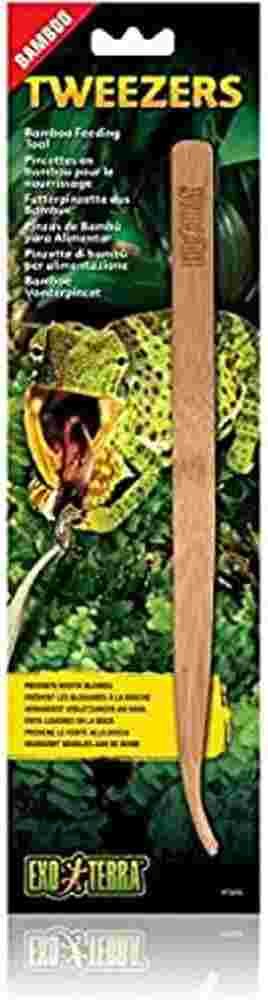
Exo Terra Bamboo Feeding Tongs
An excellent alternative to metal. Bamboo is sustainable, lightweight, and most importantly, soft—meaning if a reptile strikes the tongs, they will not damage their teeth.
- Soft material prevents mouth rot/tooth damage
- Eco-friendly and very lightweight
- Ideal for delicate geckos and frogs
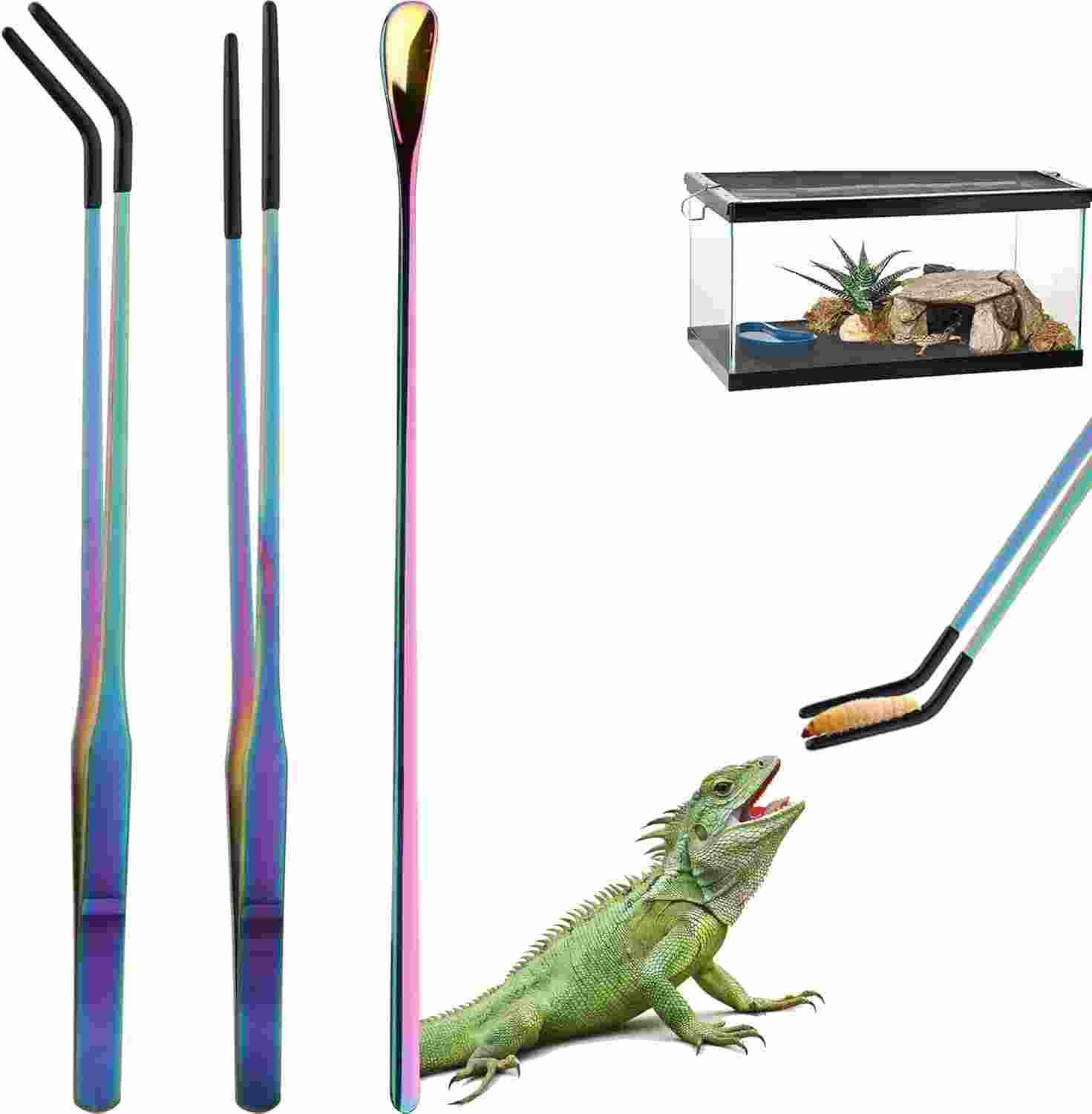
ReptiZoo Rubber Tipped Tongs (15″)
Combining the durability of stainless steel with the safety of silicone rubber tips. This design prevents jaw injuries for enthusiastic eaters like Bearded Dragons.
- Rubber tips protect reptile teeth
- 15-inch length is a perfect middle-ground
- Great for target training lizards
Why You Need Reptile Feeding Tongs
Many beginner reptile keepers wonder if feeding tongs are strictly necessary. The short answer is: Absolutely. Using your bare fingers to hold a cricket or a thawed mouse creates a psychological association in your reptile’s brain that Fingers = Food. Over time, this leads to aggressive behavior whenever you open the enclosure for cleaning or handling.
- Prevent Bites from Snakes and Aggressive Lizards: Even a non-venomous bite from a Ball Python or Corn Snake is painful and can easily become infected due to the bacteria in the reptile’s mouth. Tongs keep your fingers out of the equation.
- Maintain Safe Distance While Feeding: Snakes strike with incredible speed. For species like Boas or large pythons, a 24-inch set of tongs ensures you are physically out of range of their heat pits.
- Reduce Stress for Your Reptile: To a 30-gram Leopard Gecko, a giant human hand swooping down from above looks like a bird of prey. Tongs offer a much smaller, less intimidating profile, encouraging shy eaters to strike.
- Allow Controlled Feeding of Live or Frozen Prey: Tongs allow you to grasp the scruff of a thawed mouse and “wiggle” it, perfectly simulating the movements of live prey to trigger a stubborn snake’s feeding response.
Types of Reptile Feeding Tongs
Walking into a pet store or browsing online, you will notice several distinct styles of tongs. Choosing the right material is vital for the safety of your specific animal.
1. Stainless Steel Tongs
The industry standard. They are virtually indestructible, incredibly easy to sterilize, and offer the best grip tension.
Best For: Feeding frozen rodents to snakes, handling large feeder insects like Dubia roaches, and maintaining a sterile environment.
2. Plastic-Coated or Nylon Tongs
These tongs feature a metal core but are coated in a thick layer of rubber or plastic. They are lightweight and highly ergonomic.
Best For: Aggressive eaters that tend to miss the prey and bite the tool. The rubber prevents them from breaking teeth or developing stomatitis (mouth rot).
3. Bamboo & Wooden Tongs
Made entirely from sustainable wood, these are the softest option available. However, they are porous, meaning they must be cleaned more thoroughly to prevent bacterial buildup.
Best For: Amphibians (frogs), delicate geckos, and small lizards.
4. Extra-Long Tongs (Hemostats)
Ranging from 18 to 24 inches, these tools often feature a scissor-like handle and a locking mechanism (hemostats).
Best For: Large adult snakes (Boas, Reticulated Pythons, Monitor Lizards) where a wide safety berth is required.
Reptile Feeding Tongs Size Chart (Species Guide)
Using 24-inch tongs for a tiny baby gecko will make you clumsy, while using 10-inch tongs for an adult python puts you in the hospital. Use this chart to match the tool to the animal:
| Reptile Type / Age | Recommended Tongs Length | Recommended Material | Notes |
|---|---|---|---|
| Juvenile Snakes (Corn, Ball Python) | 10–14 inches | Stainless Steel | Allows for precise wiggling of pinky mice. |
| Adult Snakes (Pythons, Boas) | 18–24 inches | Steel or Locking Hemostats | Crucial for maintaining a safe striking distance. |
| Small Lizards & Geckos (Leopard, Crested) | 8–12 inches | Bamboo or Rubber-Tipped | Lightweight, maneuverable, protects delicate jaws. |
| Large/Aggressive Lizards (Monitors, Tegus) | 18–24 inches | Heavy-Duty Steel / Rubber | Extra safety for handlers; strong grip for large prey. |
| Amphibians (Pacman Frogs, Tree Frogs) | 10–12 inches | Bamboo / Plastic | Prevents absorption of heavy metals through their skin. |
How to Use Reptile Feeding Tongs Safely
Having the best tongs on the market means nothing if your technique is flawed. Proper feeding mechanics ensure your reptile gets a healthy meal without unnecessary stress. For an overarching look at dietary needs, reference our complete reptile feeding guide.
Step-by-Step Feeding Process
- Preparation and Hygiene: Always wash your hands thoroughly with unscented soap before and after handling reptiles or their food. If your hands smell like a rat, the snake will not differentiate between your hand and the prey.
- Secure the Prey Correctly:
- For Snakes: Grasp the frozen/thawed mouse by the scruff of the neck or the base of the tail. This presents the head of the mouse to the snake, which is how they naturally swallow prey. (Learn more about selecting the best feeder mice for snakes).
- For Lizards: Grasp the feeder insect (cricket, roach) by the back legs or the side of the thorax. Do not crush the insect.
- Offer Prey Slowly: Lower the tongs into the enclosure slowly. Rapid, jerky movements above the reptile will trigger a defensive response rather than a feeding response.
- Mimic Natural Movement (The “Zombie Dance”): If feeding pre-killed or thawed rodents, gently jiggle or drag the prey across the substrate. Never shove the prey into the reptile’s face. Let the reptile “hunt” the item on the tongs.
- The Release: As soon as the reptile strikes and coils (for snakes) or bites down (for lizards), immediately open the tongs and pull them back smoothly. Do not engage in a “tug of war.”
Integrating Tongs into Your Overall Feeding Strategy
Using tongs is just one piece of the puzzle. To raise a healthy reptile, you must understand their specific nutritional needs and how to prepare their food safely.
For snake owners, learning how to thaw frozen mice for snakes safely is paramount. If a mouse is microwaved or thawed incorrectly, it can harbor deadly bacteria or explode during the feeding strike. Once safely thawed to “body temperature” (around 98°F), your feeding tongs are used to deliver the meal safely. For specific scheduling, consult our Ball Python feeding guide.
Lizard owners face a different set of challenges. Target training with tongs is highly effective. If you are following our Bearded Dragon feeding guide or our Leopard Gecko feeding guide, you know that live, dusted insects are a staple. Tongs allow you to present calcium-dusted crickets one by one, ensuring the lizard eats their required amount without loose crickets hiding in the terrarium and biting the reptile at night.
Even for primarily aquatic or herbivorous reptiles, tools matter. While you might wonder what do turtles eat, using extra-long tongs to drop pellets or feeder fish into an aquatic turtle tank keeps your hands dry and free from salmonella. Similarly, if you are researching what do lizards eat, tongs are great for offering chopped fruits and greens to iguanas or skinks without getting your fingers nipped.
Cleaning and Maintaining Reptile Feeding Tongs
Cross-contamination is a silent killer in reptile collections. If you feed a snake a mouse, place the tongs on your counter, and then use those same tongs to feed a gecko without washing them, you are transferring massive amounts of bacteria.
- Immediate Washing: Wash the tongs with warm, soapy water immediately after the feeding session is over.
- Disinfection: Spray the tongs with a reptile-safe veterinary disinfectant (such as Chlorhexidine solution or F10SC) and let them sit for 5 minutes.
- Drying: Avoid prolonged water exposure on metal tongs. Even high-quality stainless steel can develop surface rust if left sitting in water. Dry them thoroughly with a paper towel.
- Storage: Store the tongs in a clean, dry place, separate from human kitchen utensils.
Common Mistakes to Avoid With Feeding Tongs
Even experienced keepers can fall into bad habits. Avoid these dangerous mistakes:
- Feeding live prey without supervision: If you use tongs to drop a live mouse into a snake enclosure and walk away, the mouse can severely bite and even kill the snake. Always supervise live feedings, or better yet, switch to frozen/thawed.
- Using tongs that are too short for adult snakes: A 10-inch pair of tongs offers zero protection against a 6-foot Boa Constrictor. Size up your tools as your animal grows.
- Forcing prey into the mouth: Never tap your reptile on the nose or try to pry their mouth open with the tongs to force them to eat. This causes extreme stress, broken teeth, and guarantees they will refuse food.
- Using the same tongs for sick and healthy reptiles: If you have a reptile in quarantine, they must have their own dedicated set of feeding tongs to prevent spreading parasites or viruses (like Nidovirus) to your healthy animals.
Frequently Asked Questions (FAQs)
We’ve compiled the highest search volume questions regarding reptile handling tools to ensure you have all the information necessary for safe husbandry.
What are the best reptile feeding tongs for snakes?
The safest and most reliable options are stainless steel or extra-long tongs (ranging from 12 to 24 inches) equipped with non-slip grips. Brands like Zoo Med and Fluker’s are highly rated because they provide the durability needed to hold heavy rodents while keeping your hands well outside the snake’s strike zone.
Can I feed live prey with tongs?
Yes, feeding tongs allow you to securely grip live insects or rodents to present them to your reptile. However, when feeding live rodents, you must always supervise the interaction. Never force the live prey toward the reptile, and if the reptile refuses to eat within 15 minutes, remove the live prey to prevent it from attacking your pet.
How often should I clean feeding tongs?
Tongs must be cleaned and disinfected after each and every feeding session. Washing them with warm soapy water and a reptile-safe disinfectant prevents the buildup of harmful bacteria (like Salmonella) and stops cross-contamination between different terrariums.
Are feeding tongs necessary for small lizards?
Yes. While a bite from a small lizard won’t cause severe injury, reaching into their enclosure with a giant hand causes them immense stress. Lightweight plastic or bamboo tongs improve your maneuverability, allow for target training, and create a calm feeding environment for small species like Crested Geckos and Anoles.
Why does my snake strike the tongs instead of the mouse?
Snakes, particularly pythons and pit vipers, hunt using heat signatures. If your metal tongs are stored under a heat lamp or washed in hot water right before feeding, they may be warmer than the mouse. Ensure the thawed mouse is heated properly (around 98°F – 100°F) and the tongs are at room temperature so the snake targets the prey, not the tool.