
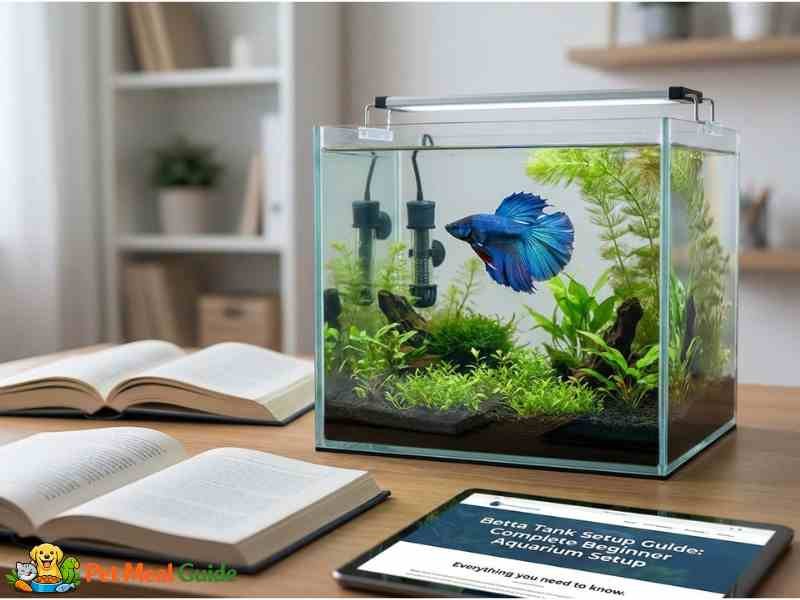
Betta Tank Setup (Complete Beginner Aquarium Setup for Betta Fish)
Bringing a betta fish home is an exciting milestone. With their vibrant colors, flowing fins, and surprisingly interactive personalities, Betta splendens are easily one of the most popular aquatic pets in the world. However, despite their popularity, they are also the most misunderstood. If you are researching a betta tank setup guide, you have already taken the most important step toward being a responsible fish keeper.
For decades, a damaging myth has circulated that betta fish can thrive in tiny bowls, vases, or unheated containers. This stems from a misunderstanding of their natural habitat in the rice paddies of Southeast Asia. Top aquarium experts from resources like Aquarium Co-Op and Fishlore universally agree: bettas are tropical fish that require heated water, a cycled filter, and adequate swimming space to live a full, healthy life.
In this comprehensive guide, we will walk you through exactly how to set up a betta fish tank. From choosing the correct tank size to establishing the nitrogen cycle and planting the perfect aquatic garden, this betta aquarium setup tutorial will give you everything you need to create an enriching environment for your new pet.
A proper betta fish tank setup requires a heated, filtered, and fully cycled aquarium. Betta fish are tropical and require specific, stable water parameters to thrive and avoid disease.
Essential steps for a proper setup:
- Tank Size: Choose a glass or acrylic aquarium that is at least 5 gallons in size.
- Heater & Filter: Install a submersible heater set to 78°F–80°F (25°C–27°C) and a gentle sponge or hang-on-back filter.
- Substrate & Decor: Use smooth gravel or aquasoil. Provide hiding spots using soft silk or live plants (avoid sharp plastic).
- Water Conditioning: Treat all tap water with a water conditioner to remove toxic chlorine and chloramines.
- Aquarium Cycling: Run the tank for 3 to 6 weeks to build beneficial bacteria (the Nitrogen Cycle) before adding the betta fish.
Why a Proper Betta Fish Tank Setup Is Essential for Betta Health
To understand why a proper betta aquarium setup is so crucial, we must look at the betta’s anatomy and natural habitat. Wild bettas originate from the Mekong Basin in countries like Thailand, Vietnam, and Cambodia. They live in shallow, sluggish waters such as rice paddies, marshes, and slow-moving streams.
While these waters are shallow, they are part of a vast, interconnected ecosystem containing thousands of gallons of water. The myth that bettas live in “mud puddles” has led many beginners to believe that a half-gallon bowl is acceptable. It is not.
Bettas are ectothermic (cold-blooded) tropical fish. Without a heater, their metabolism slows down dramatically. They become lethargic, lose their color, and their immune system shuts down, making them highly susceptible to illnesses like fin rot and ich. Furthermore, in an unfiltered bowl, the ammonia produced by the fish’s waste builds up rapidly, effectively poisoning the fish in its own water. Establishing a stable environment with proper fish feeding guide and a cycled filter ensures your betta lives 3 to 5 years rather than just a few months.
Top Recommended Betta Fish Tanks
If you are starting from scratch, purchasing an all-in-one kit is often the easiest route. Here are the top-rated tanks for a betta fish tank setup for beginners.
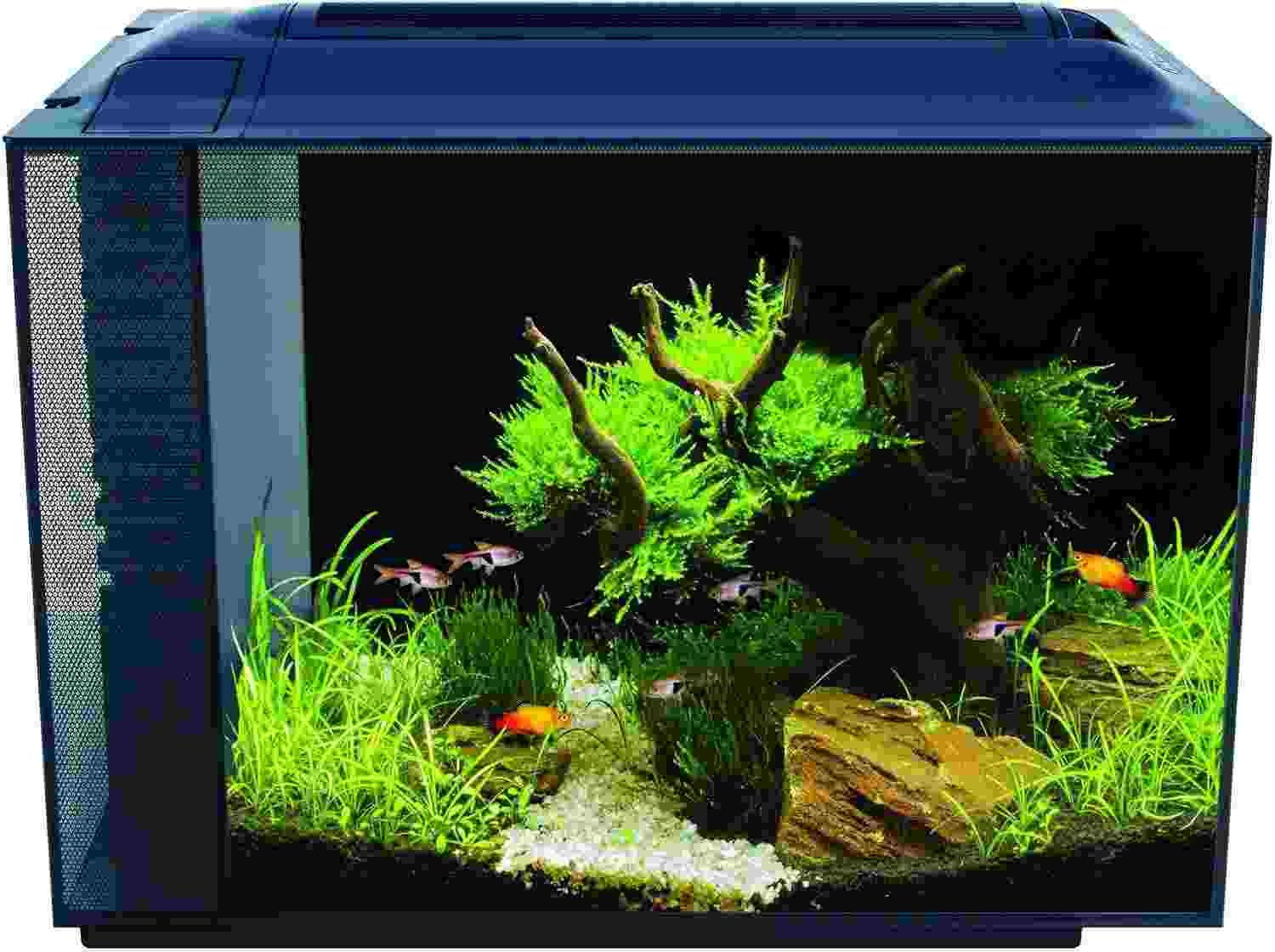
1. Fluval Spec V Aquarium Kit (16-Gallon)
The ultimate premium housing for a betta fish. The Fluval Spec V features a sleek, modern design with a hidden back-compartment filter that provides massive biological filtration without cluttering the display.
- Tank Compatibility: Perfect 5-gallon size for single bettas
- Key Feature: Powerful 7000K LED lighting for live plants
- Why it Works: The horizontal footprint gives bettas ample room to swim back and forth, which they prefer over tall, deep tanks.
👍 Pros
- Hidden filtration system
- Excellent plant-growing light
- Sleek aluminum casing
👎 Cons
- Filter flow may need slight baffling for bettas
- Higher price point
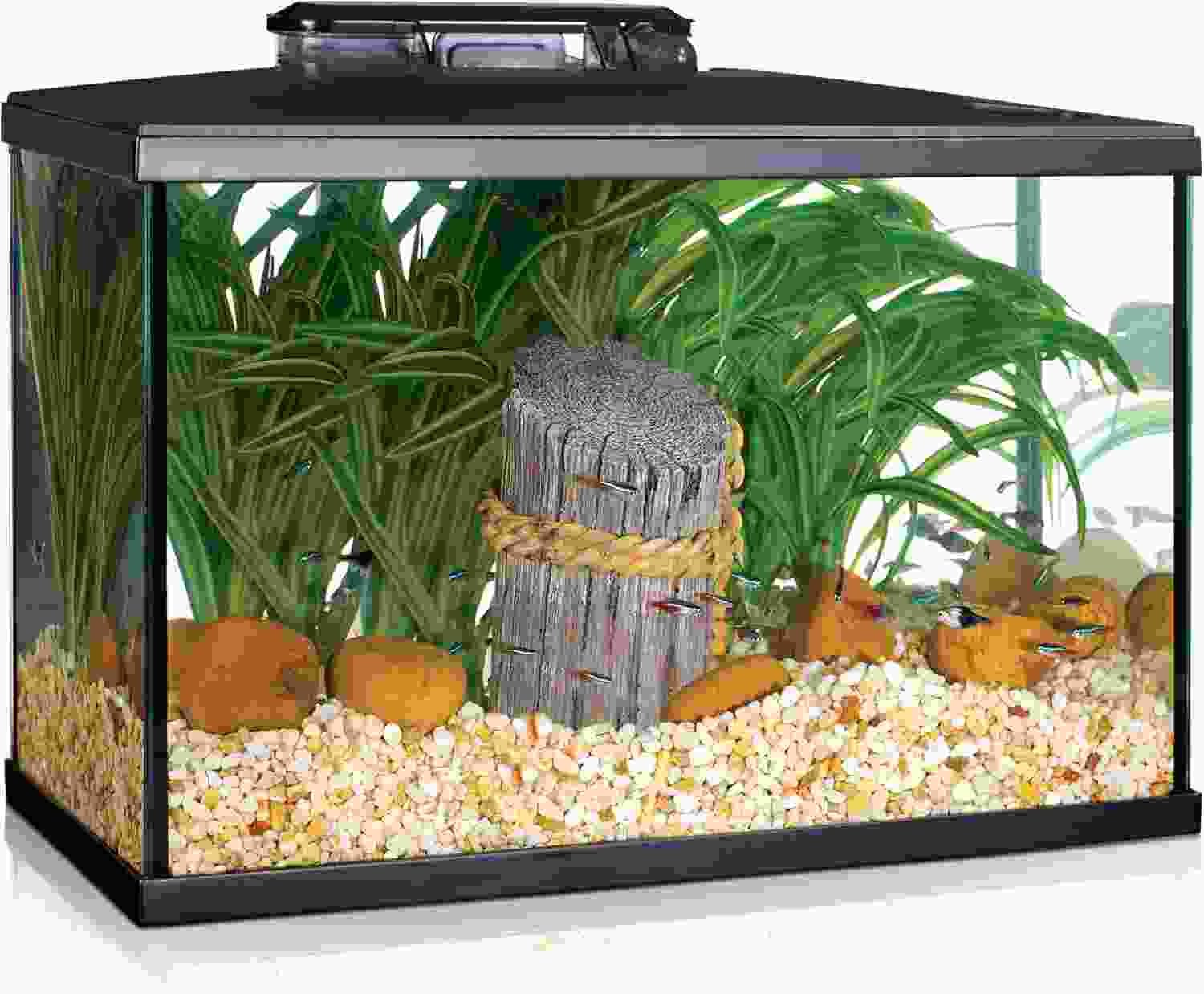
2. Marina LED Aquarium Kit (5-Gallon)
An excellent, budget-friendly starter kit. It includes a glass tank, a slim clip-on filter, and an energy-efficient LED hood, making it incredibly accessible for beginners.
- Tank Compatibility: 5-gallon beginner setup
- Key Feature: Marina Slim S10 clip-on filter included
- Why it Works: The slim filter provides a very gentle waterfall return, which is perfect for bettas with long, heavy fins that struggle in strong currents.
👍 Pros
- Very affordable complete kit
- Gentle filter flow
- Sturdy glass construction
👎 Cons
- Included light is not strong enough for advanced live plants
Betta Tank Setup Equipment Checklist
Before you begin the setup process, gather all your supplies. Having everything on hand prevents stressful delays once the tank is filled.
Complete Beginner Checklist
Best Betta Fish Tank Size for a Healthy Aquarium Setup
When searching for the best betta fish tank size, you will hear a variety of opinions. Let’s look at the science of water volume.
Aquarium experts universally recommend a minimum of 5 gallons for a single betta fish. Here is why:
- Dilution of Toxins: In a 1-gallon bowl, a single drop of ammonia (from fish waste) is highly concentrated. In a 5-gallon tank, that same drop is diluted by five times the water volume, giving you a much larger margin of error if you miss a water change.
- Temperature Stability: Small volumes of water heat up and cool down incredibly fast. These temperature swings stress the fish. Five gallons of water holds a stable temperature much better than one gallon.
- Swimming Space: Bettas are active, curious fish. They love to patrol their territory, rest on leaves, and investigate their environment. A 5-gallon footprint gives them the horizontal space they need to exercise, which prevents obesity and lethargy.
Can you go bigger? Absolutely. A 10-gallon tank is often considered the “sweet spot” for beginners because it is incredibly easy to keep the water parameters stable, and it allows you to explore adding a cleanup crew.
Step by Step Betta Tank Setup Guide
Setting up your aquarium correctly from day one prevents a host of algae and health issues down the line. Follow these seven steps carefully.
Step 1 – Choose the Right Location and Tank
Place your tank on a dedicated, level aquarium stand. A filled 5-gallon tank weighs over 50 lbs (22 kg), so a standard bookshelf may warp over time. Keep the tank away from direct sunlight (which causes massive algae blooms) and away from AC vents or drafty windows, which make it difficult for the heater to maintain a stable temperature.
Step 2 – Add Substrate and Decorations
Rinse your chosen substrate (gravel or sand) thoroughly in a bucket using tap water until the water runs clear. Do not use soap! Pour the substrate into the empty tank, aiming for a depth of 1.5 to 2 inches. Slope it slightly higher in the back to create depth.
Next, place your hardscape (rocks, driftwood) and decorations. Crucial tip for bettas: Run a piece of pantyhose over any decoration. If the pantyhose snags, it will tear your betta’s delicate fins. Only use perfectly smooth resin caves or real, boiled driftwood.
Step 3 – Install the Betta Tank Filter
Hang your filter on the back of the tank, or secure your sponge filter inside. Betta tank filter setup requires special attention to flow. Because bettas have long, heavy fins, they are easily pushed around by strong currents. If your filter is creating a whirlpool, you can “baffle” it by tying a piece of aquarium filter sponge over the output to diffuse the water flow.
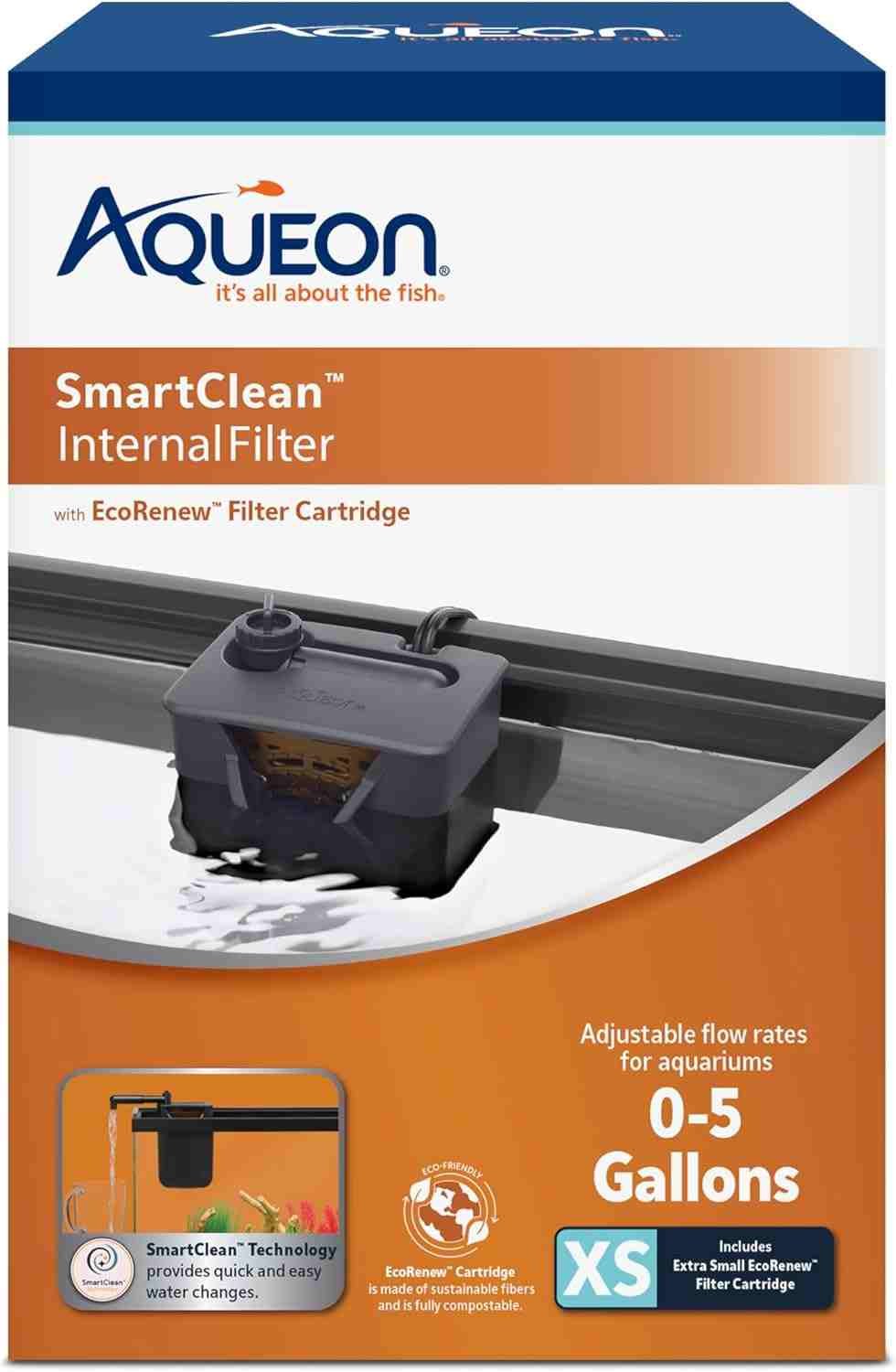
3. Aqueon QuietFlow Internal Filter
If your tank didn’t come with a filter, the Aqueon QuietFlow Internal is an excellent choice. It sits fully submerged inside the tank, making it nearly silent.
- Tank Compatibility: Up to 10 gallons
- Key Feature: Adjustable return flow rate
- Why it Works: You can dial the flow down to a trickle, creating the perfect calm waters that betta fish require.
Step 4 – Install the Betta Tank Heater
A reliable betta tank heater setup is non-negotiable. Attach the submersible heater to the back glass using the suction cups. Place it near the filter output; this ensures the warm water is evenly distributed throughout the tank rather than creating hot and cold spots. Do not plug the heater in yet! Heaters must be fully submerged before being turned on to prevent shattering.
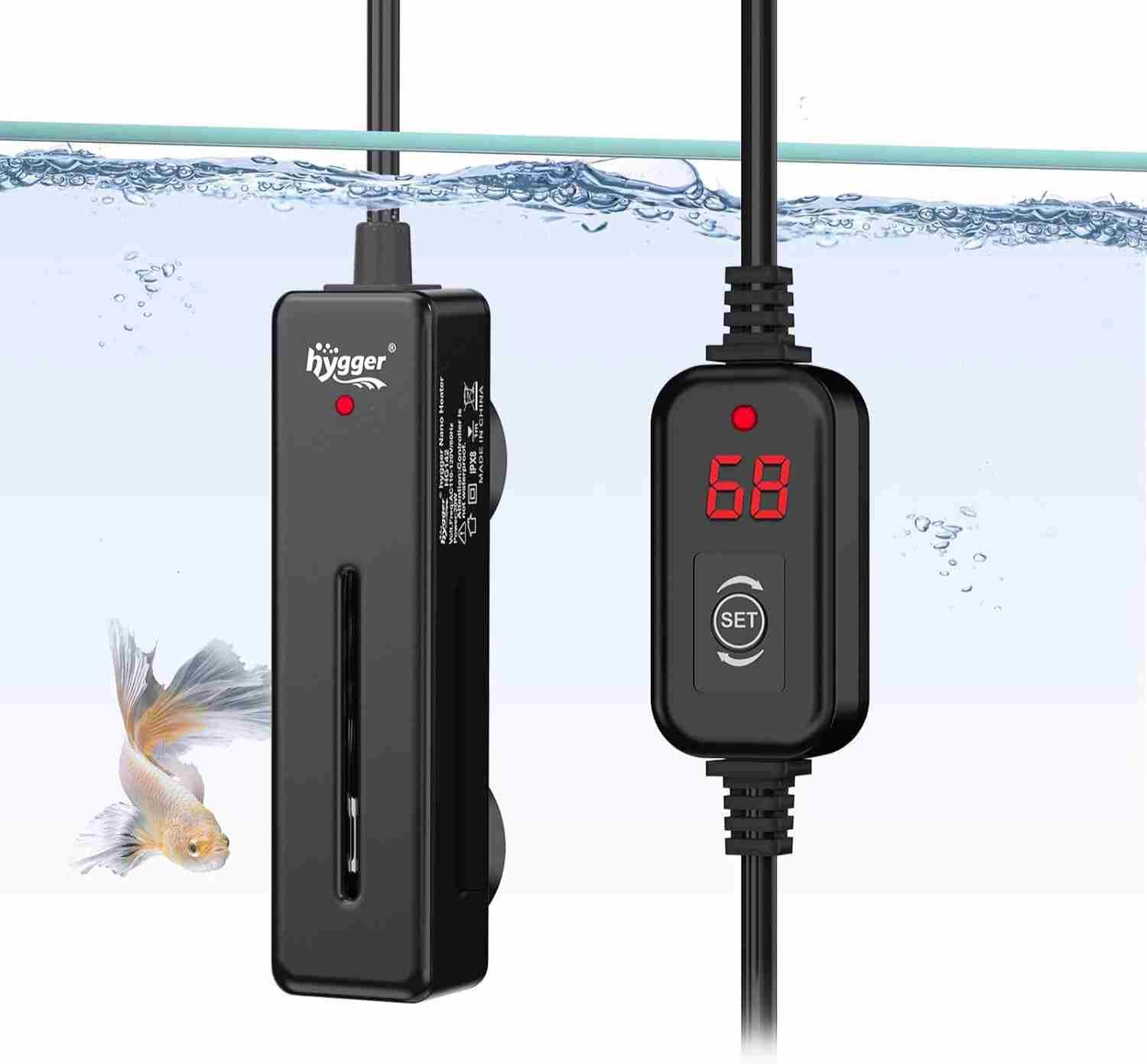
4. Hygger Submersible Aquarium Heater (50W)
A highly accurate, digital heater that takes the guesswork out of maintaining tropical temperatures. It features an external temperature controller and a built-in thermometer.
- Tank Compatibility: 5 to 10 gallons
- Key Feature: LED digital temperature display
- Why it Works: It automatically shuts off if the water level drops too low, preventing accidental overheating and keeping your betta perfectly safe at 78°F.
Step 5 – Fill Tank with Conditioned Water
Place a small plate on top of your substrate and pour your water onto the plate. This prevents the incoming water from blasting a hole in your carefully arranged gravel.
Once the tank is full, add your liquid water conditioner (dechlorinator) according to the bottle’s instructions. Tap water contains chlorine and heavy metals designed to kill bacteria. If you don’t condition the water, it will kill your fish and the beneficial bacteria in your filter.
Step 6 – Cycle the Aquarium (The Most Important Step)
Do not add your fish yet! A betta fish tank setup must undergo the Nitrogen Cycle. This is a 3-to-6 week process where you grow beneficial bacteria inside your filter media. These bacteria act as the “waste management system” of the tank, converting highly toxic fish waste (Ammonia) into less toxic compounds (Nitrate).
To do this fishless cycle, you must add a source of pure liquid aquarium ammonia and bottled beneficial bacteria to the water. Use a liquid testing kit to monitor the process. Only when your tank processes 2ppm of ammonia into 0 ammonia and 0 nitrites within 24 hours is the tank safe for a fish. For a deep dive, read our full aquarium nitrogen cycle guide.
Step 7 – Introduce the Betta Fish
Once the tank is cycled, heated, and filtered, you can bring your betta home. Float the sealed bag or cup in the aquarium for 20 minutes to equalize the temperature. Then, open the bag and use a small cup to slowly drip aquarium water into the bag over another 20 minutes. This acclimates the fish to your specific water chemistry (pH). Finally, use a soft net to gently scoop the betta out of the bag and into the tank. Do not dump the dirty store water into your pristine aquarium!
Betta Tank Plants and Decorations
Creating a stimulating environment with betta fish tank decorations prevents boredom and fin nipping.
Live Plants vs. Fake Plants:
Hard plastic plants have sharp, serrated edges that will shred a betta’s delicate fins. If you must use fake plants, only use soft silk plants. However, plants for betta fish tank setups are highly encouraged. Live plants absorb toxic nitrates from the water, produce oxygen, and replicate the betta’s natural environment.
Excellent beginner plants include:
- Anubias: Broad, smooth leaves that bettas love to sleep on. (Do not bury the green rhizome in the gravel, or it will rot. Superglue it to a rock or driftwood).
- Java Fern: Incredibly hardy and requires very low light.
- Betta Hammock: A synthetic leaf attached to a suction cup. Place it 1 inch below the water surface to give your betta a resting place near their breathing air.
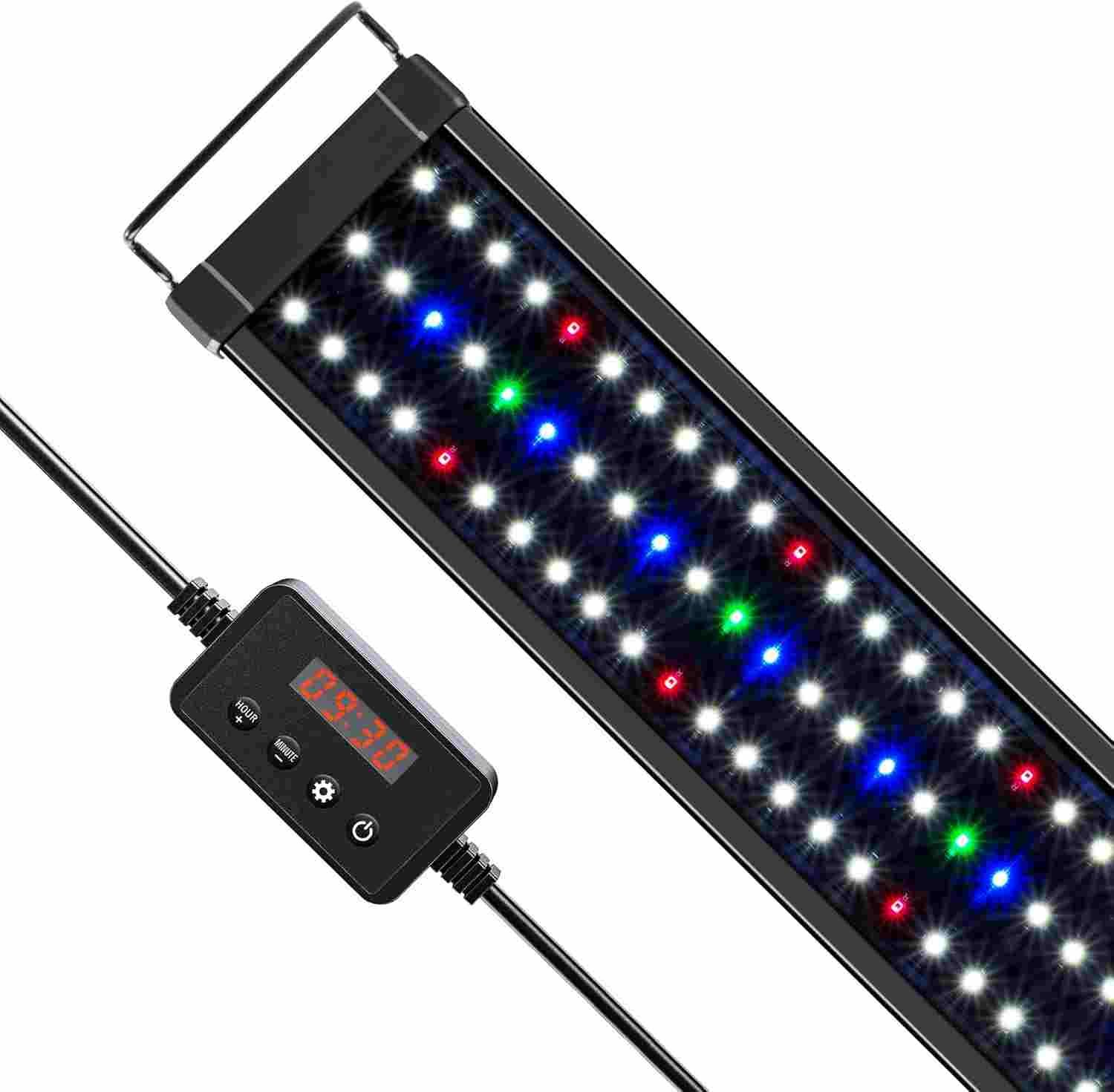
5. NICREW Aquarium LED Light
If your tank kit came with a weak light and you want to grow live plants, this clip-on LED is the best budget upgrade on the market.
- Tank Compatibility: Fits rimless and rimmed glass
- Key Feature: Full spectrum white and blue LEDs
- Why it Works: Provides the exact PAR rating needed to grow low-light plants like Anubias and Java Fern without causing massive algae blooms.
Betta Tank Water Parameters
Consistency is key. Bettas can adapt to slight variations in pH, but sudden swings are deadly. Aim for these ideal betta tank requirements:
- Temperature: 76°F – 82°F (24.5°C – 28°C)
- pH Level: 6.5 – 7.5 (Slightly acidic to neutral is best)
- Ammonia: 0 ppm (Anything higher is highly toxic)
- Nitrite: 0 ppm (Toxic, suffocates the fish)
- Nitrate: Under 20 ppm (Removed via weekly water changes)
Video Guide: Beginner Betta Aquarium Setup
Watch this excellent visual breakdown by aquarium professionals on how to properly construct and cycle a 5-gallon betta setup.
Common Betta Tank Setup Mistakes to Avoid
Avoid these frequent beginner errors to ensure your tank thrives:
- Using Small Bowls: We cannot stress this enough. Bowls offer no filtration, no heating, and a miserable existence for the fish.
- Skipping the Aquarium Cycle: Adding a fish on day one is called a “fish-in cycle,” and it often results in ammonia burns and a dead fish within a week. Be patient. Cycle the tank first.
- Washing Filter Media in Tap Water: When you clean your filter sponge, squeeze it out in a bucket of old aquarium water. Rinsing it under the tap kills all the beneficial bacteria you spent weeks growing.
- Overcrowding the Tank: Bettas are highly territorial. Do not add other fish to a 5-gallon tank. Even in a 10-gallon, choose tank mates very carefully (like snails or ghost shrimp).
Pro Tips for a Healthy Betta Aquarium
- Use Indian Almond Leaves: These natural leaves release tannins into the water, tinting it a slight brown color. Bettas originate from tannin-rich waters; these leaves have natural antibacterial and antifungal properties that prevent fin rot.
- Keep the Lid Closed: Bettas are phenomenal jumpers. A startled betta can easily leap out of a rimless tank. Always ensure your setup has a tight-fitting glass or mesh lid.
- Weekly Maintenance: Perform a 20% to 25% water change every single week using a gravel vacuum to remove solid waste. Add conditioned water back in.
Frequently Asked Questions (FAQs)
A betta fish requires a minimum of a 5-gallon aquarium. This size provides enough water volume to keep temperature and water chemistry stable, while giving the active fish enough horizontal swimming space.
No, a betta fish should not live without a filter. A filter houses the beneficial bacteria necessary to process toxic fish waste (ammonia). Without a filter, ammonia builds up rapidly and will poison the fish.
Yes, absolutely. Betta fish are tropical and require water temperatures between 76°F and 82°F. Room temperature is generally around 68°F–72°F, which is too cold and will cause the betta’s metabolism and immune system to fail.
A completely new aquarium usually takes between 3 to 6 weeks to fully cycle. You will know it is finished when a liquid test kit reads 0 Ammonia, 0 Nitrite, and low levels of Nitrate after dosing pure ammonia.
No. Keeping a betta fish in a bowl is considered inhumane by modern aquarium standards. Bowls cannot safely accommodate heaters or filters, and their shape distorts the fish’s vision and limits swimming space.
You can use standard tap water, provided you treat it first with an aquarium water conditioner (dechlorinator) to remove chlorine and chloramines. Do not use pure distilled water, as it lacks the essential minerals fish need.
No, betta fish need a regular day/night cycle to sleep. Keep the aquarium light on for 8 to 10 hours during the day, and turn it completely off at night. Leaving lights on 24/7 causes stress and severe algae blooms.
If your betta is constantly hugging the heater, the overall tank water is likely too cold, or the heater is not powerful enough for the tank size. Check the water with an independent glass thermometer to ensure it is at least 78°F.