
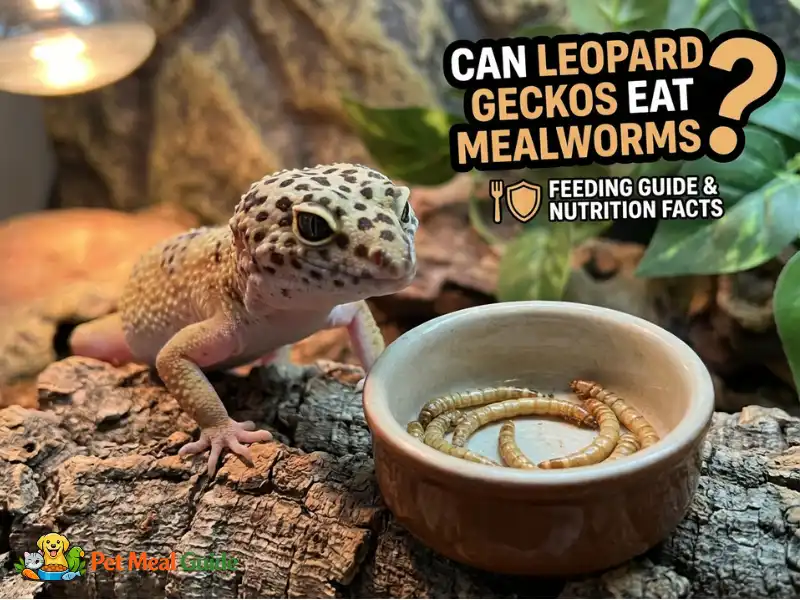
Can Leopard Geckos Eat Mealworms?
Can Leopard Geckos Eat Mealworms? (Quick Answer)
Yes, leopard geckos can absolutely eat mealworms. In fact, mealworms are one of the most common and convenient staple feeder insects in the reptile hobby. They provide excellent sources of protein and fat required for a gecko's healthy growth.
- Feeding Frequency: Baby geckos can eat mealworms daily. Adults should only eat them 2 to 3 times per week.
- Dietary Rotation: While mealworms are a great staple, they should not be the only food source. Rotating them with crickets and dubia roaches ensures a balanced nutritional profile.
- Warning: Mealworms have a hard exoskeleton (chitin). Overfeeding them to a gecko kept at improper, low temperatures can cause digestive issues or fatal impaction. Always ensure a basking spot of 90°F–95°F.
The Leopard Gecko Mealworm Diet
If you are exploring the intricacies of leopard gecko husbandry, one of the first questions that arises is can leopard geckos eat mealworms? It is a highly relevant question. Walk into any pet store, and you will see small plastic tubs filled with wriggling, golden-brown mealworms. They are cheap, easy to store, and seemingly perfect for an insectivore.
Leopard geckos (Eublepharis macularius) are obligate insectivores. In their native arid scrublands of the Middle East, they consume a vast array of invertebrates. In captivity, we must mimic this diet. Mealworms (the larval form of the darkling beetle, Tenebrio molitor) serve as a fantastic primary feeder. Because they lack the ability to jump or climb smooth surfaces, they are incredibly easy for beginner keepers to handle and feed.
However, relying on a strict leopard gecko mealworm diet without understanding the insect's nutritional limitations is a common beginner mistake. Mealworms are slightly higher in fat and chitin (the hard outer shell) than crickets. Feeding them exclusively without proper gut-loading, calcium dusting, or adequate terrarium heating can lead to sluggishness, obesity, or severe digestive blockages. In this comprehensive guide, we will break down exactly how to safely incorporate mealworms into your reptile's diet.
Top Recommended Mealworm & Feeding Supplies
To safely feed mealworms to your leopard gecko, you need proper storage tools and vital calcium supplements. Here are the top-rated, veterinarian-approved products for managing your feeder insects.
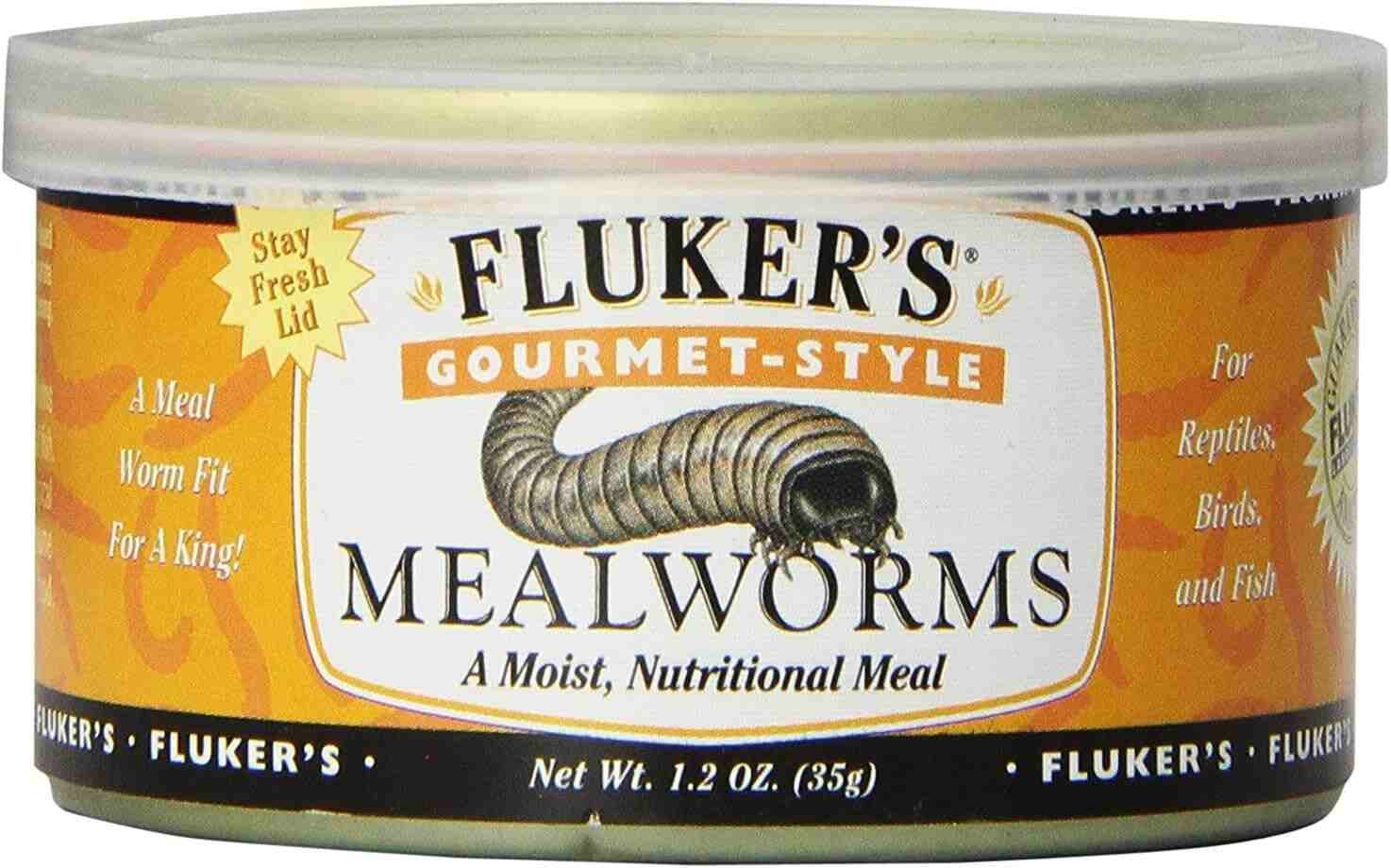
Fluker’s Mealworm Farm
The perfect setup for keeping and gut-loading live mealworms. Features ventilated housing and specialized bedding to maximize the nutritional value of your feeders before feeding.
Check Price on Amazon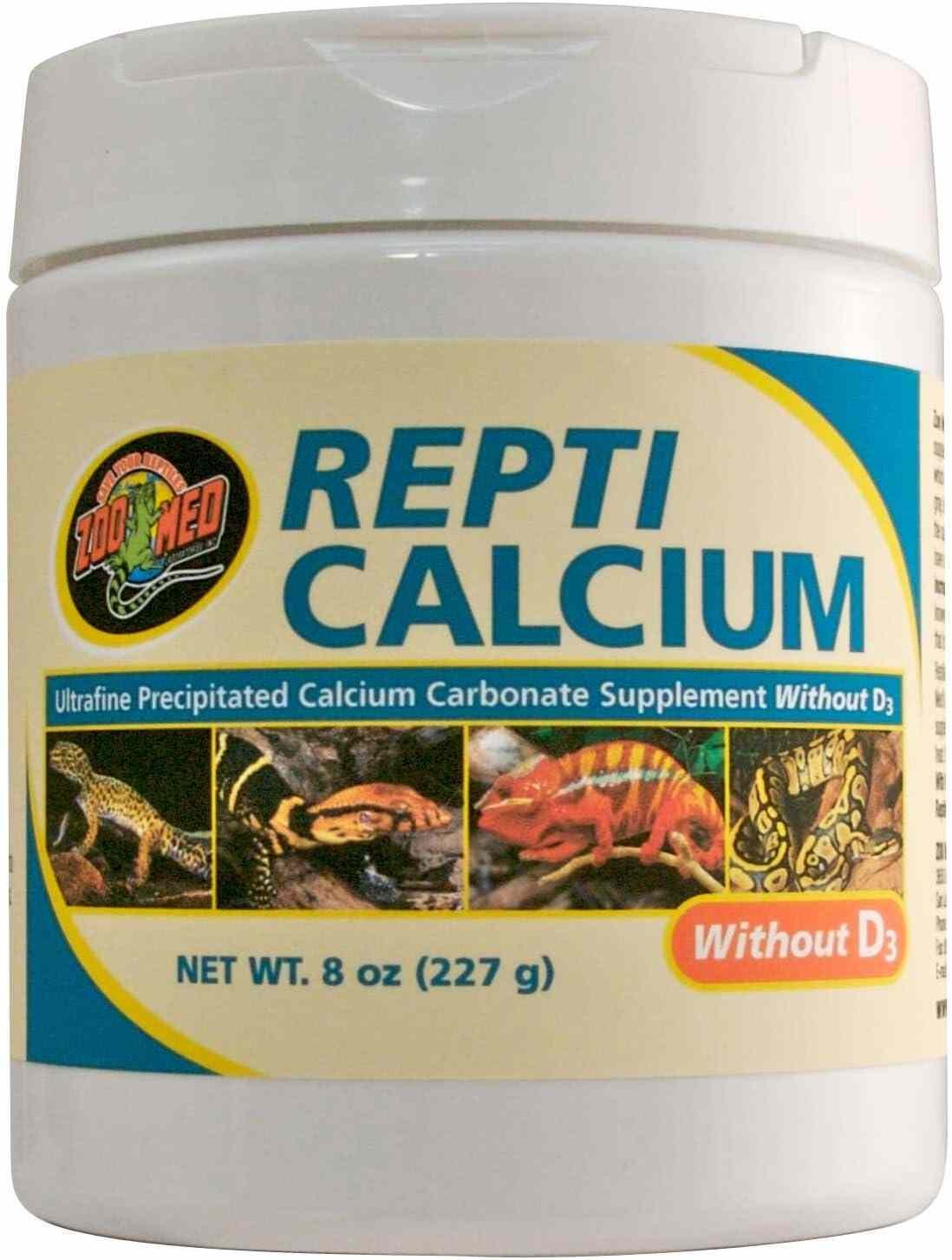
Zoo Med Repti Calcium with D3
Mealworms naturally have a poor calcium-to-phosphorus ratio. This ultra-fine calcium powder with Vitamin D3 is absolutely essential for dusting your mealworms to prevent Metabolic Bone Disease.
Check Price on Amazon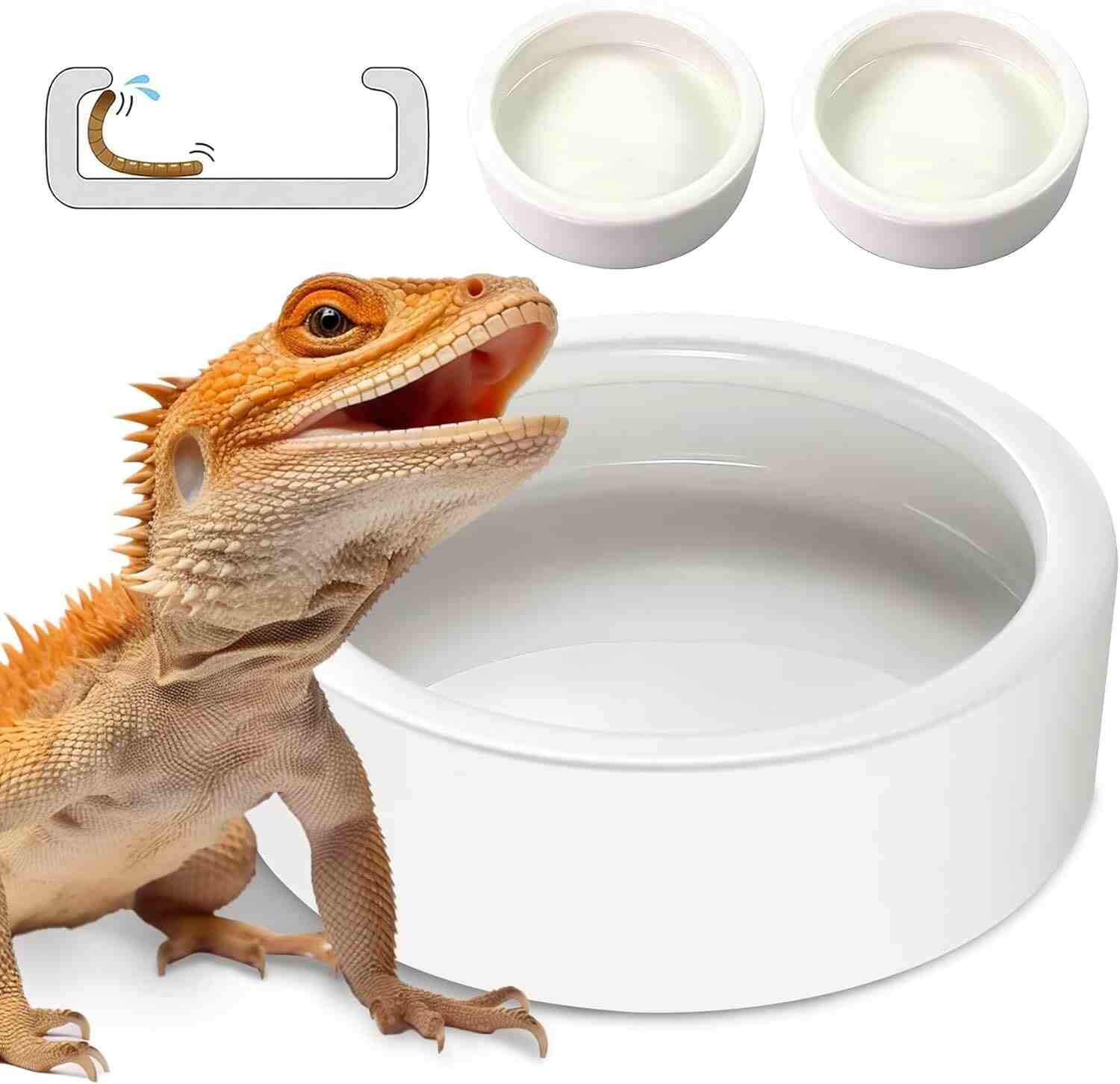
Escape-Proof Feeding Dish
A specialized smooth-sided ceramic dish with a curved inner lip. It prevents mealworms from escaping and burrowing into the substrate, ensuring your gecko eats cleanly.
Check Price on AmazonNutritional Value of Mealworms for Reptiles
Understanding the nutritional value of mealworms for reptiles is the key to balancing your gecko's diet. Unlike vertebrate meat, the quality of an insect relies heavily on its dry matter composition. Here is how standard, commercially bred mealworms break down nutritionally:
| Nutrient | Estimated Value (Dry Weight) | Impact on Leopard Geckos |
|---|---|---|
| Protein | ~50% | Excellent source of amino acids required for muscle growth and tissue repair. |
| Fat | ~25% - 30% | Moderate to high. Good for growing babies, but can cause obesity in adults if overfed. |
| Moisture | ~62% | Provides essential hydration for desert reptiles that rarely drink from standing water. |
| Calcium-to-Phosphorus Ratio | Poor (approx. 1:7) | Dangerous if not corrected. MUST be heavily dusted with calcium powder before feeding. |
As you can see, mealworms provide a solid baseline of protein. However, their high phosphorus content means they actively deplete calcium from your gecko's body if fed "bare." Dusting them with a high-quality reptile calcium supplement is non-negotiable.
Are Mealworms Good for Leopard Geckos?
When asking are mealworms safe for leopard geckos, the answer is a resounding yes, but they come with unique benefits and distinct limitations.
The Benefits of Feeding Mealworms
- Convenience and Longevity: Mealworms are incredibly easy to keep. You can place a container of mealworms in the refrigerator (at around 45°F - 50°F). This cold temperature sends them into dormancy, stopping them from pupating into beetles and keeping them alive for months.
- Bowl Feeding: Because they cannot climb smooth surfaces or jump, mealworms are perfect for leaving in an escape-proof ceramic dish. This allows shy geckos to eat at their own pace overnight without the risk of loose crickets biting them.
- Availability: They are arguably the most widely available feeder insect globally, found in almost every local pet store or easily ordered online in bulk.
The Limitations of Mealworms
Mealworms contain a higher percentage of chitin—the fibrous substance that makes up their hard outer shell. Chitin is difficult to digest. While a healthy leopard gecko with a proper basking temperature of 90°F to 95°F will digest chitin perfectly fine, a gecko kept in a cold terrarium will suffer from a buildup of undigested shells, leading to painful impaction.
Mealworms vs Crickets for Leopard Geckos
The debate of mealworms vs crickets for leopard geckos is a staple of herpetology forums. Both insects are considered primary staples, but they serve different functions in your husbandry routine.
Crickets are leaner (only ~14% fat by dry weight) and contain less chitin than mealworms. Most importantly, crickets jump and move erratically. This triggers the leopard gecko's natural predatory response, providing excellent physical exercise and mental enrichment. However, crickets smell bad, chirp loudly, die quickly, and can bite your gecko.
Mealworms are silent, odorless, and vastly easier to keep alive. They carry a lower risk of transmitting internal parasites compared to crickets. While they do not provide the same level of "chase" enrichment as crickets, wiggling a mealworm with a pair of feeding tongs is usually more than enough to trigger a feeding strike.
The Verdict: You should not choose just one. A healthy leopard gecko diet rotates between mealworms, crickets, and dubia roaches to provide a complete spectrum of nutrients and behavioral enrichment.
How Many Mealworms Should a Leopard Gecko Eat?
Portion control is critical. A hatchling's metabolism is geared for exponential growth, while an adult's metabolism is geared for weight maintenance. If you are wondering can leopard geckos eat mealworms daily, the answer depends entirely on their age. Use this feeding chart as your baseline guide.
| Gecko Age / Stage | Mealworm Amount (Per Meal) | Feeding Frequency | Recommended Size |
|---|---|---|---|
| Hatchlings (0 - 2 months) | 5 to 7 mealworms | Every Day | Mini (1/4" to 3/8") |
| Juveniles (2 - 6 months) | 4 to 8 mealworms | Every Day | Small to Medium (1/2") |
| Sub-Adults (6 - 12 months) | 5 to 8 mealworms | Every Other Day | Medium to Large (5/8") |
| Adults (12+ months) | 6 to 10 mealworms | 2 to 3 Times a Week | Large (3/4" to 1") |
Can Baby Leopard Geckos Eat Mealworms?
Yes, but with strict caveats. Can baby leopard geckos eat mealworms? Absolutely, but you must adhere to the golden sizing rule: Never feed an insect that is larger or wider than the space between the gecko's eyes.
A baby gecko's digestive tract is tiny. If you feed them adult mealworms, they will choke or suffer fatal impaction. You must specifically purchase "mini" mealworms. Furthermore, baby geckos benefit massively from freshly molted mealworms. When a mealworm molts, it sheds its hard brown exoskeleton and appears bright white. These "white" mealworms are incredibly soft, making them incredibly easy for fragile baby geckos to digest.
Risks of Feeding Too Many Mealworms
While mealworms are safe, feeding them exclusively or in massive quantities poses significant health risks to your reptile.
- Obesity and Fatty Liver Disease: Adult leopard geckos store excess fat in their tails. If fed a high-fat diet of daily mealworms, their tail will become wider than their head, and they will develop "armpit bubbles" (fat/calcium stores). This leads to hepatic lipidosis (fatty liver disease), which severely shortens their lifespan.
- Impaction: As mentioned, the chitin in a mealworm's shell is tough. If your terrarium's hot spot drops below 88°F, the gecko's digestive enzymes cannot break down the shells. The shells clump together in the intestines, creating a fatal blockage (impaction).
- Nutritional Imbalance: A diet consisting solely of mealworms limits the amino acid profile your gecko receives. Without variety, and without proper gut-loading, your gecko may develop vitamin deficiencies leading to shedding issues and eye problems.
Deep Dive: Expanding Your Gecko's Diet
Mealworms are just one piece of the puzzle. To ensure your pet thrives for its potential 15 to 20-year lifespan, you must master all aspects of their diet and supplementation routine. Expand your husbandry knowledge by exploring our related guides:
- For a day-by-day breakdown of feeding routines, visit our Complete Leopard Gecko Feeding Schedule.
- Curious about dubia roaches or silkworms? Check out the Best Insects for Leopard Geckos.
- Ensure you avoid toxic or dangerous bugs by reviewing the ultimate Leopard Gecko Food List Guide.
Veterinary & Research Sources
This leopard gecko feeding mealworms guide is compiled using peer-reviewed veterinary science and established herpetoculture best practices. For more advanced clinical information regarding reptile nutrition, please consult the following authorities:
- Association of Reptile and Amphibian Veterinarians (ARAV) - Global experts in exotic companion animal medicine.
- RSPCA Reptile Care Guide - Leading animal welfare guidelines for captive reptile husbandry.
Visual Guide: Feeding Mealworms to Leopard Geckos
For a visual demonstration of how to properly size mealworms, dust them with calcium, and use an escape-proof feeding dish, watch this expert YouTube tutorial:
Pro Tips for Feeding Mealworms Safely
Experienced breeders rely on these advanced techniques to maximize the nutritional yield of mealworms while minimizing any health risks.
When you pull mealworms out of the refrigerator, they are essentially empty shells. You must leave them at room temperature for 24 hours and feed them highly nutritious foods like carrots, sweet potatoes, and dark leafy greens. When the gecko eats the gut-loaded mealworm, they ingest those essential vitamins.
Because mealworms have a smooth, hard shell, calcium powder doesn't stick to them very easily. Place the worms in a small plastic bag or deli cup with a pinch of Calcium + D3 powder, and shake it vigorously for 3 to 5 seconds. Immediately drop them into the gecko's dish before they have time to rub the powder off.
If you leave mealworms at room temperature for too long, they will pupate (turn into white alien-looking pods) and eventually hatch into black Darkling Beetles. Do not feed these beetles to your gecko. Their exoskeleton is incredibly hard, posing a massive impaction risk, and they secrete a foul-smelling liquid that geckos hate.
Frequently Asked Questions (High Search Demand)
We’ve compiled the most heavily searched questions regarding the use of mealworms in a leopard gecko diet to ensure you have all the facts.
Baby and juvenile leopard geckos can safely eat mealworms every day as part of their daily feeding schedule, provided their enclosure temperatures are warm enough to digest the chitin. However, adult leopard geckos should only eat mealworms 2 to 3 times per week to prevent obesity.
Neither is objectively 'better'; they serve different purposes. Mealworms are easier to keep, live longer, and don't smell or chirp. Crickets are leaner, contain less chitin, and their erratic jumping provides excellent exercise and mental stimulation for the gecko. Both should be used in a balanced rotation.
Yes, baby leopard geckos can eat mealworms, but you must strictly follow the sizing rule. Only feed mini or small mealworms that are no wider than the space between the baby gecko's eyes to prevent choking or impaction. Freshly molted (white) mealworms are the safest option.
A general rule is to offer 2 appropriately sized mealworms per inch of your leopard gecko's length. A hatchling may eat 5-7 small mealworms daily, while an adult may consume 6-10 large mealworms per feeding, 2 to 3 times a week.
Mealworms themselves do not cause impaction in a healthy leopard gecko. Impaction occurs when a gecko eats mealworms that are too large, or if the terrarium's basking temperature is too low (under 90°F), which prevents the gecko from producing the digestive enzymes required to break down the mealworm's chitinous exoskeleton.
No. Leopard geckos rely on the movement of live prey to trigger their hunting instincts. Furthermore, freeze-dried mealworms lack moisture, which is essential for hydration in desert reptiles, and their nutritional value is significantly diminished.
It is not recommended. When mealworms pupate and turn into darkling beetles, their exoskeleton becomes incredibly hard, and they secrete a foul-tasting defensive liquid. Most leopard geckos will reject them, and eating them poses an impaction risk.
Mealworms can be stored in a plastic container with ventilation holes, using wheat bran or oats as bedding. To dramatically extend their lifespan and prevent them from turning into beetles, store them in the refrigerator (around 45°F - 50°F), taking them out 24 hours before feeding to gut-load them.