
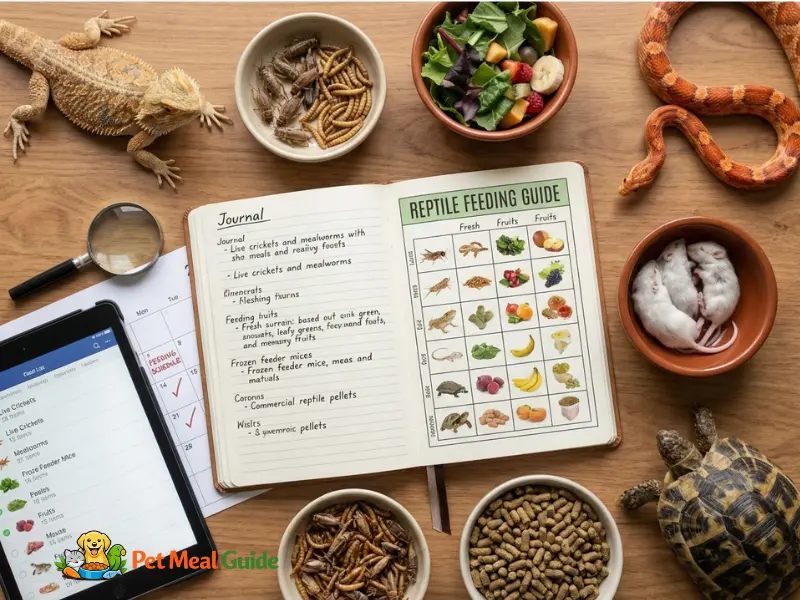
Keeping reptiles healthy starts with understanding their diet. Many new reptile owners assume all reptiles eat the same type of food, but in reality each species has different nutritional requirements. Some reptiles rely mainly on insects, others need rodents, and many species eat vegetables or aquatic foods as well.
A proper reptile feeding guide explains the correct food type, feeding schedule, portion size, and feeding method for each reptile category. When reptiles receive the right nutrition, they grow properly, maintain strong bones, and develop healthy immune systems.
What Do Reptiles Eat?
Reptiles eat a wide range of foods depending on their species. Most pet reptiles consume feeder insects, rodents, vegetables, fruits, or aquatic foods. Snakes typically eat mice or rats, many lizards prefer insects such as crickets and mealworms, while turtles eat a combination of vegetables, insects, and fish.
Simple summary
• Snakes mostly eat rodents
• Lizards often eat insects and vegetables
• Turtles eat plants, insects, and fish
• Young reptiles require more frequent feeding
A complete reptile feeding guide helps pet owners choose safe feeder insects, determine proper prey size, and follow the right feeding schedule.
What Do Reptiles Eat?
One of the most common questions from reptile owners is what do reptiles eat. The answer depends entirely on the reptile species because reptiles fall into several dietary groups. Understanding these diet types is the first step in learning how to properly care for reptiles.
In captivity, reptiles usually eat reptile feeder insects, feeder bugs for reptiles, small rodents, vegetables, fruits, and commercial reptile diets.
Read This Detailed Article: Best Feeder Insects For Reptiles
Below are the main reptile diet categories.
Carnivorous Reptiles
Carnivorous reptiles eat other animals as their primary source of nutrition. Their diet often consists of rodents, insects, fish, or small vertebrates.
Examples of carnivorous reptiles include:
- snakes
- monitor lizards
- crocodilians
- some large geckos
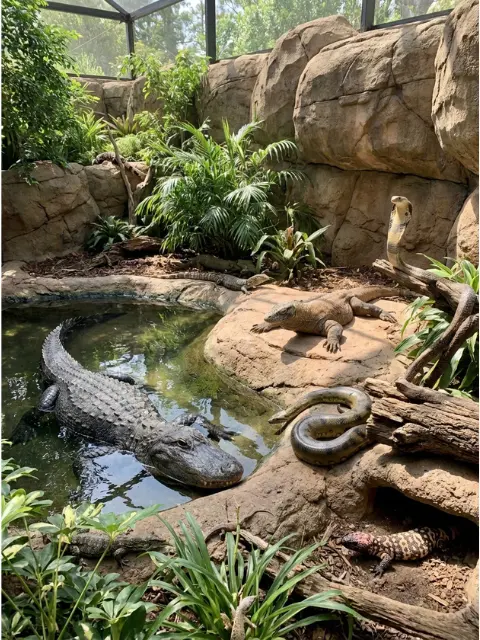
Snakes are the most well-known carnivorous reptiles. Most species eat rodents such as mice or rats. Pet owners often use frozen feeder mice for snakes, which are widely available from reptile suppliers and pet stores.
Carnivorous reptiles rely on protein-rich diets to maintain muscle growth and proper metabolism. Providing prey items that match the reptile’s body size is critical. Later in this guide you will see a reptile rodent feed size guide explaining how to choose the correct prey size.
For a deeper understanding of snake diets and feeding schedules, you can read the complete Snake feeding guide which explains prey types and feeding intervals for common pet snakes.
Insectivore Reptiles
Insectivorous reptiles mainly eat insects and other small invertebrates. These reptiles depend heavily on reptile feeder insects for daily nutrition.
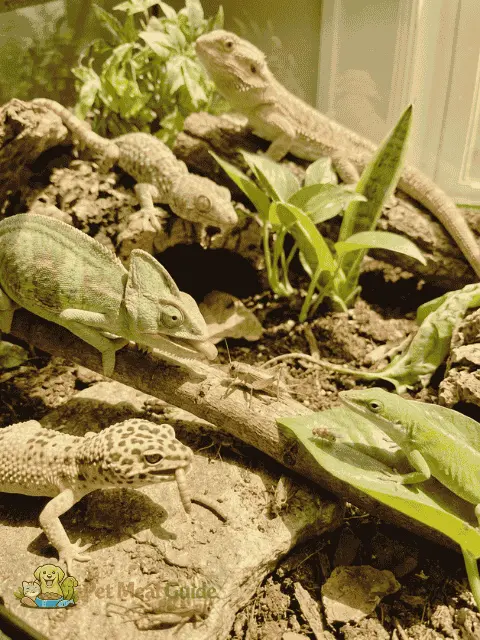
Common insectivore reptiles include:
- geckos
- chameleons
- small skinks
- many baby lizards
Popular feeder insects include:
- crickets
- mealworms
- dubia roaches
- waxworms
- superworms
These insects are sometimes referred to as feeder bugs for reptiles because they are bred specifically as reptile food.
Insectivore reptiles usually require daily or frequent feeding because insects digest quickly. Many reptile keepers also dust insects with calcium powder before feeding to support bone development.
If you want to see a detailed comparison of insect nutrition, check the guide on Best feeder insects for reptiles, which compares protein levels and feeding benefits.
Herbivorous Reptiles
Herbivorous reptiles eat mainly plants. Their diet includes vegetables, leafy greens, fruits, and flowers.
Examples of herbivorous reptiles include:
- iguanas
- tortoises
- uromastyx lizards
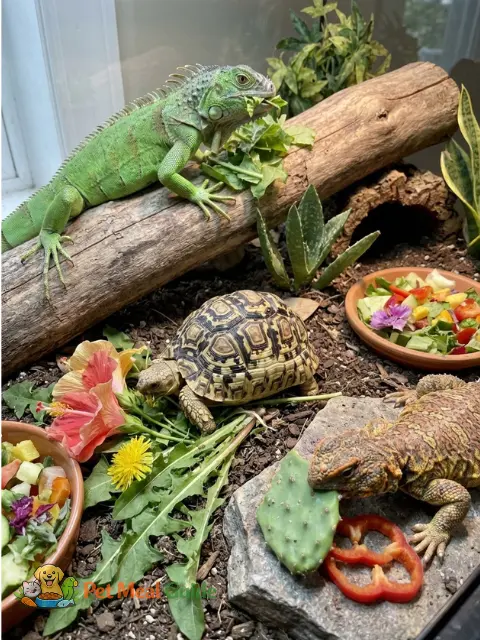
These reptiles require high fiber diets and plenty of plant-based nutrients. Leafy greens like collard greens, dandelion greens, and mustard greens are common foods for herbivorous reptiles.
Unlike carnivores, herbivorous reptiles usually eat daily and consume larger portions because plant foods contain fewer calories than insects or rodents.
Omnivorous Reptiles
Omnivorous reptiles eat both plant foods and animal protein. Their diets are the most varied among reptiles.
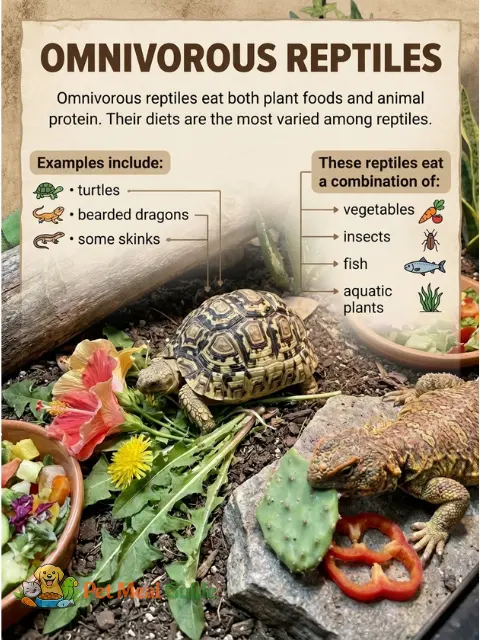
Examples include:
- turtles
- bearded dragons
- some skinks
These reptiles eat a combination of:
- vegetables
- insects
- fish
- aquatic plants
For example, many pet owners search for what to feed turtles when caring for species such as red-eared sliders or painted turtles. Turtles often eat insects when young and gradually consume more plant material as they grow.
You can read the full What to feed turtles guide to understand diet changes for aquatic turtle species.
Best Feeder Insects for Reptiles
For many reptile species, insects are the primary food source. Choosing high-quality feeder insects for reptiles ensures your pet receives the protein, fat, and nutrients necessary for growth and energy.
Professional reptile keepers usually rotate several types of insects rather than feeding only one type. This approach prevents nutritional deficiencies.
Below are the most popular reptile feeder insects used by reptile owners.
Crickets
Crickets are one of the most common feeder insects for reptiles. They are widely available and provide a good balance of protein and fiber.
Crickets are ideal for feeding:
- bearded dragons
- leopard geckos
- anoles
- chameleons
Benefits of feeding crickets include:
- high protein levels
- easy digestion
- active movement that stimulates reptile hunting behavior
Many reptile owners also dust crickets with calcium supplements before feeding.
If you keep insect-eating lizards, crickets will likely become the primary insect in your lizard feeding guide routine.
Mealworms
Mealworms are another popular reptile feeder insect. They are easy to store and widely sold in pet stores.
Mealworms work best for:
- geckos
- small lizards
- turtles
- amphibians
However, mealworms contain more fat than crickets, so they should not be the only food source. Feeding them occasionally alongside other insects provides better nutrition.
Dubia Roaches
Dubia roaches are considered one of the most nutritious feeder insects available. Many experienced reptile keepers prefer them because they contain high protein levels and less chitin than crickets.
Dubia roaches are excellent for feeding:
- bearded dragons
- monitor lizards
- large geckos
They are also easier to keep than crickets because they do not make noise and cannot climb smooth surfaces.
Because of their high nutrition levels, dubia roaches are often recommended in advanced reptile feeding guides for serious reptile keepers.
Waxworms
Waxworms are soft-bodied larvae that reptiles find very appealing. However, they contain high fat levels and should be used only as treats.
Waxworms are suitable for:
- small lizards
- geckos
- amphibians
Feeding waxworms too frequently can lead to obesity in reptiles.
Superworms
Superworms are larger than mealworms and contain more protein. They are commonly used for feeding larger reptiles.
Superworms are ideal for:
- bearded dragons
- large geckos
- monitors
Because superworms are more active, they also stimulate hunting behavior in reptiles.
Reptile Feeder Insects Chart
This reptile feeder Chart helps readers quickly compare the nutritional value of different feeder insects.
| Insect | Protein Level | Best For |
|---|---|---|
| Crickets | High | Lizards |
| Mealworms | Medium | Geckos |
| Dubia Roach | Very High | Bearded Dragons |
| Waxworms | High Fat | Treats |
| Superworms | High Protein | Large Lizards |
Rodent Feeding Guide for Reptiles
Some reptiles, especially snakes and large lizards, require rodents as their primary food source. Rodents provide complete nutrition, including protein, fat, and calcium.
This section of the reptile rodent feed size guide explains how to safely feed rodents to reptiles.
Common rodent feeders include:
- feeder mice for snakes
- frozen feeder mice for snakes
- feeder rats for large snakes
Most reptile experts recommend using frozen rodents instead of live rodents.
Frozen vs Live Mice
Frozen rodents are considered safer for several reasons:
• they cannot injure the reptile
• they are easier to store
• they reduce parasite risk
Frozen rodents are thawed before feeding and offered with feeding tools.
For safe handling, many reptile keepers use reptile feeding tongs to hold the prey item and prevent accidental bites.
Check This Guide:
How to Thaw Frozen Mice for Snakes Safely
Snake Prey Size Rule
The most important rule when feeding snakes is choosing the correct prey size.
The prey item should be approximately the same width as the widest part of the snake’s body. Feeding prey that is too large may cause digestion problems or regurgitation.
This rule applies to most snake species including corn snakes, king snakes, and ball pythons.
For a complete feeding schedule and prey size breakdown, see the detailed Corn snake feeding guide, which includes feeding charts based on snake age and weight.
Snake Rodent Size Chart
| Snake Age | Prey Type |
|---|---|
| Hatchling | Pinky mouse |
| Juvenile | Fuzzy mouse |
| Sub-adult | Hopper mouse |
| Adult | Adult mouse / small rat |
| Large species | Rats |
This chart helps reptile owners quickly determine the appropriate rodent size.
Best Feeding Tools for Reptiles
Feeding reptiles safely often requires the right tools. Many reptiles, especially snakes and large lizards, can strike quickly when they see food. Using feeding tools protects both the reptile owner and the animal while ensuring hygienic feeding.
The most common tools include reptile feeding tongs, tweezers, and feeding forceps. These tools allow owners to hold prey items such as insects or frozen rodents at a safe distance.
Why Use Feeding Tongs for Reptiles?
Using reptile feeding tools offers several benefits:
• prevents accidental bites during feeding
• reduces stress for reptiles
• keeps hands away from prey scent
• improves feeding accuracy
• helps present food naturally
Reptiles often associate movement with prey. Feeding tongs allow you to gently move insects or rodents, which encourages the reptile’s natural hunting response.
Another advantage is hygiene. Handling feeder insects or rodents directly can spread bacteria or parasites. Using tools keeps feeding more sanitary.
Recommended Reptile Feeding Tools
Here are some commonly used tools reptile owners prefer:
Stainless Steel Reptile Feeding Tongs
These long metal tongs are ideal for feeding snakes or large lizards. They provide excellent grip and durability.
👉 Buy Now
Plastic Feeding Tweezers
Plastic tweezers work well for feeding insects like crickets or mealworms to geckos and chameleons.
👉 Buy Now
Curved Feeding Forceps
Curved tips allow better visibility when placing food in terrariums.
👉 BuyNow
If you want a full comparison and buying guide, you can read our detailed article on Best reptile feeding tongs.
(Internal link anchor: Best reptile feeding tongs)
Feeding Guide for Popular Pet Reptiles
Different reptile species require different diets. Understanding what each reptile eats helps prevent nutritional deficiencies and health problems.
Below is a quick overview of feeding guidelines for the most common pet reptiles.
Snake Feeding Guide
Check This Complete Guide Here: Snake feeding guide
Snakes are carnivorous reptiles that primarily eat rodents and occasionally birds or other small animals.
The most common feeder foods for pet snakes include:
• frozen feeder mice
• frozen rats
• chicks
• quail
Frozen rodents are recommended because they are safer than live prey. Live rodents can injure snakes by biting or scratching them.
Typical Snake Feeding Schedule
| Snake Age | Feeding Frequency |
|---|---|
| Hatchling | Every 5–7 days |
| Juvenile | Every 7–10 days |
| Adult | Every 10–14 days |
Most snake owners feed frozen-thawed prey, which is both humane and convenient.
If you own a beginner species like corn snakes, a specialized chart helps determine prey size.
Corn Snake Feeding Chart
Corn snakes are one of the most popular pet snakes because they are easy to care for and have predictable feeding habits.
Typical feeding progression:
| Corn Snake Age | Food |
|---|---|
| Hatchling | Pinky mouse |
| Juvenile | Fuzzy mouse |
| Growing | Hopper mouse |
| Adult | Adult mouse |
Corn snakes usually eat once every 7–10 days as adults.
Read Detailed Article About: Corn snake feeding chart
Turtle Feeding Guide
Check This Complete Guide Here: What to feed turtles
Many turtles are omnivores, meaning they eat both plants and animal protein.
Common turtle foods include:
• leafy greens
• aquatic plants
• insects
• small fish
• commercial turtle pellets
For example, red-eared sliders eat a mixture of vegetables and protein.
Typical turtle diet balance:
• 50% vegetables and greens
• 25% protein sources
• 25% commercial turtle food
Young turtles usually require more protein than adults.
If you want a species-specific feeding plan, read the Red eared slider feeding guide.
Lizard Feeding Guide
Check This Complete Guide Here: Lizard feeding guide
Lizards have diverse diets depending on the species.
Some lizards are insectivores, while others eat vegetables and fruit.
Insect-Eating Lizards
Examples include:
• leopard geckos
• chameleons
• anoles
These reptiles primarily eat:
• crickets
• mealworms
• dubia roaches
Omnivorous Lizards
Examples include:
• bearded dragons
• blue-tongue skinks
These reptiles eat:
• insects
• leafy greens
• vegetables
• fruit
Young lizards typically eat more insects because they need extra protein for growth.
For a full breakdown of reptile insects, see our article on Best feeder insects for reptiles.
Common Reptile Feeding Mistakes
Many reptile health problems are caused by improper feeding. Avoiding these common mistakes helps ensure reptiles stay healthy and active.
Overfeeding Reptiles
Overfeeding is one of the most frequent problems among reptile owners.
Unlike mammals, reptiles have slow metabolisms. Feeding them too often can lead to obesity and organ stress.
Signs of overfeeding include:
• rapid weight gain
• reduced activity
• difficulty moving
• fatty deposits
Most adult reptiles only need food once or twice per week.
Feeding the Wrong Prey Size
Choosing prey that is too large can cause serious problems.
Possible issues include:
• regurgitation
• digestive blockage
• choking risk
Always follow the snake prey size rule:
The prey should be approximately the same width as the widest part of the snake’s body.
This rule helps ensure safe digestion.
Feeding Wild Insects
Some reptile owners collect insects outdoors, but this practice can be risky.
Wild insects may carry:
• parasites
• pesticides
• bacteria
Commercially raised feeder insects are safer because they are bred specifically for reptile consumption.
Incorrect Feeding Schedule
Each reptile species has a different feeding frequency.
Feeding too often or too rarely can cause:
• malnutrition
• weight loss
• digestive issues
Always research the dietary needs of your reptile species.
Frequently Asked Questions About Feeding Reptiles
How often should reptiles be fed?
Most reptiles eat less frequently than mammals. Baby reptiles often require food every day because they grow quickly. Juvenile reptiles usually eat every two to three days, while adult reptiles typically eat once or twice per week depending on species and metabolism.
What insects are best for reptiles?
The most common reptile feeder insects include:
• crickets
• mealworms
• dubia roaches
• superworms
These insects provide protein, vitamins, and nutrients necessary for reptile growth.
Can reptiles eat wild insects?
Wild insects may carry parasites, pesticides, or harmful bacteria. For this reason, reptile owners are advised to use commercial feeder insects from reputable suppliers.
Do reptiles need supplements?
Many reptiles require dietary supplements to stay healthy.
The most common supplements include:
• calcium powder
• vitamin D3
• multivitamin powders
These supplements help prevent metabolic bone disease, a common health problem in captive reptiles.
Reptile Food Pyramid
Adding visual guides helps users understand reptile nutrition quickly and improves rankings in image search.
Reptile Diet Pyramid
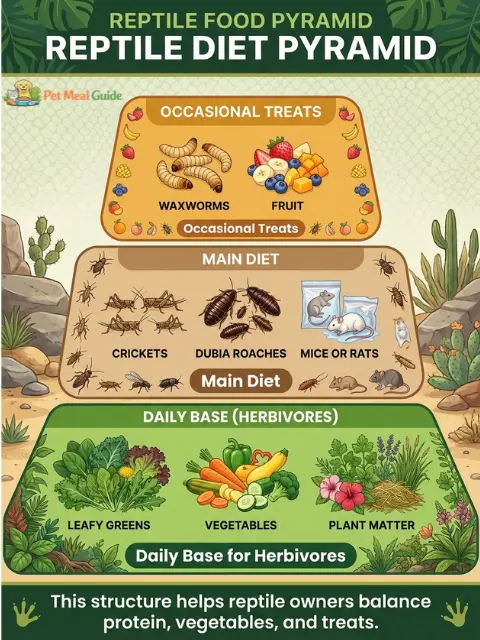
Top (Occasional Treats)
• waxworms
• fruit
Middle (Main Diet)
• crickets
• dubia roaches
• mice or rats
Bottom (Daily Base for Herbivores)
• leafy greens
• vegetables
• plant matter
This structure helps reptile owners balance protein, vegetables, and treats.
Reptile Feeding Schedule Chart
| Reptile Age | Feeding Frequency |
|---|---|
| Baby reptiles | Daily |
| Juvenile reptiles | Every 2–3 days |
| Adult reptiles | 1–2 times per week |
Expert Resources and Veterinary References
Reliable reptile feeding advice should always be supported by trusted animal care organizations.
Helpful resources include:
• Association of Reptile and Amphibian Veterinarians
https://arav.org
• RSPCA reptile care guide
https://www.rspca.org.uk
• Smithsonian National Zoo reptile care information
https://nationalzoo.si.edu
These sources confirm important nutrition principles such as:
• proper prey size for snakes
• safe feeder insects
• importance of calcium supplementation
Final Thoughts on Feeding Reptiles
Feeding reptiles properly is one of the most important aspects of reptile care. A balanced diet ensures healthy growth, proper digestion, and a long lifespan.
A successful reptile feeding plan should always include:
• the correct food type for the species
• proper prey size
• appropriate feeding schedule
• safe feeder insects or rodents
• vitamin and calcium supplements when required
Whether you own snakes, turtles, or lizards, following a structured reptile feeding guide helps prevent many common health problems and keeps reptiles active and healthy.