
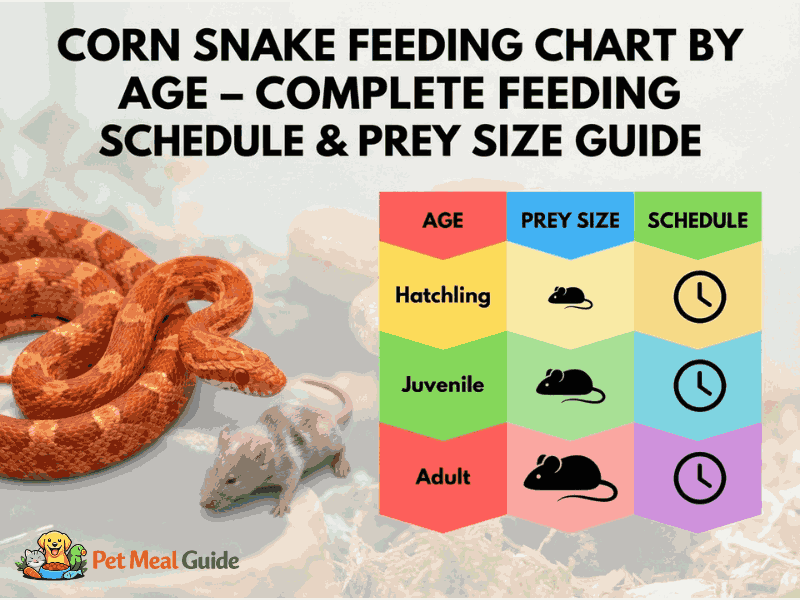
Corn Snake Feeding Chart by Age
Bringing a corn snake (*Pantherophis guttatus*) into your home is one of the most rewarding experiences in the reptile hobby. Known for their incredibly docile nature, stunning array of genetic color morphs, and hardiness, corn snakes are almost universally considered the perfect beginner snake. However, despite how easy they are to care for, the number one source of anxiety for new keepers revolves around one topic: feeding.
How often should a corn snake eat? Are you feeding them prey that is too large? Too small? How do you know when it is time to upgrade from a fuzzy to a hopper mouse? Getting your corn snake’s diet wrong can lead to stunted growth, obesity, regurgitation, or severe stress for both the animal and the owner.
What is the correct corn snake feeding chart by age?
A standard corn snake feeding chart by age relies on a progressive schedule to match the snake’s rapidly changing metabolism. Because corn snakes grow steadily over their first two years, their prey size and feeding frequency must be adjusted accordingly:
- Hatchlings (0-3 months): Feed one pinky mouse every 5 to 7 days.
- Juveniles (3-12 months): Feed one fuzzy or hopper mouse every 7 days.
- Sub-Adults (1-2 years): Feed one weaned/small mouse every 7 to 10 days.
- Adults (2+ years): Feed one large adult mouse every 10 to 14 days.
Golden Rule for Size: You should always feed your corn snake a prey item that is approximately the same width as (or no more than 1.5 times) the widest part of the snake’s mid-body. For safety and health, the use of high-quality frozen-thawed feeder mice is highly recommended over live rodents.
In this comprehensive guide, we are going to dive deep into the biology of corn snake digestion. We will provide you with exact feeding charts based on both age and weight, discuss the best places to buy feeder mice, and offer an extensive troubleshooting guide for those stressful times when your snake simply refuses to eat. Whether you are dealing with a 15-gram hatchling or a 600-gram adult, this guide will serve as your ultimate reference.
The Biology of Corn Snake Digestion (Why Diet Matters)
Before we look at the feeding charts, it is vital to understand *how* a corn snake processes its food. Corn snakes are obligate carnivores. In the wild, they are opportunistic hunters, consuming a diet made up primarily of rodents, small birds, and occasionally amphibians or lizards.
Unlike humans, who eat multiple times a day to sustain a fast metabolism, snakes are ectotherms (cold-blooded). They rely entirely on external heat sources to power their internal bodily functions, including digestion. When a corn snake swallows a whole mouse, its metabolic rate skyrockates—sometimes increasing by up to 40%.
The snake’s stomach produces incredibly potent gastric acids and enzymes capable of dissolving flesh, organs, and solid bone within a matter of days. The only parts of a mouse that a snake cannot fully digest are the keratin-based components, such as hair, teeth, and claws, which are eventually passed in their feces.
Because corn snakes consume their prey whole, they receive a perfectly balanced diet. The bones provide calcium, the organs provide essential vitamins and iron, and the muscle tissue provides high-density protein. This is why you rarely need to supplement a snake’s diet with calcium powders, unlike insect-eating reptiles like bearded dragons or leopard geckos.
Corn Snake Feeding Chart by Age and Size
Age is a good baseline for feeding, but it is not a perfect metric. Two corn snakes from the exact same clutch of eggs can grow at vastly different rates depending on their genetics, feeding consistency, and enclosure temperatures.
Therefore, while we provide an age-based chart below, it is always safer to evaluate your snake based on its physical size and weight. Below is the standard timeline you can expect to follow as your snake transitions from a tiny “shoelace” hatchling into a robust, 4-to-5-foot adult.
| Corn Snake Age | Life Stage | Prey Type | Feeding Frequency |
|---|---|---|---|
| 0–3 months | Hatchling | Pinky mouse (1-3g) | Every 5–7 days |
| 3–12 months | Juvenile | Fuzzy mouse (4-7g) | Every 7 days |
| 1–2 years | Sub-Adult | Hopper / Weaned mouse (8-14g) | Every 7–10 days |
| 2+ years | Adult | Adult mouse (18-25g) | Every 10–14 days |
| 5+ years | Senior / Low Activity | Adult mouse | Every 14–21 days |
For a complete overview of feeding schedules across multiple reptile species, you can reference our extensive Snake Feeding Guide + Prey Size Chart.
Weight-Based Feeding: The “Munson Plan”
In the herpetoculture community, many expert corn snake breeders swear by a weight-based feeding schedule, frequently referred to in hobbyist circles as “The Munson Plan.” To use this method, you will need to purchase a cheap digital kitchen gram scale.
By weighing your corn snake empty (after they have defecated and before their next meal), you take all the guesswork out of choosing a prey size. The general rule of thumb is to feed your snake a prey item that weighs approximately 10% to 15% of the snake’s total body weight.
Corn Snake Weight-to-Prey Ratio Chart
| Snake Weight (Grams) | Recommended Prey Type | Prey Weight (Grams) |
|---|---|---|
| 4g – 15g | Single Pinky | 1g – 3g |
| 16g – 23g | Double Pinkies | 3g – 4g (total) |
| 24g – 30g | Small Fuzzy | 4g – 5g |
| 30g – 50g | Regular Fuzzy | 5g – 7g |
| 51g – 90g | Hopper | 8g – 12g |
| 91g – 170g | Weaned / Small Adult | 13g – 17g |
| 170g – 400g+ | Large Adult Mouse | 18g – 25g |
Note on Jumbo Mice and Rats: Unlike Ball Pythons, which have thick, heavy bodies and will eventually require rats, Corn Snakes are slender colubrids. A healthy adult corn snake rarely needs anything larger than a standard large adult mouse. Feeding jumbo mice or small rats to a corn snake frequently leads to extreme obesity, fatty liver disease, and a shortened lifespan.
Frozen vs. Live Feeder Mice: Making the Right Choice
One of the most common questions new keepers ask is whether they should feed live mice or frozen-thawed mice. Let’s look at what the veterinary experts say.
In the wild, snakes obviously hunt live prey. However, a glass terrarium is not the wild. When you place a live, terrified rodent into an enclosed space with a snake, that rodent will fight for its life. A live mouse has incredibly sharp incisors and claws. If your corn snake strikes poorly, is not hungry, or gets distracted, the mouse can bite the snake.
Rodent bites are a leading cause of veterinary visits for pet snakes. They cause severe lacerations, deep tissue infections, and permanent scarring. For this reason, the Association of Reptile and Amphibian Veterinarians (ARAV) strongly advocates for feeding pre-killed or frozen-thawed prey.
Benefits of Frozen-Thawed Feeder Mice
- 100% Injury Prevention: Your snake is completely safe from bites and scratches.
- Eradication of Parasites: The deep freezing process (usually at -20°C for weeks) kills mites, tapeworms, and internal parasites that live rodents might carry.
- Convenience and Cost: You can buy a 6-month supply of frozen mice in bulk, saving you weekly trips to the pet store and significant money.
- Humane Considerations: High-quality feeder suppliers use painless CO2 chambers to euthanize rodents before freezing, which is vastly more humane than constriction.
Best Frozen Feeder Mice for Corn Snakes
Not all feeder mice are created equal. Buying mice from a generic local pet store often means buying over-priced, freezer-burned rodents that lack proper nutrition. The best option is to order in bulk from reputable breeders who raise their rodents on specialized, lab-grade diets.
For more deep dives into feeder rodents, check out our guide on the Best Feeder Mice for Snakes.
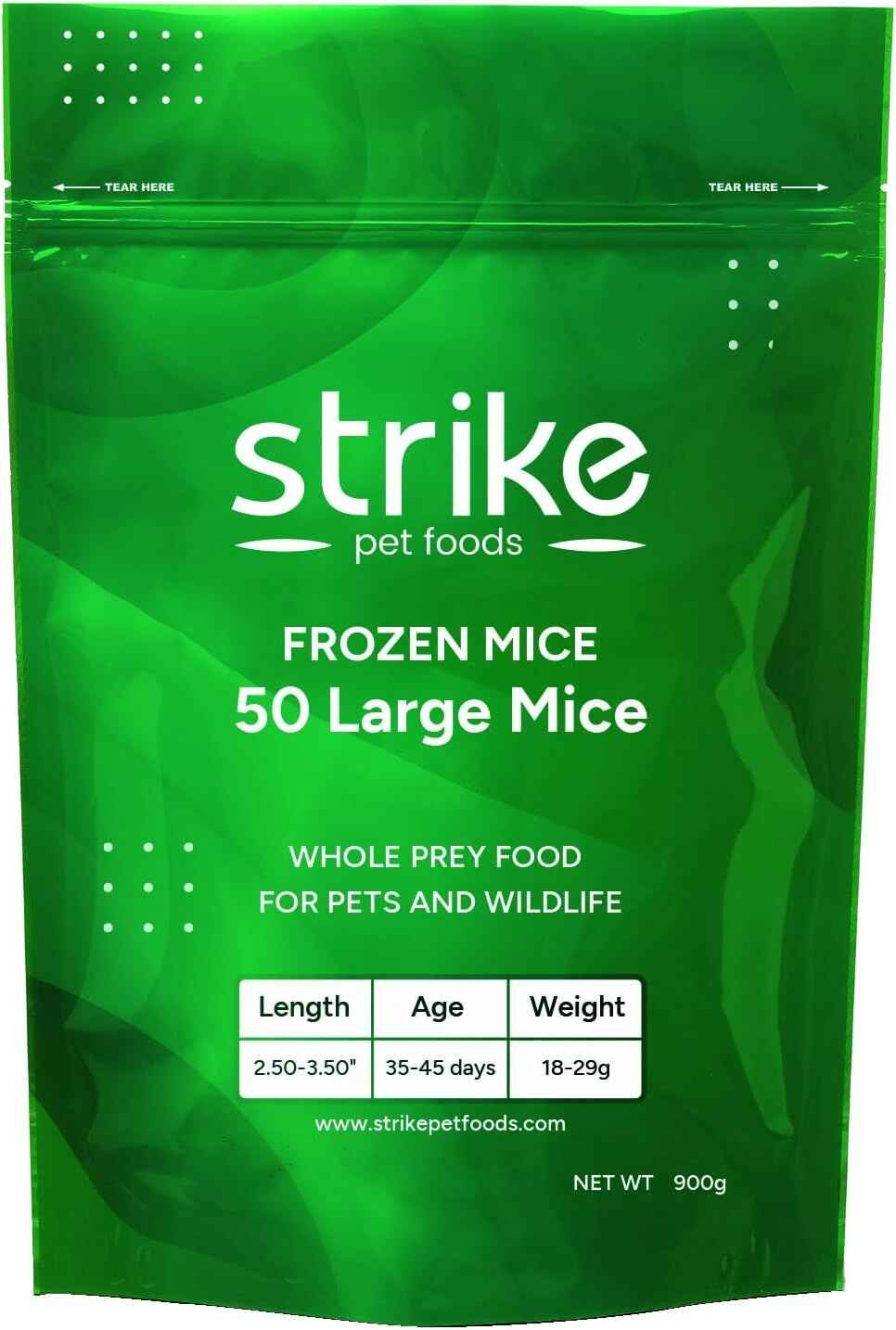
STRIKE Large Frozen Feeder Mice for Snake
Widely regarded as the premium standard in the reptile hobby, Layne Labs provides exceptionally clean, well-fed rodents. They flash-freeze their mice individually, which means they do not arrive frozen together in a giant, unbreakable block.
If you have a picky corn snake, Layne Labs mice usually do the trick because they are pristine, have no “freezer burn” smell, and are raised on a highly nutritious diet that passes those vitamins directly to your snake.
Check Price & Order Sizes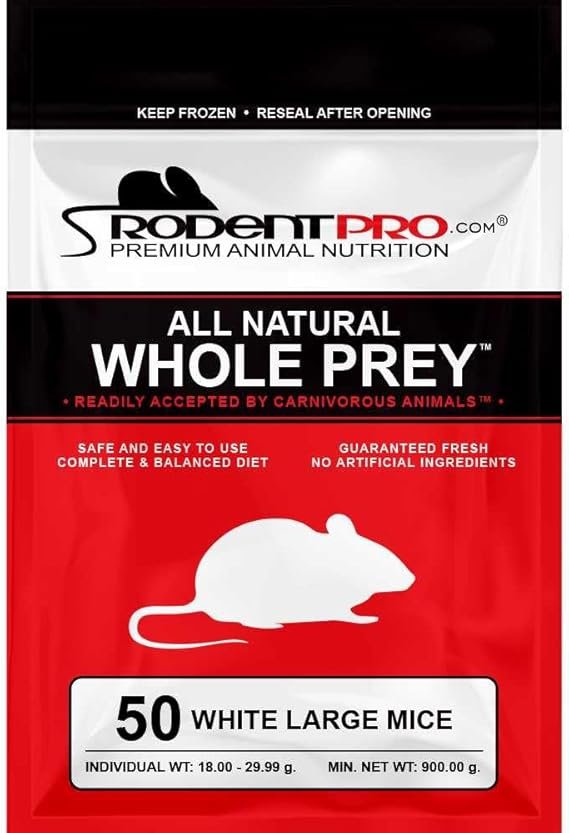
RodentPro Frozen Mice Bulk Pack
If you want the best bang for your buck, RodentPro is the industry giant. They cater to large-scale breeders and zoos but are fully accessible to the average hobbyist. You can buy bags of 50 or 100 mice at a fraction of the cost of retail pet stores.
Their vacuum-sealed packaging prevents freezer burn, allowing you to store a year’s worth of food safely in your deep freezer. They are incredibly reliable for steady, long-term snake food supplies.
Shop Bulk Deals NowStep-by-Step: How to Thaw and Feed Frozen Mice to Your Corn Snake
A snake relies heavily on its sense of smell (via the Jacobson’s organ) and heat detection to identify food. If you present a cold, wet, lifeless mouse to your corn snake, it will likely stare at it and slither away. Proper preparation is the key to a successful feeding response.
1. The Safe Thaw
Never use a microwave to thaw a mouse. Microwaves cook food unevenly, destroying vital nutrients and creating scalding hot spots that can burn your snake from the inside. Worse, it can cause the mouse to literally explode.
Instead, remove the mouse from the freezer and place it in a watertight ziplock bag. Place the bag in the refrigerator overnight, or submerge the bag in a bowl of cold tap water for 1-2 hours until it is soft and squishy to the touch.
2. The Warm-Up
Once the mouse is fully thawed, empty the cold water from your bowl and refill it with hot tap water (around 100°F – 105°F). Submerge the bagged mouse for 10 to 15 minutes. This brings the internal temperature of the mouse up, simulating the body heat of a live mammal.
3. The “Zombie Dance”
Using a long pair of stainless steel reptile feeding tongs, grasp the warm mouse by the scruff of its neck or its tail. Open your snake’s enclosure and gently dangle the mouse a few inches from the snake’s face. Wiggle it slightly and let it brush against the substrate. This mimics the movement of foraging prey. Your corn snake should lock eyes on the target, coil its neck into an “S” shape, and strike.
For more detailed visuals, please read our dedicated article on How to Thaw Frozen Mice for Snakes.
The 48-Hour Rule: Post-Feeding Care
As mentioned earlier, digestion takes an immense amount of energy for a snake. When a snake is digesting a large meal, its mobility is heavily compromised. In the wild, if a predator attacks a snake right after it has eaten, the snake’s natural defense mechanism is to violently regurgitate (throw up) its meal so it can slither away quickly.
If you take your corn snake out to play, show it to friends, or even move it to a separate “feeding bin” right after it eats, the stress and physical manipulation of its belly can trigger this exact regurgitation response.
Regurgitation is extremely dangerous for a snake. It brings up potent stomach acids that burn their throat and severely dehydrates them. If your snake regurgitates, you must wait a full 14 days before attempting to feed them again, allowing their esophagus time to heal and their stomach flora time to replenish. Always feed your snake inside its home enclosure and leave it alone in peace for two days.
Troubleshooting: Why Is My Corn Snake Not Eating?
Corn snakes are famously fantastic eaters, affectionately known as “garbage disposals” in the reptile hobby. If your corn snake is refusing meals, it is almost always a sign that something is slightly off in their environment or their biology. Don’t panic—snakes can go weeks or even months without food. Here is a diagnostic checklist to help you solve the problem:
1. They Are About to Shed (Ecdysis)
If your snake’s colors look dull and its eyes have turned a milky, cloudy blue, it is going into a shed cycle. During this time, snakes are virtually blind and feel highly vulnerable. The vast majority of corn snakes will refuse food while “in blue.” Simply wait a week until they shed their skin, and offer food again. They will usually eat ravenously.
2. Husbandry and Temperatures Are Wrong
As we discussed, snakes need heat to digest. If your enclosure’s warm side is below 80°F, the snake instinctually knows that eating will result in rotting food in its stomach. Check your thermostat and under-tank heater. Ensure you have a proper warm side (85°F) and a cool side (75°F) so the snake can thermoregulate.
3. Seasonal Fasting (Brumation)
If you have an adult male corn snake, he may suddenly stop eating in the late winter or early spring. This is completely natural. Driven by daylight changes and breeding instincts, male corn snakes will pace their enclosures looking for a female rather than looking for food. Keep an eye on their weight; as long as they aren’t losing massive amounts of body mass, this spring fast is nothing to worry about.
4. The Enclosure is Too Large / Lacks Hides
Baby corn snakes are the bottom of the food chain in the wild. If you put a tiny 15-gram baby in a massive 40-gallon glass tank with no places to hide, it will be terrified. A terrified snake will not eat. Ensure your enclosure is cluttered with fake plants, branches, and at least two snug, dark hides (one on the hot side, one on the cold side). The snake needs to feel invisible to feel secure enough to eat.
5. The Prey is the Wrong Size
If you try to feed a mouse that is drastically too large, the snake may strike it, investigate it, and then abandon it, realizing it cannot swallow it safely. Conversely, if you offer an adult snake a tiny pinky mouse, it may not even register it as a viable food source. Stick to the sizing charts provided above.
Frequently Asked Questions (FAQ)
How often should a corn snake eat?
The frequency depends entirely on age. Baby corn snakes have fast metabolisms and need to eat every 5 to 7 days. As they grow into juveniles, this spaces out to once every 7 days. Fully grown adult corn snakes only need to eat one large mouse every 10 to 14 days to maintain a healthy weight.
What do corn snakes eat?
In captivity, the absolute best diet for a corn snake is frozen-thawed feeder mice. Depending on the size of the snake, they will progress from pinky mice up to fuzzy, hopper, weaned, and eventually adult mice. Some keepers offer day-old quail chicks as a rare treat, but mice should make up 95% of their diet.
Can corn snakes eat frozen mice from the grocery store?
No, grocery stores do not sell feeder mice. You must purchase rodents specifically raised for reptile consumption from a pet store or an online breeder. Never catch wild mice from your house or yard to feed your snake, as wild rodents carry lethal parasites, ticks, and often traces of rat poison that will kill your reptile.
What size mouse should I feed my corn snake?
The golden rule of reptile feeding is to choose a prey item that is the same width as the widest part of your snake’s mid-body. It should leave a slight, noticeable lump in the snake’s belly after it swallows, but the snake’s scales should not be stretched to the point where you can see skin between them.
Is it okay to feed my corn snake outside of its enclosure?
No, moving your snake to a separate “feeding tub” is an outdated practice. It causes unnecessary stress, increases the likelihood of a defensive bite, and greatly increases the risk of regurgitation when you have to pick the snake back up to move it home. Feed your snake inside its permanent enclosure.
References & Authoritative Resources
For further reading on the science of reptile husbandry, welfare, and nutrition, please consult the following respected organizations:
- Association of Reptile & Amphibian Veterinarians (ARAV): Guidelines on safe captive reptile diets and whole-prey nutrition.
- Smithsonian National Zoological Park: Reptile Discovery Center care sheets and feeding protocols.
- RSPCA (Royal Society for the Prevention of Cruelty to Animals): Comprehensive welfare guides for captive snake habitats and humane feeding practices.