
Fish Feeding Guide
✨ How Often Should You Feed Fish?
Most aquarium fish should be fed 1–2 times per day, providing only the exact amount of food they can completely consume within 2 to 3 minutes. Overfeeding is one of the most common and dangerous mistakes in fishkeeping, causing severe water quality issues, ammonia spikes, and fish mortality.
Quick fish feeding guidelines:
- Feed small, easily digestible portions once or twice daily.
- Remove any uneaten food from the tank after 5 minutes using an aquarium net.
- Adjust your feeding schedule based on the exact species, life stage, and tank size.
- Bottom feeder fish require sinking pellets or wafers to ensure they are not outcompeted by surface fish.
- Betta fish usually eat 2–4 specialized betta pellets twice per day.
A healthy, balanced fish diet typically includes:
- Commercial fish flakes or pellets (high-quality, low-filler like spirulina and fish meal)
- Frozen and live foods like brine shrimp, bloodworms, or daphnia
- Algae wafers for bottom feeders (plecos, corydoras, otocinclus)
- Blanched vegetables like peas, spinach, or zucchini
Aquarium and veterinary experts from the American Veterinary Medical Association (AVMA) and the RSPCA strongly recommend avoiding overfeeding. Leftover food decays rapidly, releasing toxic ammonia that pollutes the aquarium water, fuels algae outbreaks, and depletes dissolved oxygen levels.
Mastering the Aquarium Feeding Routine
Feeding your fish seems like the most straightforward part of aquarium ownership. You drop a pinch of flakes into the water and watch your pets excitedly swim to the surface. However, many devastating tank crashes start with improper feeding routines. New fish keepers stepping into the hobby often find themselves overwhelmed, asking questions like:
- How often should I feed my fish?
- What can you feed fish besides fish food?
- What do bottom feeder fish eat?
- Can I feed household foods to fish?
A highly balanced feeding routine keeps your aquarium fish healthy, improves their vibrant coloration, supports proper skeletal growth, and enhances their immune systems against common pathogens. Poor feeding practices, on the other hand, are the leading cause of preventable fish death in home aquariums. Overfeeding directly leads to:
- Ammonia and Nitrite Spikes: Uneaten food rots quickly, destroying your tank’s delicate nitrogen cycle.
- Cloudy Aquarium Water: Bacterial blooms thrive on excess organic waste, turning your crystal-clear water into a milky haze.
- Fish Diseases: Swim bladder disease, constipation, and bloat are direct side effects of a poor or excessive diet.
- Algae Outbreaks: High phosphates from cheap, filler-heavy fish food fuel uncontrollable green water, black beard algae, and hair algae.
This comprehensive fish feeding guide explains everything aquarium owners need to know about feeding freshwater fish, navigating saltwater diets, caring for bettas, feeding invertebrates, and setting up reliable feeding schedules for outdoor ponds. Throughout this guide, you will find expert insights, feeding charts, and veterinarian-recommended products to help you succeed.
Looking for more deep dives into exotic pet care? Check out our Complete Reptile Feeding Guide to learn about dietary needs across different reptile species!
Feeding Freshwater Aquarium Fish
Freshwater aquariums are the most common type of home aquarium worldwide. Popular species include neon tetras, fancy guppies, comet goldfish, angelfish, and African cichlids. Despite sharing the same water type, these fish have wildly different anatomical and dietary needs based on their natural evolution.
Freshwater fish require a highly balanced diet consisting of crude protein, fiber, vitamins (especially Vitamin C for immune health), and trace minerals. Based on their natural habitats, freshwater fish are classified as herbivores, carnivores, or omnivores.
Feeding Freshwater Aquarium Fish Correctly
To feed your freshwater aquarium correctly, you must replicate what they would eat in the wild. A proper feeding regimen utilizes a combination of:
- Fish flakes: Best for top-water and mid-water omnivores (tetras, guppies, rasboras).
- Sinking pellets: Essential for mid-water swimmers and large species like cichlids.
- Frozen foods: Bloodworms, daphnia, and mysis shrimp offer massive protein boosts, perfect for conditioning fish for breeding.
- Live foods: Blackworms or feeder insects trigger natural hunting behaviors and provide unparalleled nutrition.
- Plant-based foods: Spirulina flakes and algae wafers are mandatory for herbivores.
Different fish species prefer different feeding styles based on the shape of their mouths. Surface feeders (like Hatchetfish and Bettas) have upturned mouths and eat floating flakes. Mid-water fish (like Tetras) have forward-facing mouths and eat slowly sinking pellets. Bottom feeder fish (like Corydoras) have downturned mouths equipped with barbels to forage for algae wafers on the substrate.
Marine biologists and experts from the Smithsonian National Zoo note that feeding behavior depends entirely on the fish’s natural habitat, making species-specific feeding incredibly important.
How Often to Feed Freshwater Aquarium Fish
The most heavily debated topic in the aquatics hobby is: how often to feed freshwater aquarium fish?
As a general rule, most freshwater fish should be fed once or twice daily. A fish’s stomach is roughly the size of its eye. They do not need large volumes of food. In fact, in the wild, fish often go days without finding a substantial meal.
| Fish Type | Examples | Feeding Frequency | Primary Diet |
|---|---|---|---|
| Small Tropical Fish | Tetras, Guppies, Rasboras | 1–2 small meals daily | Micro-pellets, high-quality flakes, daphnia |
| Goldfish | Comets, Fancy Orandas | 2–3 very small meals daily | Sinking goldfish pellets, boiled peas, veggies |
| Bottom Feeders | Plecos, Corydoras, Loaches | 1 meal daily (evening/night) | Algae wafers, sinking shrimp pellets |
| Large Carnivores | Oscars, Arowanas, Large Cichlids | 3–4 times per week | Large pellets, frozen krill, live foods |
Some hardy species are even among the best bottom feeder freshwater aquarium fish for busy owners, capable of surviving with feeding only once a week, especially when natural algae, biofilms, and microorganisms are present in a mature, heavily planted tank.
Fish Feeding Times: When is the Best Time to Feed Fish?
Another common question is about strict fish feeding times. So, what is the best time to feed fish?
The absolute best time to feed aquarium fish is in the morning and evening. Fish naturally follow the circadian rhythms dictated by light cycles. When your aquarium lights turn on, fish wake from their resting state, become active, and instinctively begin searching for food.
- Morning feeding: Offer a light meal about 30 minutes after the lights turn on.
- Evening feeding: Offer a slightly larger meal about an hour before the lights turn off.
Never feed your fish immediately after turning off the lights, as diurnal (day-waking) fish will become inactive and ignore the food, allowing it to rot in the gravel.
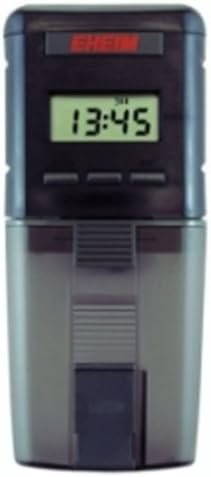
Eheim Everyday Fish Feeder
If you travel frequently or want mathematically precise feeding routines, an automatic feeder is mandatory. This programmable feeder features a moisture-resistant food chamber to prevent flakes from clogging, and dispenses reliable portions up to 4 times a day.
Check Price on Amazon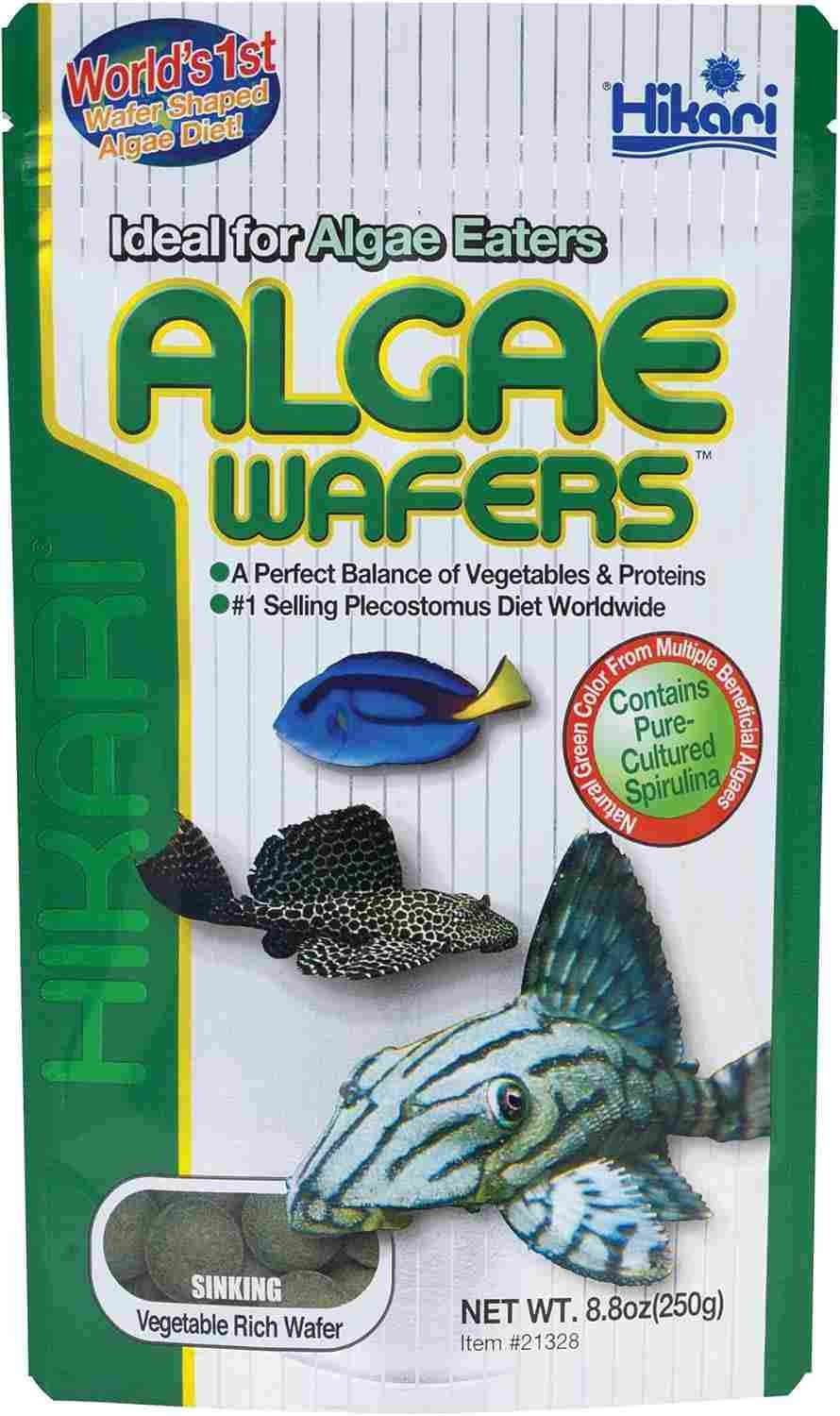
Hikari Algae Wafers
The undisputed king of bottom-feeder foods. Formulated specifically for plecostomus and herbivorous catfish. These dissolve extremely slowly, allowing bottom feeders to graze naturally overnight without the wafers falling apart and clouding the water.
Check Price on AmazonWhat Can You Feed Fish Besides Fish Food?
Many aquarium owners, wanting to provide enrichment or caught in a pinch, wonder: what can you feed fish besides fish food?
Fish can eat a wide variety of natural household foods that provide additional vitamins, roughage, and digestive aid. In fact, supplementing a dry pellet diet with fresh food is highly recommended by exotic veterinarians.
Household Foods to Feed Pet Fishes
Safe, highly nutritious options include:
- Boiled shelled peas: A fantastic laxative for fish suffering from swim bladder disease and constipation.
- Blanched Spinach & Zucchini slices: Perfect for herbivorous plecos, snails, and otocinclus.
- Cucumber: A hydrating snack for bottom feeders. Provide via a veggie clip.
- Plain, unseasoned seafood: Tiny bits of raw shrimp or white fish (ensure it is free of preservatives).
According to aquatic research published by the National Oceanic and Atmospheric Administration (NOAA), many wild fish consume complex mixtures of algae, plankton, and plant material, making these household vegetables excellent dietary supplements.
Can I Feed Fish Bread?
Bread should never be a regular fish food. Bread contains yeast, baking preservatives, and complex processed carbohydrates. When bread enters a fish’s stomach, it expands massively as it absorbs water, causing severe constipation, bloating, and potential fatal organ ruptures. Furthermore, uneaten bread turns into a toxic, cloudy mush that destroys water quality.
How Often to Feed Betta Fish
Betta fish (Siamese Fighting Fish) are arguably the most popular desktop aquarium pets in the world. Yet, they are frequently misunderstood. Search engines are constantly flooded with questions like: how often to feed betta fish? and what can I feed my betta fish?
A proper Betta fish feeding schedule is vital because bettas are highly prone to obesity and swim bladder issues. Bettas are strictly carnivorous surface feeders. In the wild, they jump to catch mosquitoes and eat water-bound insect larvae. They require a diet very high in crude protein (minimum 40%).
Most bettas should eat: 2 small meals daily.
How Much to Feed Betta Fish
A betta’s stomach is incredibly small. The proper amount to feed is exactly 2 to 4 high-quality betta pellets per feeding. To provide enrichment and replicate their natural diet, substitute a pellet meal 2-3 times a week with frozen or freeze-dried bloodworms, brine shrimp, or daphnia.
Saltwater Aquarium Feeding Guide
If you are transitioning from freshwater to marine setups, you must recognize that a saltwater aquarium feeding guide is vastly more complex. Saltwater fish (like Clownfish, Tangs, Angelfish, and Wrasses) live in highly competitive reef environments with very specific dietary needs.
Unlike freshwater fish that can adapt to general community flakes, many marine fish are specialized feeders:
- Tangs and Surgeonfish: These are obligate herbivores. Without constant access to marine algae (Nori), they will develop Lateral Line Disease and eventually starve.
- Mandarin Gobies: These fish are notorious for refusing prepared foods. They require established populations of live copepods and amphipods thriving in the live rock to survive.
- Clownfish: Hardy omnivores that thrive on a mix of mysis shrimp, spirulina, and high-quality marine pellets.
To feed Tangs and Angelfish, purchase unroasted, unsalted Nori (seaweed) sheets. Fold a 2-inch strip and attach it to a magnetic veggie clip on the aquarium glass. Allow the fish to graze throughout the day. Remove any uneaten Nori after 12 hours to prevent it from decaying and raising phosphate levels.
Feeding Starfish and Marine Invertebrates
A reef tank is not just about the fish; the cleanup crew needs love, too. Feeding starfish and marine invertebrates requires a targeted approach.
Many novice reef keepers assume starfish survive purely by scavenging. While brittle stars and serpent stars are excellent scavengers, larger species like Chocolate Chip Starfish or Sand Sifting Starfish often starve in captivity without target feeding.
- Target Feeding Starfish: Place a small piece of raw clam, mussel, or silverside directly next to or slightly under the starfish’s central disk using feeding tongs. Do this 1 to 2 times a week.
- Feeding Corals and Anemones: Photosynthetic corals get energy from reef lights, but they still need protein to grow. Use a turkey baster or long pipette to gently spray liquid phytoplankton, reef roids, or thawed mysis shrimp directly over their tentacles while the tank pumps are turned off.
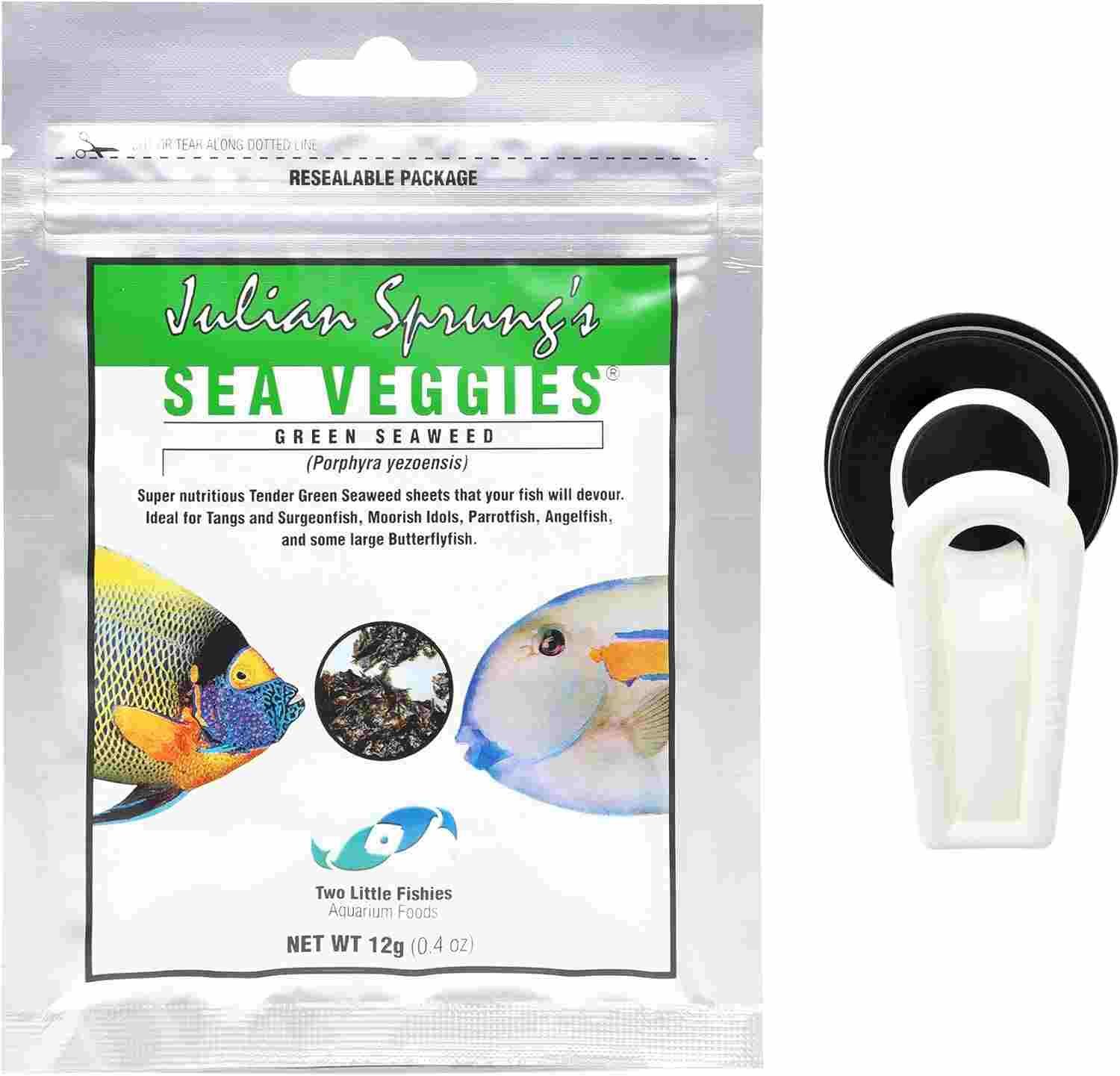
Two Little Fishies Magnetic Veggie Clip
Essential for marine aquariums. A strong magnetic clip that holds Nori seaweed securely against the glass, allowing Tangs and Angelfish to graze naturally without getting your hands wet.
Check Price on Amazon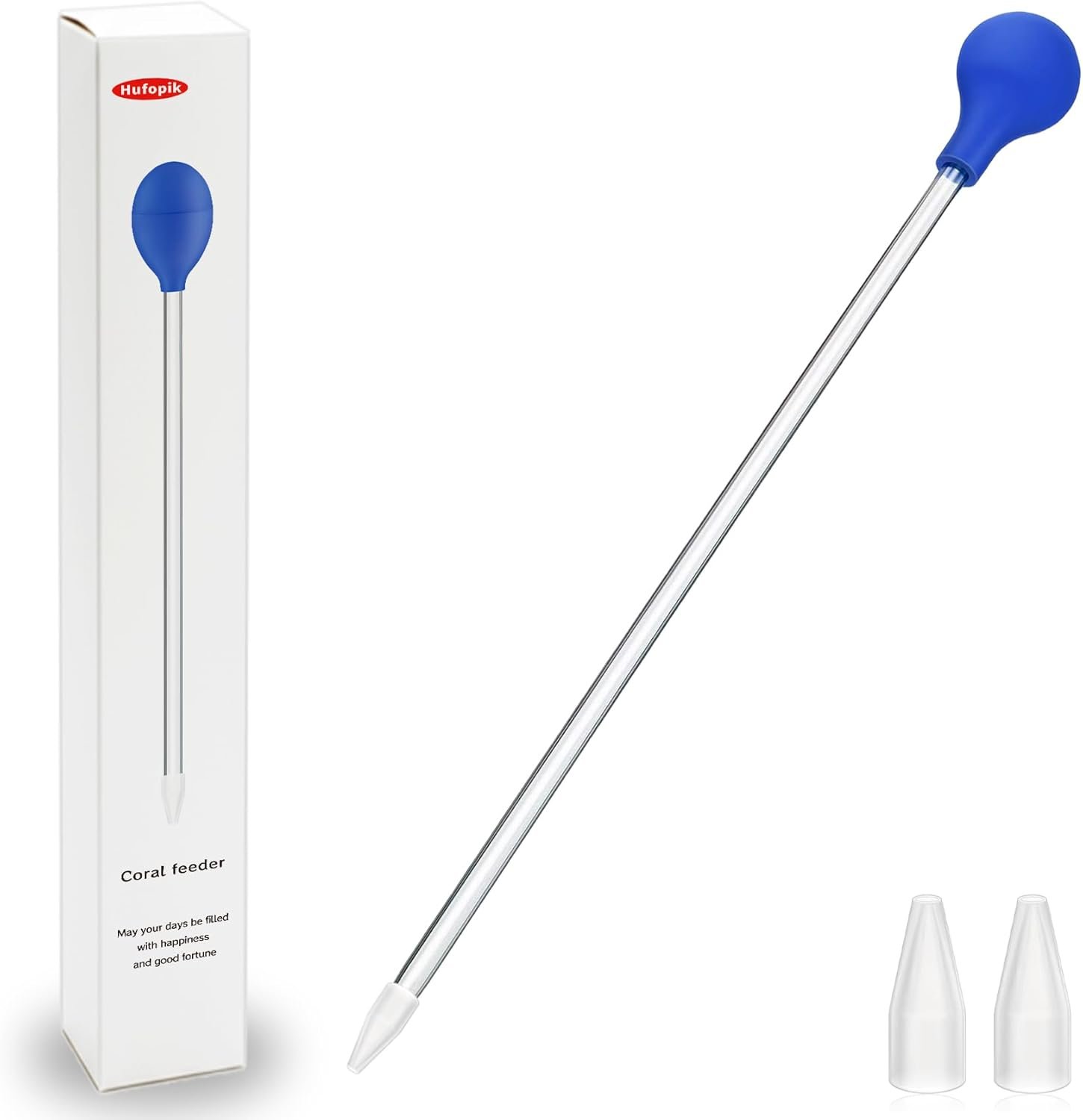
Coral Target Feeding Pipette
A long acrylic syringe designed to gently deliver liquid coral food, mysis shrimp, or phytoplankton directly to the mouths of corals, anemones, and starfish without polluting the surrounding water.
Check Price on AmazonFeeding Freshwater Aquarium Shrimp and Snails
Freshwater invertebrates like Cherry Shrimp, Amano Shrimp, Mystery Snails, and Nerite Snails are brilliant additions to a planted tank. However, a common misconception is that they will survive purely on the algae that naturally grows on the glass.
While they are excellent algae eaters, a lack of dietary calcium will cause their shells to turn white, crack, and ultimately lead to death during the molting process.
What Do Aquarium Shrimp and Snails Eat?
- Sinking Shrimp Pellets: Specially formulated to contain high calcium and iodine, both essential for successful exoskeleton molting.
- Blanched Vegetables: Drop a slice of boiled zucchini or spinach into the tank overnight. The shrimp will swarm it. Remove it the next morning.
- Cuttlebone: To ensure proper shell health for Mystery and Nerite Snails, drop a small piece of bird cuttlebone into the filter or the back of the tank. As it slowly dissolves, it raises the water’s calcium levels, allowing the snails to absorb it.
Pond Fish Feeding Guide
Moving outdoors, a pond fish feeding guide changes dramatically based on seasonal temperature fluctuations. Koi and Pond Goldfish are cold-blooded (ectothermic). This means their metabolism, digestion, and appetite are entirely controlled by the water temperature.
Seasonal Pond Feeding Schedule
- Summer (Water above 70°F / 21°C): Koi are highly active. Feed them high-protein growth pellets 2 to 3 times a day.
- Spring & Fall (Water 50°F to 60°F / 10°C to 15°C): Metabolism slows down. Switch to easily digestible Wheat Germ pellets, and reduce feeding to once a day.
- Winter (Water below 50°F / 10°C): Stop feeding completely. At this temperature, a Koi’s digestive system shuts down. If you feed them, the food will rot inside their stomach, causing fatal bacterial infections. They will safely hibernate at the bottom of the pond.
Automatic Pond Fish Feeder Section
For large outdoor ponds, an automatic pond fish feeder is a brilliant investment. They distribute floating pellets evenly, ensuring that smaller fish aren’t outcompeted by massive Koi.
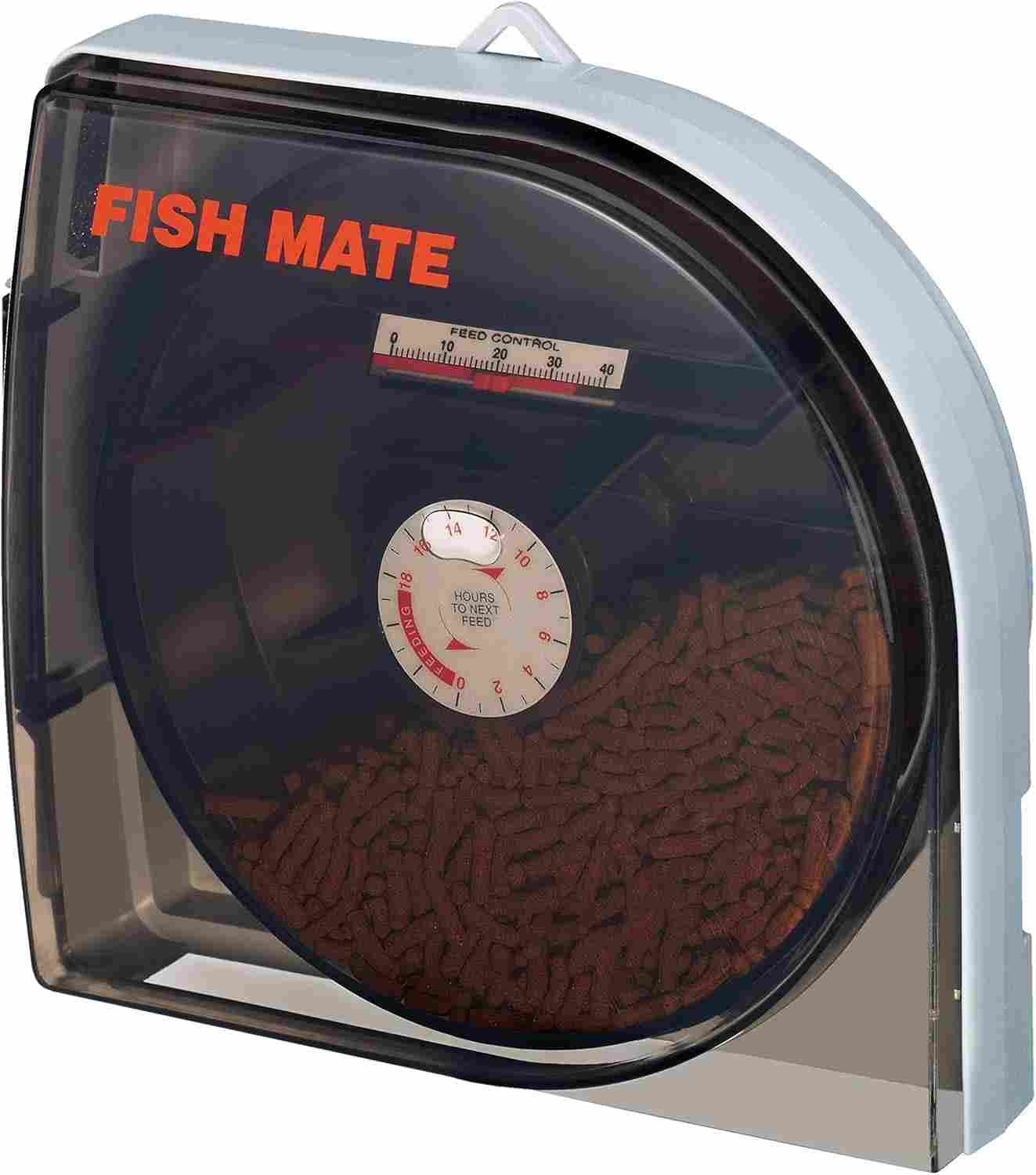
Fish Mate P21 Automatic Pond Feeder
Weather-resistant and highly reliable. This automatic pond feeder allows you to program portion sizes and feeding times, ensuring your Koi receive consistent nutrition while you are away on vacation.
Check Price on AmazonAdvanced Feeding Tips from Aquaculture Research
If you want to take your fish keeping to the professional level, it helps to look at commercial aquaculture research. According to studies in the Journal of Aquaculture, understanding the Feed Conversion Ratio (FCR) is vital.
FCR measures how efficiently a fish converts feed mass into body mass. High-quality foods (containing whole fish meal, spirulina, and low wheat/soy fillers) have a low FCR, meaning the fish digests almost all of it, resulting in less waste (poop). Cheap foods with high ash and filler content result in massive amounts of waste, rapidly degrading your water quality.
Pro-Tip: Always read the ingredients of your fish food. The first three ingredients should be aquatic proteins (e.g., Salmon, Halibut, Krill, Shrimp). If the first ingredient is “Wheat Flour” or “Soybean Meal,” switch to a higher quality brand.
Fish Feeding Guide Video Tutorial
Visual learners can check out this comprehensive video covering portion control, recognizing feeding behaviors, and preventing ammonia spikes caused by overfeeding.
Frequently Asked Questions
Most freshwater aquarium fish should be fed once or twice daily in very small portions. Only provide an amount of food that your fish can completely consume within 2 to 3 minutes to prevent water contamination.
Fish can safely eat blanched vegetables like boiled peas (excellent for digestion), spinach, zucchini, and cucumber, as well as protein sources like raw shrimp and bloodworms in addition to commercial fish flakes.
Morning and evening are ideal because fish naturally become active and hunt for food shortly after the sun rises (or aquarium lights turn on) and just before dusk.
Yes. Healthy, adult aquarium fish can easily survive 3 to 7 days without being fed. In a well-established planted aquarium, they will graze on micro-organisms. Fasting for a few days during a vacation is often much safer than having a neighbor overfeed your tank.
While bottom feeders like Plecos and Corydoras will eat leftover food scraps and graze on soft algae, they do not “clean” the tank of physical waste (poop). They still produce bioload and require targeted feeding with sinking wafers.
You must completely stop feeding outdoor Koi and pond goldfish when the water temperature consistently drops below 50°F (10°C). Below this temperature, their digestive system shuts down, and undigested food will rot inside them.