
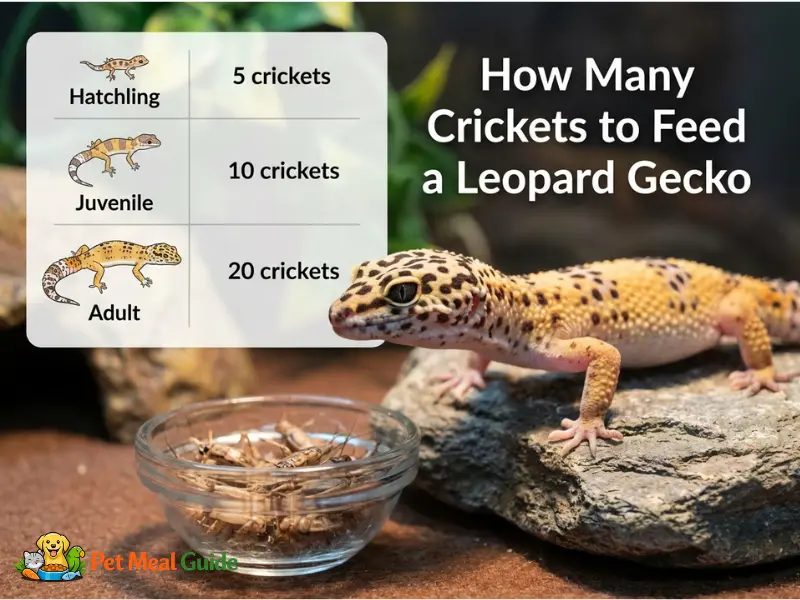
How Many Crickets to Feed a Leopard Gecko (Complete Feeding Chart by Age)
How Many Crickets Should a Leopard Gecko Eat?
The exact number of crickets to feed a leopard gecko depends primarily on its age, size, and growth rate. A general rule is to offer 2 appropriately sized crickets per 1 inch of your leopard gecko’s length, or as many as they will eat in 10-15 minutes.
- Baby (0–3 months): 5 to 7 small crickets (3/8″) every day.
- Juvenile (3–12 months): 4 to 8 medium crickets (1/2″) every other day.
- Adult (12+ months): 5 to 10 large crickets (3/4″) 2 to 3 times per week.
Quick Feeding Tips: Never feed crickets larger than the space between your gecko’s eyes. Always dust crickets with reptile calcium powder, and remove any uneaten live insects from the enclosure to prevent them from biting your pet.
Leopard geckos (Eublepharis macularius) are among the most popular and rewarding reptile pets in the world. Known for their docile temperament, striking patterns, and relatively simple care requirements, they make fantastic companions for both beginners and experienced herpetologists.
However, one of the most critical aspects of their husbandry is mastering the leopard gecko feeding guide. Because they are strict insectivores, they cannot digest plant matter. Their entire nutritional foundation relies on the feeder insects you provide. Getting the diet wrong can lead to obesity, malnourishment, impaction, or Metabolic Bone Disease (MBD).
If you are wondering exactly how many crickets to feed a leopard gecko, you are in the right place. In this comprehensive guide by PetMealGuide, we will break down the exact leopard gecko feeding chart by age, the rule of insect sizing, and professional supplementation strategies backed by leading animal welfare organizations.
Leopard Gecko Feeding Basics (Understanding Their Natural Diet)
To understand the leopard gecko diet chart, we first have to look at their natural habitat. Native to the arid, rocky grasslands of Afghanistan, Pakistan, and parts of India, leopard geckos are crepuscular hunters (most active at dawn and dusk). In the wild, they are opportunistic insectivores.
Because they are strict insectivores, their bodies are highly adapted to breaking down animal proteins and the chitin (exoskeleton) of insects. They lack the cecum required to ferment and digest plant cellulose. Therefore, feeding them fruits or vegetables is not only pointless, but it can also cause severe digestive distress.
Their hunting behavior is entirely triggered by movement. A leopard gecko will stalk its prey, rapidly vibrating the tip of its tail just before striking. Because they rely on this motion, feeding pre-killed or freeze-dried insects is often unsuccessful. They require live, moving prey.
According to the Royal Society for the Prevention of Cruelty to Animals (RSPCA), a healthy captive diet should mimic this wild variety as closely as possible. The RSPCA reptile care guides emphasize that relying on a single insect type can lead to nutritional deficiencies, making variety the cornerstone of your leopard gecko insect diet.
Best Crickets and Feeder Insects for Leopard Geckos
While crickets are the most readily available feeder insect, they are not the only option. In fact, a Best Food for Leopard Geckos] should include a rotation of various bugs to ensure a complete amino acid and vitamin profile.
- Crickets: The staple of the reptile hobby. They have a good protein-to-fat ratio, are highly active (triggering the gecko’s hunting response), and are easy to gut-load.
- Dubia Roaches: Arguably the superior staple feeder. They contain more protein and less chitin than crickets, cannot jump or climb smooth surfaces, and do not make noise or smell.
- Mealworms: A great secondary staple. They are higher in chitin, so they digest a bit slower. They are very easy to store in the refrigerator.
- Waxworms: Highly palatable but extremely high in fat. These should be treated like “reptile candy.” Feed only 1-2 waxworms a week to prevent obesity and fatty liver disease.
- Superworms: Similar to mealworms but much larger and with a harder exoskeleton. Only suitable for large adult leopard geckos.
Top Recommended Reptile Feeding Supplies
To properly manage your leopard gecko’s diet, you need the right tools. From storing live insects to ensuring proper calcium delivery, these highly-rated products are essential for any reptile keeper.
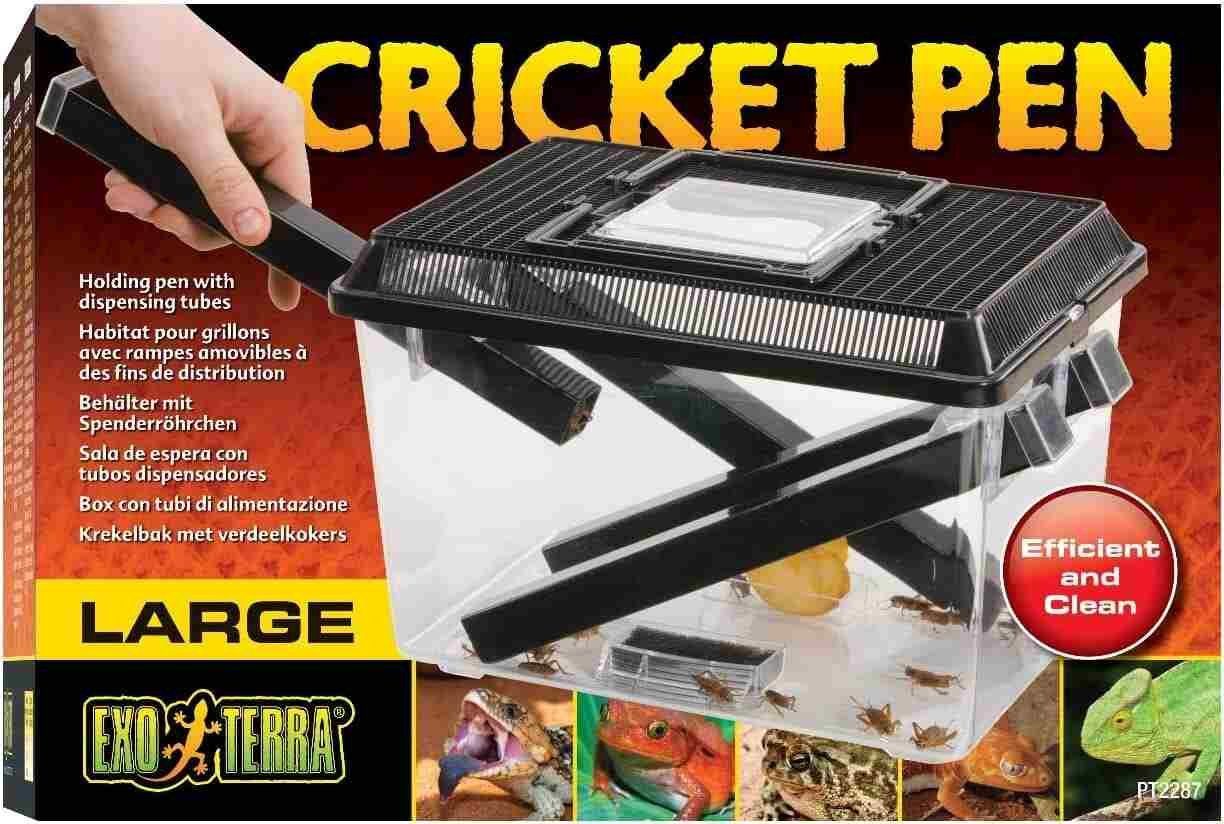
Exo Terra Cricket Pen
The perfect enclosure to keep your live crickets healthy and gut-loaded. Features removable tubes for easy, touch-free feeding into your gecko’s tank.
Check Price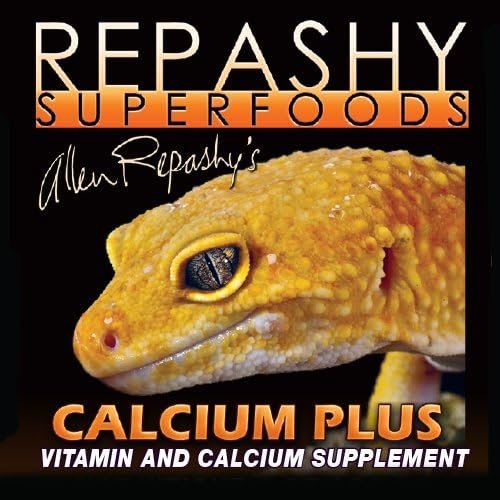
Repashy Calcium Plus
An all-in-one calcium and vitamin dust for reptiles. Ensures your leopard gecko gets the exact Ca:P ratio and D3 required to prevent bone disease.
Check Price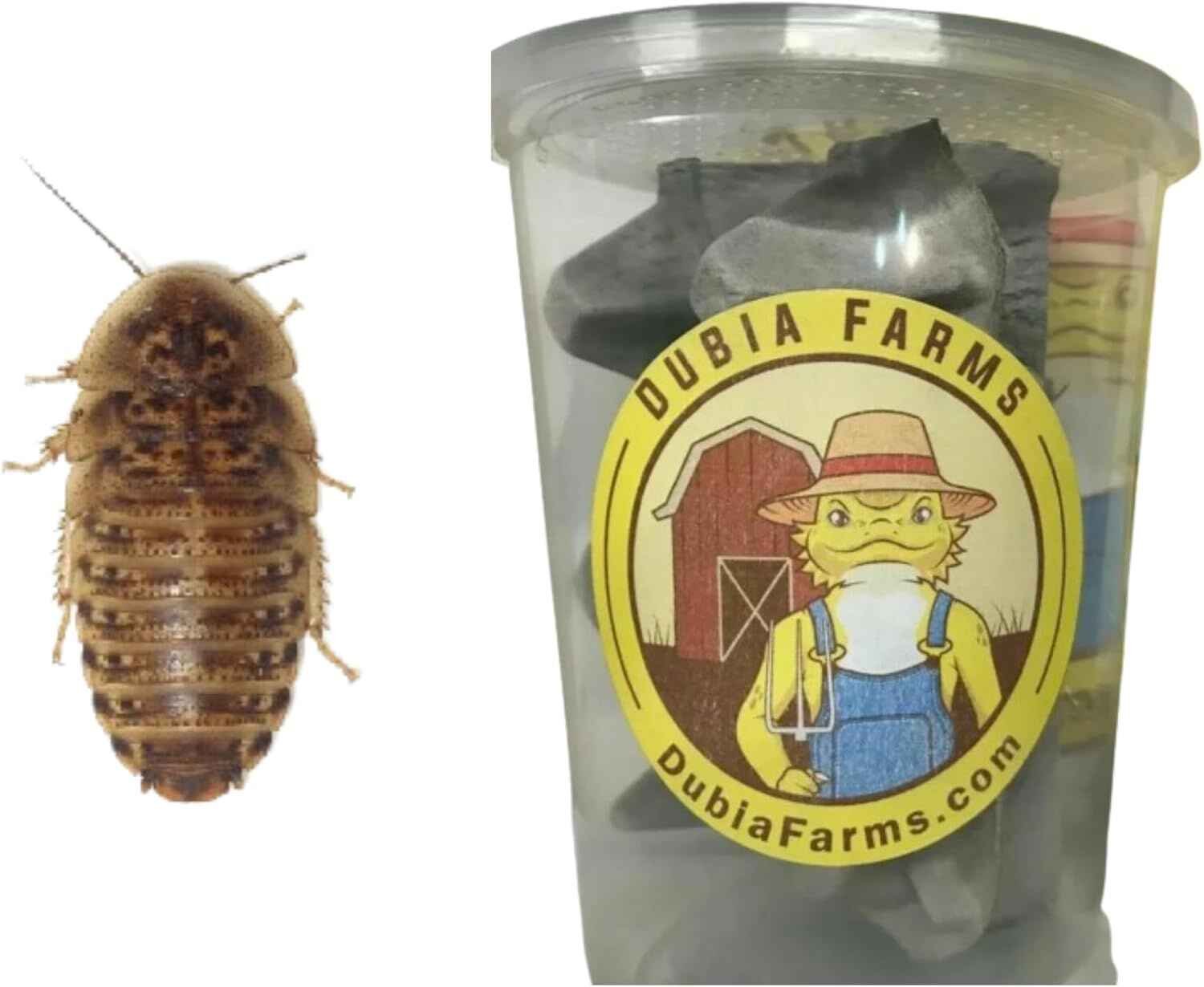
Live Dubia Roaches (100 Ct)
The ultimate high-protein staple feeder for leopard geckos, bearded dragons, and monitor lizards. Odorless, silent, and incredibly nutritious.
Buy Now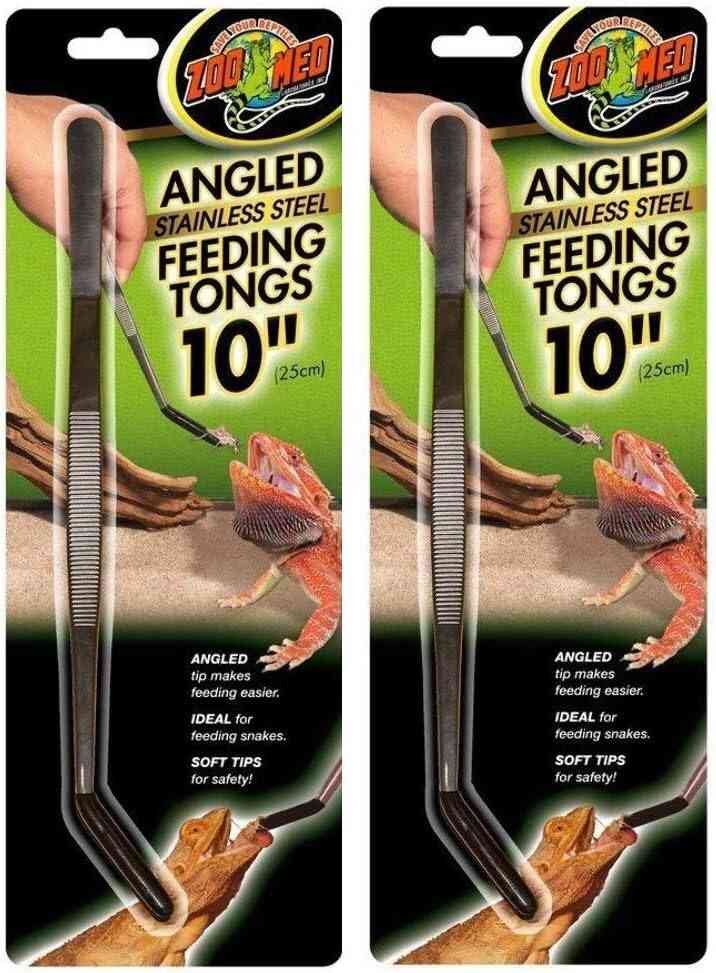
Stainless Steel Feeding Tongs
10-inch angled tongs ideal for safely target-feeding chameleons, crested geckos, and leopard geckos. Prevents accidental bites during feeding.
Check PriceHow Many Crickets to Feed a Leopard Gecko by Age
The metabolism of a reptile shifts drastically as it ages. A baby leopard gecko is growing exponentially, laying down bone and muscle mass. To fuel this, their metabolism runs high, requiring daily caloric intake. Conversely, an adult gecko’s metabolism stabilizes, and their primary goal becomes weight maintenance. Overfeeding an adult is one of the most common causes of premature death in captivity.
When searching for a Leopard Gecko Feeding Chart, you must break the dietary needs down into three distinct life stages.
Leopard Gecko Feeding Chart (Cricket Quantity Guide)
| Gecko Age / Stage | Crickets per Feeding | Feeding Frequency | Recommended Insect Size | Notes |
|---|---|---|---|---|
| Baby (0–3 months) | 5 to 7 insects | Every single day | 1/4″ to 3/8″ | Dust with calcium + D3 daily. Geckos are highly active and growing rapidly. |
| Juvenile (3–12 months) | 4 to 8 insects | Every other day | 3/8″ to 1/2″ | Transition phase. Monitor weight to ensure tail is plumping up nicely. |
| Adult (12+ months) | 5 to 10 insects | 2 to 3 times per week | 1/2″ to 3/4″ (Adult crickets) | Focus on weight management. The tail should be no wider than the gecko’s neck. |
Baby Leopard Gecko Feeding Schedule
If you are wondering how many crickets should a baby leopard gecko eat, the answer is a lot! Babies (hatchlings up to 3 months or 15 grams) possess a voracious appetite. Their bodies are working overtime to develop.
You should offer 5 to 7 small crickets every single day. Because their digestive tracts are so tiny and delicate, feeding smaller insects is paramount. Feeding a baby gecko a large adult cricket can cause a fatal bowel impaction or regurgitation.
At this stage, calcium supplementation is non-negotiable. Without daily access to calcium and Vitamin D3 (if you are not using UVB lighting), a baby gecko can develop Metabolic Bone Disease (MBD) in a matter of weeks, leading to rubbery jaws and kinked spines.
Juvenile Leopard Gecko Feeding Amount
The juvenile stage (roughly 3 to 12 months, or 15 to 45 grams) is the teenage phase of your reptile. Their growth rate begins to slow down slightly, and their digestive system matures.
During this stage, you should reduce feeding frequency to every other day. Offer 4 to 8 medium-sized crickets per meal. This is also the ideal time to introduce a balanced insect variety. If you have only been feeding crickets, start offering Can Leopard Geckos Eat Mealworms or small dubia roaches to expand their palate and nutritional intake.
Adult Leopard Gecko Feeding Schedule
Once your leopard gecko reaches 12 months of age (or hits roughly 50+ grams), they are considered an adult. Many beginner owners make the critical mistake of continuing a juvenile feeding schedule, resulting in severe obesity.
How many crickets should an adult leopard gecko eat? An adult leopard gecko feeding schedule should consist of 5 to 10 large crickets fed only 2 to 3 times per week.
Adult leopard geckos store excess fat in their tails. A healthy adult tail should be plump and thick, but it should never be wider than the gecko’s head. If your gecko’s belly is dragging on the floor, or they have “armpit bubbles” (calcium/fat deposits), you must reduce their cricket intake immediately.
What Size Crickets for Leopard Geckos
Knowing the feeding amount is only half the battle; getting the size right is vital for safety. A leopard gecko does not chew its food like a mammal; it crushes the insect slightly and swallows it whole.
Why is this rule so important? The distance between their eyes is roughly the same width as their throat and digestive tract. If an insect is too large, it can become lodged in the throat (choking) or create a blockage in the intestines (impaction), which often requires expensive veterinary surgery to resolve.
How Often Should You Feed Crickets to a Leopard Gecko
To recap the leopard gecko feeding chart by age:
- Babies: Feed daily.
- Juveniles: Feed every other day.
- Adults: Feed every 3rd day (2-3 times a week).
It is always recommended to feed your leopard gecko in the evening or at night. Since they are crepuscular, their hunting instincts peak as the sun goes down. Feeding them in the middle of the day will often result in the gecko ignoring the food.
Best Supplements for Leopard Geckos
Even the healthiest crickets do not contain the perfect ratio of Calcium to Phosphorus that a reptile needs. In the wild, geckos get these minerals from the mineral-rich soil and the diverse diet of wild bugs. In captivity, we must supplement. According to the American Society for the Prevention of Cruelty to Animals (ASPCA) and leading veterinary groups, dusting insects is a mandatory husbandry practice.
- Calcium without D3: Keep a small bottle cap of plain calcium powder in the tank at all times. Geckos will instinctively lick it when they need a calcium boost.
- Calcium with D3: Use this to dust your crickets 2-3 times a week (for adults) or every other day (for babies). Vitamin D3 allows the gecko to actually absorb the calcium into their bones.
- Multivitamins: Dust crickets with a reptile multivitamin once a week. This provides essential Vitamin A for eye and skin health.
- Gut Loading: You are what you eat! Feed your live crickets carrots, sweet potatoes, and dark leafy greens 24 hours before feeding them to your gecko.
Pro Tips for Feeding Leopard Geckos
- Remove Uneaten Crickets: Never leave live crickets in the tank overnight. Crickets are omnivores and can aggressively bite your sleeping gecko, causing severe wounds and stress.
- Use a Feeding Dish for Worms: If feeding mealworms or dubia roaches, use a smooth-sided ceramic escape-proof bowl.
- Weigh Your Gecko: Buy a cheap digital kitchen scale. Weighing your gecko monthly is the best way to monitor their health. Sudden weight loss is the first sign of parasites.
Common Feeding Mistakes to Avoid
Avoid these frequent pitfalls to ensure your pet lives a long, healthy life (up to 15-20 years!):
- Feeding wild-caught insects: Never feed bugs from your backyard. They carry deadly pesticides and internal parasites.
- Overfeeding waxworms: As mentioned, waxworms are highly addictive due to their fat content. Geckos can become “hooked” and refuse to eat healthier staple insects.
- Feeding on loose sand: When a gecko lunges for a cricket on sand, they swallow the sand. This builds up in their gut and kills them. Use paper towels, reptile carpet, or slate tile instead.
Leopard Gecko Diet Variety (Beyond Crickets)
While this guide focuses heavily on crickets, remember that variety is the spice of life. Rotating your feeder insects ensures a broader spectrum of nutrients. A great schedule for an adult leopard gecko might look like this:
- Monday: 5 dusted Crickets
- Thursday: 5 Dubia Roaches
- Sunday: 4 Mealworms and 1 Waxworm (Treat)
This same principle of varied feeding schedules applies across the reptile hobby. For example, if you also keep snakes, you’ll see how age impacts meal sizing in our Corn Snake Feeding Chart by Age.
Helpful Video Guide
For a visual demonstration of how to properly dust crickets, size them, and safely offer them to your pet, check out this excellent YouTube tutorial on leopard gecko feeding:
People Also Ask (FAQs)
How many crickets should a baby leopard gecko eat?
A baby leopard gecko (0-3 months old) should eat 5 to 7 small crickets every single day. The crickets should be about 1/4″ to 3/8″ in size, never larger than the distance between the gecko’s eyes.
Can leopard geckos eat crickets every day?
Baby and juvenile leopard geckos should eat every day to support their rapid growth. However, adult leopard geckos (over 1 year old) should NOT eat every day. Feeding an adult daily will quickly lead to obesity. Adults should be fed 2 to 3 times per week.
What insects are best for leopard geckos?
The best staple insects for a daily/weekly diet are crickets, dubia roaches, and mealworms. Insects like waxworms, butterworms, and superworms should only be offered occasionally as treats due to their high fat and chitin content.
How do I know if my leopard gecko is full?
A leopard gecko will clearly communicate when it is full by losing interest in the hunt. They may turn their head away from the insect, close their eyes, or simply walk back into their warm hide. Once they lose interest, remove any remaining live insects from the tank.