

✨ How Much Should i Feed My Betta Fish
How much should I feed my betta fish? Most adult betta fish should receive 2 to 4 pellets per feeding, twice a day. The exact amount depends on the size of the pellet, as a betta’s stomach is roughly the size of its eyeball.
- Flakes Portion Size: If using flakes, feed 2 to 3 individual small flakes (or one tiny pinch) per meal.
- Frozen Food Amount: Feed 2 to 3 individual bloodworms or a tiny sliver of a frozen cube per meal. Never drop a whole cube into the tank.
- Fasting: Institute a weekly fasting day (no food for 24 hours) to clear their digestive tract and prevent fatal bloating.
How Much to Feed a Betta Fish?
Bringing a stunning, vibrant betta fish into your home is an incredibly rewarding experience. But whether you are a brand new aquarist or a seasoned hobbyist transitioning to nano-tanks, one universal question always arises: how much to feed a betta fish?
Getting your betta fish feeding amount right is the absolute most important factor in keeping your aquatic pet alive, healthy, and vibrantly colored. Unlike humans or even other community fish, bettas have incredibly specialized, short digestive tracts. They are exceptionally prone to overeating, which leads directly to severe constipation, swim bladder disease, and toxic water pollution.
In this comprehensive, expert-backed guide, we will break down exactly how much betta fish food per feeding you should provide. We will cover exact pellet quantities, the tricky nature of feeding flakes, proper frozen food portions, and provide a definitive betta fish feeding chart to eliminate all the guesswork from your daily routine.
Betta Fish Feeding Basics
Before we can determine exactly how much you should feed a betta fish, it is vital to understand how their bodies process food. Betta fish (Betta splendens) originate from the shallow, highly vegetated marshes and rice paddies of Southeast Asia.
Bettas are strict insectivores and carnivores. In the wild, their diet consists entirely of high-protein insects, mosquito larvae, and tiny crustaceans that fall onto the water’s surface. They do not eat plant matter or algae. Therefore, their digestive system is designed to rapidly break down dense, small, protein-rich meals.
To master portion control, you must understand the “golden rule” of betta anatomy: A betta fish’s stomach is approximately the size of its eyeball.
When you look at your betta, observe the size of their eye. The total volume of food they consume in a single meal should never exceed that size. According to the species breakdown on Seriously Fish, replicating this natural, tiny-portion feeding style is the key to preventing the severe bloating that plagues captive bettas.
Expert resources like The Spruce Pets and Aquarium Co-Op continually stress that underfeeding is almost always safer than overfeeding in the aquarium hobby. Overfeeding not only harms the fish biologically but creates excess waste that turns into lethal ammonia in the water column.
Top Rated Betta Feeding Products
To help you maintain the perfect betta fish diet guide, we recommend these top-tier foods and feeding tools to ensure precise portion control and high-quality nutrition.
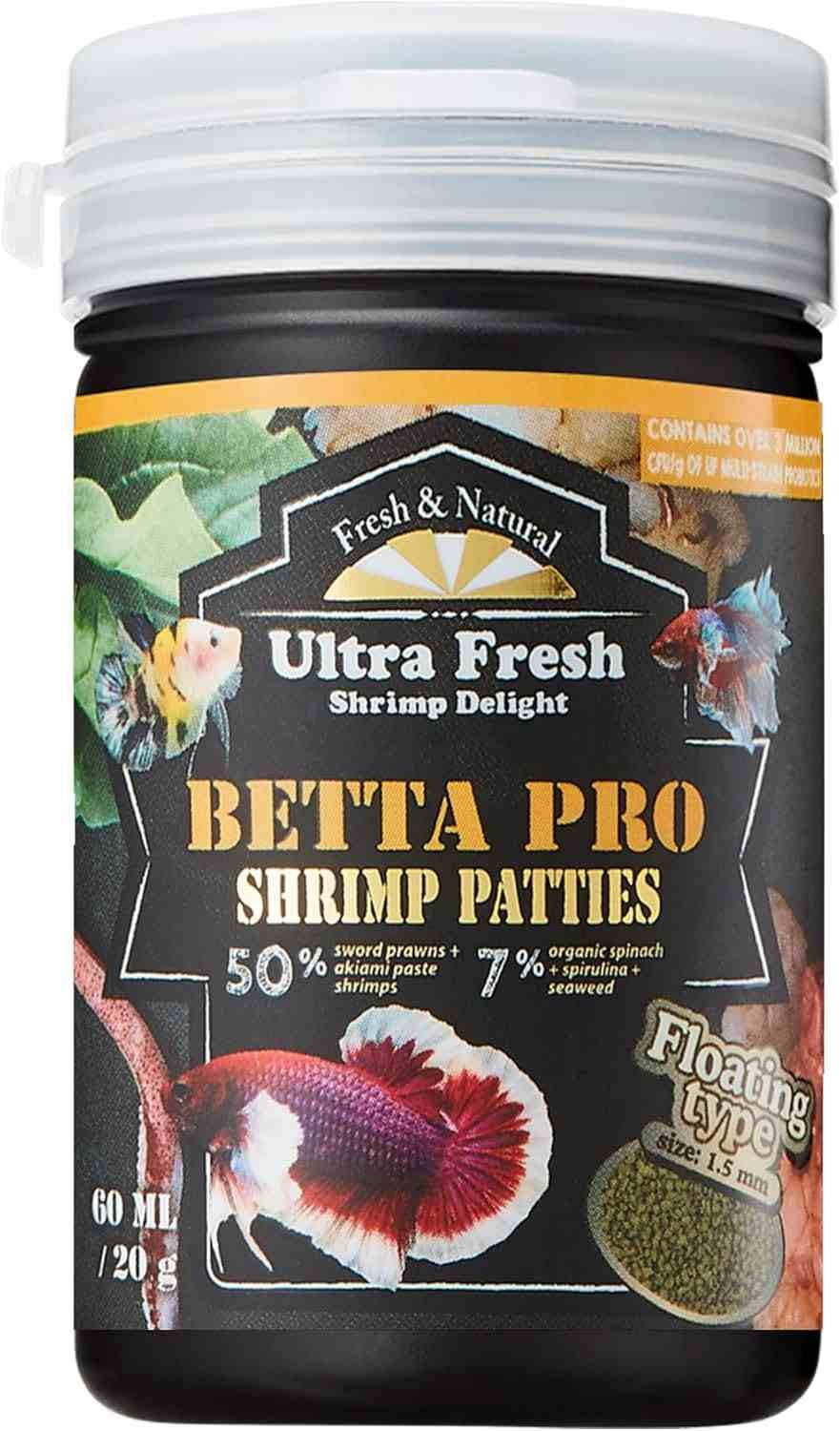
- Top ingredient: Real insect larvae
- Uniform 1mm size for easy portion control
- No artificial fillers (wheat/soy)
- Promotes vibrant coloration
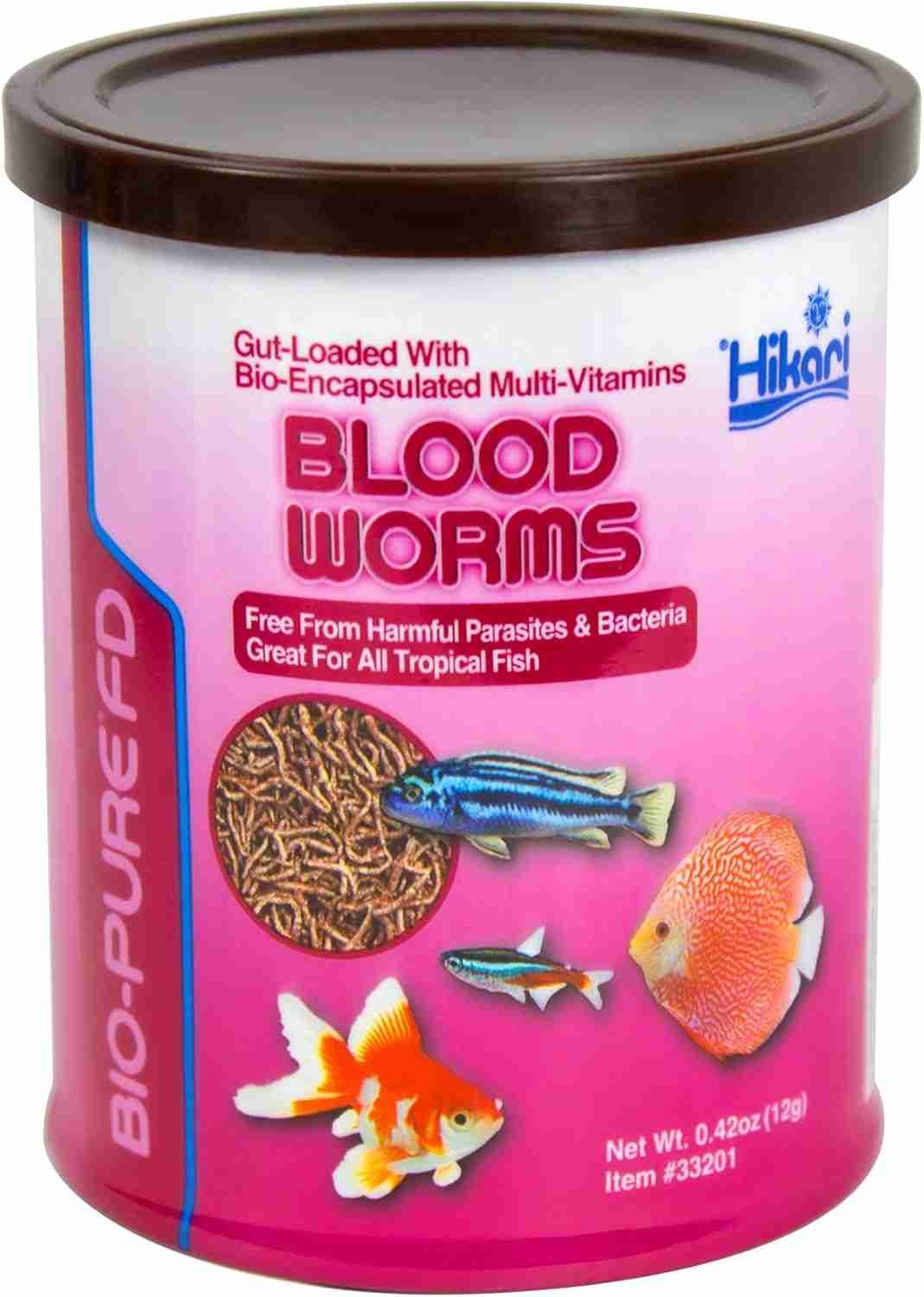
- 100% natural bloodworms
- Rich in essential proteins and fats
- Parasite and bacteria-free
- Easy to snap into tiny portions
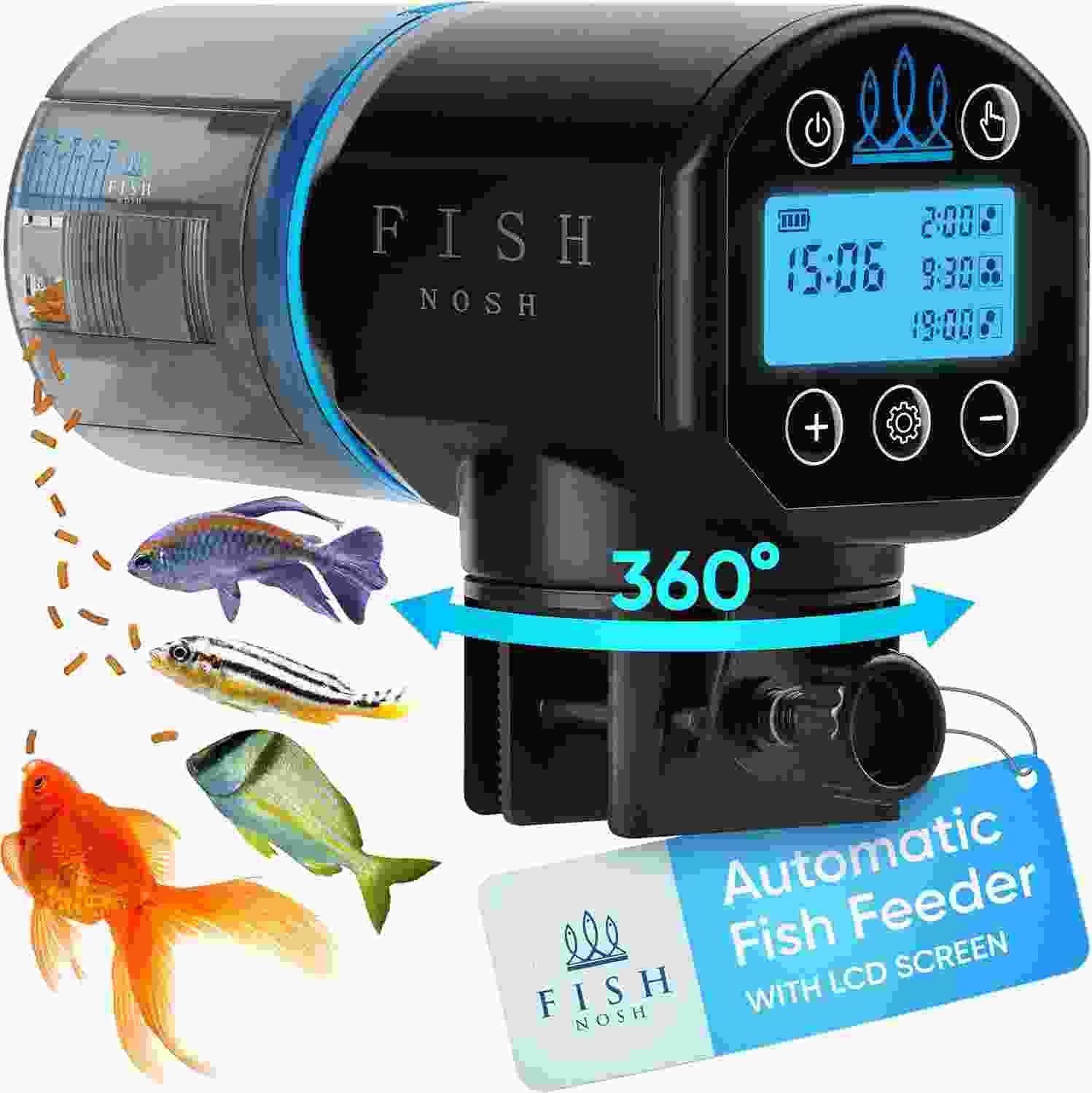
- Micro-adjustable portion control slider
- Moisture-resistant hopper prevents clumping
- Feeds precisely 1 to 4 times daily
- Easy mounting on rimmed or rimless tanks
How Much Betta Fish Food Per Feeding
When hobbyists ask, “how much do you feed a betta fish?”, they are usually looking for a universal measurement. Because fish foods vary drastically in density, moisture content, and size, a universal measurement by weight is impossible for the average fishkeeper. Instead, we measure by *units* (number of pellets or flakes).
The standard rule for adult bettas is 2 to 4 units of food per feeding, given twice a day.
Why twice a day instead of one big meal? Feeding your betta a massive meal once a day overloads their tiny stomach. Because their digestive tract is so short, a large meal will pass through them only partially digested, depriving them of nutrients and polluting your water. Splitting their daily caloric intake into a morning meal and an evening meal ensures complete digestion and stable energy levels.
If you are raising a baby betta or a juvenile, they require a higher betta fish feeding amount spread across 3 to 4 micro-meals per day to support rapid bone and fin growth. How Often to Feed Betta Fish provides a deeper dive into adjusting frequencies for fry.
Pellet Quantity – How Many Pellets to Feed Betta Fish
Pellets are universally recommended by experts as the best staple diet for bettas. They are dense in nutrition, easy to measure, and float at the surface, allowing the betta to feed naturally with its upturned mouth.
However, the betta pellet feeding quantity relies heavily on the physical size of the pellet you purchase.
- Micro Pellets (Approx. 1mm): These are very small. You can safely feed 3 to 4 micro pellets per meal (6-8 total per day).
- Standard Pellets (Approx. 1.5mm – 2mm): These are the most common. You should feed 2 to 3 standard pellets per meal (4-6 total per day).
- Large Pellets (Approx. 2.5mm+): These are usually meant for larger cichlids but are sometimes mislabeled for bettas. If you use these, feed only 1 to 2 large pellets per meal.
| Pellet Size | Recommended Quantity (Per Meal) | Feeding Frequency | Daily Total |
|---|---|---|---|
| Micro Pellets (1mm) | 3 – 4 pellets | Twice a day | 6 – 8 pellets |
| Standard Pellets (1.5mm – 2mm) | 2 – 3 pellets | Twice a day | 4 – 6 pellets |
| Large Pellets (2.5mm+) | 1 – 2 pellets | Twice a day | 2 – 4 pellets |
Flakes Quantity – How Much Betta Flake Food to Feed
Determining the betta flakes feeding amount is notoriously difficult, which is why many advanced hobbyists avoid them. Flakes are paper-thin, varied in size, and crumble easily.
More importantly, flakes are entirely dehydrated. When a betta swallows a dry flake, it immediately begins absorbing water inside the betta’s stomach, expanding to twice its size. This is a leading cause of bloating.
If you choose to feed flakes, use the “pinch feeding method” with extreme caution. Your “pinch” should be incredibly small. Aim for the equivalent of 2 to 3 individual, whole flakes (about the size of your pinky fingernail) per feeding.
Pro Tip: Submerge the flakes in a small cup of aquarium water for 60 seconds before pouring them into the tank. This allows the flakes to expand outside of the fish’s stomach, reducing the risk of fatal constipation.
Frozen Food Amount – Bloodworms, Brine Shrimp, and Daphnia
To provide a proper betta feeding portion, you should supplement their dry staple diet with frozen foods 1 to 2 times a week. Frozen foods are the closest thing to their natural diet and are packed with moisture, which helps prevent digestive blockages.
When buying frozen bloodworms, brine shrimp, or daphnia, they usually come in plastic blister packs divided into cubes. Never drop a whole frozen cube into a betta tank. One cube contains enough food for 15-20 bettas!
How to portion frozen food:
- Use a sharp knife to carefully slice a frozen cube into 1/4ths or 1/8ths.
- Place the tiny sliver into a small cup.
- Add a tablespoon of warm aquarium water to thaw the food (never use tap water, as the chlorine will kill beneficial bacteria).
- Once thawed, use tweezers or a plastic pipette to feed the betta.
A proper betta frozen food portion equates to 2 to 3 individual bloodworms or a tiny cluster of brine shrimp/daphnia roughly the size of their eye.
Betta Fish Feeding Chart
Use this comprehensive betta fish feeding chart to standardize your routine based on your fish’s specific life stage.
| Betta Age / Stage | Feeding Frequency | Portion Size (Per Meal) | Ideal Food Type |
|---|---|---|---|
| Baby Betta (Fry – under 2 months) | 3 – 4 times daily | What they eat in 1 minute | Infusoria, micro-worms, baby brine shrimp |
| Juvenile Betta (2 – 4 months) | 2 – 3 times daily | 1 – 2 crushed pellets | Crushed micro-pellets, frozen daphnia |
| Adult Betta (4 months – 2 years) | 2 times daily | 2 – 3 standard pellets | High-protein pellets, frozen bloodworms |
| Older Betta Fish (2+ years) | 1 time daily | 2 soft/soaked pellets | Soaked pellets, live/frozen daphnia (for digestion) |
The Perfect Betta Portion Guide
The Golden Rule
Daily Pellet Routine
Frozen Treat Sizing
Signs You Are Overfeeding Your Betta Fish
Even with the best intentions, beginners frequently overfeed. If you are feeding too much, your fish and your aquarium will quickly exhibit these warning signs:
- Severe Bloating: If the area directly behind your betta’s head and gills looks like a swollen marble, they are heavily overfed. Fast them immediately for 48 hours.
- Constipation & Swim Bladder Issues: An overfed betta will struggle to swim downward, often floating uncontrollably like a cork at the surface, or resting sideways at the bottom. The swollen stomach pushes against the swim bladder, disabling their buoyancy control.
- Poor Water Quality: Uneaten food falls to the substrate and rots. This organic decay produces highly toxic ammonia. If your tank water is cloudy, smells foul, or testing shows ammonia spikes, overfeeding is the likely culprit.
- Pest Snail Outbreaks: If you suddenly have dozens of tiny snails taking over your tank, it means there is an abundance of leftover food fueling their breeding cycle.
For a broader look at how overfeeding impacts community tanks, review our Aquarium Fish Feeding Guide.
Best Feeding Schedule for Betta Fish
Bettas thrive on consistency. Establishing a firm schedule reduces their stress and keeps their digestive tract moving at a healthy pace.
The Morning Feeding: Feed your betta about 30 to 60 minutes after the tank lights (or room lights) turn on. This gives them time to wake up and become active.
The Evening Feeding: Feed the second portion about an hour before the lights go out. Ensure they have time to locate all the food before the tank goes dark.
The Weekly Fasting Day: Experts at Fishkeeping World strongly advocate for a fasting day. Pick one day a week (e.g., Sunday) where you feed the betta absolutely nothing. This 24-hour digestive break allows them to fully clear their intestinal tract, drastically reducing the chances of bloat and swim bladder disease.
If keeping a strict schedule is difficult due to work, consider investing in the Best Automatic Fish Feeder for Aquarium to automate the process safely.
Common Betta Fish Feeding Mistakes
Avoid these frequent pitfalls that can compromise your betta’s health:
1. Feeding Cheap, Low-Protein Foods: Generic tropical flakes are usually packed with wheat, corn, and soy. Bettas are carnivores; they cannot digest these terrestrial plant fillers, leading to malnutrition and excessive waste.
2. Falling for the “Begging” Routine: Bettas are opportunistic hunters. They will “dance” at the front of the glass whenever you walk by. They are not starving; they are acting on instinct. Do not feed them just because they act hungry.
3. Leaving Uneaten Food: If your betta misses a pellet and it sinks, do not leave it there. Rotting food ruins water quality faster than fish waste. Remove it promptly.
Expert Tips for Proper Betta Feeding
Take your betta care to the next level with these expert aquarist techniques:
- Pre-Soak Dry Foods: To completely eliminate the risk of dry food expanding inside your betta’s stomach, soak pellets in a spoon of tank water for 5 minutes before feeding them.
- Use a Feeding Ring: Bettas are surface feeders. A floating feeding ring keeps the pellets contained in one spot, preventing them from floating into the filter current and sinking before the betta can catch them.
- Observe Appetite as a Health Metric: A healthy betta attacks its food aggressively. If your betta ignores food or spits it out repeatedly, it is often the very first sign of an underlying illness, poor water parameters, or improper water temperature (bettas need water between 78°F and 82°F).
- Vary the Diet: Don’t just feed pellets every day. Swap out one pellet meal a week for frozen bloodworms, and another for frozen daphnia. Daphnia acts as a mild, natural laxative for bettas, keeping their digestive system incredibly healthy.
Video Guide: Betta Feeding Best Practices
For a visual demonstration of proper portion sizing and feeding techniques, watch this highly recommended Betta Fish Feeding Guide for Beginners.