
✨ How Often to Feed Betta Fish
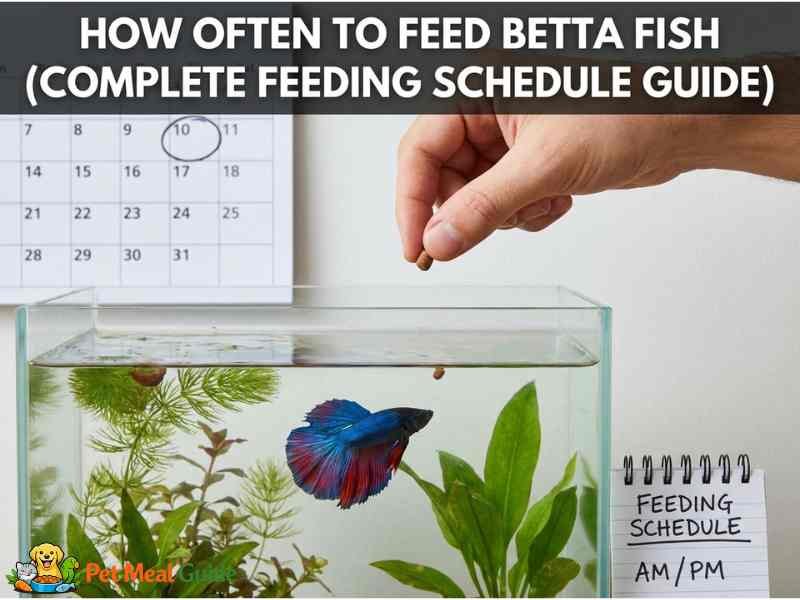
How often should you feed a betta fish? Most adult betta fish should be fed 1 to 2 times per day. Offer small portions consisting of 2 to 3 high-quality betta pellets per feeding.
- Adult Bettas: Feed 1-2 times daily.
- Juvenile Bettas: Feed 2-3 times daily in very small amounts to support rapid growth.
- Fasting: Institute a fasting day once per week. Skipping food for one day allows the betta’s digestive tract to clear, dramatically reducing the risk of bloat, constipation, and swim bladder disease.
How Many Times a Day Should You Feed Betta Fish?
One of the most exciting moments of setting up a new aquarium is bringing home your first vibrant, flowing betta fish. However, this excitement is quickly followed by one of the most critical questions in the aquarium hobby: how often to feed betta fish?
Feeding your betta fish correctly is the absolute foundation of their long-term health, beautiful coloration, and water quality. Unlike humans or even other types of community fish, bettas have highly specialized digestive systems that are incredibly unforgiving to overfeeding.
In this comprehensive guide, we will break down exactly how often do you feed a betta fish, the optimal betta fish feeding schedule, correct portion sizes, and the best foods to replicate their natural diet. By the end of this article, you will be equipped with expert knowledge to keep your betta thriving for years to come.
Betta Fish Feeding Basics
To truly understand your betta’s dietary needs, we must look at their origins and anatomy. Betta fish (Betta splendens) originate from the shallow, sluggish waters of Southeast Asia, including rice paddies, marshes, and slow-moving streams. In these natural habitats, vegetation is abundant, but bettas do not eat it.
Betta fish are strict carnivores. In the wild, their diet consists almost entirely of insects, insect larvae (like mosquito larvae), small crustaceans, and zooplankton that fall onto the surface of the water.
If you look closely at your betta, you will notice their mouth points slightly upwards. This upturned mouth is a biological adaptation designed for surface feeding. Because of their carnivorous nature, their digestive tract is relatively short compared to omnivorous or herbivorous fish. A short digestive tract means they process high-protein foods efficiently, but it also means they are highly prone to blockages, constipation, and bloating if fed the wrong foods or fed too much at once.
According to experts at Seriously Fish, replicating this high-protein, insect-based diet is crucial for captive care. A proper betta feeding routine matters because providing low-quality, plant-heavy foods (like generic tropical fish flakes filled with wheat and soy) will lead to severe malnutrition and weakened immune systems.
Likewise, guidance from Aquarium Co-Op and The Spruce Pets consistently emphasizes that portion control is just as vital as the food type itself. Let’s look at the best products to build your feeding regimen before diving into the exact schedules.
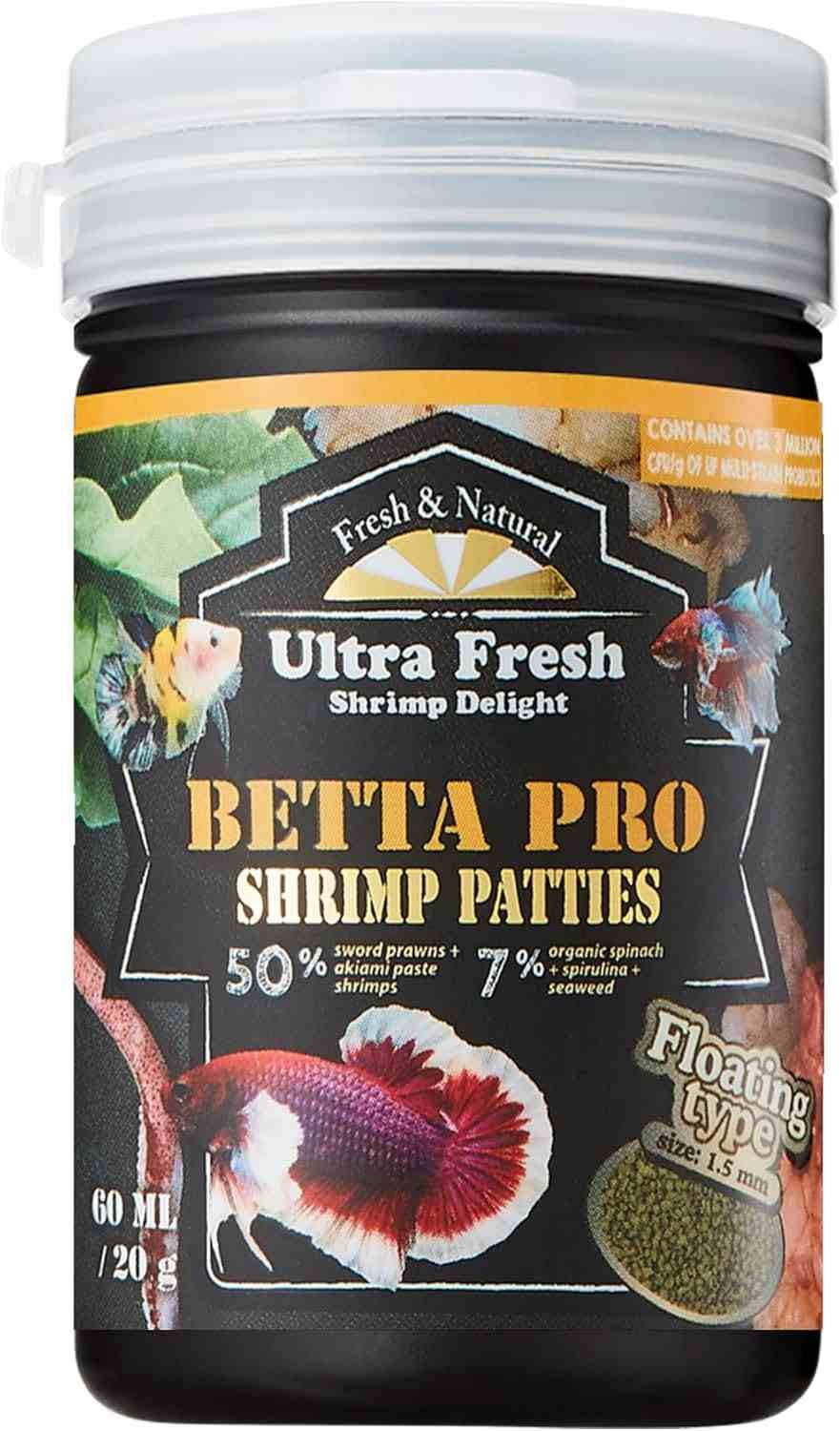
- Top ingredient: Real insect larvae
- No artificial fillers (wheat/soy)
- Promotes vibrant coloration
- Floats to encourage natural surface feeding
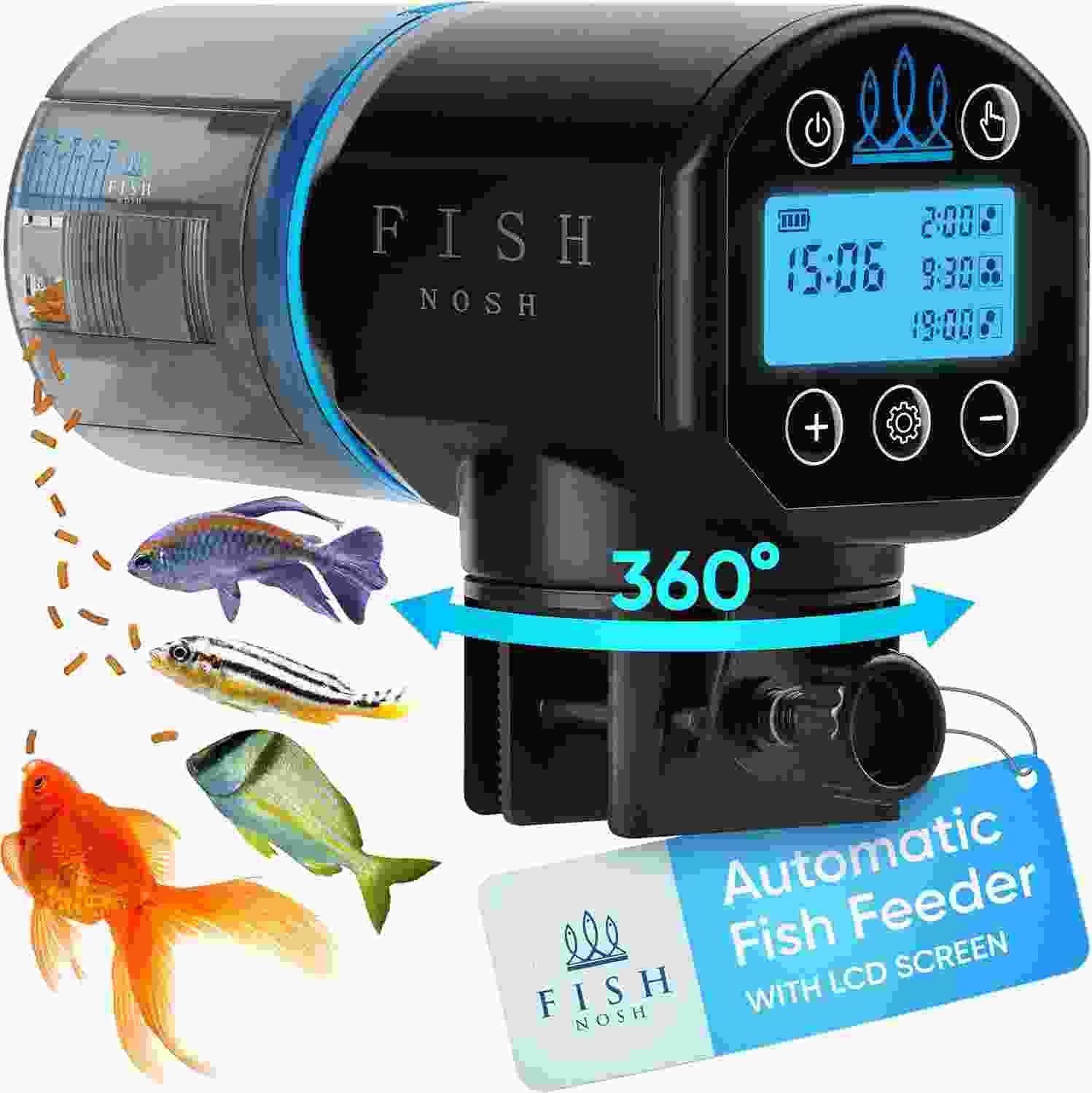
- Adjustable portion control
- Moisture-resistant hopper prevents clumping
- Feeds 1 to 4 times daily
- Easy mounting on rimmed or rimless tanks
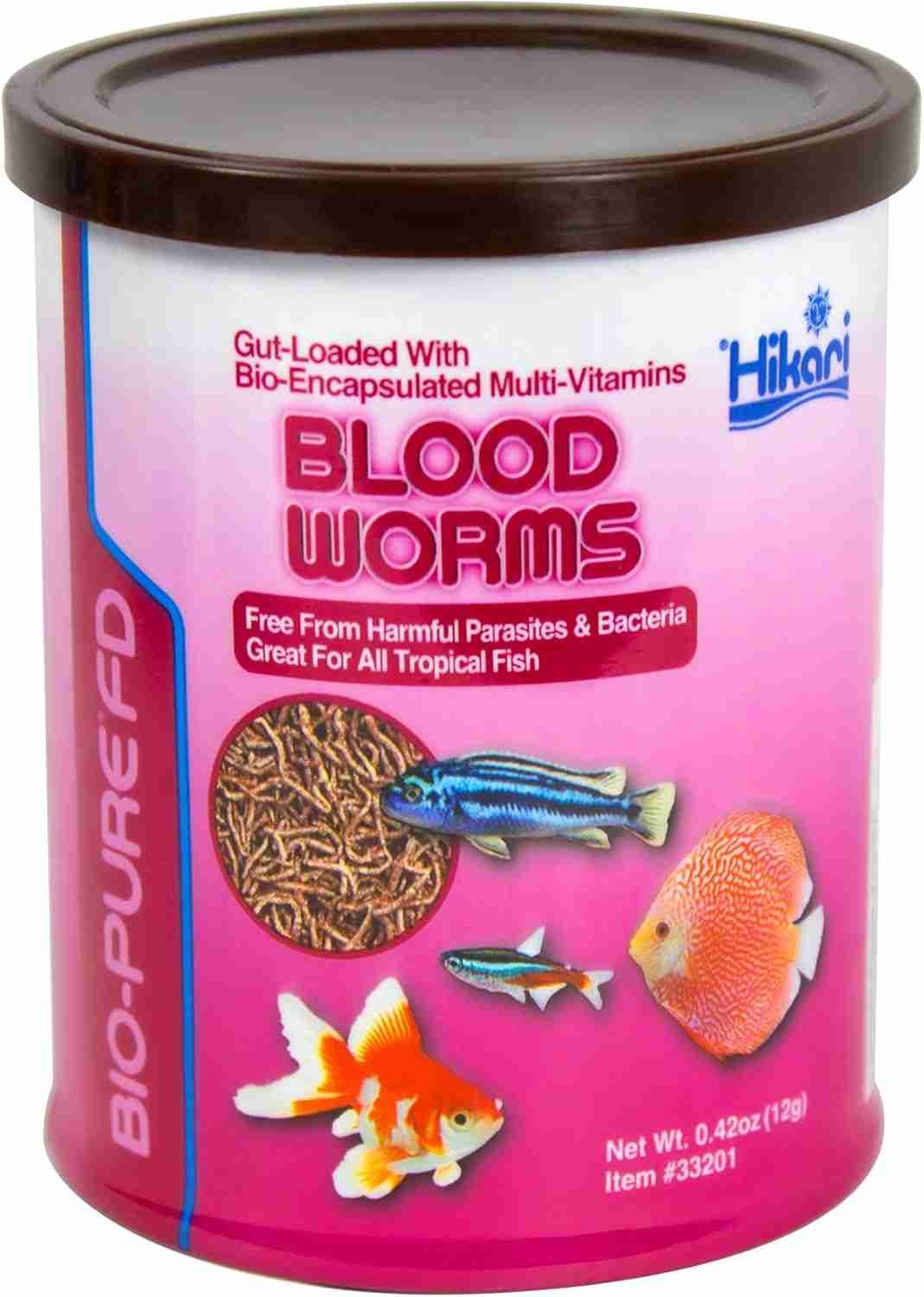
- 100% natural bloodworms
- Rich in essential proteins and fats
- Parasite and bacteria-free
- Excellent for varying their diet
How Often to Feed Betta Fish
So, exactly how often should i feed my betta fish? For the vast majority of adult bettas kept in home aquariums, you should feed them 1 to 2 times a day.
Your betta’s metabolism dictates this frequency. While wild bettas may graze on tiny organisms throughout the day, the pellets and frozen foods we provide in captivity are much more dense and nutritionally packed. Feeding them twice a day—once in the morning and once in the evening—keeps their energy levels stable without overwhelming their short digestive tracts.
If you are wondering, “how many times a day do you feed a betta fish if it is young?” the answer changes. Juvenile or “baby” bettas are growing rapidly. To support bone development and fin growth, juveniles require 2 to 3 small feedings per day. Their rapid metabolism burns through calories much faster than a fully grown adult.
The Importance of the Fasting Day
One of the best-kept secrets among advanced hobbyists and experts at Fishkeeping World is the fasting day. You should deliberately skip feeding your betta for one full day every week.
For example, you might feed your betta Monday through Saturday, but feed them absolutely nothing on Sunday. This allows their digestive system to rest, completely digest previous meals, and clear out the intestinal tract. Because bettas are prone to constipation, this one day of fasting is a literal lifesaver and a crucial part of feeding betta fish correctly.
Betta Fish Feeding Chart
To help you visualize your betta fish diet guide, we have created this easy-to-follow reference table based on the age and life stage of your fish.
| Betta Age / Stage | Feeding Frequency | Ideal Food Type | Portion Size |
|---|---|---|---|
| Baby Betta (Fry) | 3-4 times a day | Infusoria, Baby Brine Shrimp, Micro-worms | As much as they can eat in 1 minute |
| Juvenile Betta (1-4 months) | 2-3 times a day | Crushed Pellets, Frozen Daphnia | 1-2 crushed pellets per meal |
| Adult Betta (4 months – 2 years) | 1-2 times a day (Fast 1 day/week) | High-Protein Pellets, Frozen Bloodworms | 2-3 pellets per meal |
| Senior Betta (2+ years) | 1 time a day (Fast 1-2 days/week) | Soaked Pellets, Live Daphnia (for digestion) | 1-2 soft pellets per meal |
The Perfect Betta Feeding Schedule
How Much to Feed a Betta Fish
Understanding frequency is only half the battle; knowing how much to feed a betta fish is arguably more critical. Overfeeding is the number one cause of premature death in captive betta fish.
A betta fish’s stomach is incredibly small—roughly the size of their eyeball. When you look at your fish, observe the size of its eye. The total volume of food you give them in a single sitting should not exceed that size.
For standard high-quality betta pellets, this translates to roughly 2 to 3 pellets per feeding. If you are feeding twice a day, that is a total of 4 to 6 pellets daily.
What about flakes? While flakes are popular, they are difficult to measure accurately. A “pinch” of flakes for one person might be double the amount of another person’s pinch. Furthermore, flakes lose their nutritional value rapidly once they hit the water and begin to dissolve. If you must use flakes, only provide 2 or 3 individual, small flakes per meal.
When feeding frozen foods (like bloodworms or brine shrimp), thaw the cube in a small cup of aquarium water. Use tweezers to pull out 2 to 3 individual worms or a tiny clump of shrimp. Never drop a whole frozen cube into a betta tank; it is far too much food and will cause massive water pollution.
You can read more about broad aquarium portion control in our Complete Aquarium Fish Feeding Guide.
Best Time to Feed Betta Fish
Establishing the best time to feed fish revolves around routine. Bettas are highly intelligent fish with strong internal biological clocks. They thrive on consistency and will often learn your schedule, swimming excitedly to the front of the tank when mealtime approaches.
If you are feeding twice a day, the optimal times are:
- Morning Feeding: About 30 to 60 minutes after the aquarium lights (or room lights) turn on. This gives the fish time to “wake up” from its resting state.
- Evening Feeding: About 60 minutes before the aquarium lights turn off. This gives the betta ample time to find and consume the food before plunging into darkness.
If you have an unpredictable work schedule, using an automatic feeder can ensure your betta is fed precisely at the same time every day. Best Automatic Fish Feeder for Aquarium
Foods Betta Fish Can Eat
When asking what can I feed my betta fish, variety is the spice of life. A varied diet ensures your fish receives a complete spectrum of vitamins, preventing deficiencies and boosting their immune system.
- High-Quality Pellets: The staple of a betta fish diet guide. Look for pellets where the first ingredient is whole fish (salmon, herring), krill, or insect larvae. Avoid pellets where the first ingredient is wheat or fish meal.
- Frozen Foods: Bloodworms, brine shrimp, and mysis shrimp are excellent. They retain most of the nutritional value of live food without the risk of introducing parasites. Feed these 1 to 2 times a week in place of pellets.
- Live Foods: Wingless fruit flies, mosquito larvae, and live brine shrimp trigger the betta’s natural hunting instincts, providing excellent mental enrichment.
- Daphnia: Known as “water fleas,” daphnia acts as a natural laxative for betta fish. If your betta ever looks bloated, skipping a meal and feeding live or frozen daphnia can help clear their digestive tract.
Common Betta Fish Feeding Mistakes
Even well-intentioned beginners make errors when learning how often should you feed a betta fish. Avoid these common pitfalls:
- Overfeeding to “Make Them Happy”: Bettas are opportunistic feeders. In the wild, they don’t know when their next meal is coming, so they will eat as long as food is available. When your betta begs at the glass, they are acting on instinct, not starvation. Do not give in!
- Feeding Low-Quality Food: Cheap fish food is packed with terrestrial plant matter (corn, wheat, soy) as cheap fillers. A betta’s carnivorous digestive system cannot process these fillers, leading to severe constipation and poor water quality as the undigested food is excreted.
- Irregular Feeding Times: Feeding at 8 AM one day and 3 PM the next can stress your fish. Try to keep feedings within the same hour-long window each day.
Signs Your Betta Fish Is Overfed
If you have been over-generous with your portions, your betta and your aquarium will show distinct warning signs.
1. Severe Bloating: If your betta’s stomach region (right behind their gills/head) looks like a swollen marble, they are heavily overfed. Stop feeding immediately for 2 to 3 days.
2. Constipation & Swim Bladder Issues: An overfed betta may struggle to swim downward, float uncontrollably to the surface, or swim sideways. The swollen stomach presses against their swim bladder, disabling their buoyancy control.
3. Water Pollution: Uneaten food falls to the gravel and rots, releasing toxic ammonia. If your water is cloudy, smells foul, or testing shows ammonia spikes, you are overfeeding.
Pro Tips From Aquarium Experts
To master the art of feeding betta fish correctly, consider these pro tips used by breeders and advanced aquarists:
- Observe Appetite: A healthy betta will attack its food aggressively. If your betta ignores food or spits it back out repeatedly, it is a primary indicator of poor water quality, incorrect temperature, or underlying illness.
- Remove Uneaten Food: If your betta hasn’t eaten a pellet within 3 minutes, use a small net or a turkey baster to remove it from the tank. Never let food rot on the substrate.
- Adjust for Temperature: Bettas are tropical fish requiring water temperatures between 78°F and 82°F (25°C – 28°C). If your heater fails and the water drops to 72°F, your betta’s metabolism will plummet. You must reduce feeding drastically during temperature drops to prevent food from rotting inside their sluggish digestive system.
- Pre-Soak Pellets: Dry pellets expand when they absorb water. To prevent them from expanding inside your betta’s stomach (causing bloat), soak the pellets in a small spoon of aquarium water for 5 minutes before feeding.
Betta Fish Feeding Video Guide
For a visual breakdown of everything we’ve discussed regarding the betta fish feeding schedule and portion sizes, check out this excellent video guide below.
🐠 Explore Our Aquarium Feeding Hub
Expand your knowledge by reading our other expert guides in the Pet Meal Guide aquatic collection:
Frequently Asked Questions (FAQs)
How often should you feed a betta fish?
You should feed adult betta fish 1 to 2 times a day. Feeding once in the morning and once in the evening is the most common and effective schedule. It is also highly recommended to fast your betta for one full day every week.
How many times a day do you feed a betta fish?
Adult bettas are fed 1 to 2 times a day. Juvenile (growing) bettas should be fed 2 to 3 times a day in much smaller portions to support their rapid growth and higher metabolism.
How much food should a betta fish eat?
A betta’s stomach is only the size of its eye. You should only feed them an amount of food equivalent to that size per meal. Typically, this equates to 2 to 3 high-quality betta pellets per feeding session.
Can betta fish go a day without food?
Yes, absolutely. In fact, intentionally making your betta fish go one day without food every week (a fasting day) is considered a best practice. It gives their digestive tract time to completely process meals, preventing deadly constipation and bloat.
What happens if you overfeed a betta fish?
Overfeeding causes the betta’s stomach to swell dangerously, leading to constipation and swim bladder disease (where the fish cannot control its buoyancy). Furthermore, uneaten food rots in the tank, causing toxic ammonia spikes that can be lethal.
What foods are safe for betta fish?
Safe foods include high-protein betta pellets (with whole fish or insects as the first ingredient), frozen or freeze-dried bloodworms, brine shrimp, mysis shrimp, and live or frozen daphnia. Avoid plant-based foods, as bettas are strict carnivores.
Should betta fish be fed every day?
While they can be fed every day, it is much healthier to feed them 6 days a week and reserve one day for fasting. A healthy adult betta can safely go 5 to 7 days without food if you are away on a short vacation.
What is the best time to feed a betta fish?
The best time to feed a betta is approximately 30-60 minutes after their tank lights turn on in the morning, and again about an hour before the lights turn off in the evening. Consistency is key to reducing stress.