
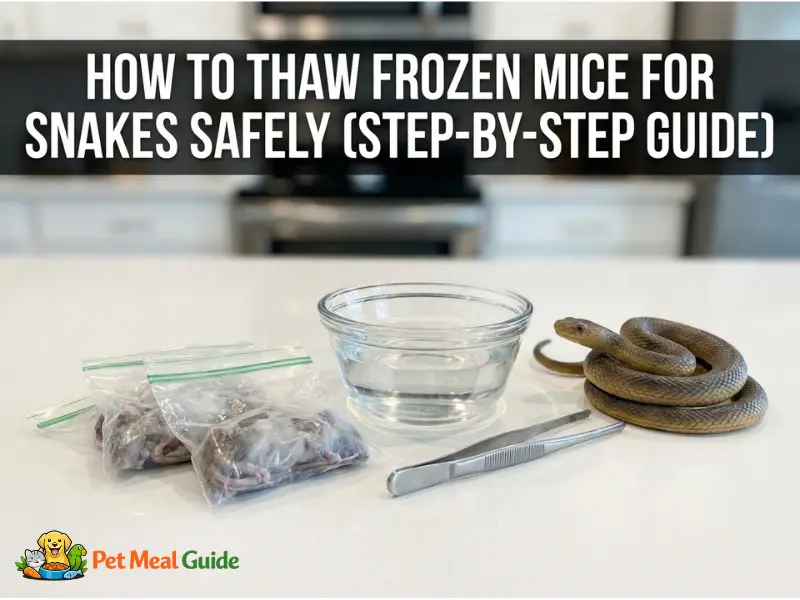
How to Thaw Frozen Mice for Snakes Safely
For many new reptile keepers, the most intimidating aspect of snake ownership isn’t the enclosure setup or maintaining humidity—it’s mealtime. Transitioning a snake to a diet of frozen-thawed rodents is a massive milestone in pet care. It represents a commitment to the safety of your snake and the ethical treatment of feeder animals. However, a frozen mouse is merely an ice block to a snake. To trigger your reptile’s natural predatory instincts, that mouse must be meticulously prepared.
Learning exactly how to thaw frozen mice for snakes safely is arguably the most critical skill a herpetoculturist can master. If a mouse is too cold, the snake will reject it. If it is heated improperly, the internal organs can burst, or worse, harbor explosive bacterial growth that can cause fatal infections in your snake’s digestive tract.
How do you safely thaw frozen mice for snakes?
The safest and most effective method to thaw frozen mice for snakes is to place the frozen feeder mouse inside a watertight, sealed plastic bag and submerge it in a bowl of cold or room-temperature water until completely defrosted. Once the core is thawed, replace the water with hot tap water (100°F–105°F) for 10 to 15 minutes to warm the prey, simulating the body heat of a live mammal to trigger the snake’s feeding response.
- Step 1: Place frozen mouse in a sealed, watertight bag.
- Step 2: Thaw slowly in cold water to prevent bacterial growth.
- Step 3: Warm the thawed mouse in hot tap water.
- Step 4: Dry the mouse and offer it using long reptile feeding tongs.
Whole-prey frozen diets are strictly recommended by major veterinary bodies, including the Association of Reptile and Amphibian Veterinarians (ARAV), as they eliminate the severe risk of injury caused by live rodents fighting back.
In this incredibly detailed, expert guide, we will break down the exact science of cryopreservation and thawing. We will cover the specific biological senses your snake uses to hunt, provide a foolproof step-by-step preparation method, detail precise thawing times based on rodent size, and offer advanced troubleshooting tactics for those frustrating times when your snake simply refuses to eat.
Why Frozen Feeder Mice Are the Gold Standard for Snake Feeding
Before diving into the thawing process, it is vital to understand *why* we go through the effort of thawing frozen rodents instead of simply dropping a live mouse into the terrarium. In the wild, snakes hunt live prey out of necessity. In captivity, the dynamic of predator and prey is completely altered by the confines of a glass terrarium.
When you place a live mouse into a snake’s enclosure, the mouse has nowhere to escape. A cornered, terrified rodent will fight for its life using incredibly sharp incisors and claws. If your snake strikes poorly, isn’t hungry, or is distracted, the mouse will attack the snake. Rodent bites are one of the most common reasons pet snakes end up in emergency veterinary clinics, suffering from severe lacerations, lost eyes, and deep-tissue bacterial infections.
The benefits of utilizing frozen-thawed feeder mice include:
- Complete Safety: A pre-killed, frozen-thawed mouse cannot bite, scratch, or injure your snake.
- Parasite Eradication: The commercial deep-freezing process (often storing rodents at -20°C for extended periods) effectively kills mites, tapeworms, and internal parasites that live rodents frequently carry.
- Convenience and Economy: You can purchase a six-month supply of feeder mice in bulk, store them in your freezer, and never have to make a frantic weekly trip to the pet store.
- Humane Considerations: High-quality feeder breeders use painless CO2 euthanasia chambers before freezing the rodents, which is significantly more humane than the trauma of constriction.
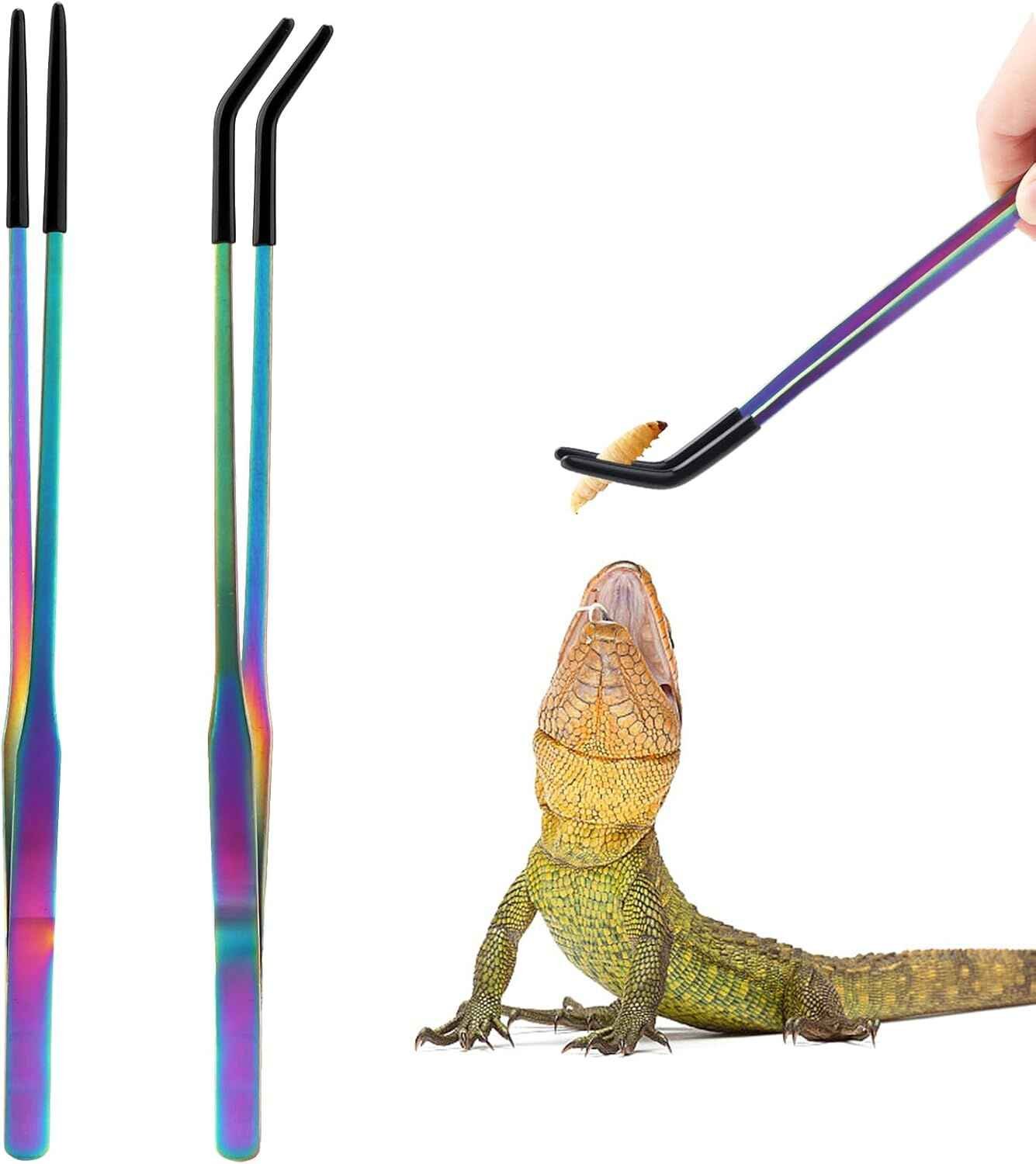
Professional Reptile Feeding Tongs
Safety during feeding extends to the owner as well. Never use your bare hands to offer a thawed mouse to a snake. Professional 10-inch to 12-inch stainless steel reptile feeding tongs allow you to simulate the movement of live prey while keeping your hands safely out of the snake’s strike zone.
Look for tongs with rubberized tips to protect your snake’s delicate teeth and jaw in case they accidentally strike the metal during an aggressive feeding response.
Check Price on TongsIf you are unsure of the exact feeding schedule you should be following for your specific species, we highly recommend reviewing our comprehensive Snake Feeding Guide to ensure you are not overfeeding or underfeeding your reptile.
The Science of the Snake Strike: Heat, Scent, and Senses
To understand why the thawing process must be precise, you have to look at the world through the sensory organs of a snake. When you thaw a mouse, you aren’t just making it soft enough to swallow; you are recreating a biological illusion.
Snakes rely on two primary senses to identify food:
1. The Jacobson’s Organ (Olfaction)
When a snake flicks its forked tongue, it is gathering microscopic scent particles from the air and pressing them against the Jacobson’s organ (vomeronasal organ) located in the roof of its mouth. This organ is incredibly sensitive. If a thawed mouse smells like freezer burn, plastic, or human soap, the snake will often reject it. The mouse must smell exactly like a natural rodent.
2. Infrared Heat Pits (Thermal Imaging)
Many popular pet snakes, most notably Ball Pythons and Boas, possess heat-sensing pits along their lips. These pits function like military-grade thermal goggles, allowing the snake to “see” the radiant body heat of a mammal, even in pitch blackness. A live mouse has an internal body temperature of roughly 98°F to 101°F. If you present a thawed mouse that is only 75°F (room temperature), a Ball Python will likely ignore it because it does not register as living prey.
This is why the final warming stage of the thawing process is the most crucial step in triggering a feeding response.

Premium Frozen Feeder Mice (Bulk Pack)
The quality of your snake’s diet dictates their lifespan. We highly recommend purchasing frozen feeder rodents from dedicated, lab-quality reptile breeders rather than generic pet stores. Bulk frozen mice are raised on highly nutritious diets, humanely euthanized, and flash-frozen to preserve vital nutrients.
Buying in bulk vacuum-sealed packs prevents the dreaded “freezer burn” that turns snakes off their meals, and saves you significant money in the long run.
Shop Bulk Feeder MiceIf you need help selecting the highest quality rodent brands on the market, read our reviews on the Best Feeder Mice for Snakes.
Essential Tools Needed for Safe Thawing
Before you remove a rodent from the freezer, ensure you have your feeding station prepared. Proper preparation prevents cross-contamination in your kitchen and makes the feeding process smooth.
- Dedicated Thawing Bowl: Never use a bowl that you also use to eat cereal or mix salads. Purchase a cheap plastic or glass bowl specifically designated as the “snake feeding bowl” and store it away from human dishware.
- Ziplock / Watertight Bags: You will need a high-quality, sealable plastic bag. Keeping the mouse dry during the thawing process is vital.
- Paper Towels: Used to pat the mouse dry if any water breaches the bag.
- Infrared Temperature Gun (Optional but Recommended): A cheap laser thermometer allows you to instantly check the surface temperature of the mouse to ensure it has reached the optimal 100°F heat signature.
- Stainless Steel Feeding Tongs: For the final presentation.
The Dangers of Improper Thawing Methods
Because feeding a snake can be time-consuming, some keepers try to take shortcuts. These shortcuts are incredibly dangerous and can lead to the death of your reptile.
The Danger of Boiling Water:
Similarly, do not drop a frozen mouse directly into a pot of boiling water. Boiling water will literally cook the meat of the mouse. A snake’s digestive enzymes are biologically designed to break down *raw* meat, not cooked meat. Feeding a cooked mouse can lead to severe gastrointestinal blockages.
The Danger of the “Countertop Thaw”:
Leaving a frozen mouse sitting on the kitchen counter at room temperature all day to thaw is a massive bacterial risk. Just like raw chicken, as the outer layer of the mouse thaws and sits at room temperature, it becomes a breeding ground for Salmonella and other dangerous bacteria, which can be passed to your snake and to your family.
Step-by-Step Guide: How to Thaw Frozen Mice Safely
Now that we understand the biology and the risks, here is the foolproof, veterinarian-approved method for preparing a frozen mouse for your snake.
Step 1: The Cold Thaw (Defrosting the Core)
Take the appropriately sized frozen mouse out of the freezer. Place it inside a watertight, zip-seal plastic bag, and press as much air out of the bag as possible before sealing it.
Place the sealed bag into your dedicated thawing bowl and fill the bowl with cold tap water. Leave the bowl on the counter. Cold water conducts temperature much faster than cold air, allowing the mouse to thaw safely without entering the bacterial “danger zone” (temperatures above 40°F where bacteria multiply rapidly). Leave the mouse in the cold water until it is completely soft to the touch.
Step 2: The Squish Test (Checking the Core)
Before proceeding to the warming stage, you must ensure the mouse is 100% thawed. Gently squeeze the belly and the chest of the mouse through the plastic bag. It should feel squishy and pliable, like a water balloon. If you feel a hard, icy lump in the center of the belly, it needs more time in the cold water.
Why this matters: If a snake swallows a mouse with a frozen core, that ice block lowers the snake’s internal body temperature rapidly. This halts the snake’s digestive process entirely, leading to the meal rotting in the stomach and resulting in fatal regurgitation.
Step 3: The Warm-Up (Creating the Heat Signature)
Once the mouse is fully thawed, empty the cold water from the bowl. Leave the mouse in the sealed bag, and refill the bowl with hot tap water. The water should be hot to the touch, but not boiling (ideally between 100°F and 110°F).
Submerge the bag in the hot water for roughly 10 to 15 minutes. This step safely raises the internal core temperature of the mouse, creating the thermal illusion of a live, warm-blooded mammal.
Step 4: Dry and Prep
Remove the bag from the water. Take the mouse out of the bag. If the bag leaked and the mouse is wet, use a paper towel to thoroughly pat the rodent dry. A wet mouse is problematic because substrate (like aspen shavings or coconut fiber) will stick to it like glue. If the snake swallows too much substrate along with the mouse, it can cause intestinal impaction.
Step 5: The “Zombie Dance” (Presentation)
Grasp the warm, dry mouse by the scruff of the neck or the base of the tail using your long feeding tongs. Open the snake’s terrarium.
Do not simply shove the mouse into the snake’s face—this will frighten them. Instead, dangle the mouse a few inches away. Twitch the tongs slightly. Drag the mouse’s nose gently against the substrate to simulate a foraging rodent. This movement, combined with the heat signature and the scent, will almost always trigger an immediate, aggressive feeding strike.
For more details on sizing the prey correctly before you thaw it, refer to our definitive Snake Prey Size Chart.
Thawing Times by Rodent Size
A frequent question is, “How long does the cold thaw step take?” The answer depends entirely on the mass of the rodent. A tiny 2-gram pinky mouse thaws exponentially faster than a 30-gram jumbo adult mouse.
| Rodent Type | Weight Range | Estimated Cold Water Thaw Time | Hot Water Warming Time |
|---|---|---|---|
| Pinky Mouse | 1g – 3g | 10 – 15 Minutes | 3 – 5 Minutes |
| Fuzzy Mouse | 4g – 7g | 20 – 30 Minutes | 5 – 7 Minutes |
| Hopper Mouse | 8g – 12g | 30 – 45 Minutes | 8 – 10 Minutes |
| Adult Mouse | 18g – 25g | 1 – 1.5 Hours | 10 – 15 Minutes |
| Jumbo / Rat Pups | 26g – 40g+ | 2+ Hours (or overnight in fridge) | 15 – 20 Minutes |
Alternative Method: For large adult mice and rats, the absolute safest and easiest method is to move the frozen rodent from the freezer to the refrigerator the night before feeding day. By the next evening, it will be perfectly, safely thawed, and you will only need to do the 15-minute hot water warm-up.
Troubleshooting: What to Do If Your Snake Refuses the Thawed Mouse
You have followed every step perfectly. The mouse is warm, dry, and smells right. You do the zombie dance, and your snake simply stares at it, or worse, slithers away to hide. Food refusal is highly stressful for owners, but it is common. Here is a diagnostic checklist to get a stubborn snake to eat.
1. Check the Heat Signature
If you are feeding a Ball Python, they are incredibly picky about temperature. Use your temp gun. If the mouse is reading 85°F, it is too cold. Re-submerge the bagged mouse in hot water until the head reads closer to 100°F.
2. “Braining” the Mouse
This sounds gruesome, but it is the oldest and most effective trick in herpetoculture. Using a sterile scalpel or a needle, puncture the skull of the thawed mouse and squeeze slightly to expose a tiny amount of brain matter. The scent of brain matter is an incredibly potent, irresistible olfactory trigger for almost all snake species.
3. Scenting (For Colubrids and Hognose Snakes)
Some snakes, like Western Hognose snakes, naturally eat amphibians in the wild, not rodents. If they refuse a mouse, you can “scent” the mouse by rubbing it against a piece of shed lizard skin, or by dipping the head of the mouse in water drained from a can of tuna. This masks the rodent smell and tricks the snake into striking.
4. Drop Feeding (The Shy Eater)
Some snakes, particularly baby Corn Snakes or King Snakes, are highly intimidated by the giant human holding giant metal tongs over them. For these shy eaters, heat the mouse perfectly, place it on a small paper plate inside the enclosure, close the door, turn off the room lights, and leave them completely alone overnight. Often, the mouse will be gone by morning.
If you own a Corn Snake and are struggling with feeding frequency, make sure you are following a proper Corn Snake Feeding Chart By Age to ensure you aren’t simply overfeeding them.
5. Pre-Shed (The Blue Phase)
If your snake’s colors are dull and its eyes look milky and cloudy, it is going into a shed cycle (ecdysis). During this time, they are practically blind and feel very vulnerable. Do not force them to eat. Wait until they shed their skin, and offer the meal again.
Hygiene and Human Safety: Handling Frozen Rodents
While we focus heavily on the safety of the snake, human safety is equally important. Reptiles and feeder rodents can carry Salmonella and other zoonotic bacteria that can be transmitted to humans.
Furthermore, never prepare human food on the same counter surface where you thawed your rodents without thoroughly sanitizing the counter with a bleach solution or antibacterial spray afterward. Wash your dedicated snake feeding bowl with hot, soapy water immediately after use, and store it away from your kitchen items.
Post-Feeding Protocols for Your Snake
Congratulations, your snake has successfully struck, coiled, and swallowed the thawed mouse! However, the feeding process does not end when the mouse disappears down their throat. Digestion is an incredibly taxing biological process for a reptile.
The 48-Hour Rule:
You must not handle, hold, or play with your snake for a minimum of 48 hours after they have eaten. When a snake has a full belly, their mobility is compromised. In the wild, if a predator attacks a snake that just ate, the snake will violently regurgitate (throw up) the meal so it can escape quickly. If you pick up your snake, the physical pressure on its stomach and the stress of being handled can trigger this exact regurgitation response.
Maintain Proper Heat:
Ensure your enclosure’s hot spot is running at the correct temperature (usually 85°F – 90°F depending on species). The snake will usually seek out the warmest hide in the terrarium and sit there for two days to “bake” the food, allowing their stomach acids to dissolve the mouse.
Video Guide: Proper Thawing and Feeding Techniques
Sometimes, seeing the process in action is the best way to learn. The video below demonstrates the safe water-thawing method, the hot-water warming trick, and the “zombie dance” presentation to safely feed a pet snake.
Frequently Asked Questions
Can snakes really eat frozen mice?
Yes, absolutely. Feeding frozen-thawed mice is the standard practice in modern herpetoculture. It is safe, nutritionally complete, and eliminates the severe risk of the snake being bitten or injured by live prey.
How long does it take to thaw frozen mice?
It depends on the size of the rodent. A tiny pinky mouse will thaw in cold water in about 15 minutes, while an adult mouse will take 1 to 1.5 hours. Always perform the “squish test” to ensure there is no hard frozen core before feeding.
Can I microwave frozen mice for snake feeding?
No, you should never microwave feeder mice. Microwaves cook the rodent unevenly, destroying vital nutrients, creating dangerous hot pockets that can burn your snake’s throat, and often causing the mouse to explode.
Why won’t my snake eat the frozen mouse?
Snakes usually refuse thawed mice if the mouse is not warm enough to trigger their infrared heat pits. It must be heated to around 100°F. Other reasons include the snake being in a shed cycle, the enclosure being too cold, or the snake feeling stressed from over-handling.
Can I refreeze a mouse if my snake doesn’t eat it?
No. If you thaw a mouse and your snake refuses it, you must throw the mouse away. Refreezing thawed meat causes the cells to break down and promotes massive bacterial growth, which can be fatal to your snake if fed later.
References & Authoritative Sources
To ensure the utmost health and safety of your reptile, the protocols in this guide align with the husbandry standards established by leading zoological and veterinary authorities:
- Association of Reptile & Amphibian Veterinarians (ARAV): Guidelines on safe captive reptile diets, regurgitation prevention, and the dangers of live prey feeding.
- Smithsonian National Zoological Park: Reptile Discovery Center care sheets, feeding protocols, and safe thawing practices for captive serpents.
- RSPCA (Royal Society for the Prevention of Cruelty to Animals): Welfare guides emphasizing the humane use of pre-killed diets and proper hygiene protocols for exotic pets.