
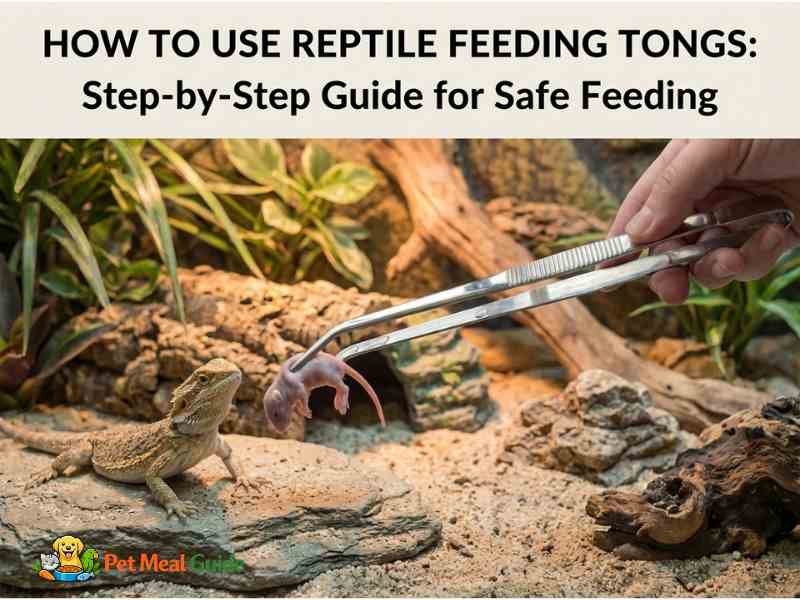
Reptile Feeding Tongs: Step-by-Step Guide for Safe Feeding
How to Use Reptile Feeding Tongs Safely?
Using reptile feeding tongs correctly ensures a safe, stress-free feeding experience for both the reptile and the handler. The best approach involves choosing the correct tong length and material for your specific species, maintaining a firm but gentle grip on the prey, and offering the food in a controlled, natural manner that mimics wild prey movements.
Properly utilized, tongs completely reduce the risk of accidental bites, severe stress, and the deadly ingestion of loose terrarium substrate. Prominent organizations, including the Association of Reptile and Amphibian Veterinarians, strongly recommend using feeding tongs for all captive reptiles.
Experienced herpetologists recommend stainless steel or high-quality plastic-coated tongs featuring non-slip handles. Size selection is critical: 12–14 inches for juveniles, 18–24 inches for adult snakes, and 10–12 inches for lizards and geckos. Proper use dictates preparing prey safely, positioning the tongs carefully outside the immediate strike zone, and feeding slowly to allow the reptile to hunt and strike naturally.
Whether you are a complete beginner bringing home your first ball python or an advanced keeper managing a room full of exotic monitors, mastering the art of the feeding strike is paramount. Reptiles operate on instinct. When they smell food and detect heat, their brain enters “feeding mode.” If your hand is the closest warm object moving inside the enclosure, you run an incredibly high risk of becoming the target.
Reptile feeding tongs are not just optional accessories; they are non-negotiable safety tools. They bridge the gap between human interaction and wild animal instinct. In this comprehensive, 2500+ word commercial guide, we will break down the exact mechanics of how to use reptile feeding tongs. We will cover the best products on the market, detailed species-specific techniques, common mistakes that lead to injury, and exactly how to maintain your equipment for a lifetime of safe husbandry.
Top Reptile Feeding Tongs (Affiliate Products)
Before you can master the technique, you must equip yourself with the right tools. Using cheap, flimsy tweezers will lead to dropped prey, frustrated reptiles, and potential bites. Below are the top-rated feeding tools for reptiles currently dominating the market, trusted by zoos and private breeders alike.
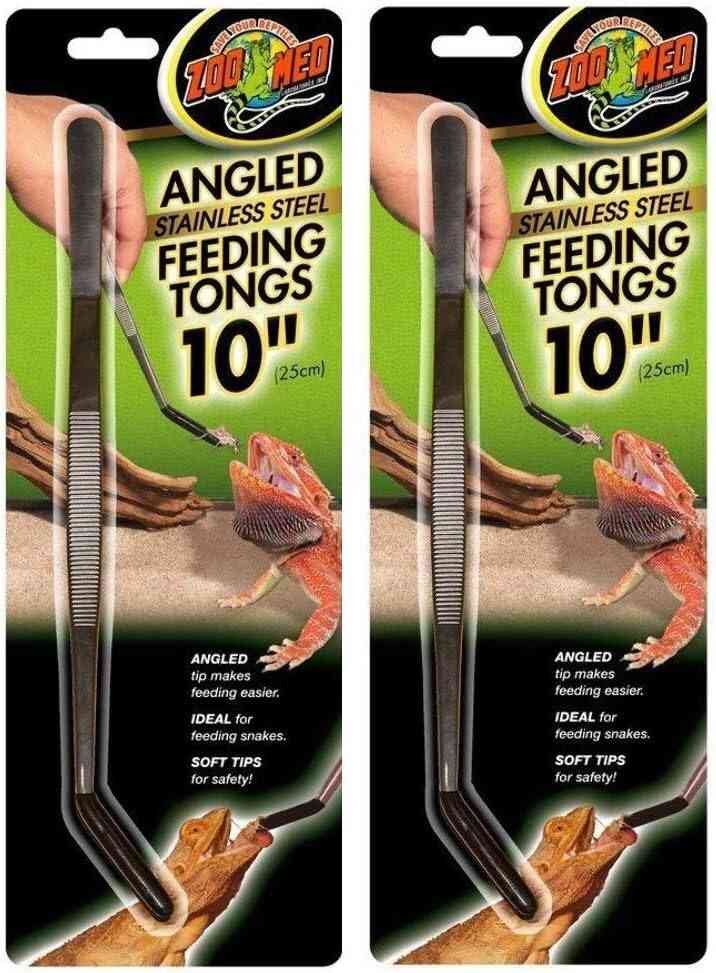
Zoo Med Stainless Steel Feeding Tongs (10″ – 12″)
The absolute gold standard for general reptile keeping. These durable stainless steel tongs are ideal for snakes, lizards, and geckos. The 12-inch length provides an excellent balance of precision and safety, featuring a non-slip grip to ensure wet or slippery prey never drops.
Buy Now / Check Price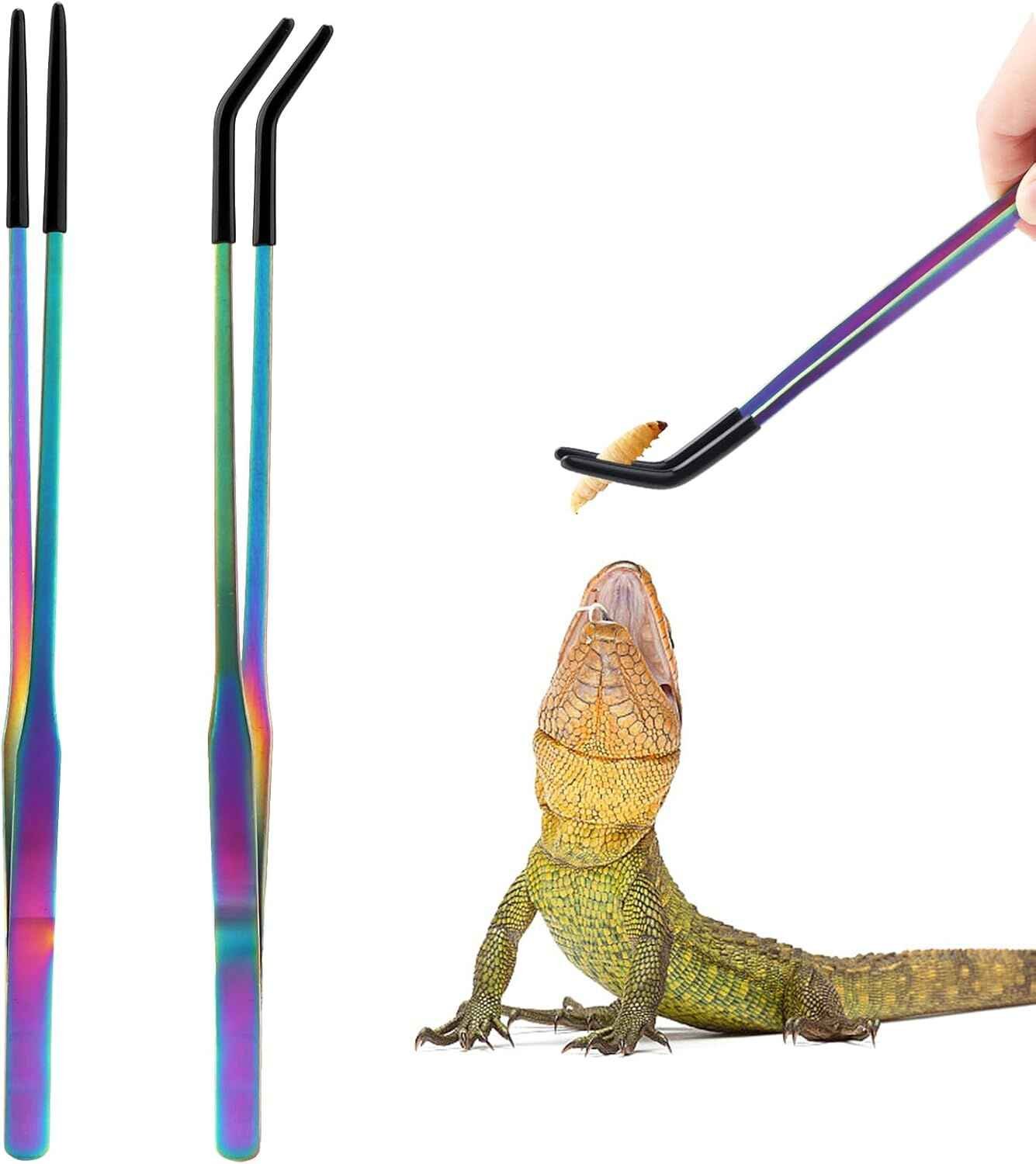
OLIISS Stainless Steel Reptile Feeding Tongs (24″)
Engineered specifically for adult constrictors and large, aggressive species. These 24-inch heavy-duty tongs provide maximum safety and control when handling frozen/thawed adult rats or live prey. Keeps your hands completely out of the strike zone.
Buy Now / Check Price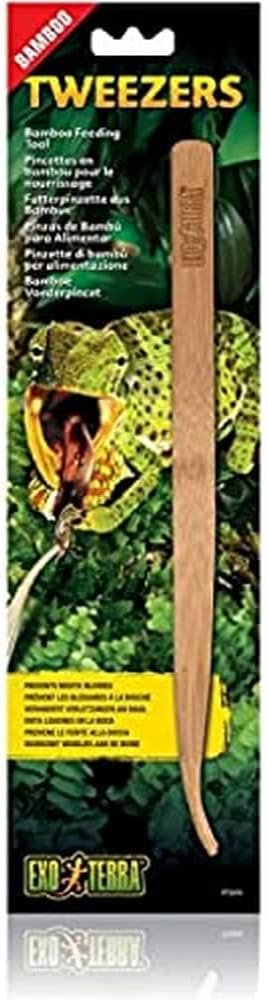
Exo Terra Bamboo / Plastic-Coated Tongs
The perfect choice for delicate eaters like Crested Geckos, Chameleons, and Amphibians. These tongs are lightweight, easy to sanitize, and feature soft tips that prevent mouth rot or broken teeth if an enthusiastic lizard bites the tool by mistake.
Buy Now / Check PriceWhy Proper Use of Reptile Feeding Tongs Matters
It is easy to assume that dropping a mouse into a tank or tossing crickets into a terrarium is sufficient. However, professional herpetoculture demands a higher standard of care. Here is exactly why using feeding tongs is critical to the longevity of your pet.
- Reduces Risk of Bites and Scratches: A reptile’s feeding response is incredibly fast. Tongs create a physical barrier. Even a bite from a non-venomous snake contains bacteria that can cause severe infections in humans.
- Prevents Accidental Ingestion of Substrate (Impaction): When a reptile lunges at prey sitting on loose substrate (like sand, bark, or soil), they often swallow mouthfuls of the bedding. This leads to impaction—a fatal blockage of the digestive tract. Tongs allow you to hold the prey elevated until the reptile strikes.
- Reduces Psychological Stress: In the wild, large objects looming from above are predators. By using slender tongs, you reduce your physical profile. The reptile focuses solely on the prey, not on the “giant hand” invading its territory.
- Target Training and Association: Using tongs helps separate handling time from feeding time. Your reptile will learn that Tongs = Food, meaning when your bare hands enter the tank to change water or clean, they will not automatically trigger a feeding bite.
Step-by-Step Guide: How to Use Reptile Feeding Tongs
Using tongs requires finesse. If you are clumsy, you will drop the prey, startle the reptile, and ruin the feeding response. Follow this masterclass step-by-step guide to ensure flawless execution.
Step 1: Choose the Right Tongs for the Job
Do not use massive metal hemostats to feed a baby gecko, and do not use 8-inch plastic tweezers to feed a 6-foot Boa. Match the tool to the animal.
- Length: 12–14 inches for juveniles and small lizards. 18–24 inches for adult snakes and monitors.
- Material: Stainless steel provides the best grip for heavy, frozen rodents. Plastic-coated or bamboo tongs are best for small, delicate reptiles prone to biting the tongs.
Step 2: Prepare the Prey Properly
Before the tongs even come out, the food must be ready. If you are feeding snakes, you must learn exactly how to thaw frozen mice for snakes safely. Thawing in boiling water or a microwave cooks the mouse and creates a bacterial breeding ground. Thaw slowly in the fridge, then warm in a BPA-free bag in warm water to reach a natural body temperature of roughly 98°F.
If you are feeding lizards, ensure you have selected the best feeder insects for reptiles, and that they have been properly gut-loaded and dusted with calcium powder.
Step 3: Grip the Prey Correctly
How you hold the prey determines how natural it looks to the reptile.
- For Snakes: Grip the thawed rodent by the scruff of the neck, or lightly by the base of the tail. Presenting the head first is ideal, as snakes swallow their prey head-first to prevent the limbs from catching in their throat. Ensure you are using the best feeder mice for snakes to guarantee proper nutrition.
- For Lizards/Geckos: Grip live insects by the back legs or gently across the thorax. Avoid squeezing too hard! Crushing a cricket or roach will often cause the lizard to reject it.
Step 4: Offer Prey Naturally (The Zombie Dance)
This is the most crucial step. Move the tongs slowly to mimic natural prey movement. A dead mouse hanging motionless in the air will not trigger a feeding response in a picky ball python.
Gently drag the prey across the terrarium floor. Make it “peek” out from behind a hide. Give the tongs a slight twitch to make the prey vibrate. Keep the tongs outside the snake’s immediate strike range initially, forcing them to show interest and approach. Once the reptile strikes, let go immediately. Do not engage in a tug-of-war, as this will rip out the reptile’s teeth.
Step 5: Post-Feeding Safety and Hygiene
Once the reptile has struck and coiled (or swallowed), slowly withdraw the tongs. Close the enclosure securely. If the reptile refuses the food after 15-20 minutes, remove the uneaten prey. Immediately take your tongs to the sink, wash them with hot soapy water, and disinfect them. Finally, wash your hands thoroughly to remove all scent of the prey.
Reptile Feeding Tongs Size & Species Comparison Chart
Selecting the wrong size can be dangerous. Use this quick-reference table to match your pet to the ideal tool.
| Reptile Type / Age Group | Recommended Tongs Length | Recommended Material | Pro Notes |
|---|---|---|---|
| Juvenile Snakes (Corn Snakes, Baby Pythons) | 12–14 inches | Stainless Steel | Provides precise control for tiny pinky mice. Short enough to prevent hand fatigue. |
| Adult Snakes (Boas, Ball Pythons, Retics) | 18–24 inches | Steel or Locking Hemostats | Crucial for maintaining a safe distance from a mature snake’s rapid, powerful strike. |
| Lizards & Geckos (Leopards, Cresteds, Beardies) | 10–12 inches | Rubber-Tipped / Bamboo | Lightweight and highly maneuverable. Protects delicate jaws from hard metal impacts. |
| Large/Aggressive Species (Monitors, Tegus) | 24+ inches | Heavy-Duty Steel | Extra safety for handlers. Strong enough to hold heavy prey like rats or poultry cuts. |
| Turtles & Amphibians (Aquatic Turtles, Frogs) | 12–15 inches | Plastic / Bamboo | Prevents rust from aquarium water. Soft enough for sensitive amphibian mouths. |
Species-Specific Tongs Techniques
Because reptile diets vary wildly, how you use your tongs will change based on the animal in your care. If you are ever in doubt about what to offer, refer to our complete reptile feeding guide.
Feeding Ball Pythons and Constrictors
Ball pythons are notoriously picky eaters. They rely heavily on their heat pits. When using tongs, ensure the head of the rat/mouse is the warmest part (heat it with a hairdryer just before offering). Hold the prey by the scruff, keeping the tongs angled slightly upward. This forces the snake to strike upward, ensuring they don’t accidentally get a mouthful of substrate. For a deeper dive into scheduling and prey sizing, read our extensive ball python feeding guide.
Feeding Bearded Dragons
Bearded dragons are aggressive, visual hunters. They will chase down crickets and roaches with zeal. Use your tongs to drop the insects one by one near the dragon to stimulate the chase. Alternatively, hold a squirming hornworm just out of reach to make them work for their treat. Be sure to check our bearded dragon feeding guide to ensure you have the correct ratio of bugs to greens.
Feeding Leopard Geckos
These terrestrial hunters are crepuscular (active at dawn and dusk). They can be clumsy strikers. Using 10-inch rubber-tipped tongs is best. Hold the dusted mealworm or cricket right in front of the gecko’s face. Wait for them to focus, wag their tail (a sign they are locking on), and strike. For portion control, visit our leopard gecko feeding guide.
Feeding Turtles and Herbivores
If you are wondering what do turtles eat, they consume a mix of pellets, greens, and proteins. Long tongs are excellent for delivering pieces of shrimp or fish directly to aquatic turtles without polluting the water with your hands. Similarly, if you are asking what do lizards eat (specifically herbivores like Iguanas), tongs are perfect for offering chopped fruit treats without getting accidentally bitten by razor-sharp herbivore teeth.
Cleaning and Maintaining Your Reptile Feeding Tongs
Your tongs are medical-grade equipment and should be treated as such. Failing to clean your tools is the fastest way to introduce parasites, salmonella, and deadly viruses into your collection.
- Immediate Washing: Wash your tongs with warm soapy water immediately after each feeding. Do not let raw meat or insect fluids dry on the metal.
- Disinfection: After washing, spray the tongs with a reptile-safe veterinary solution (such as Chlorhexidine 2% or F10SC) and let them sit for 5-10 minutes.
- Drying: Avoid prolonged water exposure. Even high-grade stainless steel will rust or pit if left soaking in the sink overnight. Dry them thoroughly with a clean paper towel.
- Storage: Store your tongs in a dry, safe location away from human kitchen utensils. Ideally, keep a separate pair of tongs for each enclosure if you have a large collection to completely eliminate cross-contamination.
Common Mistakes to Avoid
Even seasoned keepers make errors. Watch out for these common pitfalls that can ruin a feeding response or harm your animal.
Top 4 Feeding Mistakes:
- Feeding live prey without supervision: If you hold a live mouse with tongs and it bites the snake, or you drop a live mouse in and walk away, the mouse will chew on your reptile. Always supervise, and transition to frozen/thawed if possible.
- Using tongs that are too short: If an adult Boa Constrictor misses the rat and hits your hand because your tongs are only 10 inches long, you will need stitches. Always use 18-24 inch tongs for adults.
- Forcing prey into the reptile’s mouth: Poking a snake in the face with a dead mouse will not make it eat; it will make it defensive. Let the animal come to the food.
- The “Tug of War”: When a snake strikes and wraps the prey, let go of the tongs instantly. Pulling back while the snake has the prey in its mouth will rip out its fragile, backward-facing teeth, leading to severe mouth rot.
Frequently Asked Questions
We have gathered the most common questions from new and intermediate reptile keepers regarding the safe use of feeding tongs.
How do I safely use reptile feeding tongs?
Hold the tongs securely at the base of the handle. Position the prey naturally, mimicking a live animal’s movement (the “zombie dance”). Keep your fingers safely behind the gripping mechanism, and allow your reptile to strike at its own pace. Never force the prey toward the reptile’s face, as this causes defensive stress.
Can I feed live prey with tongs?
Yes, feeding live prey with tongs is highly recommended if your animal refuses frozen/thawed. You can hold live insects or rodents by the scruff or back legs. This prevents the live prey from running away, hiding in the terrarium, and potentially injuring your reptile while they sleep. However, strict supervision is required.
What length of feeding tongs do I need for adult snakes?
For adult snakes—especially pythons, boas, and fast colubrids—you need feeding tongs between 18 and 24 inches long. A snake can strike up to half to two-thirds of its body length in a fraction of a second. Long tongs guarantee your hand remains safely outside the maximum strike zone.
How often should I clean my reptile feeding tongs?
You must clean your reptile feeding tongs after every single feeding session. Wash them with warm soapy water and use a reptile-safe disinfectant. If you feed multiple reptiles, it is best practice to wipe the tongs down with an alcohol swab or F10 between enclosures to prevent bacterial cross-contamination.
Why does my snake strike the tongs instead of the food?
Snakes hunt via heat signatures and scent. If a snake strikes the metal tongs, it usually means the metal is warmer than the prey item (perhaps you washed them in hot water prior to feeding). Ensure your frozen/thawed prey is properly warmed to around 98°F-100°F and keep your tongs at room temperature.