
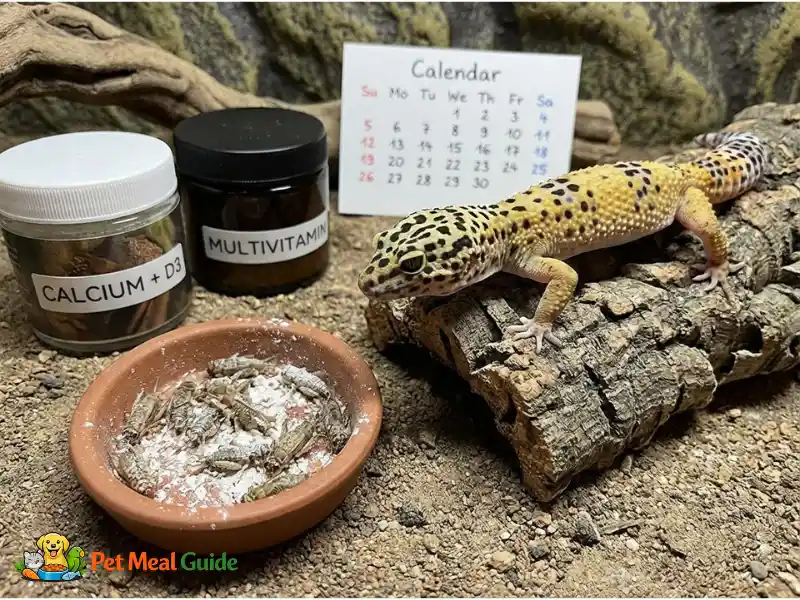
Leopard Gecko Calcium Guide
Leopard Gecko Calcium Guide (Quick Dusting Schedule)
Calcium is the most critical mineral in a leopard gecko’s diet, necessary for developing strong bones, ensuring proper muscle contraction, and preventing fatal bone diseases. Because captive feeder insects are naturally deficient in calcium, keepers must artificially dust their insects to mimic wild nutritional intake.
- Hatchlings (0-2 months): Calcium dust at every feeding.
- Juveniles (2-12 months): Calcium dust 4-5 feedings weekly.
- Adults (12+ months): Calcium dust 2-3 times weekly.
D3 vs. No D3: Leopard geckos require Vitamin D3 to absorb dietary calcium. If you do not use specific UVB terrarium lighting, you must use a calcium powder that includes Vitamin D3. Failure to provide proper calcium and D3 inevitably leads to Metabolic Bone Disease (MBD), an agonizing and irreversible condition that causes skeletal warping and death.
Understanding Reptile Calcium Requirements
Welcome to the ultimate leopard gecko supplement guide. Whether you have just brought home your first hatchling or you are refining the husbandry for a mature adult, understanding the exact science of reptile supplementation is the barrier between a thriving pet and a devastating veterinary bill. Captivity creates an artificial environment; it is our responsibility to artificially supply what nature freely provides.
In the arid, rocky deserts of the Middle East and Asia, wild leopard geckos (Eublepharis macularius) consume a massive variety of invertebrate prey. These wild insects feed on nutrient-rich desert flora and live in mineral-dense soils. Consequently, when a wild gecko eats a bug, it ingests a perfectly balanced matrix of calcium, phosphorus, trace minerals, and vitamins. In captivity, our crickets and mealworms are raised in sterile environments, making them incredibly poor sources of natural calcium.
Before diving into the exact powders and schedules, it is important to contextualize this guide. For your leopard gecko to properly utilize the calcium you provide, they must also be eating the correct foods on the correct timeline. To ensure your entire husbandry routine is flawless, please refer to our Complete Leopard Gecko Feeding Schedule, study the full Leopard Gecko Food List Guide, and select the highest quality prey from our Best Insects for Leopard Geckos breakdown.
One of the most common beginner mistakes is assuming that dropping a calcium block into a water dish, or dusting crickets sporadically, is enough. Leopard geckos absorb calcium through the intestinal tract, but this absorption is biologically locked without the presence of Vitamin D3. Getting this balance right is the focus of this comprehensive leopard gecko vitamin guide.
Top Recommended Leopard Gecko Calcium Supplements
Not all calcium powders are created equal. You require an ultra-fine, precipitated calcium carbonate that adheres easily to the exoskeleton of a feeder insect. The following products are universally trusted by exotic veterinarians and professional breeders as the best calcium powder for leopard geckos.
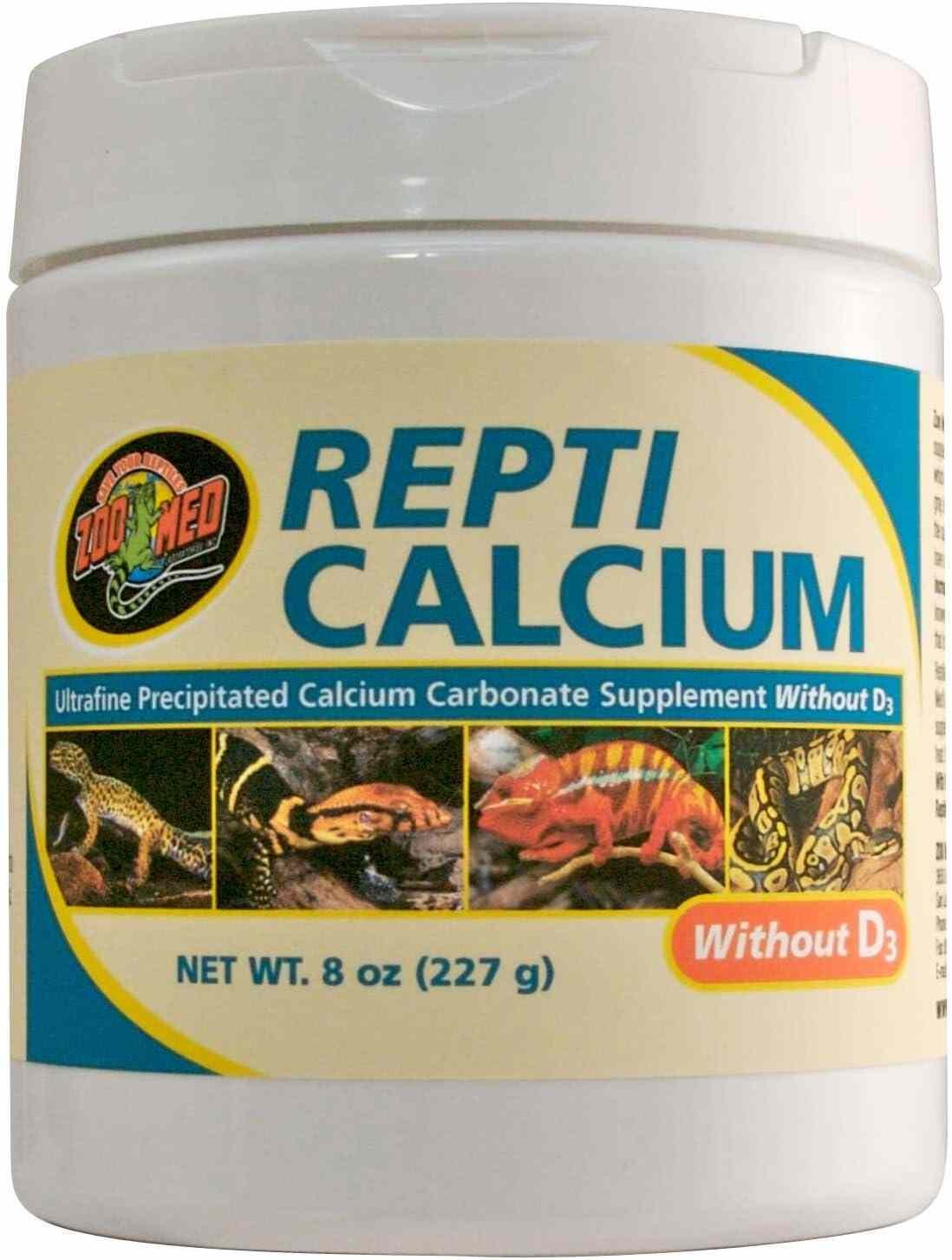
Zoo Med Repti Calcium with D3
An ultra-fine precipitated calcium carbonate supplement containing safe levels of Vitamin D3. Phosphorus-free and highly bioavailable. The absolute industry standard.
Check Price on Amazon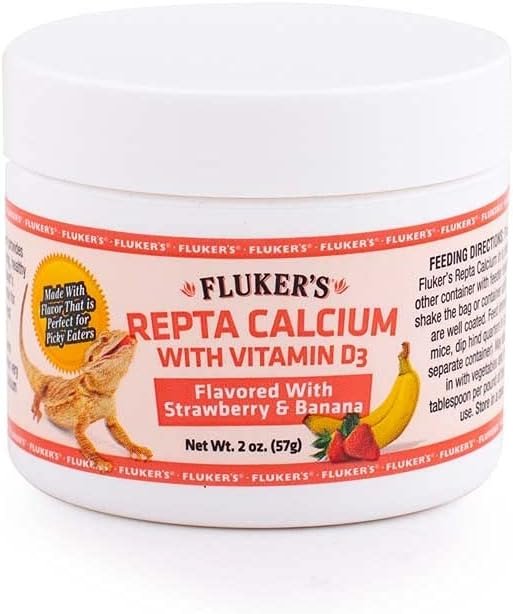
Fluker’s Calcium with Vitamin D3
A premium leopard gecko calcium supplement that ensures excellent adhesion to crickets and roaches, preventing the powder from falling off before your gecko eats it.
Check Price on Amazon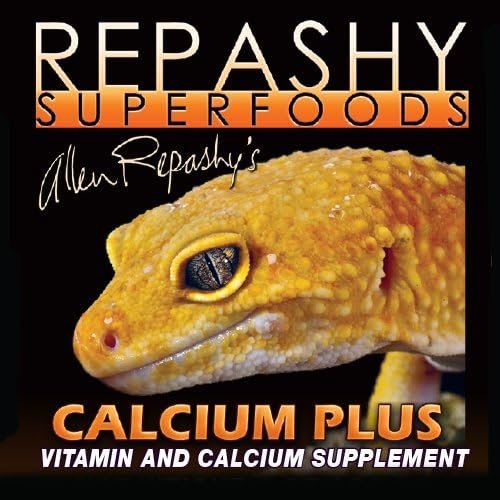
Repashy Calcium Plus
An incredible "all-in-one" vitamin and calcium supplement. Combines calcium, D3, and essential vitamins in one powder, simplifying the leopard gecko dusting schedule.
Check Price on AmazonWhy Do Leopard Geckos Need Calcium? (The Science)
If you have ever typed "do leopard geckos need calcium?" into a search engine, the emphatic answer is yes. But understanding why will make you a much better keeper. Calcium is not just about building a strong skeleton; it is an active, rapidly depleting resource within the reptile's body.
1. Skeletal Integrity and Bone Growth
Leopard geckos grow at an astonishing rate. A hatchling can go from weighing 3 grams to 50 grams in less than a year. This requires laying down a massive amount of bone matrix. Calcium carbonate is the primary building block of this osteological development. Without it, the bones remain soft and cartilaginous, unable to support the weight of the gecko's own muscles and organs.
2. Neurological and Muscle Function
Every single time your leopard gecko takes a step, strikes at a cricket, or even breathes, calcium is actively being utilized. Calcium ions are required for the transmission of nerve impulses and the physical contraction of muscle fibers. A severe drop in blood serum calcium (hypocalcemia) leads immediately to neurological misfires, visible as uncontrollable tremors, twitching toes, and extreme lethargy.
3. Egg Production in Females (Oogenesis)
Female leopard geckos undergo an incredibly taxing physiological process during the breeding season. The calcification of eggshells demands an enormous volume of calcium. If dietary calcium is insufficient, the female's body will literally pull calcium out of her own bones to harden the eggs, leaving her completely depleted, crippled, and at high risk of egg-binding (dystocia).
Leopard Gecko Calcium Dusting Schedule Chart
Creating a leopard gecko supplement schedule chart requires balancing three primary powders: Plain Calcium (No D3), Calcium with D3, and a Reptile Multivitamin (containing Vitamin A). Because leopard geckos eat different amounts based on their age, the frequency of supplementation must scale accordingly.
Note: This schedule assumes you are NOT using synthetic UVB lighting. If you provide a 5% to 7% UVB bulb, the D3 schedule changes drastically (explained in the next section).
| Gecko Age / Stage | Plain Calcium (No D3) | Calcium WITH D3 | Reptile Multivitamin |
|---|---|---|---|
| Hatchling (0-2 Months) Fed 7 days a week |
Dust insects 3-4 times a week | Dust insects 2 times a week | Dust insects 1 time a week |
| Juvenile (2-12 Months) Fed 5-6 days a week |
Dust insects 2-3 times a week | Dust insects 1-2 times a week | Dust insects 1 time a week |
| Adult (12+ Months) Fed 2-3 days a week |
Dust insects 1 time a week | Dust insects 1 time a week | Dust insects 1 time every TWO weeks |
| Breeding Females During egg production |
Leave a cap full in the tank 24/7 | Dust insects 2 times a week | Dust insects 1 time a week |
If you utilize an "all-in-one" product like Repashy Calcium Plus, the schedule is simplified: you simply lightly dust the insects with that single powder at every feeding (for babies) or 2-3 times a week (for adults), eliminating the need to rotate three different bottles.
Calcium With D3 vs Without D3: Explained
The distinction between a leopard gecko calcium with D3 schedule and plain calcium is the most confusing aspect of reptile husbandry. To demystify this, we must look at how the reptile body works.
The Role of Vitamin D3 (Cholecalciferol)
Calcium cannot be absorbed through the walls of the intestines on its own. It requires a hormone to act as a "key" to unlock the intestinal lining. That key is Vitamin D3. If you feed your leopard gecko a mountain of plain calcium but provide zero Vitamin D3, 100% of that calcium will pass directly through their digestive tract and exit in their feces. The gecko will starve for calcium despite eating it.
Dietary D3 vs. UVB Lighting
In the wild, leopard geckos get Vitamin D3 by exposing their skin to the sun's UVB rays. Their skin synthesizes the UVB into natural Vitamin D3. In captivity, you have two choices:
- No UVB Lighting: If you use heat mats, ceramic heat emitters, or standard incandescent bulbs (which do not emit UVB), you must provide dietary Vitamin D3 by dusting their insects with a Calcium + D3 powder. This forces the D3 through their digestive tract.
- With UVB Lighting: If you use a high-quality linear UVB tube (like an Arcadia ShadeDweller 7%), the gecko will synthesize their own natural D3. In this setup, feeding them extra dietary D3 can be dangerous. You should primarily use Plain Calcium (Without D3) for dusting, only offering dietary D3 once a month as a safety net.
While plain calcium is safely excreted if overfed, Vitamin D3 is fat-soluble. This means the gecko's body stores excess D3 in the liver. If you use UVB lighting AND heavily dust with dietary D3, you will cause Vitamin D3 toxicity. This leads to hypercalcemia, where the body begins calcifying soft tissues, leading to hardened, failing organs and fatal kidney toxicity.
Signs of Calcium Deficiency in Leopard Geckos (Metabolic Bone Disease)
Metabolic Bone Disease (MBD), scientifically known as Nutritional Secondary Hyperparathyroidism (NSHP), is a tragically common and 100% preventable disease. When a leopard gecko's blood calcium levels drop too low, the parathyroid gland triggers the body to pull calcium from the only available source: their own skeleton.
Recognizing the early signs of calcium deficiency in leopard geckos can save their life. Look for the following symptoms:
- Twitching and Tremors: The earliest sign. You may notice their toes twitching uncontrollably when they stand still or walk.
- Lethargy and Anorexia: The gecko becomes incredibly weak, stops hunting, and refuses food because their jaw muscles lack the calcium ions needed to contract.
- The "Rubber Jaw": The jawbone becomes so decalcified that it turns soft and pliable. The gecko will develop a severe underbite, their mouth may hang open, and they cannot chew insects.
- Curved or Bowed Limbs: The legs will bow outward, making it look like the gecko is dragging its belly on the ground. They will lose the ability to lift their torso.
- Kinked Spine and Tail: The vertebrae collapse under the weight of the body, leading to permanent zigzag kinks in the tail and a deformed spinal column.
If you notice any of these symptoms, you must seek exotic veterinary care immediately. While liquid calcium injections can stop the progression of the disease, the skeletal deformities (kinks and bowed legs) are permanent and irreversible.
How to Properly Dust Feeder Insects
Knowing how often to give leopard gecko calcium is moot if you apply it incorrectly. Dumping a massive pile of powder on a cricket will suffocate the insect, and the gecko will often refuse to eat it because it tastes chalky and overwhelming. You want a light, even coating—like powdered sugar on a donut.
The Container Method (Shake and Bake)
- Take a small, clean plastic container (a deli cup or a Ziploc bag works perfectly).
- Place the exact number of feeder insects you intend to feed into the container (e.g., 5 crickets or 5 dubia roaches).
- Add a tiny pinch of the appropriate leopard gecko calcium powder. You only need a fraction of a teaspoon.
- Secure the lid or pinch the bag closed, and gently shake it for 3 to 5 seconds until the insects are lightly coated in white powder.
- Immediately use your feeding tongs to drop the dusted insects into the terrarium. If you wait too long, the insects will groom themselves and clean the powder off.
Pro Tips for Leopard Gecko Supplementation
Elevate your husbandry from beginner to expert with these advanced supplementation strategies.
Always leave a tiny bottle cap (like a milk jug cap) filled with PLAIN Calcium (strictly WITHOUT D3) inside your leopard gecko's enclosure. Leopard geckos are incredibly intuitive animals. If their internal calcium drops, they will walk over and actively lick the powder out of the cap to self-regulate. Never put D3 or multivitamins in this dish, as they can overdose on it.
The kidneys work extremely hard to process calcium, Vitamin D3, and the high protein diet of a leopard gecko. To prevent kidney stress or gout, ensure your gecko is highly hydrated. Keep a shallow dish of fresh water available 24/7, and heavily mist their humid hide to ensure they can drink water droplets during shedding.
Calcium carbonate itself does not go bad, but Vitamin D3 and Multivitamins degrade very rapidly when exposed to heat, light, and oxygen. You should replace your reptile supplement powders every 6 to 8 months. Storing your D3 and vitamin jars in the refrigerator can significantly extend their shelf life and potency.
Veterinary & Research Sources
This leopard gecko calcium dusting schedule is built upon modern herpetological research, veterinary guidelines, and years of successful breeding data. For more clinical information regarding reptile osteology and nutrition, please refer to:
- Association of Reptile and Amphibian Veterinarians (ARAV) - Search for a certified exotic veterinarian near you and access global herpetological health standards.
- RSPCA Reptile Care Guidelines - Comprehensive, science-backed animal welfare and care sheets for captive reptiles.
Leopard Gecko Calcium and Supplement Guide (Video)
For a complete visual walkthrough of the dusting process, how to set up a calcium dish, and how to identify the subtle signs of MBD, watch this detailed expert video below:
Frequently Asked Questions (High Demand)
We’ve compiled the most common questions regarding the use of leopard gecko calcium powder and vitamin scheduling to ensure you have all the facts necessary for perfect husbandry.
It depends on their age. Hatchling and baby leopard geckos require calcium powder at almost every feeding to support their rapid bone growth. However, adult leopard geckos only need their insects dusted with calcium 2 to 3 times per week, as their growth has stabilized.
Yes, while plain calcium carbonate is difficult to overdose on because the excess is usually excreted, leopard geckos can easily overdose on Calcium with Vitamin D3. Too much Vitamin D3 causes hypercalcemia, leading to organ calcification and severe kidney damage.
Calcium with D3 is absolutely essential and perfectly safe when used according to a proper leopard gecko calcium dusting schedule. It allows the gecko to metabolize calcium. It should be given 1-2 times a week for adults unless you are using high-quality UVB lighting, which alters their D3 requirement.
A lack of calcium leads directly to Metabolic Bone Disease (MBD). The gecko's body will begin stealing calcium from its own skeleton to maintain blood serum levels, resulting in soft, rubbery jaws, curved limbs, kinked tails, severe lethargy, and eventually death.
In addition to a leopard gecko calcium supplement, they require a reptile multivitamin (containing preformed Vitamin A or beta-carotene) roughly once a week to once every two weeks, depending on their age, to prevent eye issues and shedding complications.
Yes, leaving a small bottle cap of plain calcium powder (strictly WITHOUT Vitamin D3) inside the enclosure is a highly recommended practice. Leopard geckos are adept at self-regulating their mineral intake and will lick the pure calcium when their body dictates a need.
The best calcium powder for leopard geckos is ultra-fine, precipitated calcium carbonate. Brands like Zoo Med Repti Calcium, Repashy Calcium Plus, and Fluker's are industry standards that stick well to feeder insects and are easily absorbed by the reptile's digestive tract.
Early signs of calcium deficiency in leopard geckos include slight tremors or twitching in the toes when walking. As it progresses, you will notice bowed forelegs, an inability to lift their belly off the ground, a squishy jawline, and a visibly zigzagged or kinked tail.