
Leopard Gecko Feeding Schedule
Complete Leopard Gecko Feeding Schedule & Diet Guide
A complete leopard gecko feeding schedule is determined strictly by the reptile's age, weight, and development stage. Leopard geckos are obligate insectivores, meaning they consume an exclusive diet of live, gut-loaded insects dusted with essential calcium and vitamins.
- Hatchlings & Babies (0-6 months): Feed 5 to 7 appropriately sized insects every day.
- Juveniles (6-12 months): Feed 4 to 8 insects every other day.
- Adults (12+ months): Feed 6 to 10 large insects 2 to 3 times a week to prevent obesity.
Insect Size Rule: To prevent fatal impaction and choking, never feed your leopard gecko an insect that is larger or wider than the space between their eyes. The best staple insects include crickets, dubia roaches, and mealworms.
Why a Proper Feeding Schedule Matters
Leopard geckos (Eublepharis macularius) are renowned for being one of the most docile, hardy, and beginner-friendly reptiles in the exotic pet trade. However, their dietary requirements are highly specific. In their natural arid scrublands of Afghanistan, Pakistan, and India, these crepuscular hunters rely on a wide variety of native insects to survive.
In captivity, establishing a complete leopard gecko feeding schedule is the single most important factor in ensuring your pet lives a long, healthy life—which can span up to 15 to 20 years! The metabolism of a growing baby gecko is vastly different from a fully mature adult. Feeding an adult gecko every day will quickly lead to severe obesity, fatty liver disease, and a dramatically shortened lifespan.
Conversely, underfeeding a baby or failing to provide a strict calcium dusting schedule will result in Metabolic Bone Disease (MBD)—a tragic and irreversible condition that causes bones to soften, warp, and break. By following this expert-level leopard gecko diet guide, rotating their feeder insects, and understanding the nuances of their digestive biology, you will avoid the most common feeding mistakes that plague new owners.
Top Recommended Leopard Gecko Feeding Supplies
Before bringing your new reptile home, or if you are looking to upgrade your current husbandry setup, having professional-grade feeding tools and supplements is non-negotiable. Below are the top-rated, veterinarian-approved products necessary for a healthy leopard gecko feeding routine.
Zoo Med Repti Calcium with D3
An ultra-fine, precipitated calcium carbonate supplement containing essential Vitamin D3. Critical for indoor leopard geckos to metabolize calcium and prevent Metabolic Bone Disease.
Check Price on Amazon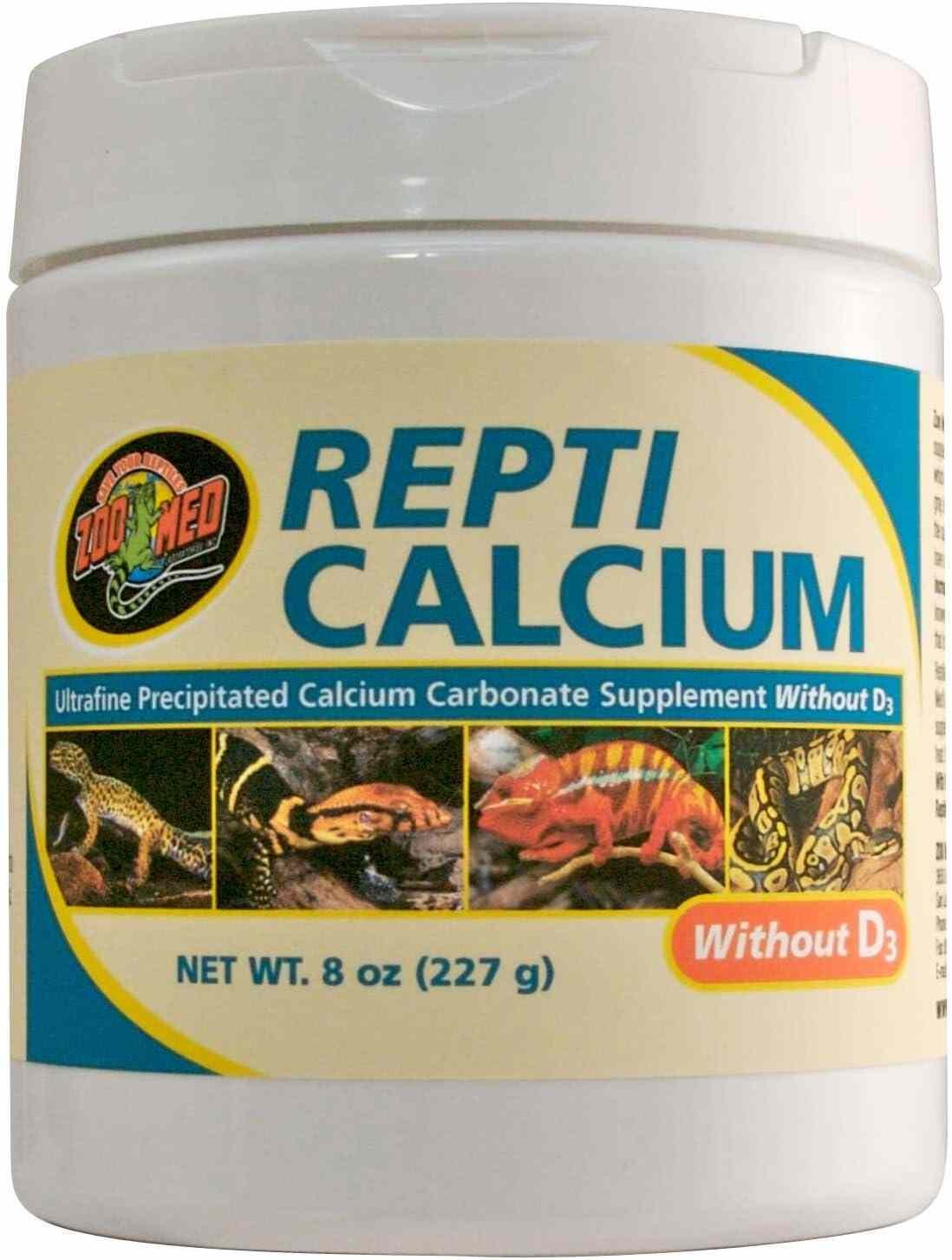
Fluker's Calcium Powder (No D3)
Pure calcium powder without Vitamin D3. Perfect for leaving in a small bottle cap inside your gecko's enclosure, allowing them to self-regulate their calcium intake naturally.
Check Price on Amazon
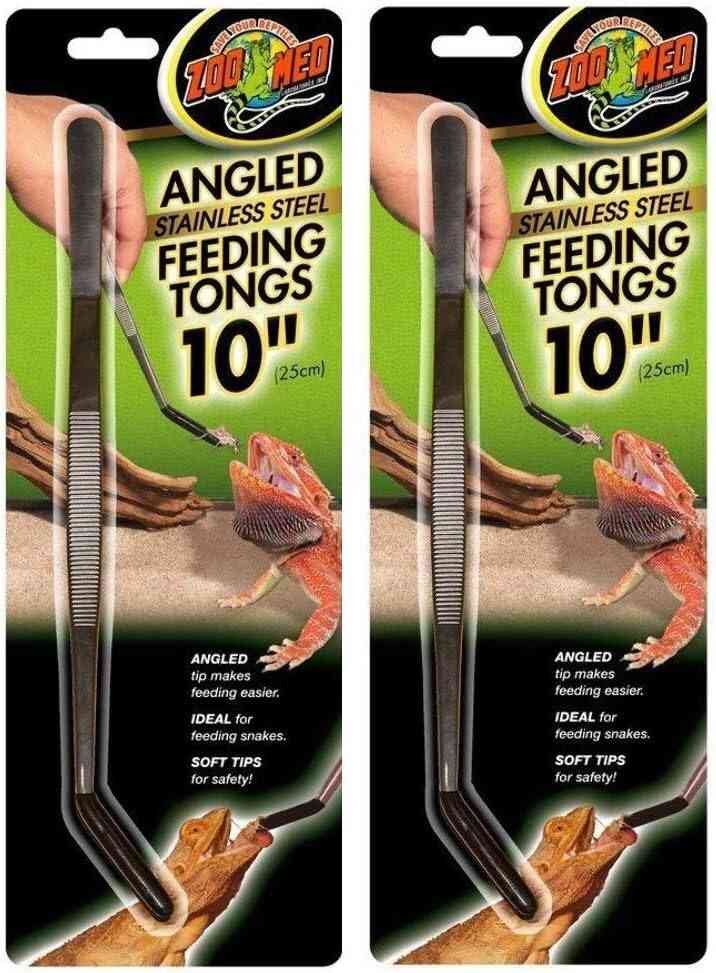
Zoo Med ReptiBreeze Feeding Tongs
10-inch stainless steel feeding tongs. Keeps your fingers safe from accidental bites, prevents the gecko from ingesting substrate, and allows for precise target feeding.
Check Price on AmazonLeopard Gecko Feeding Chart by Age
To master the leopard gecko feeding chart by age, you must understand that as your gecko grows, the frequency of their meals decreases, while the size of the prey increases. This mimics their natural metabolic slowdown upon reaching adulthood.
| Gecko Age / Stage | Insect Type (Staples) | Quantity per Meal | Feeding Frequency |
|---|---|---|---|
| Hatchling & Baby (0 to 6 months) |
Small Crickets, Small Mealworms, Small Dubia Roaches | 5 to 7 insects | Every Day |
| Juvenile (6 to 12 months) |
Medium Crickets, Medium Mealworms, Dubia Roaches | 4 to 8 insects | Every Other Day |
| Sub-Adult (12 to 18 months) |
Large Crickets, Mealworms, Dubias, occasional Superworm | 5 to 8 insects | Every 2 to 3 Days |
| Adult (18+ months) |
Large Crickets, Dubias, Superworms, occasional Waxworm | 6 to 10 insects | 2 to 3 Times per Week |
Feeding Logic Explained: Hatchlings are growing exponentially. They are building bone density, muscle mass, and organ tissue, requiring massive amounts of energy and calcium. Their daily meals fuel this hyper-growth phase. Once a gecko hits adulthood, their growth halts. If you continue feeding an adult daily, the excess calories will be stored as fat in their tail and eventually around their vital organs.
How Many Crickets to Feed a Leopard Gecko
When searching for exactly how many crickets to feed a leopard gecko, you need a reliable metric that adjusts to your specific pet. The golden rule among herpetologists is: Offer two insects for every one inch of your leopard gecko’s total body length. For example, a 3-inch baby gecko should be offered roughly 6 insects per meal.
Another highly effective method is the 15-Minute Rule. Drop one dusted insect into the enclosure at a time. Allow your gecko to hunt, catch, and swallow it. Continue offering insects until the gecko loses interest or walks away. Whatever amount they eat within a 10 to 15-minute window is their appropriate portion size.
This is the most critical safety rule in this entire leopard gecko diet guide. Never feed your gecko an insect that is larger or wider than the space between your leopard gecko's eyes. A leopard gecko's throat and digestive tract are roughly the same width as this ocular gap. Forcing them to swallow oversized prey causes choking, regurgitation, paralysis of the hind legs (due to pressure on the spine), and fatal impaction.
Best Insects for Leopard Geckos (Diet Guide)
A common mistake is relying on just one type of insect. In the wild, geckos consume dozens of different species. To provide a complete amino acid profile, you must rotate their protein sources. Here are the best insects for leopard geckos, along with their pros and cons.
1. Crickets (Staple Feeder)
Crickets are the traditional backbone of the reptile hobby. They have an excellent moisture content, relatively low fat, and a good protein yield. Their erratic jumping triggers the leopard gecko's hunting instinct beautifully.
Pros: Cheap, readily available, stimulating to hunt.
Cons: They can carry parasites, they smell bad, they chirp loudly, and they will actively bite your gecko if left in the tank overnight.
2. Dubia Roaches (Premium Staple)
Dubia roaches are widely considered the absolute best feeder insect available. They boast a much higher meat-to-shell ratio than crickets, meaning more nutrition and less indigestible chitin.
Pros: Odorless, silent, cannot climb smooth glass/plastic, highly nutritious, do not bite.
Cons: More expensive, illegal in a few specific regions (like Florida or Canada).
3. Mealworms (Staple Feeder)
Mealworms are incredibly convenient as they can be stored in the refrigerator for weeks to halt their pupation process.
Pros: Very easy to keep, cheap, can be placed in an escape-proof bowl for easy feeding.
Cons: Higher in chitin (the hard exoskeleton). They must be properly heated in the gecko's tank to be digested properly.
4. Superworms (Adults Only / Occasional)
Superworms look like giant mealworms but have a harder shell and a bit more fat. Because of their large size, they are strictly for sub-adult and adult geckos.
Pros: Great for bulking up an underweight gecko.
Cons: High chitin; their strong mandibles mean you should crush their heads before feeding them to smaller adults to prevent them from biting the gecko's mouth.
5. Hornworms (Hydration / Treat)
These bright green caterpillars are basically moving bags of water. They grow incredibly fast, so buy them small.
Pros: Excellent for hydrating a sick or dehydrated gecko; extremely low in chitin.
Cons: Very expensive; high water content can cause runny stools if overfed.
Leopard Gecko Calcium and Vitamin Dusting Schedule
Feeding the best insects means nothing if they aren't properly supplemented. Insects naturally have an inverted Calcium-to-Phosphorus ratio (too much phosphorus, not enough calcium). To correct this, you must "dust" your insects. Place the bugs in a plastic bag or cup, add a pinch of supplement powder, and shake gently until they are lightly coated.
A proper leopard gecko calcium dusting schedule requires three different products: Calcium without D3, Calcium with D3, and a Reptile Multivitamin (containing Vitamin A). Here is the ideal rotation for an adult feeding 3 times a week:
| Feeding Day | Supplement to Use | Purpose |
|---|---|---|
| Monday (Feeding 1) | Calcium WITH Vitamin D3 | D3 allows the gecko's body to absorb the calcium from the digestive tract into the bones. |
| Wednesday (Feeding 2) | Calcium WITHOUT D3 | Provides bulk calcium for bone strength without risking fatal Vitamin D3 toxicity. |
| Saturday (Feeding 3) | Reptile Multivitamin | Provides essential Vitamin A, E, and B-complex for eye health, skin shedding, and organ function. |
Note for Babies: Since babies eat every day, dust with Calcium + D3 twice a week, a Multivitamin once a week, and use plain Calcium for the remaining four feedings.
Safe Foods vs. Dangerous Foods
Not every bug is a good bug. As part of your complete leopard gecko food list, you must know what is safe and what is toxic.
Safe to Feed
- Crickets (Banded or Brown)
- Dubia Roaches
- Mealworms
- Silkworms (Highly nutritious)
- Black Soldier Fly Larvae (Nutrigrubs)
- Superworms (Adult geckos only)
- Hornworms (Captive bred only)
- Waxworms (Treat only, 1-2 a month)
Dangerous (DO NOT FEED)
- Wild-caught bugs: May contain deadly yard pesticides or internal parasites.
- Fireflies / Lightning Bugs: Highly toxic. Contain lucibufagins which will kill a reptile within hours.
- Spiders, Bees, Wasps: Venomous defenses can severely injure or kill your pet.
- Fruits and Vegetables: Leopard geckos cannot digest plant matter. Do not feed them salads.
- Mealworm Beetles: The adult stage of the mealworm is too hard to digest and tastes foul to most geckos.
Pro Feeding Tips From Reptile Experts
To truly master how to feed a leopard gecko properly, incorporate these advanced husbandry techniques into your routine:
- Gut Loading is Mandatory: "You are what you eat" applies heavily to reptiles. An empty cricket has zero nutritional value. You must feed your feeder insects a highly nutritious diet (carrots, sweet potatoes, dark leafy greens, or commercial gut-load powder) 24 to 48 hours before feeding them to your gecko.
- Use a Dedicated Feeding Dish: If you use loose substrate (which is generally not recommended for beginners), you must use an escape-proof ceramic feeding dish for worms and roaches. This prevents the gecko from lunging, missing, and swallowing a mouthful of dirt, which causes impaction.
- Remove Leftover Insects: Never leave crickets or locusts wandering the tank after a feeding session. When the lights go out and your gecko falls asleep, hungry crickets will chew on your gecko's toes, tail, and eyelids, causing severe stress and horrific wounds.
- Evening Feedings: Always offer food in the early evening or at night. Leopard geckos are crepuscular, meaning their natural biological clock tells them to hunt when the sun sets.
Common Leopard Gecko Feeding Problems
Even with a perfect leopard gecko meal plan, issues can arise. Knowing how to interpret your gecko's behavior will save you unnecessary trips to the vet.
If your gecko stops eating, check your temperatures first. Leopard geckos need a hot spot of 90°F-95°F (32°C-35°C) to digest their food. If they are cold, their metabolism stops, and they will refuse to eat. Other reasons for fasting include upcoming shedding (they eat their own skin for nutrients), brumation (natural winter slow-down), or ovulation in females.
Impaction is a severe blockage of the digestive tract. It is usually caused by eating loose substrate (sand, crushed walnut shells), eating insects that are far too large, or being kept at temperatures too low to digest chitin. Symptoms include a swollen blue-ish belly, lack of feces, lethargy, and regurgitation. This requires immediate veterinary intervention.
Adults fed on a daily baby schedule, or those fed too many waxworms, will become obese. You can spot obesity by looking at the tail (it will be wider than the gecko's head) and looking for "armpit bubbles." These bubbles are sacs where the gecko stores excess fat and calcium. If you see these, reduce feeding frequency and switch to leaner feeders like crickets.
Internal Links & Further Reading
To continue mastering your husbandry skills, explore our other comprehensive guides designed specifically for leopard gecko enthusiasts:
- Discover exactly which bugs provide the best nutrition in our Leopard Gecko Food List Guide.
- Need a quick refresher on portion sizes? Revisit our calculator for How Many Crickets to Feed a Leopard Gecko.
Trusted Veterinary Resources
This complete leopard gecko feeding schedule has been compiled using peer-reviewed herpetological data and veterinary best practices. For further scientific reading and exotic vet care, we highly recommend consulting the following authorities:
- Association of Reptile and Amphibian Veterinarians (ARAV): The leading global authority on reptile medicine. You can find a certified exotic vet near you at https://arav.org.
- RSPCA Reptile Care Guides: The Royal Society for the Prevention of Cruelty to Animals provides exceptional, science-based welfare guides for captive reptiles. Read more at https://www.rspca.org.uk.
Leopard Gecko Feeding Guide for Beginners (Video)
Sometimes visual learning is the best way to grasp how to properly dust insects and execute the 15-minute feeding rule. Watch this comprehensive tutorial below:
Frequently Asked Questions (High Search Demand)
Below are the most common questions new owners have regarding their leopard gecko's nutrition and feeding routine.
How often should you feed a leopard gecko?
Feeding frequency depends entirely on age. Hatchling and baby leopard geckos (0-6 months) should be fed daily. Juveniles (6-12 months) should be fed every other day. Adult leopard geckos (12+ months) only need to be fed 2 to 3 times per week to prevent obesity.
How many insects should a leopard gecko eat per day?
A general rule is to offer 2 appropriately sized insects per 1 inch of your leopard gecko's total body length. For a typical baby, this means 5-7 small insects a day. For an adult, this translates to 6-10 large insects per feeding session (which occurs 2-3 times a week).
Can leopard geckos eat mealworms every day?
While mealworms are a great staple feeder, they have a higher chitin (exoskeleton) content than crickets or dubia roaches. Feeding them every single day to a baby is fine if properly heated, but for optimal nutrition, you should rotate mealworms with crickets or dubia roaches.
Do leopard geckos need calcium every feeding?
Babies and young juveniles should have their insects dusted with calcium at almost every feeding. Adults only need calcium-dusted insects 1-2 times per week. Additionally, you should always leave a small bottle cap of plain calcium (without D3) inside the enclosure for them to lick as needed.
What insects are best for leopard geckos?
The best staple insects for a leopard gecko diet are crickets, dubia roaches, and mealworms. Superworms and hornworms are good for adults occasionally. Waxworms should be fed very sparingly (1-2 a week max) as they are high in fat and can cause addiction and obesity.
Why is my leopard gecko refusing food?
Leopard geckos may refuse food due to low enclosure temperatures, upcoming shedding, brumation (winter fasting), stress from a new environment, or illness such as impaction or parasites. Always check your temperature gradients first (aiming for a 90°F-95°F basking spot).
What size insects should I feed my leopard gecko?
Never feed your leopard gecko an insect that is larger or wider than the space between your gecko's eyes. Feeding insects that are too large can lead to choking, regurgitation, or fatal gut impaction.
Can I feed my leopard gecko dead insects?
Leopard geckos are stimulated by movement and are natural hunters. While some can be tong-trained to eat freeze-dried or dead insects, live, gut-loaded insects are significantly more nutritious and provide essential mental and physical enrichment.