
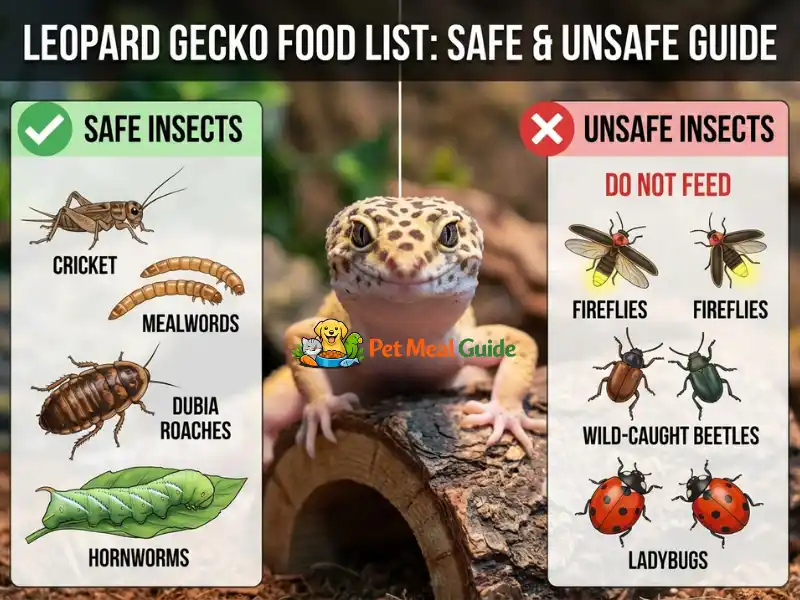
Leopard Gecko Food List
Leopard Gecko Food List (Quick Safe Feeding Guide)
Leopard geckos are obligate insectivores, meaning they require a strict diet of live, gut-loaded insects to survive. They cannot digest fruits, vegetables, or plant matter. A proper leopard gecko diet guide relies on a rotation of healthy staple feeders and occasional treat insects.
- Safe Staple Insects: Crickets, Dubia Roaches, Mealworms, Silkworms, and Black Soldier Fly Larvae (Nutrigrubs).
- Safe Treat Insects (Feed Sparingly): Waxworms, Hornworms, Superworms, and Butterworms.
- Foods to strictly AVOID: Wild-caught insects, fireflies, lightning bugs, large beetles, citrus fruits, and all vegetables.
Feeding Frequency Tip: Hatchlings and babies must be fed daily, juveniles every other day, and adult leopard geckos only 2 to 3 times a week to prevent severe obesity and fatty liver disease.
Mastering the Leopard Gecko Diet Guide
When asking what do leopard geckos eat, the answer lies in their harsh, arid natural habitats of Afghanistan, Pakistan, and parts of India. In the wild, leopard geckos are opportunistic crepuscular hunters. They emerge at dusk and dawn to hunt a wide variety of desert-dwelling insects, scorpions, and spiders. Their entire biological makeup is designed to extract moisture and nutrients from the bodies of other invertebrates.
In captivity, replicating this complex nutritional intake is the cornerstone of responsible reptile husbandry. A complete leopard gecko safe food list is not just about choosing one bug and sticking to it. One of the most common beginner feeding mistakes is relying solely on a single insect—like crickets—for the gecko's entire lifespan. This lack of diet variety leads to critical vitamin deficiencies, stunted growth, and a weakened immune system.
Furthermore, feeding your leopard gecko is a two-step process. Before an insect can benefit your pet, you must understand the vital importance of gut loading insects. A cricket purchased straight from a pet store is essentially an empty, chitinous shell. You must feed the insects a highly nutritious diet of fresh vegetables 24 to 48 hours before feeding them to your gecko, effectively turning the insect into a healthy nutritional capsule.
Essential Leopard Gecko Feeding Supplies
To safely execute this leopard gecko feeding guide, you need the proper tools. Proper supplementation and handling equipment are required to prevent Metabolic Bone Disease (MBD) and accidental feeding bites.
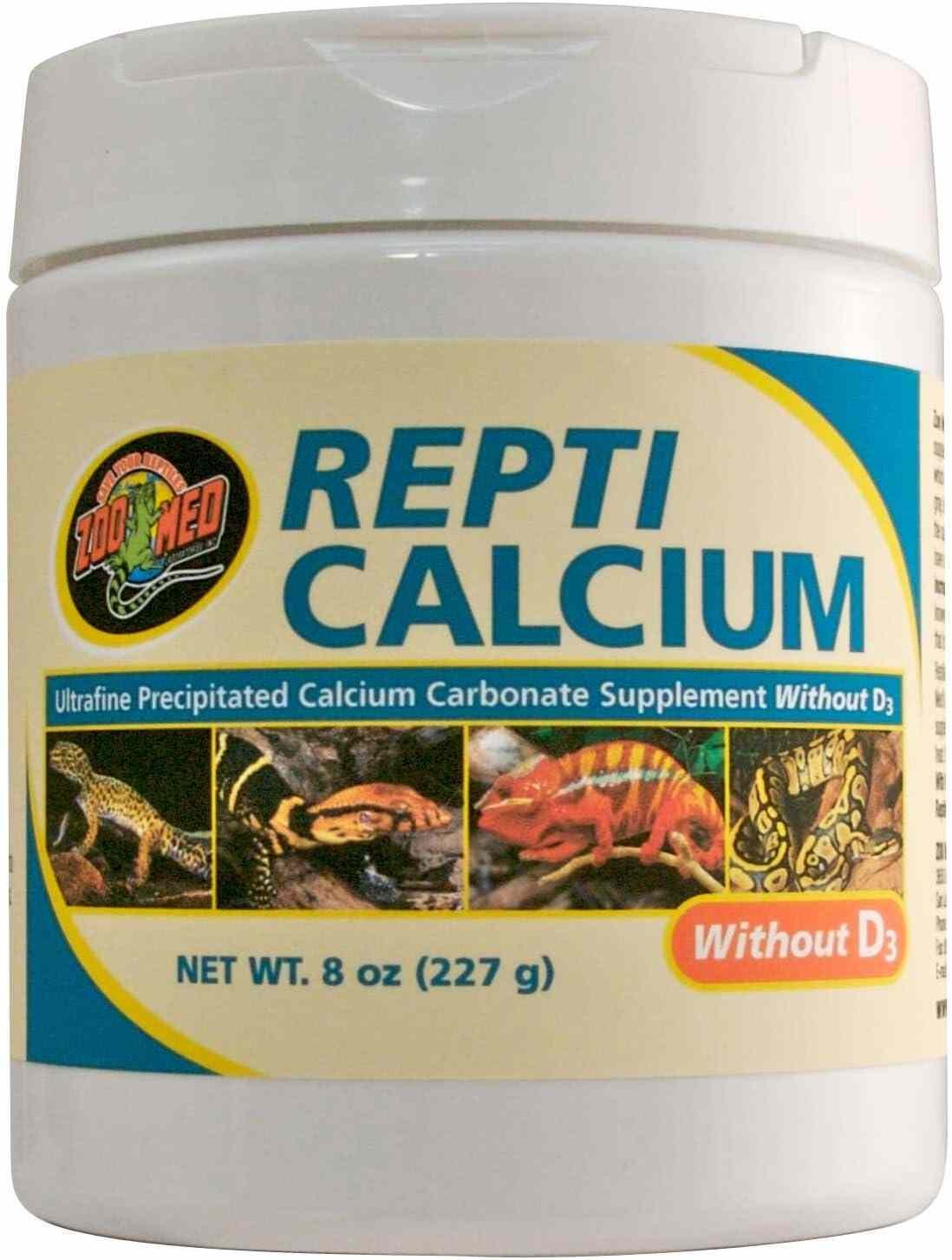
Zoo Med Repti Calcium with D3
Essential ultrafine calcium powder with added Vitamin D3. Required for dusting insects to ensure proper bone growth and prevent MBD in indoor reptiles.
Check Price on Amazon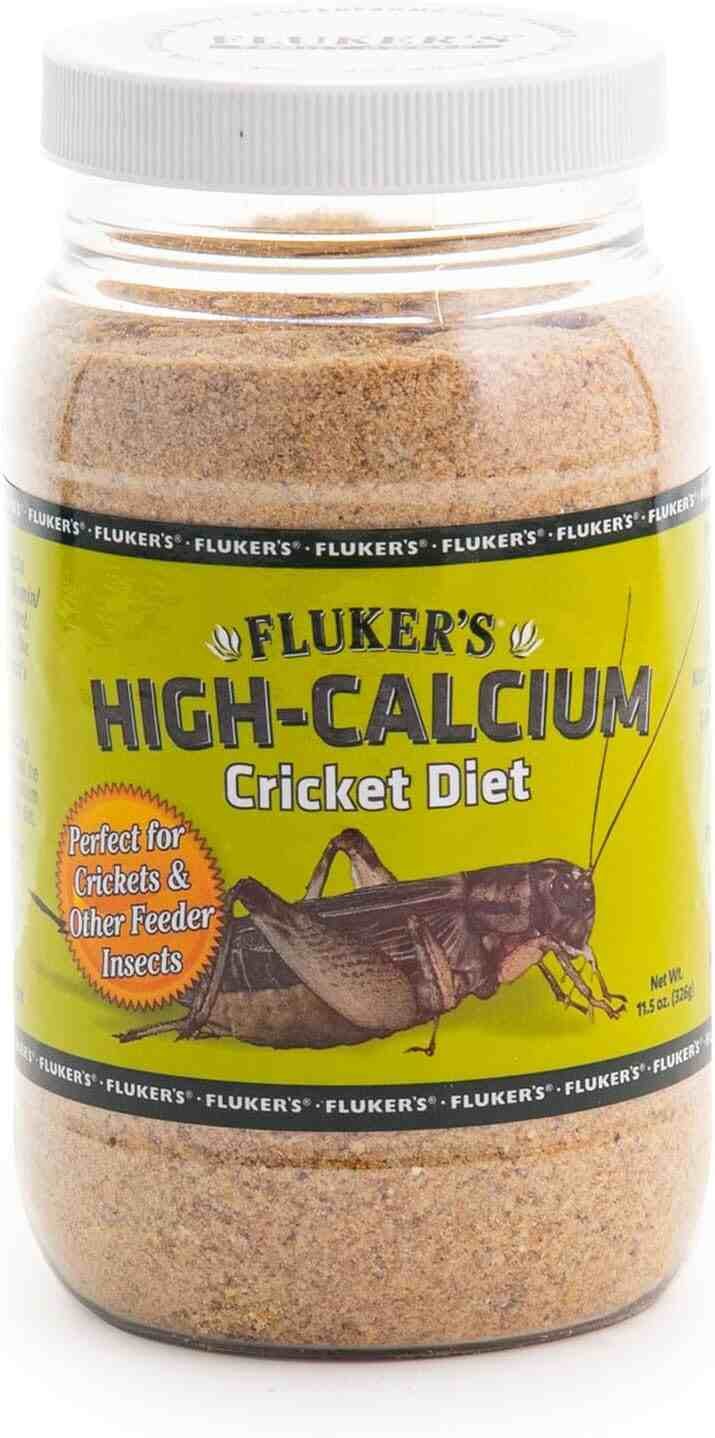
Fluker's Cricket Diet Gut Load
A premium gut-loading formula designed to be fed to your live crickets and roaches 24 hours before feeding them to your leopard gecko for maximum nutrition.
Check Price on Amazon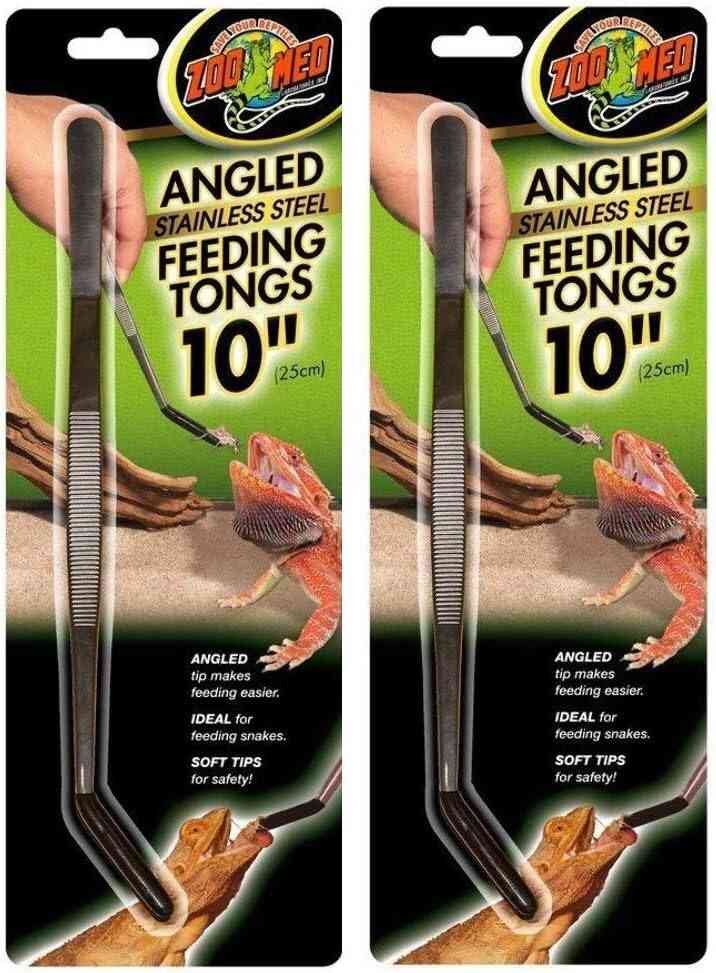
Zoo Med Repti Feeding Tongs
10-inch stainless steel feeding tongs. Perfect for target training, preventing accidental finger bites, and stopping your gecko from eating loose substrate.
Check Price on AmazonSafe Insects for Leopard Geckos (Staple Feeders)
A "staple" insect is one that contains a healthy ratio of protein, moisture, and fat, making it suitable for frequent, everyday feeding. Below is the ultimate leopard gecko insect food list.
1. Crickets (Acheta domesticus)
Crickets are the undisputed backbone of the reptile keeping hobby. They offer an excellent protein-to-fat ratio (around 60% protein to 15% fat by dry weight). More importantly, their erratic jumping behavior provides essential mental and physical enrichment, triggering the leopard gecko's natural hunting instincts.
Feeding Frequency: Can be fed as a primary staple multiple times a week. However, uneaten crickets must be removed from the tank, as they have strong mandibles and will chew on a sleeping gecko's skin and eyes.
2. Dubia Roaches (Blaptica dubia)
For keepers asking can leopard geckos eat dubia roaches? The answer is a resounding yes. In fact, many experts consider dubias superior to crickets. They contain more meat per insect, have softer exoskeletons (less chitin to digest), are completely silent, do not emit foul odors, and cannot climb smooth glass or plastic.
Feeding Frequency: Excellent daily/weekly staple. They are high in protein and easy to gut-load with carrots and sweet potatoes.
3. Mealworms (Tenebrio molitor)
Can leopard geckos eat mealworms? Yes, mealworms are one of the most convenient staple feeders. They can be stored in the refrigerator for weeks to halt their pupation into beetles. They are slightly higher in chitin (the hard outer shell) than crickets, meaning your gecko must have a proper basking temperature (90°F - 95°F) to digest them efficiently.
Feeding Frequency: A reliable staple. Best served in a smooth, escape-proof ceramic feeding dish to prevent them from burrowing into the terrarium substrate.
4. Silkworms (Bombyx mori)
Silkworms are often overlooked but are nutritional powerhouses. They contain an enzyme called serrapeptase, which has mild anti-inflammatory properties and aids in calcium absorption. They are extremely soft-bodied, making them perfect for sick, juvenile, or elderly geckos.
Feeding Frequency: Great staple, though they can be expensive and difficult to keep alive, as they require a strict diet of mulberry leaves or specialized commercial silkworm chow.
Treat Insects (Feed Sparingly)
Just like humans shouldn't eat cake for every meal, leopard geckos cannot survive on fatty insects. The following bugs should be considered "reptile junk food" and fed only as occasional treats or to help a malnourished, rescued gecko gain weight.
1. Waxworms
Waxworms are the ultimate high-fat treat. They are incredibly soft, highly palatable, and geckos absolutely love them. However, feeding too many waxworms leads directly to obesity and hepatic lipidosis (fatty liver disease). Furthermore, geckos are known to become "addicted" to waxworms, going on feeding strikes and stubbornly refusing healthier staple bugs until they get more waxworms.
Treat Rule: Feed no more than 1 to 2 waxworms per week to a healthy adult leopard gecko.
2. Superworms (Zophobas morio)
Superworms are much larger and have a harder exoskeleton than mealworms. Due to their size, they should only be fed to fully mature adult leopard geckos to avoid impaction. They also have strong jaws and can give a painful nip, so many keepers lightly crush the superworm's head with feeding tongs before offering it.
3. Hornworms (Manduca sexta)
Hornworms are bright green, soft-bodied caterpillars. They grow astonishingly fast, so you must feed them to your gecko while they are still small (remembering the "space between the eyes" sizing rule). They are over 85% water, making them the absolute best insect for hydrating a gecko that refuses to drink from a water bowl.
Dangerous or Toxic Foods for Leopard Geckos
Knowing what insects can leopard geckos eat is only half the battle. You must know what will actively harm them. Leopard geckos are obligate insectivores; their internal biology lacks a functioning cecum, meaning they produce zero enzymes to digest plant cellulose.
| Food Item | Reason to Avoid / Toxicity Risk |
|---|---|
| Fireflies & Lightning Bugs | LETHAL. Contain lucibufagins, a highly toxic defensive steroid. A single firefly can kill a leopard gecko within hours. There is no cure. |
| Wild-Caught Insects | Bugs from your yard carry deadly agricultural pesticides, herbicides, and a massive load of internal parasites (pinworms, tapeworms). |
| Fruits and Vegetables | Geckos cannot digest plant matter. Feeding them fruit or greens causes severe diarrhea, dehydration, and potentially fatal gastrointestinal impaction. |
| Large Beetles | The adult stage of mealworms and superworms (darkling beetles) have an incredibly hard, indigestible chitin shell and secrete a foul-tasting defensive liquid. |
| Spiders, Bees, Wasps | Venomous insects will sting or bite your gecko's mouth, throat, or eyes, causing severe allergic reactions, swelling, and death. |
Leopard Gecko Feeding Chart by Age
Portion control is critical. A hatchling's metabolism is geared for explosive growth, while an adult's metabolism is geared for fat storage. Use this leopard gecko food chart as a baseline for your feeding schedule.
| Gecko Age | Insect Type & Size | Quantity per Meal | Feeding Frequency |
|---|---|---|---|
| Hatchlings (0 - 2 months) |
Small Crickets (1/4"), Small Mealworms | 5 to 7 insects | Daily |
| Juveniles (2 - 6 months) |
Medium Crickets (3/8"), Small Dubias | 4 to 8 insects | Daily |
| Sub-Adults (6 - 12 months) |
Large Crickets (1/2"), Dubias, Mealworms | 5 to 8 insects | Every Other Day |
| Adults (12+ months) |
Adult Crickets (3/4"), Dubias, Superworms | 6 to 10 insects | 2 to 3 Times a Week |
Deep Dive: Leopard Gecko Nutrition
To truly master your pet's dietary needs, it is highly recommended to explore our expanded care modules. Establishing the insects is step one, but calculating the exact timing and volume is step two.
- For a day-by-day breakdown of feeding routines, visit our Complete Leopard Gecko Feeding Schedule].
- To compare the exact nutritional protein and fat percentages of different feeders, read our guide on the Best Insects for Leopard Geckos.
- Struggling with portion control? Use our calculator guide on How Many Crickets to Feed a Leopard Gecko].
Pro Feeding Tips for a Healthy Leopard Gecko
Veteran herpetoculturists employ several specific techniques to ensure maximum nutritional uptake and zero feeding-related injuries.
Never feed your leopard gecko an insect that is longer or wider than the physical space between the gecko's eyes. The width of their eyes directly correlates to the width of their throat and digestive tract. Feeding an oversized dubia roach or cricket causes choking, regurgitation, and impaction.
Insects have a poor Calcium-to-Phosphorus ratio. You must "dust" your insects with calcium powder before feeding. For adults eating 3 times a week: Dust with Calcium + D3 for one feeding, plain Calcium (No D3) for the second feeding, and a Reptile Multivitamin for the third. Always leave a small bottle cap of plain calcium inside the tank for them to lick!
Buy your insects, place them in a "cricket keeper" or plastic tub, and feed them dark leafy greens (collard greens, mustard greens), carrots, and sweet potatoes. Let the insects gorge on this healthy food for 24 hours. When the gecko eats the insect, it absorbs the vitamins from the veggies inside the insect's stomach.
Leopard geckos sleep during the day. If you leave hungry crickets in the terrarium, the crickets will become predatory. They will actively chew on the gecko's soft tail, toes, and eyelids, causing horrific scarring and bacterial infections. If a bug is not eaten within 15 minutes, remove it with your feeding tongs.
Veterinary & Research Sources
This leopard gecko feeding list for beginners was compiled using peer-reviewed veterinary data and established herpetoculture practices. For further authoritative reading on reptile nutrition and welfare, please consult the following organizations:
- Association of Reptile and Amphibian Veterinarians (ARAV) - Global standards for exotic veterinary medicine.
- RSPCA Reptile Care Guide - Expert animal welfare guidelines for captive reptile husbandry.
Leopard Gecko Feeding Guide for Beginners (Video)
For a visual demonstration of how to properly gut-load, dust, and tong-feed your leopard gecko, watch this comprehensive YouTube masterclass.
Frequently Asked Questions (High Demand)
We’ve compiled the most heavily searched questions regarding leopard gecko diets to ensure you have every piece of information needed to raise a healthy reptile.
The absolute best staple foods for a leopard gecko are live, properly gut-loaded crickets, dubia roaches, and mealworms. These three insects offer the safest balance of protein, moisture, and digestible chitin, especially when paired with a strict calcium dusting schedule.
If you have a growing baby or juvenile gecko (under 6 months old), feeding them appropriately sized mealworms every day is acceptable. However, adult geckos should not eat every day. It is highly recommended to rotate mealworms with crickets or roaches to prevent dietary boredom and ensure a wider spectrum of nutrients.
From a nutritional and keeper standpoint, yes. Dubia roaches have a higher protein content and a softer exoskeleton than adult crickets. For the keeper, dubias are vastly superior because they do not chirp, they do not smell, they live for a very long time, and they cannot climb smooth glass to escape.
Absolutely not. Leopard geckos are obligate insectivores. Their digestive tracts are entirely incapable of processing plant cellulose, fruit sugars, or vegetables. Feeding fruit to your gecko will result in severe diarrhea, dehydration, and potential gut impaction. They get all the vitamins they need from the vegetables digesting inside the stomachs of the insects they eat (gut-loading).
Feeding frequency is entirely dependent on age. Hatchlings (0-2 months) and juveniles (2-6 months) should eat every single day. Sub-adults (6-12 months) should eat every other day. Fully mature adult leopard geckos (1+ years) should be fed 2 to 3 times a week. Overfeeding adults is the leading cause of premature death in captivity.
It will likely die. Fireflies, lightning bugs, and any other bioluminescent insects contain a defensive steroid toxin called lucibufagins. This toxin is notoriously lethal to lizards, frogs, and birds. There is no veterinary cure for this toxicity. Never feed wild bugs to your pet.
Leopard geckos rely heavily on visual movement to trigger their hunting instinct. A dead, freeze-dried, or canned insect will usually be ignored. Additionally, dead insects rapidly lose their internal moisture content, which is a vital source of hydration for desert-dwelling reptiles. Always stick to live, healthy feeders.
Waxworms are extremely high in fat and should be treated as occasional treats. For a healthy adult gecko, feed no more than 1 or 2 waxworms per week. If you overfeed them, your gecko may become "addicted" and go on a feeding strike, refusing all other healthy insects until they are offered more waxworms.