
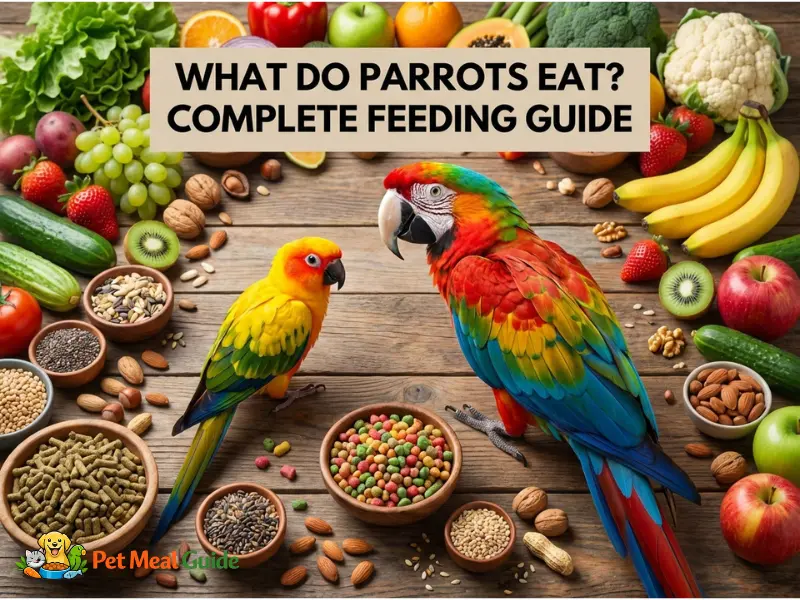
Parrots need a balanced diet made of high-quality pellets, fresh vegetables, fruits, healthy seeds, and clean water. Most veterinarians recommend pellets as the main food source because they provide balanced nutrition.
Healthy parrot diet basics:
- 60–70% high-quality pellet food
- 20–25% fresh vegetables
- 5–10% fruits
- Small amounts of seeds and nuts
- Fresh water daily
A varied diet supports strong immunity, feather health, digestion, and long lifespan.
What Do Parrots Eat?
Parrots are omnivorous birds that naturally eat a variety of foods in the wild including seeds, fruits, nuts, flowers, and vegetation.
Pet parrots should eat a diet designed to replicate this diversity while ensuring proper nutrient balance.
Natural Foods Parrots Eat in the Wild
Wild parrots commonly eat:
- Seeds and grains
- Fruits
- Nuts
- Leafy vegetation
- Flowers and buds
- Occasionally insects
However, wild diets vary by species and region. That’s why domestic parrots benefit from balanced pellet diets recommended by avian veterinarians.
Check This Guide:
Complete baby parrot feeding guide
What Is the Best Diet for Pet Parrots?
Providing the correct diet is one of the most important responsibilities of a parrot owner. Many health problems in captive birds are directly linked to poor nutrition, including obesity, vitamin deficiencies, liver disease, weak immune function, and feather disorders.
According to avian veterinary organizations such as the Association of Avian Veterinarians and bird nutrition guidance published by VCA Animal Hospitals, the best diet for pet parrots is not based on a single food. Instead, it should include a balanced combination of commercial pellets, fresh vegetables, fruits, and limited seeds or nuts.
Wild parrots eat a highly varied diet consisting of seeds, fruits, flowers, plant buds, grains, and insects depending on their natural habitat. Captive parrots require a similar variety to meet their nutritional needs, but with controlled portions to prevent obesity and nutrient imbalance.
A well-balanced diet improves:
- feather quality and color
- immune system strength
- digestive health
- lifespan and reproductive health
- overall energy and behavior
Birds fed a balanced diet tend to be more active, maintain healthy body weight, and show fewer signs of nutritional disease.
Ideal Parrot Diet Ratio
Veterinary nutrition guidelines recommend the following distribution of foods for most companion parrots.
| Food Type | Recommended Portion |
|---|---|
| Pellets | 60–70% |
| Vegetables | 20–25% |
| Fruits | 5–10% |
| Seeds/Nuts | 5% |
This ratio ensures parrots receive a complete nutrient profile without consuming excessive fats or sugars.
Pellets form the base of the diet because they are formulated to provide balanced levels of protein, vitamins, minerals, and amino acids. Vegetables supply fiber and antioxidants, while fruits add hydration and natural vitamins. Seeds and nuts should be used sparingly because they are very high in fat.
If seeds make up the majority of a parrot’s diet, the bird may develop nutritional deficiencies such as vitamin A deficiency, which is one of the most common diet-related illnesses seen in pet birds.
Pellets Provide Balanced Nutrition
Pellets are formulated foods designed specifically for companion birds. Unlike seed mixes, pellets contain a uniform nutrient composition in every bite, preventing parrots from selectively eating only their favorite foods.
Pellets typically contain:
- plant proteins
- grains and legumes
- vitamins such as A, D3, and E
- trace minerals including calcium and zinc
- essential amino acids
Because parrots cannot easily pick out individual ingredients from pellets, they consume a more balanced diet overall.
Avian veterinarians often recommend transitioning birds from seed-based diets to pellet-based diets gradually to avoid stress or refusal to eat.
Recommended Parrot Pellet Brands (USA)
Several commercial pellet brands are commonly recommended by veterinarians and bird nutrition specialists in the United States because they follow strict quality and nutrition standards.
Harrison’s Bird Foods
This brand produces certified organic bird diets and is widely used by avian veterinarians. Their pellets are free from artificial colors, preservatives, and chemical additives.
Roudybush Daily Maintenance
Roudybush diets are formulated with scientifically balanced nutrition and are commonly used in bird rehabilitation centers and veterinary clinics.
ZuPreem Natural Bird Food
ZuPreem pellets include natural ingredients such as grains and vegetables and are widely available in pet stores across the United States.
Kaytee Exact Rainbow Pellets
Kaytee Exact formulas are designed to provide complete daily nutrition for parrots and are commonly used for many companion bird species.
These foods are widely recommended by avian veterinarians because they provide consistent nutrient profiles and help prevent deficiencies seen in seed-only diets.
The 6 Components of a Healthy Parrot Diet
A healthy parrot meal plan should include six important nutritional elements that mimic the diversity of foods parrots consume in nature.
Each component contributes unique nutrients that support long-term health and natural feeding behavior.
1. Pellets
Pellets are considered the foundation of a parrot’s diet because they provide balanced nutrition in a controlled form.
Unlike seed mixes, pellets are designed so that every piece contains identical nutrients. This prevents parrots from eating only high-fat seeds and ignoring healthier ingredients.
Benefits of Pellets
Balanced vitamins and minerals
Pellets include carefully measured nutrients such as vitamin A, calcium, and essential amino acids.
Prevent selective eating
Parrots often pick their favorite foods from mixed diets. Pellets eliminate this problem.
Improve long-term health
Birds fed pellet-based diets are less likely to develop vitamin deficiencies, obesity, or fatty liver disease.
Most veterinarians recommend pellets make up approximately 60–70% of a parrot’s total daily food intake.
2. Fresh Vegetables
Fresh vegetables are one of the most important natural foods for parrots because they supply vitamins, minerals, antioxidants, and fiber.
Vegetables also provide enrichment by adding different colors, textures, and flavors to the bird’s daily diet.
Best vegetables for parrots
Carrots
Kale
Spinach
Sweet potatoes
Bell peppers
Broccoli
Leafy greens are particularly valuable because they contain high levels of vitamin A and calcium, which support feather health, vision, and immune function.
Vegetables can be served chopped, shredded, or lightly steamed. However, they should not be cooked with salt, oil, or seasoning.
3. Fruits
Fruits provide natural sugars, hydration, and vitamins, but they should be offered in moderation.
Many fruits contain higher sugar levels compared with vegetables, which can contribute to weight gain if fed in large amounts.
Safe fruits for parrots
Apples (without seeds)
Berries
Mango
Papaya
Bananas
Grapes
Fruits should be washed thoroughly and cut into small pieces to prevent choking hazards.
Because fruits contain natural sugars, they should typically represent only about 5–10% of a parrot’s daily diet.
4. Healthy Seeds
Seeds are naturally attractive to parrots because they are high in fat and energy. However, feeding large amounts of seeds can cause obesity and nutrient deficiencies.
In the wild, parrots burn significant energy flying and foraging, which helps them process high-fat foods. Pet birds often have lower activity levels, so seed consumption must be limited.
Safe seeds
Sunflower seeds (limited)
Pumpkin seeds
Millet
Seeds are best used as occasional treats, training rewards, or enrichment foods rather than the main component of the diet.
5. Nuts
Nuts are another energy-dense food that parrots enjoy. They contain healthy fats and protein but should be offered in small quantities.
Examples
Almonds
Walnuts
Pistachios
Always offer unsalted varieties because excessive sodium can harm birds. Nuts also stimulate natural foraging behavior when provided inside puzzle toys or food enrichment devices.
6. Fresh Water
Parrots must always have access to clean, fresh water.
Water plays a critical role in digestion, temperature regulation, and metabolic processes. Even mild dehydration can negatively affect a bird’s health.
Important water care tips
Change water daily
Wash bowls regularly
Avoid contaminated water sources
Water bowls should be cleaned with bird-safe soap to prevent bacterial growth.
What Can Parrots Eat and Not Eat?
Understanding safe foods and toxic foods is essential for responsible parrot ownership. Birds have highly sensitive digestive systems, and certain foods that are safe for humans can be dangerous for parrots.
Safe Foods for Parrots
Parrots can safely eat a variety of grains, legumes, and vegetables that provide nutritional diversity.
Common safe foods include:
Cooked brown rice
Quinoa
Oats
Lentils
Chickpeas
Sweet potatoes
Leafy greens
These foods provide plant protein, complex carbohydrates, and essential nutrients that support overall health.
Cooked grains and legumes should always be served plain without salt, butter, or seasoning.
Toxic Foods for Parrots
Some foods are extremely dangerous for parrots and should never be offered.
Never feed parrots
Avocado
Chocolate
Caffeine
Alcohol
Onion
Garlic
Apple seeds
Fruit pits
Avocado contains persin, a toxin that can cause severe heart damage in birds. Chocolate and caffeine affect the nervous system and may cause seizures or death.
Apple seeds and fruit pits contain cyanogenic compounds that release cyanide when consumed.
Bird owners should carefully check ingredients before offering any human foods to parrots.
The Best Bird Food for Your Parrot
Choosing quality commercial bird food ensures parrots receive balanced daily nutrition.
Veterinary organizations often recommend pellet formulas developed specifically for parrot species.
Top Parrot Food Options in the USA
Recommended by bird experts:
Harrison’s Bird Foods Adult Lifetime Fine
ZuPreem Natural Bird Food
Roudybush Daily Maintenance
Kaytee Exact Parrot Food
These foods meet nutrition standards recommended by avian veterinarians and are widely available in pet stores across the United States.
Parrot Nutrition Guide
Proper nutrition influences nearly every aspect of a parrot’s health.
A balanced diet directly affects:
feather quality
immune system function
lifespan
reproductive health
daily energy levels
Birds that receive proper nutrition are less likely to develop common illnesses such as fatty liver disease, vitamin deficiencies, and metabolic disorders.
Veterinary research indicates that poor nutrition remains one of the leading causes of disease in captive parrots.
Signs of Nutritional Problems
Bird owners should watch for early signs that may indicate diet-related health issues.
Common symptoms include:
feather loss
poor feather color
lethargy
weight loss
brittle beak or nails
These symptoms may indicate vitamin deficiencies, mineral imbalances, or poor overall diet quality.
If these signs appear, a qualified avian veterinarian should evaluate the bird and review its diet.
Parrot Feeding Guide
Feeding schedules vary depending on species, age, and activity level. However, most parrots benefit from consistent daily feeding routines.
Providing meals at regular times also supports natural foraging behavior and reduces boredom.
General Feeding Schedule
Morning
Fresh vegetables
Pellets
Afternoon
Pellets or grains
Evening
Small fruit portion
Occasional seeds
Fresh foods should not remain in the cage for extended periods because they can spoil and develop harmful bacteria.
Remove uneaten fresh foods after several hours.
How Often Should You Feed Parrots?
Most parrots should be fed twice per day, although pellets may remain available throughout the day for some species.
Typical feeding pattern:
Morning meal
Evening meal
Birds also enjoy small snacks such as fresh vegetables during the day, especially when used as training rewards or enrichment foods.
How Much Should Parrots Eat?
Food intake varies significantly depending on the size and species of the parrot.
Examples:
| Parrot Size | Daily Food |
|---|---|
| Small parrots (budgies) | 1–2 tablespoons |
| Medium parrots (cockatiels, conures) | 2–3 tablespoons |
| Large parrots (African grey, macaw) | 1/4 – 1/2 cup |
Monitoring body weight regularly helps ensure the bird receives appropriate food portions.
Sudden weight gain or loss may indicate dietary imbalance or health issues.
What to Feed Parrots at Home
Many healthy household foods can be safely included in a parrot’s diet.
Healthy homemade parrot foods include:
steamed vegetables
cooked beans
quinoa
brown rice
chopped fruits
These foods add variety and provide additional nutrients that support overall health.
However, they must always be served plain without salt, sugar, butter, or cooking oils.
What to Feed Baby Parrots
Baby parrots require specialized feeding methods that differ significantly from adult birds.
Young chicks cannot digest solid foods and must be fed warm formula using syringes or feeding spoons. The feeding temperature must be carefully controlled to avoid crop burns or digestive problems.
Improper feeding techniques can lead to serious health issues including aspiration pneumonia or malnutrition.
Check This Guide:
Complete baby parrot feeding guide
This topic requires a detailed guide covering formula types, feeding frequency, temperature control, and proper feeding equipment.
The Best Parrot Diet (and Toxic Foods to Avoid)
The safest long-term diet for parrots combines multiple food categories in balanced proportions.
A healthy diet typically includes:
high quality pellets
fresh vegetables
small fruit portions
limited seeds and nuts
Foods that should always be avoided include products containing:
caffeine
high salt
artificial sweeteners
processed sugars
Balanced feeding practices help parrots maintain healthy body weight, strong immunity, and long lifespans.
What’s Your Parrot’s Daily Diet?
A sample daily meal plan for a medium parrot may look like this:
Morning
Pellets
Kale or carrots
Afternoon
Cooked grains or vegetables
Evening
Small fruit snack
A few seeds or nuts
This combination provides balanced nutrition while also encouraging natural foraging and feeding behavior.
Frequently Asked Questions About Parrot Feeding
What do parrots eat daily?
Parrots should eat a balanced diet that includes pellets, fresh vegetables, fruits, and small amounts of seeds or nuts.
Daily parrot diet usually includes:
- 60–70% high-quality pellets
- 20–25% fresh vegetables
- 5–10% fruits
- Small portions of seeds or nuts
- Fresh water available all day
Pellets and vegetables should make up the majority of a parrot’s diet.
How many times a day should you feed a parrot?
Most parrots should be fed twice per day, typically once in the morning and once in the evening.
Typical feeding schedule:
- Morning: pellets and vegetables
- Afternoon: vegetables or grains
- Evening: small fruit portion or treats
Always remove uneaten fresh food after a few hours.
What fruits can parrots eat?
Parrots can safely eat many fruits in small portions.
Safe fruits include:
- Apples (without seeds)
- Bananas
- Mango
- Papaya
- Blueberries
- Strawberries
- Grapes
Fruit should be given in moderation because it contains natural sugars.
What foods are toxic to parrots?
Some human foods are dangerous for parrots and should never be given.
Toxic foods include:
- Avocado
- Chocolate
- Caffeine
- Alcohol
- Onion and garlic
- Apple seeds and fruit pits
If a parrot eats any toxic food, contact a veterinarian immediately.
Can parrots eat vegetables every day?
Yes, vegetables should be part of a parrot’s daily diet because they provide vitamins, minerals, and fiber.
Healthy vegetables for parrots include:
- Carrots
- Broccoli
- Kale
- Spinach
- Bell peppers
- Sweet potatoes
Vegetables are one of the most important parts of a healthy parrot diet.
Helpful Veterinary and Bird Care Resources
Authoritative sources used by bird experts.
Veterinary Resources
Association of Avian Veterinarians
https://www.aav.org
American Veterinary Medical Association
https://www.avma.org
ASPCA Animal Poison Control
https://www.aspca.org/pet-care/animal-poison-control
Educational PDF Guides
Parrot Nutrition Guide PDF (UC Davis Veterinary Medicine)
Parrot Diet Guide PDF (Lafeber Vet)
Educational YouTube Resources
Trusted avian veterinary channels.
Parrot Diet Explained by Avian Vet
Healthy Diet for Parrots (BirdTricks)
Final Parrot Feeding Tips
To keep parrots healthy:
- Provide a varied diet
- Prioritize pellets and vegetables
- Avoid toxic foods
- Maintain fresh water daily
- Consult an avian vet regularly
A proper feeding routine supports strong immunity, healthy feathers, and long life.