
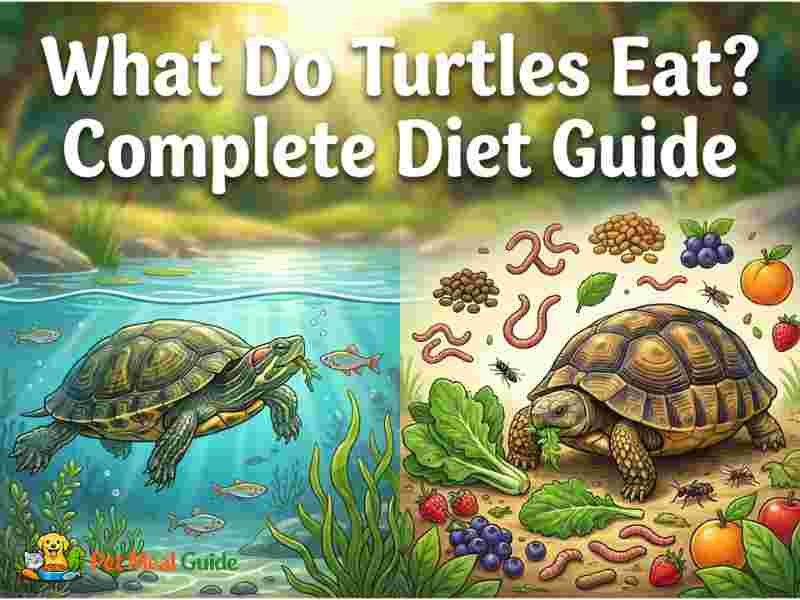
What Turtles Eat?
Understanding exactly what turtles eat is the single most critical aspect of keeping these fascinating reptiles healthy and thriving. Unlike many household pets that can survive on a uniform daily kibble, turtles are highly complex omnivores that require a diverse, meticulously balanced diet. Whether you are observing a wild pond slider or preparing a meal for your new pet painted turtle, providing the right mix of proteins, leafy greens, aquatic plants, and essential vitamins is a non-negotiable requirement for their survival.
A proper turtle diet directly influences their shell development, organ function, and overall lifespan—which can easily exceed 30 to 50 years in captivity. Conversely, a poor diet is the leading cause of premature death and painful deformities in captive reptiles. In this comprehensive, veterinarian-backed turtle feeding guide, we will break down the precise nutritional ratios needed for different life stages, explore the ultimate turtle food list, and identify the dangerous foods you must avoid at all costs.
What Do Turtles Eat Daily? (Quick Answer)
Turtles are omnivorous reptiles that eat a mix of plant foods and animal protein depending on their exact species and age. Most aquatic turtles eat a daily diet of insects, fish, worms, leafy greens, aquatic plants, and commercial turtle pellets.
A typical healthy turtle diet includes:
- Leafy green vegetables (romaine, collard greens, dandelion leaves)
- Aquatic plants (duckweed, water hyacinth)
- Insects and worms (crickets, mealworms, earthworms)
- Small fish or shrimp
- High-quality commercial turtle pellets formulated for reptiles
Young turtles usually eat a diet heavily composed of protein (about 70%) to support their rapid growth, while adult turtles gradually shift to eating more vegetables and plant matter (about 50–70% of their diet).
According to veterinary reptile specialists, you should feed your turtle a balanced rotation of these foods along with proper calcium supplementation to prevent metabolic bone disease. Reliable reptile care guidelines from the Association of Reptile and Amphibian Veterinarians and the Royal Society for the Prevention of Cruelty to Animals emphasize that variety is the key to a long, healthy life for your shelled companion.
Explore more of our comprehensive reptile care articles: Complete Aquatic Turtle Tank Setup | Signs of Illness in Pet Turtles
Best Turtle Food Products (Recommended by Reptile Keepers)
When asking what to feed turtles, high-quality commercial products should form a strong foundation of their diet. While fresh foods are mandatory, commercial pellets and supplements ensure that crucial vitamins and minerals are not missed. Here are the top-rated products trusted by herpetologists and casual keepers alike:
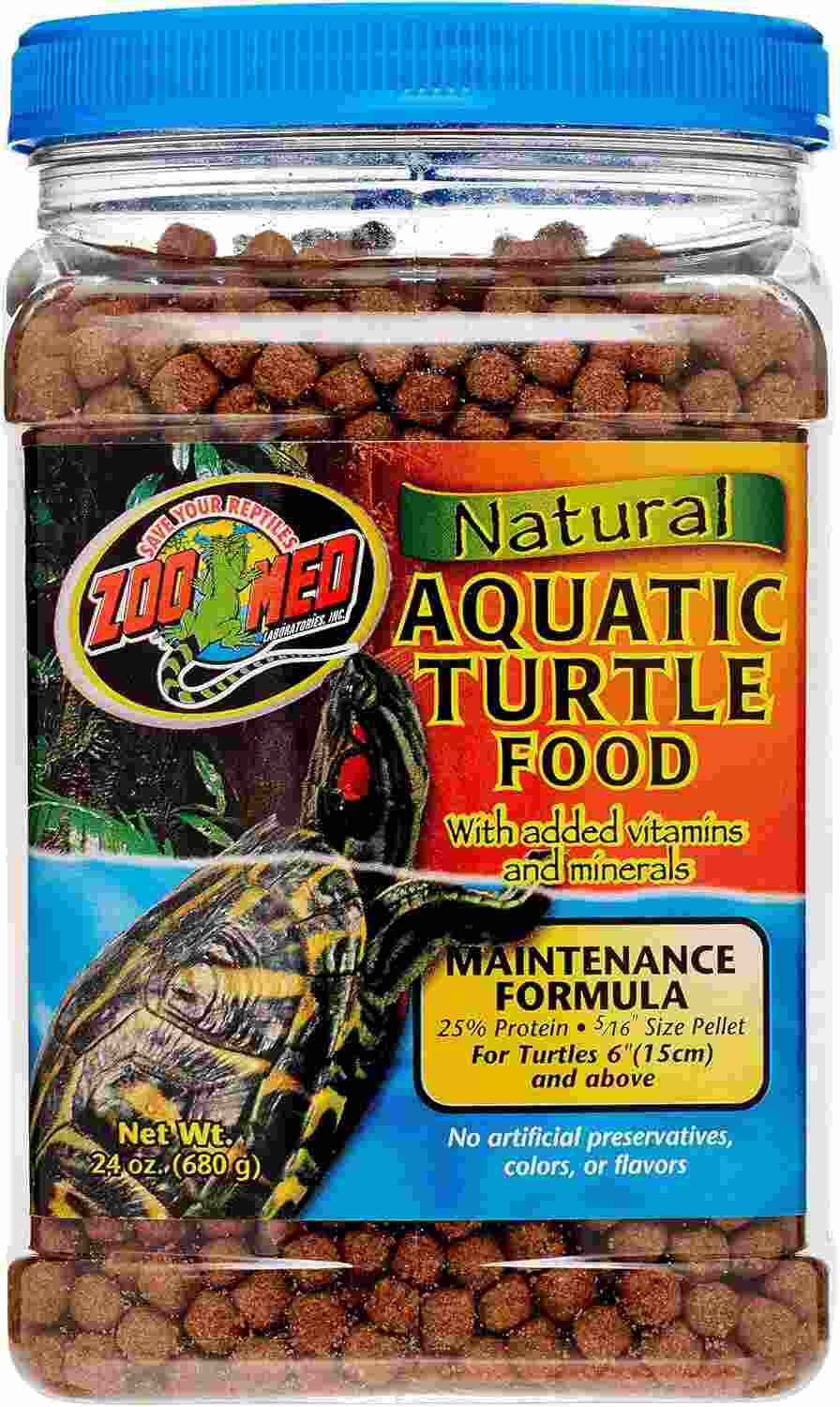
Zoo Med Natural Aquatic Turtle Food
A premium, high-protein floating pellet formula specifically designed for aquatic turtles. It includes the exact ratios of vitamins, calcium, and nutrients required for steady shell growth and immune support.
Check Price on Amazon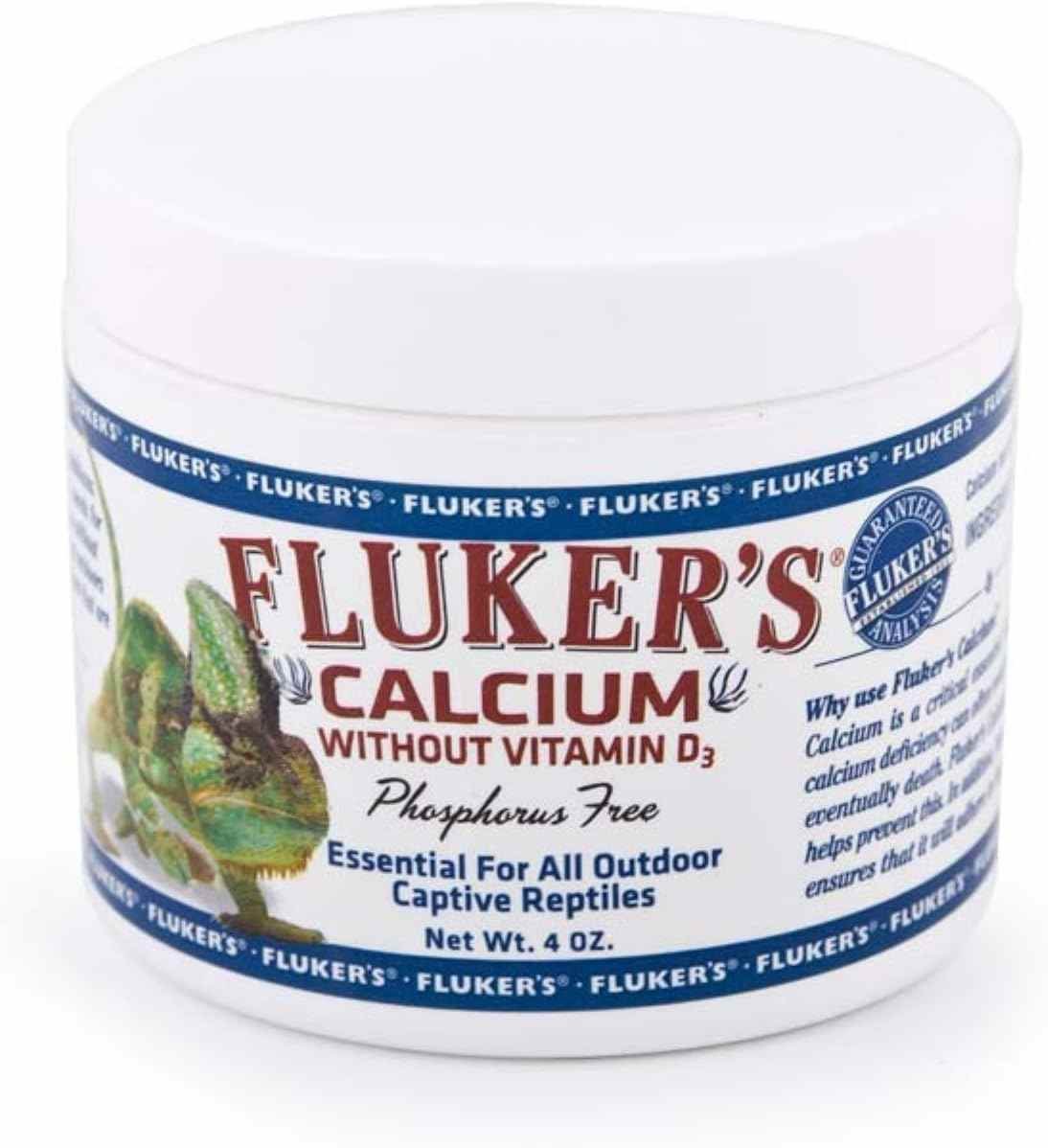
Fluker’s Reptile Calcium Supplement
An essential ultra-fine calcium powder. Since indoor turtles often lack access to unfiltered sunlight, dusting their live food with this calcium supplement prevents fatal Metabolic Bone Disease (MBD).
Check Price on Amazon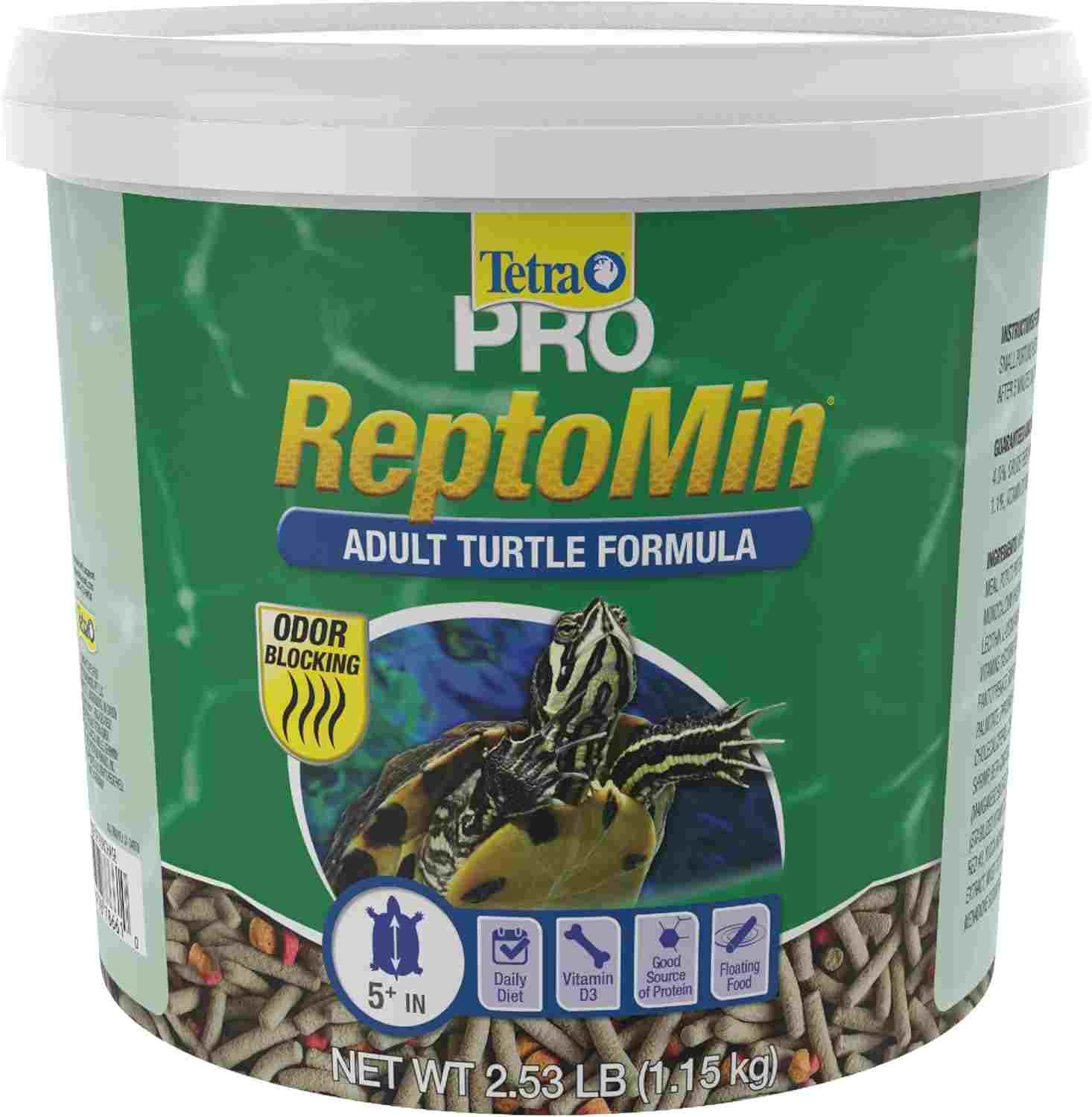
Tetra ReptoMin Turtle Sticks
Highly digestible floating food sticks rich in high-quality proteins, calcium, and Vitamin C. Ideal for daily feeding, these sticks soften quickly in water, making them easy for young and adult turtles to consume.
Check Price on AmazonUnderstanding the Natural Turtle Diet
To truly master your pet turtle feeding schedule, you must first look at how they have evolved to eat over millions of years. Turtles belong to an ancient lineage of reptiles, and their dietary habits are as diverse as the environments they inhabit. The phrase “turtle” is a broad umbrella term; therefore, an aquatic turtle diet will look vastly different from that of a terrestrial box turtle or a true tortoise.
Most common pet turtles, such as Red-Eared Sliders, Painted Turtles, and Map Turtles, are semi-aquatic omnivores. In their natural wetland habitats, they are opportunistic feeders. This means they spend their days foraging for whatever is readily available. They exhibit a fascinating biological trait known as an ontogenetic dietary shift. As hatchlings and juveniles, they are highly carnivorous, actively hunting insects, small fish, and larvae to fuel their rapid skeletal and muscular development. As they reach adulthood, they slow down, become less adept at chasing fast prey, and transition into a predominantly herbivorous diet, grazing on algae and aquatic vegetation.
Expert guidelines published by the Association of Reptile and Amphibian Veterinarians (ARAV) highlight that replicating this omnivorous feeding pattern and accommodating this age-based dietary shift is the most important rule of turtle husbandry.
What Do Turtles Eat in the Wild?
If we look closely at natural wetland ecosystems, wild turtles consume a vast smorgasbord of flora and fauna. They do not have access to manufactured pellets, so they rely entirely on the biodiversity of their ponds, rivers, and lakes.
- Aquatic Plants and Algae: Wild turtles graze heavily on duckweed, water lily pads, anacharis, water hyacinth, and naturally occurring algae. These provide fiber, hydration, and essential phytonutrients.
- Insects and Larvae: Mosquito larvae, water striders, dragonflies, and beetles make up a massive portion of a wild baby turtle food supply.
- Worms and Mollusks: Earthworms that wash into ponds during rainstorms, along with aquatic snails and leeches, are rich sources of protein and calcium (especially the snail shells).
- Small Fish and Amphibians: Minnows, guppies, tadpoles, and occasionally small frogs are actively hunted by more aggressive species like Snapping Turtles and Map Turtles.
- Carrion: Many turtles act as the cleanup crew of their ecosystems, scavenging on dead fish or animals found in the water.
It is important to note that wild turtles have complex, robust immune systems capable of handling the parasites found in wild prey. When keeping pet turtles, you should never feed them wild-caught insects or fish, as these can introduce deadly parasites and pesticides into your aquarium.
Complete Turtle Food List
Creating a varied menu is the secret to a long-lived reptile. Below is a comprehensive, veterinarian-approved turtle food list categorized by nutritional type.
| Food Category | Best Options to Feed | Nutritional Benefit |
|---|---|---|
| Staple Vegetables | Collard greens, Dandelion greens, Turnip greens, Mustard greens, Romaine lettuce. | High in calcium, excellent Ca:P (Calcium to Phosphorus) ratio, vital vitamins. |
| Occasional Veggies | Carrots, Zucchini, Squash, Bell peppers, Sweet potato. | Rich in Vitamin A (prevents eye swelling and respiratory infections). |
| Live Animal Protein | Earthworms, Crickets, Dubia roaches, Mealworms, Bloodworms. | Provides essential amino acids, triggers natural hunting behaviors/enrichment. |
| Aquatic Prey | Ghost shrimp, Guppies, Platies, Mollies, Aquatic snails. | Natural protein sources; snail shells provide natural calcium. |
| Commercial Pellets | Zoo Med, Tetra ReptoMin, Mazuri Aquatic Turtle Diet. | Fortified with D3 and balanced nutrients to fill in dietary gaps. |
| Fruits (Rare Treats) | Apples (no seeds), Strawberries, Blueberries, Melon, Papaya. | High in natural sugars; should make up less than 5% of the total diet. |
Aquatic Turtle Diet Guide
When discussing what can turtles eat, you must tailor the diet to the specific species. While the general rules apply, different species have different physiological needs.
Red-Eared Sliders and Painted Turtles
These are the most common pet turtles in the world. As omnivores, they require a strict balance. For an adult Slider or Painted turtle, you should aim for a diet that is 60% to 70% plant matter and 30% to 40% protein/pellets. These turtles are also strict aquatic feeders; they do not produce saliva, meaning they physically cannot swallow their food unless they are submerged in water.
Musk Turtles and Mud Turtles
Unlike Sliders, Musk and Mud turtles lean heavily toward the carnivorous side of the spectrum. In the wild, they walk along the bottom of the pond hunting for snails, crustaceans, and insects. An adult Musk turtle’s diet should consist of 70% to 80% protein (insects, worms, shrimp, and high-quality pellets) and only 20% to 30% plant matter.
A common method for measuring portion sizes is to feed your turtle an amount of food (specifically pellets or protein) that would roughly fit inside the hollow volume of their head. This prevents overfeeding, which is a massive issue in captive reptiles.
Baby Turtle Feeding Guide
Baby turtle food requirements are vastly different from those of adults. A hatchling is in a race against time to grow its shell hard enough to avoid predators. Therefore, their metabolism is incredibly fast, and their bodies demand high levels of energy.
A baby turtle’s diet should consist of roughly 70% to 80% protein. Because their mouths are so small, you must be careful about the size of the food you offer. Excellent options for hatchlings include:
- Hatchling-formula micro pellets (which are smaller and higher in protein).
- Frozen or freeze-dried bloodworms and blackworms.
- Pinhead crickets and small flightless fruit flies.
- Finely chopped pieces of earthworm.
Even though they prefer meat at this stage, it is crucial to introduce leafy greens immediately. Float a piece of romaine or a duckweed leaf in their tank daily so they get used to the taste of greens for adulthood.
How Often Should You Feed a Turtle?
Creating a consistent turtle feeding schedule is vital for their digestive health and to maintain clean aquarium water. Overfeeding leads to massive spikes in ammonia in the tank, which can cause shell rot and respiratory issues.
- Baby and Hatchling Turtles (Under 6 months): Feed them every single day. Offer them what they can eat within 5 to 10 minutes, and remove the uneaten food to prevent water fouling.
- Juvenile Turtles (6 months to 2 years): Transition to feeding them every other day. You can alternate—feed protein/pellets one day, and offer fresh leafy greens the next.
- Adult Turtles (Over 2 years / fully grown): Adult metabolisms are slow. You should only feed them protein or pellets every 2 to 3 days. However, you can leave tough leafy greens (like a whole leaf of collard green) floating in the tank daily for them to graze on without risk of obesity.
Best Vegetables for Turtles
When exploring the best food for turtles, dark, leafy greens reign supreme. The goal is to provide vegetables that have a high Calcium-to-Phosphorus ratio. Phosphorus naturally binds to calcium and pulls it out of the turtle’s body. If a vegetable has more phosphorus than calcium, it is detrimental to their health.
Top Tier Vegetables: Collard greens, turnip greens, dandelion greens, and mustard greens are nutritional powerhouses. They provide massive amounts of calcium needed for shell density. Romaine lettuce is excellent for hydration, though it lacks the dense nutrients of darker greens.
Vegetables to Avoid: You should entirely avoid Iceberg lettuce (it has zero nutritional value and can cause diarrhea) and Spinach. While spinach is healthy for humans, it contains high levels of oxalates, which actively block the turtle’s ability to absorb calcium, leading to severe bone issues.
Protein Sources for Turtles
Protein is the building block of a turtle’s muscles and organs. However, not all protein is created equal.
Insects and Worms: Earthworms (nightcrawlers) are perhaps the single best natural food you can offer a turtle. They have a perfect nutritional profile and excellent calcium levels. Crickets and Dubia roaches are great for triggering hunting instincts, though they should be “gut-loaded” (fed nutritious foods before being fed to the turtle).
Fish Considerations: Feeder fish can be offered as an occasional treat for enrichment. However, you must be extremely careful about the species. Never feed goldfish or rosy red minnows to your turtle. These fish contain an enzyme called thiaminase, which destroys Vitamin B1 in the turtle’s body, leading to fatal neurological disorders. Instead, use safe fish like guppies, platies, or mosquito fish.
Foods Turtles Should NOT Eat
Knowing what *not* to feed is just as important as knowing what to feed. A turtle’s digestive tract does not produce the same enzymes as a mammal’s.
- Dairy Products (Cheese, Milk): Reptiles do not possess the lactase enzyme. Feeding them dairy causes severe toxemia, painful bloating, and potentially fatal diarrhea.
- Processed Human Foods: Bread, crackers, chips, and cooked meats contain massive amounts of salt, preservatives, and refined carbs that will destroy a turtle’s kidneys.
- Dog or Cat Food: While some older care guides recommended this, modern veterinary science strongly condemns it. Dog/cat food has excessive amounts of mammalian fat, Vitamin D, and protein that causes rapid, deformed shell growth (pyramiding) and liver failure.
- Raw Chicken or Beef: These carry high risks of Salmonella and E. coli, and do not replicate the natural aquatic proteins turtles require.
Calcium and Vitamin Supplements for Turtles
Even with the most varied turtle diet, captive environments have nutritional gaps. Metabolic Bone Disease (MBD) is the most common and tragic ailment seen by exotic veterinarians. It causes the turtle’s shell to become soft, rubbery, and severely deformed due to a lack of calcium and Vitamin D3.
To prevent this, you must supplement their diet. For terrestrial or semi-aquatic turtles, you can use a high-quality reptile calcium powder. However, dusting food with powder is difficult for aquatic turtles since the powder washes off in the water.
The Solution: Provide a Cuttlebone. Cuttlebones (sold in the bird section of pet stores) are pure calcium carbonate. Break off the hard plastic-like backing and drop the soft white bone into the turtle tank. It will float, and the turtle will instinctively bite chunks off of it whenever its body craves calcium.
Note: Dietary calcium is useless without proper UVB lighting. Turtles must have access to a high-quality UVB bulb to synthesize Vitamin D3, which allows their intestines to absorb the calcium they eat.
Turtle Feeding Tips From Reptile Veterinarians
To ensure optimal health and hygiene, consider these professional husbandry tips:
- Feed in a Separate Tub: Aquatic turtles are incredibly messy eaters. They tear their food apart, sending tiny, rotting particles all over the tank. To keep your main aquarium crystal clear and reduce the load on your filter, pull the turtle out, place it in a small plastic tub filled with warm tank water, feed it there, and put it back 15 minutes later.
- Rotate Foods Regularly: Never feed just one brand of pellet or one type of protein. Rotate between Zoo Med pellets, earthworms, and leafy greens to mimic seasonal availability in the wild.
- Hide Veggies in Jello: If your adult turtle is a picky eater and refuses vegetables, you can create “turtle jello shots.” Blend greens, calcium, and unflavored gelatin, let it set in ice cube trays, and drop them in the tank!
Recommended Turtle Feeding Tools
Equipping yourself with the right tools makes the turtle feeding schedule safe and efficient:
- Stainless Steel Feeding Tongs: Essential for offering live insects or worms without risking a painful bite to your fingers.
- Veggie Clips: Suction-cup clips (often used for saltwater fish) are perfect for holding a leaf of romaine lettuce underwater so the turtle can tear pieces off naturally.
- High-Capacity Canister Filters: Because turtles produce a massive amount of dietary waste, you need a filter rated for at least 2 to 3 times the water volume of your tank.
Common Turtle Feeding Mistakes
Avoid these frequent pitfalls made by beginner keepers:
- Feeding Only Pellets: While pellets are good, a 100% pellet diet leads to dehydration and boredom. They need fresh, hydrating greens.
- Overfeeding Protein (Pyramiding): Feeding too many freeze-dried shrimp or mealworms causes the turtle to grow too fast. The scutes of their shell will spike upwards in pyramid shapes. This is irreversible bone damage.
- Ignoring Water Temperature: Turtles are ectothermic (cold-blooded). If your water heater is broken and the water is too cold, the turtle’s metabolism shuts down. They will refuse to eat, and any food currently in their stomach will rot, causing sepsis.
External Veterinary Resources
For more deep-dive medical literature and expert care sheets regarding proper reptile nutrition and husbandry, we highly recommend consulting these vetted, authoritative sources:
- Association of Reptile and Amphibian Veterinarians (ARAV) – Find an Exotic Vet
- RSPCA – Turtle and Tortoise Welfare Advice
- ReptiFiles – Complete Red-Eared Slider Care & Diet Guide
Turtle Feeding Guide Video
If you are a visual learner, watch this excellent breakdown on how to properly set up a feeding schedule, utilize feeding tubs, and correctly portion out your turtle’s meals.
Frequently Asked Questions
In captivity, a pet turtle should eat a carefully managed diet consisting of commercial turtle pellets, dark leafy green vegetables (like collard and dandelion greens), live protein (such as earthworms and crickets), and occasional aquatic plants like duckweed.
Yes, absolutely. Vegetables are critical for adult omnivorous turtles. As turtles age, they transition from a meat-heavy diet to one that requires mostly vegetation. Dark, leafy greens provide the necessary calcium, fiber, and vitamins for proper organ and shell health.
You should feed a pet turtle a varied diet based on its species and age. Generally, offer a high-quality base pellet (like Zoo Med or Tetra), supplement with live earthworms or gut-loaded insects for protein, and provide daily access to calcium-rich greens.
Baby turtles under 6 months old should be fed every single day. Juvenile turtles should be fed every other day. Fully grown adult turtles only need to be fed protein or pellets every 2 to 3 days, though you can offer them leafy greens daily.
Yes, but only in extremely small amounts as a rare treat (no more than once or twice a month). Turtles can safely eat bits of apple (no seeds), strawberries, or melon. However, fruit contains too much sugar and can disrupt the bacteria in their digestive tract if fed too often.
Turtles can eat collard greens, turnip greens, dandelion leaves, and red leaf lettuce daily. You should avoid feeding spinach and iceberg lettuce entirely, as they have poor nutritional profiles and can hinder calcium absorption.