
What to Feed Your Pet Lizard
What Do Pet Lizards Eat?
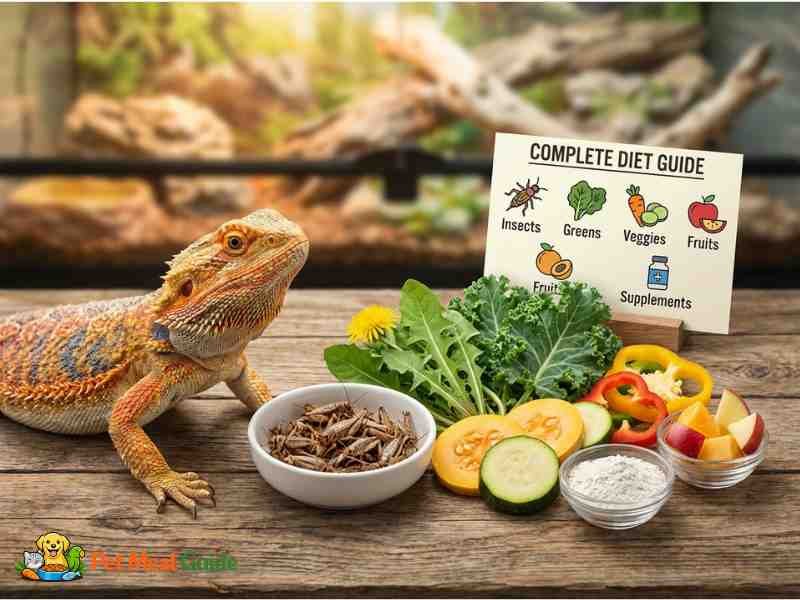
What you feed your pet lizard depends entirely on its species. Most pet lizards fall into one of three dietary categories: insectivores (eating bugs), herbivores (eating plants), or omnivores (eating both).
- Insect Diet Basics: Insectivores (like Leopard Geckos) and omnivores thrive on live, gut-loaded insects such as crickets, dubia roaches, and mealworms.
- Vegetables and Fruits: Herbivores (like Iguanas) and omnivores (like Bearded Dragons) require daily fresh salads made of dark leafy greens like collard and mustard greens. Fruits like berries and papaya should only be fed occasionally as treats.
- Feeding Frequency: Baby lizards usually eat daily, while adult lizards are typically fed every 2 to 3 days to maintain a healthy weight.
- Supplements: Regardless of diet, almost all captive lizards require their food to be dusted with high-quality reptile calcium powder and Vitamin D3 to prevent fatal bone diseases.
Bringing a pet lizard into your home is an exciting journey, but mastering the pet lizard diet is the single most critical factor in ensuring your reptile lives a long, healthy life. Unlike a dog or cat where you simply pour kibble into a bowl, reptile nutrition is a complex science. In the wild, lizards roam vast territories, foraging for dozens of different insect species, native flowers, and mineral-rich vegetation. In captivity, we must artificially recreate this diverse nutritional matrix.
A poor diet is the leading cause of premature death and illness in captive reptiles. Knowing exactly what to feed your pet lizard prevents devastating, yet entirely avoidable, conditions like Metabolic Bone Disease (MBD), impaction, and fatty liver disease. Whether you are caring for a lightning-fast insectivore or a slow-moving, plant-eating gentle giant, this definitive guide will teach you exactly how to manage your pet’s dietary needs.
Understanding the Natural Diet of Pet Lizards
Before you run to the pet store to buy a box of crickets or a head of lettuce, you must identify your lizard’s evolutionary biology. The lizard feeding guide begins with categorizing your pet into one of three specific dietary groups.
1. Insectivores (Strict Meat/Bug Eaters)
Insectivores lack the cecum (a specific part of the digestive tract) required to ferment and break down plant cellulose. If you feed an insectivore a piece of lettuce, it will pass through their body completely undigested, potentially causing gastric distress. Their bodies are highly adapted to breaking down animal proteins and the chitin (hard outer shell) of bugs.
- Common Pet Examples: Leopard geckos, crested geckos (frugivore/insectivore mix), anoles, panther chameleons, and African fat-tailed geckos.
- Diet Focus: 100% live insects, worms, and invertebrates.
2. Herbivores (Strict Plant Eaters)
Herbivores are the exact opposite. Their elongated digestive tracts rely on complex gut flora to slowly ferment tough, fibrous plant matter. Feeding animal protein (like bugs or meat) to a strict herbivore is incredibly dangerous. Their kidneys cannot process the high levels of purines and animal fat, leading quickly to irreversible renal failure and gout.
- Common Pet Examples: Green iguanas, uromastyx, chuckwallas, and desert iguanas.
- Diet Focus: 100% dark leafy greens, vegetables, edible flowers, and occasional fruits.
3. Omnivores (Mixed Diet)
Omnivores consume a combination of both plant and animal matter. Fascinatingly, many omnivorous lizards undergo an ontogenetic dietary shift. This means their diet changes as they age. As babies, they require up to 80% protein (insects) to fuel rapid growth. As adults, their metabolism slows down, and their diet flips to require up to 80% plant matter (salads).
- Common Pet Examples: Bearded dragons, blue-tongue skinks, and day geckos.
- Diet Focus: A calculated, age-appropriate ratio of live insects and daily fresh salads.
Best Foods to Feed Your Pet Lizard (Healthy Lizard Diet Basics)
Now that you know your lizard’s category, what makes up the best food for pet lizards? A healthy diet is built on four main pillars: live insects, fresh vegetables, occasional fruits, and commercial supplements. To make feeding safe and efficient, you will need professional-grade husbandry tools.
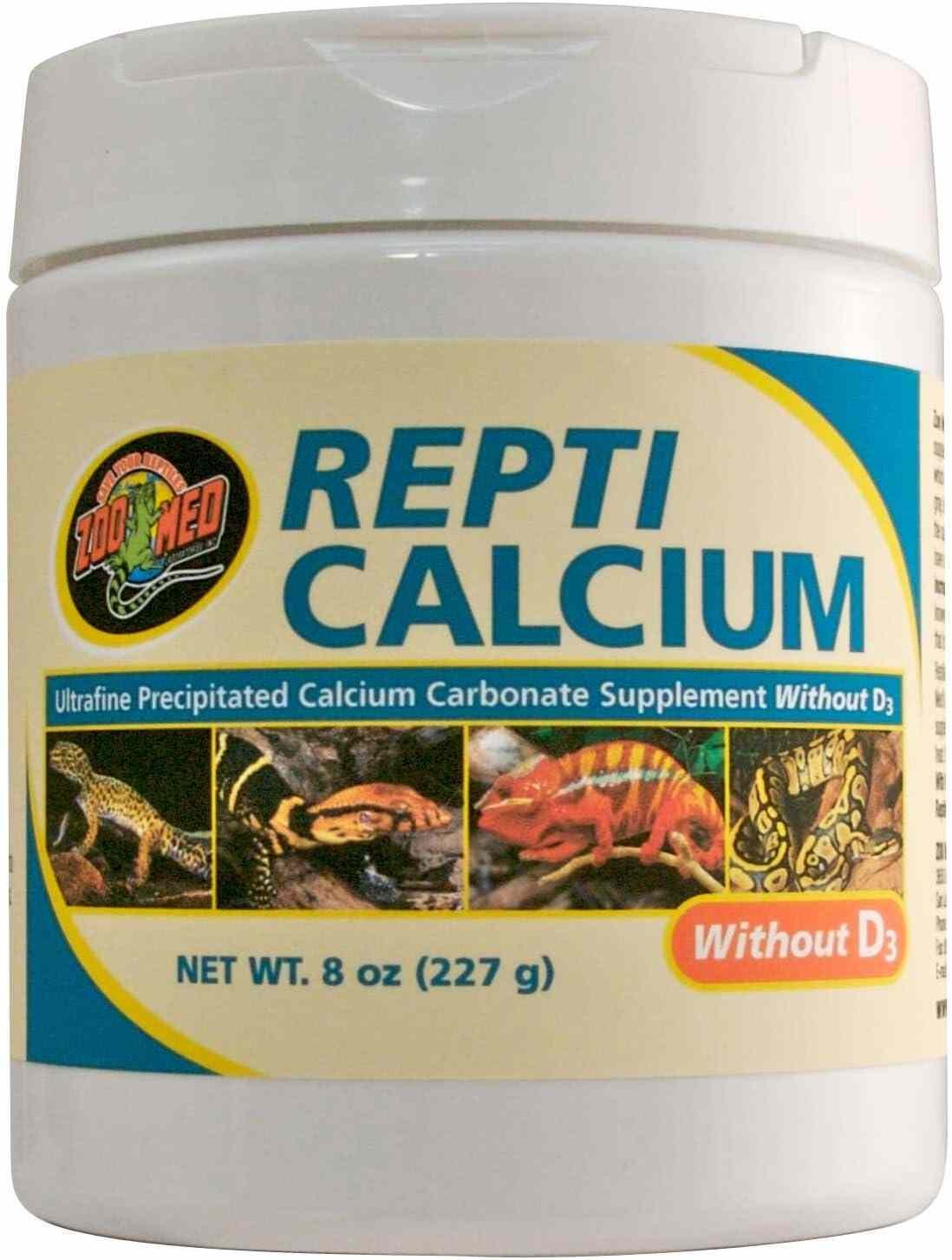
Zoo Med Repti Calcium with D3
The absolute industry standard for reptile health. This ultra-fine, phosphorus-free calcium powder ensures proper bone development and prevents Metabolic Bone Disease.
Check Price on Amazon
Exo Terra Cricket Keeper Pen
Keep your live feeder insects healthy and gut-loaded. Features removable dispensing tubes that make feeding your lizard safe, easy, and completely touch-free.
Check Price on Amazon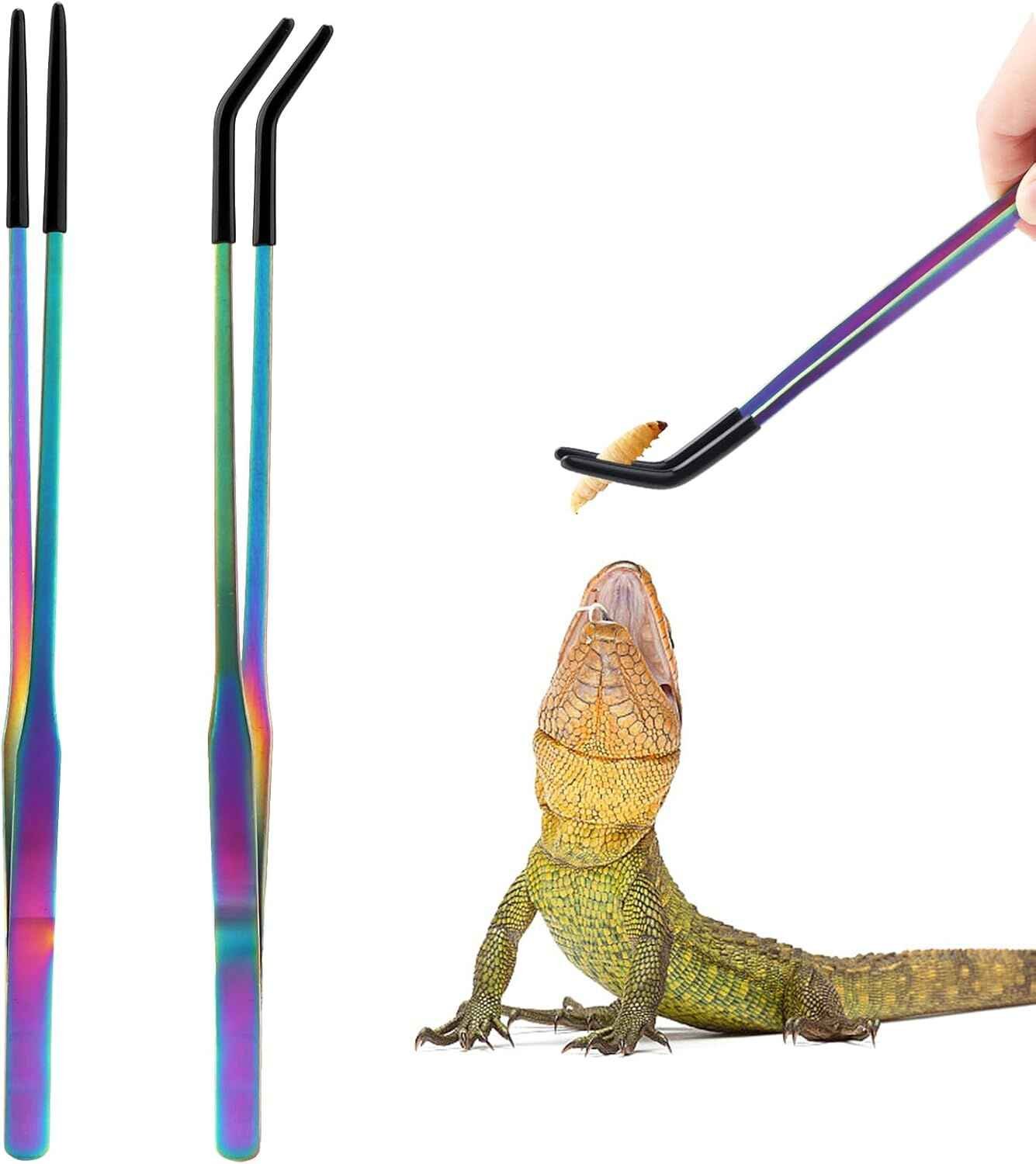
Stainless Steel Feeding Tongs
10-inch angled feeding tongs. An essential tool for target-feeding insects, preventing accidental finger bites, and keeping your lizard from swallowing loose substrate.
Check Price on AmazonBest Insects to Feed Pet Lizards
If your lizard is an insectivore or omnivore, bugs will be their primary source of protein. However, not all insects are created equal. You must understand the difference between a “staple” insect (fed daily/weekly) and a “treat” insect (fed sparingly). To explore this further, read our comprehensive guide on the Best Insects for Reptiles.
- Crickets: The traditional staple feeder. They are affordable, lean, and their erratic jumping stimulates the natural hunting instincts of lizards like leopard geckos and chameleons.
- Dubia Roaches: Widely considered the premium staple feeder. Dubias have a higher meat-to-shell ratio than crickets, are silent, odorless, and cannot climb smooth glass.
- Mealworms: A convenient secondary staple. They are slightly higher in chitin (the hard outer shell) than crickets, so your lizard must have proper basking temperatures (90°F+) to digest them effectively.
- Superworms: Similar to mealworms but much larger. Due to their strong jaws and hard exoskeletons, they should strictly be fed to fully mature adult lizards.
- Silkworms & Black Soldier Fly Larvae (Nutrigrubs): Nutritional powerhouses. BSFL are naturally so high in calcium that they often do not require additional calcium dusting. Silkworms contain beneficial anti-inflammatory enzymes.
Never feed your pet lizard insects caught from your backyard. Wild bugs carry a massive load of internal parasites (pinworms, tapeworms) and have likely been exposed to deadly agricultural pesticides and herbicides that will fatally poison your reptile.
Vegetables Safe for Pet Lizards
For herbivores and omnivores, creating a daily, nutrient-dense salad is mandatory. When selecting safe foods for lizards, you must focus on the Calcium-to-Phosphorus (Ca:P) ratio. Ideal vegetables have a 2:1 ratio (twice as much calcium as phosphorus). If a plant has too much phosphorus, it binds to the calcium in the lizard’s body, rendering it useless.
- Collard Greens: The ultimate staple green. Excellent Ca:P ratio and packed with essential vitamins.
- Mustard Greens & Dandelion Greens: Highly nutritious with a slightly peppery flavor that stimulates appetite.
- Squash (Butternut, Acorn, Yellow): Excellent for daily hydration and packed with Vitamin A (beta-carotene) for eye health.
- Bell Peppers & Carrots: Great for adding color to the salad to attract the lizard’s attention, but should be fed slightly less frequently due to higher sugar/water content.
Foods to Avoid: Iceberg lettuce (zero nutritional value, causes diarrhea) and spinach (contains high levels of oxalates which bind calcium and cause MBD).
Fruits Pet Lizards Can Eat Occasionally
Fruit should be viewed as “reptile candy.” In the wild, lizards only find fruit seasonally. Captive fruit has been genetically modified over decades to be incredibly high in sugar. Overfeeding fruit leads to obesity, severe diarrhea, periodontal disease (tooth rot), and fatty liver disease.
Safe fruits include:
- Berries (Blueberries, Raspberries, Strawberries)
- Papaya and Mango
- Apple slices (peeled and seeds removed)
The Moderation Rule: For species that can eat fruit, it should make up no more than 5% to 10% of their total plant-based diet. Feed fruit pieces no larger than the space between the lizard’s eyes.
Pet Lizard Feeding Chart by Species
To help you structure your husbandry, here is a quick-reference lizard diet chart for the most common pet species. For a deeper dive, check out our specific Bearded Dragon Diet Chart.
| Lizard Species | Diet Type | Primary Food Sources | Adult Feeding Frequency |
|---|---|---|---|
| Leopard Gecko | Insectivore | Crickets, Dubia Roaches, Mealworms | 2 to 3 times per week |
| Bearded Dragon | Omnivore | 80% Dark Greens/Squash, 20% Live Insects | Salad daily, Insects 2 times per week |
| Green Iguana | Herbivore | Collard greens, Dandelion greens, Squash | Salad every single day |
| Crested Gecko | Frugivore/Insectivore | Commercial CGD (Crested Gecko Diet gel), small insects | CGD every other day |
| Chameleon (Veiled/Panther) | Insectivore | Crickets, Dubia Roaches, Hornworms | Every other day |
Lizard Feeding Schedule (How Often to Feed Pet Lizards)
A lizard’s metabolism is directly tied to its age and its environmental temperature. A growing baby requires constant fuel, while an adult requires significantly less to maintain its weight. If you keep a Leopard Gecko Feeding Schedule or a Snake Feeding Guide, the scaling logic is similar.
- Baby Lizards (Hatchlings up to 6 months): Require feeding every single day. Their bodies are laying down bone and muscle at an exponential rate. An omnivore baby will eat 80% insects and 20% greens.
- Juvenile Lizards (6 to 12 months): Usually fed every other day. Their growth slows slightly, and omnivores begin transitioning toward a more plant-based diet (50/50 ratio).
- Adult Lizards (12+ months): Insectivores and omnivores typically eat insects 2 to 3 times a week. Feeding an adult lizard high-fat insects every day is the fastest route to lethal obesity. Herbivores, however, still require fresh salads daily.
Calcium and Vitamin Supplements for Pet Lizards
Feeding the healthiest insects and greens means nothing if they aren’t properly supplemented. In captivity, our sterile foods lack the vast mineral density found in wild soils. You must artificially supply this through dusting. For complete details, visit our Reptile Calcium Guide.
The Importance of Calcium and Vitamin D3
Reptiles cannot process calcium without Vitamin D3. If you do not provide proper, high-quality UVB terrarium lighting, you must use a calcium powder that includes Vitamin D3. You should “dust” your feeder insects or salads by lightly coating them in this powder before feeding. Without this, your lizard will develop Metabolic Bone Disease, causing their bones to soften, warp, and break.
Gut Loading Feeder Insects
You are what you eat! If you feed your lizard a cricket that has only eaten cardboard, you are feeding your lizard an empty shell. You must “gut-load” your insects by feeding them a highly nutritious diet of carrots, sweet potatoes, and dark leafy greens for 24 to 48 hours before feeding those insects to your lizard.
Common Feeding Mistakes with Pet Lizards
Avoid these common pitfalls that often land beginner keepers in the veterinary emergency room:
- Feeding Insects Too Large: Never feed an insect or piece of vegetable that is wider than the space between your lizard’s eyes. Oversized food causes choking, regurgitation, and fatal gut impaction.
- Feeding on Loose Substrate: If an insectivore lunges at a cricket sitting on loose sand, they will swallow a mouthful of sand. This sand builds up in their intestines and causes a lethal blockage. Use solid substrates like paper towels, slate tile, or feed your lizard in a separate, bare container.
- Too Many Fatty Worms: Waxworms are highly addictive to lizards. Treating them as a daily staple instead of a rare treat causes extreme obesity.
Pro Tips for Feeding Pet Lizards
- Feed During Active Hours: Feed diurnal lizards (active during the day, like bearded dragons) in the morning after they have had time to warm up under their basking lamp. Feed crepuscular/nocturnal lizards (like leopard geckos) in the evening when they naturally wake up.
- Proper Temperatures: Reptiles are ectothermic. If their enclosure is too cold, their digestive enzymes stop working. The food will literally rot inside their stomach before it can be digested. Always ensure your hot side/basking spot is dialed in.
- Remove Uneaten Insects: Never leave live crickets in the tank overnight. When your lizard goes to sleep, hungry crickets will become predatory and actively chew on your lizard’s eyelids, toes, and tail, causing horrific injuries.
Helpful Video Guide: Lizard Feeding Tutorial
For a visual demonstration of how to properly prepare a balanced reptile salad, gut-load insects, and use the “shake and bake” method for dusting calcium, watch this excellent tutorial below.
Authoritative Resources & Veterinary Advice
This comprehensive diet guide is built upon peer-reviewed herpetological science and established veterinary best practices. For further authoritative reading, please consult the following trusted organizations:
- Association of Reptile and Amphibian Veterinarians (ARAV) – Search for certified exotic veterinarians and global herpetological health standards.
- RSPCA Reptile Care Guidelines – Comprehensive, science-backed animal welfare and care sheets for captive reptiles.
- ASPCA Animal Poison Control – Crucial information on toxic plants and dangerous foods for household exotic pets.
Frequently Asked Questions
The best food depends on the species. Insectivores (like leopard geckos) thrive on crickets, dubia roaches, and mealworms. Herbivores (like iguanas) need dark leafy greens like collard and mustard greens. Omnivores (like bearded dragons) require a balanced mix of both live insects and fresh vegetable salads.
Yes, for herbivorous and omnivorous lizards, fresh vegetables should be offered every day. Dark leafy greens like collard greens, dandelion greens, and squash are excellent daily staples. Always avoid iceberg lettuce, which lacks nutritional value, and spinach, which can bind calcium and lead to bone disease.
The best staple feeder insects include dubia roaches, crickets, silkworms, and black soldier fly larvae (nutrigrubs) because they offer a high protein-to-fat ratio. Mealworms and superworms are good secondary staples, while waxworms and hornworms should be used strictly as occasional treats.
Feeding frequency depends heavily on the lizard’s age. Hatchlings and babies typically need to eat every single day to support rapid bone and muscle growth. Juveniles are usually fed every other day. Fully mature adult lizards are generally fed 2 to 3 times a week to prevent severe obesity.
Yes, but only certain species (herbivores and omnivores), and only in strict moderation. Fruit is extremely high in sugar and can cause digestive distress, obesity, and dental issues if overfed. Safe fruits like berries, papaya, and mango should make up no more than 5-10% of their overall plant-based diet. Insectivores cannot eat fruit at all.
Absolutely. Almost all captive lizards require their food to be supplemented. Because commercially raised feeder insects are naturally deficient in calcium, you must dust them with a high-quality reptile calcium powder (often containing Vitamin D3) to prevent Metabolic Bone Disease (MBD).
Never. Wild-caught insects pose a massive threat to captive reptiles. They frequently carry deadly internal parasites (like tapeworms) and have likely been exposed to toxic agricultural pesticides, herbicides, or lawn chemicals that will fatally poison your lizard.