
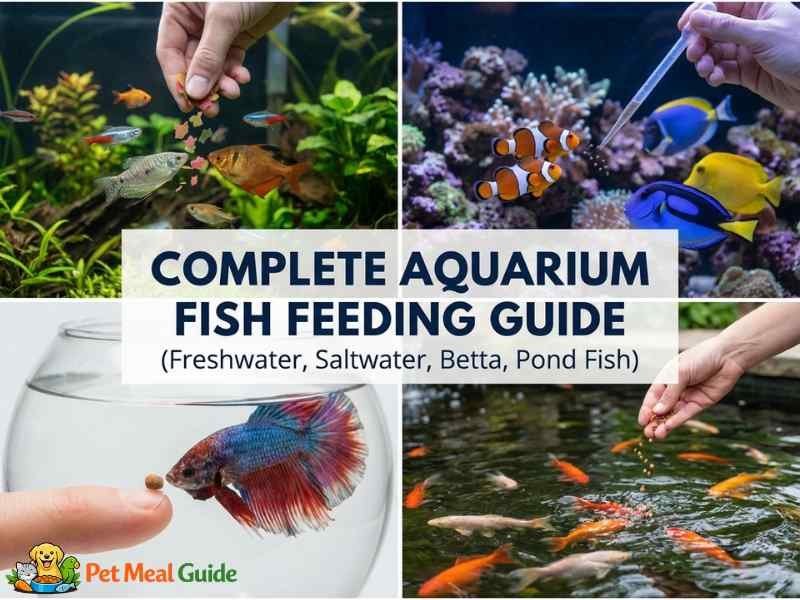
Aquarium Fish Feeding
🐟 Quick Fish Feeding Guide
How often to feed fish: Most adult aquarium fish should be fed 1 to 2 times a day. Herbivores need smaller, more frequent meals, while predatory fish may only eat a few times a week.
How much to feed fish: Follow the 2-minute rule. Only give your fish as much food as they can completely consume in exactly two minutes. If food is left over, you are overfeeding.
Best time to feed fish: Once in the morning when the lights turn on, and once in the evening before the lights turn off. Ensure diurnal (day-waking) fish eat while the tank is illuminated.
Welcome to the ultimate aquarium fish feeding guide. Whether you have just set up your very first community tank or you are an experienced hobbyist maintaining a diverse saltwater reef, one question universally unites all fishkeepers: How many times a day should I feed my fish?
Getting your fish feeding schedule right is one of the most critical aspects of aquarium care. Overfeeding is the number one cause of water pollution, cloudy water, and sudden ammonia spikes that can be fatal to your aquatic pets. Conversely, underfeeding or providing the wrong dietary nutrients can lead to stunted growth, weakened immune systems, and loss of coloration.
In this comprehensive guide, we will break down exactly how much to feed fish, the best time to feed fish, and provide specific, tailored advice for feeding freshwater aquarium fish, bettas, saltwater species, and outdoor pond fish.
Fish Feeding Basics: Understanding Your Fish’s Diet
Before establishing a firm aquarium feeding routine, you must understand the biological makeup of the fish you are keeping. Unlike humans, a fish’s digestive tract is directly adapted to its natural environment. Understanding these categories is step one in our fish diet guide.
- Herbivores: Fish like Plecostomus, Otocinclus, and certain African Cichlids have long digestive tracts meant for continuously breaking down plant matter and algae. They thrive on frequent, small feedings.
- Carnivores: Fish like Bettas, Oscar fish, and predatory saltwater fish have short digestive tracts. They need high-protein diets and usually eat larger meals less frequently.
- Omnivores: Most community aquarium fish (Tetras, Guppies, Mollies, Goldfish) fall here. They require a balanced mix of proteins and plant-based matter to thrive.
As noted by experts at Fishkeeping World, failing to match the food type to your fish’s digestive anatomy can result in severe issues like bloat or swim bladder disease.
Top Rated Feeding Equipment for Your Aquarium
To help you maintain a perfect fish feeding schedule, we recommend utilizing automatic feeders and high-quality dietary variety packs. Best Automatic Fish Feeder for Aquarium systems are particularly useful for busy hobbyists.
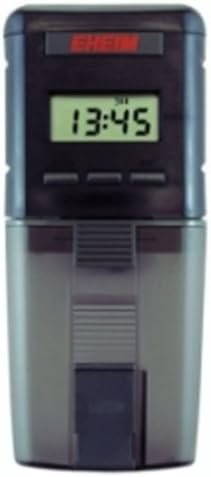
- Holds up to 6 weeks of food
- Program up to 8 feedings per day
- Moisture-resistant design prevents food clumping
- Integrated fan and ventilation system
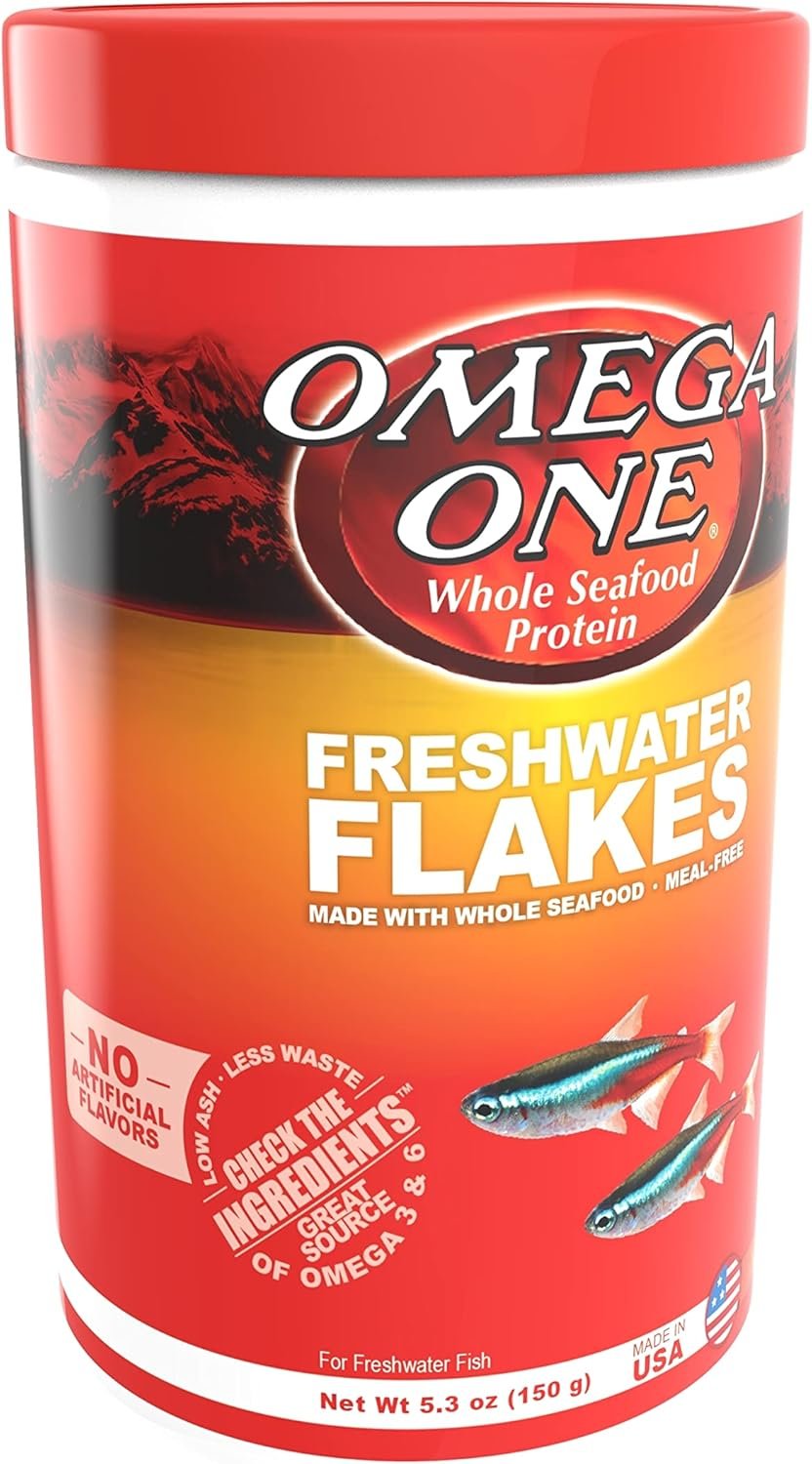
- Rich in Omega 3 & 6 for immune support
- Low ash content reduces water pollution
- Contains fresh seafood (salmon, herring, shrimp)
- Includes sinking and floating varieties
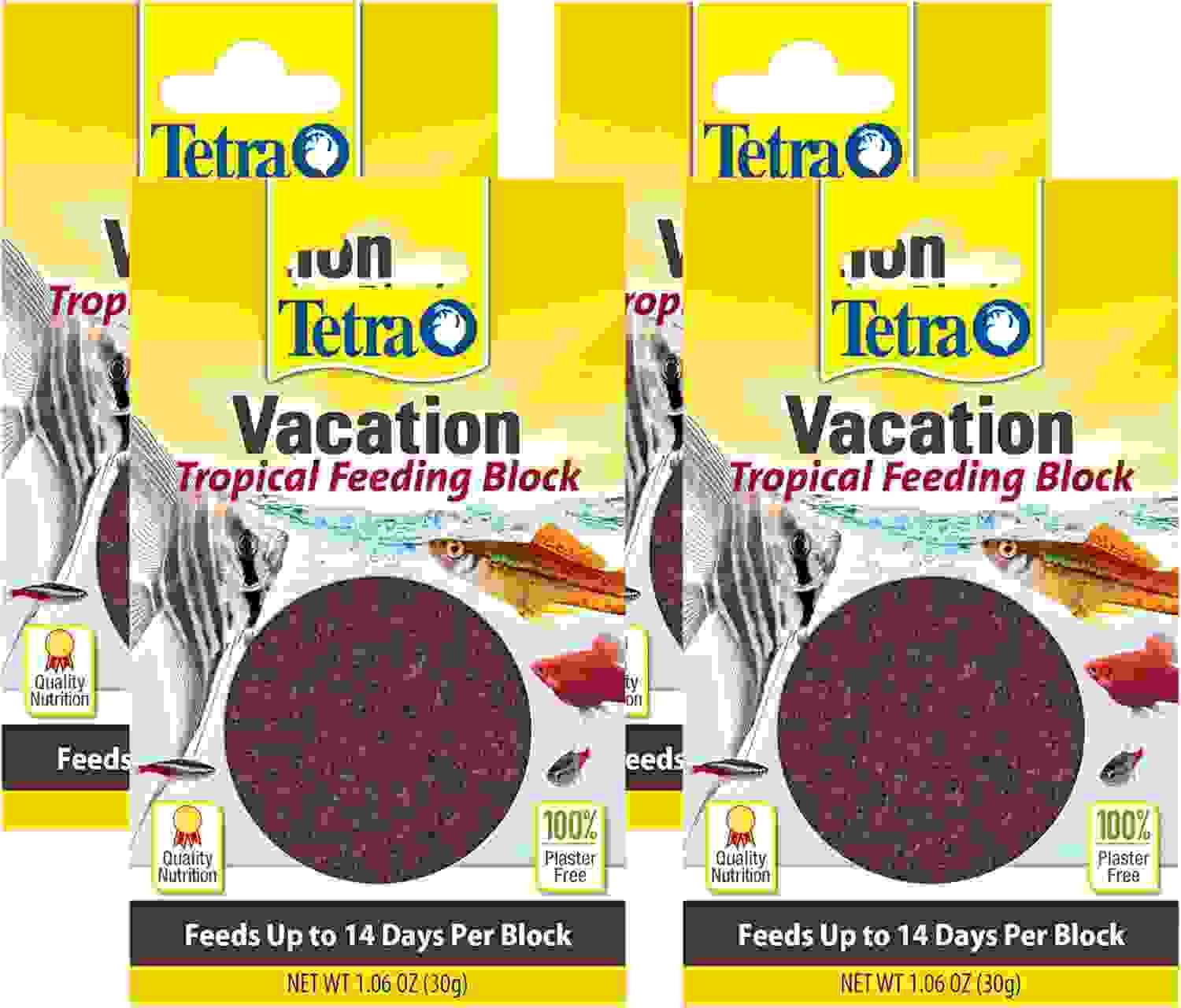
- Feeds up to 14 days automatically
- 100% gel based—no plaster or chalk
- Does not alter water pH or cloud water
- Fish can graze naturally at their own pace
How Often to Feed Fish
A common question from beginners is: “How many times a day should I feed my fish?”
The answer depends primarily on the age, species, and size of the fish. For the vast majority of adult tropical and community fish, feeding once or twice a day is optimal. In the wild, fish spend their entire day foraging for small morsels of food. Mimicking this natural behavior in captivity is crucial.
- Adult Fish: 1-2 times daily. Morning and early evening routines work best.
- Fry (Baby Fish): 3-4 times daily. Young fish have incredibly fast metabolisms and require constant nutrition (like infusoria or baby brine shrimp) to grow without stunting.
- Large Carnivores: 2-3 times a week. Large cichlids, predatory catfish, or moray eels digest heavy protein meals slowly.
- Herbivores/Grazers: Need constant access to food. If you lack natural algae, supplement with sinking algae wafers 1-2 times a day.
How Much Fish Food per Feeding
If you are wondering exactly how much to feed fish, you should rely on two golden rules established by seasoned aquarists and veterinarians.
- The Two-Minute Rule: Only provide as much food as your fish can completely consume in two minutes. If there are flakes floating on the surface or sitting on the substrate after two minutes, you have overfed them. The Spruce Pets strongly advocates for this rule as the primary defense against aquarium pollution. (Note: Bottom feeders like Corydoras are an exception, as they graze slower. Allow them up to 10-15 minutes to finish sinking wafers).
- The Eye-Size Rule: A fish’s stomach is roughly the size of its eyeball. When looking at your fish, try to portion out an amount of food that would fit into an area the size of their eye. This prevents severe bloating.
Fish Feeding Times (Best Time to Feed Fish)
Establishing consistent fish feeding times regulates your fish’s digestive system and reduces stress. Fish actually have excellent internal clocks and will quickly learn when it is mealtime—often “begging” at the front of the glass.
The best time to feed fish is right after the aquarium lights have been on for about 30 minutes. This gives diurnal (day-waking) fish time to wake up and become active. If you feed twice a day, offer the second meal about 30-60 minutes before the tank lights turn off.
What about nocturnal fish? If you have a tank with Plecos, Kuhli Loaches, or nocturnal Catfish, you must accommodate their schedule. Drop sinking wafers into the tank after the lights have completely turned off to ensure they get food without other fish stealing it. Best Bottom Feeder Fish for Aquarium.
Aquarium Fish Feeding Schedule Chart
Use this handy fish feeding chart to standardize your aquarium feeding routine. You can bookmark this page and reference it whenever you add a new species to your tank.
| Fish Type | Feeding Frequency | Portion Size | Dietary Notes |
|---|---|---|---|
| Betta Fish | 1-2 times a day | 2-3 small pellets per meal | Strict carnivores. Prone to bloat. Fast them 1 day a week to clear their digestive tract. |
| Goldfish | 2-3 times a day | What they eat in 2 mins | Lack a true stomach. Need frequent, small plant-based meals to prevent swim bladder issues. |
| Tropical Community (Tetras, Guppies) | 1-2 times a day | What they eat in 2-3 mins | Omnivores. Rotate between high-quality flakes, micro-pellets, and frozen bloodworms. |
| Bottom Feeders (Corydoras, Loaches) | 1 time a day (Evening) | 1 sinking wafer per 3-4 fish | Often outcompeted for food. Feed sinking foods at night when tank lights go out. |
| Saltwater Reef Fish (Clowns, Tangs) | 1-3 times a day | What they eat in 2 mins | Tangs need continuous access to Nori (seaweed). Carnivores need Mysis shrimp. |
| Outdoor Pond Fish (Koi, Pond Goldfish) | 1-4 times a day (Summer) | What they eat in 5 mins | Heavily dependent on water temperature. Stop feeding entirely when water drops below 50°F (10°C). |
Feeding Freshwater Aquarium Fish
When feeding freshwater aquarium fish, the most crucial concept to master is the “feeding zone.” Freshwater fish occupy different strata (levels) of the water column based on the shape of their mouths.
- Top Feeders: Fish with upturned mouths (like Hatchetfish and Bettas) feed at the water’s surface. They require floating pellets or flakes.
- Mid-Water Feeders: Fish with forward-facing mouths (like Tetras, Rasboras, and Angelfish) catch food as it sinks. They prefer slow-sinking granules or flakes that drift down.
- Bottom Feeders: Fish with downturned mouths or barbels (like Cory Catfish and Plecos) scavenge the substrate. They absolutely require fast-sinking pellets or wafers.
According to Aquarium Co-Op, a massive mistake beginners make is assuming bottom feeders will survive off the “leftovers” of top feeders. By the time food hits the bottom, it has often lost its nutritional value, or there simply isn’t enough left. Always buy specific sinking foods for your bottom dwellers.
Feeding Betta Fish
Betta fish are incredibly popular, but they are also uniquely sensitive when it comes to diet. Bettas are insectivores/carnivores. Their diet must consist predominantly of animal protein.
Because their stomach is only the size of their eye, Bettas are notoriously easy to overfeed, leading to constipation, Dropsy, and Swim Bladder Disease. Feed your Betta 2 to 3 high-quality Betta-specific pellets twice a day. Many experts recommend implementing a “fasting day” once a week where the Betta receives no food, allowing their digestive system to rest and clear out completely.
Feeding Saltwater Aquarium Fish
Marine environments are incredibly diverse, and a saltwater fish diet guide is more complex than freshwater. Saltwater fish rarely accept flake food immediately upon introduction.
For marine tanks, frozen foods are the gold standard. Mysis shrimp, brine shrimp, and frozen copepods provide the intense protein needed for reef fish like Clownfish, Wrasses, and Damsels.
Herbivores, such as Tangs and Rabbitfish, require massive amounts of marine algae. Hobbyists use “veggie clips” to attach sheets of Nori (dried seaweed) to the glass, allowing these fish to graze naturally throughout the day.
Feeding Pond Fish
Feeding outdoor Koi and Goldfish revolves entirely around the seasons and water temperature. Because fish are cold-blooded, their metabolism slows down as the water cools.
- Above 65°F (18°C): Fish are highly active. Feed high-protein pellets 2-4 times a day for maximum growth.
- Between 50°F and 65°F (10°C – 18°C): Metabolism slows. Switch to an easily digestible wheat-germ based food. Feed 1-2 times a day.
- Below 50°F (10°C): Stop feeding entirely. The fish’s digestive system has essentially shut down. Food eaten at these temperatures will rot inside their stomach, leading to death.
Foods You Can Feed Aquarium Fish
A high-quality aquarium feeding routine relies on variety. Just as you wouldn’t want to eat crackers every single day, your fish will suffer from nutritional deficiencies if solely fed cheap flake food.
- Dry Foods (Flakes & Pellets): The staple of most diets. Always check the ingredients; the first ingredient should be a named protein (e.g., “Whole Salmon” or “Krill”), not “fish meal” or wheat.
- Freeze-Dried Foods: Bloodworms, tubifex worms, and daphnia. Tip: Always soak freeze-dried foods in a cup of aquarium water for 5 minutes before feeding so they don’t expand inside your fish’s stomach.
- Frozen Foods: Excellent for bringing out vibrant colors and inducing breeding. Frozen brine shrimp and bloodworms are universally loved.
- Live Foods: Blackworms, live daphnia, and brine shrimp trigger natural hunting instincts.
- Blanched Vegetables: Zucchini, cucumber, and shelled peas are excellent for herbivorous fish and can help clear digestive blockages in omnivores.
Automatic Fish Feeders Guide
If you work long hours or travel frequently, an automatic fish feeder is a lifesaver. These devices clip to the rim of your tank and drop a pre-measured amount of food at specific fish feeding times.
When to use them: Vacations, highly regimented fry-rearing schedules, or if you simply struggle to remember to feed your fish.
Pros and Cons: The major pro is consistency. However, a major con is that humidity from the aquarium can cause flake foods to clump and jam the feeder. We highly recommend using pellets or granules in automatic feeders, as they drop smoothly and resist moisture better.
Common Fish Feeding Mistakes
Even well-intentioned hobbyists make errors. Here are the most common pitfalls to avoid in your aquarium feeding routine:
- Using Old, Expired Food: Once opened, dry fish food begins losing its water-soluble vitamins (like Vitamin C) very quickly. Discard and replace dry food every 6 months.
- Ignoring Bottom Feeders: Assuming they will eat detritus and poop. Bottom feeders need their own dedicated sinking wafers.
- Not Pre-soaking Pellets: Dry pellets absorb water. If a fish eats dry pellets rapidly, the pellets swell in their gut, causing severe bloating.
- Overfeeding to “Fix” Begging: Fish are opportunistic scavengers. They will beg at the glass whenever you walk by. They are not starving; they are acting on instinct. Do not give in to the begging!
💡 Aquarium Expert Feeding Tips
1. Observe Behavior: Feeding time is the best time to check your fish’s health. If a normally voracious eater is hiding or spitting out food, it is an early warning sign of illness or poor water parameters.
2. Target Feeding: For shy fish or specific corals in reef tanks, use a turkey baster or pipette to deliver food directly to their hiding spots.
3. Clean Up Promptly: Keep a small fish net handy. If you accidentally dump too much food in the tank, net it out immediately before it sinks and decays.
⚠️ Safety Warnings: The Dangers of Overfeeding
Overfeeding is the “silent killer” of the aquarium hobby. When uneaten food sinks into the gravel, it rots. This decomposition process produces Ammonia, which is highly toxic and burns fish gills. Furthermore, excess nutrients lead to massive algae blooms, cloudy water, and population explosions of pest snails. When in doubt, it is always safer to slightly underfeed than to overfeed.
Conclusion
Establishing the perfect aquarium fish feeding guide tailored to your specific tank takes a little bit of research and observation. By understanding the distinct dietary needs of your species, adhering to the two-minute rule, and sticking to consistent fish feeding times, you will promote vibrant coloration, long lifespans, and crystal clear water.
Remember, your fish rely entirely on you for their nutrition. Buy high-quality foods, provide variety, and resist the urge to overfeed when they beg at the glass.
Frequently Asked Questions (FAQs)
How often should I feed aquarium fish?
Most adult aquarium fish should be fed 1 to 2 times a day. If you feed them twice daily, offer smaller portions. Herbivores and younger fish (fry) may require 3 to 4 smaller feedings daily, while large predatory fish might only eat 2 to 3 times a week.
How much fish food should I give per feeding?
Follow the “two-minute rule.” Only provide the amount of food that your fish can completely consume within two minutes. If there is food left over after this time, you have fed them too much. For bottom feeders, you can extend this rule to 10-15 minutes for sinking wafers.
What happens if you overfeed fish?
Overfeeding is highly dangerous. Uneaten food decays in the tank, releasing toxic ammonia and nitrites which can kill fish. It also causes cloudy water, aggressive algae growth, and can cause fatal digestive blockages (bloat) in the fish themselves.
What is the best time to feed fish?
The best time to feed fish is in the morning, roughly 30 minutes after the aquarium lights turn on, and in the early evening, before the lights go out. Nocturnal fish should be fed sinking foods immediately after the aquarium lights are turned off.
Can fish survive without food for several days?
Yes. Most healthy adult fish can easily survive for 3 to 7 days without food. If you are going away for a weekend, it is safer to let them fast rather than risking an inexperienced friend overfeeding your tank and causing an ammonia spike.
What foods can aquarium fish eat besides fish food?
Many omnivorous and herbivorous fish enjoy blanched vegetables such as zucchini, cucumber, shelled peas, and spinach. Carnivores appreciate occasional live foods like earthworms or fruit flies. Always ensure any human food is free of pesticides and boiled until soft.
Do fish need feeding every day?
While most fishkeepers feed daily, many experts recommend implementing one “fasting day” per week where no food is given. This allows the fish’s digestive system to clear out completely, reducing the risk of constipation and bloating.
Should fish be fed in the morning or evening?
If you only feed once a day, the morning is ideal because the fish have the entire daylight period to actively swim and digest their food. If feeding twice a day, offer one meal in the morning and a smaller meal in the early evening.