
Calculate Your Dog Food by Age, Weight & Breed
Find out exactly how much food your dog needs each day. This calculator uses weight, age, and activity level to give accurate calorie and portion recommendations.
Daily Calories Required
Calories Per Meal
Recommended Feeding Tools
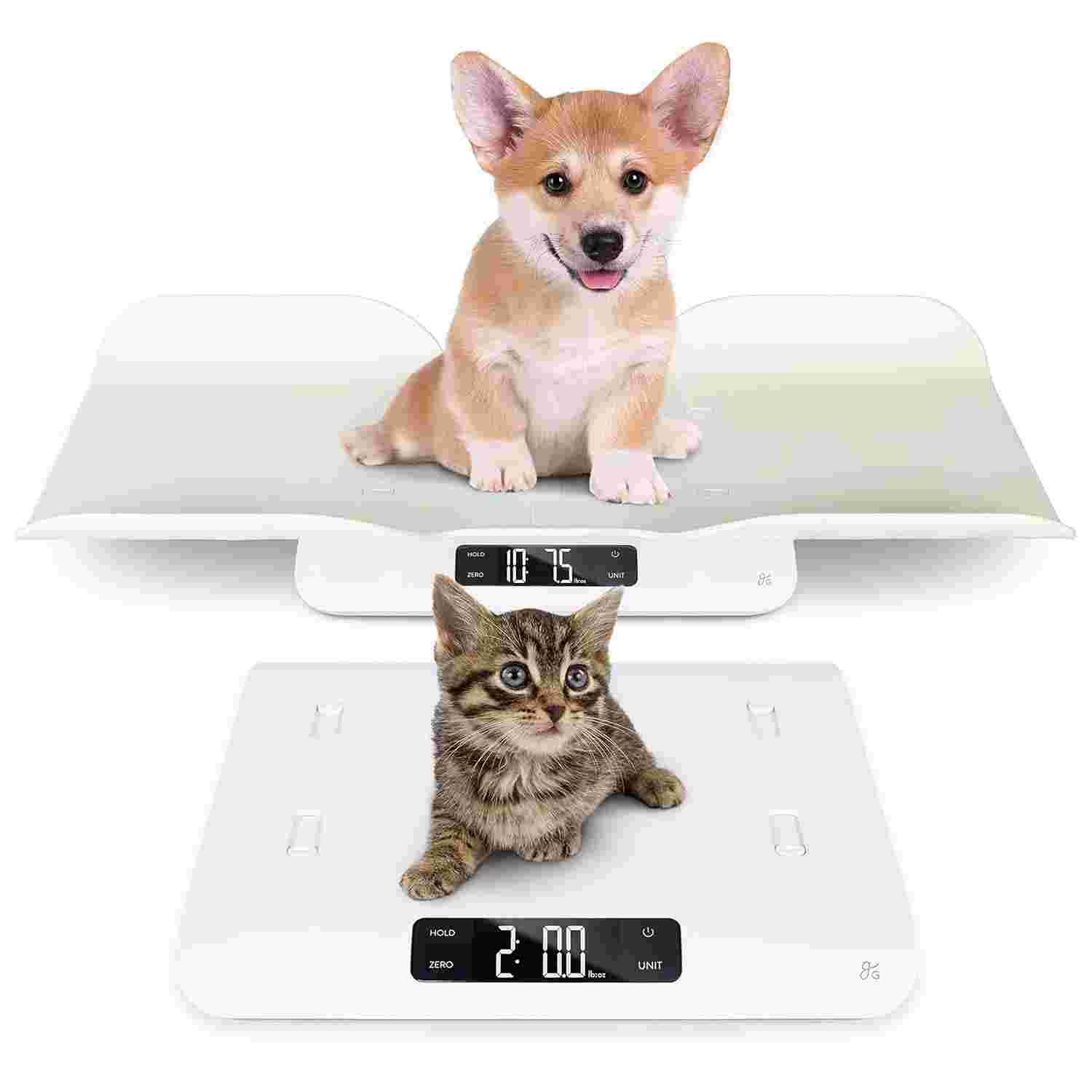
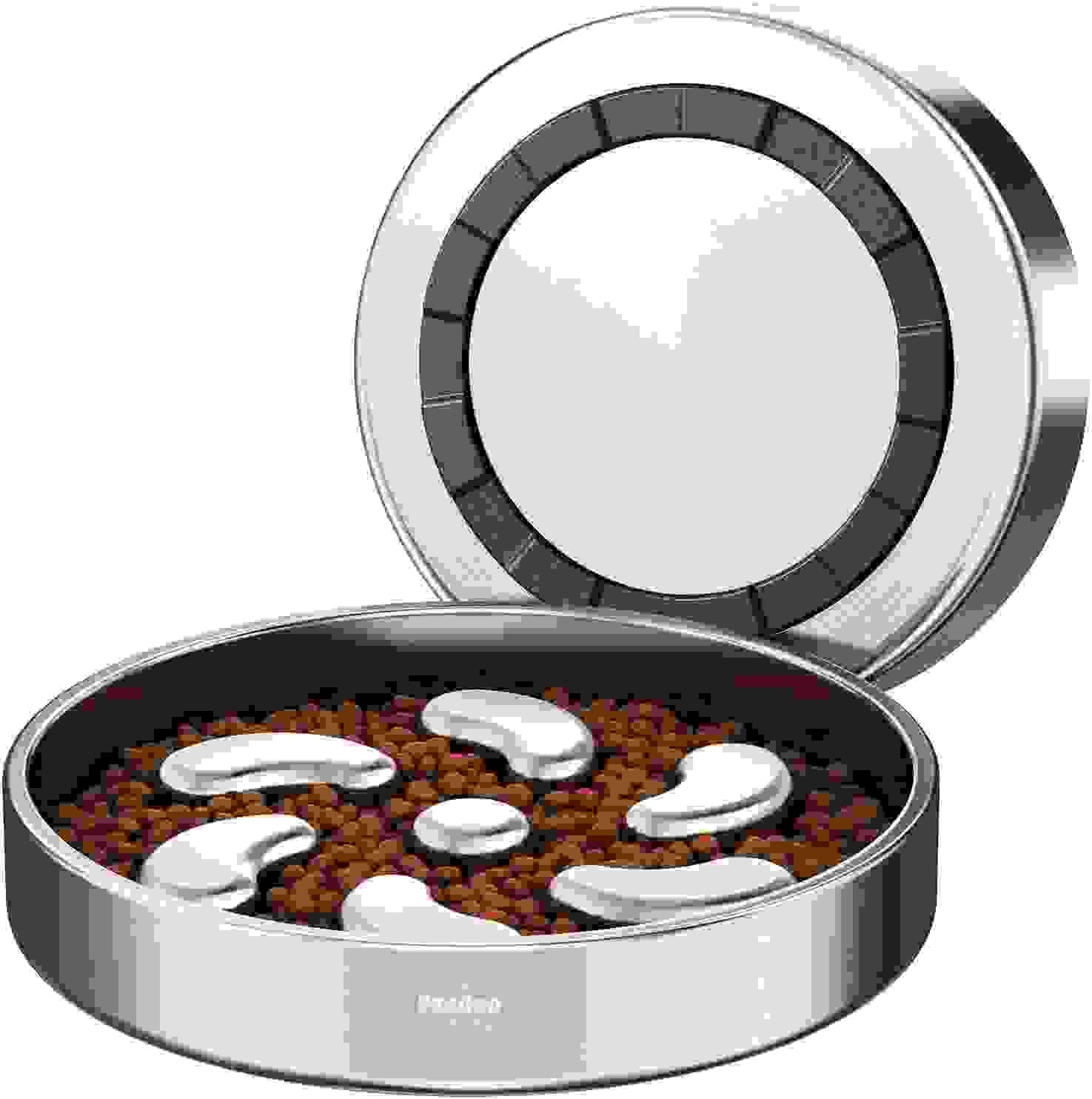
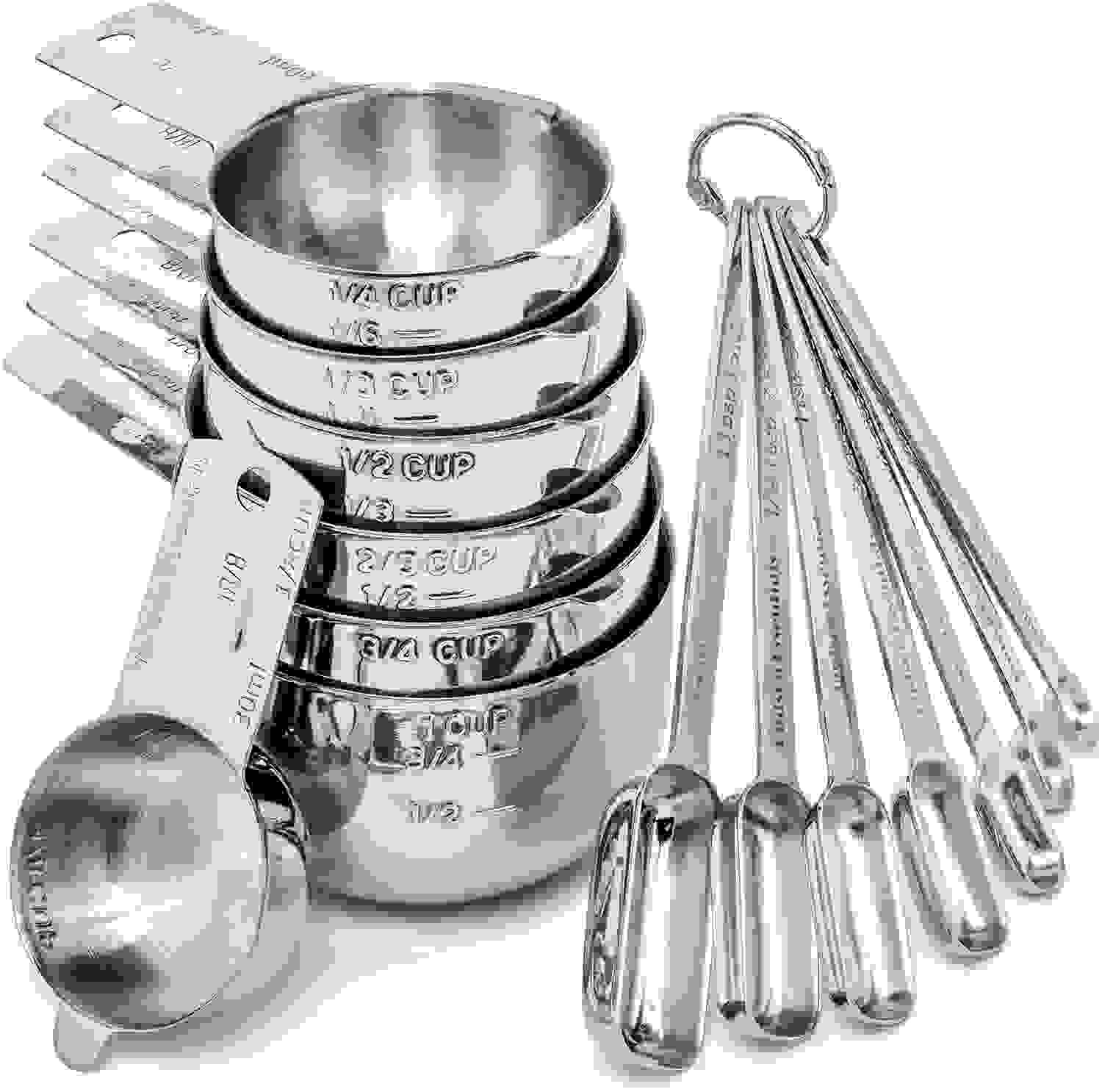
What Is a Dog Food Calculator?
A dog food calculator is an advanced, algorithm-driven tool that helps pet owners determine the exact amount of food their dog needs to consume each day. Instead of relying on the broad, generic feeding charts printed on the back of commercial kibble bags, this calculator uses personalized data. By factoring in your dog’s current weight, their precise age, and their daily activity level, the tool generates highly accurate feeding recommendations.
Veterinary nutritionists favor this method because standard bag charts often overestimate feeding amounts to cover active dogs, which inadvertently causes average household pets to gain excess weight.
Why Proper Feeding Matters
Feeding the exact right amount of food is the most impactful thing you can do for your dog’s long-term health. Nutrition directly correlates with:
- Maintaining a Healthy Weight: Over 50% of pet dogs are overweight. Obesity leads to severe joint issues, diabetes, and cardiovascular strain.
- Preventing Digestive Distress: Overfeeding can lead to bloating, gas, and loose stools. If your dog is experiencing digestive issues, you might want to learn what to feed a dog with diarrhea to help soothe their stomach while maintaining proper nutrition.
- Supporting Energy Levels: Active dogs need enough fuel to repair muscles and sustain stamina.
- Improving Lifespan: Studies have shown that maintaining a lean body condition by measuring food accurately can add up to 2.5 years to a dog’s life.
How Much Should I Feed My Dog?
This is one of the most highly searched queries online: “how much should i feed my dog calculator by weight.” The exact answer depends on several intersecting factors:
- Weight: Larger dogs require more calories, but their metabolism scales differently than small dogs.
- Age / Life Stage: Puppies are essentially biological growth machines; they require immense calories. Senior dogs have slowing metabolisms and require fewer calories to prevent fat accumulation.
- Activity Level: A working border collie needs vastly more food than a sedentary bulldog of the exact same weight.
- Health Condition & Goals: If your vet has advised weight loss, your feeding volume must reflect a safe caloric deficit.
As a benchmark, small indoor dogs might only need 300 to 600 calories daily. A large, active breed may require well over 2,000 calories daily.
Understanding RER and MER (The Science)
To calculate the perfect dog food serving size, veterinarians use two core metabolic formulas.
🔹 Resting Energy Requirement (RER)
RER represents the baseline minimum calories required for your dog’s basic body functions—such as breathing, circulating blood, and brain activity—while at rest.
The Formula: RER = 70 × (Body Weight in kg ^ 0.75)
🔹 Maintenance Energy Requirement (MER)
MER represents the actual total daily calorie needs once lifestyle is factored in.
The Formula: MER = RER × Activity Factor
| Step | Formula | Purpose |
|---|---|---|
| 1 | Weight ÷ 2.204 | Converts pounds into kilograms for medical formulas. |
| 2 | 70 × (kg^0.75) | Calculates baseline Resting Energy (RER). |
| 3 | RER × Lifestyle Factor | Calculates daily calories (MER). |
| 4 | Calories ÷ kcal per cup | Translates scientific calories into a tangible food portion. |
How to Convert Calories into Dog Food Portions
Once you have your dog’s daily calorie requirement, you need to translate that into scoops of kibble or cans of wet food. This requires reading your dog food label.
Look for the section labeled “Calorie Content” or “ME (Metabolizable Energy)”. It will usually say something like “380 kcal/cup” or “900 kcal/kg”.
The conversion formula: Total Daily Calories ÷ Kcal per Cup = Cups per Day
Example: If your dog requires 1,140 kcal per day, and their food is 380 kcal per cup:
1140 ÷ 380 = 3 exact cups per day.
Feeding by Age Variations
- Puppies: Need 2 to 3 times their resting energy. You must use a specialized dog feeding calculator by weight and age to ensure they get enough fuel to build bone and muscle without growing so fast that they develop joint dysplasia.
- Adults: Need balanced, maintenance feeding. Adjust slightly in the winter if they spend less time outside.
- Seniors: Usually require a 10% to 20% reduction in daily calories due to decreased activity and slower metabolic rates.
Homemade Dog Food Serving Size Calculator
If you prefer cooking for your dog, finding the right homemade dog food serving size can be tricky. When feeding homemade meals, you must calculate the calories of every individual ingredient (the chicken, the rice, the vegetables, the oils). Once you tally the total calories of your batch, use this calculator’s MER output to determine how much of that batch to scoop out per meal.
Note: Homemade diets must be formulated by a veterinary nutritionist to ensure they contain the necessary calcium, phosphorus, and essential vitamins.
User Guide: Pro Tips for Feeding
- Use the Ideal Weight: If you are using this as a dog food calculator for weight loss, make sure to input your dog’s target weight, or use their current weight and select the “Lose Weight” goal to create a deficit.
- The 10% Treat Rule: Treats should never make up more than 10% of your dog’s total daily calories. Our calculator tells you exactly what that limit is.
- Adjust Every Few Weeks: As puppies grow, or as overweight dogs slim down, their calorie needs change. Recalculate monthly.
- Weigh the Food: Using a digital kitchen scale (grams) is vastly more accurate than using measuring cups, which can vary wildly depending on how you scoop.
Frequently Asked Questions
How much food should I feed my dog daily?
It depends entirely on their specific weight, age, and activity level. Rather than guessing, use this personalized calculator. It applies veterinary calorie formulas to give you exact portion sizes based on your specific brand of food.
Can I use this calculator for puppies?
Yes. Puppies have massive energy requirements. By selecting the puppy age bracket in the activity dropdown, the calculator applies a 2.0x to 3.0x multiplier to ensure they receive the calories required for healthy growth.
How often should I adjust feeding?
For growing puppies, adjust feeding portions every 2 to 4 weeks based on their latest weigh-in. For dogs on a weight loss journey, adjust monthly. For healthy adult dogs, recalculate whenever you change their food brand or if their activity level changes (e.g., more hiking in the summer).
Is homemade dog food safe?
Yes, homemade dog food is safe and often highly digestible, provided it is nutritionally balanced. You must accurately calculate the caloric density of the meal to determine the correct homemade dog food serving size using our calorie tool.