
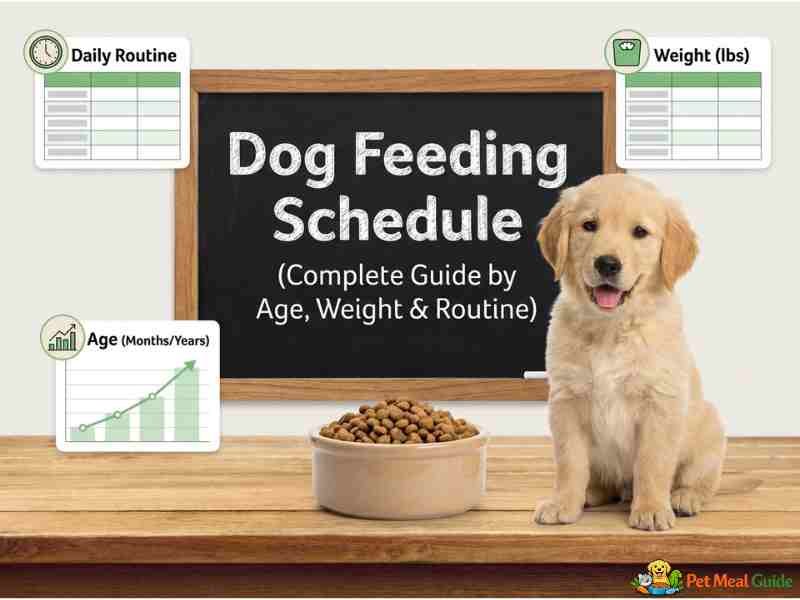
Dog Feeding Schedule by Age & Weight
✨ Dog Feeding Schedule
A proper dog feeding schedule depends heavily on your dog’s age, weight, and activity level. Establishing a routine helps regulate digestion, makes potty training easier, and prevents obesity.
- Puppies (2–6 months): Need 3 to 4 meals daily to support rapid growth and prevent low blood sugar.
- Adult Dogs (1–7 years): Do best with 2 meals per day (morning and evening), spaced roughly 10-12 hours apart.
- Senior Dogs (7+ years): May require 2 to 3 smaller meals with adjusted calories to accommodate a slower metabolism.
Large breeds and highly active dogs may require adjusted portions based on specific caloric needs rather than just volume.
Bringing a new dog into your home is an incredibly exciting experience, but it also comes with a host of responsibilities. One of the most fundamental questions every pet parent faces is: “What is the best feeding schedule for dogs?”
Unlike humans, who graze or eat varying amounts throughout the day based on cravings, dogs thrive on predictability. A strict dog feeding schedule does much more than just keep their hunger at bay. It regulates their digestive system, provides them with a sense of behavioral security, and is the absolute cornerstone of successful potty training.
When a dog knows exactly when their next meal is coming, they are significantly less likely to beg at the table, experience anxiety, or suffer from acid reflux (bilious vomiting syndrome) which often occurs on an empty stomach. Furthermore, sticking to a strict schedule allows you, the owner, to accurately monitor their appetite—often the first indicator of illness.
In this comprehensive guide, we will break down the absolute best dog feeding schedule by age, provide weight-based feeding charts, explore the pros and cons of scheduled feeding versus free-feeding, and give you expert-backed tips to optimize your dog’s daily routine.
🧮 Calculate Your Dog’s Exact Needs
Every dog is unique. Before setting up your feeding times, use our expert veterinary-formula calculators to determine exactly how much food your specific dog needs to eat per day. Knowing the total daily volume is required before you can divide it into a schedule.
- Dog Food Calculator – Find out how many cups or grams to feed.
- Dog Calorie Calculator – Calculate specific energy requirements based on activity.
- Puppy Growth Calculator – Track your puppy’s weight milestones to adjust food as they grow.
Top Recommended Products to Maintain Your Routine
Maintaining a consistent feeding schedule for your dog is much easier when you have the right tools. Here are three highly-rated products that make portion control and meal timing effortless.
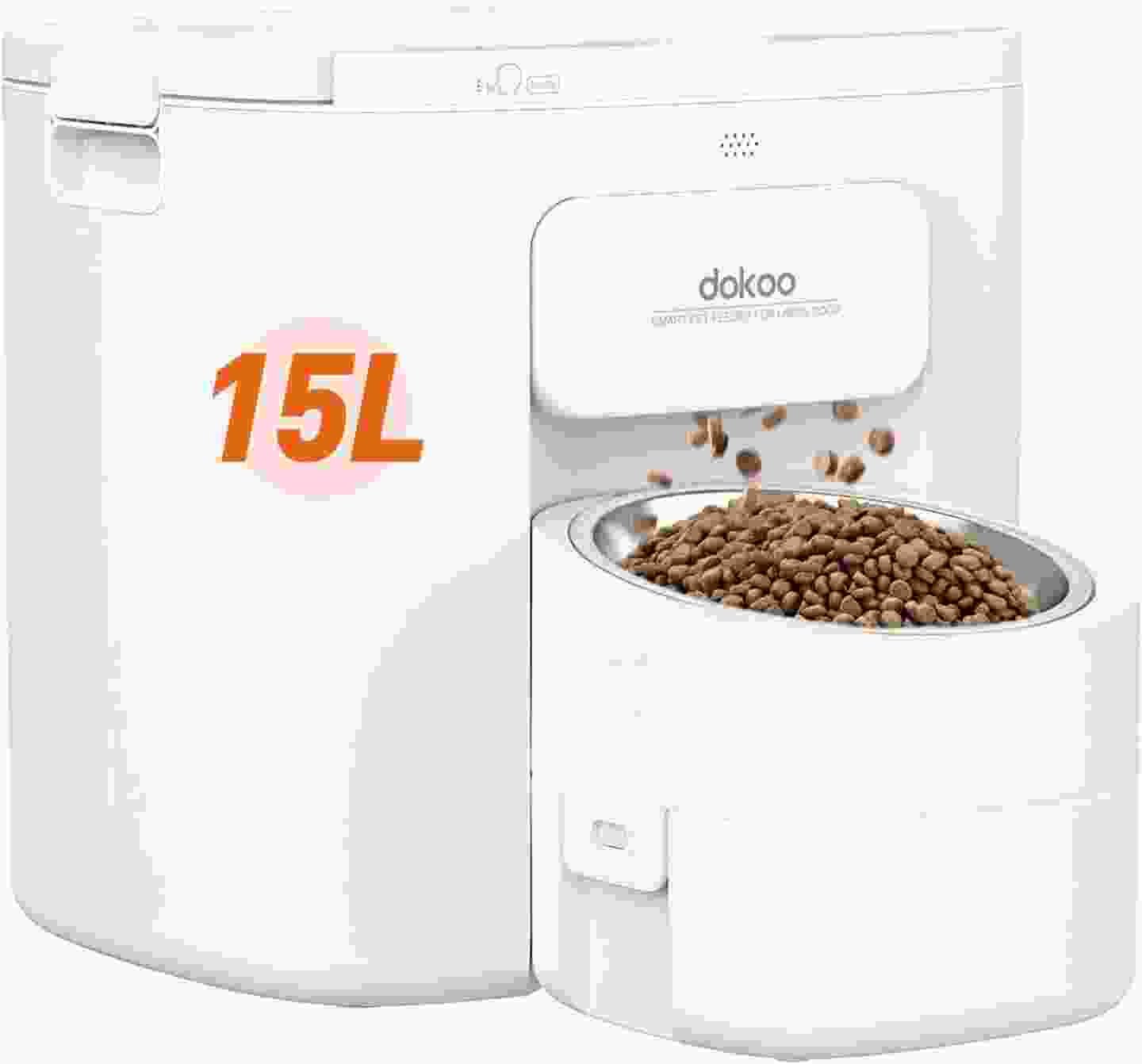
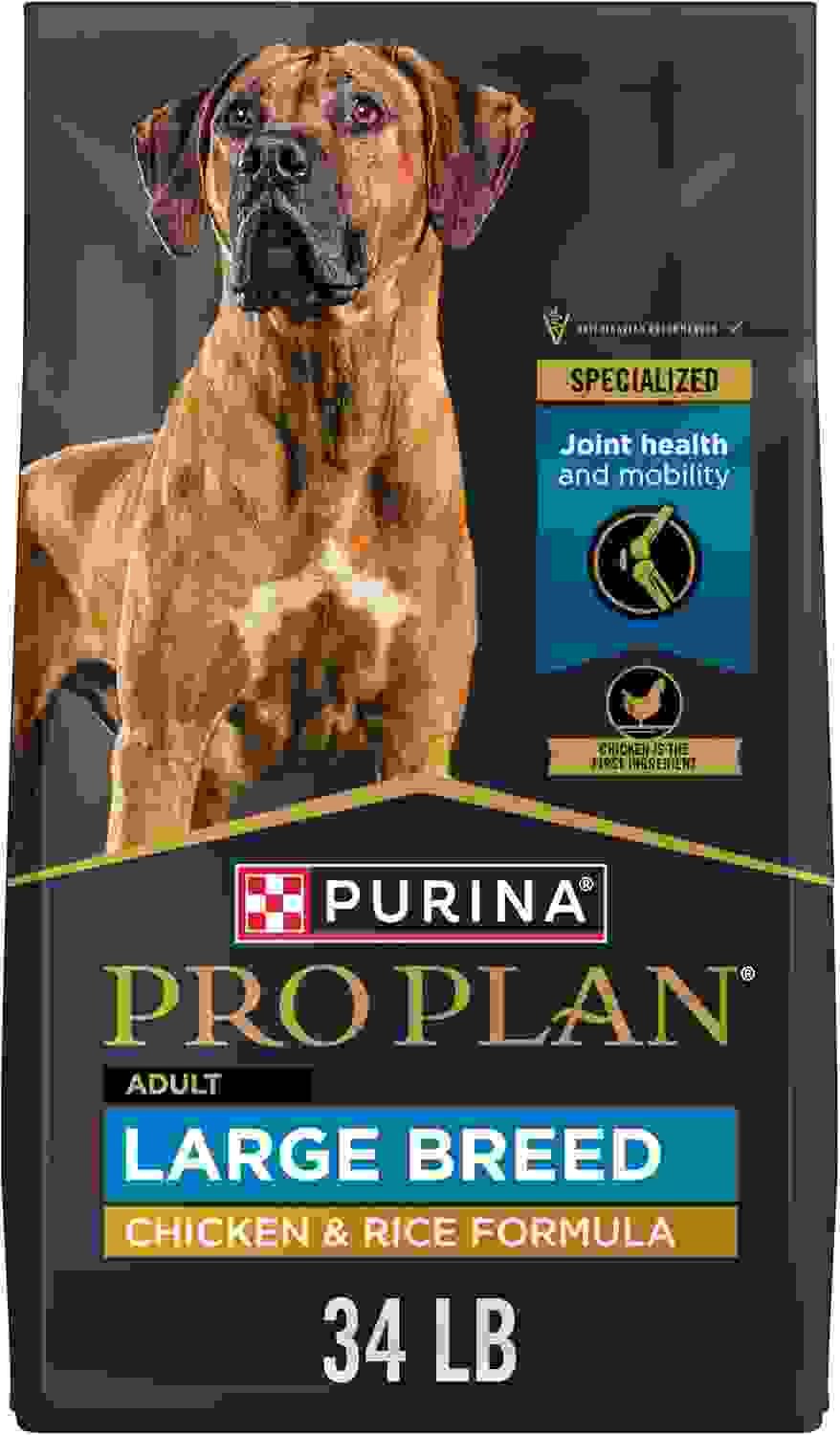
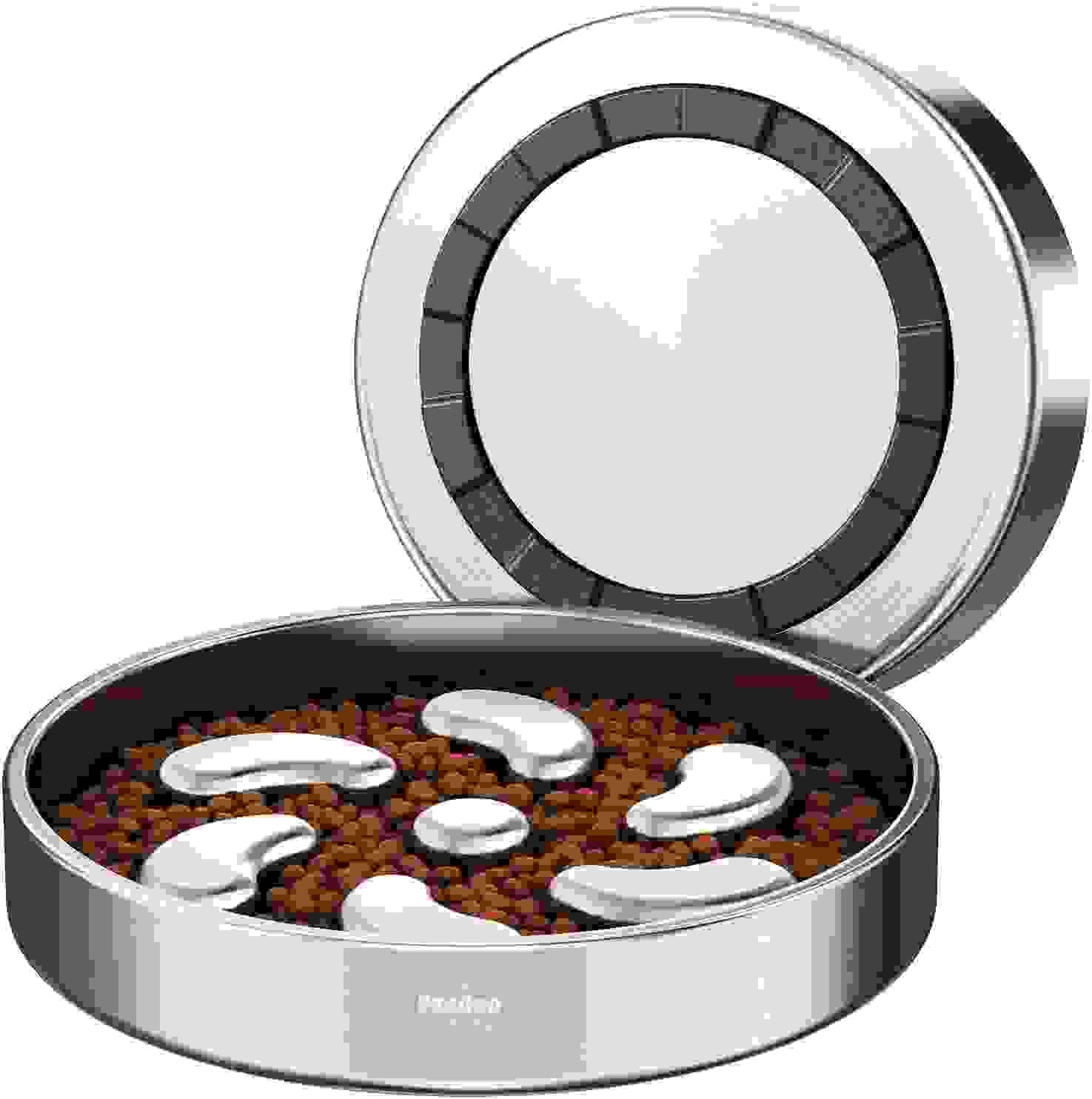
What Is a Dog Feeding Schedule?
A dog feeding schedule is a predetermined routine where you offer your dog a specific, measured amount of food at the exact same times every day. Rather than leaving a bowl of food out all day (free-feeding), scheduled meals dictate when the food goes down and when the bowl is picked back up.
Why does it matter biologically?
Dogs have highly acidic stomachs designed to break down food quickly. The canine stomach typically empties within 4 to 8 hours depending on the food type. When you establish a consistent feeding schedule for dogs, their body literally learns when to expect food. It begins producing gastric juices in anticipation of mealtime, leading to much more efficient digestion and nutrient absorption.
Behavioral and Health Benefits:
- Potty Training: What goes in on a schedule comes out on a schedule. This makes housebreaking a puppy incredibly predictable.
- Weight Management: Over 50% of dogs in the US are overweight. Measuring meals and feeding on a schedule is the number one way to prevent canine obesity.
- Appetite Monitoring: If your dog usually dives into their 7:00 AM breakfast but suddenly ignores it, you instantly know something might be medically wrong.
- Behavioral Security: Dogs are creatures of habit. Knowing exactly when they will be fed reduces anxiety and food-guarding aggression.
Dog Feeding Schedule by Age
A dog’s nutritional requirements shift dramatically as they transition from a tiny, rapidly growing puppy into a calm senior. Therefore, your dog feeding schedule by age must evolve alongside them.
Puppy Feeding Schedule (2–6 Months)
Puppies are growing at an exponential rate. They are building bone, muscle, and brain tissue, which requires massive amounts of calories relative to their small size. However, their stomachs are very small.
During this phase, you must feed them 3 to 4 meals per day. Feeding them just once or twice can lead to severe gastrointestinal distress or a dangerous drop in blood sugar (hypoglycemia), especially in toy breeds like Chihuahuas or Yorkies.
- Morning: 7:00 AM
- Midday: 12:00 PM
- Evening: 5:00 PM
6 Month Old Dog Feeding Schedule
Around the six-month mark, a puppy’s growth rate begins to slow down slightly (though large breeds continue growing for up to two years). Their stomach capacity has also increased.
This is the transition phase. You can begin slowly removing the midday meal. Take the calories from that lunch meal and distribute them equally between breakfast and dinner. You are moving them toward a 2 meals per day routine.
Adult Dog Feeding Schedule (1–7 Years)
Once your dog reaches maturity, they enter the maintenance phase. A good feeding schedule for dogs in adulthood is strictly 2 meals per day.
Feeding twice a day ensures their stomach never stays empty for too long, which prevents bilious vomiting (throwing up yellow bile in the early morning). Spacing these meals roughly 10 to 12 hours apart is ideal for optimal digestion.
Senior Dog Feeding Schedule (7+ Years)
As dogs age, their metabolism slows down, and their activity levels drop. They require fewer calories, but their digestive system may also become more sensitive. Many senior dogs do well staying on a 2-meal schedule, but some benefit from transitioning back to 3 smaller meals per day to make digestion easier and prevent acid reflux. Always consult your vet when adjusting a senior dog’s diet.
Dog Feeding Schedule by Weight
While age determines frequency, weight determines volume. A feeding schedule for dogs by weight ensures you aren’t overfeeding a Chihuahua or underfeeding a Great Dane. Below is a generalized chart, but we highly recommend using our Dog Food Calculator for precise daily volume based on the specific brand of food you buy.
| Dog Weight Category | Meals Per Day (Adult) | Est. Daily Food (Cups)* | Special Notes |
|---|---|---|---|
| Toy/Small (Up to 20 lbs) | 2 to 3 meals | ½ to 1 ½ cups | Prone to hypoglycemia; do well with 3 small meals. Use small-bite kibble. |
| Medium (21 to 50 lbs) | 2 meals | 1 ½ to 2 ⅔ cups | Standard 12-hour spacing works perfectly for this group. |
| Large (51 to 100 lbs) | 2 meals | 2 ⅔ to 4 ¼ cups | Prone to bloat. Never feed immediately before or after heavy exercise. |
| Giant (Over 100 lbs) | 2 meals | 4 ½+ cups | Feed from an elevated bowl if recommended by vet. Slow feeders are highly advised. |
*Note: “Cups” vary wildly by food brand depending on caloric density. Always check the back of your specific dog food bag.
Best Feeding Schedule for Dogs (Establishing the Routine)
What does the best dog feeding schedule actually look like on a clock? The goal is to align their meals with your waking schedule so the routine is easy for you to maintain, even on weekends.
The Morning Feed:
Your dog should ideally be fed shortly after waking up and having their first bathroom break. For most households, this is between 6:30 AM and 8:00 AM. Feeding them early kickstarts their metabolism for the day.
The Evening Feed:
The evening meal should be given roughly 10 to 12 hours later. However, make sure you do not feed your dog right before bedtime. Feed them between 5:00 PM and 7:00 PM. This gives them several hours to digest their food and have a final bathroom break before going to sleep for the night.
Dog Food Feeding Schedule (Combining Wet and Dry Food)
Many pet parents prefer a mixed dog food feeding schedule, combining dry kibble with wet canned food. This is an excellent strategy because dry food helps scrape plaque off teeth, while wet food provides essential hydration and makes the meal highly palatable.
When mixing, you have two options for your schedule:
- The Topper Method: You mix a spoonful of wet food into the dry kibble for both the morning and evening meals. (Make sure you reduce the kibble amount slightly so you aren’t adding extra calories).
- The Split Method: You feed strictly dry kibble in the morning (which is easier when you are rushing to work), and feed the wet food as their evening meal.
Whichever method you choose, remember that wet food cannot sit out in a bowl for hours. If your dog hasn’t eaten it within 20-30 minutes, it must be picked up and refrigerated to prevent bacterial growth.
Dog Feeding Schedule Template
To help you visualize a standard day, here is a highly effective dog feeding schedule template for an adult dog. You can adjust the times to fit your personal work schedule.
| Time | Activity / Meal |
|---|---|
| 7:00 AM | Wake up and go outside for a morning potty break. |
| 7:30 AM | Breakfast: Feed 50% of the daily calorie requirement. |
| 8:00 AM | Post-meal potty break (dogs usually need to go 20-30 mins after eating). |
| 12:00 PM | Midday walk / play session (No food, just water). |
| 5:30 PM | Dinner: Feed the remaining 50% of the daily calories. |
| 6:00 PM | Evening potty break. |
| 9:00 PM | Final potty break before bedtime. Remove water bowl if potty training a puppy. |
Free Feeding vs. Scheduled Feeding
In the debate over how to feed dogs, there are two primary methods: Scheduled Feeding (meals at set times) and Free Feeding (leaving a full bowl out all day for the dog to graze).
Free Feeding:
Pros: Highly convenient for the owner. The dog eats whenever they want.
Cons: Almost always leads to obesity. It makes potty training nearly impossible because you never know when the dog ate. It is unhygienic, attracting pests. In multi-dog households, it can cause severe resource guarding and aggression, or one dog may eat all the food.
Scheduled Feeding:
Pros: Allows for precise portion control. Makes housebreaking predictable. Highlights illness quickly if a meal is skipped. Greatly reduces food aggression if managed properly.
Cons: Requires the owner to be present and consistent at meal times.
Veterinarians overwhelmingly recommend Scheduled Feeding for 95% of dogs. Free feeding is only occasionally recommended for highly active working dogs, pregnant/nursing mothers, or dogs struggling to keep weight on.
How to Change Your Dog’s Feeding Schedule
If your work schedule changes or you need to shift your dog’s meals for any reason, you cannot just change it abruptly. A sudden change can cause stomach upset or behavioral acting out. Follow these steps to transition smoothly.
- Determine the New Target Times: Decide exactly what times you want the new schedule to be. Ensure they are still roughly 10-12 hours apart.
- Shift by 15 Minutes a Day: Do not jump from a 7 AM breakfast to a 9 AM breakfast instantly. Move the mealtime forward or backward by just 15 minutes each day.
- Distract During the Waiting Period: If you are pushing a meal later, your dog will likely whine or pace at their old mealtime. Do not give in. Distract them with a walk, a puzzle toy, or a brief training session.
- Maintain the 20-Minute Rule: During the transition, put the food down. If they don’t eat it within 20 minutes (perhaps confused by the new time), pick the bowl up. Offer nothing until the next scheduled meal. They will quickly learn the new routine.
Common Mistakes When Establishing a Routine
Even well-intentioned owners make errors when setting up a feeding schedule for their dog. Avoid these common pitfalls:
- Eyeballing Portions: Pouring food straight from the bag into the bowl leads to drastic overfeeding. Always use a proper measuring cup or, even better, a kitchen scale to weigh the kibble in grams.
- Ignoring Treats in the Daily Calorie Count: Treats should never make up more than 10% of your dog’s daily caloric intake. If you do heavy training with treats during the day, you must subtract that amount of food from their evening dinner.
- Weekend Schedule Ruin: Sleeping in until 11 AM on Saturday and feeding your dog late disrupts their internal clock and can cause bilious vomiting. Try to feed them at the same time on weekends, even if you go back to bed afterward.
Pro Tips from Expert Breeders and Vets
- Utilize the “Sit and Wait” Command: Before placing the bowl on the floor, require your dog to sit and wait for a release word (like “Okay!”). This enforces impulse control and reinforces your position as the provider of resources.
- Monitor Body Condition, Not Just the Scale: Feel your dog’s ribs. You should be able to feel them easily without pressing hard, but you shouldn’t be able to see them from a distance. Adjust your scheduled portions based on their Body Condition Score.
- Use Food Puzzles: To make scheduled meals last longer and provide mental stimulation, feed one of their scheduled meals entirely out of a Kong, a snuffle mat, or a slow feeder bowl.
Video Guide: Establishing a Perfect Dog Feeding Routine
For a visual breakdown of how to structure your day, manage portion control, and train your dog to wait politely for their scheduled meals, watch this helpful expert guide below.
In this video, professional trainers explain the 20-minute bowl rule and how to handle a dog that refuses to eat on a schedule.