
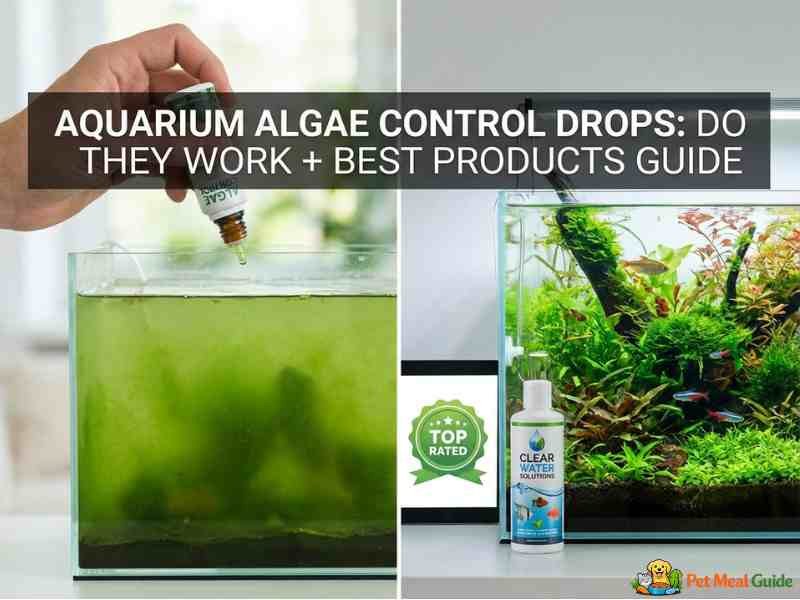
Aquarium Algae Control Drops
✨ What are aquarium algae control drops and do they work?
Aquarium algae control drops are chemical solutions designed to reduce, eliminate, or manage algae outbreaks in fish tanks. They work by using specific algaecides or chemical compounds that target algae cell walls or inhibit photosynthesis, effectively killing the organism.
Do they work? Yes, they are highly effective for rapid algae removal, but they are a temporary solution. To prevent algae from returning, aquarists must also fix the root cause (excess light, nutrients, or low oxygen).
- Fast Algae Removal: Drops show results in as little as 3 to 7 days.
- Temporary vs Long-Term: Drops treat the symptom, not the underlying tank imbalance.
- Safety Considerations: Dying algae consumes massive amounts of oxygen. Heavy aeration is strictly required during treatment to protect fish and invertebrates.
Every aquarium hobbyist, from beginner to advanced reef keeper, has battled the dreaded green monster: algae. Whether it’s green water clouding your view, stubborn Black Beard Algae (BBA) suffocating your plants, or brown diatoms coating your glass, an algae bloom can quickly turn a beautiful aquascape into a frustrating swamp.
In the quest for a pristine tank, many aquarists turn to chemical solutions. Aquarium algae control drops promise a quick fix, but are they safe? Do they provide lasting results? And with so many bottles lining pet store shelves, how do you choose the right one?
In this comprehensive guide, we will break down exactly how algae control drops aquarium products work, review the absolute best products on the market, explain the crucial safety steps you must take to protect your fish and shrimp, and provide expert tips on long-term aquarium algae control.
What Are Aquarium Algae Control Drops?
Aquarium algae remover drops are formulated liquid treatments added directly to the tank water to combat algae blooms. Unlike natural methods (like adding snails or reducing light), these drops rely on chemical active ingredients to actively kill or stunt the growth of algae cells.
The science behind how to control algae in aquarium environments using drops usually falls into two categories of active ingredients:
- True Algaecides (e.g., Polyquat / Dimethyliminoethylene dichloride): These are traditional chemical killers. They work by disrupting the cellular membrane of the algae. Once the cell wall is compromised, the algae can no longer retain nutrients or regulate its internal pressure, causing it to die and turn gray or white.
- Liquid Carbon / Glutaraldehyde: Originally marketed as a bio-available carbon supplement for live plants, aquarists quickly discovered that glutaraldehyde is incredibly toxic to simple cellular organisms like algae (specifically Black Beard Algae and Hair Algae). It inhibits the photosynthetic process of the algae without harming complex vascular aquarium plants.
According to experts at Aquarium Co-Op, while these chemical drops are highly effective, they must be viewed as a “reset button” rather than a daily maintenance routine. Using them gives you a clean slate to then implement proper tank management.
Best Aquarium Algae Control Drops (Top Picks)
Selecting the best algae control drops aquarium enthusiasts trust comes down to understanding your specific tank setup. A product that works wonders in a fish-only freshwater tank might be highly toxic to a planted shrimp tank or a saltwater reef.
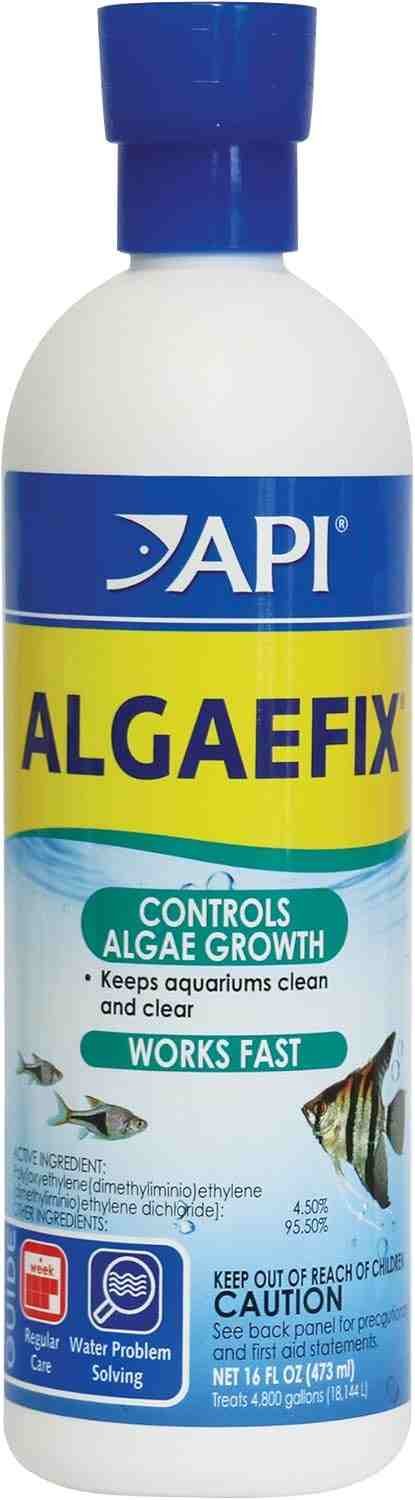
Tank Type: Freshwater (Fish-Only or Planted)
- Controls green water, hair, and string algae
- Safe for fish and plants when dosed correctly
- Fast-acting formula
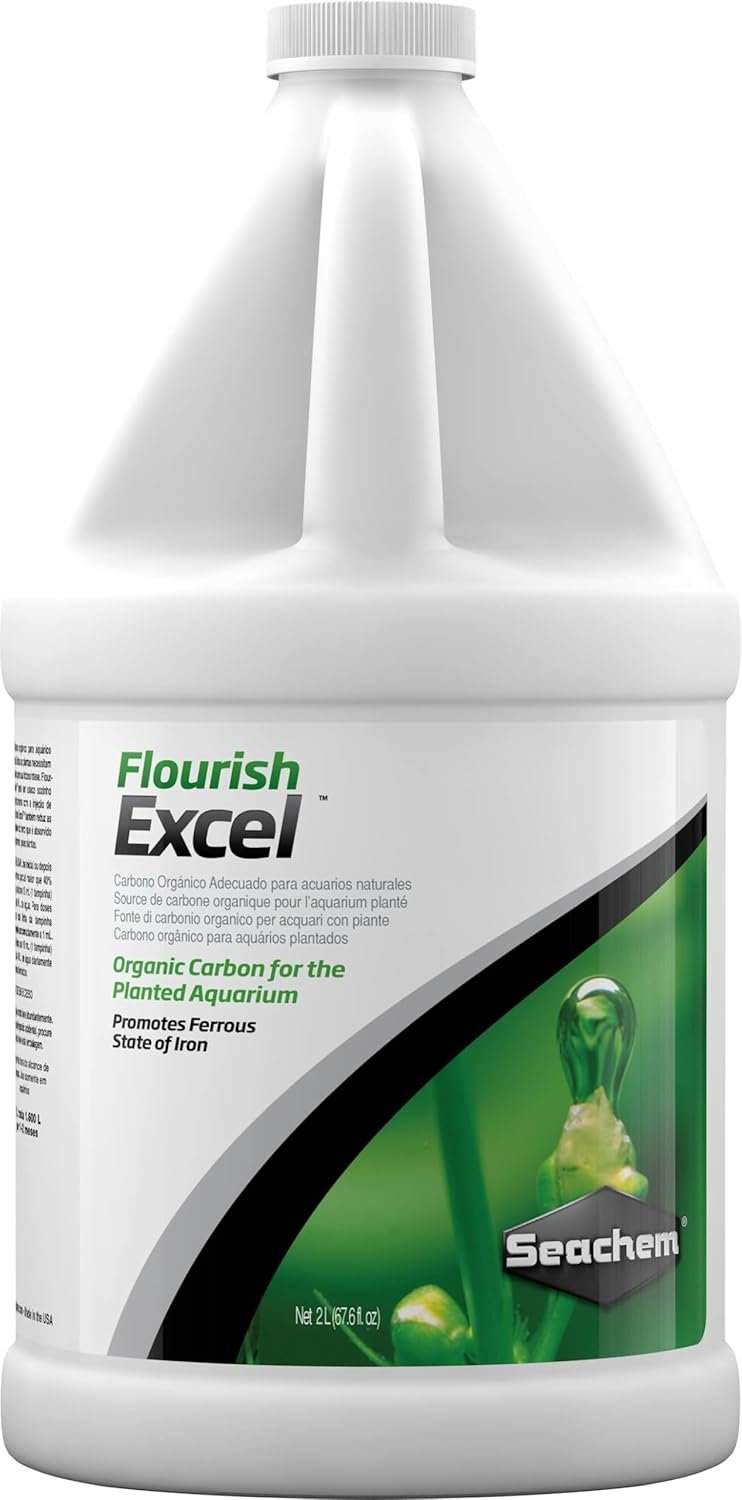
Tank Type: Freshwater Planted Aquariums
- Provides carbon for plant growth
- Excellent for spot-treating BBA with a syringe
- Safe for shrimp in recommended doses
Product Comparison Table
Use this responsive table to quickly compare the top aquarium algae remover drops to find the right fit for your specific aquatic ecosystem.
| Product | Tank Type | Effectiveness | Safe for Invertebrates? | Best For |
|---|---|---|---|---|
| API AlgaeFix | Freshwater | High (Fast Acting) | No (Will kill shrimp) | Green water, hair algae, string algae |
| Seachem Flourish Excel | Freshwater Planted | High (Spot Treatment) | Yes (If dosed carefully) | Black Beard Algae (BBA), Staghorn algae |
| Tetra Algae Control | Freshwater | Moderate to High | No | Broad-spectrum algae control |
| API Pond AlgaeFix | Outdoor Ponds | Very High | No | Massive green water blooms in ponds |
| Microbe-Lift Algaway | Freshwater / Ponds | High | No | Stopping algae cell reproduction |
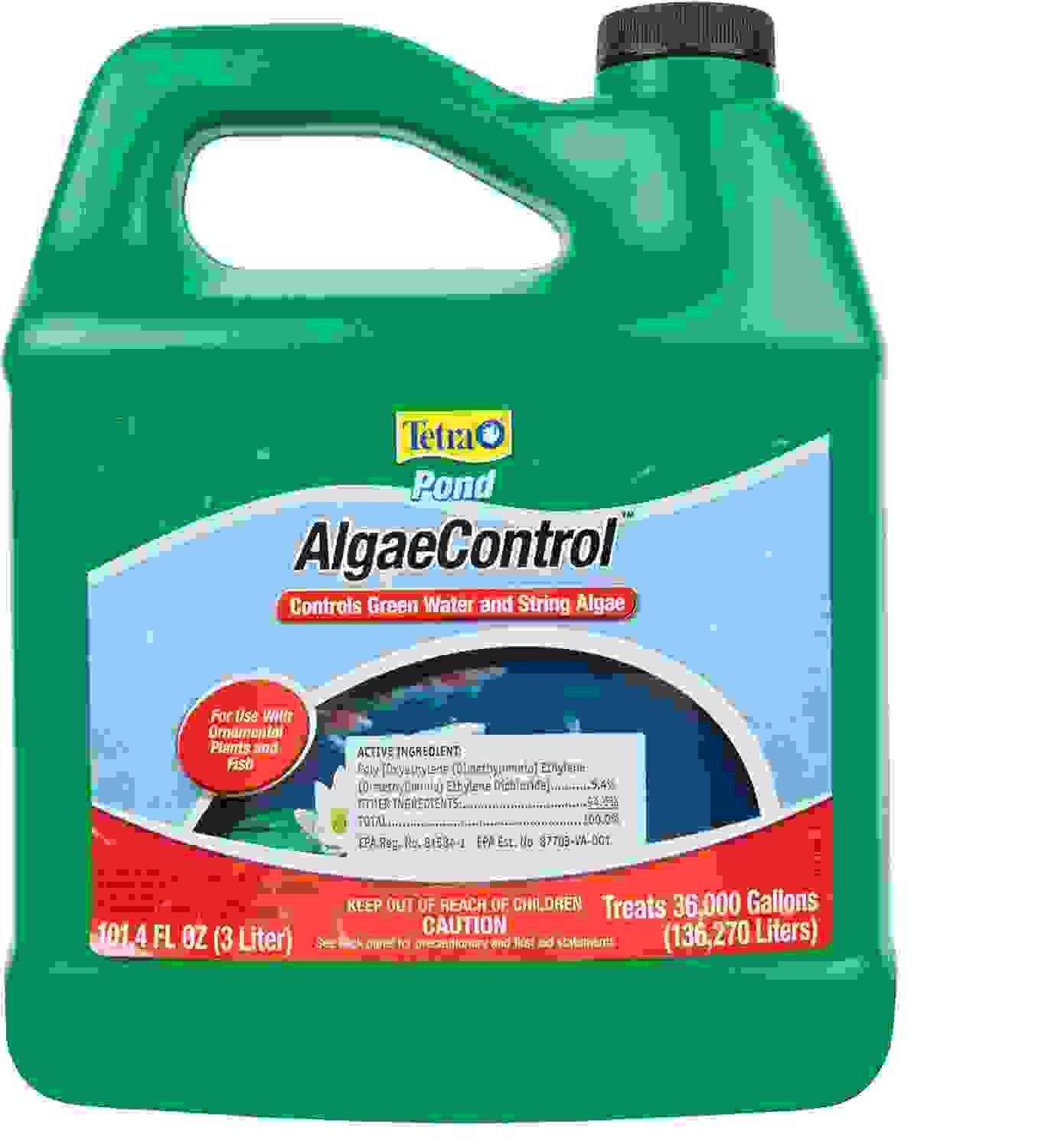
Tank Type: Freshwater
- Combats green, brown, and red algae
- Comes with a precise dropper top
- Highly concentrated formula
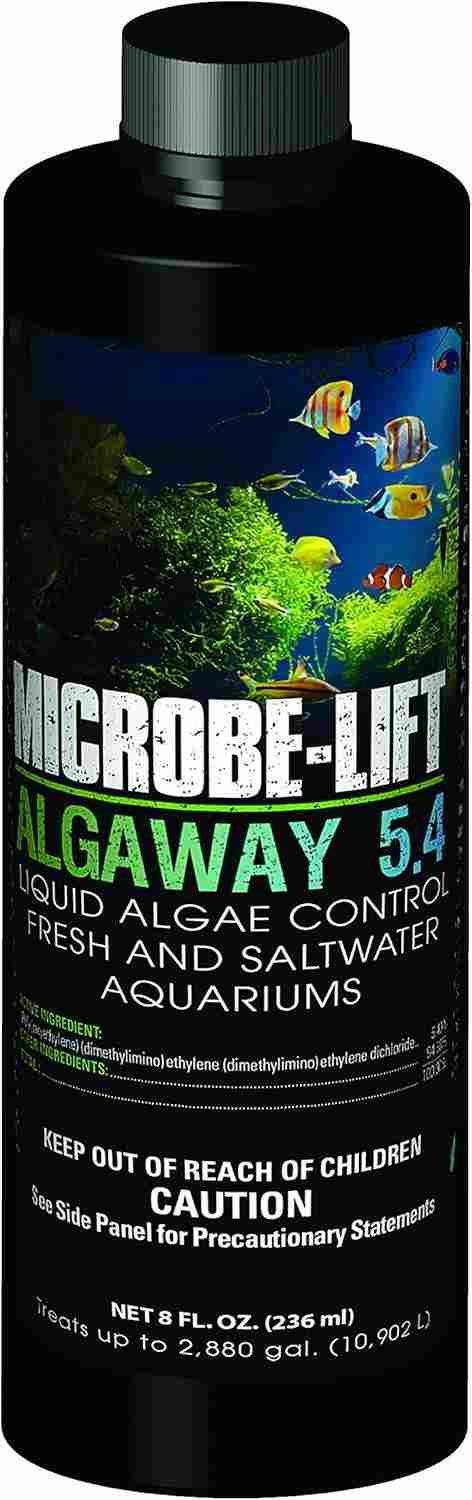
Tank Type: Freshwater Aquariums
- Stops algae cell reproduction
- Will not harm biological filtration
- Works on suspended and attached algae
Do Algae Control Drops Really Work?
The short answer is yes, algae control aquarium drops are highly effective at killing existing algae. When you dose a product like API AlgaeFix, you will often see green water clear up in a matter of 48 hours, and hair algae will turn white and begin to disintegrate within a week.
However, understanding the limitations of these chemicals is what separates a beginner from a master aquarist. Resources from Fishlore frequently emphasize that algae drops are a short-term cure, not a long-term preventative.
Algae grows because there is an imbalance in your tank—specifically an imbalance of light, nutrients (nitrates/phosphates), and carbon dioxide. If you kill the algae with drops but leave your aquarium lights on for 12 hours a day while overfeeding your fish, the algae will return the moment you stop dosing the chemical.
To achieve permanent clarity, you must combine the use of drops with proper aquarium water parameters testing and maintenance.
How to Use Algae Control Drops Safely
Chemical algaecides are powerful. If used incorrectly, they can cause a tank crash. Follow this step-by-step guide to ensure maximum safety for your aquatic life.
- Calculate Your True Water Volume: A “20-gallon tank” rarely holds 20 gallons of water once you add substrate, rocks, and driftwood. Estimate your *actual* water volume before dosing to avoid lethal overdosing.
- Increase Aeration (CRITICAL): As the drops kill the algae, the dead algae begins to decompose. The bacteria that break down dead algae consume massive amounts of oxygen. More fish die from oxygen depletion during algae treatments than from the chemical itself. Add an air stone or turn your filter flow to maximum surface agitation.
- Dose in the Morning: Plants and algae produce oxygen during the day and consume it at night. Dosing in the morning ensures oxygen levels are at their highest while the chemical works.
- Remove Carbon Filtration: Activated carbon in your filter will absorb the algaecide, rendering it useless. Remove carbon pads before dosing.
- Monitor Fish Behavior: Watch for gasping at the surface. If fish appear stressed, perform an immediate 50% water change.
Risks and Side Effects
Before pouring chemicals into your delicate ecosystem, you must be aware of the potential risks associated with freshwater aquarium algae control drops.
1. Invertebrate Toxicity: The most common active ingredients in algae drops (like Polyquat) are highly toxic to invertebrates. If you have Cherry Shrimp, Amano Shrimp, Mystery Snails, or Nerite Snails, standard algae drops will likely kill them. For shrimp tanks, you must rely on natural methods or very careful spot-treatment with Seachem Excel.
2. Plant Damage (Melting): While generally plant-safe, certain primitive plants share biological similarities with algae. Vallisneria, Anacharis, and Marimo Moss Balls are highly susceptible to melting (dissolving) when exposed to liquid carbon or algaecides.
3. The Ammonia Spike: When a massive amount of algae dies simultaneously, it decays. This rapid decay can overwhelm your biological filter, leading to a toxic ammonia spike. It is highly recommended to physically remove as much dead algae as possible with a net or siphon during treatment.
For more detailed tank preparation, especially for sensitive fish, check out our betta tank setup guide.
Natural Alternatives to Algae Control Drops
If you prefer a chemical-free approach to green algae control aquarium maintenance, there are several highly effective natural alternatives championed by The Spruce Pets and other experts.
- Lighting Control (The Blackout Method): Algae needs light to photosynthesize. By completely wrapping your tank in a dark blanket and turning off the lights for 3 to 4 days, you can starve and kill most algae blooms without harming your fish.
- Nutrient Control (Water Changes): High nitrates and phosphates fuel algae. Commit to a 30% weekly water change schedule using a gravel vacuum to remove the detritus that feeds the algae.
- Live Plants: Fast-growing plants like Water Sprite, Duckweed, or Hornwort will outcompete algae for nutrients in the water column, starving the algae naturally.
- Algae-Eating Cleanup Crews: Introduce natural predators. Amano shrimp, Nerite snails, and specific fish can keep your glass and decor spotless. To find the right fish for the job, learn more in our guide to the best bottom feeder fish.
Freshwater vs Saltwater Algae Control
Treating algae is not a one-size-fits-all process. The chemistry of your water dictates which products you can safely use.
Freshwater Aquarium Algae Control
Freshwater tanks generally deal with Green Spot Algae, Hair Algae, Black Beard Algae, and suspended Green Water. Products like API AlgaeFix and Tetra Algae Control are specifically designed for these environments. Freshwater treatments are usually straightforward but require strict adherence to dosing to protect sensitive scaleless fish (like loaches).
Saltwater Aquarium Algae Control
Saltwater fish-only tanks often battle brown diatoms, green film algae, and red slime algae (Cyanobacteria). Saltwater algae control drops aquarium products must be completely devoid of copper if you plan to ever keep corals or marine invertebrates in the future, as copper absorbs into the tank silicone and rocks.
Reef Aquarium Algae Control
Reef aquarium algae control is the most delicate. Corals are highly sensitive invertebrates. Standard freshwater algae drops will obliterate a coral reef. Reef keepers must use specialized, reef-safe products (like ChemiClean for Cyanobacteria or Vibrant Reef) or rely entirely on natural filtration (Refugiums, protein skimmers, and macroalgae like Chaeto) to starve nuisance algae.
Common Mistakes When Using Algae Drops
To ensure your aquarium algae control efforts are successful, avoid these frequent beginner mistakes:
- Overdosing for “Faster” Results: Chemical algaecides do not work faster if you double the dose; you will only poison your fish. Always follow the manufacturer’s exact milliliter-per-gallon instructions.
- Treating Cyanobacteria as Algae: Blue green algae aquarium control is unique because “Blue-Green Algae” isn’t actually algae—it’s a bacteria (Cyanobacteria). Standard algae drops will not kill it. You must use an antibiotic treatment like Erythromycin or a specific cyanobacteria remover.
- Ignoring the Root Cause: As mentioned, relying solely on drops without reducing your lighting schedule (aim for 6-8 hours max) or fixing your feeding habits guarantees the algae will return. You can learn more in our comprehensive aquarium algae control guide.
Video Guide: Mastering Algae Control
For a visual breakdown of how to properly identify your algae type and apply treatments safely, we highly recommend these expert video guides.
Pro Tips From Aquarium Experts
Based on advice from the master aquarists at Aquarium Source and Fishkeeping World, here are the ultimate pro tips for algae management:
- The Spot Treatment Method: Instead of dosing the whole tank, turn off your filter so the water is still. Use a plastic syringe to squirt Seachem Excel directly onto tufts of Black Beard Algae. Wait 10 minutes, then turn the filter back on. The BBA will turn pink and die in a few days.
- Combine Drops with Filtration: If you are treating green water, combine your algae drops with a fine micron filter pad or poly-fil in your filter to physically trap the dead floating algae cells.
- Test Before You Treat: Always test your water parameters. If your Nitrates are above 40ppm, do a large water change *before* using algae drops. The drops will be much more effective in clean water.
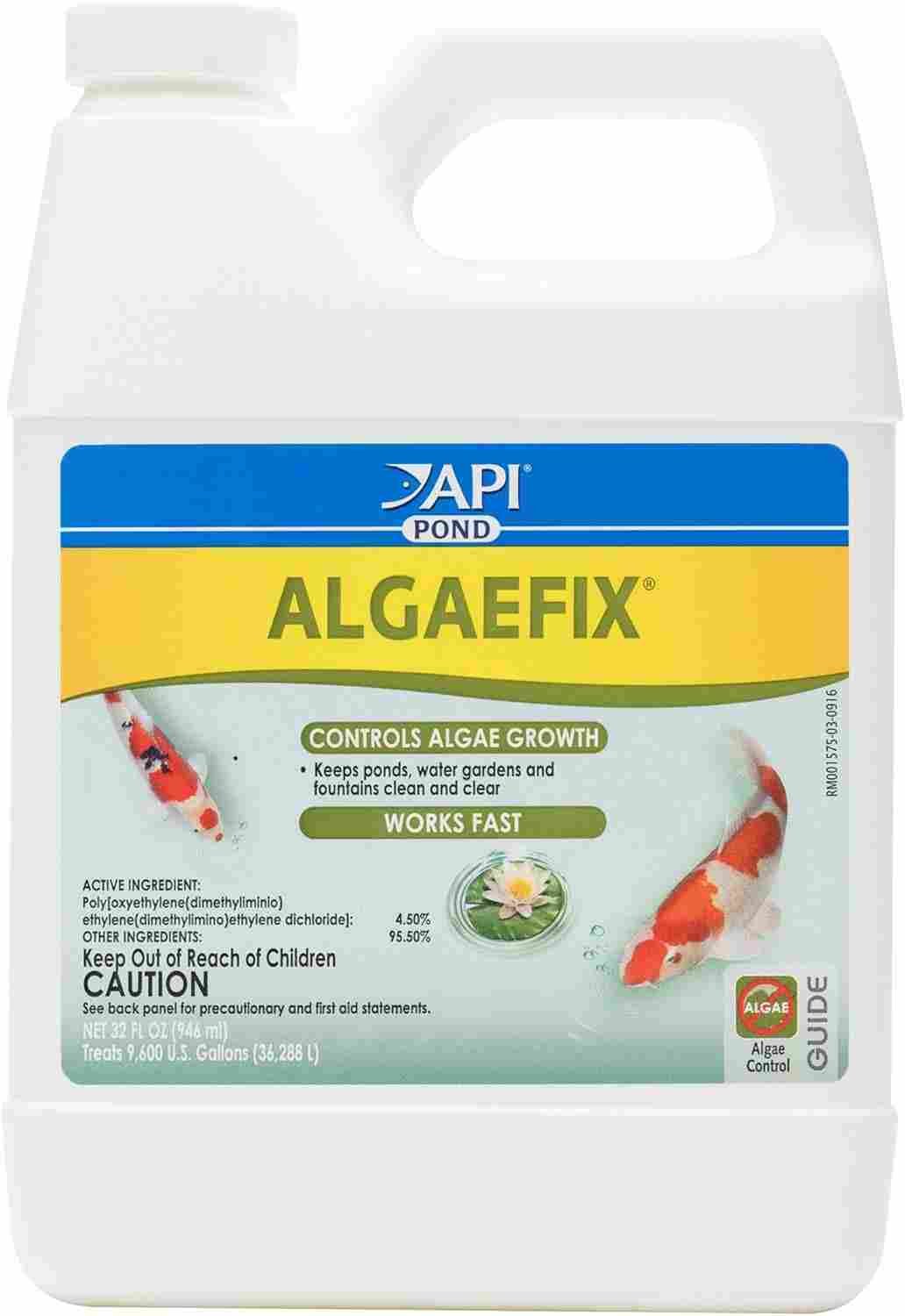
Tank Type: Koi Ponds and Extra Large Freshwater Tanks
- Controls green water and blanketweed
- Safe for Koi and Goldfish
- Highly concentrated (use caution indoors)