
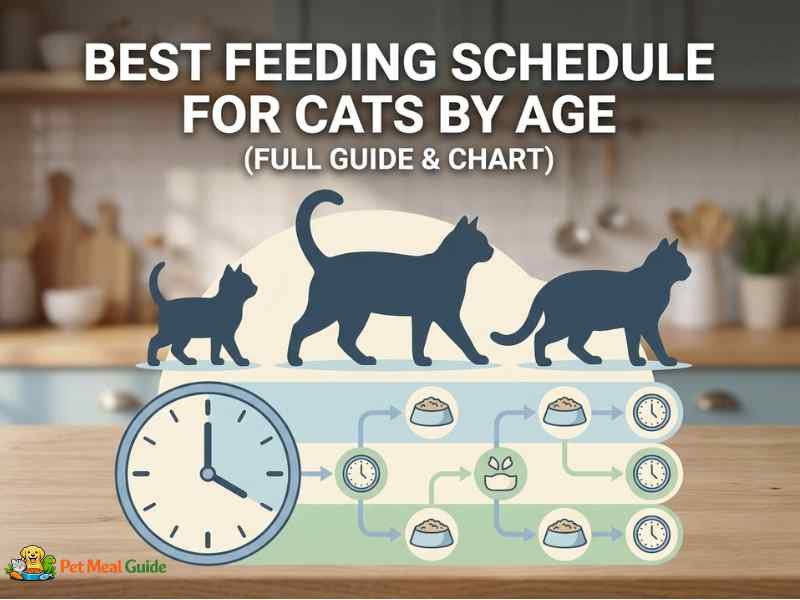
Best Feeding Schedule for Cats
Cat Feeding Schedule
The best feeding schedule for cats heavily depends on their specific age, current weight, and daily lifestyle. As obligate carnivores, cats possess a digestive system designed for frequent, small meals. However, modern indoor living requires structured routines to prevent obesity.
Most adult cats thrive with 2 scheduled meals per day (typically morning and evening, roughly 12 hours apart). Kittens, due to their rapid growth and high metabolic rate, require 3 to 4 smaller meals daily. Establishing a strict, structured feeding schedule is paramount—it helps maintain a healthy weight, drastically prevents overeating and “scarf-and-barf” behaviors, improves gastrointestinal digestion, and significantly reduces anxiety around food.
A proper cat feeding schedule is undeniably one of the most critical foundational pillars of keeping your feline companion healthy, happy, and thriving. Whether you are currently raising a tiny, energetic kitten, managing the diet of an active adult, or caring for a senior cat with specific dietary requirements, implementing a highly structured routine does more than just fill their bellies. It actively improves long-term digestion, regulates and controls weight, and substantially reduces frustrating behavioral issues such as begging or nighttime crying.
In this comprehensive, veterinarian-aligned guide, we will break down the exact feeding schedules required for every stage of your cat’s life. We will explore the ongoing debate of wet vs. dry food schedules, how to properly transition your cat away from free-feeding, and provide you with actionable 12-month feeding charts you can print and use at home.
📊 Essential Cat Feeding Tools & Calculators
Before establishing a schedule, you must know how much to feed. Use these precise dietary tools to calculate exact caloric needs and portion sizes:
👉 Calculate Daily Portions: Cat Feeding Calculator
👉 Manage Feline Weight: Cat Weight Calorie Calculator
👉 Analyze Cat Food Labels: Cat Food Calorie Calculator
👉 Clinical VCA Standards: VCA Cat Food Calculator
👉 Full Nutrition Education: Complete Cat Nutrition Guide
Why Do Cats Need a Feeding Schedule?
Before diving into the specific charts, it is vital to understand the biological reasoning behind scheduled feeding. In the wild, feline ancestors (the African wildcat) were opportunistic hunters. They hunted small prey, such as mice or insects, multiple times throughout a 24-hour cycle. This means their stomachs are biologically designed to handle small, protein-dense meals rather than massive, carb-heavy bowls of kibble left out all day.
When we bring cats indoors and provide them with unlimited access to food—a practice known as free-feeding—we actively go against their biological nature. A strict cat feeding schedule provides several profound benefits:
- Metabolic Predictability: Regularly timed meals help regulate your cat’s blood sugar spikes and drops. This is particularly crucial in preventing feline diabetes, a condition rapidly rising in indoor pets.
- Weight Management: Over 60% of domestic cats in the US are classified as overweight or obese. Scheduled portions are the single most effective way to control caloric intake and prevent dangerous weight gain.
- Early Illness Detection: When a cat is on a strict schedule, a lack of appetite becomes immediately obvious. If a scheduled feeder skips breakfast, you know instantly that something might be medically wrong, allowing for prompt veterinary care.
- Behavioral Improvements: Cats are creatures of deep habit. A predictable schedule reduces food anxiety, mitigates aggressive resource guarding in multi-cat households, and stops the dreaded 4:00 AM wake-up calls from a hungry cat.
Cat Feeding Schedule by Age (The Complete Guide)
The best feeding schedule for cats is not a one-size-fits-all metric. It is a highly fluid timeline that must be adjusted as your cat transitions through different life stages. Below is a deep dive into the specific requirements for kittens, adults, and seniors.
1. The Kitten Phase (0 to 12 Months)
Kittens are essentially tiny, furry engines of growth. During their first year, they will double and triple their weight rapidly. Because their stomachs are incredibly small, they cannot consume enough calories in just one or two sittings to support this explosive growth, bone development, and neurological maturation. Therefore, they require frequent, nutrient-dense meals.
Weeks 0 to 4: Kittens should be exclusively nursing from their mother. If orphaned, they require specialized kitten milk replacer every 2 to 4 hours round the clock.
Weeks 4 to 8 (Weaning): This is when you introduce a gruel (wet kitten food mixed with milk replacer). They should be offered this mixture 4 to 5 times a day.
Months 2 to 6: By now, kittens are fully on solid food. They require 3 to 4 meals per day. The food must be specifically labeled “For Kittens” as it contains higher levels of DHA, calcium, phosphorus, and protein.
Months 6 to 12: Growth begins to slow down as they approach their adult size. You can gradually reduce feeding to 2 to 3 meals per day. Around the 10-to-12-month mark, you will begin transitioning them to adult food.
2. The Adult Cat Phase (1 to 7 Years)
An adult cat feeding schedule is focused entirely on maintenance. At this stage, your cat’s metabolism stabilizes. The goal is to provide enough energy for their daily activities without crossing the threshold into caloric surplus.
For the vast majority of healthy, adult cats, 2 meals daily is the gold standard. A common and highly effective schedule includes:
- Morning Meal: 7:00 AM to 9:00 AM (Before you leave for work).
- Evening Meal: 6:00 PM to 8:00 PM (Around your own dinner time).
👉 Need help picking the right food? Read our comprehensive Best Cat Food Guide.
3. The Senior Cat Phase (7+ Years)
As cats enter their senior years, their dietary needs shift once again. Senior cats often experience a natural decrease in digestive efficiency, meaning they don’t absorb fats and proteins as easily as they used to. Furthermore, dental disease, reduced sense of smell, and conditions like chronic kidney disease (CKD) or hyperthyroidism become common.
While the schedule might remain at 2 to 3 meals per day, the *type* of food and the *manner* of feeding changes. Senior cats often benefit from highly palatable, warmed wet food to stimulate their appetite. If they struggle to eat large amounts, breaking their daily caloric intake into 3 or 4 smaller meals can prevent weight loss and ease the burden on their digestive organs.
12-Month Cat Feeding Schedule Chart
To make tracking your cat’s first year as simple as possible, use this definitive 12-month feeding chart. It outlines the ideal meal frequency and dietary focus as your kitten matures into adulthood.
| Age / Month | Meals Per Day | Food Type Focus | Important Notes & Milestones |
|---|---|---|---|
| Weeks 1–4 | 6–8 (On demand) | Queen’s Milk / Formula | Never feed regular cow’s milk. Requires round-the-clock feeding. |
| Month 1–2 | 4–5 meals | Wet food slurry / Softened kibble | The weaning process begins. Introduce shallow dishes. |
| Month 3–4 | 4 meals | Kitten Wet + Kitten Dry | Extremely high protein and calorie requirements for muscle growth. |
| Month 5–6 | 3 meals | Balanced Kitten Diet | Spay/neuter typically occurs here, which can lower metabolic rate slightly. |
| Month 7–8 | 3 meals | Transitioning phase | Begin monitoring weight closely. Avoid overfeeding as growth slows. |
| Month 9–10 | 2–3 meals | Adult Transition preparation | Start introducing adult food by mixing 25% adult with 75% kitten food. |
| Month 11–12 | 2 meals | 100% Adult Formula | Establish the permanent adult morning/evening routine. |
Essential Gear for Scheduled Feeding
Maintaining a strict schedule can be difficult if you work long hours, travel frequently, or simply have a busy lifestyle. Modern pet technology has solved this issue with automated feeders. Here are some top-rated tools that integrate perfectly with the schedules outlined in this guide.

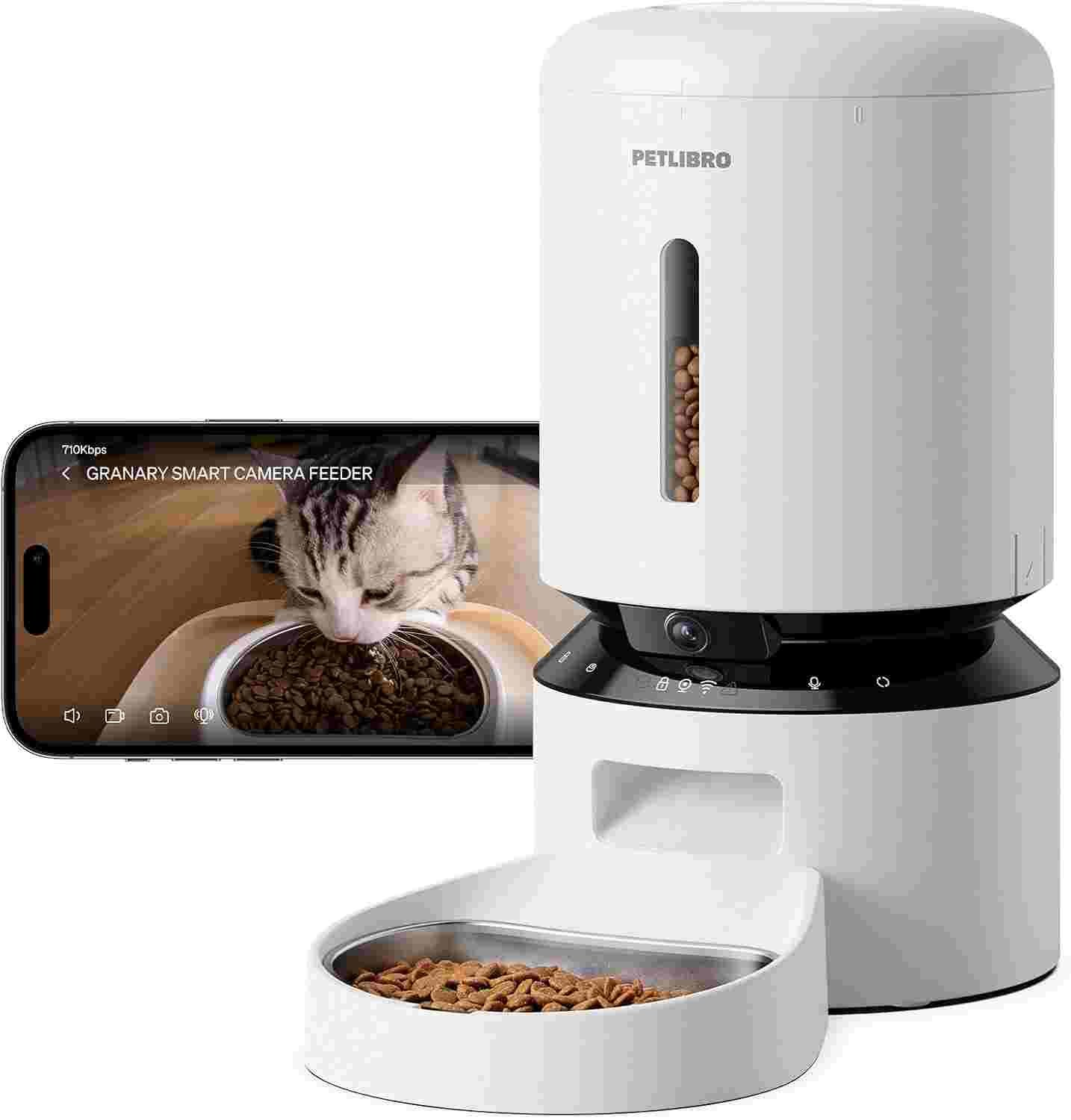
Smart Wi-Fi Automatic Feeder
Program exact portion sizes and feeding times via your smartphone. Ideal for dry kibble schedules.
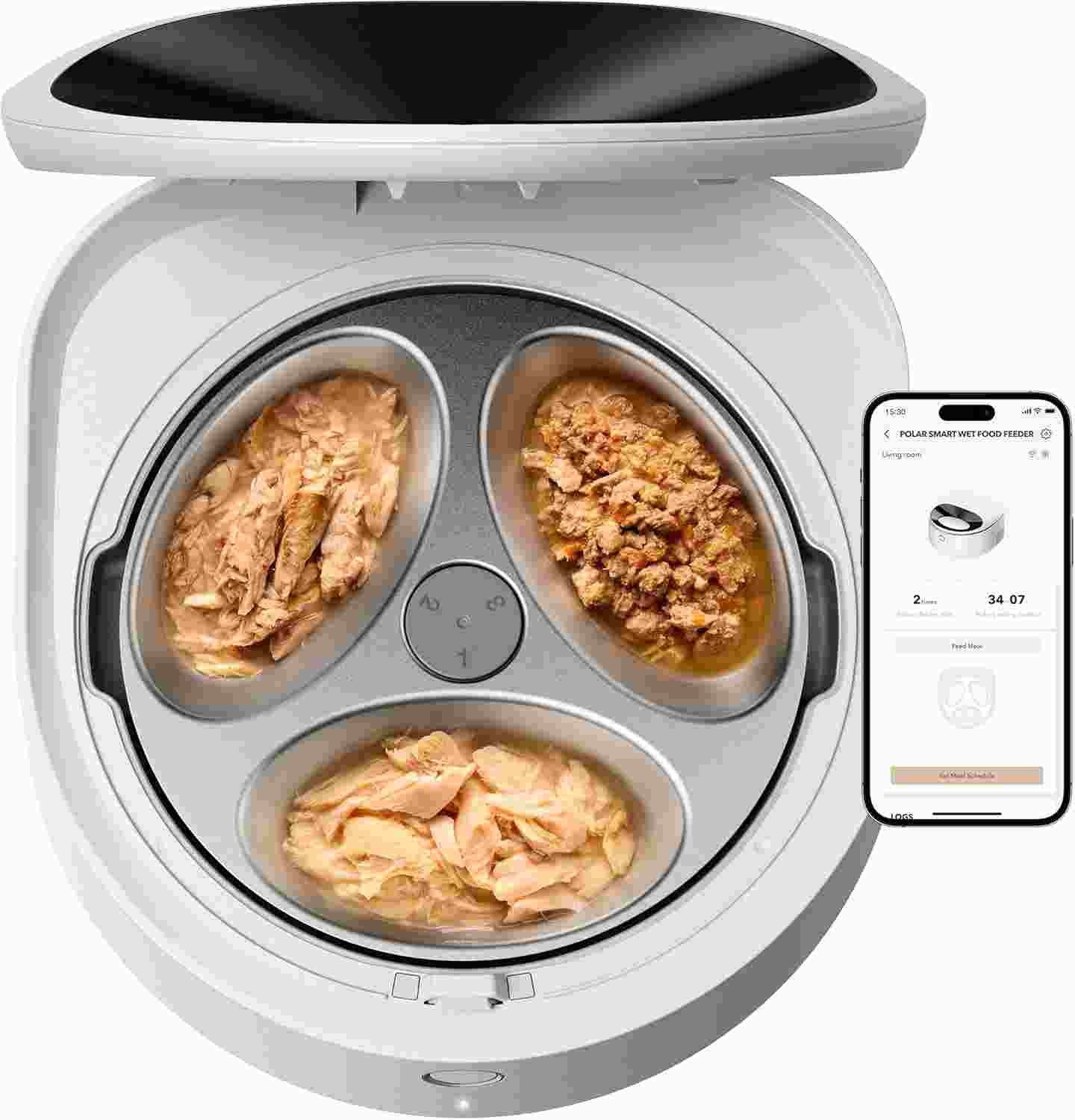
Wet Food Timed Dispenser
Features built-in ice packs to keep wet food fresh for up to 24 hours. Pops open at scheduled times.
Microchip Access Feeder
Essential for multi-cat households. Only opens for the assigned cat’s microchip to prevent food theft.
Cat Feeding Schedule: Wet and Dry Combinations
One of the most frequent questions veterinarians receive is regarding the combination of wet and dry food. A cat feeding schedule wet and dry combination is generally considered the most optimal approach for long-term feline health.
The Benefits of Wet Food: Cats have a notoriously low thirst drive. In the wild, they consume almost 70% of their required moisture directly from the bodies of their prey. Dry kibble contains only about 10% moisture. Feeding wet food is critical for maintaining urinary tract health, supporting kidney function, and preventing life-threatening blockages (especially in male cats).
The Benefits of Dry Food: High-quality dry food is energy-dense, highly convenient for busy owners, cost-effective, and can be left out in automated feeders without spoiling during the day. Certain prescription dry foods also offer mild dental benefits through mechanical scraping of plaque.
The Ideal Hybrid Schedule (Adult Cat)
If you want to offer the best of both worlds, here is an expertly designed hybrid schedule you can implement immediately:
- 7:30 AM (Breakfast): 1/2 can of high-quality wet food. This provides immediate hydration after a long night and satisfies their morning hunger with rich proteins.
- 1:00 PM (Optional Mid-Day Snack): A very small portion of dry kibble dispensed via an automatic feeder or a puzzle toy to provide mental stimulation while you are at work.
- 6:30 PM (Dinner): The remaining 1/2 can of wet food.
- 10:30 PM (Pre-Bedtime Crunch): A measured, calculated portion of dry kibble. Feeding a small amount of dry food right before you go to sleep helps keep the cat satiated through the night, preventing them from waking you up early.
Free Feeding vs Scheduled Feeding Cats
When analyzing free feeding vs scheduled feeding cats, the veterinary consensus heavily leans toward scheduled feeding. Let’s break down exactly why free-feeding (leaving a bowl of dry kibble out 24/7) is detrimental to your pet.
The Problems with Free-Feeding:
- The Obesity Epidemic: Cats left to their own devices will often eat out of sheer boredom, anxiety, or stress, rather than true biological hunger. Because dry food is highly calorically dense, even a few extra mouthfuls a day leads to massive weight gain over a year.
- Loss of Food Motivation: If food is always available, it loses its high value. This makes training your cat, or using food as a reward, incredibly difficult.
- Hiding Illness: As mentioned earlier, it is incredibly hard to tell exactly how much a free-fed cat is eating on any given day. If they develop an illness that causes anorexia, you might not notice until days later.
- Multi-Cat Stress: In a home with multiple cats, free-feeding often leads to one “alpha” cat guarding the bowl, causing the more submissive cat to develop anxiety and under-eat.
The Triumphs of Scheduled Feeding:
- Ensures accurate, perfectly measured caloric intake.
- Allows for the safe incorporation of highly beneficial wet foods (which cannot be left out to spoil).
- Builds a stronger human-animal bond, as your cat associates you directly with the positive experience of mealtime.
How to Switch from Free Feeding to Scheduled Feeding
If you are currently free-feeding and recognize the need for change, you might be asking how to switch a cat from free feeding to scheduled feeding without causing a household meltdown. Cats despise sudden changes. If you remove the bowl abruptly, your cat will likely exhibit extreme stress, vocalization, and behavioral acting out. The transition must be gradual.
The 14-Day Transition Plan:
- Days 1-3 (Measure the Baseline): Do not change the feeding style yet. Instead, measure exactly how much food you are putting into the free-feed bowl in the morning. At the end of 24 hours, measure what is left. This tells you exactly how much your cat is actually eating naturally.
- Days 4-7 (Introduce Meal Times): Continue to leave food out, but add high-value treats or a tiny spoonful of wet food at the specific times you *want* the future meals to be (e.g., 8:00 AM and 6:00 PM). This teaches the cat to anticipate food at specific times.
- Days 8-10 (Restrict the Window): Put the daily portion of dry food down at 8:00 AM. Leave it down for 1 hour. Whatever they do not eat, pick it up and put it away. Put it back down at 6:00 PM for 1 hour. Repeat. Your cat will quickly learn that food is no longer a permanent fixture and they must eat when it is offered.
- Days 11-14 (Solidify the Schedule): By now, your cat should be hungry at meal times. Transition fully to the measured, scheduled portions of wet or dry food. Do not give in to begging between meals. If they beg, offer playtime with a wand toy instead of calories.
Managing Special Dietary Schedules
Standard schedules do not apply to every feline. Medical conditions require precise dietary interventions and uniquely tailored feeding times.
Feeding Schedule for Diabetic Cats: Feline diabetes requires strict adherence to a routine. Cats on insulin injections almost universally require feeding twice a day, exactly 12 hours apart. The insulin injection is typically given during or immediately after the meal to ensure blood glucose levels do not drop dangerously low (hypoglycemia). A low-carbohydrate, high-protein wet food diet is critical here.
Feeding Schedule for Weight Loss: If your cat is actively dieting, feeding them just twice a day might lead to extreme begging and frustration. Instead, take their restricted daily calorie limit and divide it into 4 or 5 very small micro-meals dispensed via an automatic feeder or hidden in interactive puzzle toys. This keeps their metabolism active and prevents the feeling of starvation.
Pregnant and Nursing Cats: A pregnant queen, particularly in her final trimester, has incredibly high energy demands. Her stomach space is limited due to the growing kittens. She should be fed a high-calorie kitten formula and may require free-feeding or up to 6 scheduled meals a day. A nursing mother requires up to 4 times her normal caloric intake to produce enough milk.
Common Mistakes to Avoid in Your Feeding Routine
Even with the best intentions, pet owners frequently make subtle errors that derail their cat’s nutritional health. Avoid these major pitfalls:
- Ignoring Treat Calories: Treats should never make up more than 10% of your cat’s total daily caloric intake. If your cat’s schedule includes 200 calories a day, only 20 of those calories can come from treats. Many commercial treats are dense in fats and sugars.
- Using the “Cup” Method Incorrectly: Scooping food with a random coffee mug or a generic plastic cup is incredibly inaccurate. Always use a standardized measuring cup, or better yet, a digital kitchen scale to measure kibble by grams. A 10-gram overfeed every day leads to massive weight gain.
- Feeding Cold Wet Food: Cats are predators whose wild prey is body temperature (around 101°F / 38°C). Pulling a can of wet food out of the refrigerator and immediately serving it often results in the cat rejecting it. Add a splash of warm water to cold wet food to bring it to room temperature and release the savory aromas.
- Placing Food Near the Litter Box: In the wild, cats never eat where they eliminate to prevent contamination and disease. Placing a food bowl near a litter box is highly stressful for a cat and can cause them to abandon their feeding schedule entirely. Ensure food stations are in quiet, clean, low-traffic areas.
FAQ (People Also Ask)
What is a good feeding schedule for cats?
A good, standard feeding schedule for a healthy adult cat involves feeding them two carefully measured meals per day, spaced roughly 10 to 12 hours apart (such as 7:00 AM and 7:00 PM). This aligns with their biological digestion time and prevents both obesity and food anxiety. Kittens require a schedule of 3 to 4 smaller meals daily.
Can I feed my cat 3 times a day?
Yes, absolutely. Feeding an adult cat 3 times a day (morning, afternoon, and evening) is highly beneficial, provided you are dividing their total daily caloric limit into three smaller portions, rather than feeding three large meals. Three meals a day is particularly excellent for active cats, cats prone to vomiting from eating too fast, or cats on a weight-loss regimen.
How long can a cat go between scheduled meals?
A healthy adult cat can easily and safely go 12 hours between scheduled meals. It is not recommended to stretch the fasting period beyond 12 to 14 hours on a regular basis, as their stomach acid can build up and cause bilious vomiting (throwing up yellow foam/bile). Never let a cat go 24 hours without food, as this can trigger a fatal liver condition called hepatic lipidosis.
Should I wake up early to feed my cat?
No. You should dictate the schedule, not your cat. If you wake up at 5:00 AM just to feed a crying cat, you are positively reinforcing that crying behavior. Set the schedule for a time that is convenient for you (like 7:00 AM). If they cry earlier, ignore them entirely. Over a few weeks, they will learn that begging does not change the schedule.
How to change a cat’s feeding schedule?
To change a feeding schedule, adjust the meal times gradually by 15 to 30 minutes every day until you reach the desired new time. Sudden, drastic shifts of several hours will cause gastrointestinal upset, severe stress, and behavioral acting out. Gradual transitioning allows their internal biological clock and gastric acid production to adjust smoothly.