
Complete Cat Nutrition Guide for Beginners
Feeding your feline friend is about much more than just filling a bowl with kibble. To ensure a long, vibrant, and healthy life, pet owners must understand the complexities of feline dietary requirements. If you’ve ever found yourself staring blankly at the pet food aisle, overwhelmed by the countless brands and confusing labels, you are not alone.
In this comprehensive cat food nutrition guide, we will break down exactly what your cat needs to thrive. From decoding nutritional labels to choosing between wet and dry food, and understanding safe supplements, this guide covers everything a beginner—and even an experienced pet parent—needs to know.
Cats are obligate carnivores, meaning they require a high-protein, meat-based diet to survive. They need specific essential nutrients like taurine, omega fatty acids, vitamins, and minerals that they cannot produce on their own.
Key takeaways for feline nutrition:
- A nutritionally complete cat food must meet AAFCO (Association of American Feed Control Officials) standards.
- Food should match your cat’s specific life stage (kitten, adult, or senior).
- Wet food is highly recommended to support hydration and kidney health.
- Dry food is convenient and can assist with dental health. Combining both provides the best nutritional balance.
What is Cat Nutrition? (Cat Nutrition Guide for Beginners)
Understanding cat nutrition is the crucial first step to keeping your pet healthy. Unlike dogs and humans, who are omnivores, cats are strict obligate carnivores. Their bodies are biologically engineered to process and extract nutrients exclusively from animal tissue.
A plant-based or low-meat diet is incredibly dangerous for a cat, as their digestive systems lack the enzymes required to efficiently process heavy carbohydrates and plant matter.
Key Nutritional Needs for Cats:
- High-quality animal protein: Chicken, turkey, fish, and beef are vital for muscle maintenance and energy.
- Taurine: An essential amino acid found only in animal protein. Without taurine, cats suffer from blindness and fatal heart disease.
- Fatty acids: Omega-3 and Omega-6 promote a healthy immune system, brain function, and a shiny coat.
- Vitamins: Including Vitamin A, D, E, and B-complex to regulate metabolism and bone growth.
- Minerals: Proper ratios of calcium and phosphorus are necessary for bone structure and nerve function.
Helpful Resources for Cat Owners
Taking control of your cat’s diet requires consistency. Utilize these helpful resources to stay on track:
- 👉 Stop guessing portions! Calculate exactly what your cat needs using our Cat Feeding Calculator.
- 👉 Need a routine? Review our Cat Feeding Schedule Guide to establish healthy eating times.
- 👉 Raising a young feline? Print out our Kitten Feeding Chart for month-by-month nutritional benchmarks.
Best Nutritional Cat Food (Top Veterinarian Picks)
Finding a high-demand pet nutrition cat food can be tricky. Below are the top-rated, highly balanced options on the market, categorized by their best use case.
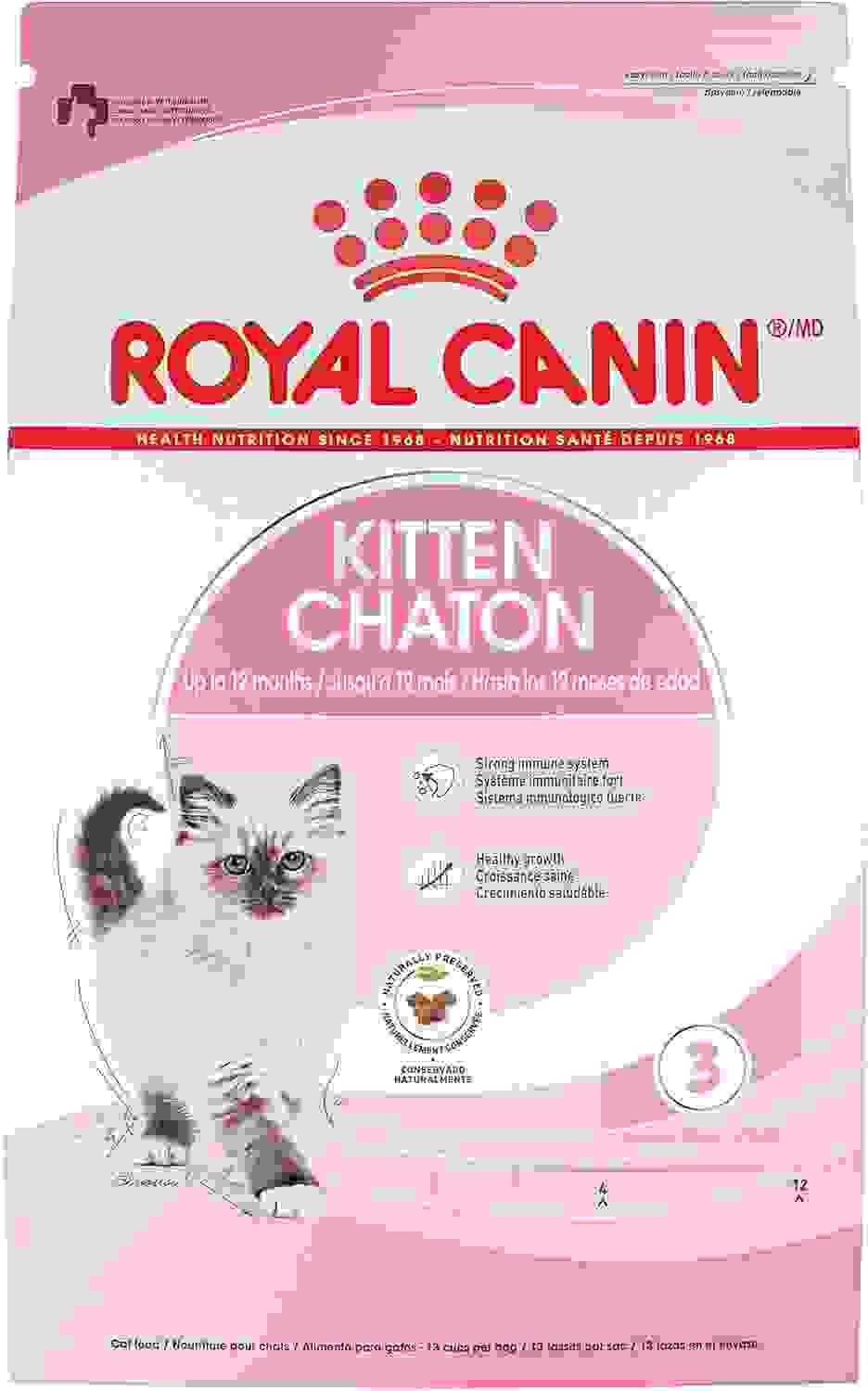
1. Royal Canin Feline Health Nutrition Kitten
Specially formulated for the crucial growth phase of kittens (2 to 12 months). This diet bridges the gap between weaning and adulthood.
- Supports a developing immune system with an exclusive blend of antioxidants.
- Highly digestible proteins to support developing digestive systems.
- Balanced vitamins & minerals for healthy bone and muscle growth.
👍 Pros
- Perfect kibble size for tiny jaws
- Highly palatable
👎 Cons
- Premium price point
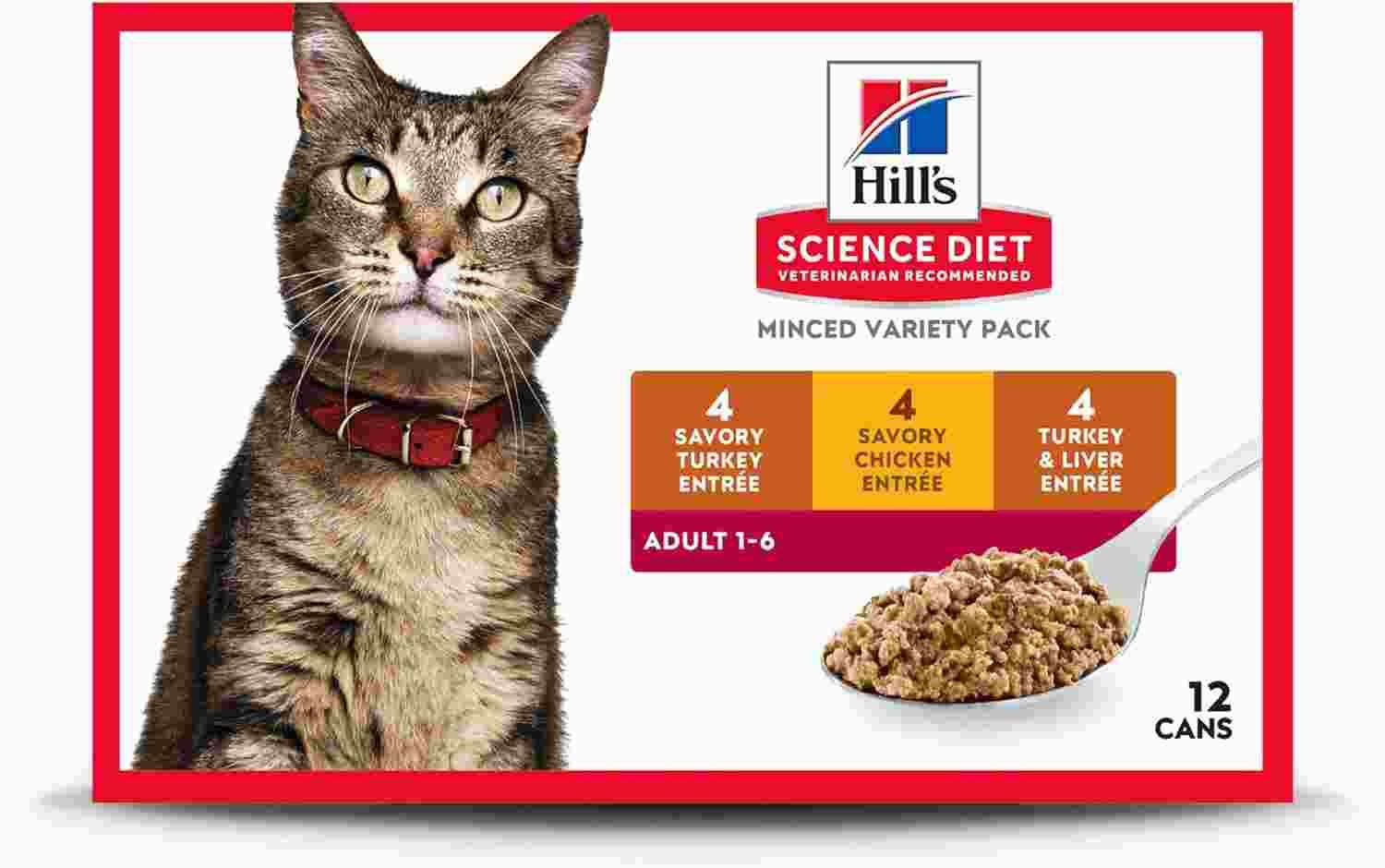
2. Hill’s Pet Nutrition (Science Diet) Indoor
A staple in veterinary offices, Hill’s provides a heavily researched, precisely balanced formula perfectly suited for indoor adult cats.
- Vet-recommended formula backed by clinical research.
- High-quality lean protein for weight management.
- Natural fibers promote healthy digestion and easy litter box cleanup.
👍 Pros
- Prevents indoor weight gain
- No artificial colors or preservatives
👎 Cons
- Contains some grains (not for grain-sensitive cats)
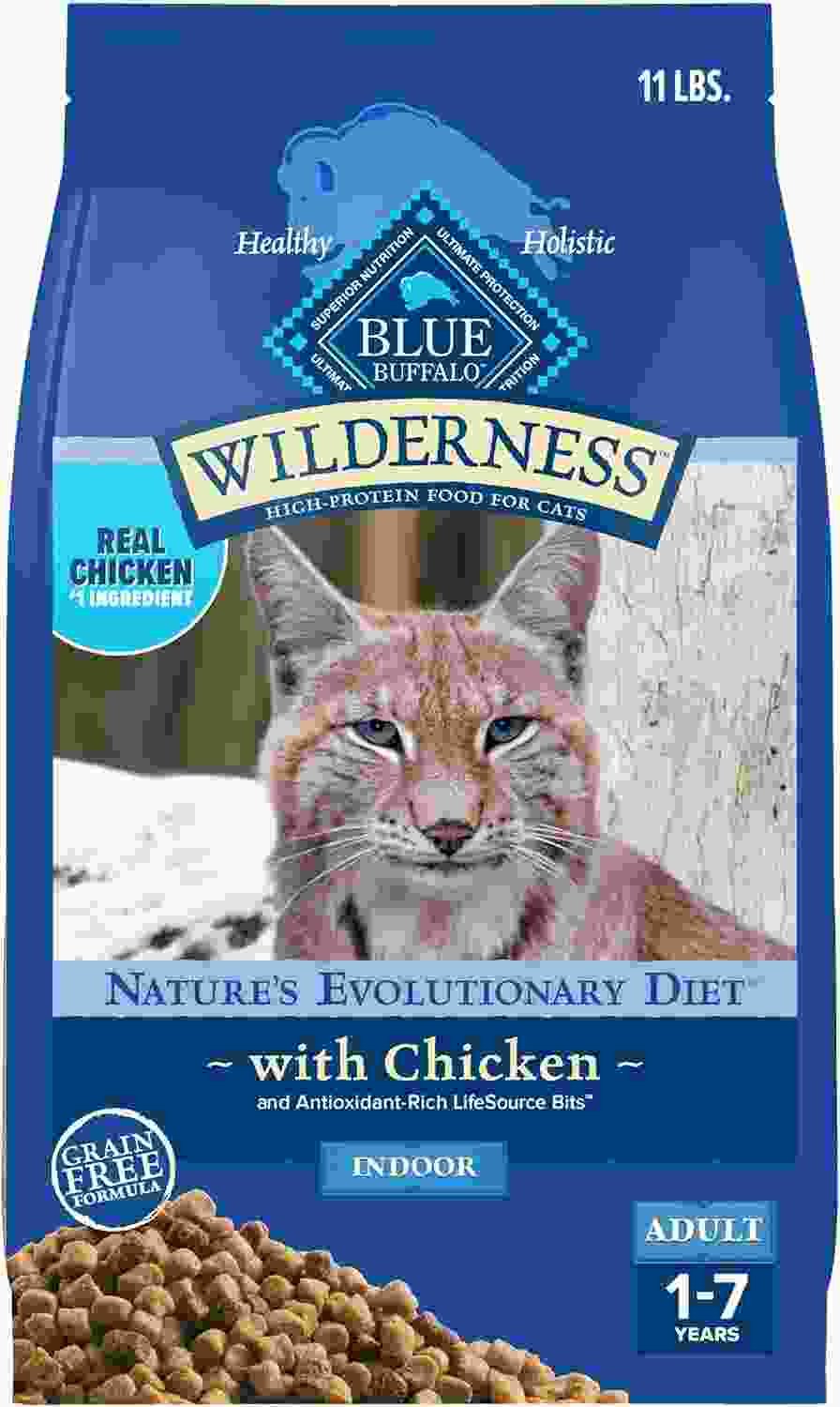
3. Blue Buffalo Indoor Health Cat Food
For pet parents seeking a holistic approach, Blue Buffalo offers real meat as the first ingredient alongside their proprietary LifeSource Bits.
- Natural ingredients featuring real deboned chicken.
- Grain-free options available for sensitive stomachs.
- Strong antioxidant support from cold-formed vitamin bites.
👍 Pros
- Excellent protein source
- Promotes a shiny coat (rich in Omega 3/6)
👎 Cons
- Some cats pick around the LifeSource Bits
Cat Food Nutritional Information Explained
Learning how to read cat food nutrition facts empowers you to bypass marketing fluff and look straight at the science of what you are feeding your pet.
Every bag or can of cat food features a “Guaranteed Analysis” panel. Here is the typical nutritional breakdown you should aim for:
- Protein: 30–45% (Must be sourced from named meats like “chicken” or “salmon”, rather than generic “meat meal”).
- Fat: 10–20% (Fats provide the most concentrated source of energy for felines).
- Carbohydrates: Minimal (Ideally under 10%. Cats do not need carbs, and high carbs lead to feline diabetes).
- Moisture (in wet food): 70–80% (Crucial for kidney and urinary tract health).
When reviewing dry cat food nutritional information compared to canned cat food nutritional information, you will notice that dry food appears to have vastly more protein. However, this is because dry food has the water removed. To accurately compare them, you have to calculate the “dry matter basis” of the wet food.
Dry vs Wet Cat Food Nutrition (Which is Better?)
The debate between kibble and canned food is ongoing. The truth is, both have distinct advantages.
Dry Cat Food Nutritional Information
Kibble is heavily processed to remove moisture (down to about 10%). Because of this, it is incredibly calorie-dense.
- Pros: Much longer shelf life, highly convenient for busy owners, and the crunchy texture can help scrape mild plaque off teeth.
- Cons: Often contains higher carbohydrate levels to bind the kibble together. It provides almost zero hydration.
Canned Cat Food Nutritional Information
Wet food closely mimics the moisture content of a cat’s natural wild prey (like a mouse, which is roughly 70% water).
- Pros: Exceptionally high moisture content protects against urinary crystals and kidney disease. It is easier to digest and generally lower in carbohydrates.
- Cons: More expensive per meal, spoils quickly if left out, and produces a stronger odor.
Nutritional Yeast for Cats – Safe or Not?
A common question among holistic pet owners is: Can cats eat nutritional yeast?
The answer is yes, but in strict moderation. Nutritional yeast for cats is deactivated yeast, meaning it will not swell in their stomach like baking yeast. In fact, it has a cheesy, umami flavor that cats absolutely love.
Benefits of Nutritional Yeast:
- Rich in B-complex vitamins (especially B12), which support nerve function.
- Boosts appetite in sick, elderly, or picky cats.
- Supports healthy skin and a glossy coat.
Risks to Consider:
- Too much can cause gastrointestinal upset or diarrhea.
- It contains phosphorus; cats with kidney disease should avoid excess phosphorus.
- Always ensure the yeast is unflavored and contains no garlic or onion powder (which are highly toxic to cats).
So, is nutritional yeast safe for cats? Yes. Sprinkle a tiny pinch (about 1/8 of a teaspoon) over their wet food occasionally as a treat, but do not use it as a daily dietary staple.
Nutritional Supplements for Cats
A high-quality, complete commercial diet shouldn’t require supplementation. However, certain nutritional supplements for cats can be beneficial for specific health conditions:
- Taurine Supplements: Usually unnecessary if feeding commercial food, but critical if feeding a homemade meat diet.
- Omega-3 Fish Oil: Excellent for reducing joint inflammation in senior cats and improving skin health.
- Probiotics: Helps cats suffering from diarrhea, sensitive stomachs, or those recovering from a round of antibiotics.
- Multivitamins: Generally not recommended unless prescribed, as overdosing fat-soluble vitamins (like Vitamin A and D) is toxic to cats.
👉 Always consult your veterinarian before adding supplements to your cat’s routine.
Brand Comparison – Cat Food Nutrition Facts
How do the major brands stack up? Here is a general overview looking at the differences between blue buffalo cat food nutritional information, purina indoor cat food nutritional information, and fancy feast canned cat food nutritional information.
| Brand | Average Protein Level | Carb Content | Key Feature |
|---|---|---|---|
| Royal Canin | Medium (30-35%) | Moderate | Highly specific breed & health formulas |
| Hill’s Pet Nutrition | High (35-40%) | Moderate | Clinically backed, vet recommended |
| Blue Buffalo | High (38-40%+) | Low (in grain-free) | Natural ingredients, no by-product meals |
| Purina (Pro Plan/ONE) | Medium (32-36%) | Moderate | Affordable, highly accessible scientific diets |
| Fancy Feast (Classic Pate) | High (Dry matter basis) | Very Low | Excellent budget-friendly wet food variety |
Cat Nutrition Guide by Life Stage
A cat’s nutritional needs change drastically as they age. Feeding an adult cat kitten food will lead to obesity, while feeding a kitten adult food will stunt their growth.
- Kitten (0–12 Months): Require extremely high protein and fat levels to fuel rapid growth. Diets should be rich in DHA (an omega-3) for brain and vision development.
- Adult Cats (1–7 Years): Require balanced nutrients focused on maintenance. Indoor cats specifically need calorie control to prevent obesity and fiber to help pass hairballs.
- Senior Cats (7+ Years): Require highly digestible proteins. Senior diets often feature lower calories, reduced phosphorus (to protect aging kidneys), and added glucosamine for joint support.
How to Read Cat Food Labels Like a Pro
The pet food industry uses clever marketing. To see past it, look at the back of the bag:
- Look for the AAFCO Statement: It should explicitly state it provides “complete and balanced nutrition.”
- Check the First Ingredient: Ingredients are listed by weight. The first ingredient must be a specified meat source (e.g., “Deboned Chicken” or “Salmon”).
- Avoid Filler-Heavy Foods: If the first few ingredients are corn gluten meal, wheat, or soy, the food is relying on cheap plant proteins rather than the meat your cat actually needs.
- Watch out for “Ingredient Splitting”: Manufacturers sometimes list “corn flour,” “corn gluten,” and “whole corn” separately to push meat higher up the list.
Common Cat Nutrition Mistakes
Avoid these frequent feeding pitfalls to ensure your cat stays healthy:
- ❌ Feeding Dog Food to Cats: Dog food lacks sufficient taurine, vitamin A, and arachidonic acid. A cat will become severely malnourished on a dog food diet.
- ❌ Too Many Treats: Treats should never make up more than 10% of your cat’s daily caloric intake.
- ❌ Ignoring Hydration: Cats naturally have a low thirst drive. If fed strictly dry food, they exist in a state of chronic mild dehydration.
- ❌ Overfeeding (Free Feeding): Leaving a bottomless bowl of kibble out all day is the number one cause of feline obesity. Instead, use a strict feeding schedule.
Video Guide: Cat Nutrition Guide Video
For a visual breakdown of how to choose the best food for your cat, watch this excellent veterinary guide below:
Frequently Asked Questions (FAQs)
The best nutrition for cats is a high-protein, meat-based diet that is rich in essential amino acids like taurine, along with properly balanced vitamins and minerals. Cats are obligate carnivores and thrive best on diets low in carbohydrates.
No, feeding exclusively dry food is not recommended. Cats have a naturally low thirst drive and rely on their food for hydration. A dry-only diet can lead to chronic dehydration, kidney issues, and urinary tract disease. It is best to combine dry food with wet food.
No, cats should not eat nutritional yeast daily. While it is safe in small amounts and provides beneficial B-vitamins, overfeeding it can cause digestive upset and may contribute too much phosphorus to their diet.
A nutritionally complete cat food is a commercial diet that has been formulated to meet the nutritional levels established by AAFCO. This means it contains all the necessary proteins, fats, vitamins, and minerals your cat needs without requiring additional supplementation.
Unlike humans and dogs, cats cannot synthesize taurine in their own bodies. It must be acquired directly through animal protein. A taurine deficiency leads to dilated cardiomyopathy (heart failure), central retinal degeneration (blindness), and reproductive failures.
Absolutely not. Cats are obligate carnivores. Their bodies are entirely dependent on animal tissue for survival. Attempting to feed a cat a vegan or vegetarian diet will result in severe malnutrition, organ failure, and eventual death.