
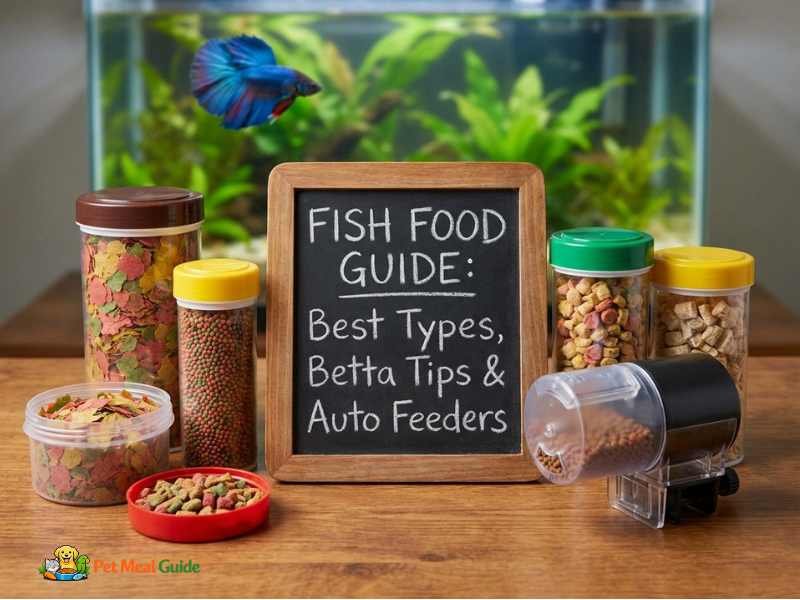
Fish Food Guide: Best Types, Betta Food, Feeding Schedule & Auto Feeders
What is the best fish food? The best fish food matches your fish’s species and mouth: high-protein pellets for bettas, sinking wafers for bottom feeders, and quality flakes or pellets plus veggies for goldfish and community fish. Add frozen or freeze-dried treats once or twice a week.
- How much: only what your fish finish in about 2 minutes.
- How often: once or twice daily for most adults.
- Away from home: healthy adult fish usually handle 3-7 days without food. An auto feeder is safer than a pile of food.
- Biggest mistake: overfeeding, which fouls the water.
Picking food is easier once you know your fish’s type. This guide covers food types, betta and goldfish diets, schedules, vacation feeding and auto feeders. For species-by-species portions, see our aquarium fish feeding guide.
Jump to a section
Types of Fish Food: Flakes, Pellets, Frozen and More
Match the food to where your fish feed: top, middle or bottom of the tank.
| Food type | Best for | Pros | Watch out |
|---|---|---|---|
| Flakes | Tetras, guppies, community fish | Easy and cheap; floats then sinks slowly | Lose nutrients quickly in water; easy to overfeed |
| Pellets | Bettas, cichlids, goldfish | Nutrient-dense; easy portion counting | Pick the right size for the mouth |
| Sinking wafers/tablets | Corydoras, plecos, loaches | Reaches bottom feeders | Remove uneaten pieces |
| Frozen / freeze-dried | Bettas, most carnivores | Close to natural diet; good protein | Thaw frozen foods; use as a supplement |
| Live foods | Conditioning and picky eaters | Stimulates natural hunting | Source from reliable suppliers |
Best Fish Food by Fish Type
Betta Food (Siamese Fighting Fish)
Bettas are carnivores that eat insects and larvae in nature. Choose a pellet with whole fish, krill or insect protein first, and low filler such as wheat and soy. “Siamese fish food” and “fighter fish food” mean the same thing: betta food.
- Base diet: floating betta pellets.
- Treats 1-2 times a week: frozen or freeze-dried bloodworms or brine shrimp.
- Portion: a few pellets per meal. See how much to feed a betta fish and how often to feed betta fish.
Out of betta food? See what betta fish can eat besides fish food. A proper setup also helps appetite: our betta tank setup guide covers heat and filtration.
Goldfish Food
Goldfish are omnivores that lean toward plants. Use a quality goldfish pellet or flake, plus blanched greens. Soak dry pellets for a minute or two if your goldfish gulps air, since fancy goldfish are prone to buoyancy problems. See how often to feed goldfish.
Bottom Feeder Fish Food
Corydoras, plecos and loaches can’t rely on crumbs that fall from the surface. Use food that sinks fast and holds together.
- Plecos and otocinclus (plant-eaters): algae wafers and blanched veggies.
- Corydoras and loaches: sinking shrimp pellets or carnivore wafers.
Choosing tank mates? See the best bottom feeder fish for freshwater aquariums.
What to Look for on the Label
- A named whole protein first (fish, krill, shrimp, insect larvae).
- Added vitamins, including stabilized vitamin C.
- Few fillers such as corn and wheat.
- A date you can use within a few months of opening.
Household Foods and Emergencies
Safe Foods for Pet Fish
Blanched zucchini, cucumber and spinach, and boiled, skinless peas, are safe treats for many omnivorous fish. Peas are a common remedy keepers use for goldfish constipation. Remove leftovers within about 12 hours.
What to Feed Goldfish When Out of Fish Food
Goldfish can eat shelled peas, lettuce, cucumber slices or duckweed for a few days. Avoid bread, dairy, spicy or processed foods, which foul the water and can upset digestion.
Can I Feed a Betta Goldfish Food?
Not as a regular diet. Goldfish food is lower in protein and higher in plant matter than bettas need. A few flakes by accident won’t hurt, but long-term feeding can cause poor condition. Use betta pellets instead, or read about safe alternatives for bettas.
How Much and How Often to Feed Fish: Sample Schedule
A simple rule: feed only what your fish finish in about 2 minutes, once or twice a day. Many keepers also skip one day a week to let digestion rest.
| Day | Morning | Evening |
|---|---|---|
| Monday | Flakes or pellets | Flakes or pellets |
| Tuesday | Flakes or pellets | Frozen bloodworms or brine shrimp |
| Wednesday | Flakes or pellets | Flakes or pellets |
| Thursday | Flakes or pellets | Blanched veggies or algae wafer |
| Friday | Flakes or pellets | Flakes or pellets |
| Saturday | Flakes or pellets | Frozen daphnia (helps with digestion) |
| Sunday | Optional fasting day (no food) | |
Adjust for species, age and water temperature. Young fish need more frequent meals.
How Long Can Fish Go Without Food?
Most healthy adult aquarium fish can go about 3 to 7 days without food, according to common aquarium guidance such as Aquariadise. Survival is not the same as being healthy, so treat these as limits, not goals.
Infographic: Fish Without Food at a Glance
Typical guidance for healthy adult fish in a clean, stable tank.
How Long Can Betta Fish Go Without Food?
Sources vary: domestic bettas are often said to survive 5-10 days, with some reports up to 14, but long fasts cause stress and weaken immunity (Fish Tank Advisor). A few days is fine for most healthy adults. Plan a feeder for longer trips.
Fish Food Auto Feeders
An automatic fish feeder clamps to the tank rim and drops a set portion on a timer. It is the best option for trips of a few days to a couple of weeks.
- Prevents overfeeding with small, repeatable portions.
- Keeps a routine even on busy days.
- Beats vacation blocks, which can cloud water.
Quick Setup Checklist
- Fill the hopper with hard pellets. Flakes can clump with humidity.
- Set the smallest opening and test over a sheet of paper.
- Run it for 3 days while you’re home.
- Do a water change before you leave, and check the heater and filter.
Recommended Fish Food and Feeders
Affiliate disclosure: As an Amazon Associate, PetMealGuide earns from qualifying purchases at no extra cost to you. We don’t show prices because they change.
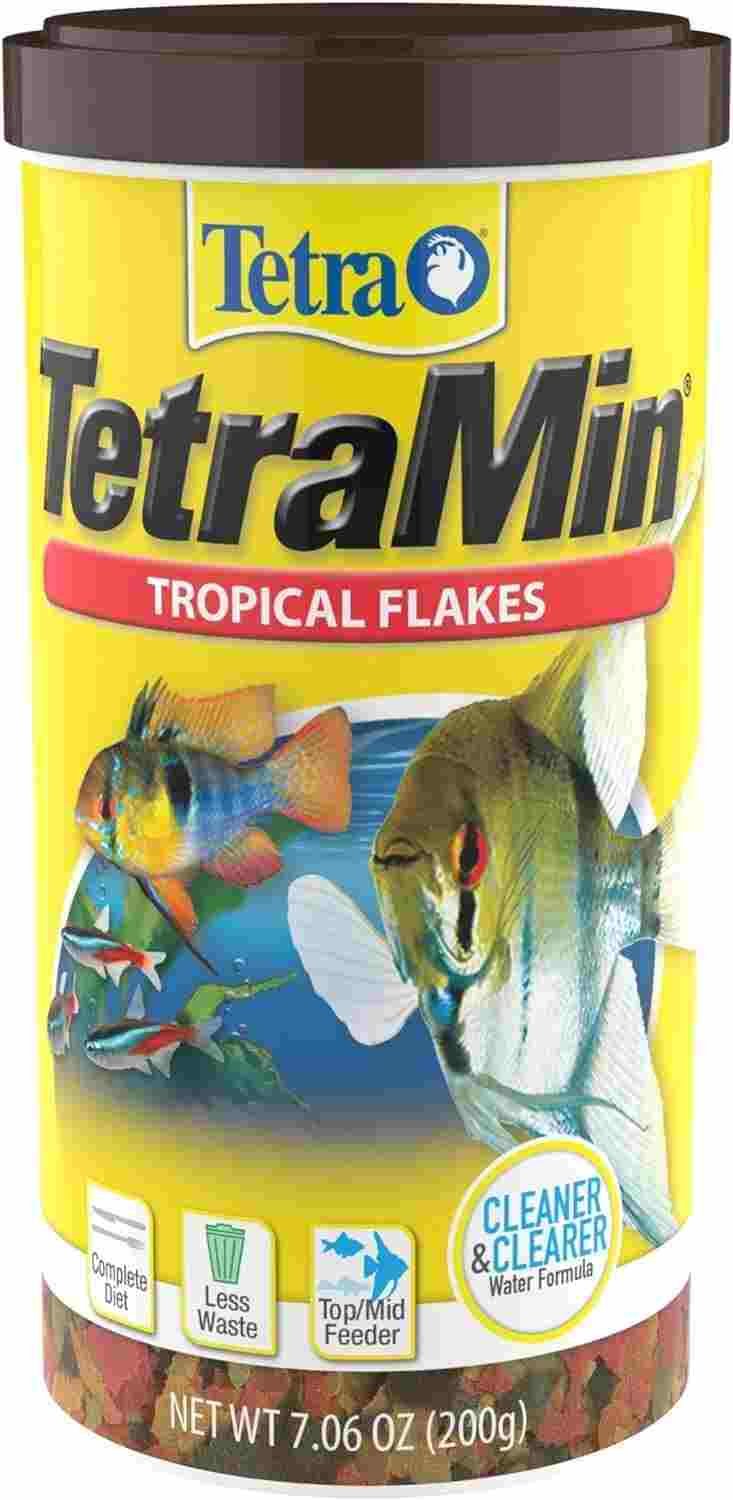
TetraMin Tropical Flakes
A popular staple for community aquariums with balanced daily nutrition.
- Balanced daily nutrition
- ProCare blend supports immunity
- Great for top/mid-water feeders
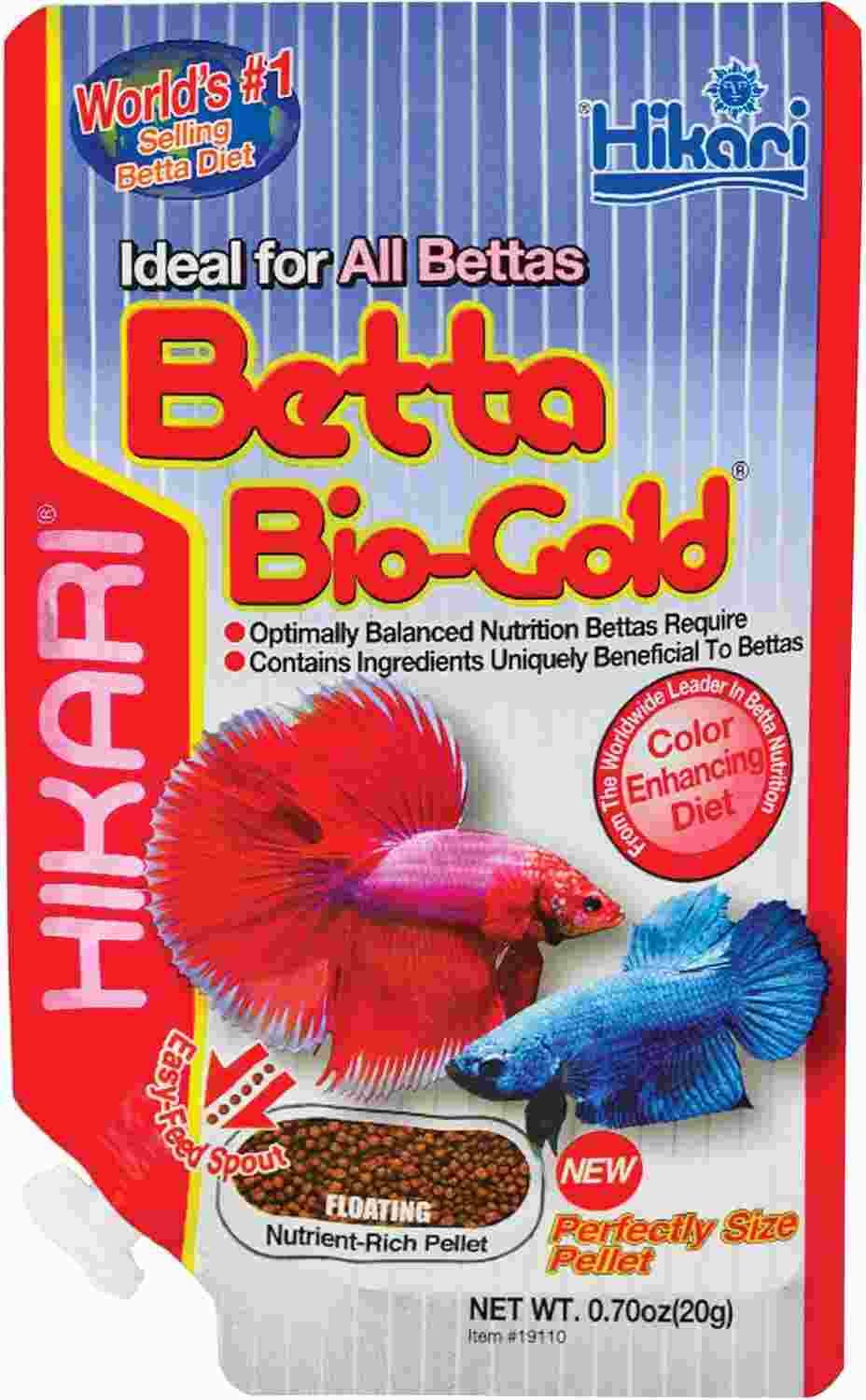
Hikari Betta Bio-Gold Pellets
A high-protein floating pellet made for Siamese fighting fish.
- High protein for energy
- Astaxanthin supports color
- Floating pellet size for bettas
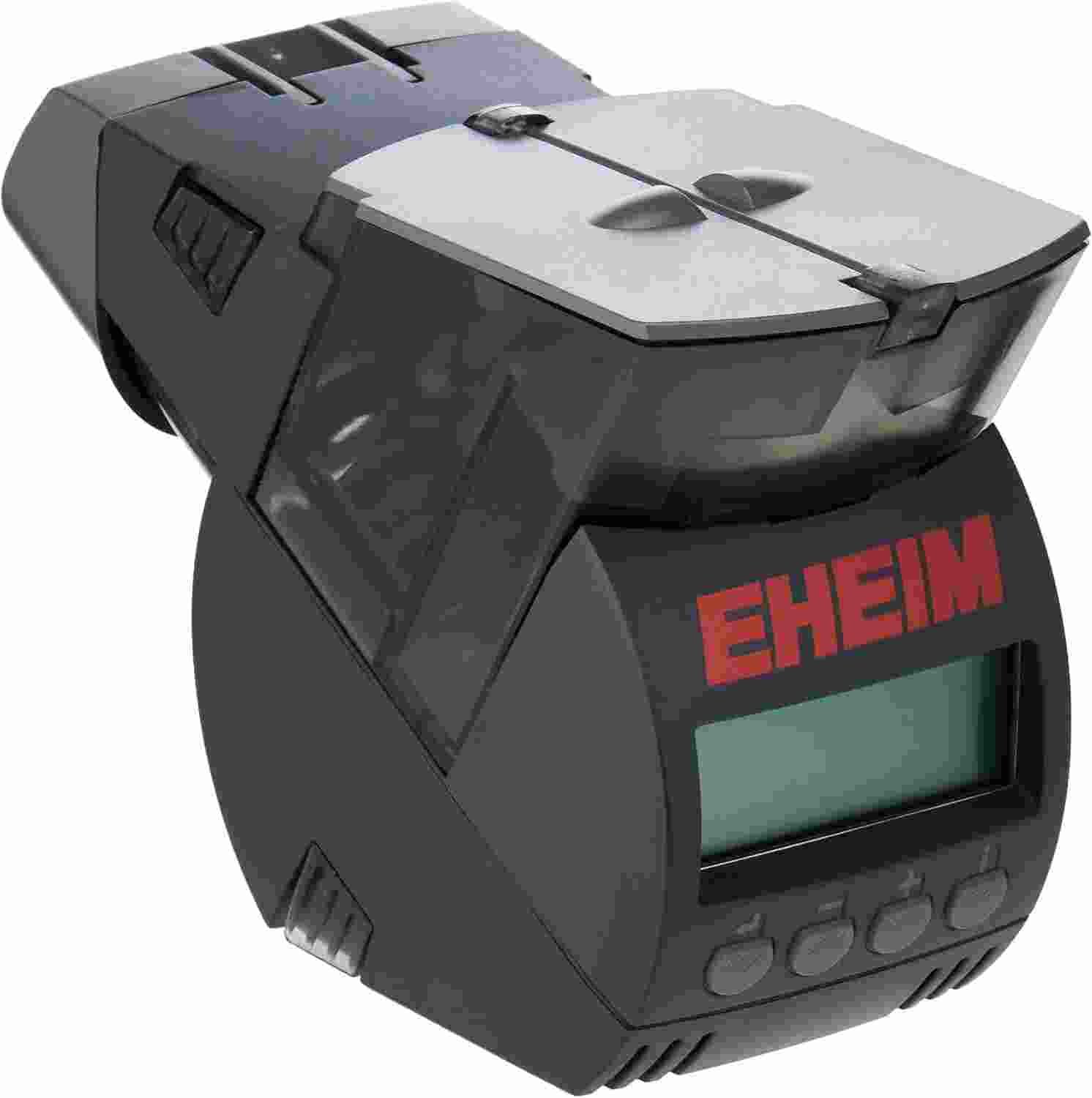
Eheim Automatic Fish Feeder
A well-known auto feeder with a ventilated hopper to help keep food dry.
- Programmable daily feedings
- Moisture-resistant food hopper
- Works with flakes and pellets
Feeding and Water Quality
Uneaten food rots and releases ammonia. Learn how this fits the cycle in our aquarium nitrogen cycle guide.
The nutrients from decay also feed algae. If you see green water or hair algae, cut portions first. Then read our aquarium algae control guide, and see algae control drops if you’re considering treatments.
Common Fish Feeding Mistakes
- Overfeeding: the number one cause of cloudy water and ammonia spikes.
- Old food: vitamins fade after opening. Buy small containers and replace them every few months.
- Vacation blocks: they can dissolve unevenly and pollute the water.
- Wrong food for the species: for example, goldfish pellets for bettas.
- Dumping extra food before a trip: a short fast is safer.
Video: How Much and How Often to Feed Aquarium Fish
Related Aquarium Guides
Fish Food FAQ: Questions People Ask Most
What is the best fish food?
The one that fits your species: betta pellets for bettas, sinking wafers for bottom feeders, and flakes or pellets plus greens for goldfish and community fish.
What is the best food for betta fish?
A high-protein floating betta pellet, with frozen or freeze-dried bloodworms or brine shrimp once or twice a week.
What can you feed goldfish besides fish food?
Boiled, shelled peas, blanched spinach, zucchini, cucumber and duckweed. Remove leftovers after about 12 hours.
What can I feed my fish if I run out of food?
For a few days, offer blanched veggies or peas to omnivores. Bettas need protein, so see what bettas can eat besides fish food. Fasting a day or two is also safe for healthy adults.
Can I feed a betta fish goldfish food?
Not regularly. It has less protein than bettas need. An occasional accident is not an emergency.
How long can fish go without food?
Healthy adult aquarium fish generally manage 3-7 days. Fry and young fish need regular meals.
How long can betta fish go without food?
Reports range from about 5 to 14 days, but it’s stressful. A few days is fine; use a feeder for longer.
How much should I feed my fish?
Only what they finish in about 2 minutes, once or twice daily. For bettas, a few pellets per meal.
Are fish food flakes or pellets better?
Pellets are denser and easier to portion, while flakes suit top and mid-water feeders. Many keepers use both.
What are safe household foods for pet fish?
Blanched zucchini, cucumber, spinach and boiled, skinless peas. Avoid bread, dairy, spicy and processed food.
Is an automatic fish feeder safe?
Yes, if you test it first. Use pellets, set a small portion and run it for 3 days before you travel.
Why is my fish not eating?
Common causes are poor water quality, wrong temperature, stress or illness. Test your water first, and see our water parameters guide. See an aquatic vet if it continues.
Disclaimer
This article is for education only and is not veterinary advice. Fish needs vary by species, size, age and water conditions. If your fish shows signs of illness, such as bloating, lying on the bottom or refusing food for several days, contact an aquatic or exotic-pet veterinarian.