
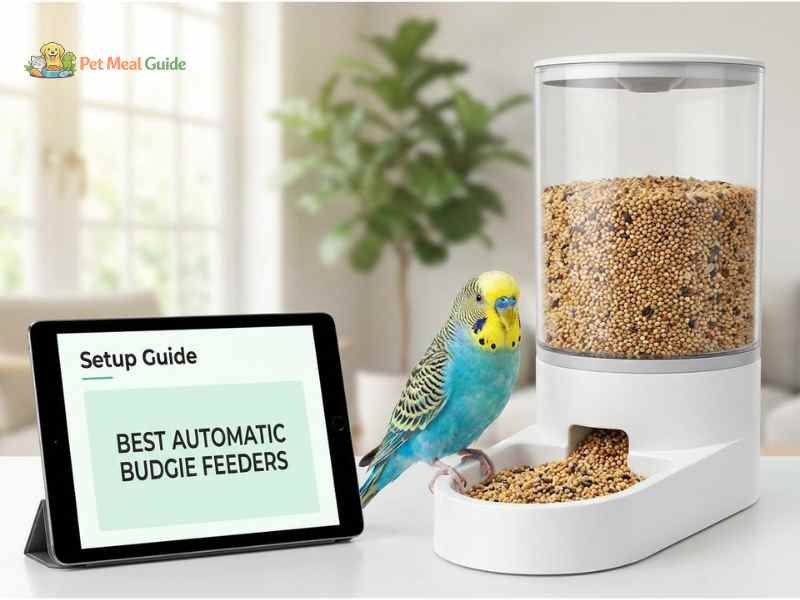
Best Automatic Budgie Feeders
Tired of inconsistent feeding schedules for your budgie? You are not alone.
Whether you work long hours, take weekend trips, or simply struggle to maintain a perfectly timed feeding routine, an automatic budgie feeder is the ultimate solution. A specialized budgie food feeder is designed to dispense seeds or pellets at precise intervals, or utilize gravity to ensure a constant, mess-free food supply without husks piling up.
Who should use it? Any busy pet owner who wants to guarantee their parakeet never misses a meal, prevent overeating, and maintain impeccable cage hygiene.
👉 Download Budgie Feeding Chart PDFBefore upgrading your bird’s tech, it is vital to know exactly what should go inside that feeder. Take a moment to read our 👉 complete parrot feeding guide to ensure you are providing a balanced, life-extending diet.
2. Quick Picks: Top 10 Best Automatic Budgie Feeders
We have tested, researched, and reviewed the market to bring you the definitive list of the best feeders available today. From simple gravity silos to high-tech smart dispensers, here is everything you need.
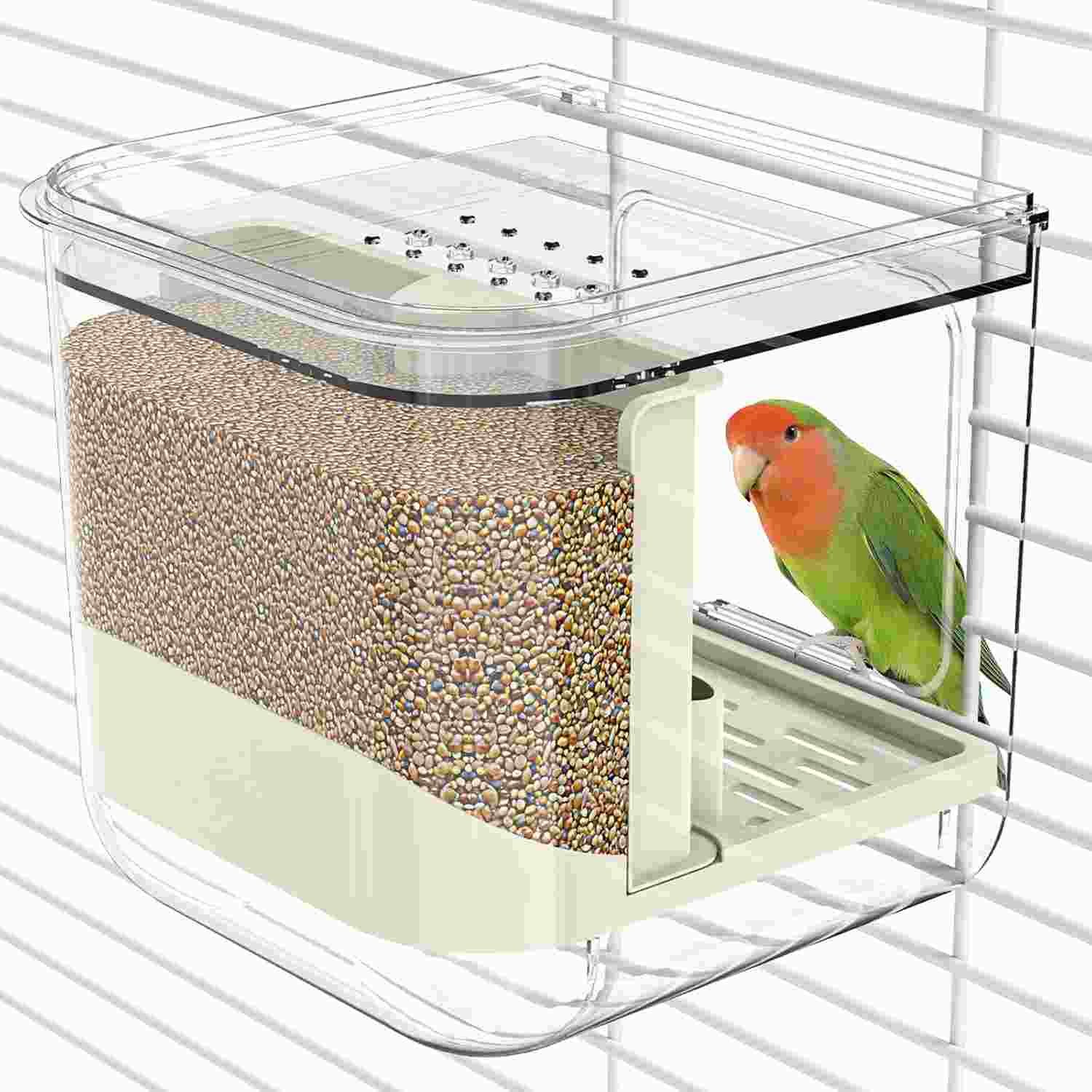
- Gravity-fed acrylic design
- Separates husks from uneaten seeds
- Attaches outside or inside cage
✅ Pros: Drastically reduces floor sweeping.
❌ Cons: Not programmable.
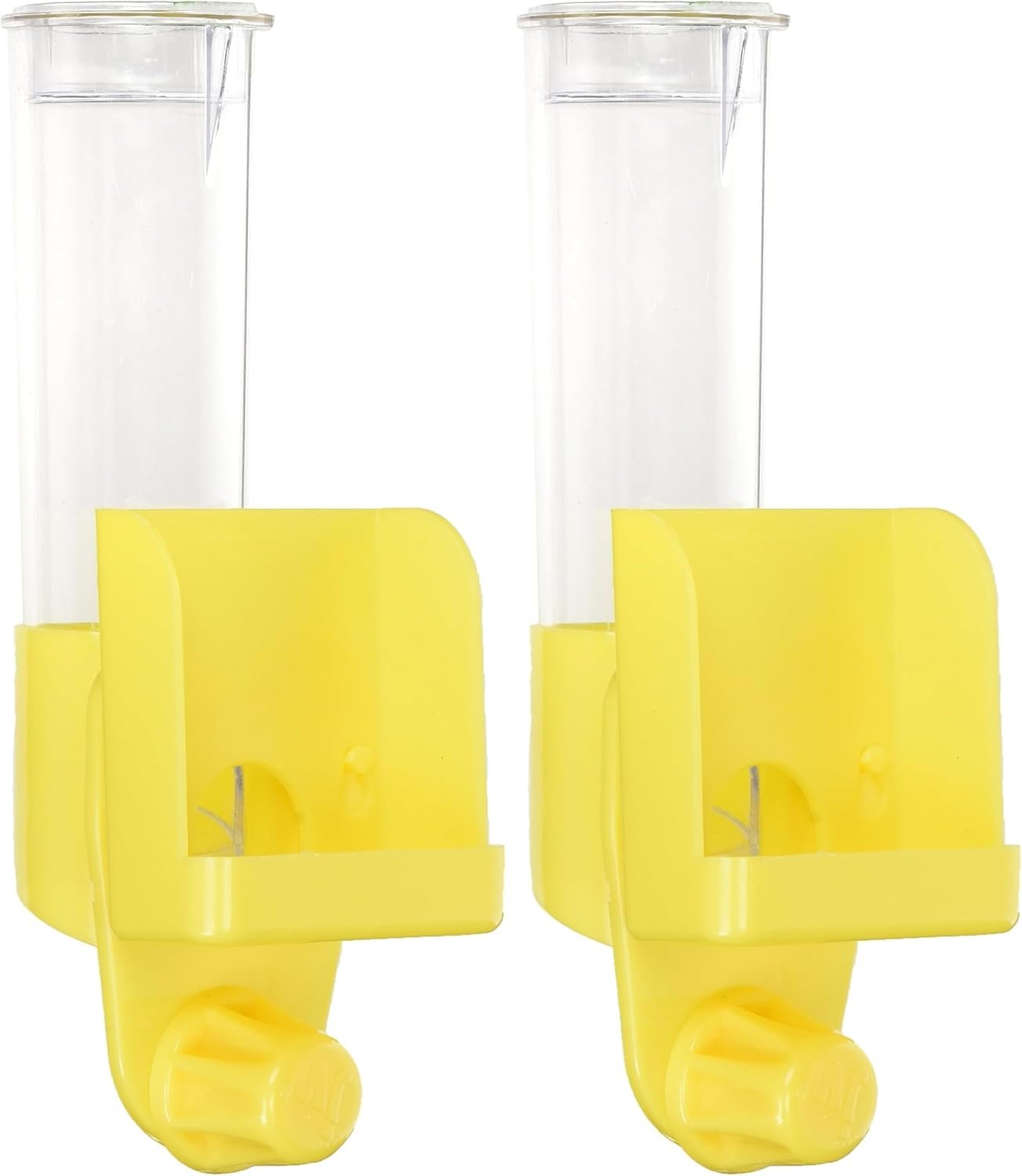
- Large capacity cylinder
- Stops seed contamination
- Fits all vertical and horizontal bars
✅ Pros: Easy to refill from outside.
❌ Cons: Plastic can crack if dropped.
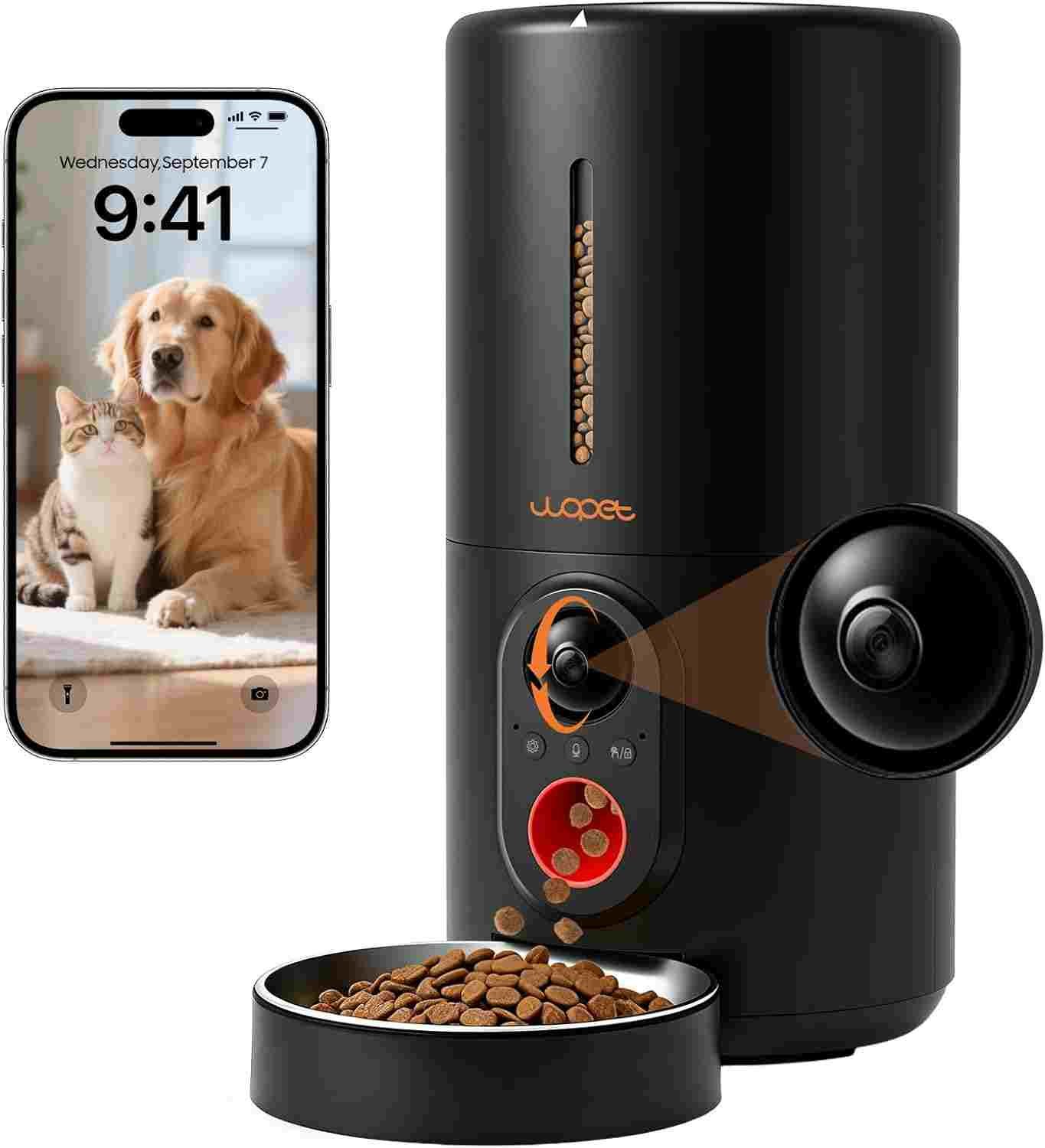
- HD Camera & App Control
- Custom portion sizes
- Voice recording feature
✅ Pros: Monitor birds remotely.
❌ Cons: Expensive; requires Wi-Fi.
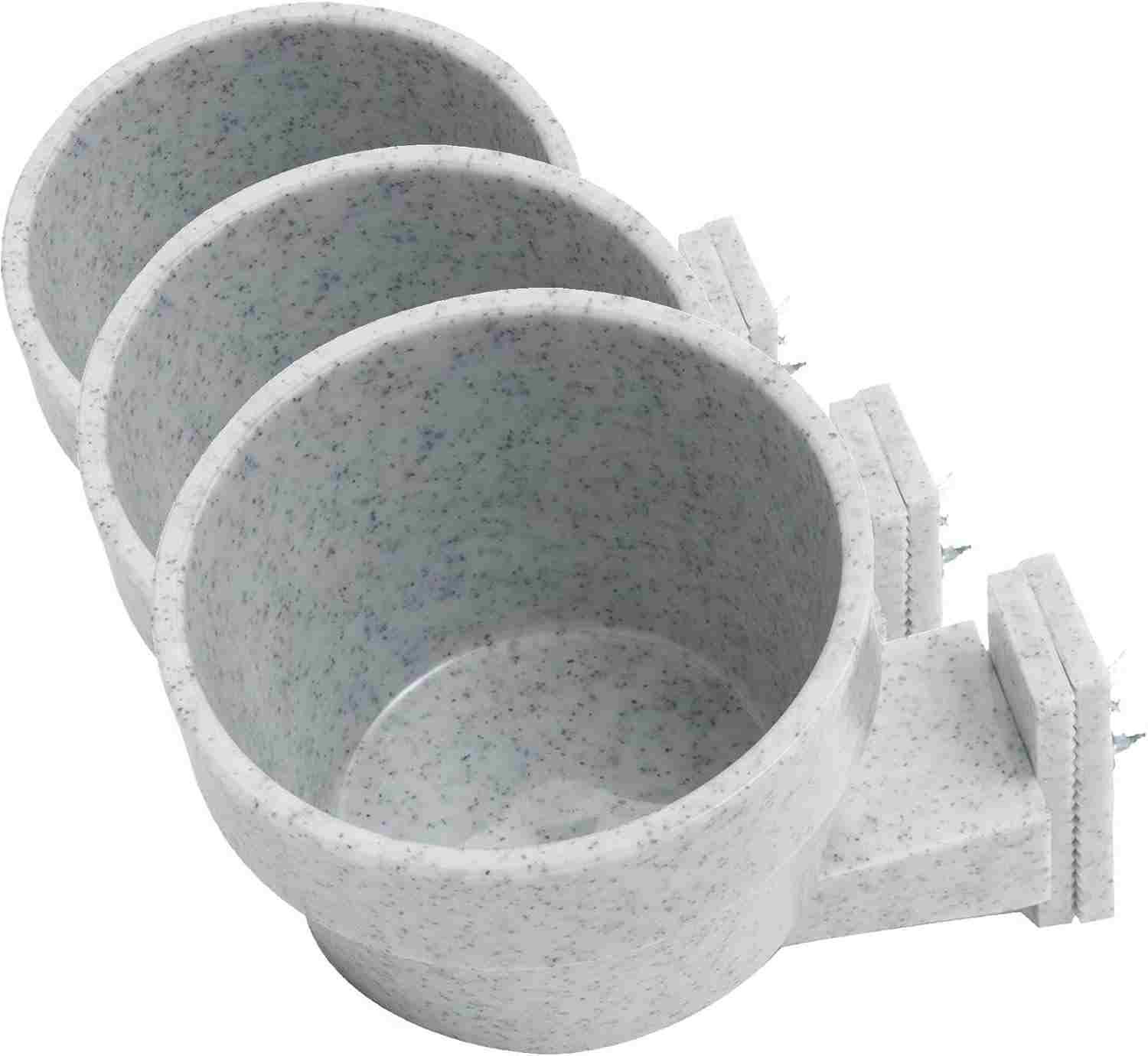
- Twist and lock mounting
- High-density chew-proof plastic
- Dishwasher safe
✅ Pros: Very durable and cheap.
❌ Cons: Open top allows some mess.
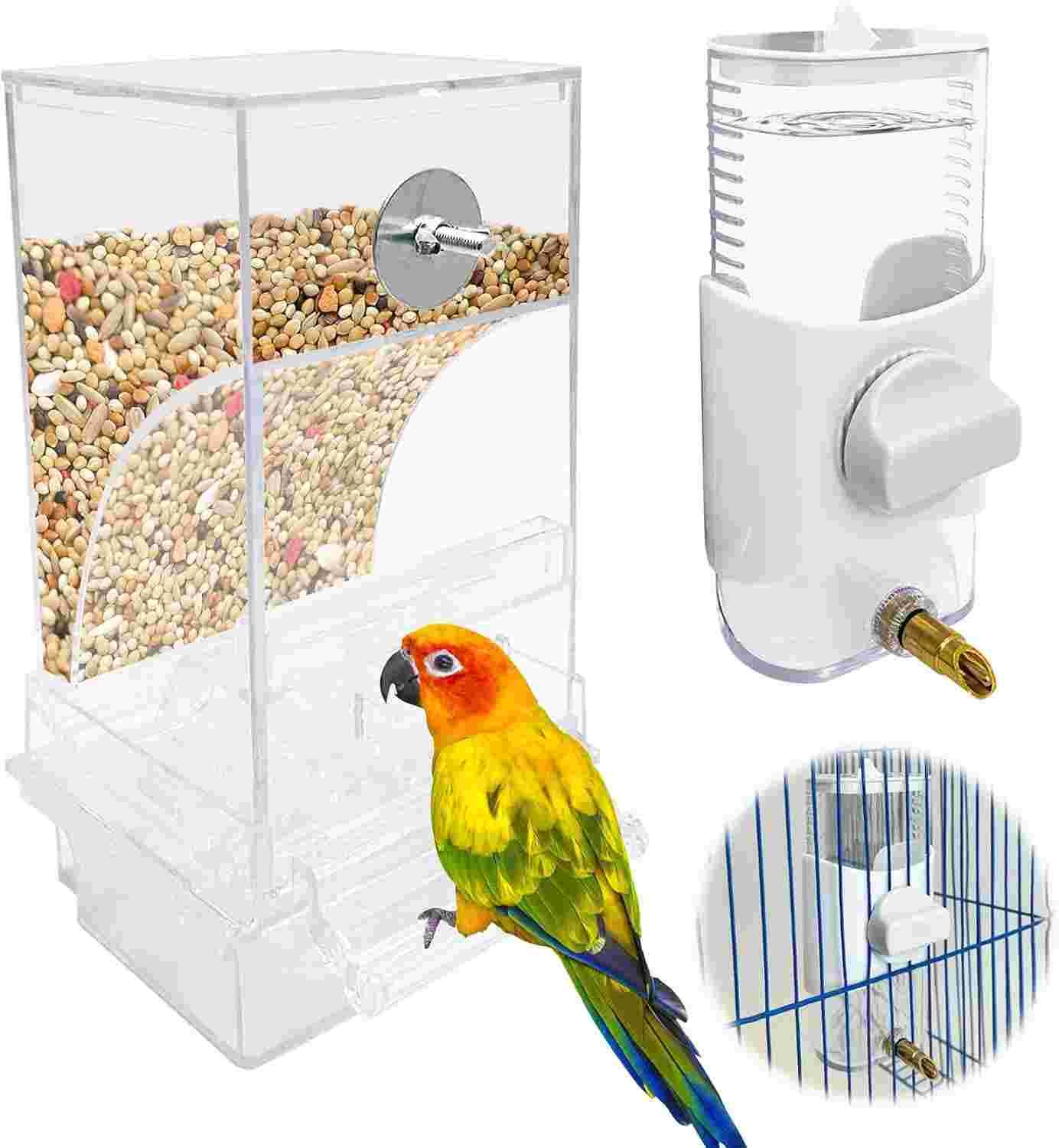
- Compact acrylic build
- Bottom drawer catches husks
- Holds up to 400g of seeds
✅ Pros: Great space saver.
❌ Cons: Drawer needs daily emptying.
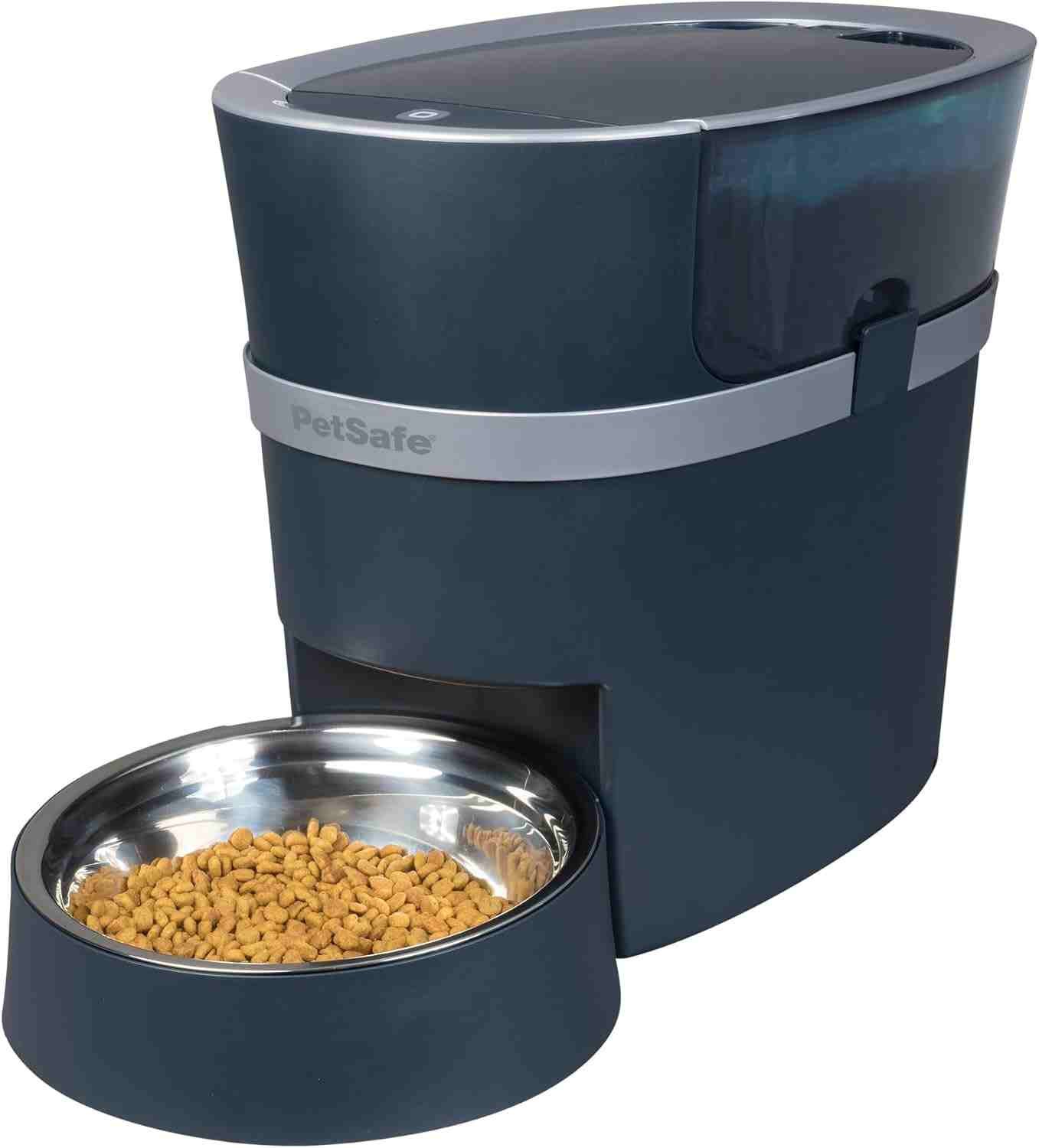
- Schedules up to 12 meals/day
- Slow-feed anti-jam conveyor
- Smartphone app integration
✅ Pros: Perfect for overweight birds.
❌ Cons: Large footprint near cage.
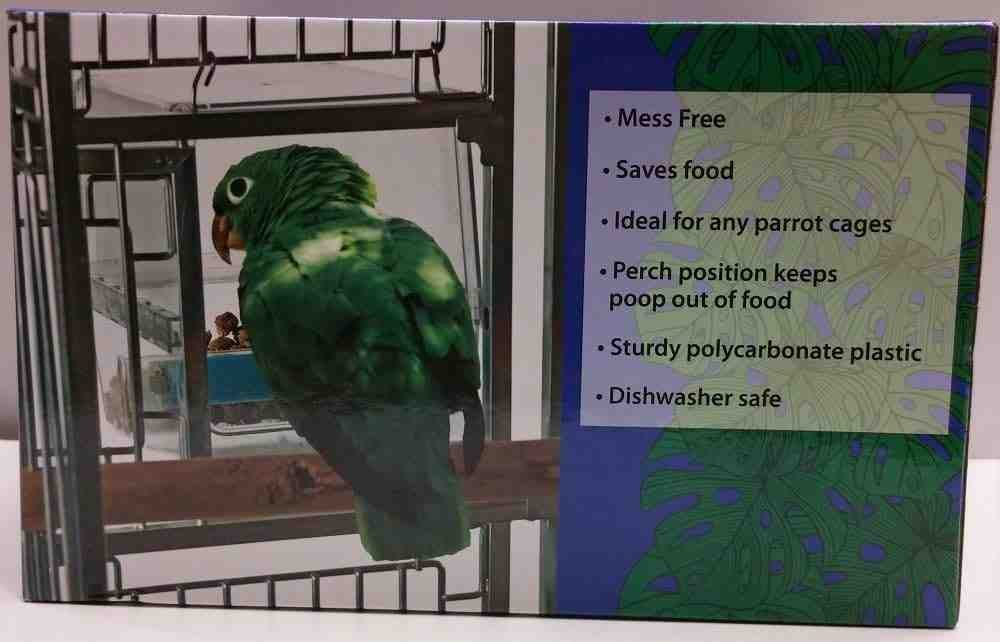
- Shatterproof polycarbonate
- Enclosed eating area
- Prevents selective feeding
✅ Pros: Extremely sturdy.
❌ Cons: Bulky to mount.
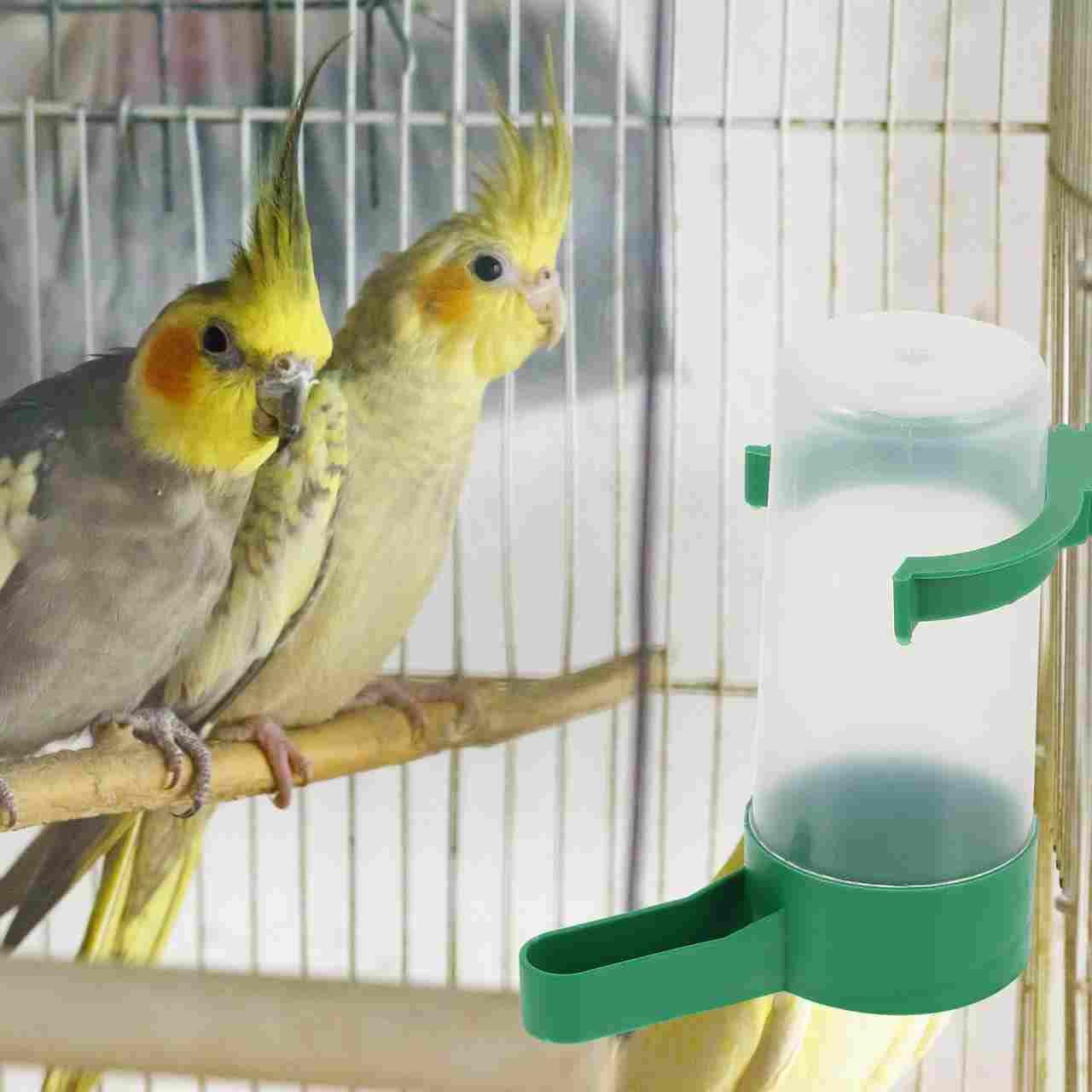
- Simple dual-chamber gravity feed
- Comes with matching waterer
- Non-toxic PVC material
✅ Pros: Value combo pack.
❌ Cons: Flimsy attachment hooks.
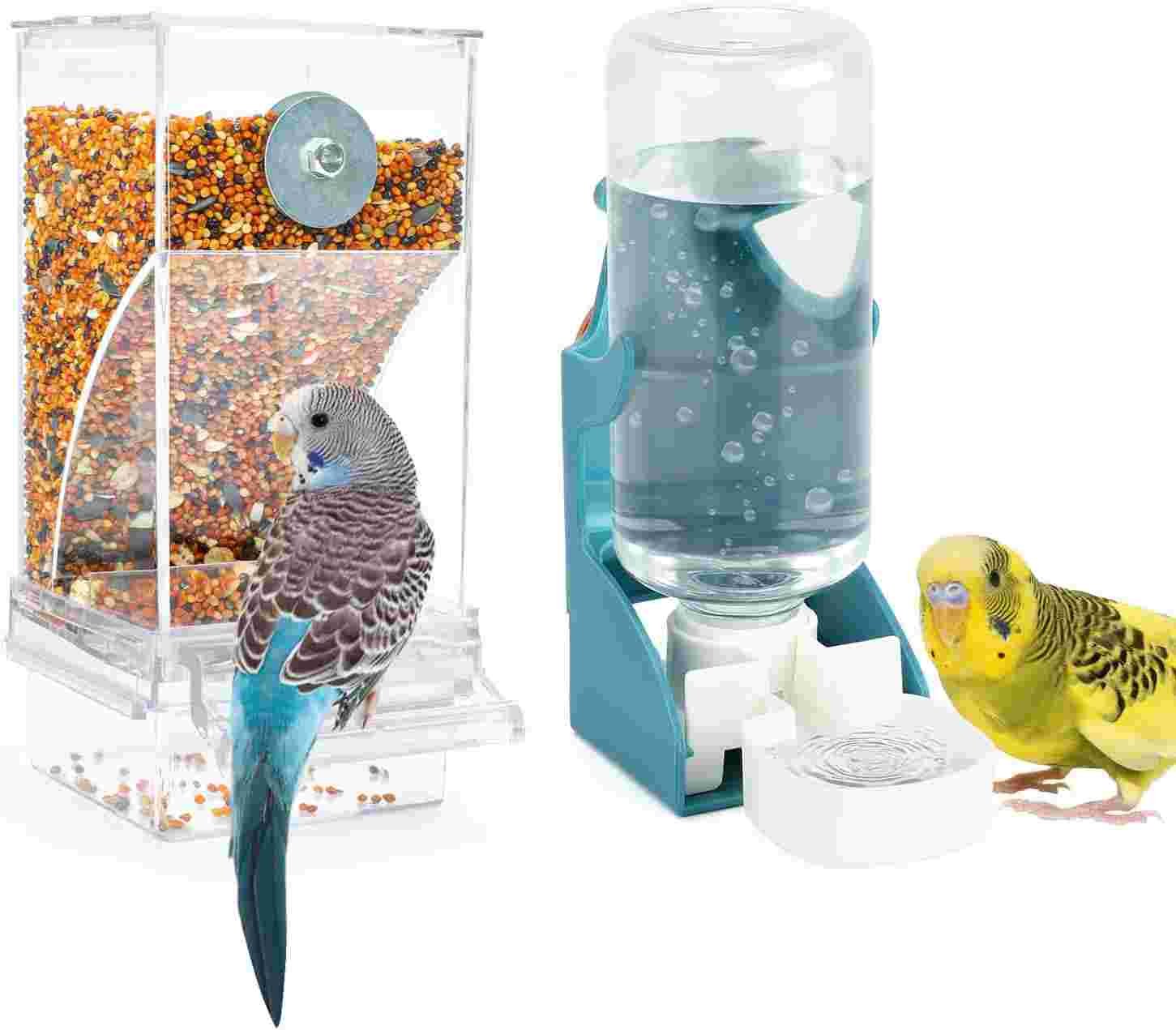
- One-piece clear acrylic
- Built-in resting perch
- Auto-slides food down
✅ Pros: Zero assembly required.
❌ Cons: Small capacity (requires 2-day refill).
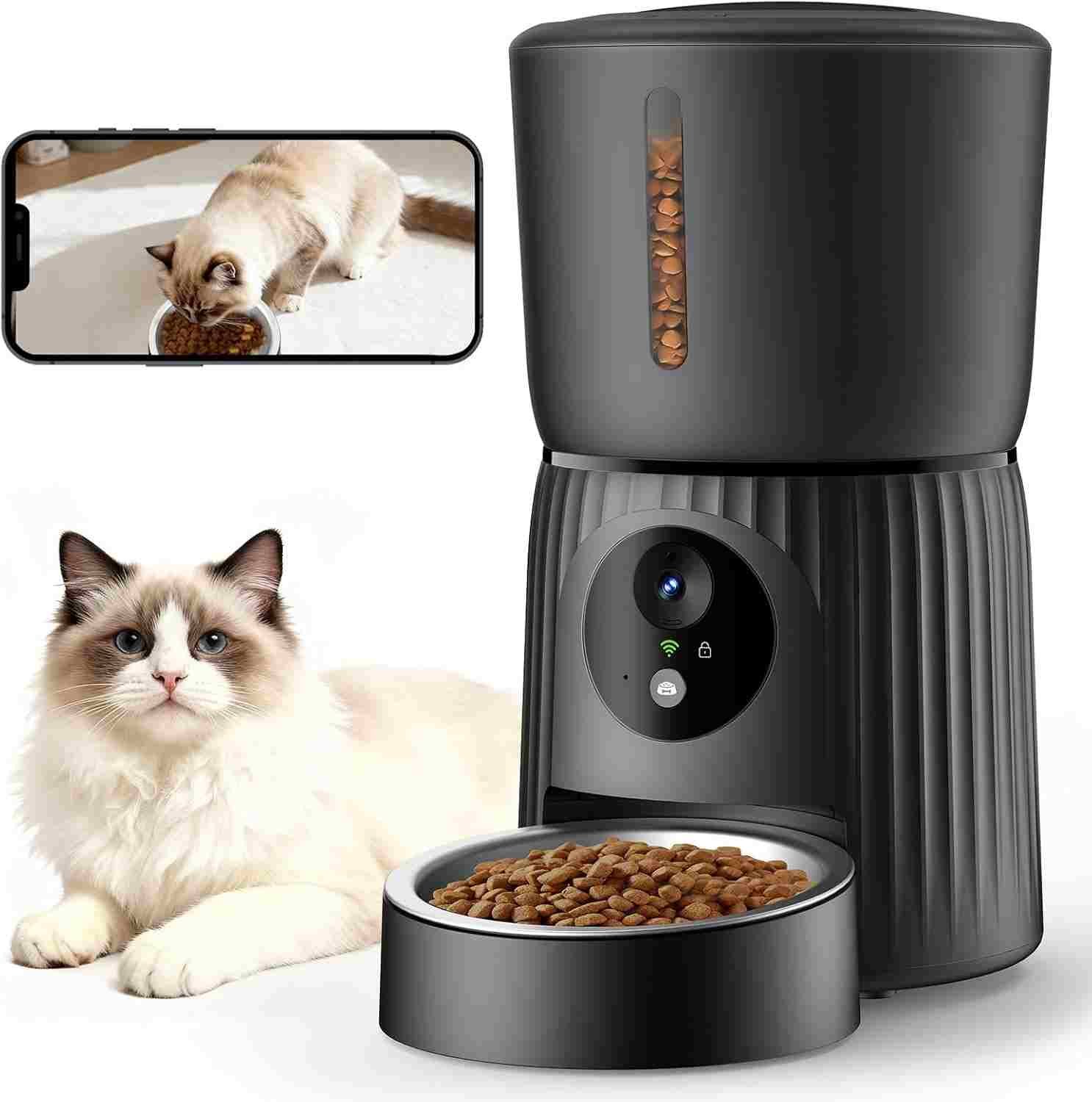
- Digital timer interface
- Battery backup system
- Desiccant bag keeps seed dry
✅ Pros: Will not fail during power outages.
❌ Cons: Setup programming is complex.
3. What is an Automatic Budgie Feeder?
An automatic feeder is a specialized enclosure accessory designed to regulate a bird’s food intake without constant human intervention.
The core benefits include:
- Consistent Feeding: Parakeets have high metabolisms and need constant access to food. An auto-dispenser ensures the bowl is never empty.
- Portion Control: Programmable variants stop greedy birds from overeating, combating avian obesity and fatty liver disease.
- Travel Convenience: Gravity and smart feeders provide peace of mind when you have to leave town for the weekend, knowing your flock is nourished.
4. Why You Need a Budgie Food Feeder
Traditional open-bowl feeding comes with massive flaws. If you have owned birds for more than a week, you understand the mess they create.
An auto budgie food feeder solves very specific, real-world problems. First, it eliminates the risk of a missed feeding if you get stuck at work. Budgies can starve in a matter of days without food.
Second, it prevents overfeeding. Birds often selectively pick out their favorite fatty seeds, throwing the healthy pellets on the floor.
Most importantly, it solves hygiene issues. Budgies frequently poop in open bowls. Enclosed automatic feeders protect the seed from fecal contamination and dangerous bacterial blooms.
5. Types of Automatic Budgie Feeders
Not all feeders operate the same way. Selecting the right type depends on your lifestyle and your bird’s dietary habits.
| Type of Feeder | How It Works | Best For |
|---|---|---|
| Gravity Feeder | Uses a vertical silo. As the bird eats, gravity pulls more food into the trough. | Simple use, messy eaters, and budget buyers. |
| Programmable Feeder | Uses an electronic timer to drop specific portions at set times of day. | Scheduled feeding and overweight birds needing strict diets. |
| Smart Feeder | Connects to Wi-Fi. Dispensers are controlled via a smartphone app, often with video. | App control, frequent travelers, and tech-lovers. |
6. How to Choose the Best Automatic Budgie Feeder
Before hitting “Add to Cart,” you must evaluate the feeder based on four critical metrics to ensure it is safe for your parakeet.
- Capacity: A single budgie eats about 1.5 to 2 teaspoons of food daily. Ensure the hopper holds enough for your desired away-time without the seed going stale.
- Material Safety: Only purchase feeders made from BPA-free, non-toxic acrylic or high-density food-grade plastic. Budgies will chew on the edges.
- Ease of Cleaning: Oils from seeds accumulate and turn rancid. The feeder must easily detach and be dishwasher safe.
- Anti-Clog Design: Avoid feeders with narrow chutes. Pellets and large seeds (like safflower) can jam, leading to a starving bird.
7. How to Set Up an Automatic Budgie Feeder
Improper setup can result in a malfunctioning unit or a terrified bird that refuses to approach the new object.
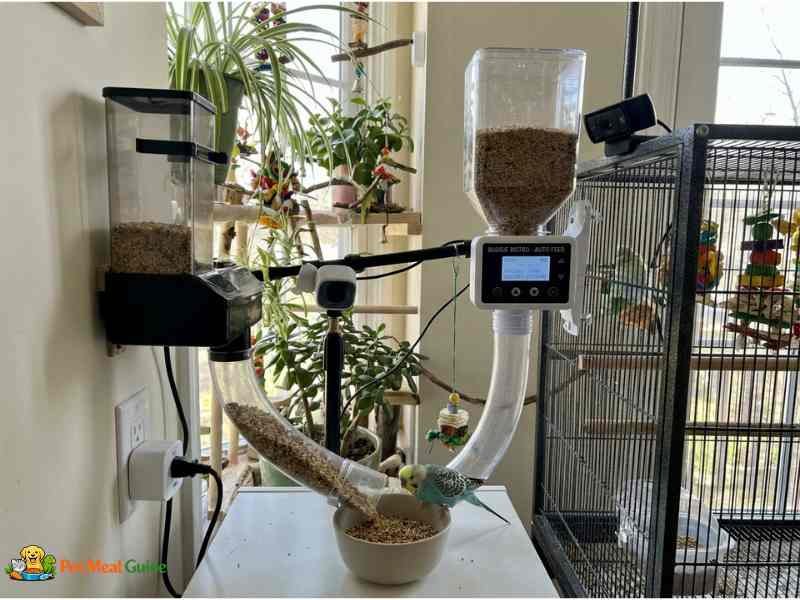
🛠️ Step-by-Step Installation:
- Clean the feeder: Wash the entire unit in hot, soapy water and dry it completely. Even a drop of moisture will cause seeds to mold.
- Add budgie seed mix: Fill the hopper with a high-quality mix of pellets and seeds. Avoid putting fresh, wet foods (like fruit chop) inside, as they will rot.
- Set portion (if electronic): Program your timer to dispense 1.5 teaspoons twice a day for a standard adult budgie.
- Test feeding: Manually trigger a feed or watch the gravity chute to ensure food flows freely without jamming.
- Cage placement: Secure it tightly near a favorite perch, but far away from the water bowl to prevent wet splashes.
8. Video Guide: Setup & Training
Watch this practical demonstration on “How to Set Up an Automatic Bird Feeder” and train a timid budgie to use it.
9. Dietary Breakdown: What Goes Inside?
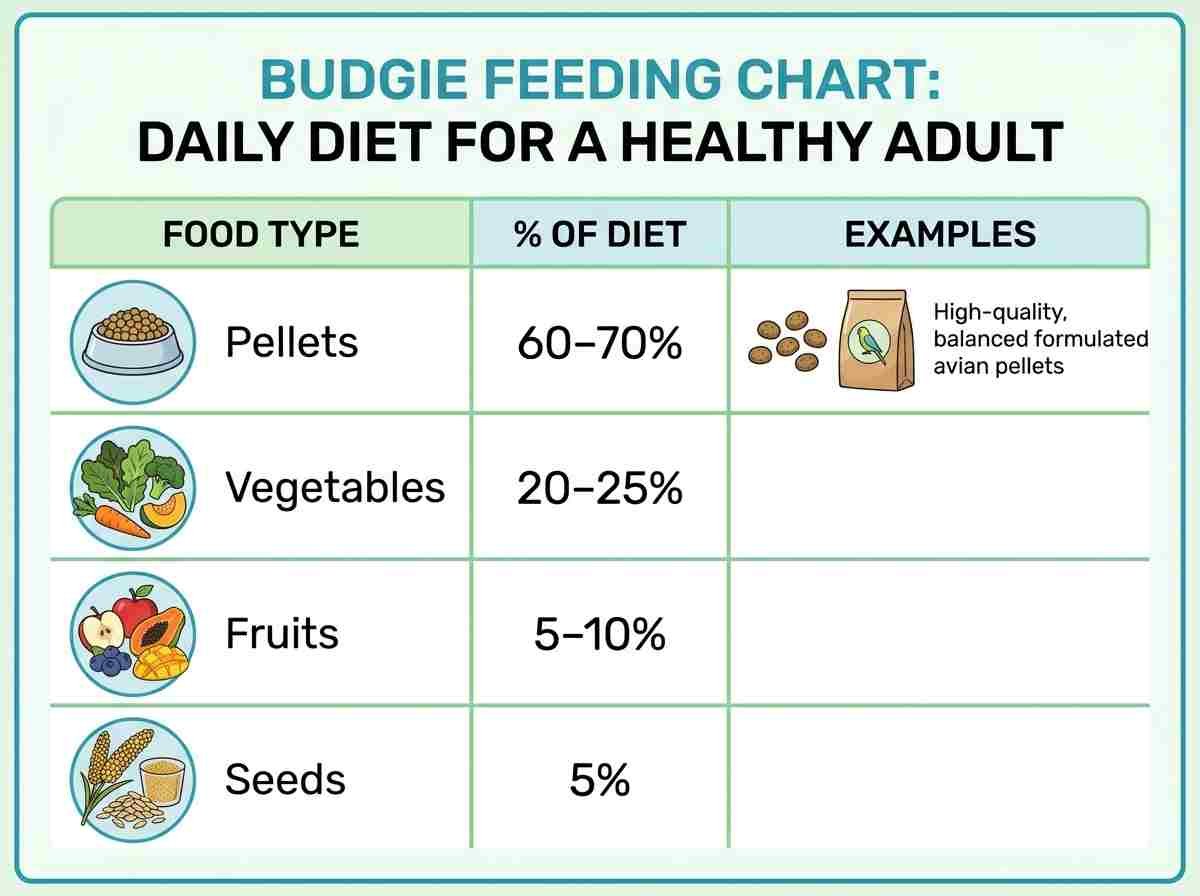
An automatic feeder is only as good as the food you put inside it. To build a long, healthy life for your bird, you cannot rely on cheap seed alone.
👉 Download Baby Budgie Feeding Chart PDFModern avian medicine dictates a diet heavy in formulated pellets, which provide complete nutrition in every bite, unlike seeds which allow selective eating.
Remember, automatic feeders handle the dry portion of the diet (seeds vs pellets). They cannot replace the daily requirement for fresh foods. You must still provide daily vegetables.
For an exhaustive list of safe ingredients to pair with your dry feeder, read our deep-dive on 👉 what can budgies eat, and explore our specialized guide on the 👉 best fruits and vegetables for budgies.
10. Feeding Baby Budgies: A Special Consideration
It is absolutely critical to understand that you cannot use an automatic feeder for unweaned baby budgies. They require liquid formula, specific temperatures, and human interaction.
If you are raising a chick, you must follow strict hand-rearing protocols. For a complete deep-dive, visit our dedicated 👉 baby budgie feeding guide.
Feeding Baby Budgies
A baby budgie’s crop can only handle warm, liquid, easily digestible nutrients. Solid seeds from a hopper will cause fatal crop impaction.
How to Feed Budgie Chicks
Hygiene is paramount. You must sterilize all equipment, mix commercial powder with warm water (104°F – 106°F), and support the chick’s head gently during the process.
How to Feed a 2,3,4,5 Weeks Old Budgie
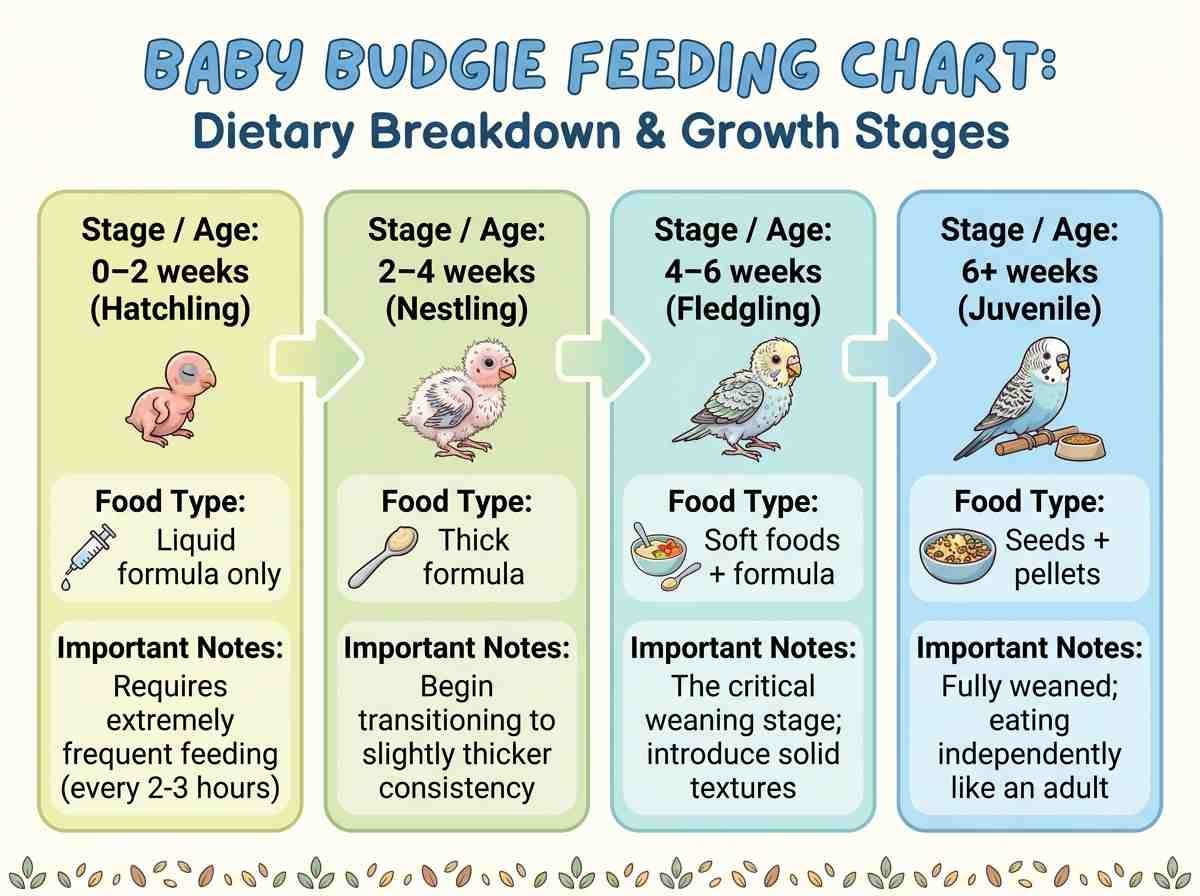
As the bird ages from 2 weeks to 5 weeks, the formula goes from a watery consistency to a thick applesauce texture, and the frequency drops from every 3 hours to just twice a day as they begin exploring solid foods.
Hand-raising and care of budgerigars
Temperature control inside a brooder (around 90-95°F initially) is just as critical as the food. The bedding must be changed daily to prevent bacterial growth.
Handfeeding Budgies
Handfeeding creates an incredible bond, but requires patience. Never force food down the throat; let the bird swallow at its own pace to prevent aspiration.
Handfeeding formula
Always use a high-quality commercial formula designed for small parrots. These contain the exact ratio of proteins and probiotics needed for rapid feather growth.
Feeding & Weaning (syringe + spoon methods)
You can use a medical syringe for precise volume control, or a bent spoon to simulate the natural feeding motion of the mother bird. Syringes are cleaner, but spoons carry a lower risk of choking the bird.
11. Baby Budgie Feeding Chart
Follow this strict schedule if you are hand-rearing before moving them to an adult feeder.
| Age | Food Type | Frequency per 24 Hrs |
|---|---|---|
| 1 – 2 Weeks | Thin Liquid Formula | Every 2 – 3 hours |
| 3 Weeks | Thick Liquid Formula | Every 4 hours (Daytime) |
| 4 – 5 Weeks | Formula + Soft Pellets | 3 times a day |
| 6+ Weeks | Dry Pellets/Seeds (Use Auto Feeder) | Weaned / Free feeding |
12. Homemade Baby Budgie Food
In an absolute emergency, if a chick is abandoned and you cannot buy commercial formula, you can create a safe DIY mix.
Blend plain, unflavored oatmeal into a fine powder and mix it with a tiny amount of mashed hard-boiled egg yolk and warm water. When to use: Only for 24 hours until you can secure a proper commercial formula.
13. What to Feed a Baby Budgie at Home (Weaning Stage)
As they transition to adult feeders, offer a practical feeding list of soft weaning foods.
Provide warm, soaked avian pellets, finely mashed sweet potato, and sprouted seeds. These soft textures bridge the gap between liquid formula and hard dry seeds.
14. Best Baby Budgie Formula
For optimal growth, trust veterinary-approved brands. Kaytee Exact Hand Feeding Formula and Harrison’s Neonate Formula are exceptional choices that mix easily without dangerous clumping.
15. When Can Baby Budgies be Separated from Parents?
If you are pulling chicks for hand-taming, breeders typically separate them around 2 to 3 weeks of age. For weaning to an independent cage, wait until the 4–6 weeks explanation period, when they are fully feathered and capable of cracking seeds.
👉 For larger species specifics, refer to our baby parrot feeding guide.
16. Pro Tips for Using Auto Feeders
Maximize the efficiency of your new device with these advanced husbandry tips.
- Feeder cleaning routine: Empty the hopper completely once a week. Wipe it down with a 50/50 mix of white vinegar and water. Dry completely.
- Avoid clogged feeders: Never put fresh fruit, wet vegetables, or overly large nuts into the gravity hopper. The moisture will ruin the entire batch of seed.
- Portion control: If you notice your bird gaining weight rapidly, switch from a gravity silo (which offers unlimited food) to an electronic programmable dispenser to limit daily intake.
17. Vet-Reviewed Safety Guidelines 🩺
Avian veterinarians support the use of automatic feeders, but stress that they do not replace the need for daily visual health checks on your bird.
Feeding safety relies heavily on hygiene importance. Moldy seed in a neglected hopper can cause Aspergillosis, a fatal fungal respiratory infection.
For comprehensive, peer-reviewed welfare policies, read the guidelines by the 👉 American Veterinary Medical Association (AVMA).
For clinical articles on avian diet management, consult the experts at 👉 VCA Animal Hospitals.
18. Caution ⚠️ Critical Warnings
- Avoid cheap plastic feeders: Flimsy materials can shatter, leaving sharp edges that cut a bird’s tongue.
- Monitor feeding behavior: When introducing a new auto-feeder, watch your bird closely for 48 hours. Make sure they actually know how to extract the food.
- Not a replacement for fresh food: Dry feeders are great, but a budgie cannot survive on dry seeds/pellets alone. You must still provide daily fresh greens.
19. Disclaimer
The information provided in this guide is educational only and does not replace professional veterinary care. Always consult an avian vet before making drastic changes to your bird’s feeding schedule or diet.
20. Explore More Pet Tools & Resources
Proper diet management extends to all animals in a multi-pet home. Ensure you are providing the perfect portions for your furry friends by utilizing our free dietary tools.
- Calculate precise canine portions using our 👉 dog calculators tools.
- Optimize your feline’s daily intake with our 👉 cat calculators tools.
23. The Ideal Daily Feeding Routine
Balance your automatic dry feeder with daily fresh food using this schedule.
🎯 Ideal Feeding Routine
24. Frequently Asked Questions
Yes, when cleaned regularly and used properly. They ensure a steady supply of food and protect seeds from fecal contamination. However, you must monitor the feeder to ensure it hasn’t jammed.
Absolutely not. Automatic feeders are designed strictly for dry foods like seeds and pellets. Fresh, wet foods will jam the mechanism and rot rapidly inside the hopper.
While large capacity feeders hold weeks of food, you should never leave a budgie completely unattended for more than 48 hours. Water sources need daily changing, and smart feeders can experience power outages.