
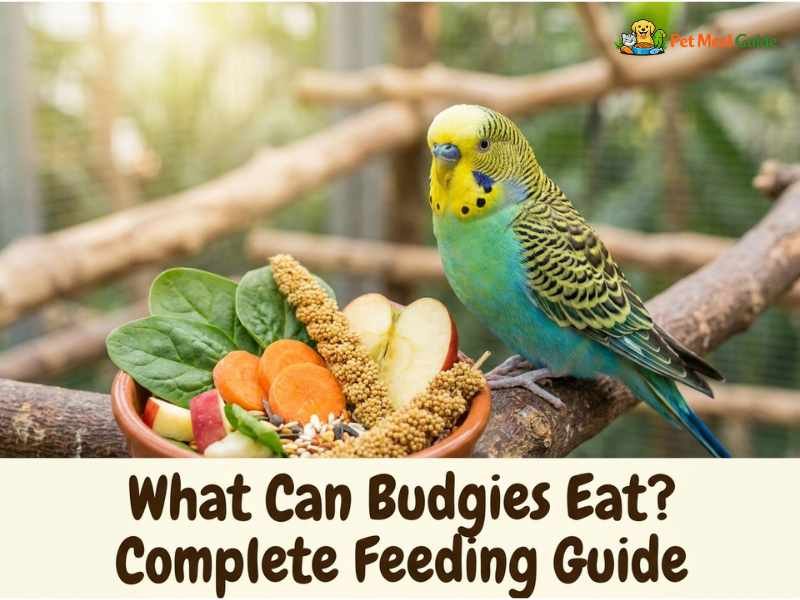
1. Introduction: The Ultimate Budgie Feeding Guide
If you are constantly wondering what can I feed a budgie to ensure a long, healthy life, the answer is a balanced mix of specialized pellets, fresh vegetables, limited fruits, and a small amount of seeds. A proper diet is the absolute foundation of your pet bird’s well-being.
Unfortunately, many beginner bird owners make critical mistakes when it comes to feeding budgies.
The most common and dangerous error is relying entirely on a seed-only diet, which leads to malnutrition, obesity, and fatty liver disease. Overfeeding is another frequent issue that compromises their health.
By mimicking what budgies eat in the wild, you provide the essential nutrients needed for vibrant feathers, high energy, and a strong immune system.
Before diving deep into the specifics of a budgie bird feed schedule, it is highly recommended to understand general avian nutrition. For a broader overview on keeping pet birds healthy, check out our complete parrot feeding guide.
2. Budgie Diet Breakdown: The Ideal Ratio
Finding the perfect balance for your budgie feed is crucial. In the wild, budgies forage for a variety of grasses, seeds, and vegetation.
In captivity, they require a scientifically formulated diet to prevent nutritional deficiencies. You cannot simply guess what to feed budgies; you must follow proven avian dietary guidelines.
Below is the recommended daily breakdown of a healthy, vitamin-rich diet for your parakeet.
| Food Type | Percentage | Examples |
|---|---|---|
| Pellets | 60–70% | Commercial budgie pellets (high quality, uncolored) |
| Vegetables | 20–25% | Spinach, carrots, broccoli, kale |
| Fruits | 5–10% | Apples, berries, mango, melon |
| Seeds | 5% | Millet, canary seed, oats (used as a treat) |
3. What Can Budgies Eat? The Core Components
When assembling your daily budgie bird feed, variety is the spice of life. Offering a diverse platter prevents boredom.
If you are asking what to feed budgies on a daily basis, the menu should be a colorful rotation of safe, natural ingredients.
There are five main categories of foods to feed budgies that you need to familiarize yourself with.
Vegetables
Vegetables are the most important fresh food category. They are packed with essential vitamins, particularly Vitamin A.
Dark, leafy greens and bright orange or red vegetables offer the highest nutritional value for your flock.
Fruits
Fruits offer incredible vitamins and antioxidants, but they are nature’s candy. They contain high fructose levels.
Because budgies are small, too much sugar can lead to rapid weight gain and yeast infections.
Grains
Cooked or sprouted grains are an excellent source of healthy carbohydrates and energy.
They provide fiber and mimic the natural foraging experience a budgie would have in the Australian outback.
Pellets
Formulated avian pellets must form the bulk of the diet. They are created by veterinary nutritionists.
They prevent selective feeding—a behavior where a budgie picks out their favorite fatty seeds and leaves the healthy bits behind.
Seeds
While often mistaken as the main course, seeds are simply a part of the diet, not the whole.
They are best utilized when teaching tricks or when you wonder what can I feed my budgie as a treat.
4. What Fruit Can Budgies Eat?
Budgies have a sweet tooth, but fruits must be properly prepared before serving. Thoroughly wash all fruits to remove pesticides.
Never feed fruit seeds or pits, as many contain trace amounts of toxic compounds like cyanide. Always cut the fruit into small, bite-sized pieces.
- Apple (no seeds): An excellent source of hydration and vitamins. Always core the apple completely.
- Banana: High in potassium and very soft, making it easy for budgies to nibble. Remove the peel.
- Berries: Strawberries, blueberries, and raspberries are rich in antioxidants and safe for daily (limited) consumption.
- Mango: A fantastic tropical treat rich in Vitamin A. Ensure it is ripe and peeled.
| Fruit | Status | Prep Instruction |
|---|---|---|
| Apples | Safe (Limit 2x week) | Remove all seeds and core; slice thin. |
| Bananas | Safe (Limit 1x week) | Peel and offer small slices; remove uneaten parts quickly. |
| Berries | Safe (Limit 2x week) | Wash thoroughly to remove pesticides. |
| Mango | Safe (Limit 1x week) | Remove skin and pit; dice into tiny cubes. |
5. What Vegetables Can Budgies Eat?
Fresh vegetables should make up about a quarter of your budgie’s daily food intake. They are the ultimate budgies vitamin rich feed.
Introduce them early in the day when your bird is most hungry and willing to try new flavors.
Leafy Greens
Dark greens are nutritional powerhouses. Spinach, kale, Swiss chard, and dandelion greens are highly recommended.
However, rotate spinach and parsley, as they contain oxalates that can inhibit calcium absorption if fed in massive quantities.
Root Vegetables
Carrots, sweet potatoes, and beets are excellent sources of beta-carotene, which is essential for eye and feather health.
You can offer them raw, grated, or lightly steamed (without salt or oils) to make them easier to digest.
6. What Salad Vegetables Can Budgies Eat?
Many owners wonder what can I feed my budgie at home straight from their own salad bowls.
While many salad items are safe, some are mostly water and offer little nutritional value.
- Lettuce (Romaine only): Avoid Iceberg lettuce entirely; it is just water and can cause diarrhea. Romaine has better nutritional value.
- Cucumber: Great for hydration, especially during summer molts, but offer it in moderation.
- Capsicum (Bell Peppers): Budgies love all colors of bell peppers. They can even eat the pepper seeds safely!
7. Food and Drink Budgies Can’t Have ⚠️
Knowing what not to feed your bird is just as critical as knowing what to feed them.
Certain human foods are highly toxic to avian species and can be fatal even in microscopic doses.
⚠️ Highly Toxic Foods: Keep Away from Your Budgie
- Avocado: Contains persin, a fungicidal toxin that causes respiratory distress and sudden death in birds.
- Chocolate: Contains theobromine and caffeine, leading to hyperactivity, heart arrhythmias, and fatal seizures.
- Caffeine: Coffee, tea, and soda increase the heart rate to dangerous levels, causing cardiac arrest.
- Alcohol: A bird’s liver cannot process alcohol. It leads to immediate organ failure and death.
- Fruit Pits & Apple Seeds: Contain cyanide compounds.
- Onions & Garlic: Can cause hemolytic anemia (destruction of red blood cells).
Always wash your hands after handling these items before interacting with your bird.
8. Pellets or Seed Mix: The Great Debate
When searching for the best budgie food, you will inevitably run into the debate of budgie pellets vs seeds.
Historically, seeds were the standard, but modern avian medicine strongly advocates for pelleted diets.
Seeds are high in fat and low in essential vitamins. A seed-only diet is the leading cause of premature death in pet budgies.
| Feature | Pellets | Seeds |
|---|---|---|
| Nutritional Value | 100% Balanced and complete | High in fat, low in vitamins and calcium |
| Selective Feeding | Impossible (every bite is identical) | High risk (birds pick favorites, leave healthy bits) |
| Fat Content | Low to moderate (healthy levels) | Excessively high (leads to fatty liver disease) |
| Best Used As | Primary Daily Diet (60-70%) | Treats and Training Rewards (5%) |
9. What Seeds Can Budgies Eat?
If you are limiting seeds to 5% of their diet, you should ensure the seeds you do provide are high quality.
Avoid cheap pet store mixes that are bulked up with fillers like dyed breadcrumbs or unhealthy sunflower seeds.
- Millet: The ultimate budgie treat. Spray millet is perfect for taming and bonding, but it is very fattening.
- Canary Seed: A highly palatable, basic seed that makes up the bulk of high-quality seed mixes.
- Oats: Groats or whole oats are great for winter feeding or for underweight birds needing a boost.
10. Budgie Food List: Safe Healthy Grains
Grains are an excellent addition to your budgie food list. They are complex carbohydrates that provide long-lasting energy.
You can serve these grains cooked (without salt) or soaked/sprouted. Sprouting releases massive amounts of enzymes and vitamins.
Include this EXACT list of safe grains in your feeding schedule:
- Amaranth
- Barley
- Buckwheat
- Canary seed
- Oats
- Quinoa
- Rye
- Sweetcorn kernels
- Wheat
11. Calcium for Budgies: Bone and Beak Health
Calcium is non-negotiable. Without it, budgies can suffer from egg-binding, brittle bones, and beak overgrowth.
Even a diet rich in vegetables might not provide enough calcium, especially for laying females.
- Cuttlebone: The traditional method. Attach it to the cage bars. It provides calcium and helps trim the beak.
- Eggshell Powder: Boil, bake, and crush organic eggshells into a fine powder. Sprinkle lightly over fresh chop.
- Mineral Blocks: Provides iodine, calcium, and trace minerals essential for thyroid health.
12. What Do Baby Budgies Eat?
Feeding baby budgies requires extreme care, precise temperatures, and specialized knowledge.
If you are hand-rearing, you cannot feed them adult food, seeds, or vegetables. Their crops cannot digest solids.
- Hand Feeding Formula: You must purchase a commercial, high-quality avian hand-feeding powder and mix it with warm water.
- Feeding Schedule: Chicks need feeding every few hours, from early morning until late at night.
- Frequency: Day-old chicks require feeding every 2 hours. By 3-4 weeks, this drops to 3-4 times a day until they wean onto pellets.
13. How Much Should You Feed a Budgie?
Determining the right amount of food prevents obesity. A budgie weighs roughly 30 to 40 grams, so they require very little food by weight.
Do not fill the bowl to the top. Measure their daily portion carefully.
| Food Type | Daily Portion (Per Bird) | Notes |
|---|---|---|
| Pellet Quantity | 1.5 to 2 Teaspoons | Keep available in the main bowl throughout the day. |
| Fresh Veg/Chop | 1 Tablespoon | Offer in a separate bowl in the morning; remove after 2 hours. |
| Seed Limits | 1/2 Teaspoon max | Use exclusively for training or foraging toys. |
14. How Often Should You Feed a Budgie?
If you are wondering how often should you feed a budgie, the general rule is to provide meals 1–2 times daily.
Offer fresh vegetable “chop” in the morning. Leave their pellet bowl available all day so they can graze.
Crucially, provide fresh water daily. Budgies may dip their pellets in the water, which breeds dangerous bacteria rapidly. Change the water twice a day if needed.
15. Best Budgie Food Products
Ready to upgrade your bird’s diet? When looking to buy budgie food, especially Amazon budgie pellets, these are the top recommended choices by avian experts.
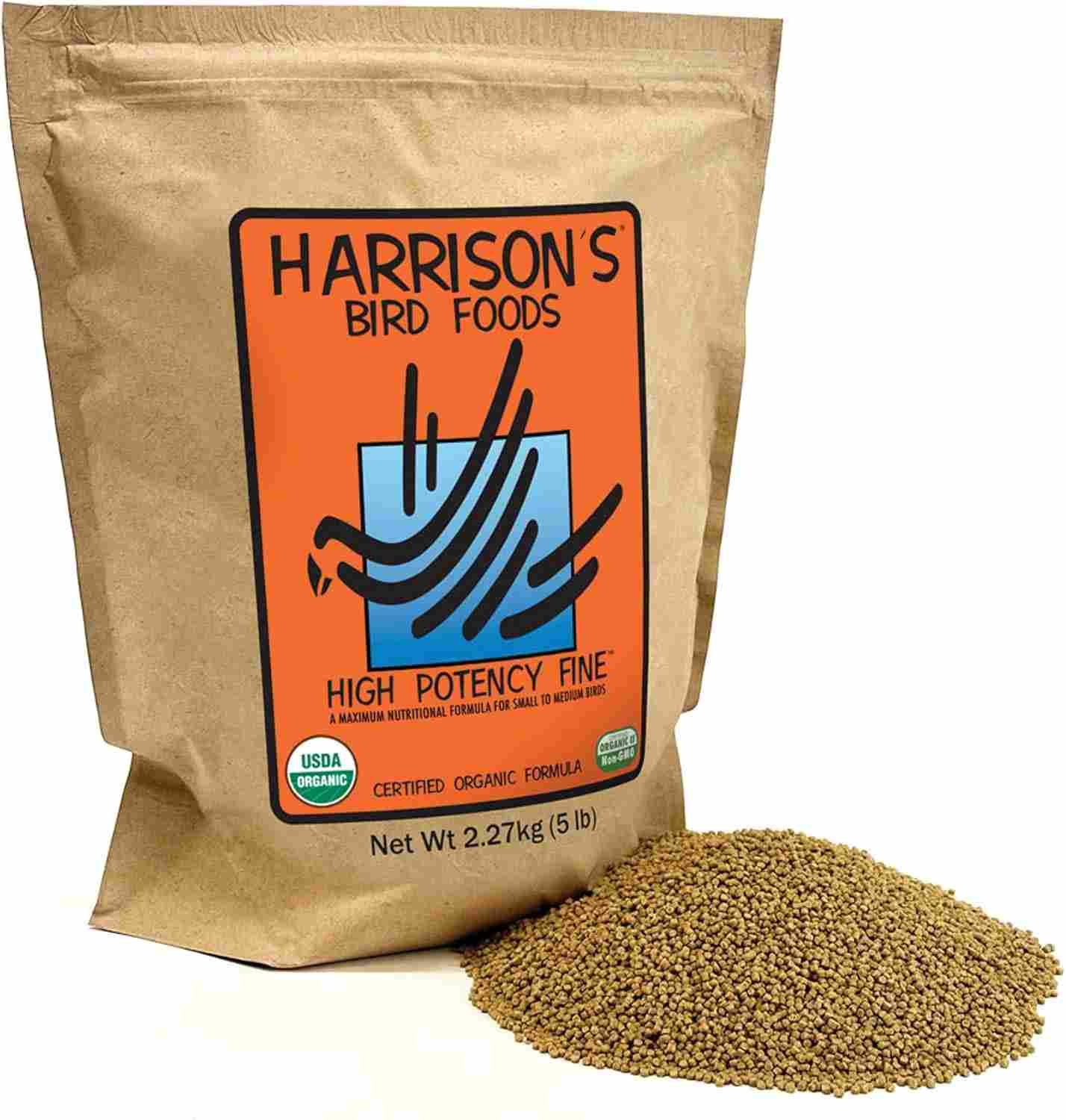
Harrison’s High Potency Super Fine
Premium, organic certified formulated pellet. Highly recommended by avian vets for transitioning budgies off seeds.
Check Price on Amazon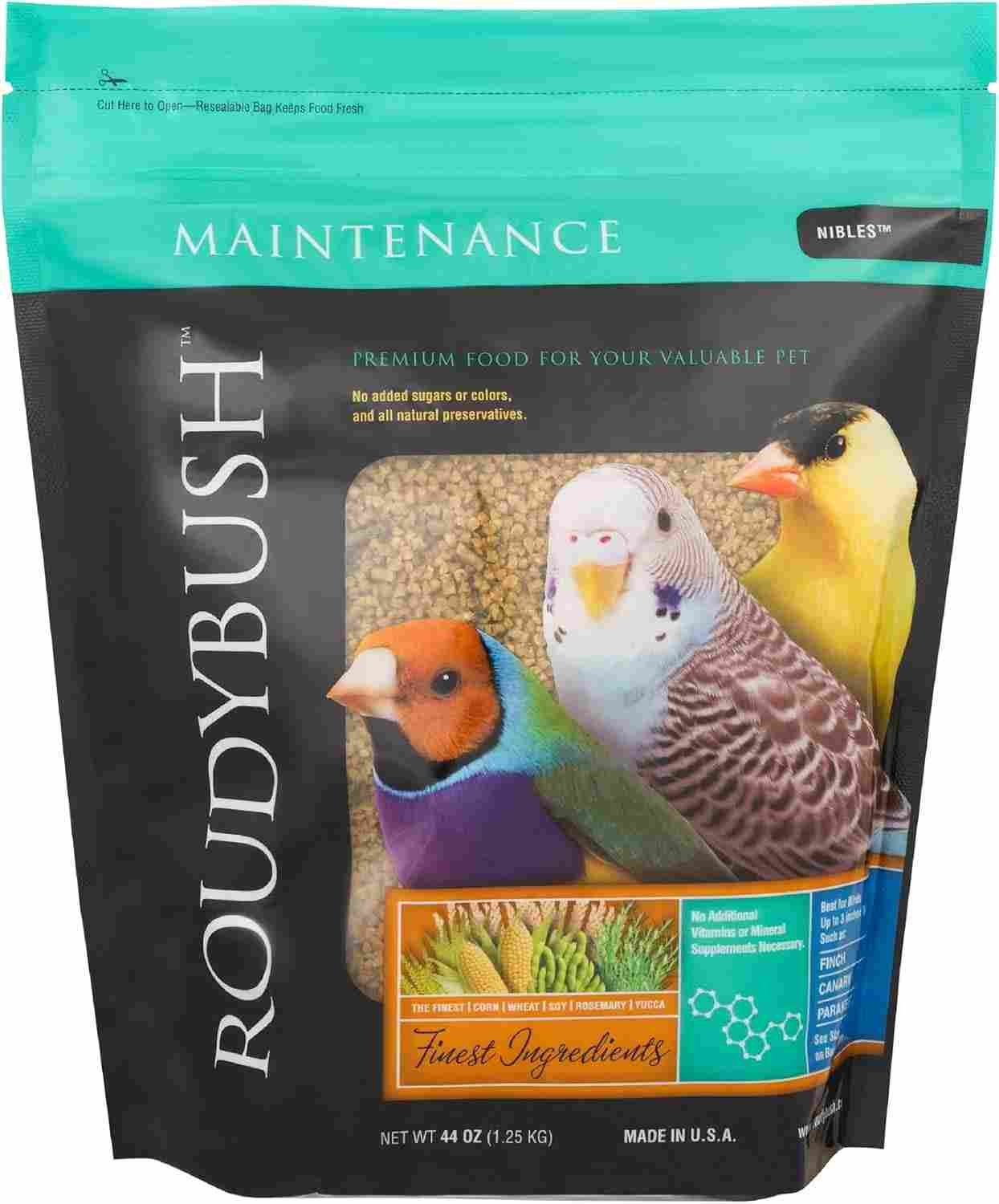
Roudybush Daily Maintenance Nibles
Perfectly sized pellets for small beaks. Contains no artificial colors or sugars, ensuring optimal digestive health.
Check Price on Amazon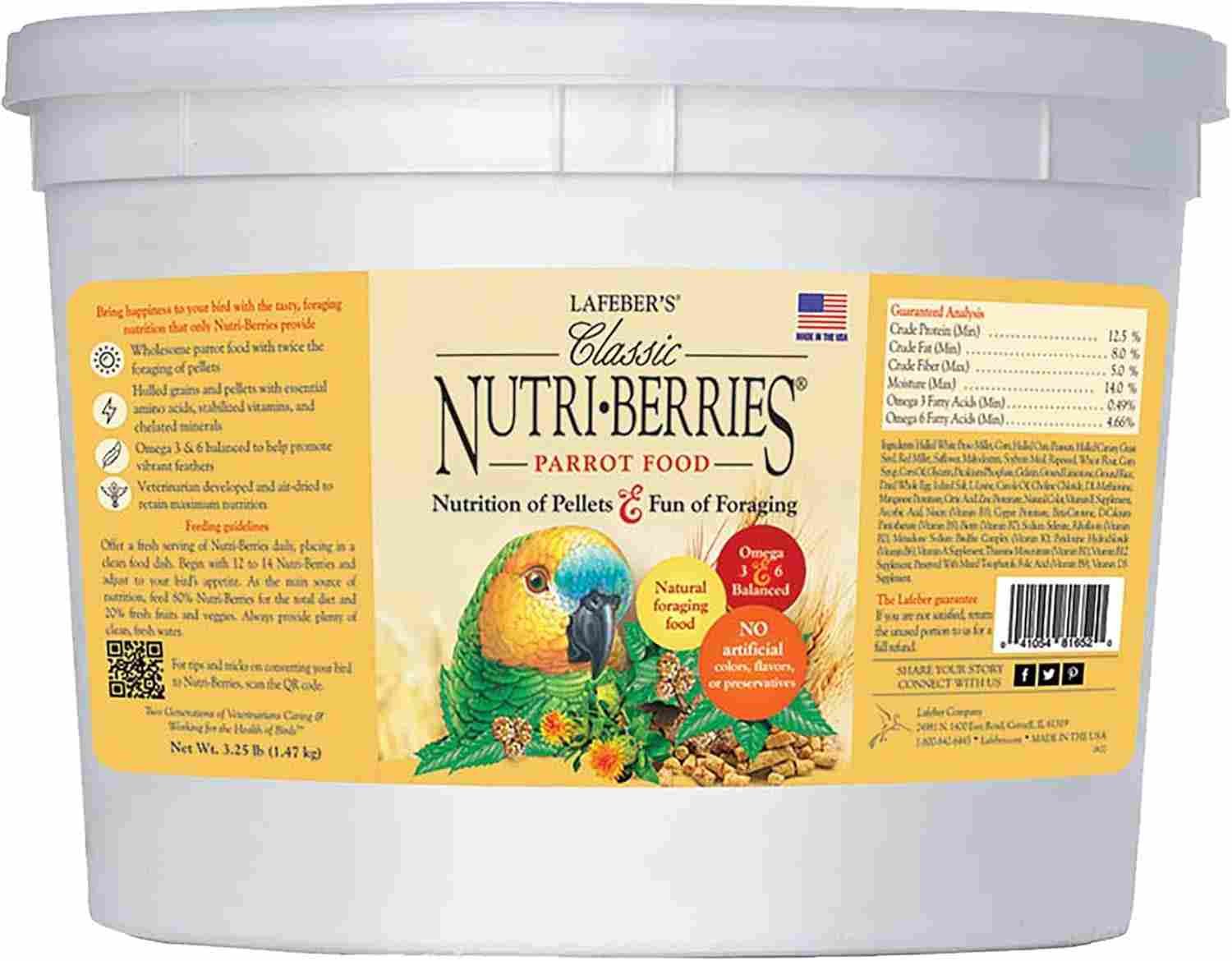
Lafeber Classic Nutri-Berries
An excellent transitional food that combines hulled seeds and pellets in a fun, round shape to encourage natural foraging.
Check Price on Amazon16. Pro Tips for Feeding Your Budgie
Transitioning a stubborn bird to a healthy diet takes time and patience. Use these advanced strategies to succeed.
- Rotate Foods: Serve different veggies daily. Monday might be broccoli, Tuesday carrots. This prevents dietary boredom.
- Introduce Slowly: Do not swap seeds for pellets overnight. A bird will starve itself if it doesn’t recognize the new item as food. Mix them gradually over 4-6 weeks.
- Avoid Overfeeding: Use precise measuring spoons. A bored, overfed budgie becomes a lethargic, overweight budgie.
- Consider Automatic Feeders: For maintaining pellet hygiene, gravity-fed automatic feeders can keep husks separated from fresh food.
17. Vet-Reviewed Recommendations 🩺
Professional avian veterinarians unanimously agree on diet balance advice: you must actively avoid a seed-only diet.
Seed-based diets lack over 32 essential nutrients that a budgie needs to survive. Vitamin A, Calcium, and Vitamin D3 are the most common deficiencies seen in veterinary clinics.
For more scientifically backed information regarding avian health, we recommend consulting trusted veterinary resources:
- Read extensive pet care articles at VCA Animal Hospitals.
- Review animal welfare policies at the American Veterinary Medical Association (AVMA).
18. Caution & Disclaimer
The information provided in this comprehensive feeding guide is for educational purposes only and is not a substitute for professional vet advice.
Always consult with a certified avian veterinarian before making drastic changes to your bird’s diet. Monitor bird behavior closely during food transitions. If your budgie stops eating or shows signs of lethargy, contact an emergency vet immediately.
19. Explore More Pet Nutrition Resources
Your journey into pet health doesn’t have to stop at birds. If you have a multi-pet household, proper nutrition is key across the board.
- For larger avian friends, revisit our complete parrot feeding guide.
- If you own dogs, ensure they are getting the right portions using our dog calculators tools.
- Feline parents can optimize their cat’s diet with our handy cat calculators tools.
- Got a reptile? Check out our exotic Turtle reference guide for aquatic and terrestrial dietary needs.
20. Video: How to Feed Budgies Properly
Watch this visual demonstration on how to mix, measure, and prepare a healthy chop for your parakeet.
21. Keep This Guide Handy
Want a printable version of our dietary breakdown, seed limits, and toxic foods list to keep near your bird’s cage?
👉 Download Budgie Feeding Chart PDF22. Frequently Asked Questions
Below are quick answers to the most common queries regarding the budgie feeding schedule.
You can feed vegetables, fruits, and grains safely prepared from your kitchen. Romaine lettuce, carrots, apples (without seeds), and cooked plain quinoa are excellent choices you likely already have.
Millet spray is the absolute best treat for a budgie. Other great treats include tiny slices of sweet fruit like mango or berries, or a single small piece of oat groat. Keep treats under 5% of their daily intake.
You should provide fresh food (chop/vegetables) 1 to 2 times daily. Leave high-quality pellets in their cage at all times so they can forage and eat whenever they feel hungry. Always provide fresh water daily.
👉 Next Read: Best Food for Lovebirds
2 thoughts on “What Can Budgies Eat? Complete Feeding Guide”