
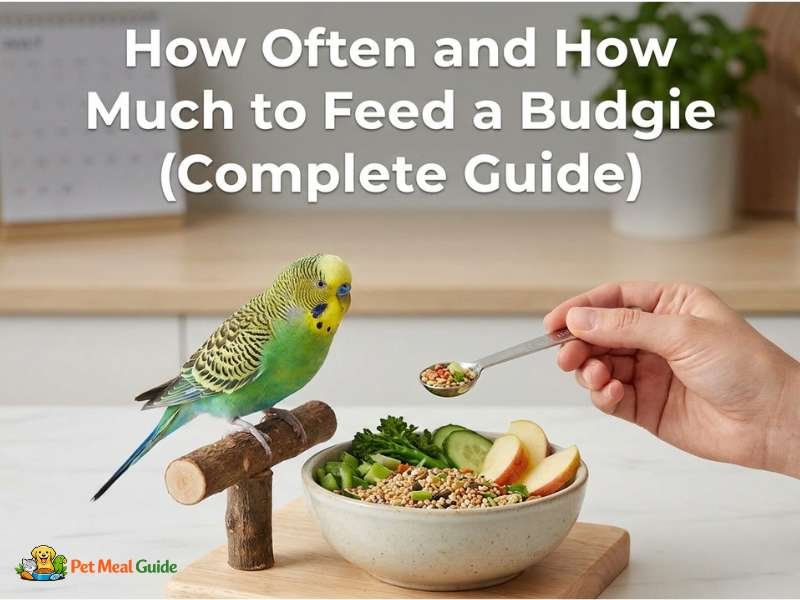
How Often Should You Feed a Budgie and How Much?
If you are a new bird owner, you are likely asking: how often to feed a budgie, and exactly how much to feed a budgie daily?
You should feed an adult budgie twice a day—once in the morning with fresh vegetables, and a light refill in the evening. As for volume, they only require about 1.5 to 2 teaspoons of dry seeds or pellets daily.
Most budgie owners either overfeed or underfeed without realizing it. A bowl filled to the brim with seeds often leads to dangerous obesity, while strict rationing can cause starvation due to their hyper-fast metabolisms.
Getting portion control right is the single most important step in extending your parakeet’s lifespan. We will break down schedules, portions, and exactly what belongs in the bowl.
👉 Download Budgie Feeding Chart PDFFor a foundational understanding of broader avian dietary needs, make sure to read our 👉 complete parrot feeding guide before making major diet changes.
2. Budgie Feeding Times
Understanding optimal Budgie Feeding Times requires looking at how these birds survive in the wild Australian outback.
In nature, budgerigars forage heavily at the break of dawn. They take a break during the scorching midday heat, and forage again just before dusk.
Replicating this natural behavior in captivity prevents boredom and mirrors their biological clock. Offer your heaviest, most nutritious meal (like fresh vegetable chop) early in the morning.
Provide a second, lighter feeding of high-quality dry pellets or seeds in the late afternoon or early evening.
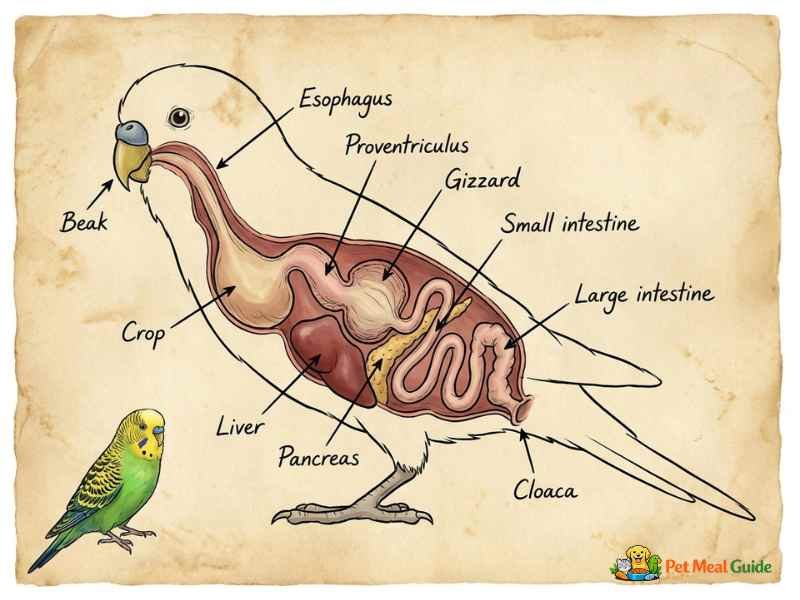
3. The Budgie Digestive System
Why do budgies seem like they are always eating? It all comes down to their incredibly fast metabolism.
A budgie’s heart beats over 300 times a minute, and their normal body temperature hovers around 104°F to 106°F. Maintaining this internal furnace burns massive amounts of energy.
Food passes through their digestive tract in roughly 3 to 4 hours. Because they cannot store large amounts of fat, frequent feeding is biologically mandatory.
4. Should I leave the food of my budgie in the cage all day or give him 2-3 meals a day?
This is a major point of debate among bird owners: controlled meal feeding versus free feeding (leaving food out 24/7).
Free Feeding: If your bird eats a 100% pellet diet, leaving a measured 2 teaspoons in the bowl all day is acceptable. Pellets prevent selective eating, and they can graze safely.
Controlled Meals: If you feed seeds and fresh veggies, you must use controlled 2-3 meals a day. Leaving fresh food out all day leads to dangerous bacterial growth. Leaving seeds out all day allows the bird to gorge on fat, leading to liver disease.
The best practice? Leave their daily allotment of dry pellets in the cage all day, but offer fresh foods strictly in timed, 2-hour morning and evening intervals.
5. How Long Can a Budgie Live Without Food?
Short Answer: A budgie can only survive 24 to 48 hours without food.
Because of their lightning-fast metabolism, starvation sets in incredibly quickly. Within 24 hours of zero food intake, a budgie will become lethargic, sit at the bottom of the cage, and fluff its feathers to conserve heat.
This is why you must monitor their food intake daily. If you are going out of town, you cannot simply leave a bowl of food. You must use a specialized dispenser. 👉 Learn more in our guide on the best automatic budgie feeders.
6. Feeding Budgerigars: A Complete Guide
Creating a successful daily feeding routine requires more than just pouring seeds from a bag. Portion control is essential.
Many owners ask how much seed should I feed my budgie? The answer is very little. Seeds should be a treat, not the main course.
Variety is equally important. Serving the exact same food every day leads to nutritional deficiencies and mental boredom. Rotate their greens, offer occasional safe fruits, and hide dry food in foraging toys to stimulate their minds.

7. How Much Food Does One Budgie Need Per Day?
If you are calculating exactly how much does a budgie eat per day, it equates to roughly 10% to 15% of their body weight.
Since an average budgie weighs about 30 to 40 grams, they only consume about 4 to 6 grams of food total across 24 hours.
| Food Type | Daily Amount per Budgie |
|---|---|
| Seeds | 1.5 – 2 Teaspoons (Maximum) |
| Pellets | Make up 60% of total diet (Free access to daily portion) |
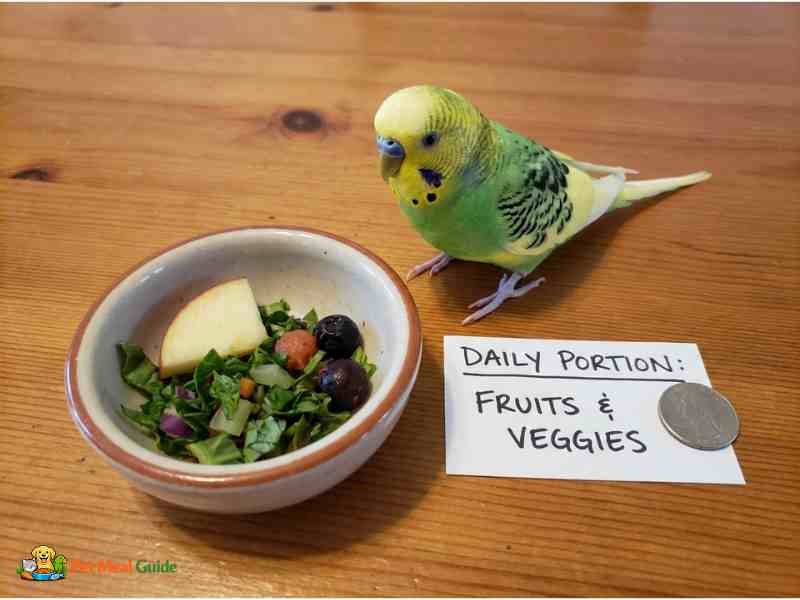
| Vegetables | 1 Tablespoon daily (Fresh chop) |
| Fruits | 1 small slice, 2–3 times a week (High sugar) |
8. How Often Should I Change My Budgies Food?
Hygiene is non-negotiable. You must change your budgie’s wet food (fruits and vegetables) within 2 to 3 hours of serving it.
In warm environments, fresh produce spoils rapidly, breeding deadly bacteria and mold. Dry food (pellets and seeds) should be changed every 24 hours.
Always blow off the empty seed husks that accumulate on top of the bowl. Budgies have starved to death sitting next to a bowl full of empty husks because they could not reach the fresh seeds underneath.
9. Feeding Schedule for Budgies
To definitively answer how often to feed a budgie, establishing a strict daily schedule is best. Birds thrive on routine.
| Time of Day | Type of Food | Action Required |
|---|---|---|
| Morning (7 AM – 9 AM) | Fresh Food (Veggie Chop) | Serve 1 Tbsp of fresh greens. Refresh the water bowl. |
| Afternoon (12 PM – 2 PM) | Seeds / Pellets | Remove spoiled morning veggies. Ensure 1.5 tsp of dry pellets is available. |
| Evening (5 PM – 7 PM) | Light Feeding / Foraging | Offer a tiny pinch of seeds as a bonding treat before bedtime. |
10. The Ultimate Dietary Breakdown
Balancing what goes into the bowl is just as vital as knowing the portion sizes. A healthy diet requires diverse components.
Historically, budgies were fed seed-only diets. This is now known to cause severe malnutrition. Seeds are high in fat and low in essential vitamins like Calcium and Vitamin A.
Instead, focus on formulated pellets combined with vibrant fresh foods. For a deep dive into specific safe ingredients, review our exhaustive guide on 👉 what can budgies eat.
Additionally, check out our specific recommendations for the 👉 best fruits and vegetables for budgies.
🥗 Ideal Budgie Diet Breakdown
11. What Can Budgies Eat (List)
If you are building your daily meal plan, you need to reference a reliable What can budgies eat list.
Safe items include: dark leafy greens, sweet potatoes, carrots, broccoli, apples (no seeds), blueberries, and high-quality pellets. You can also offer sprouted seeds for a massive nutrient boost.
When looking at a What can budgies eat list and drink, remember that their only drink should be fresh, clean, unflavored water. Never offer milk, juice, or caffeine.
12. Visual Budgie Diet Chart
Having a quick reference guide ensures you never accidentally feed toxic foods or imbalance their macros.
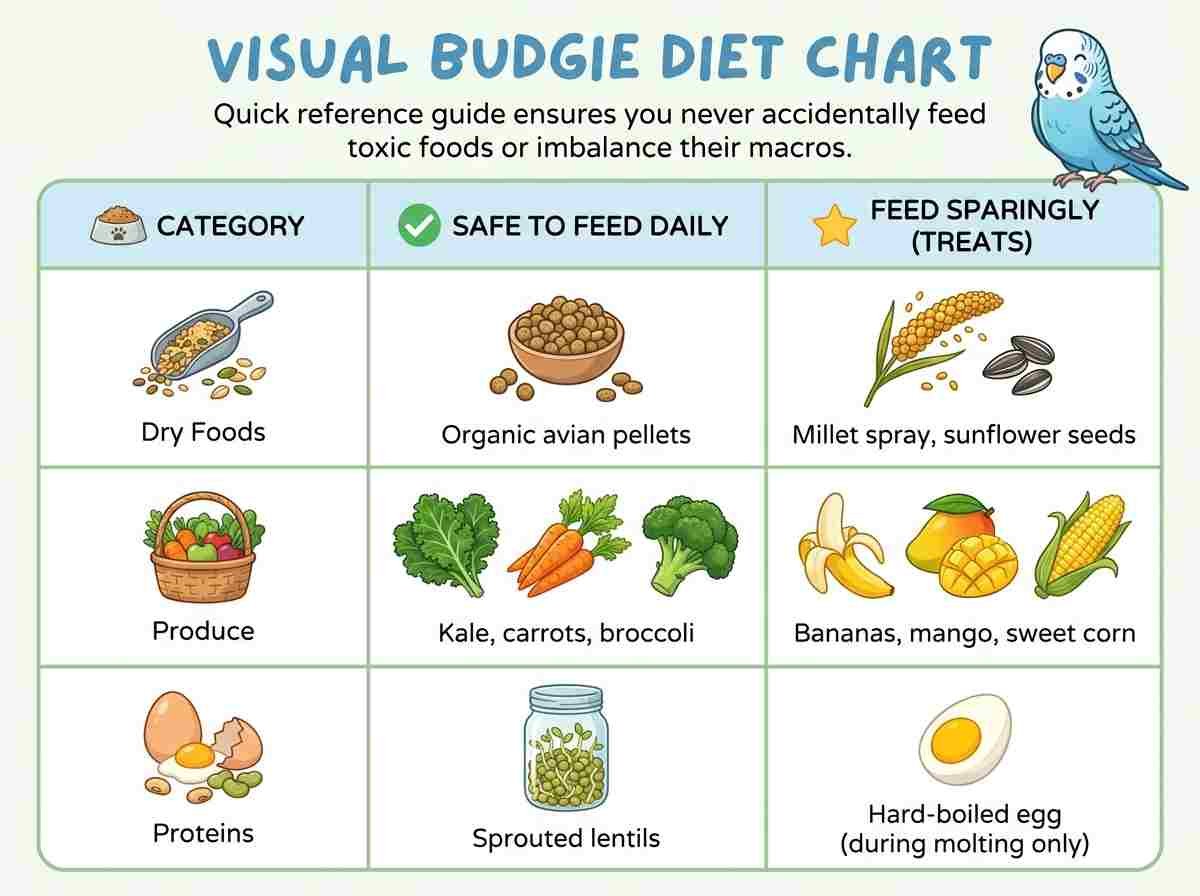
| Category | Safe to Feed Daily | Feed Sparingly (Treats) |
|---|---|---|
| Dry Foods | Organic avian pellets | Millet spray, sunflower seeds |
| Produce | Kale, carrots, broccoli | Bananas, mango, sweet corn |
| Proteins | Sprouted lentils | Hard-boiled egg (during molting only) |
13. What Vegetables Can Budgies Eat Everyday?
Not all vegetables are created equal. Some are too watery (like iceberg lettuce) while others inhibit calcium if overfed.
However, you can safely feed a mix of these power-veggies every single day:
- Broccoli: An incredible source of Vitamin A, and budgies love chewing the textured florets.
- Carrots: Rich in beta-carotene for healthy eyesight and bright feathers. Serve grated or finely diced.
- Spinach: Excellent for iron, though rotate it with romaine lettuce to balance oxalate levels.
14. Budgie Pellets: The Superior Foundation
Why do avian vets push pellets over seeds? Because pellets prevent selective feeding. Every single bite of a pellet contains perfectly balanced nutrition.
Transitioning a stubborn, seed-addicted bird to pellets takes time. You must never swap food overnight, or the bird will starve.
Start by mixing 10% pellets with 90% seeds. Over a period of 4 to 6 weeks, slowly increase the pellet ratio while decreasing the seeds until the transition is complete.
15. How to Feed Budgies Fruits and Vegetables
Presentation matters. A budgie will often ignore large chunks of food that are intimidating to their small beaks.
Always wash produce thoroughly to remove toxic pesticides. Finely dice or pulse the vegetables in a food processor to create a “chop” that is easy for them to scoop up.
16. Can Budgies Eat Meat?
❌ No. Budgies are natural herbivores (granivores and frugivores).
Their digestive systems are entirely unequipped to process animal protein or fats. Feeding chicken, beef, or any meat will lead to severe digestive distress, kidney failure, and potentially death. Stick to plant-based proteins like sprouted seeds.
17. Best Rated Budgie Foods on Amazon
Ready to upgrade your parakeet’s pantry? These are the top veterinarian-recommended dry foods available right now.
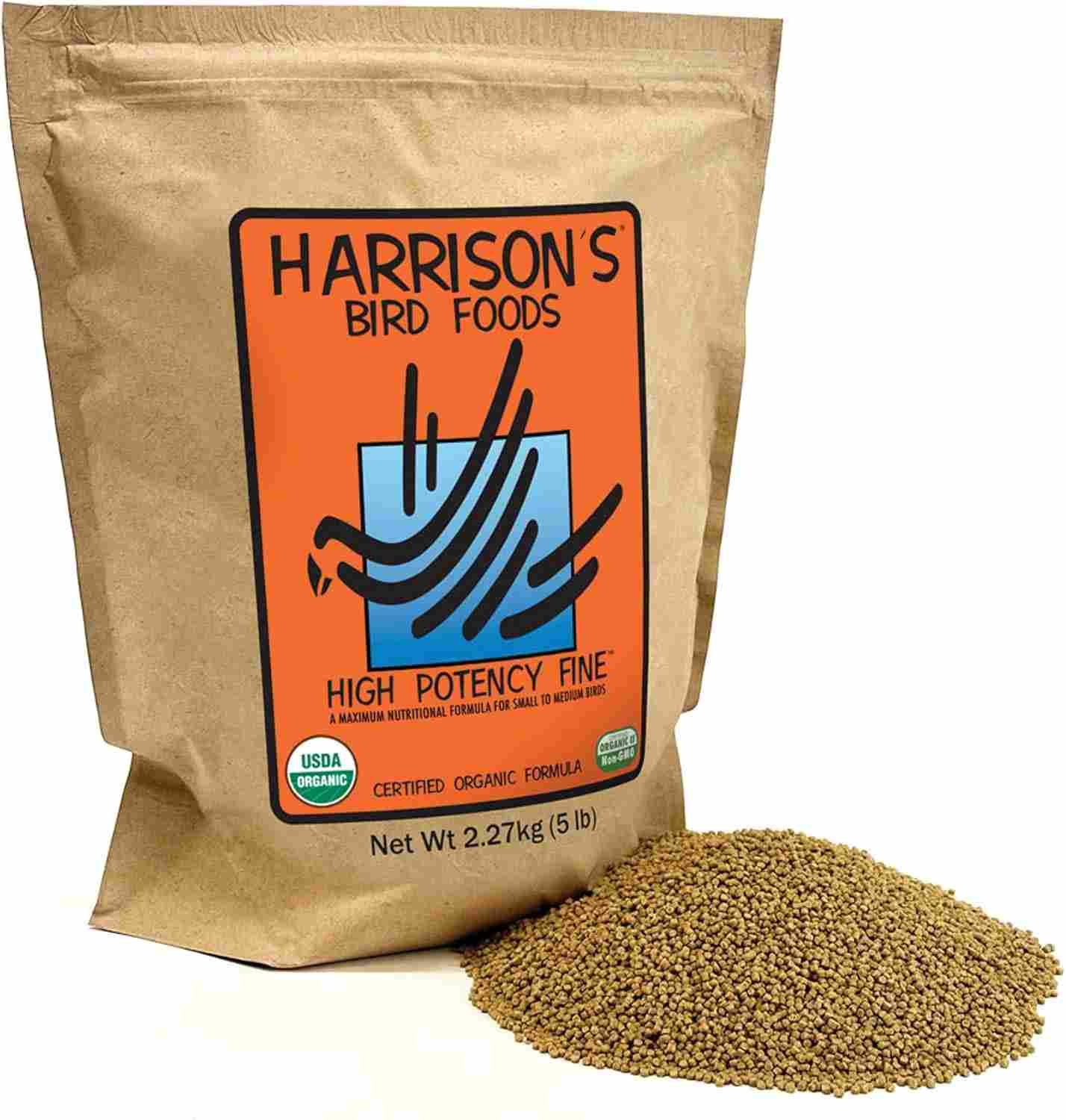
- 100% Organic ingredients
- No artificial colors or dyes
- Vet recommended worldwide
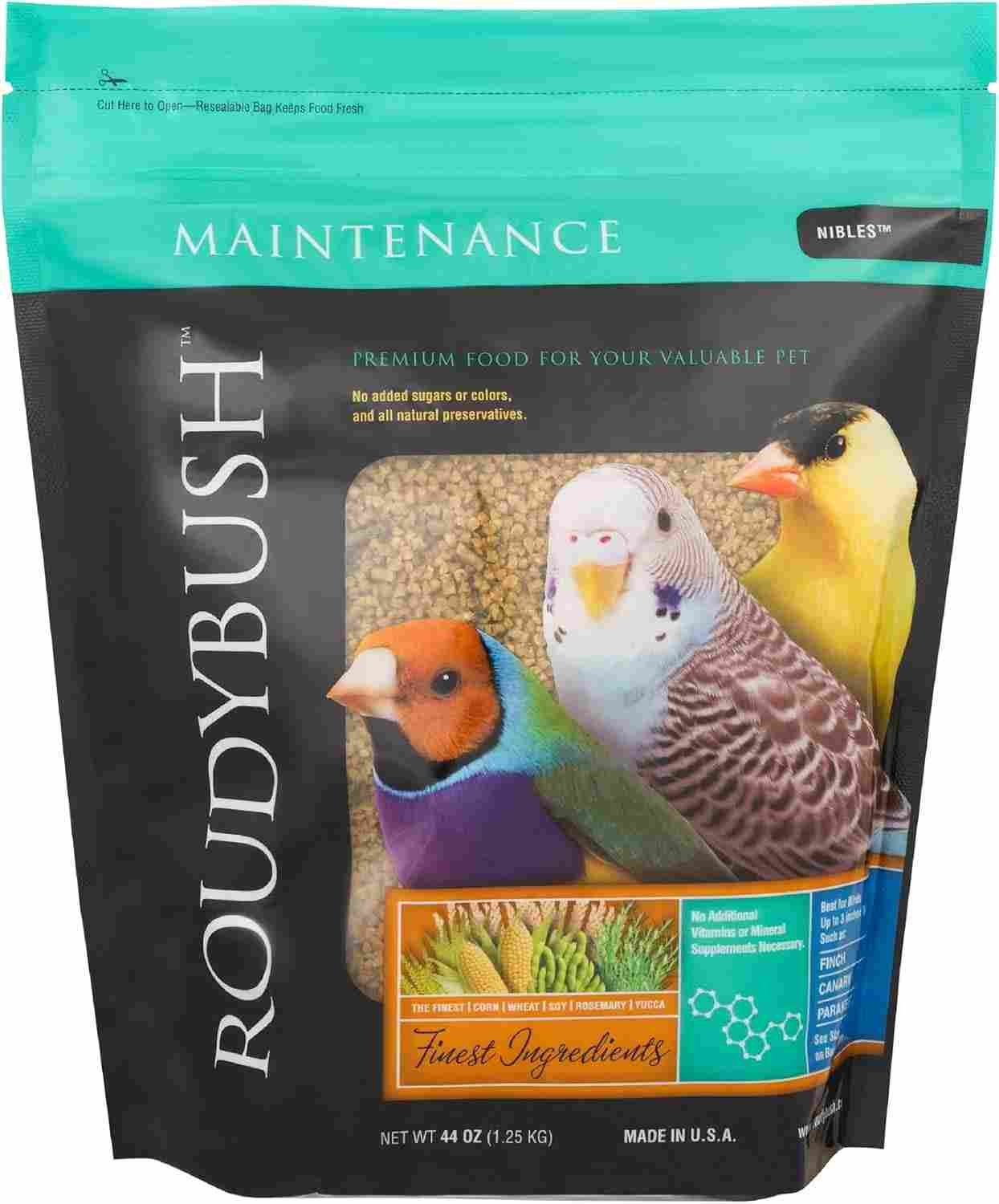
- Nibles size perfect for budgies
- Zero added sugars
- Reduces waste and mess
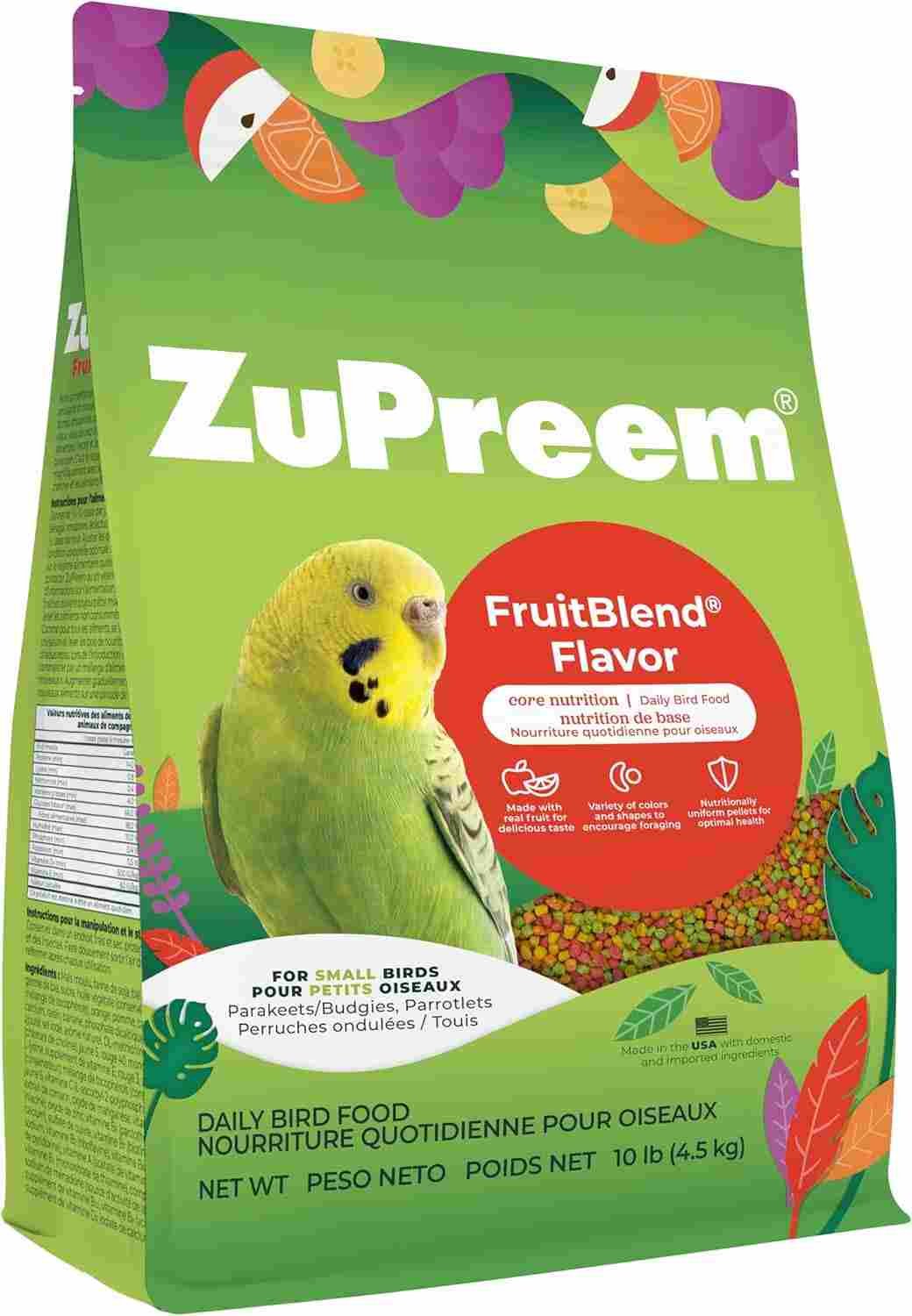
- Packed with celery, carrots, beets
- Fortified with essential vitamins
- Highly palatable texture
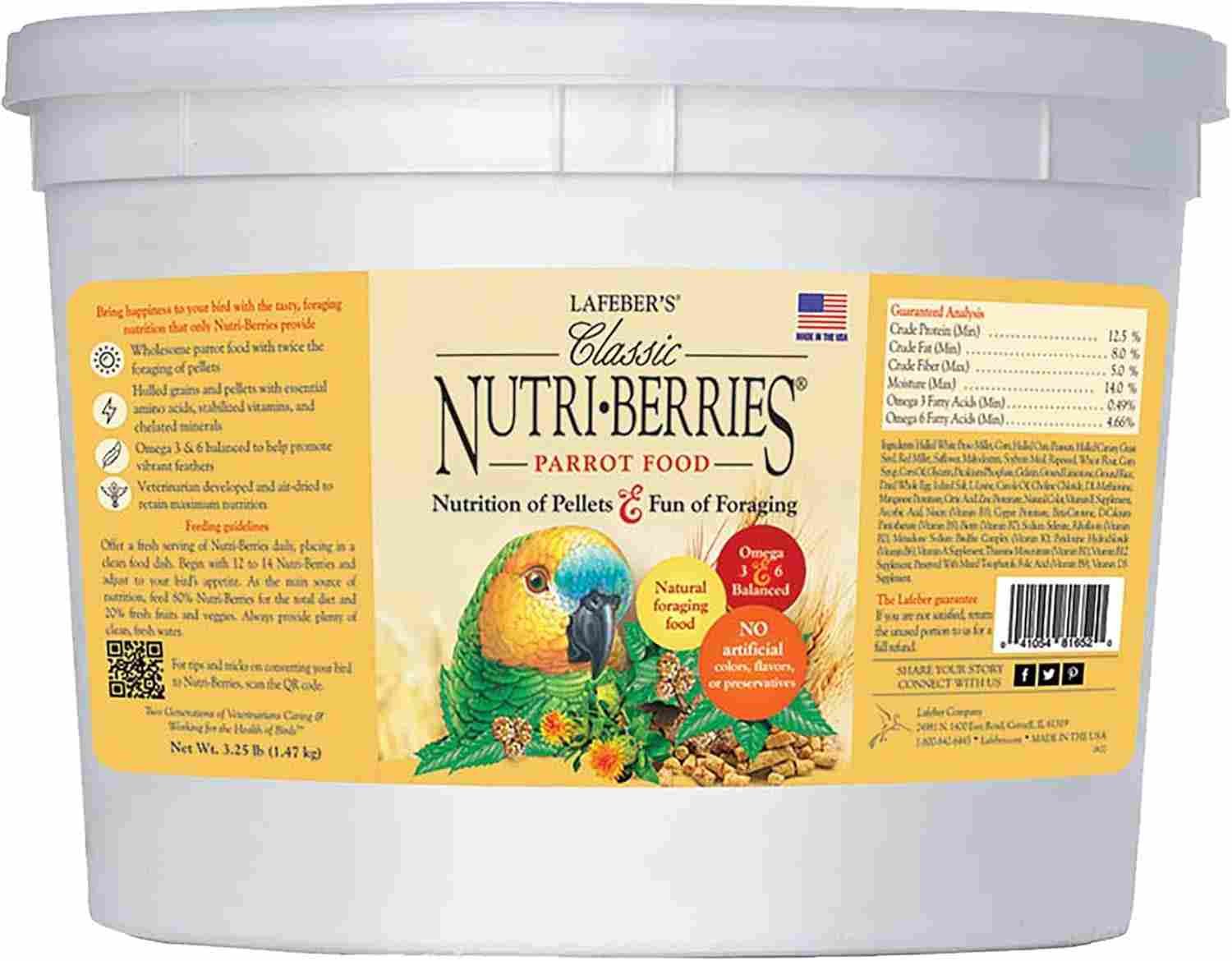
- Hulled seeds combined with pellets
- Round shape encourages foot-holding
- Omega 3 & 6 balanced
- Contains digestive probiotics
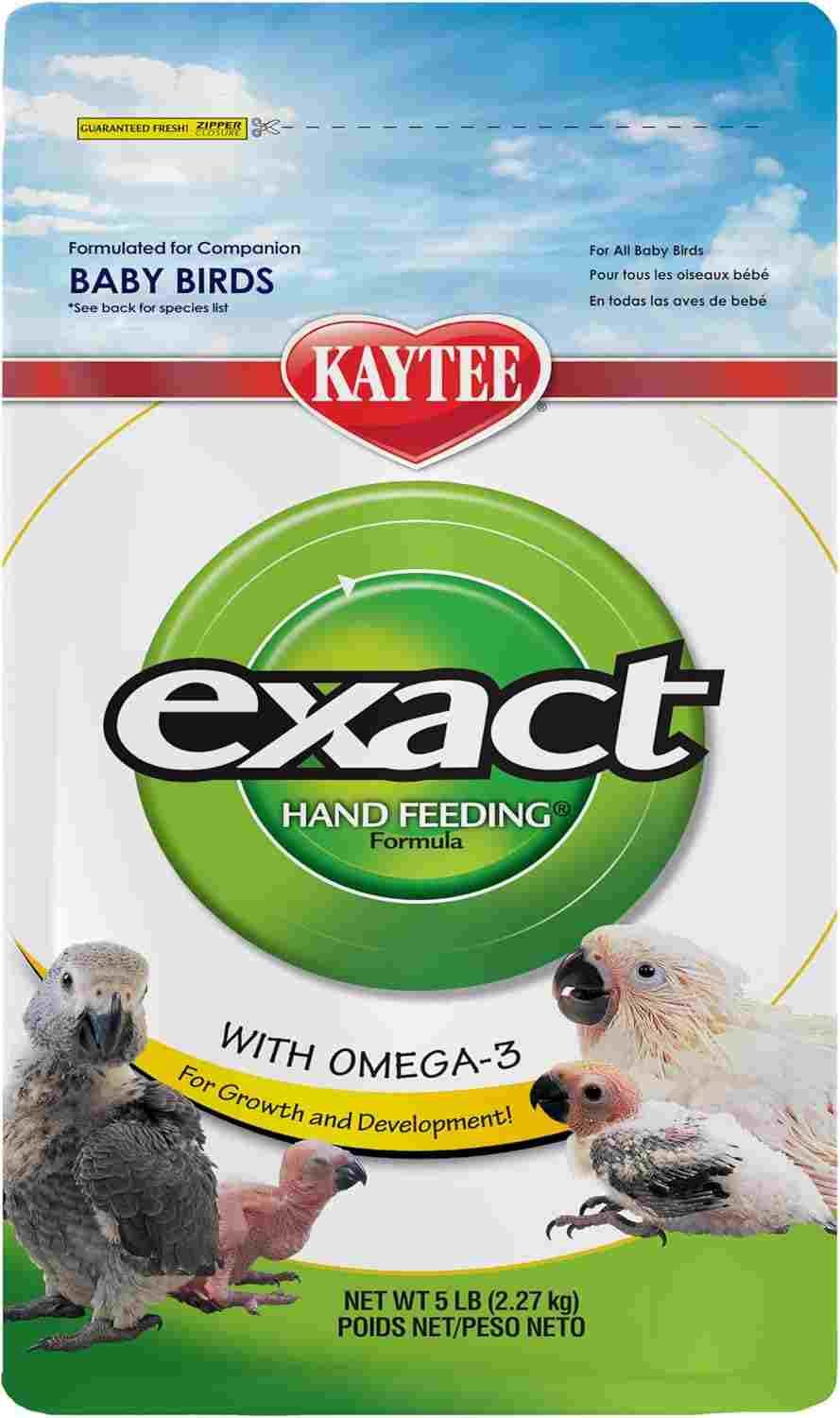
- High fat for rapid growth
- Mixes easily with water
18. Feeding Baby Budgies: A Brief Overview
Adult diets do not apply to unweaned chicks. You must use specialized liquid formulas. For a comprehensive walkthrough, read our 👉 baby budgie feeding guide, or our broader 👉 baby parrot feeding guide.
Feeding Baby Budgies
Chicks have delicate crops that cannot process solid food. Attempting to feed them seeds will cause impaction and death.
How to Feed Budgie Chicks
You must use sterilized syringes and commercial hand-rearing formula mixed with warm water to simulate regurgitated food.
How to Feed a 2,3,4,5 Weeks Old Budgie
A 2-week-old chick needs watery formula every 3 hours. By 5 weeks, the formula is thick like applesauce, and they only require 2 to 3 feeds a day as they start nibbling solids.
Handfeeding Budgies
Handfeeding requires maintaining precise formula temperatures (104°F to 106°F) to prevent crop burns or sour crop.
Feeding & Weaning
Weaning is a gradual process. Introduce soaked pellets and mashed sweet potatoes to bridge the gap between liquid syringe feeds and hard adult seeds.
19. Pro Tips for Feeding Success
Mastering your bird’s diet takes time. Use these tips to ensure long-term health.
- Don’t overfeed seeds: Limit seeds strictly to 1.5 teaspoons a day. Overfeeding leads to fatty liver disease and lipomas (fatty tumors).
- Rotate diet: Prevent behavioral boredom by switching the types of vegetables you offer weekly.
- Monitor weight: Buy a small digital kitchen scale. Weighing your budgie weekly in grams is the fastest way to catch illnesses or dietary issues early.
20. Vet-Reviewed Recommendations 🩺
Avian veterinarians urge owners to monitor feeding habits closely. A bird that suddenly drops its food or stops eating altogether is exhibiting an emergency symptom.
Safe feeding practices include strict hygiene and preventing obesity through portion control. For evidence-based animal welfare policies, review the 👉 American Veterinary Medical Association (AVMA).
For more details on metabolic disorders caused by poor diets, consult the experts at 👉 VCA Animal Hospitals.
21. Caution ⚠️ Diet Dangers
- Obesity risk: Budgies are prone to obesity in small cages. Never free-feed seeds.
- Seed-only diet problems: Lack of Vitamin A from a seed diet causes respiratory infections and dull, brittle feathers.
- Spoiled food: Leaving wet food in a warm cage all day causes fatal bacterial infections. Remove it within hours.
22. Disclaimer
This article is for informational and educational purposes only. It does not replace professional veterinary advice. If your budgie shows signs of lethargy or weight loss, consult a certified avian vet immediately.
23. Explore More Pet Diet Tools
Proper portioning is vital for all your pets, not just your birds. If you have a multi-pet household, utilize our free nutritional tools:
- Determine precise portions for your canine with our 👉 dog calculators tools.
- Manage your feline’s daily calorie intake with our 👉 cat calculators tools.
26. Video: How Much Should You Feed a Budgie?
Watch this excellent visual breakdown demonstrating exact portion sizes for a healthy parakeet.
Frequently Asked Questions
You should actively feed your budgie twice daily. Provide fresh vegetables in the morning, and a measured portion of dry seeds or pellets in the afternoon/evening, with constant access to fresh water.
If you are feeding seeds alongside pellets and vegetables, limit the seeds to a strict maximum of 1.5 to 2 teaspoons per day per bird to prevent obesity and fatty liver disease.
No. A budgie has an extremely fast metabolism and can starve to death within 24 to 48 hours. They must have daily access to food and fresh water.
👉 Next: Best Automatic Budgie Feeders (Reviews + Setup Guide)
1 thought on “How Often and How Much to Feed a Budgie”