
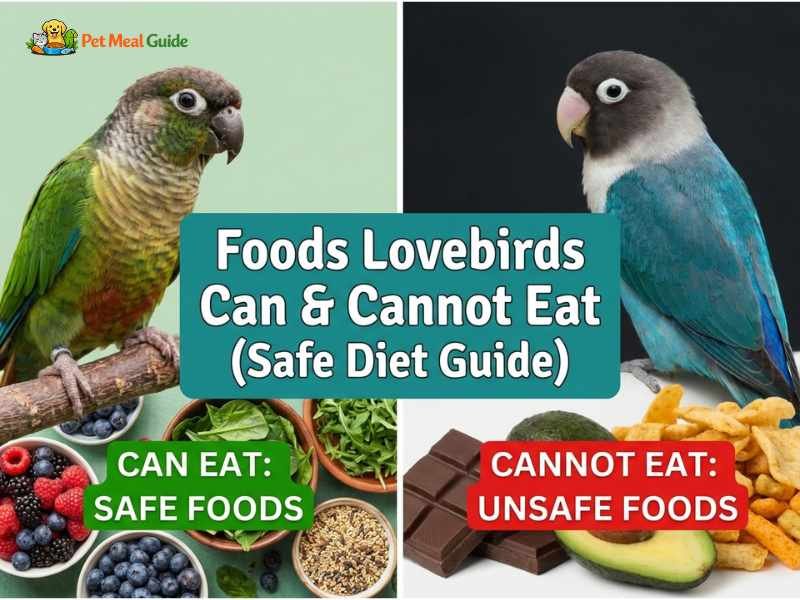
What Can Lovebirds Eat? Safe Foods vs Toxic Foods
Lovebirds are vibrant, highly intelligent, and endlessly energetic companions. Known affectionately as “pocket parrots,” these small birds have a massive personality and a metabolism to match. But when it comes to their diet, many well-meaning owners make fatal mistakes. If you are trying to figure out exactly what foods lovebirds can and cannot eat, you have found the ultimate veterinary-backed guide.
Providing the best food for lovebirds requires far more than just picking up a cheap bag of seeds at your local grocery store. A lovebird’s digestive system is delicate. While they thrive on fresh greens, high-quality pellets, and specific fruits, a single bite of the wrong human food can lead to immediate toxicity. Understanding the stark difference between a healthy lovebird food bowl and dangerous pantry items is the most critical aspect of avian husbandry.
We are going to dive deep into exactly what food can lovebirds eat, list the absolute worst foods not to feed lovebirds, and outline a daily schedule to keep your bird thriving. To better understand your bird’s overarching needs, we recommend exploring our main guide on what do lovebirds eat and familiarizing yourself with the different dietary nuances among various types of lovebirds.
Never Guess About Your Bird’s Diet Again!
Download our free, printable safe-foods list to hang right next to your bird’s cage.
📥 Download Lovebird Food List PDFWhat Do Lovebirds Eat and Drink?
If you need the essential facts right now, here is a rapid breakdown of lovebird nutrition:
- Safe Foods: The ideal diet consists of 60% high-quality commercial pellets, 20-25% fresh vegetables (like kale, broccoli, and carrots), 5-10% fresh fruit (like apples, bananas, and berries), and 5-10% seeds/grains.
- Unsafe Foods (Toxic): Never feed a lovebird avocado, chocolate, alcohol, caffeine, onions, garlic, fruit pits (like apple seeds), or highly salted/sugary human junk food.
- Daily Basics: Lovebirds require access to fresh, clean, unchlorinated drinking water changed daily, alongside a structured feeding routine of fresh chop in the morning and dry pellets/seeds in the evening.
Best Cage for Lovebirds (Safe & Spacious)
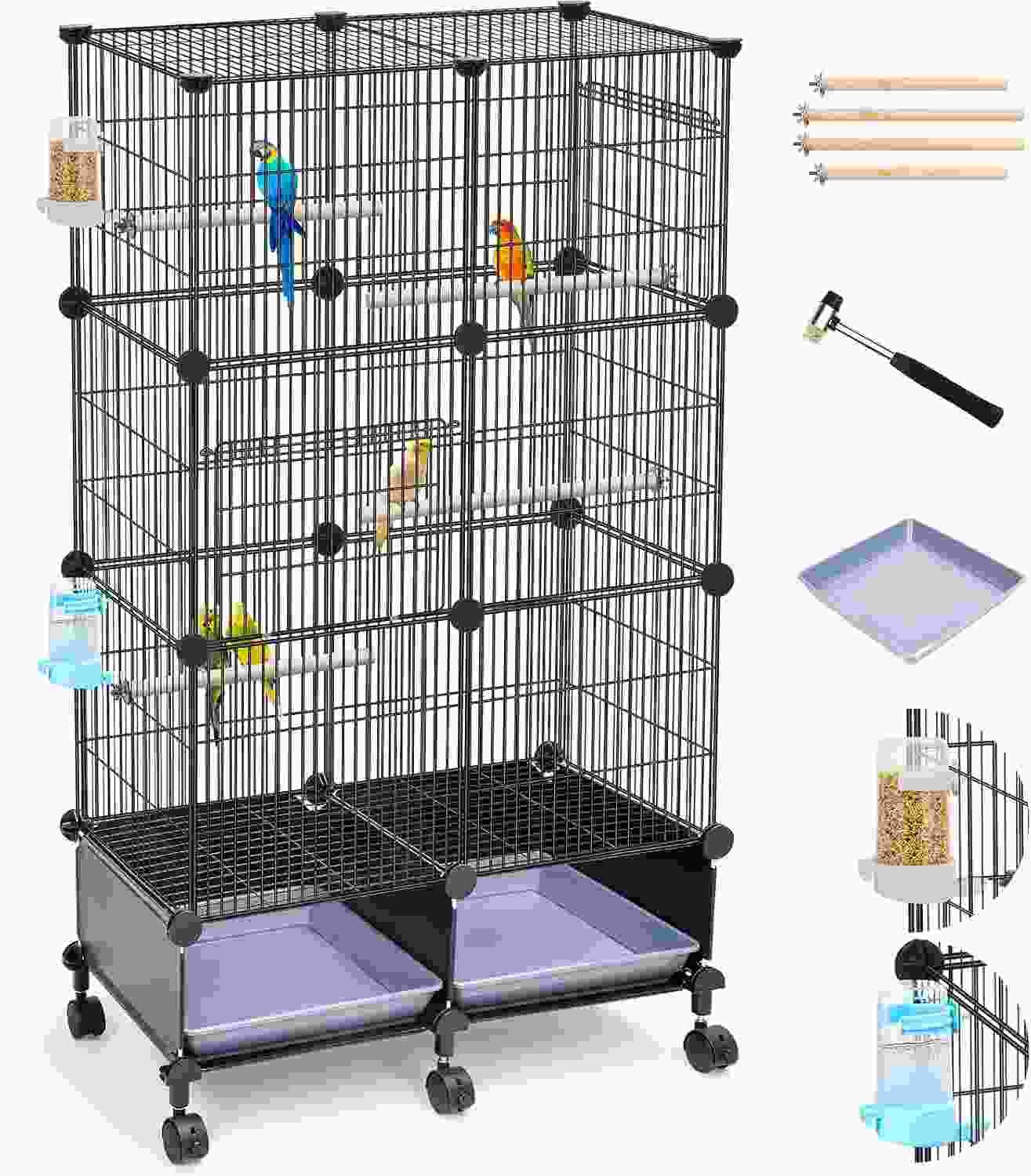
A safe, appropriately bar-spaced, and spacious cage that gives your energetic lovebird room to climb, forage, and eat comfortably.
Check Price on AmazonWhat Do Wild Lovebirds Naturally Eat?
To fully grasp what constitutes good food for lovebirds, we have to look at their ancestors. In the arid plains and lush forests of Africa, wild lovebirds are nomadic foragers. They spend the vast majority of their waking hours flying miles in search of sustenance.
Their natural wild diet consists of:
- Wild Grass Seeds: Consumed fresh and green from the stalk, vastly different from the dried seeds sold in pet stores.
- Fruits and Berries: Foraged seasonally from the canopy, offering natural hydration and sugars.
- Leafy Vegetation and Buds: Providing essential fiber and trace minerals.
- Agricultural Crops: Wild lovebirds are actually considered pests by African farmers because they love to raid fields of maize, millet, and figs!
Wild vs. Pet Diet: The Caloric Difference
A common mistake owners make is trying to replicate the wild diet exactly. A wild lovebird burns off the high fat content of seeds by flying dozens of miles a day to escape predators. Your pet lovebird, safely sitting in a cage or flying around your living room, lives a comparatively sedentary lifestyle. Feeding a pet lovebird an all-seed “wild” diet will rapidly lead to obesity, fatty liver disease (hepatic lipidosis), and an early death. Captive diets must be modified for lower fat and higher accessible nutrients.
What Should I Feed My Lovebird? (The Core Diet)
When curating foods for lovebirds, variety is the spice of life. Your goal is to mimic the nutritional diversity of the wild without the excess fat. If you own multiple species, you can cross-reference our overarching parrot feeding guide, as lovebirds follow similar dietary structures to cockatiels and conures.
1. Pellets (The Nutritional Base)
Veterinarians agree that an extruded or baked commercial pellet should form the bulk (about 60%) of your bird’s diet. Pellets are scientifically formulated so that every single bite contains the perfect ratio of calcium, protein, amino acids, and vitamin D3. Because lovebirds are notorious “picky eaters” who will pick out their favorite seeds and leave the rest, pellets ensure they cannot avoid their vitamins.
2. Fresh Vegetables
Vegetables should make up 20% to 25% of their daily intake. These provide vital dietary fiber, iron, and Vitamin A—a nutrient that seed-junkie birds are almost universally deficient in. In the avian community, a finely diced mix of daily vegetables is affectionately referred to as “Chop.”
3. Fruits (In Moderation)
Fruits are the candy of nature. While rich in Vitamin C, they are also high in fructose. They should make up no more than 5% to 10% of the diet. Think of fruit as an enrichment treat rather than a main course.
4. Seeds and Grains
Seeds are not evil; they are just misused. High-quality seeds (like millet, canary seed, and oats) should make up the remaining 5% to 10% of the diet. They are best utilized as evening snacks or high-value training treats.
The Best Diet for Your Lovebird (Visual Breakdown)
Use the table below as a quick reference guide when planning your daily meals.
| Food Type | Percentage of Diet | Ideal Examples |
|---|---|---|
| High-Quality Pellets | 60% | Harrison’s Adult Lifetime Fine, Roudybush Crumbles, ZuPreem Natural |
| Fresh Vegetables | 25% | Kale, broccoli, carrots, bell peppers, sweet potato (cooked) |
| Seeds & Whole Grains | 10% | Millet sprays, cooked quinoa, brown rice, canary grass seed |
| Fresh Fruits | 5% | Berries, papaya, apple (no seeds), mango, banana |
Fruits That Lovebirds Can Safely Eat
When searching for healthy food for lovebirds, many owners look to their own fruit bowls. But before you share, let’s answer some of the most common questions.
Can I Feed My Lovebird Banana? ✅
Yes, absolutely! Can I feed my lovebird banana? Yes, bananas are an excellent, safe treat. They are incredibly rich in potassium, vitamin B6, and magnesium. Because of their soft texture, bananas are a fantastic food for weaning babies or older birds with beak issues. Simply peel a small slice and offer it to them. Be warned: it will get messy!
Can I Feed My Lovebird Grapes? ✅
Yes, but with caveats. Can I feed my lovebird grapes? Grapes are perfectly safe and birds absolutely love them because they are essentially little bags of sugar-water. However, because they are so high in fructose and low in complex nutrients, they should be given very sparingly—no more than half a grape a few times a week. Always wash them thoroughly to remove pesticides, or buy organic.
Apples (With a Warning) ✅/🚫
Apples are a crunchy, hydrating treat. However, you must meticulously core the apple. Apple seeds contain amygdalin, a compound that releases cyanide when chewed and digested. A single apple seed can be fatal to a small lovebird.
Other Safe Fruits:
- Mango (rich in Vitamin A)
- Papaya (contains digestive enzymes)
- Blueberries, Strawberries, and Raspberries (high in antioxidants)
- Pomegranate (excellent for foraging enrichment)
Vegetables for Lovebirds
Vegetables are the crown jewel of lovebirds diet and care. They provide the deep, dark nutrients that keep feathers glossy and immune systems strong.
Can Lovebirds Eat Cucumber? ✅
Can lovebirds eat cucumber? Yes! Cucumbers are over 90% water. While they aren’t the most nutrient-dense vegetable in your fridge, they are an incredible source of hydration, especially during hot summer months or if your bird is reluctant to drink from a water bowl. You can leave the skin on if it is organic and thoroughly washed.
The Best Vegetables to Feed Your Lovebirds:
- Carrots: Shredded raw or steamed. Packed with beta-carotene for eye and respiratory health.
- Spinach & Kale: Excellent leafy greens. Note: Spinach contains oxalic acid, which can inhibit calcium absorption if fed in massive quantities, so rotate it with other greens like Swiss chard or collards.
- Broccoli: Both the florets and the stems are safe. The texture is highly stimulating for their beaks.
- Bell Peppers: Red, yellow, and green peppers are fantastic. Fun fact: birds lack the receptors for capsaicin, meaning they can even eat spicy chili peppers without feeling the heat!
Best and Worst Foods for Lovebirds (Do’s & Don’ts)
Keep these two tables handy to ensure you never accidentally mix up safe and dangerous items.
| ✅ SAFE FOODS (Encouraged) | Notes for Serving |
|---|---|
| Cooked Quinoa & Brown Rice | Serve plain, no salt or butter. |
| Sprouted Seeds | Incredibly nutritious; burns off the fat of dormant seeds. |
| Sweet Potato | Must be cooked/steamed to soften it. |
| Zucchini & Squash | Serve raw or gently steamed. |
| Almonds & Walnuts | Crushed into tiny pieces. Very high in fat; use strictly as treats. |
| Chamomile & Dandelion | Edible flowers. Ensure they are free of yard pesticides. |
| ❌ UNSAFE FOODS (Highly Toxic) | Reason it is Dangerous |
|---|---|
| Avocado | Contains Persin; causes fatal heart failure. |
| Chocolate | Contains Theobromine; causes seizures and death. |
| Onion & Garlic | Destroys red blood cells causing hemolytic anemia. |
| Alcohol | Fatal to the liver within minutes. |
| Caffeine (Coffee/Tea) | Causes cardiac arrhythmias and cardiac arrest. |
| Fruit Pits / Apple Seeds | Contain cyanide. |
List of Foods You Should Not Give Your Lovebird
The items listed above are not just “unhealthy”—they are actively deadly. Understanding the foods not to feed lovebirds is critical because birds will often happily eat toxic items if offered to them by an owner they trust.
🚫 The “Big Four” Deadly Toxins
Never allow your lovebird to be out of its cage while cooking or eating these items:
- Avocado: Even a microscopic nibble of avocado skin, pit, or flesh contains persin. It causes respiratory distress, fluid around the heart, and death within 12 to 24 hours. There is no antidote.
- Chocolate: The darker the chocolate, the deadlier it is. Theobromine and caffeine induce vomiting, hyperactivity, tremors, and fatal seizures.
- Caffeine: Coffee beans, tea leaves, and sodas must be kept away. A bird’s heart beats rapidly by nature; caffeine pushes it into fatal overdrive.
- Onions, Garlic, & Leeks: These contain thiosulfate. When a bird ingests it, the compound literally bursts their red blood cells, causing them to suffocate from the inside out due to a lack of oxygen in the blood.
Unsafe Foods for Parrots (Expanded Safety Concerns)
Beyond the immediately toxic items, there is a secondary tier of unsafe foods. These are items that won’t kill your bird today, but will cause severe, chronic health issues over time.
- Dairy Products: Birds are not mammals. They do not possess the enzyme lactase. Feeding your bird cheese, milk, or yogurt will cause severe gastrointestinal distress, diarrhea, and nutrient malabsorption.
- Salt: A single salty potato chip contains enough sodium to overload a lovebird’s tiny kidneys, leading to fatal dehydration and renal failure.
- Refined Sugars: Candies and sugary cereals cause rapid weight gain, yeast infections (like Macrorhabdus ornithogaster or “megabacteria”), and behavioral issues like screaming and aggression due to sugar spikes.
- Mushrooms: While some human-grade mushrooms are technically safe, many contain trace amounts of amatoxins or can harbor molds that are dangerous to avian respiratory tracts. Avian vets suggest avoiding them entirely.
Can Lovebirds Eat Human Food?
We all love sharing our dinner with our pets, but you must be incredibly selective.
Can Lovebirds Eat Bread? 🍞
Can lovebirds eat bread? Technically yes, but it is highly discouraged. Commercial bread offers almost zero nutritional value for a bird. Worse, it becomes doughy and sticky when it mixes with the saliva in their crop, potentially causing a life-threatening yeast infection or crop impaction. If you must, offer a tiny crumb of toasted, organic whole-grain bread as a rare treat, but never white bread.
Cooked Rice and Pasta
Unsalted, unbuttered brown rice and whole-wheat pasta are perfectly fine. In fact, offering warm (not hot) cooked grains is a great way to comfort a bird, especially if they are molting and need a carbohydrate energy boost. Just ensure there are no sauces or seasonings attached.
Homemade Lovebird Food (Avian “Chop”)
Preparing homemade lovebird food is the best way to ensure your bird gets fresh, unpreserved nutrients. The standard homemade diet in the bird community is called “Chop.”
Simple Lovebird Chop Recipe
This recipe can be made in bulk, portioned into ice cube trays, and frozen for convenience.
- Base (50%): Finely food-processed leafy greens (Kale, Swiss Chard).
- Color (30%): Grated raw carrots and diced bell peppers.
- Protein/Carb (15%): Cooked quinoa or sprouted lentils.
- Topper (5%): A sprinkle of chia seeds and a few chopped blueberries.
Instructions: Thaw one cube overnight in the fridge. Serve in the morning. Remove any uneaten chop after 3 to 4 hours to prevent bacterial fermentation in the cage.
Lovebirds Diet and Care Basics
Nutrition cannot exist in a vacuum. Proper lovebirds diet and care involves combining food, hygiene, and environmental enrichment.
For example, if your lovebird’s cage is too small, even a healthy diet won’t prevent them from becoming overweight due to a lack of exercise. Similarly, if their water bowls are slimy, they will ingest bacteria that ruins their gut flora, rendering high-quality food useless. If you also own parakeets, you will notice the care routines are very similar. Read our guides on how often and how much to feed a budgie, and what can budgies eat to compare their flock dynamics.
Love Birds Care Sheet: The Daily Routine
A healthy lovebird needs a predictable daily routine to feel secure and process their food correctly.
- Morning (Dawn): Birds are hungriest in the morning. This is the time to offer their fresh vegetable chop. Because they are hungry, they are less likely to be picky. Change their water bowl, washing it with mild soap to remove biofilm.
- Midday: Remove the perishable fresh foods. Ensure their bowl is stocked with high-quality pellets. You can add foraging toys to the cage (e.g., a toilet paper roll stuffed with shredded paper and a few hidden seeds) to keep their minds sharp.
- Evening (Dusk): Provide a small teaspoon of high-quality seed mix. Seeds are rich in carbohydrates, providing the thermal energy they need to stay warm while sleeping.
The Ideal Lovebird Feeding Chart
Use this lovebird feeding chart to structure your bird’s day without overfeeding them.
| Time of Day | Food Type | Notes & Portion Size |
|---|---|---|
| 8:00 AM (Breakfast) | Fresh Vegetable “Chop” | 1 to 1.5 Tablespoons. Offer before any dry food is available. |
| 11:00 AM (Midday) | Commercial Pellets | Remove old chop. Fill clean bowl with 1.5 to 2 Tbsp of pellets. |
| 3:00 PM (Snack/Play) | Fruit or Nut Treat | Use 1/2 a grape or a tiny piece of almond strictly for training rewards. |
| 6:00 PM (Dinner) | Seed Mix Top-up | Offer 1 Teaspoon of seeds to encourage foraging before bed. |
Baby Lovebird Feeding & Growth Stages
If you are raising a chick, the rules of adult nutrition do not apply. Hand-feeding a baby bird requires exact temperature control and specialized commercial formulas. (For a complete deep-dive, read our specialized baby lovebird feeding guide).
Here is a brief overview of Lovebirds dietary growth stages:
- 0–1 Week (Neonatal): The bird is blind and featherless. They require a very thin, watery formula fed via syringe every 2 hours around the clock. Temperature must be kept in a strict incubator.
- 2–3 Weeks (Pin Feathers): Eyes open and feathers emerge. Formula thickens to a pudding consistency. Feedings drop to every 4 hours. This is the ideal time breeders pull them from the nest for taming.
- 4–6 Weeks (Fledging & Weaning): The bird begins exploring. You continue syringe feeding 2-3 times a day but introduce “abundance weaning”—filling the cage with millet sprays, softened pellets, and diced veggies for them to experiment with.
| Age of Chick | Type of Food | Feeding Frequency |
|---|---|---|
| 1 to 7 Days | Thin Commercial Hand-Feeding Formula | Every 2-3 hours (24/7) |
| 14 to 21 Days | Thicker Formula (Pudding consistency) | Every 4-5 hours |
| 28 to 45 Days | Formula + Introduction to Adult Soft Foods | 2-3 times a day, tapering off |
Avoid These Common Lovebird Feeding Mistakes
Even well-intentioned owners can make mistakes that shorten a bird’s lifespan.
- The Seed-Only Trap: We cannot stress this enough. Seeds are high in cholesterol and fat. A seed-only diet leads to fatty liver disease, dull feathers, and premature death.
- Lack of Variety: Serving the exact same pellet brand and the exact same apple slice every day leads to nutritional fatigue and behavioral boredom.
- Leaving Fresh Food to Spoil: Chop left in a cage for more than 4 hours (especially in summer) will breed deadly bacteria. Always remove wet foods by midday.
Expert Avian Pro Tips
- Rotate Food Brands: Mix two high-quality pellet brands together. If one brand goes out of stock or changes its recipe, your bird won’t go on a hunger strike.
- Buy a Gram Scale: Weigh your lovebird once a week. A healthy adult weighs between 40-60 grams depending on the species. Unexplained weight loss is the number one early sign of sickness.
- Sprout Your Seeds: If your bird refuses pellets, take their seeds and sprout them in water for 48 hours. Sprouting burns off the seed’s fat and turns it into a highly nutritious, living plant protein.
Veterinary Care for Lovebirds: A Medical Perspective
Avian medicine has advanced significantly in the last two decades. We now know that 90% of illness in pet birds stems directly from malnutrition. If you want your lovebird to reach its 15 to 20-year lifespan, you must consult an avian specialist.
— Guidance adapted from avian nutrition protocols by VCA Animal Hospitals.
Diet-Related Illnesses in Lovebirds
Feeding the wrong lovebird food leads directly to these common, preventable diseases:
- Hypovitaminosis A (Vitamin A Deficiency): The most common disease in seed-eating birds. Symptoms include sneezing, swollen eyes, dull feathers, and respiratory infections. Prevented by feeding orange vegetables and dark greens.
- Hepatic Lipidosis (Fatty Liver Disease): Caused by high-fat seed diets. The liver becomes engorged with fat, leading to overgrown beaks, black spots on the feathers, and sudden death.
- Hypocalcemia (Calcium Deficiency): Very common in egg-laying females. Leads to egg-binding (a fatal emergency where an egg gets stuck inside the bird) and seizures. Prevented by feeding pellets and providing a cuttlebone.
When to Call an Avian Vet (Emergency Symptoms)
If your bird exhibits any of these symptoms, do not wait. Call a certified avian veterinarian immediately:
- Sitting fluffed up at the bottom of the cage.
- Refusing to eat or drink for more than 12 hours.
- Vomiting (different from regurgitation; vomiting involves violent head-shaking, flinging sticky food everywhere).
- Watery, neon green, or black, tar-like droppings.
- Heavy, tail-bobbing breathing.
Video Guide: Making Lovebird Chop
Watch this visual guide on how to prepare a healthy, safe, and exciting batch of fresh vegetables for your flock.
Keep Your Bird Safe!
Print out our master list of Safe vs. Toxic foods. Stick it on your fridge so the whole family knows what not to feed the bird.
📥 Download Lovebird Food List PDF