
Best Cage for Conures (Spacious & Safe)
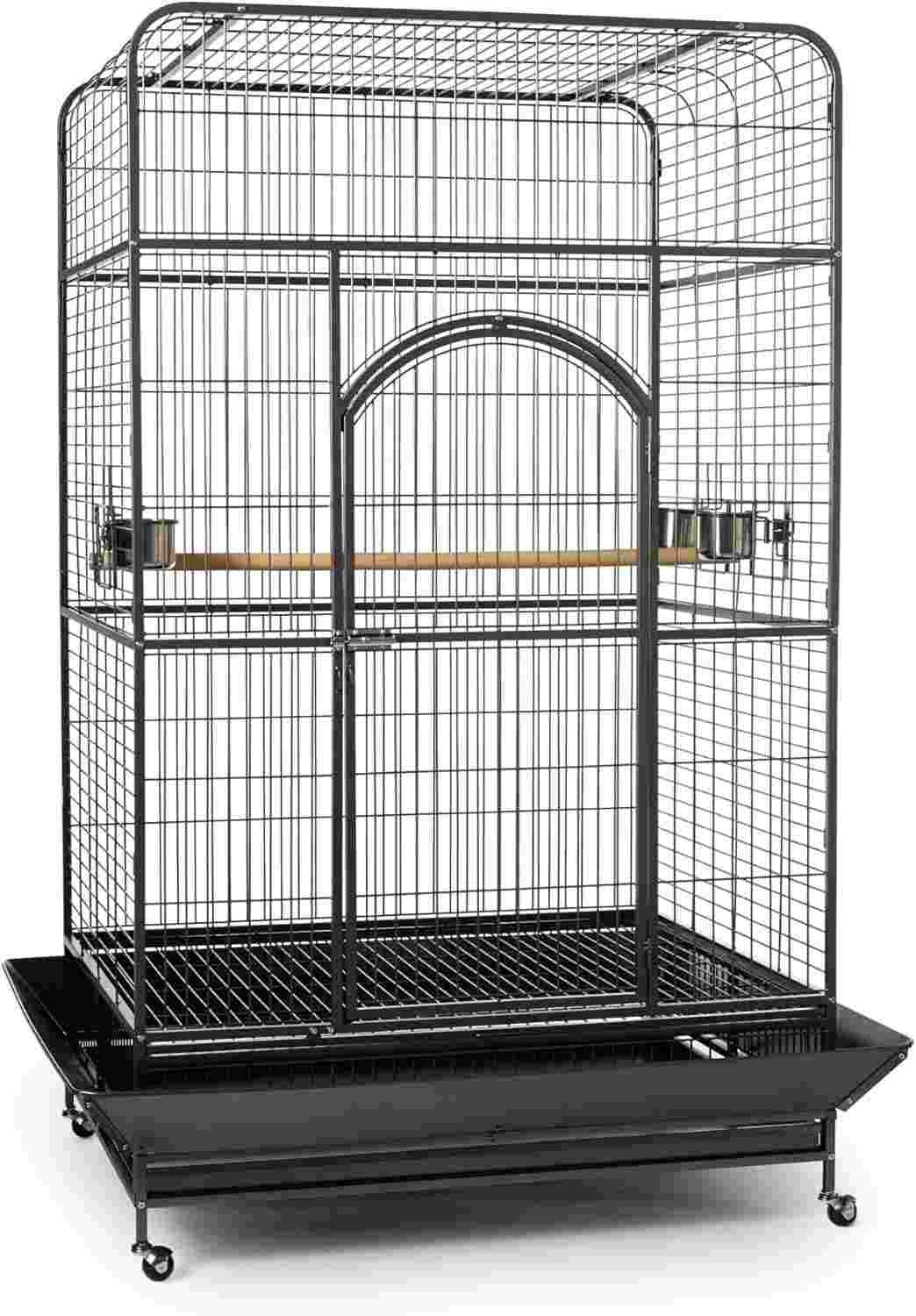
A heavy-duty, spacious cage designed for active conures. Features safe bar spacing, play-top options, and secure stainless steel conure feeding bowls.
Check Price on AmazonBest Conure Food Guide (Diet, Schedule & Tips)
Conures are the clowns of the parrot world. Whether you own a vibrantly colored Sun Conure or a mischievous Green Cheek, these energetic “medium-sized” parrots are renowned for their massive personalities, playful antics, and boundless energy. But fueling that energy requires strict attention to their diet. If you are asking yourself, “what can I feed my conure to keep them healthy?”, you are taking the most important step in avian husbandry.
In the wild, conures spend their days flying through the South American canopies, foraging for seasonal fruits, blossoms, nuts, and fresh seeds. In captivity, without the ability to fly miles a day, feeding them a pure-seed diet is a recipe for obesity, fatty liver disease, and a drastically shortened lifespan. A proper conure feeding routine requires a careful balance of high-quality extruded pellets, deeply nutritious vegetables, fresh fruits, and strictly moderated seeds.
Whether you are trying to perfect your adult bird’s diet, or you need to learn about hand-rearing babies via our Conure Hand Feeding Guide, this masterclass covers it all. If you own specific species, check out our specialized Sun Conure Feeding Guide, or compare their needs with other species in our overarching parrot feeding guide for a healthy diet.
Take the Guesswork Out of Feeding!
Keep your conure’s diet perfectly balanced. Download our free, printable feeding schedule and safe-foods list.
📥 Download Conure Feeding Chart PDFThe Ultimate Conure Feeding Guide
If you need the essentials right now, here is the breakdown of a healthy conure diet:
- Best Conure Diet Ratio: A healthy conure diet consists of 60% high-quality commercial pellets, 20% fresh vegetables, 10% fresh fruits, and 10% seeds/nuts.
- Feeding Frequency: Adult conures should be fed twice daily. Offer fresh vegetables/chop in the morning, and a dry mix of pellets and seeds in the late afternoon/evening.
- Safe Foods: Kale, carrots, broccoli, apples (no seeds), berries, cooked quinoa, and sprouted seeds.
- Toxic Foods (Never Feed): Avocado, chocolate, onions, garlic, alcohol, caffeine, and fruit pits.
Types of Conures and Their Specific Feeding Needs
While the baseline dietary ratio applies across the board, different conure species have slightly different metabolic rates and nutritional requirements based on their native habitats.
- Green Cheek Conure: Native to the forests of Brazil and Bolivia, these are smaller and highly prone to obesity in captivity. A green cheek conure feeding schedule must strictly limit fatty seeds like sunflower and safflower to prevent hepatic lipidosis.
- Sun Conure: Known for their blinding yellow and orange plumage, Sun Conures require higher levels of Beta-Carotene (Vitamin A) to maintain their vibrant feather colors. Focus heavily on sweet potatoes, carrots, and red bell peppers.
- Pineapple Conure: A color mutation of the Green Cheek, their dietary needs are identical to the standard Green Cheek, requiring a pellet-heavy base with abundant leafy greens.
- Blue Crown Conure: Made famous by the movie Paulie, these are larger conures with stronger beaks. They benefit from larger pellet sizes (like those made for small macaws) and enjoy cracking harder nuts like almonds in the shell for enrichment.
What Do Conures Eat Besides Seeds?
The most common misconception in avian care is the “seed bowl.” So, what do conures eat to actually thrive? The ideal conure food mix mimics the nutritional diversity of the rainforest without the excess fat.
1. Commercial Pellets (60%)
Pellets are the cornerstone of your pet’s health. Unlike a bowl of seeds, which a bird will pick through to find the tastiest (and fattiest) pieces, pellets are uniform. Every bite contains the exact same ratio of calcium, amino acids, and vitamin D3 necessary for bone and feather health.
2. Fresh Vegetables & “Chop” (20%)
Vegetables provide essential fiber, iron, and trace minerals. Avian enthusiasts often create “Chop”—a finely food-processed mix of dark leafy greens, cruciferous vegetables, and orange roots. This is best served in the morning when the bird is hungriest.
3. Fresh Fruits (10%)
Fruits are rich in Vitamin C but high in fructose (sugar). In the wild, birds burn this sugar off through flight. In a cage, excess sugar leads to yeast infections and hyperactivity. Serve fruits as treats rather than main courses.
4. Seeds and Nuts (10%)
Seeds are not inherently evil; they are just misused. Use high-quality seeds (like safflower or millet) strictly for training rewards or as a small evening meal to help them maintain body heat through the night.
What is the Best Feed for Conures?
When shopping for the best food for conures, you should look for conure pellet food that is free from artificial dyes and loaded with whole grains. Colored pellets often contain sugars to make them palatable, and the artificial dyes make it difficult for you to monitor their droppings for signs of illness (as their poop will change color based on the pellet).
Top Recommended Pellet Brands:
- Harrison’s Adult Lifetime (Fine or Coarse): Organic, non-GMO, and the gold standard recommended by avian veterinarians.
- Roudybush Daily Maintenance: An excellent, dye-free extruded pellet that offers complete nutrition.
- ZuPreem Natural: A widely accessible, high-quality pellet that is great for transitioning seed-junkies.
Best Conure Food on Amazon: 6 Top Picks
If you’re wondering what the best food for conures is, most avian vets recommend a formulated pellet as the base of the diet, with fresh vegetables and a small amount of seeds. These six options are popular on Amazon.com and cover the common needs: daily maintenance, picky eaters, and transitioning off seeds.
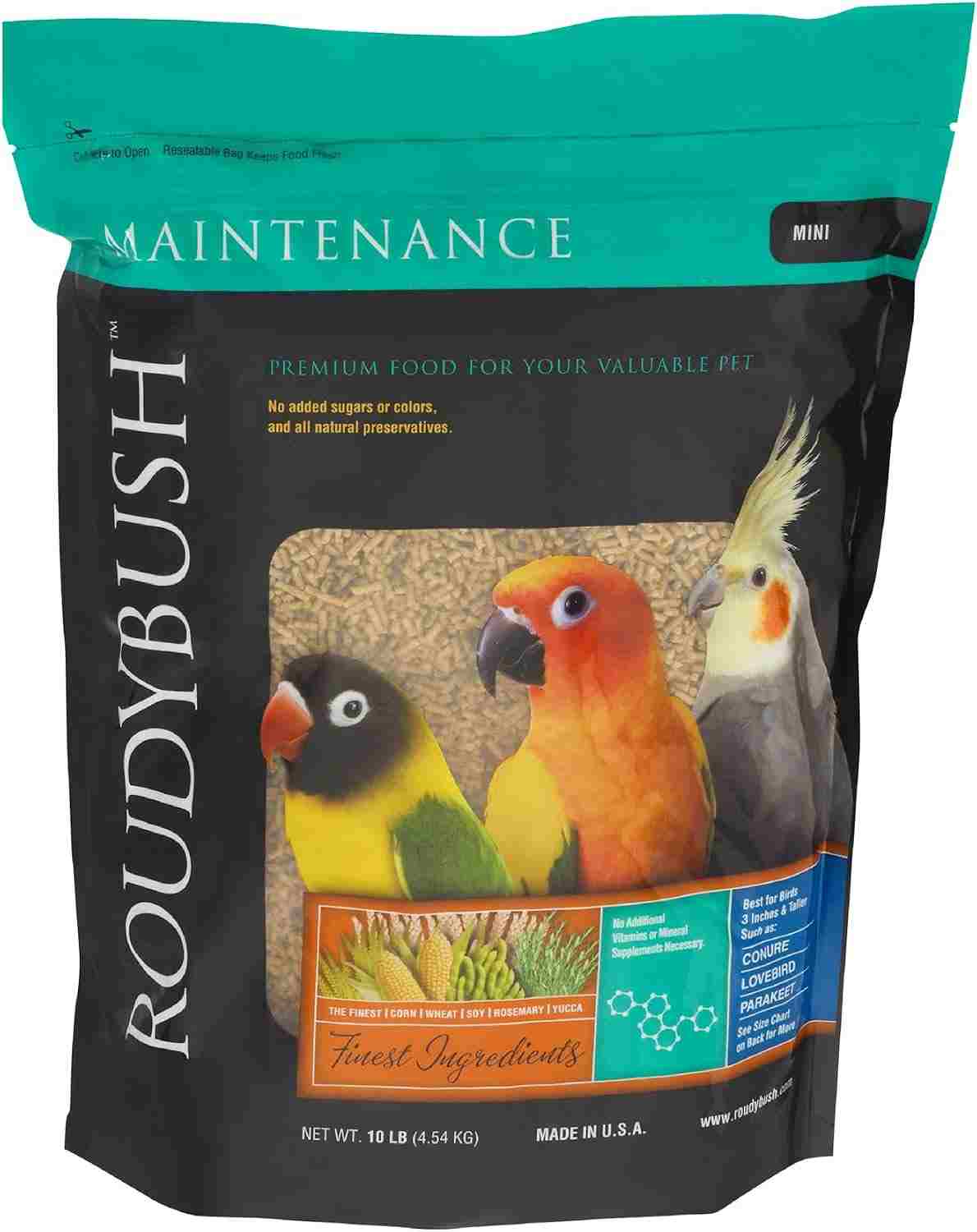
Roudybush Daily Maintenance Mini Pellets
A plain, formulated everyday pellet that works well as the main diet for green cheeks and similar-size conures.
- ✔ Simple formula, easy to monitor droppings
- ⚠ Not flavored; picky birds may need a slow transition
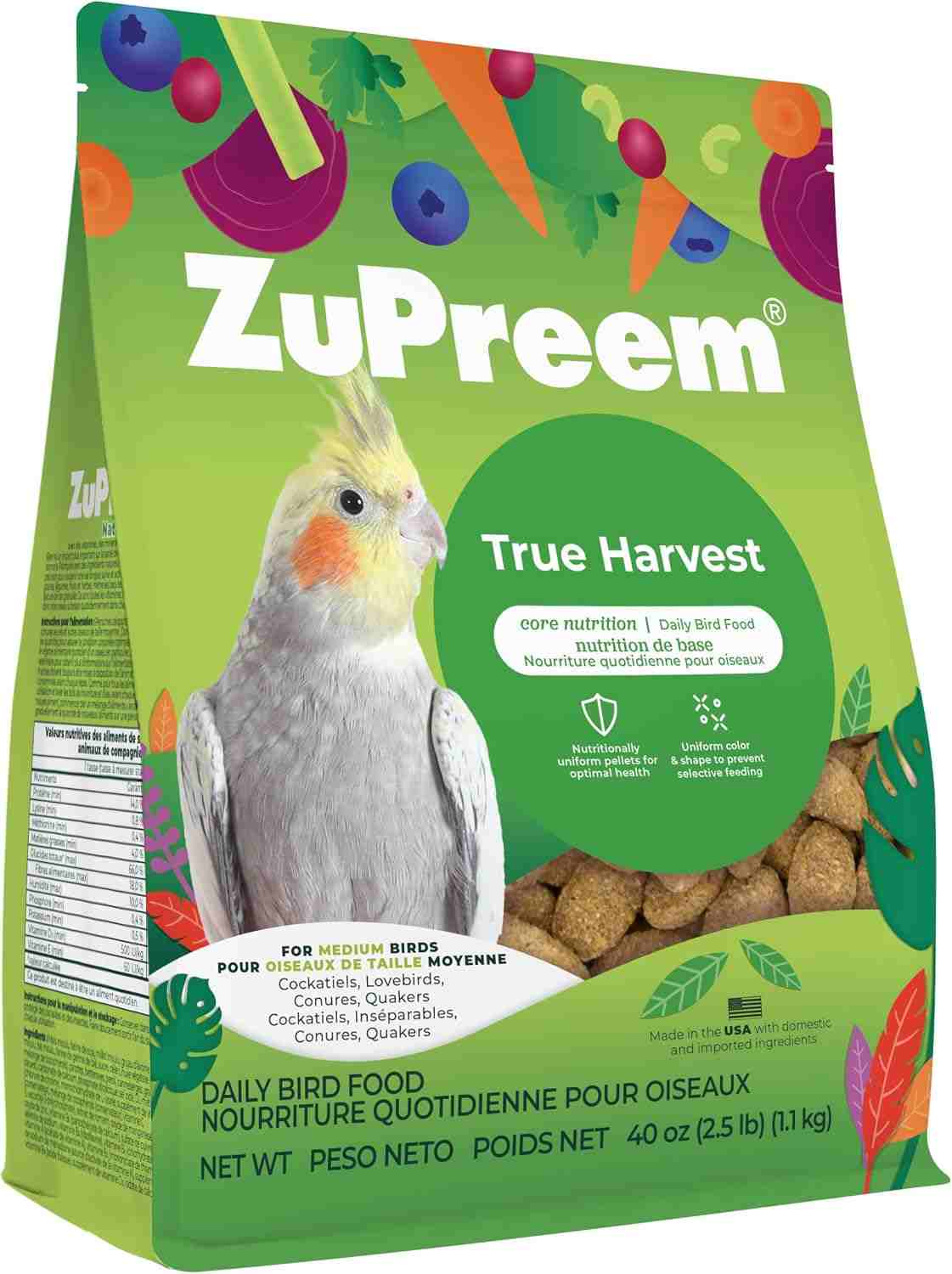
ZuPreem Natural Pellets, Medium (also listed as True Harvest)
A widely available pellet without added color, useful for conures moving off a seed diet.
- ✔ Easy to find, many bag sizes
- ⚠ Listing names change; check “Natural” and bird size
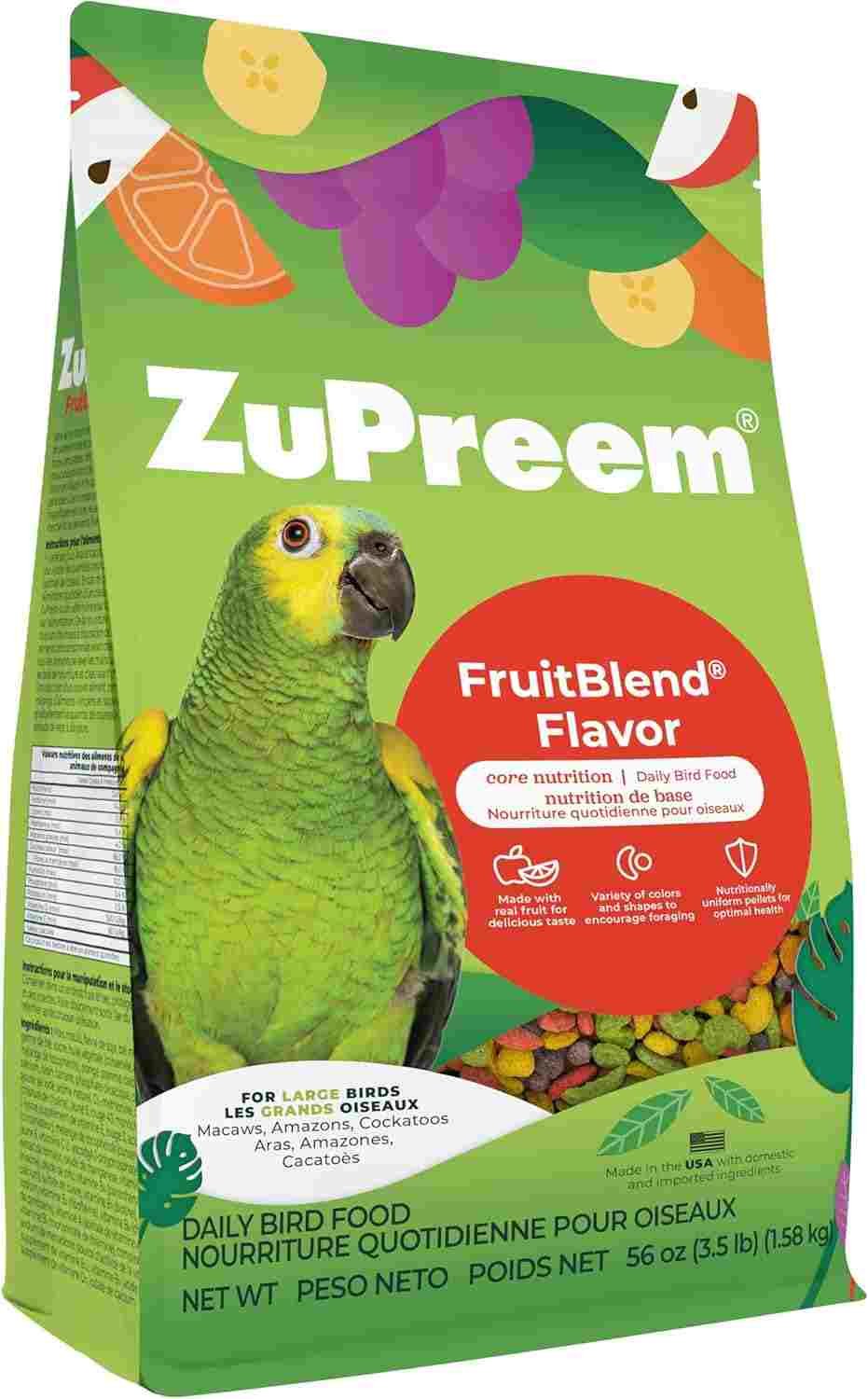
ZuPreem FruitBlend Parrot & Conure Food, M/L, 3.5 lb
A colorful, fruit-flavored pellet that picky eaters often accept first. Popular on Amazon with thousands bought monthly.
- ✔ Good for converting seed-eaters
- ⚠ Colored pellets can mask droppings changes
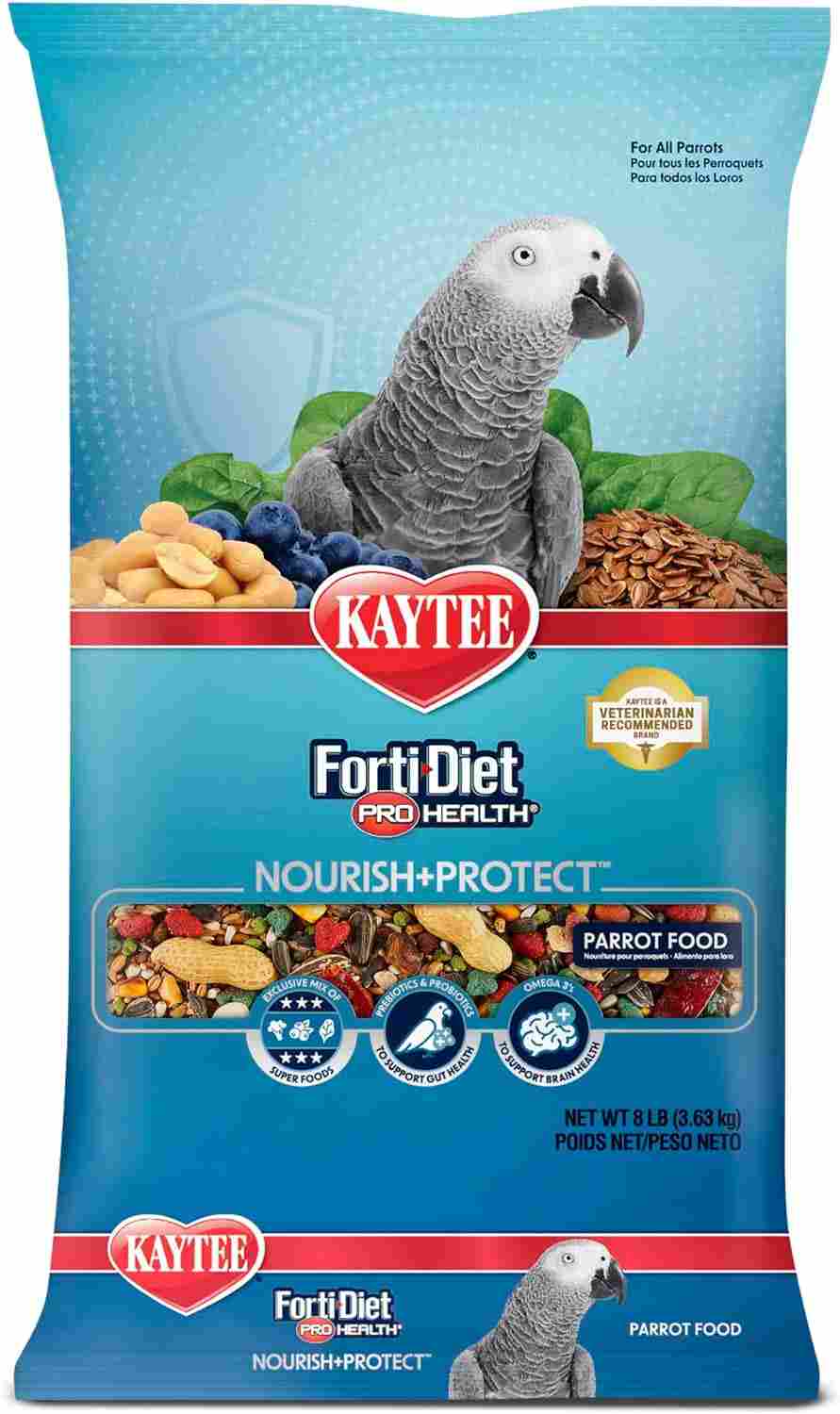
Kaytee Forti-Diet Pro Health Nourish+Protect Conure & Lovebird Food, 4 lb
A mixed food with added prebiotics and probiotics that many owners use as a step toward more pellets.
- ✔ Enrichment through variety
- ⚠ Birds can pick out seeds; pellet-only is more balanced
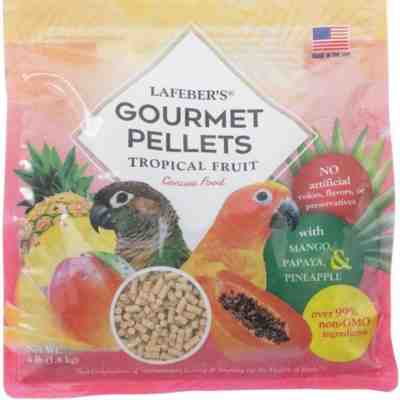
LAFEBER’S Tropical Fruit Gourmet Pellets for Conures, 4 lb
A conure-specific pellet with a tropical fruit flavor that appeals to many birds.
- ✔ Designed for conure-size beaks
- ⚠ Flavored; use as part of a varied diet, not the only food
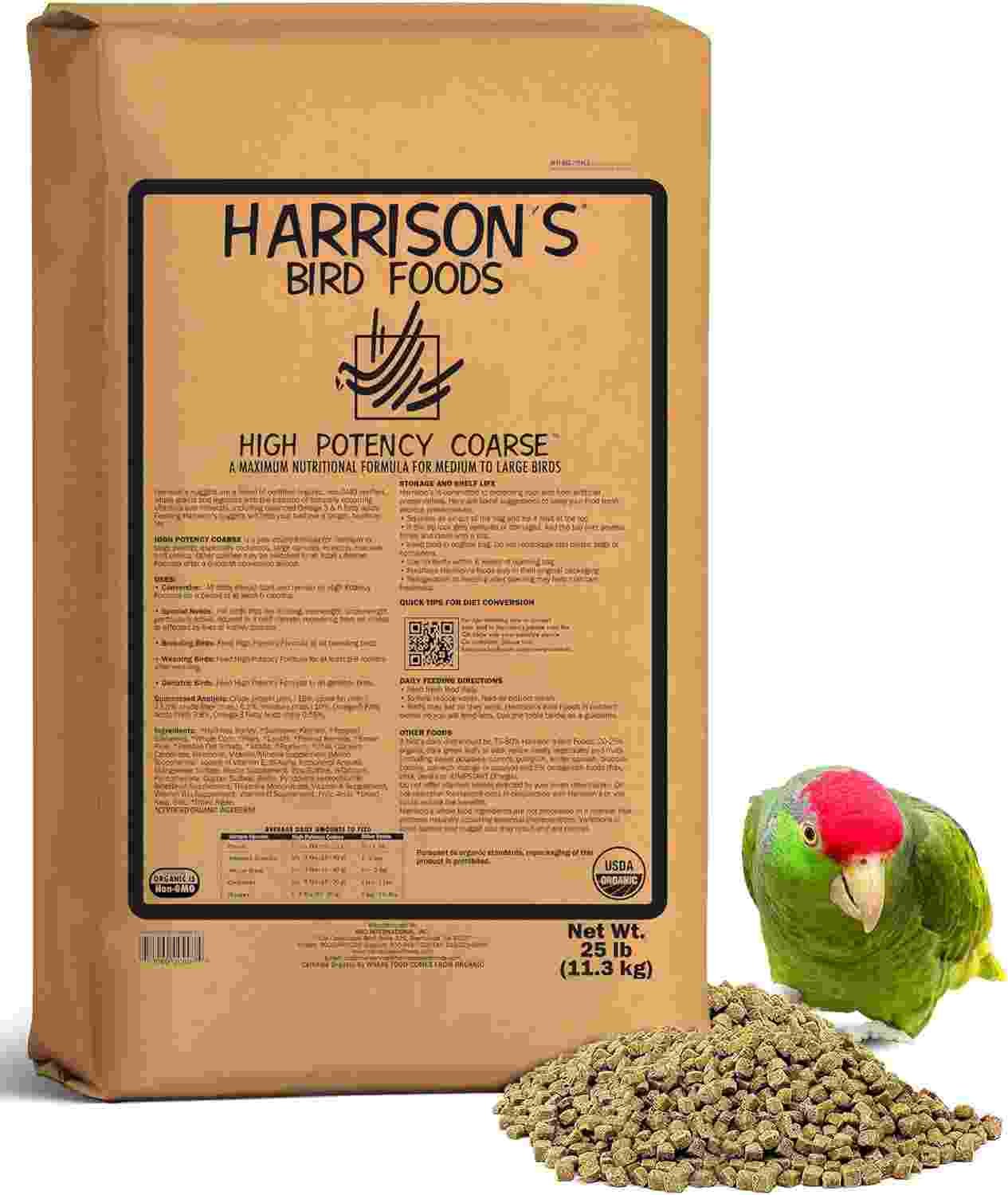
Harrison’s Adult Lifetime Fine Organic Pellets
An organic, widely vet-recommended pellet. Choose “Fine” for green cheeks and “Coarse” for larger conures.
- ✔ Organic, no artificial colors
- ⚠ Costs more; some birds need a gradual switch
How to choose: match pellet size to your bird, and switch gradually over 2-4 weeks by mixing old and new food. Weigh your conure weekly and talk to an avian vet before changing the diet of a sick or underweight bird.
The Ultimate Conure Food List
Use this table to build a varied, exciting menu for your feeding pet conures routine.
| Food Type | Best Examples | Nutritional Benefit |
|---|---|---|
| Leafy Greens | Kale, Swiss Chard, Collard Greens | Rich in Calcium and Vitamin K for bone density and blood health. |
| Orange Vegetables | Carrots, Sweet Potato, Butternut Squash | Packed with Beta-Carotene (Vitamin A) for respiratory health and vibrant feathers. |
| Cruciferous Veggies | Broccoli, Cauliflower, Brussels Sprouts | Excellent source of fiber; florets encourage natural foraging behavior. |
| Safe Fruits | Apple (no seeds), Papaya, Mango, Berries | Provides hydration, antioxidants, and digestive enzymes. |
| Healthy Grains | Cooked Quinoa, Brown Rice, Rolled Oats | Provides complex carbohydrates and complete proteins. |
| Safe Nuts/Seeds | Almonds, Walnuts, Pumpkin Seeds, Safflower | Offers Omega-3 fatty acids for brain health; keep portions small to prevent obesity. |
Sun Conure Food: Essential Tips for Happy Parrots
A sun conure feeding regimen requires a slight tweak. Sun conures are incredibly active and vocal. Their brilliant yellow, orange, and red feathers are direct reflections of their diet. To maintain this coloration, their diet must be heavily supplemented with foods rich in Vitamin A.
If a Sun Conure lacks Vitamin A, you will notice their feathers becoming dull, ragged, or developing black stress bars. Incorporate steamed sweet potatoes, raw red bell peppers (they can’t taste the spice!), and fresh papaya into their daily morning chop.
Green Cheek Conure Feeding Guide
When asking what can I feed my green cheek conure, you must remember their size. Weighing only 60 to 80 grams, their portions must be strictly controlled. Overfeeding a Green Cheek leads directly to lethargy and liver issues.
Their daily portion of pellets should be roughly 1 to 1.5 tablespoons. Because they are so playful, they deeply appreciate food that doubles as a toy. Hang wet leafy greens from the top of their conure cages so they have to hang upside down to eat, mimicking wild foraging.
Conure Feeding Schedule: A Day in the Life
Birds thrive on predictability. Establishing a firm how often should I feed my conure routine prevents behavioral issues like screaming for food.
| Time of Day | Food Type | Portion & Notes |
|---|---|---|
| 8:00 AM (Breakfast) | Fresh “Chop” (Veggies & Grains) | 1 to 2 Tablespoons. Offer when they are hungriest. Change water bowl. |
| 11:00 AM (Cleanup) | Remove Wet Food + Add Pellets | Remove fresh food to prevent bacterial growth. Fill clean bowl with 1.5 Tbsp of Pellets. |
| 2:00 PM (Enrichment) | Foraging Treats (Fruits/Nuts) | Hide a piece of almond or a blueberry in a foraging toy to keep their mind active. |
| 6:00 PM (Dinner) | Pellet Top-Up & Seed Snack | Top up pellets if empty. Offer 1 Teaspoon of high-quality seeds before sleep. |
Baby Conure Feeding & Hand Feeding
If you are breeding birds or rescuing an unweaned chick, you will need specialized knowledge on conure hand feeding. Hand-feeding requires an incubator, strict temperature control, and a high-quality conure hand feeding formula.
For a deep dive into the mechanics of syringe feeding to prevent aspiration (choking), please read our dedicated 👉 Conure Hand Feeding Guide.
Conure Hand Feeding Schedule:
| Age of Chick | Feedings Per Day | Formula Consistency & Temp |
|---|---|---|
| 1 – 7 Days | Every 2-3 hours (24/7) | Thin consistency. Formula must be exactly 104°F – 106°F. |
| 2 – 3 Weeks | 4 to 5 times a day | Pudding consistency. Eyes opening, pin feathers emerging. |
| 4 – 6 Weeks | 3 times a day | Start offering soft adult foods (Abundance Weaning) in the cage. |
| 7 – 8 Weeks | 1 to 2 times a day | Chick should be flying and eating pellets/seeds mostly independently. |
Baby Bird Growth Stages: What to Expect
Understanding the physiological growth of your conure helps you tailor their diet:
- Neonatal Stage (0-2 Weeks): The digestive tract is incredibly sensitive. If the formula is too cold, the bird will develop “Crop Stasis” (food rotting in the crop). If it is too hot, you will burn a hole through their chest (Crop Burn).
- Fledgling Stage (4-6 Weeks): This is when the bird learns to fly. Do not panic if they lose 10% of their body weight during this time; it is a natural biological process to make them aerodynamic.
- Weaning Stage (7+ Weeks): Transitioning from syringe to solid food. Never starve a baby to force them to eat. Provide an absolute abundance of easy-to-eat foods like millet and softened pellets.
What Can I Feed My Conure: A Beginner’s Summary
If you are overwhelmed by the details, follow this simple beginner’s rule: Feed them a high-quality pellet as their main diet, share healthy, unsalted vegetables from your own dinner prep, and keep seeds as a training reward.
Ensure your bird has access to fresh, unchlorinated water at all times. Conures are notorious for taking their pellets, dunking them in their water bowl to soften them, and creating a messy “bird soup.” Because of this, you must wash their water bowls daily with mild soap to prevent bacterial slime.
Conure Food Mix (The Homemade “Chop” Recipe)
Making a homemade conure food mix (Chop) is cheaper and healthier than buying dehydrated store mixes. You can make this in bulk and freeze it!
The Ultimate Conure Chop Recipe
- The Base (40%): Food-process 1 bunch of Kale, 1 bunch of Swiss Chard, and a handful of Parsley.
- The Crunch (30%): Finely dice 2 Carrots, 1 Bell Pepper, and 1 Zucchini.
- The Carbs/Protein (20%): Add 1 cup of cooked, unseasoned Quinoa and 1/2 cup of sprouted lentils.
- The Treat (10%): Toss in a few Blueberries and a sprinkle of Chia seeds.
Mix thoroughly, portion into ice cube trays, and freeze. Thaw one cube overnight in the fridge for the next morning’s breakfast!
Caring for Your Conure: Beyond the Bowl
Diet is only one pillar of avian health. A proper diet is useless if their environment is toxic. Conure feeding bowls should ideally be made of stainless steel or high-quality ceramic. Plastic bowls harbor microscopic scratches where deadly bacteria breed, leading to crop infections.
Furthermore, ensure your conure has adequate space. They are incredibly active and need a cage wide enough to fully extend their wings without touching the bars, filled with destructible toys to keep their highly intelligent brains occupied.
Common Feeding Mistakes That Harm Conures
Avoid these dangerous, lifespan-shortening pitfalls:
- The All-Seed Diet: This is the equivalent of feeding a human child nothing but potato chips. It leads to vitamin A deficiency, obesity, and early death.
- Feeding Toxic Foods: 🚫 Never feed your conure avocado, chocolate, caffeine, alcohol, onions, garlic, mushrooms, or apple seeds (which contain cyanide).
- Leaving Fresh Food Out All Day: “Chop” and fruits left in a warm room will ferment and grow deadly bacteria within 3 to 4 hours. Always remove fresh food by midday.
Breeder Pro Tips for a Healthy Flock
- Rotate Your Pellets: Mix two different high-quality pellet brands together. If one brand goes out of stock at the store, your bird won’t go on a hunger strike.
- Monitor Their Weight: Buy a digital kitchen scale with a gram measurement. Weigh your conure once a week. Birds instinctively hide illnesses; sudden weight loss is the #1 early warning sign of sickness.
- Sprout Your Seeds: If your bird refuses to eat vegetables, try soaking their seeds in water for 24-48 hours until they sprout. Sprouting converts the fatty seed into a living, highly nutritious plant protein.
Veterinary Recommendations for Conures
Avian medicine has advanced leaps and bounds. We now understand that poor nutrition is the root cause of 90% of medical issues in pet parrots, from feather plucking to aggressive behavior.
— Nutritional guidance adapted from avian care standards provided by VCA Animal Hospitals.
Video Guide: Making Conure Chop
Watch this excellent visual breakdown of how to prepare a massive batch of fresh, healthy conure food that will last for weeks in the freezer.
Ready to Perfect Your Conure’s Diet?
Don’t rely on memory. Get our comprehensive week-by-week schedule and safe food chart in one easy-to-read document.
📥 Download Conure Feeding Guide PDF