
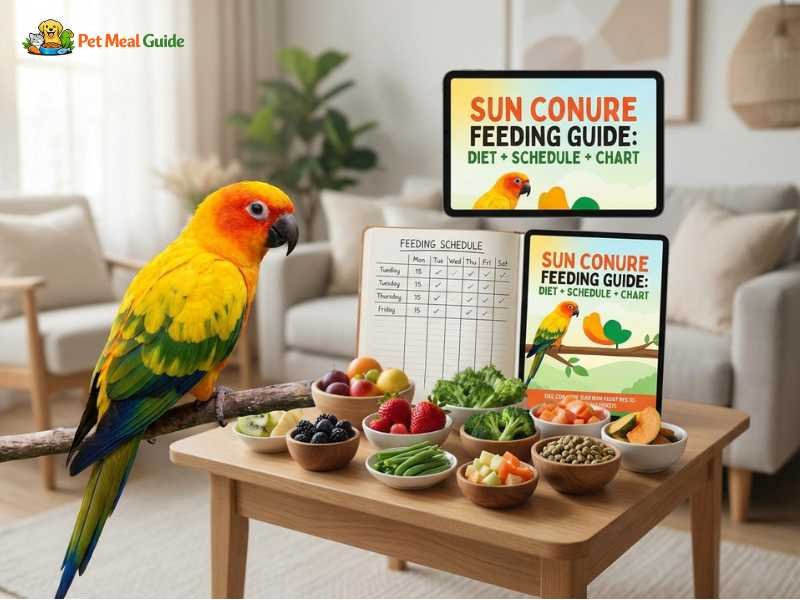
Sun Conure Feeding Guide: Diet Plan, Daily Schedule, and Food Chart
If you have recently welcomed a brilliantly colored sun conure into your home, you are likely asking one critical question: what to feed a sun conure to ensure they live a long, vibrant, and healthy life? Sun conures are incredibly active, highly intelligent, and famously vocal parrots. To sustain their high energy levels and maintain the stunning reds, yellows, and oranges of their plumage, they require a meticulous, veterinary-backed diet.
What to Feed a Sun Conure: The Quick Answer
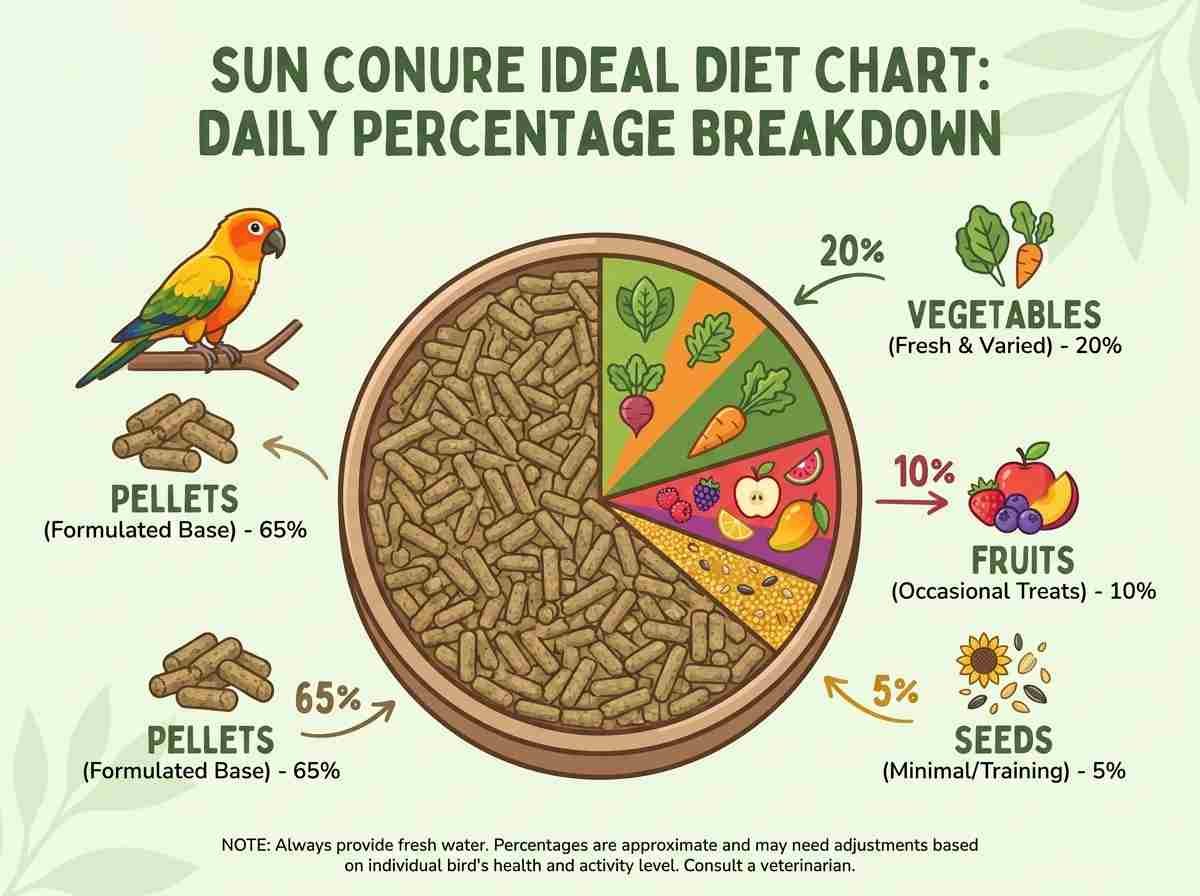
A healthy sun conure feeding diet consists of 60–70% high-quality commercial pellets, 20–25% fresh vegetables, 5–10% fresh fruits, and 5–10% seeds and nuts used primarily for training and foraging. Feeding a sun conure an all-seed diet is dangerous and can lead to fatal conditions like fatty liver disease and vitamin A deficiency.
In this comprehensive, veterinarian-aligned guide, we will break down the ultimate sun conure feeding schedule, explore exactly what you should and shouldn’t put in their food bowl, and provide an actionable chart to make daily meal prep effortless.
Looking for a broader overview of conure species? Check out our complete conure feeding guide. If you are raising a chick, do not miss our specialized Conure Hand Feeding Guide.
👉 Download Sun Conure Feeding Chart PDF
The Ideal Sun Conure Diet Breakdown
To optimize your page for Google AI Overviews and featured snippets, it is vital to understand the exact percentages of a captive conure diet in captivity. Unlike their wild counterparts who fly miles a day, pet conures need fewer fats and more stabilized nutrients.
| Food Type | % of Diet | Best Examples |
|---|---|---|
| Pellets | 60–70% | Commercial organic, natural-colored pellets (Harrison’s, Roudybush) |
| Vegetables | 20–25% | Kale, carrots, broccoli, dark leafy greens, sweet potato |
| Fruits | 5–10% | Apple (no seeds), berries, papaya, mango |
| Seeds & Nuts | 5–10% | Millet, sunflower seeds, almonds (as training treats only) |
What Do Sun Conures Eat in the Wild?
To truly understand conure bird feed, we must look to the canopy of South America. In the wild, sun conures are opportunistic foragers. Their days are spent cracking open fresh nuts, devouring tropical fruits, eating blossoms, and foraging for native vegetation and wild seeds.
Wild Diet vs. Captive Diet Comparison:
- Wild Sun Conures: Consume higher fat diets (wild seeds and nuts) because they fly miles daily to forage, burning immense calories.
- Captive Sun Conures: Spend much of their time in cages or on perches. If fed a wild-equivalent high-fat diet, they quickly become obese.
When looking at a macaw vs conure diet comparison, you will notice macaws naturally require more fat in their daily intake (such as macadamia nuts). Sun conures, however, are prone to lipidosis (fatty liver disease) if given macaw-level fats. This is why a highly controlled, pellet-first approach is the gold standard for your sun conure.
What Should I Feed a Sun Conure? The Master Food List
Building your daily sun conure food list requires variety. Parrots are highly intelligent; feeding them the same texture and flavor every day leads to behavioral issues and food refusal. Here is the ultimate breakdown of what to include in your parrot’s bowl.
🥗 Fresh Vegetables (The Daily Greens)
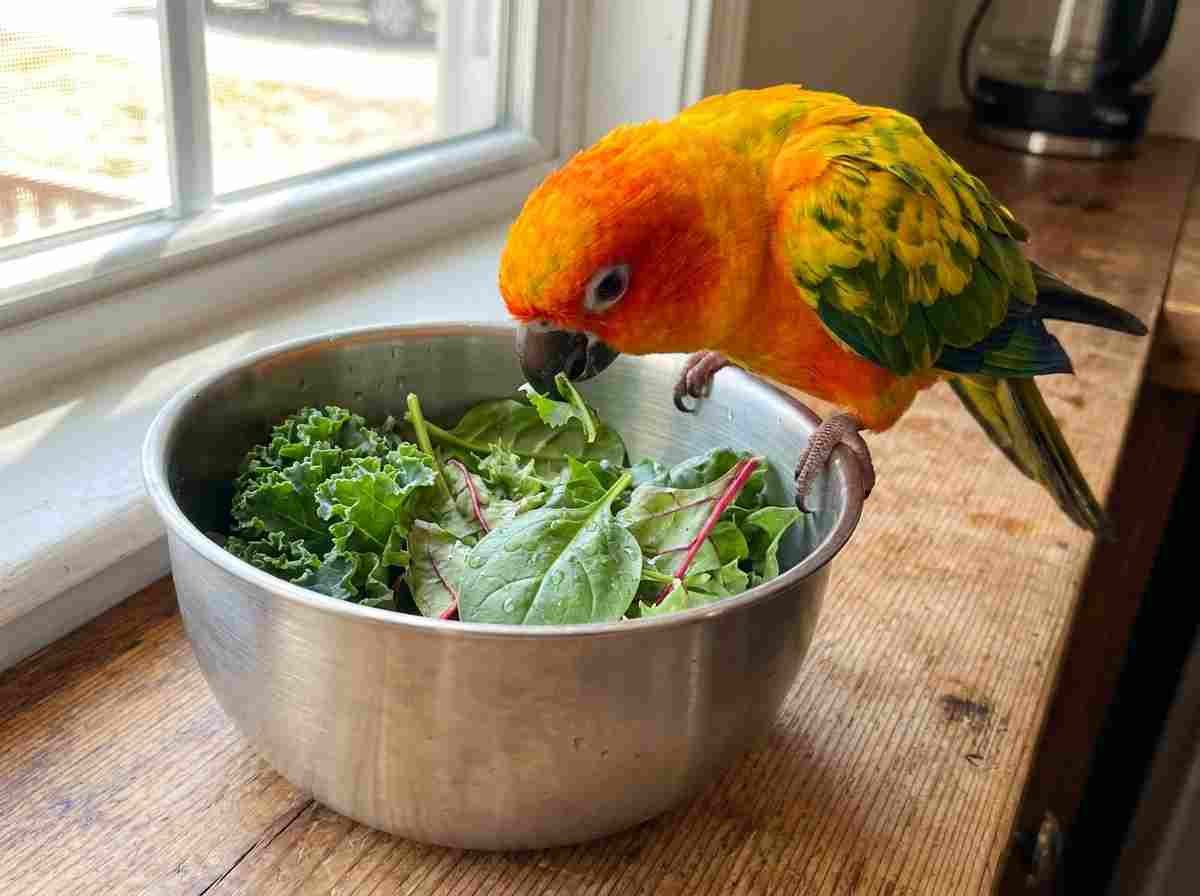
Vegetables are the powerhouse of your conure’s vitamin intake, particularly Vitamin A, which is crucial for respiratory and immune health. Serve these raw or lightly steamed (without salt or oil):
- Carrots: Excellent for Vitamin A. Chop them finely or offer them as whole sticks for a chewing challenge.
- Broccoli: Great source of calcium. Conures love picking the little florets apart.
- Dark Leafy Greens: Spinach, kale, Swiss chard, and dandelion greens. Avoid iceberg lettuce, as it is mostly water and lacks nutritional depth.
- Sweet Potatoes: Must be cooked (steamed or baked). A massive favorite among sun conures.
- Peppers: Bell peppers and even spicy chili peppers! Birds lack the pain receptors for capsaicin, meaning they can eat spicy foods without feeling the heat.
🍎 Healthy Fruits (The Sweet Treats)
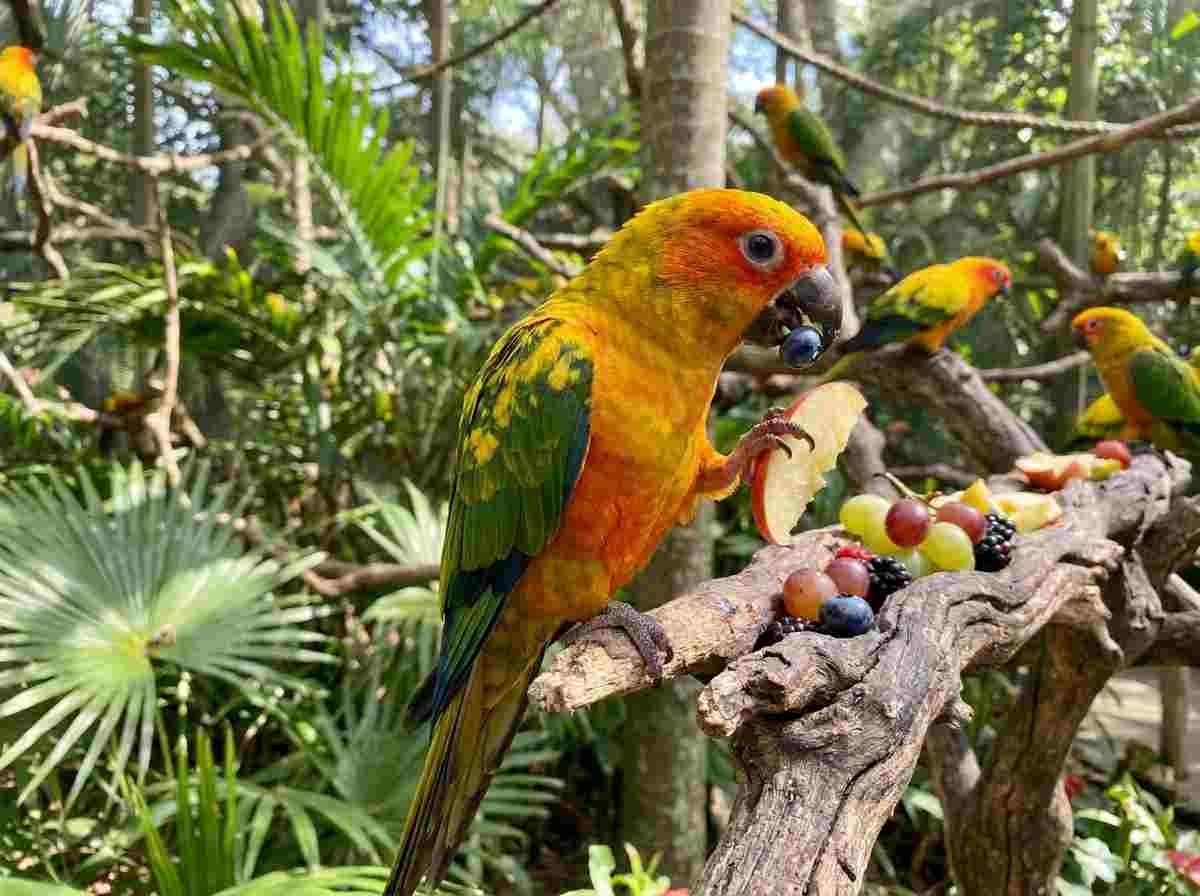
In the wild, conures eat seasonal fruits. Because cultivated human fruits are heavily bred for high sugar content, fruit should be limited to 5-10% of the diet to prevent diabetes and yeast infections.
- Apples: Crisp and hydrating. Crucial: Remove all apple seeds, as they contain trace amounts of cyanide.
- Berries: Blueberries, blackberries, and raspberries are packed with antioxidants. Warning: Your bird’s face and poop will turn purple!
- Tropical Fruits: Mango, papaya, and banana. These replicate their natural South American diet.
- Melons: Watermelon and cantaloupe are excellent for summer hydration.
🌰 Nuts and 🌾 Grains
Nuts should be viewed as high-value training currency, not free-feed items. Grains provide excellent dietary fiber and complex carbohydrates.
- Almonds & Walnuts: Break these into tiny pieces. Give no more than half an almond or a small piece of walnut daily.
- Brown Rice & Quinoa: Serve cooked (no salt). Quinoa is an excellent source of complete plant protein.
- Oats: Unsweetened rolled oats can be offered dry or cooked into a warm bird-safe oatmeal.
What Do Conures Eat Besides Seeds?
One of the most common questions beginners ask is: what can I feed my conure if they refuse to eat anything but seeds? It is a dangerous misconception that parrots only eat seeds. A commercial seed mix often contains cheap fillers like milo and safflower, leaving your bird nutritionally starved.
Besides seeds, conures must eat:
- Formulated Pellets: This is the anchor of their diet. Pellets prevent selective feeding because every bite contains a balanced mix of vitamins, minerals, and amino acids.
- Chop (Fresh Produce Mix): “Chop” is a popular term in the avian community. It involves finely dicing a mix of vegetables, grains, and a tiny bit of fruit, freezing them in batches, and serving them daily.
- Sprouted Seeds: If your bird is a seed-junkie, try sprouting them! The sprouting process burns away the fat of the seed and transforms it into a highly nutritious, living plant packed with enzymes.
The Ultimate Sun Conure Feeding Schedule
How often should I feed my sun conure? Adult sun conures thrive on a predictable routine. Unlike dogs or cats, parrots have high metabolisms and need access to their core food (pellets) all day. However, fresh foods should be offered on a schedule to prevent spoiling.
Here is an ideal conure feeding schedule for an adult bird:
| Time of Day | Food Type & Action | Hydration & Care |
|---|---|---|
| Morning (8:00 AM) | Breakfast “Chop”: Offer 2 tablespoons of fresh vegetable/grain chop. Add a few pieces of fruit. | Wash bowls thoroughly. Provide fresh, clean drinking water. |
| Mid-Day (11:00 AM) | Remove Fresh Food: Take out any uneaten fresh food so it doesn’t grow bacteria. Leave a bowl of Pellets for grazing. | Check water bowl. Conures love to dunk their food, making the water dirty quickly. |
| Afternoon (2:00 PM) | Foraging / Training: Use tiny bits of seeds, nuts, or oats inside foraging toys. | Offer a bird bath or misting session. |
| Evening (6:00 PM) | Dinner: Refill pellets if low. Offer a small piece of dark leafy green or sweet potato before bedtime. | Final water change before the cage is covered for the night. |
Baby Sun Conure Feeding Schedule & Guidelines
If you are raising a chick, the rules change entirely. A baby sun conure feeding schedule requires extreme precision, specialized equipment, and round-the-clock dedication.
Baby conures cannot eat solid foods. They rely on high-quality commercial hand-feeding formula mixed with warm water. You will use a specialized feeding syringe to deliver the formula directly into their crop.
Hand Feeding Schedule by Age
| Age of Chick | Feeding Frequency | Notes |
|---|---|---|
| 1–2 Weeks | Every 2–3 hours (round the clock) | Eyes may still be closed. Extreme fragility. Very watery formula. |
| 3–4 Weeks | Every 4 hours | Formula thickens slightly. Feathers beginning to emerge. |
| 5–6 Weeks | 3–4 times per day | Begin introducing “weaning” foods like softened pellets and warm veggies. |
| 7–9 Weeks | 1–2 times per day | Chick should be eating mostly solid foods. Formula is supplementary. |
Hand-rearing is complex and carries high risks if done incorrectly. For a deep dive into the weaning process and formula ratios, read our detailed guide: 👉 Baby Parrot Feeding Guide.
Caring for Your Conure: Diet Meets Health
Your sun conure’s health goes beyond just the ingredients; it involves how the food is prepared and presented. Proper conure diet in captivity requires impeccable hygiene.
- Clean Water Daily (Twice if needed): Sun conures are infamous for taking a perfectly good pellet and dunking it into their water dish to soften it. This creates a “pellet soup” that breeds bacteria within hours. Change the water frequently.
- Fresh Food Rotation: Do not let chopped vegetables or fruits sit in the cage for more than 3 to 4 hours, especially in warm climates. Fruit flies and mold are serious hazards to your bird’s sensitive respiratory system.
- Avoid Processed Human Food: Sharing a meal with your bird is a wonderful bonding experience, but their digestive systems cannot process salt, refined sugar, dairy, or fried foods. Stick to raw, natural ingredients.
Toxic Foods: What NOT to Feed a Sun Conure
While exploring what to feed green cheek conure, sun conure, or any parrot species, it is equally important to know what can kill them. The following items are highly toxic to all avian species and should be strictly banned from your home.
🚫 NEVER FEED THESE TO YOUR CONURE 🚫
- Avocado: The skin, pit, and meat contain a fungicidal toxin called persin, which causes acute respiratory distress and sudden death in parrots.
- Chocolate & Cocoa: Contains theobromine, which causes vomiting, seizures, and fatal heart arrhythmias.
- Caffeine: Coffee, tea, and soda cause cardiac arrest.
- Onions & Garlic: Destroys red blood cells, leading to severe anemia and weakness.
- Fruit Seeds & Pits: Apple seeds, cherry pits, peach pits, and plum pits contain trace amounts of cyanide.
- Xylitol: Artificial sweeteners found in sugar-free gum and human peanut butter cause fatal liver failure.
Essential Feeding Supplies for Sun Conures
To successfully implement this diet, you need the right tools. Here are the top-rated, avian-vet-approved items every sun conure owner should possess.
Best Pellet Food for Sun Conure
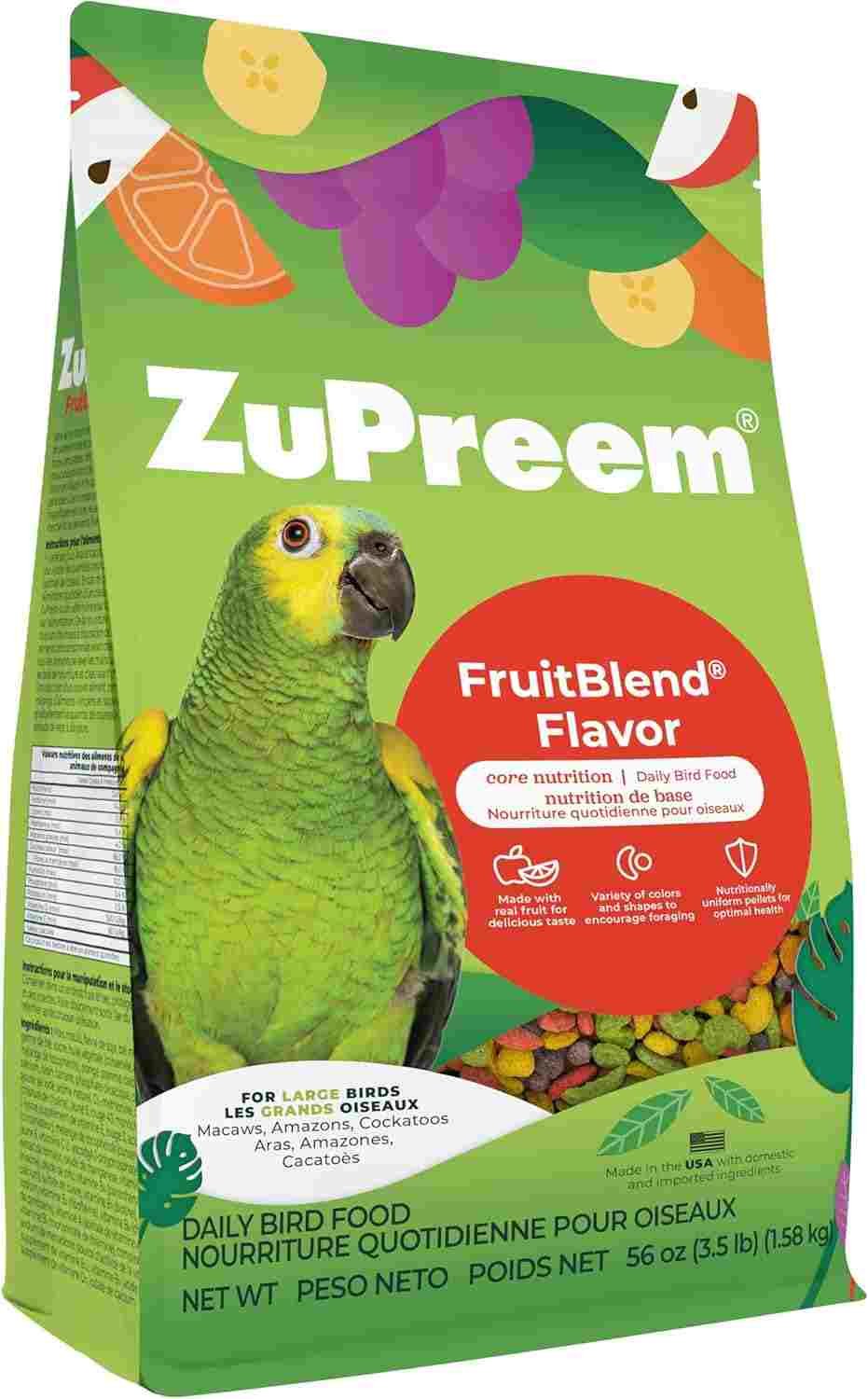
We recommend premium, dye-free pellets like Harrison’s Adult Lifetime Fine or Roudybush Daily Maintenance. These provide complete, balanced nutrition without the artificial colors that cause colored droppings.
Check Price on AmazonStainless Steel Feeding Bowls (Set of 3)
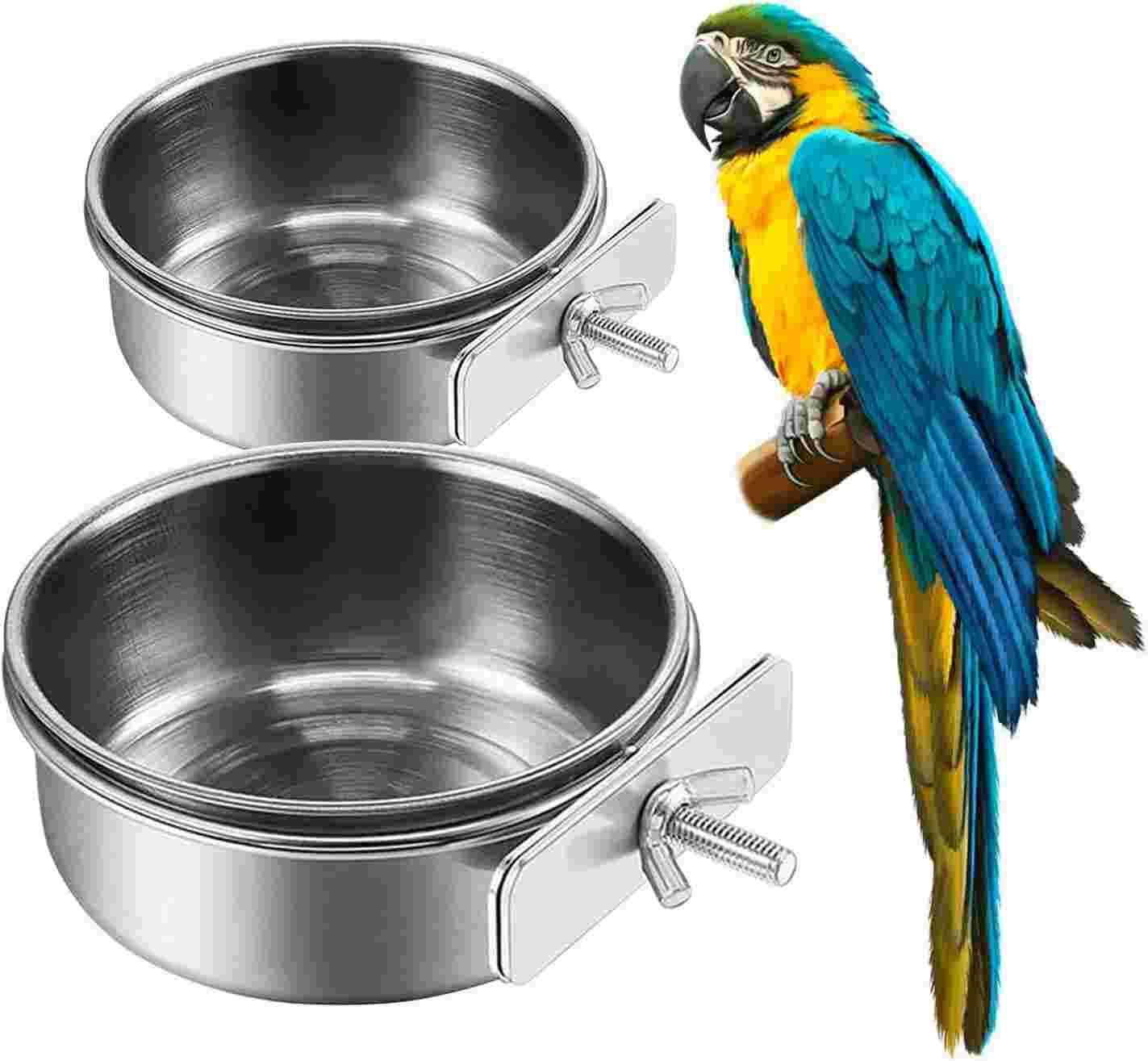
Ditch the plastic bowls. Plastic harbors microscopic bacteria in tiny scratches. Stainless steel bowls that bolt securely to the cage bars are hygienic, dishwasher safe, and indestructible.
Check Price on AmazonPremium Bird Cages for Sun Conures
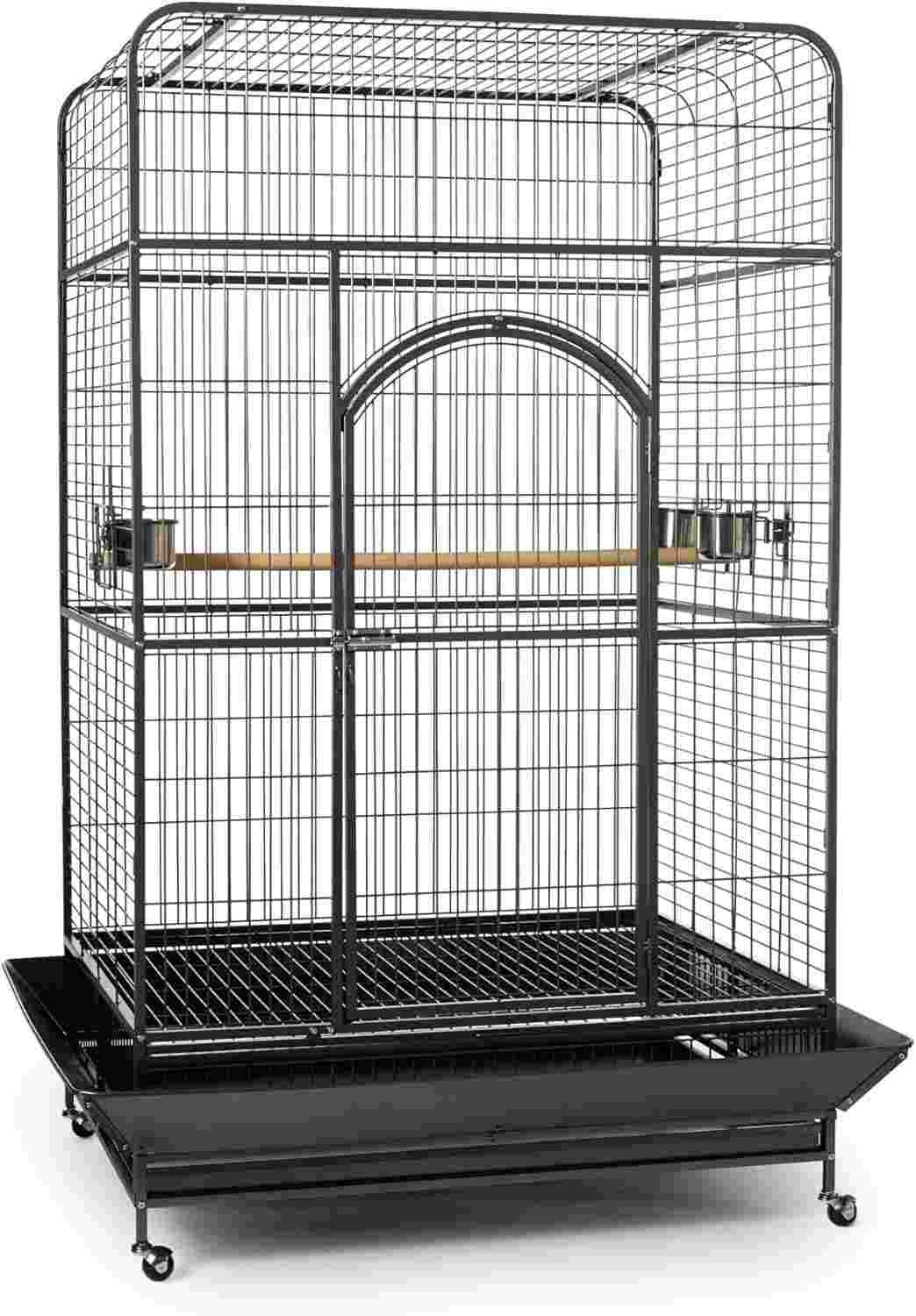
Your sun conure cage needs adequate space for multiple feeding stations and foraging toys. Look for a wrought-iron flight cage with minimum dimensions of 24″W x 24″D x 36″H with 5/8″ bar spacing.
Check Price on AmazonOptimal Cage Setup for Feeding
How you arrange your sun conure cage drastically impacts their feeding hygiene and psychological well-being.
- Food Placement: NEVER place a food or water bowl directly underneath a perch. Birds poop indiscriminately, and droppings will fall directly into their meals. Place bowls high up in the cage.
- Multiple Stations: Encourage movement by placing the pellet bowl on one side of the cage and the water bowl on the other. This forces your bird to climb and exercise.
- Natural Perches: Use natural wood perches near feeding stations rather than smooth dowels. This exercises their feet while they eat and provides a place to wipe their beaks clean.
Pro Tips from Avian Experts
Want to elevate your bird husbandry? Here are a few advanced tips for mastering your sun conure feeding schedule:
- Weigh Your Bird Weekly: Use a digital kitchen scale with a perch attachment. A healthy adult sun conure weighs between 100 to 120 grams. A sudden drop in weight is often the first sign of illness, as birds instinctively hide sickness until it is severe.
- Avoid Sugar-Heavy Fruits: Treat grapes and bananas like candy. They are high in sugar. Stick to berries and papayas for daily fruit allowances.
- Foraging Toys: Don’t just put food in a bowl. Wrap nuts in bird-safe paper, or stuff pellets into a pinecone. Make them work for their food to prevent screaming and feather-plucking out of boredom.
👉 Download Sun Conure Feeding Chart PDF
Veterinary Recommendations
Avian veterinarians universally agree that poor diet is the leading cause of premature death in captive parrots. According to experts at VCA Animal Hospitals, shifting your bird to a formulated, pellet-based diet combined with fresh, raw produce is the single most important step an owner can take.
Regular avian health checks are mandatory. An annual vet visit should include a physical exam, fecal smear to check for yeast/bacteria, and a blood panel to ensure internal organs (liver and kidneys) are functioning perfectly. Your vet can adjust your conure feeding guide based on your specific bird’s bloodwork.
Common Feeding Mistakes to Avoid
Even well-meaning owners make errors. Avoid these common pitfalls:
- The Seed Junkie Trap: Giving in when a bird screams for seeds. Transitioning to pellets takes tough love. If transitioning, mix pellets with seeds and slowly reduce the seed ratio over 4 weeks.
- Vitamin Supplements in Water: Never put vitamin drops in your bird’s water bowl unless explicitly instructed by an avian vet. It promotes rapid bacterial growth and often alters the water’s taste, leading to fatal dehydration. A pellet-based diet renders supplements unnecessary.
- Ignoring Texture: Birds experience the world through their beaks. If they reject chopped carrots, try offering shredded carrots, cooked carrots, or whole baby carrots. Texture matters!
Frequently Asked Questions
What can I feed my sun conure daily?
You should feed your sun conure a daily base diet of high-quality formulated pellets (60-70% of their diet), accompanied by fresh vegetables like kale, broccoli, and sweet potatoes (20%), and small portions of bird-safe fruits like apples, berries, or papaya (5-10%). Clean water must be provided daily.
How often should I feed my sun conure?
Adult sun conures should have continuous access to their dry pellet food throughout the day. Fresh foods (vegetable chop and fruits) should be provided twice a day—once in the morning and once in the late afternoon—and removed after a few hours to prevent spoilage.
Can sun conures eat human food?
Sun conures can eat certain raw, unprocessed human foods like fresh fruits, vegetables, and cooked whole grains (quinoa, brown rice). However, they cannot eat processed human foods containing salt, dairy, butter, oil, or sugar, and must avoid toxic items like avocado, chocolate, onion, and caffeine.
How to Feed a Sun Conure Properly
- Step 1: Choose Pellets. Select a high-quality, dye-free commercial parrot pellet. Fill their main bowl so they have access to it all day.
- Step 2: Add Vegetables. Every morning, chop fresh, bird-safe vegetables like kale, carrots, and broccoli. Serve 2 tablespoons in a separate bowl.
- Step 3: Provide Fruit Sparingly. Add a small slice of apple (no seeds) or a few berries to their fresh vegetable bowl. Remove any uneaten fresh food by mid-day.
- Step 4: Limit Seeds. Use small seeds (like millet or sunflower) exclusively as a reward during training or place them inside puzzle toys to encourage foraging behavior.