
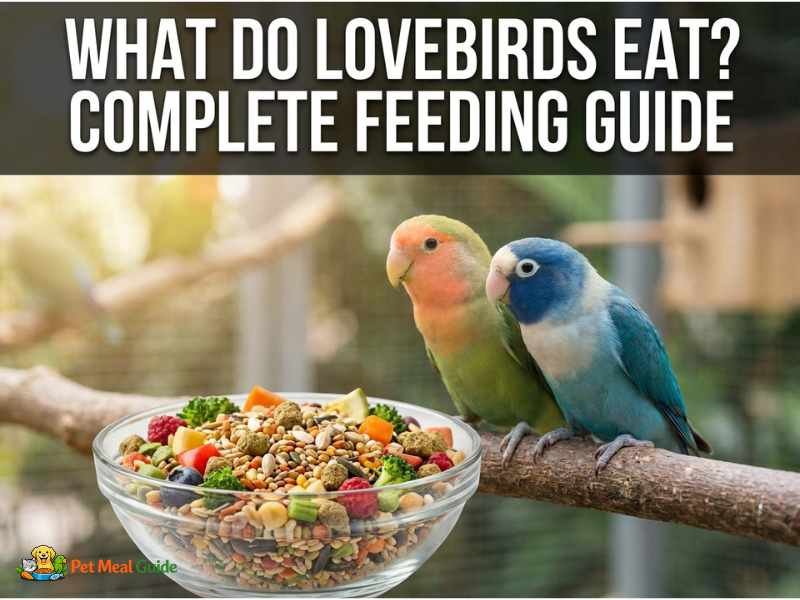
What Do Lovebirds Eat?
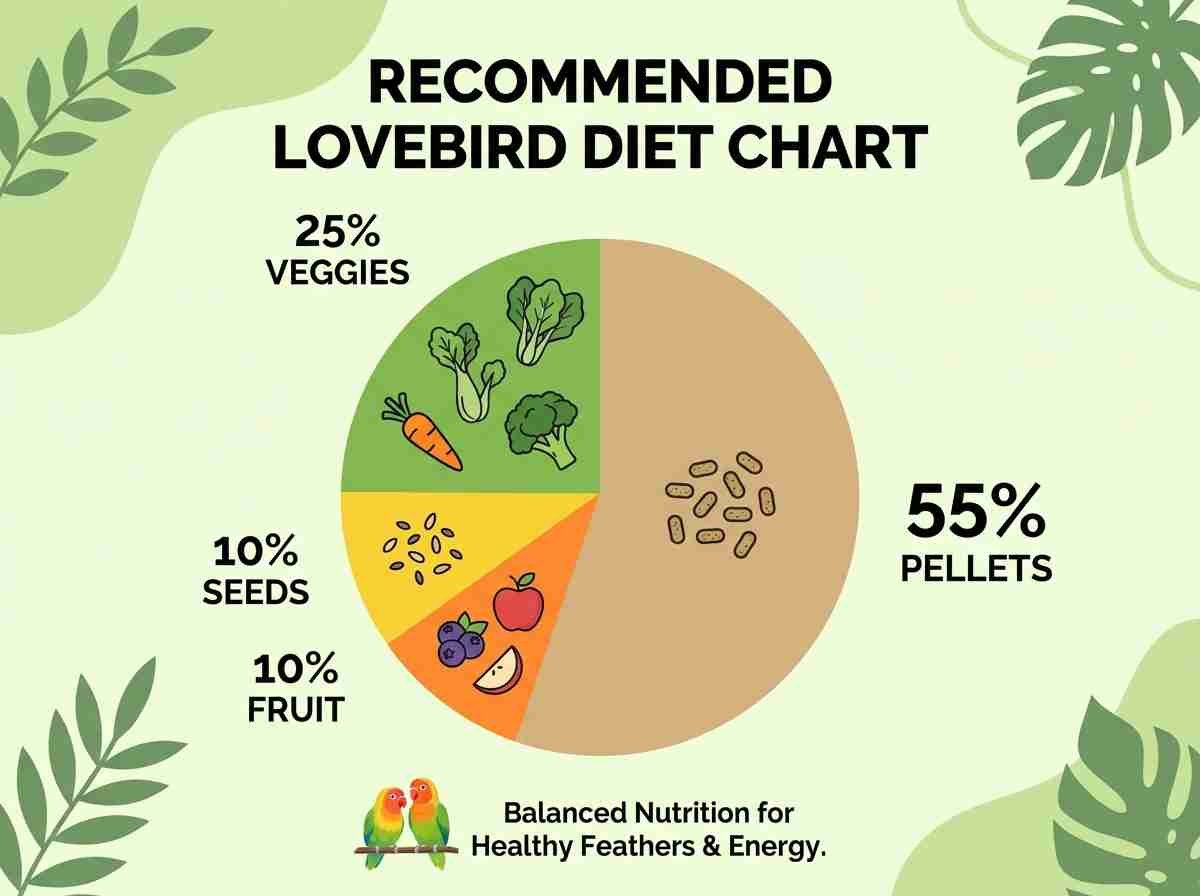
A healthy lovebird feed requires a balanced diet consisting of 50–60% high-quality commercial pellets, 20–25% fresh vegetables, 5–10% fresh fruits, and 10–15% seeds and nuts. Feeding a seed-only diet is dangerous and can lead to fatal fatty liver disease, vitamin deficiencies, and obesity.
If you are wondering what can I feed my lovebird to ensure a long, vibrant, and healthy life, you have come to the right place. As an avian nutritionist, one of the most common questions I receive from new bird owners is exactly how to feed lovebirds properly. These colorful, energetic “pocket parrots” have massive personalities and equally large metabolisms, meaning the food for lovebirds you choose dictates their feather quality, mood, and lifespan.
Many beginners make the crucial mistake of offering a bowl full of cheap millet and sunflower seeds. However, transitioning your bird to a varied mix of pellets, fresh greens, and safe fruits is essential. If you own multiple species, you might want to check out our comprehensive parrot feeding guide to compare dietary needs.
Want a printable daily checklist?
Keep your bird’s diet perfectly balanced without the guesswork.
👉 Download Lovebird Feeding Chart PDFThe Ideal Lovebird Diet Breakdown
When selecting bird food for lovebirds, visual mapping helps ensure you hit all their macronutrient and micronutrient needs. Below is the vet-recommended breakdown of what a captive lovebird diet should look like daily.
| Food Type | % of Diet | Examples |
|---|---|---|
| Pellets | 50–60% | Commercial pellet mix (e.g., Harrison’s, Roudybush) |
| Vegetables | 20–25% | Leafy greens, broccoli, carrots, peppers |
| Seeds | 10–15% | Millet, canary seed, safflower, sunflower (limited) |
| Fruits | 5–10% | Apple (no seeds), banana, berries, mango |
What Do Wild Lovebirds Naturally Eat?
To understand the best food for lovebirds, we have to look at their natural habitat in Africa. In the wild, lovebirds are highly active foragers who fly miles every single day. Because they burn so much energy, their natural diet is highly caloric.
- Grass seeds and wild grains: Plucked fresh from African plains.
- Fruits and berries: Consumed seasonally when available in the canopy.
- Agricultural crops: Unfortunately for farmers, wild lovebirds love to raid corn, maize, and fig crops.
- Vegetation and leaf buds: Providing essential fiber and natural moisture.
The Wild vs. Pet Diet Difference:
Why can’t we just feed pet lovebirds what they eat in the wild? The answer is energy expenditure. A wild lovebird burns off the high fat content of seeds through miles of daily flight. Your pet lovebird, even in a large flight cage, lives a sedentary lifestyle by comparison. Feeding a captive bird a wild-style, high-fat seed diet will rapidly cause obesity and hepatic lipidosis (fatty liver disease).
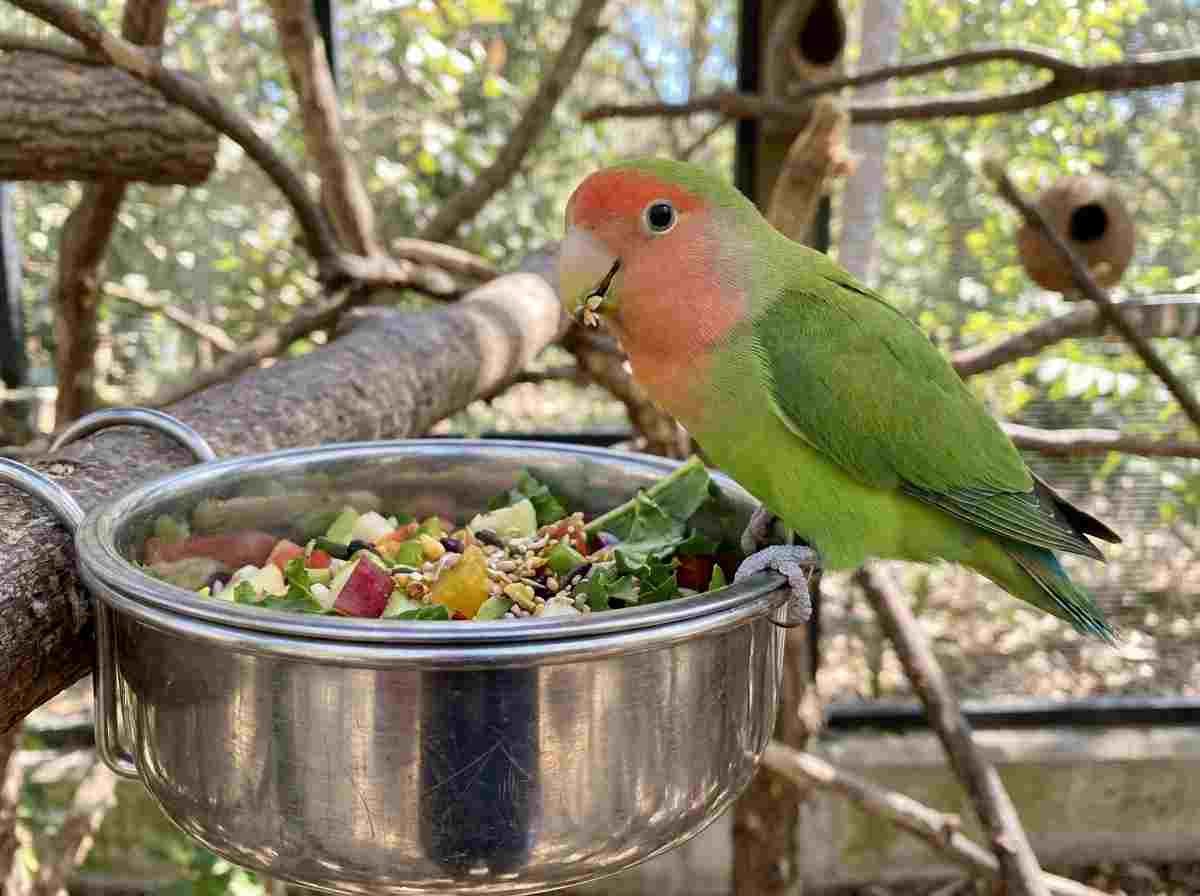
What Should I Feed My Lovebird? (The Core Guide)
Finding good food for lovebirds means mixing commercial base diets with fresh foods. Let’s break down exactly what food can lovebirds eat across different food groups.
🥗 Fruits Your Lovebird Can Safely Eat
Fruits are an excellent source of Vitamin C and vital hydration, but because they are high in natural fructose (sugar), they should only make up 5–10% of their diet.
- Apple: Excellent for hydration. Warning: You must remove the seeds, as apple seeds contain trace amounts of cyanide.
- Banana: Great for potassium. Offer in small, mashed pieces.
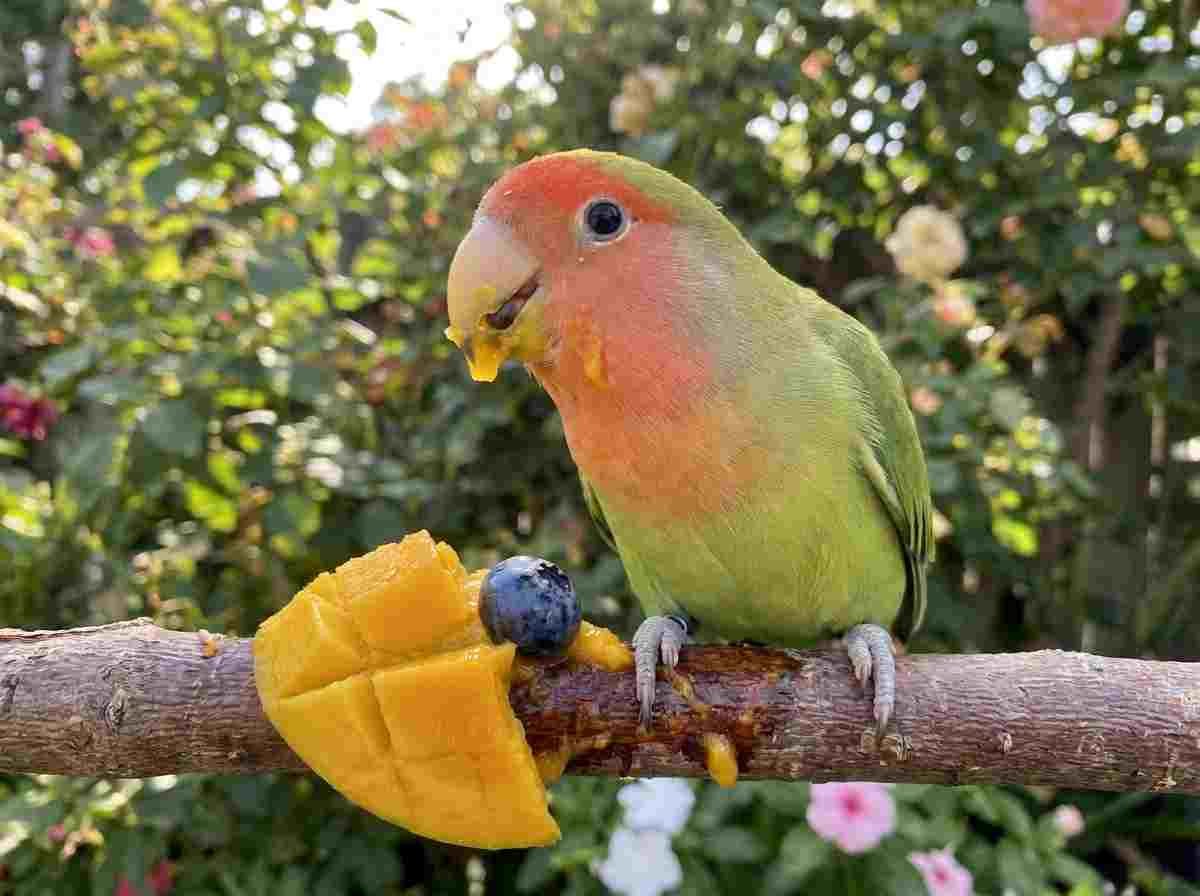
- Mango: A fantastic tropical treat rich in Vitamin A.
- Papaya: Contains digestive enzymes that promote gut health.
- Berries: Strawberries, blueberries, and raspberries are antioxidant powerhouses.
🥬 Safe Vegetables a Lovebird Can Eat
Vegetables are the crown jewel of fresh foods for lovebirds. They provide dietary fiber, essential minerals, and Vitamin A—a nutrient commonly deficient in pet birds.
- Spinach & Kale: Excellent leafy greens, but rotate them. Spinach contains oxalic acid which can inhibit calcium absorption if fed excessively.
- Carrots: Highly recommended. Serve shredded or steamed to unlock the beta-carotene.
- Broccoli: Both the florets and the stems are safe and highly nutritious.
- Peas: Snow peas and snap peas are great for foraging enrichment.
- Bell Peppers: Lovebirds lack the receptors for spicy heat, so they can even eat the seeds inside bell peppers safely!
🌰 Safe Nuts for Lovebirds
Nuts are incredibly dense in fats and calories. They are great for training rewards but must be heavily restricted.
- Almonds: Must be raw, unsalted, and ideally slivered.
- Walnuts: Excellent source of Omega-3 fatty acids for feather health.
🌾 Seeds Your Lovebird Can Eat in Moderation
While a seed-only diet is dangerous, seeds are still a natural part of a lovebird’s psychological and nutritional needs. They should make up no more than 15% of the daily intake.
- Millet: The ultimate training treat (often found in sprays).
- Canary seed: A highly digestible, lower-fat seed.
- Safflower & Sunflower seeds: Very high in fat. Reserve sunflower seeds as a rare, high-value reward.
🌾 Grains Your Lovebird Can Eat
Cooked grains make excellent warm meals, especially during the winter or when your bird is molting.
- Quinoa: A complete protein packed with amino acids.
- Oats: Rolled oats (uncooked or cooked in plain water).
- Brown rice: Much better than white rice as it retains the nutritious bran layer.
🌸 Flowers Safe for Lovebirds
Edible flowers mimic their wild foraging habits and provide incredible enrichment.
- Hibiscus: Safe and visually stimulating.
- Dandelion: Ensure they are picked from a yard 100% free of pesticides and fertilizers.
- Chamomile: Can have a mild calming effect.
🌿 Safe Herbs and Spices
Fresh herbs add flavor and micronutrients to their “chop” (a mix of finely diced vegetables).
- Basil & Coriander (Cilantro): Highly aromatic and rich in vitamins.
- Parsley & Oregano: Excellent for respiratory and digestive health.
Toxic Foods: What Lovebirds Must NOT Eat
Avian metabolisms are incredibly sensitive. A single bite of the wrong food can lead to fatal toxicity within hours.
🚫 NEVER Feed Your Lovebird These Toxic Items
- Avocado: Contains persin, a fungicidal toxin that causes fatal respiratory distress and heart failure in birds.
- Chocolate: Contains theobromine, causing vomiting, seizures, and death.
- Alcohol: Birds’ livers cannot process alcohol; it leads to rapid organ failure.
- Onion & Garlic: Destroys red blood cells, leading to hemolytic anemia.
- Caffeine: Causes cardiac arrhythmias and hyperactivity leading to heart attacks.
- Fruit Pits & Apple Seeds: Contain amygdalin, which converts to cyanide when digested.
Can Lovebirds Eat Other Bird Food?
If you have a multi-bird household, cross-feeding is a common concern. So, can lovebirds eat budgie food or macaw blends?
- Budgie Food: Sometimes. Lovebirds can eat budgie seeds and pellets in a pinch. However, budgie mixes often lack the higher protein and fat ratios a lovebird requires for long-term health. If you are curious about parakeet diets, read our guide on what can budgies eat or check our baby budgie feeding guide.
- Cockatiel Food: Acceptable. Cockatiel and lovebird nutritional requirements are incredibly similar. Many commercial brands actually package cockatiel and lovebird food together in the same bag.
- Large Parrot Food: Depends on size. While the ingredients in large parrot food are safe, the physical size of the pellets or nuts is a choking hazard. A lovebird’s beak is too small to comfortably crack large macadamia nuts or macaw-sized pellets.
Do Lovebirds Need Extra Vitamins?
If your lovebird is on a diet consisting of 60% high-quality commercial pellets, they generally do not need liquid vitamin drops in their water. In fact, water-soluble vitamins often breed dangerous bacteria in water bowls and can cause hypervitaminosis (vitamin toxicity).
However, they do need supplemental Calcium sources, especially for egg-laying females:
- Cuttlebone: A natural source of calcium that also helps keep their continuously growing beak filed down.
- Mineral blocks: Provide trace minerals like iodine and magnesium.
For a deeper dive into avian micronutrients, we highly recommend reading the expert veterinary guidelines provided by VCA Animal Hospitals on Lovebird Feeding.
The Best Food For Lovebirds: Top Recommendations
If you are looking for the best pellet food for lovebirds or high-quality seed mixes, here are the top veterinarian-approved commercial diets.
Kaytee Forti-Diet Pro Health Lovebird Food
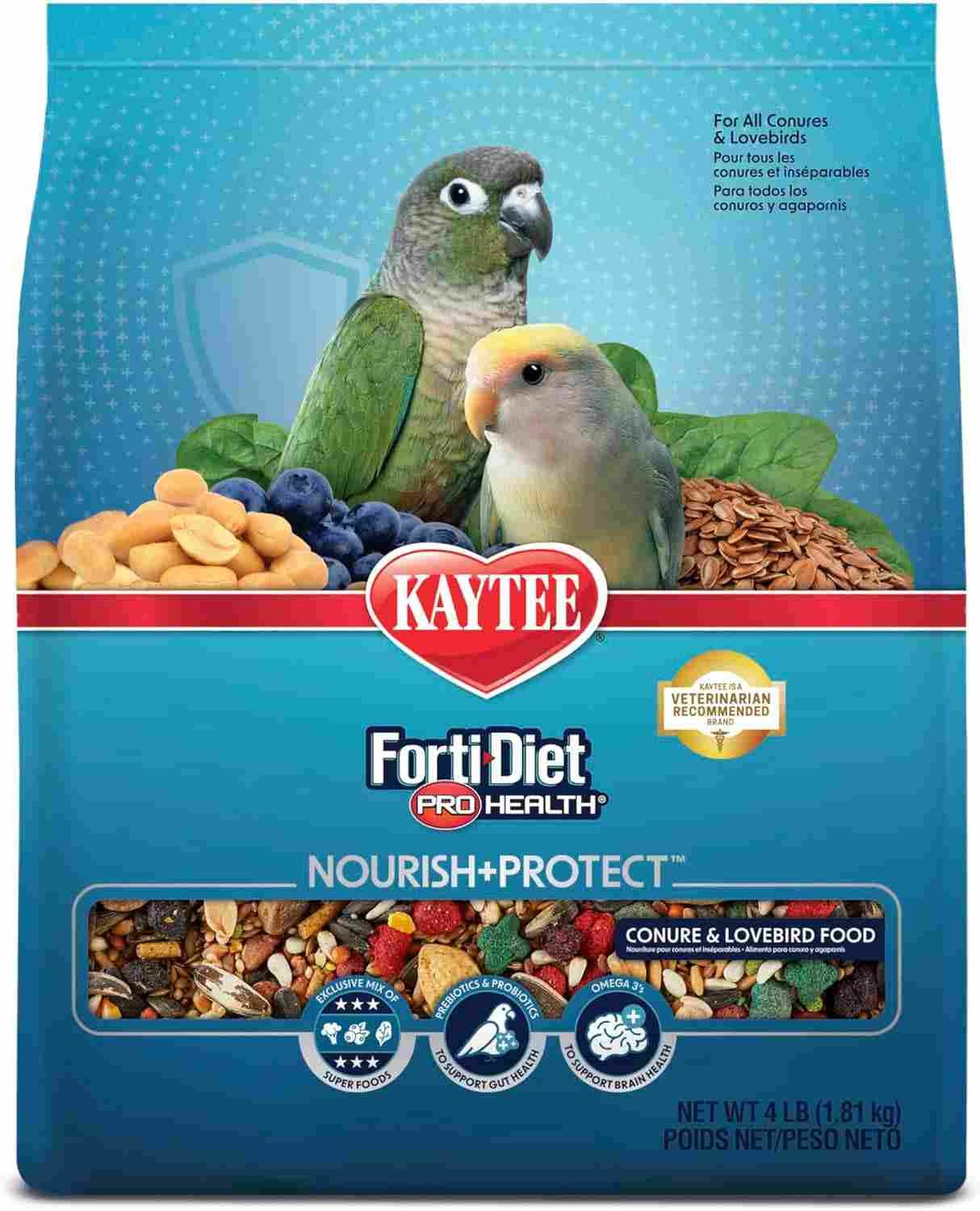
A widely accessible, nutrient-rich blend of seeds and grains fortified with DHA and Omega-3s.
- Pros: Affordable, easy to find, probiotics added.
- Cons: Contains some artificial colors.
- Best for: Beginners transitioning their birds.
Higgins Vita Seed Lovebird Food
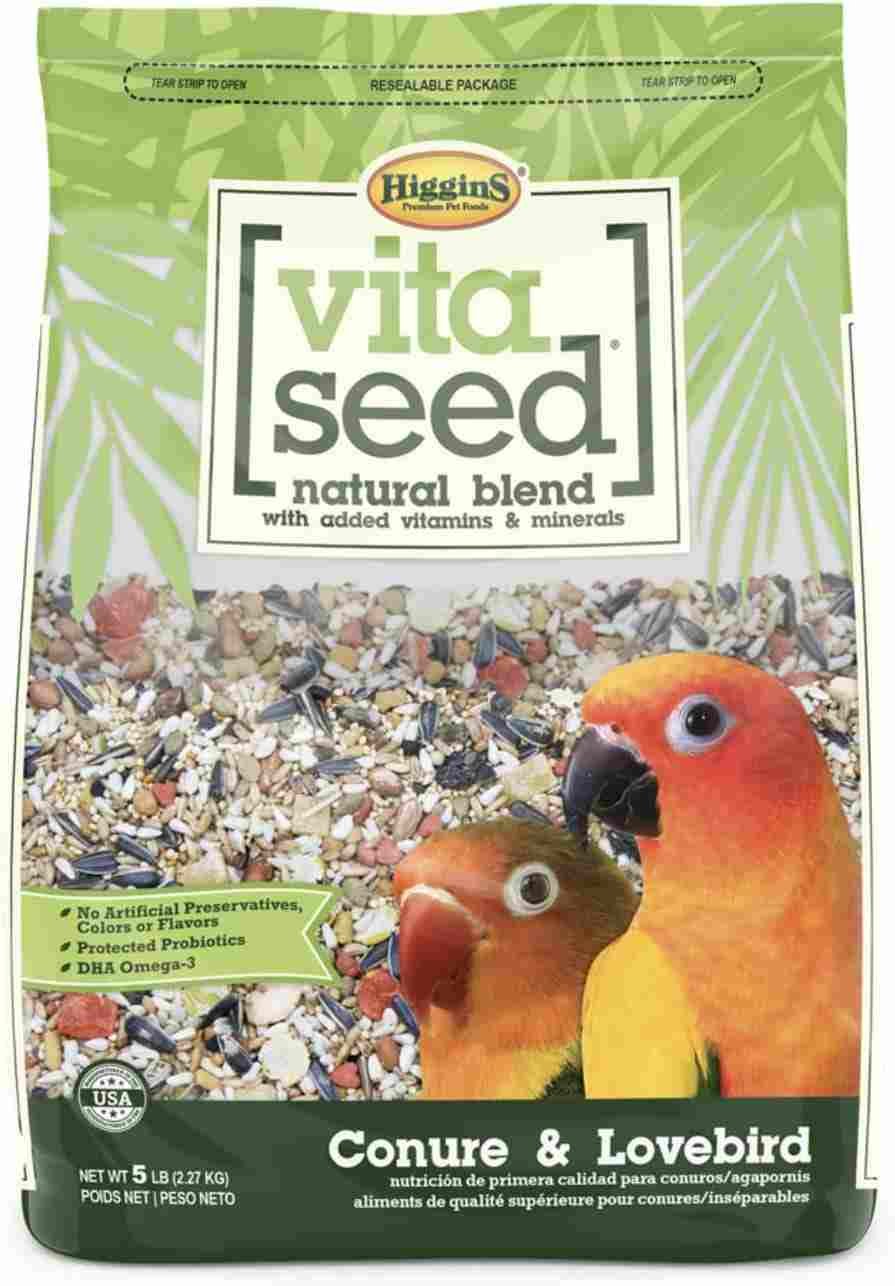
A premium natural seed mix blended with Intune pellets. No artificial colors or preservatives.
- Pros: Natural ingredients, highly palatable.
- Cons: Birds may pick out the seeds and leave pellets.
- Best for: Picky eaters.
Harrison’s Adult Lifetime Fine
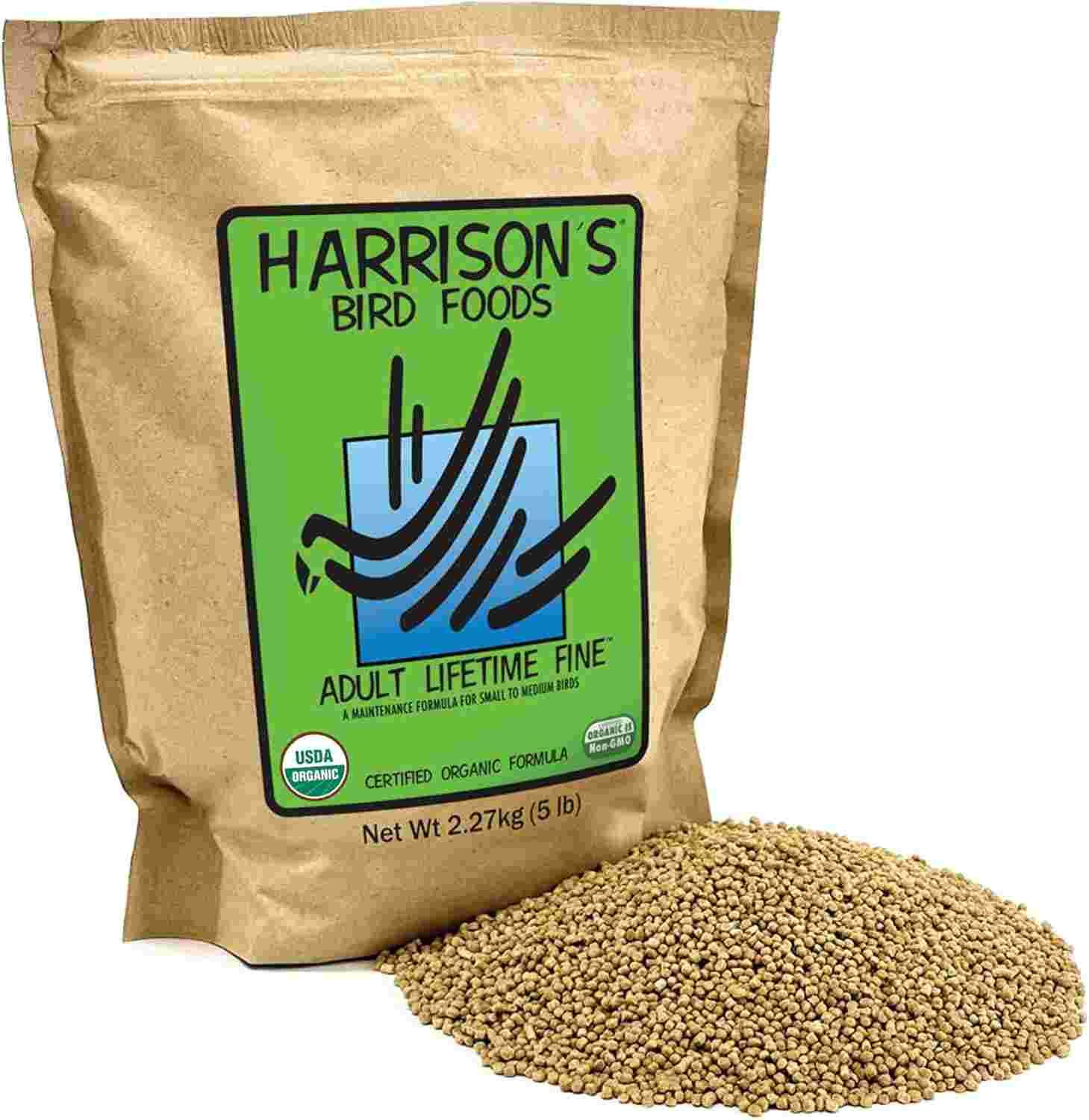
The gold standard in avian veterinary medicine. 100% organic, non-GMO premium formulated pellet.
- Pros: Vet-recommended, prevents nutritional diseases.
- Cons: Premium price point.
- Best for: Long-term daily staple diet.
ZuPreem FruitBlend (Small Birds)
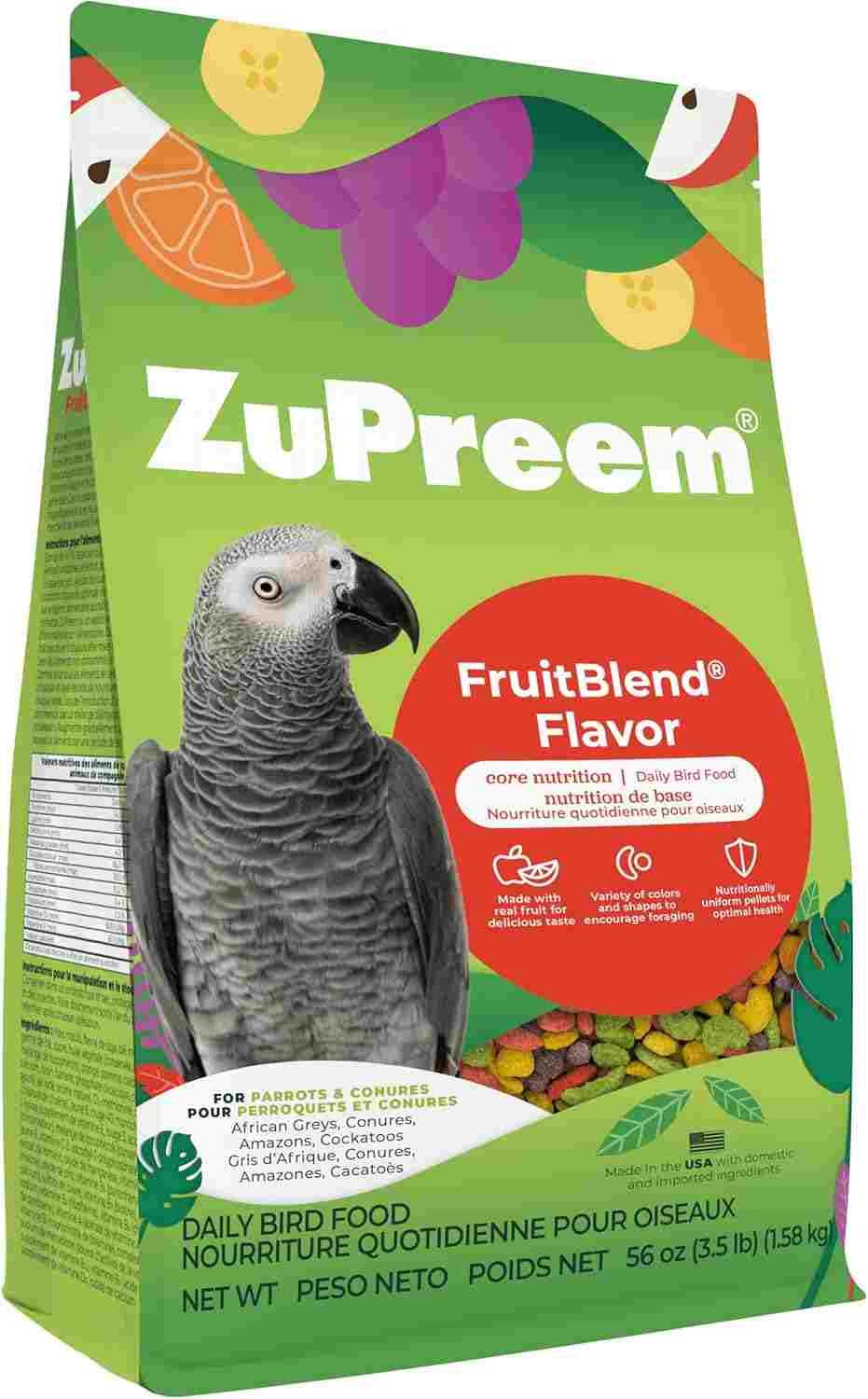
Fruit-flavored, multi-colored pellets that appeal to a lovebird’s visual foraging instincts.
- Pros: High acceptance rate for seed-junkies.
- Cons: Colored poops can mask health issues.
- Best for: Converting seed-eating birds to pellets.
Lafeber’s Classic Nutri-Berries
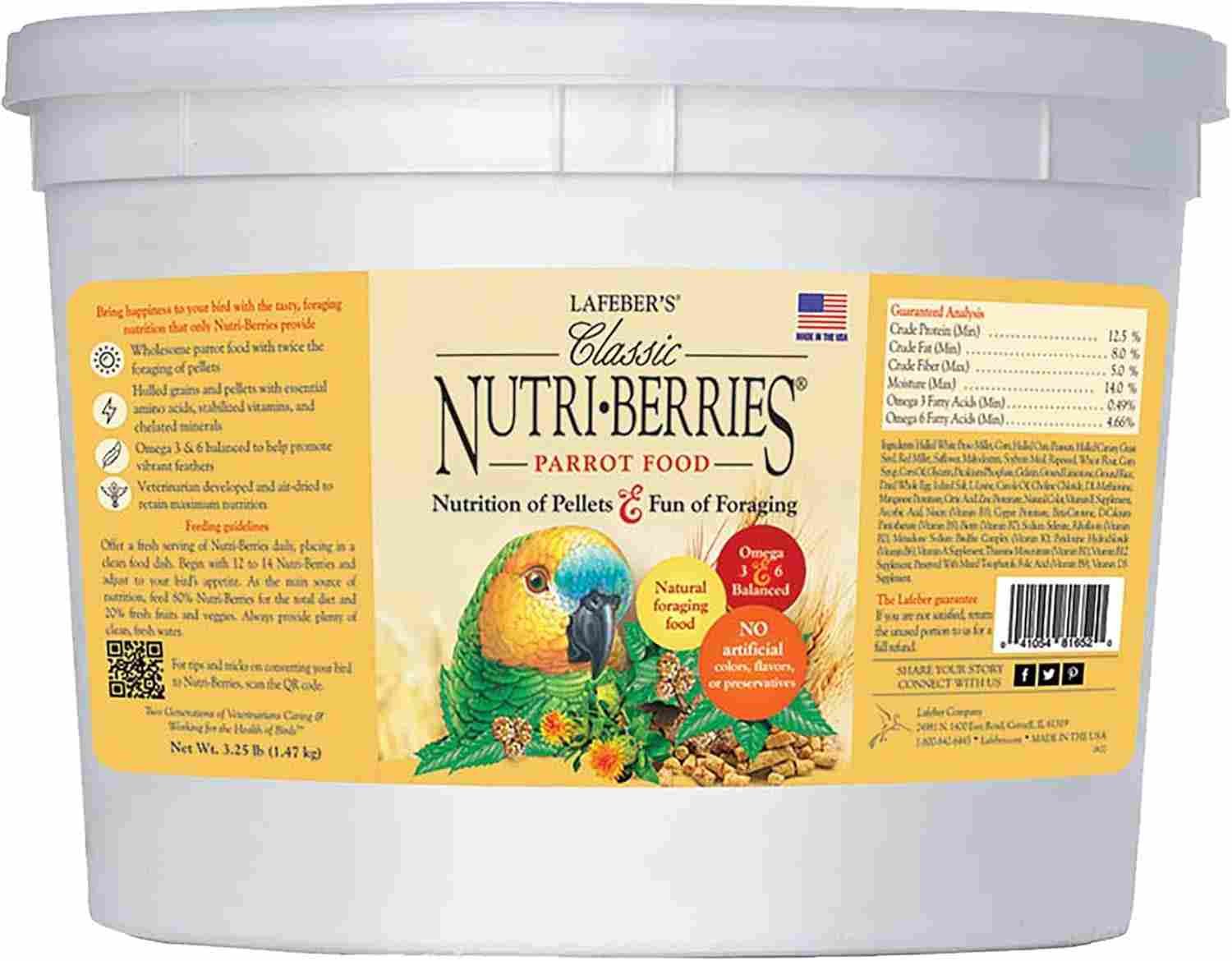
Hulled seeds and grains coated in a pellet-like vitamin matrix, rolled into a berry shape.
- Pros: Encourages foraging, excellent nutrition.
- Cons: Can be messy.
- Best for: Enrichment and midday snacking.
Roudybush Daily Maintenance (Crumbles)
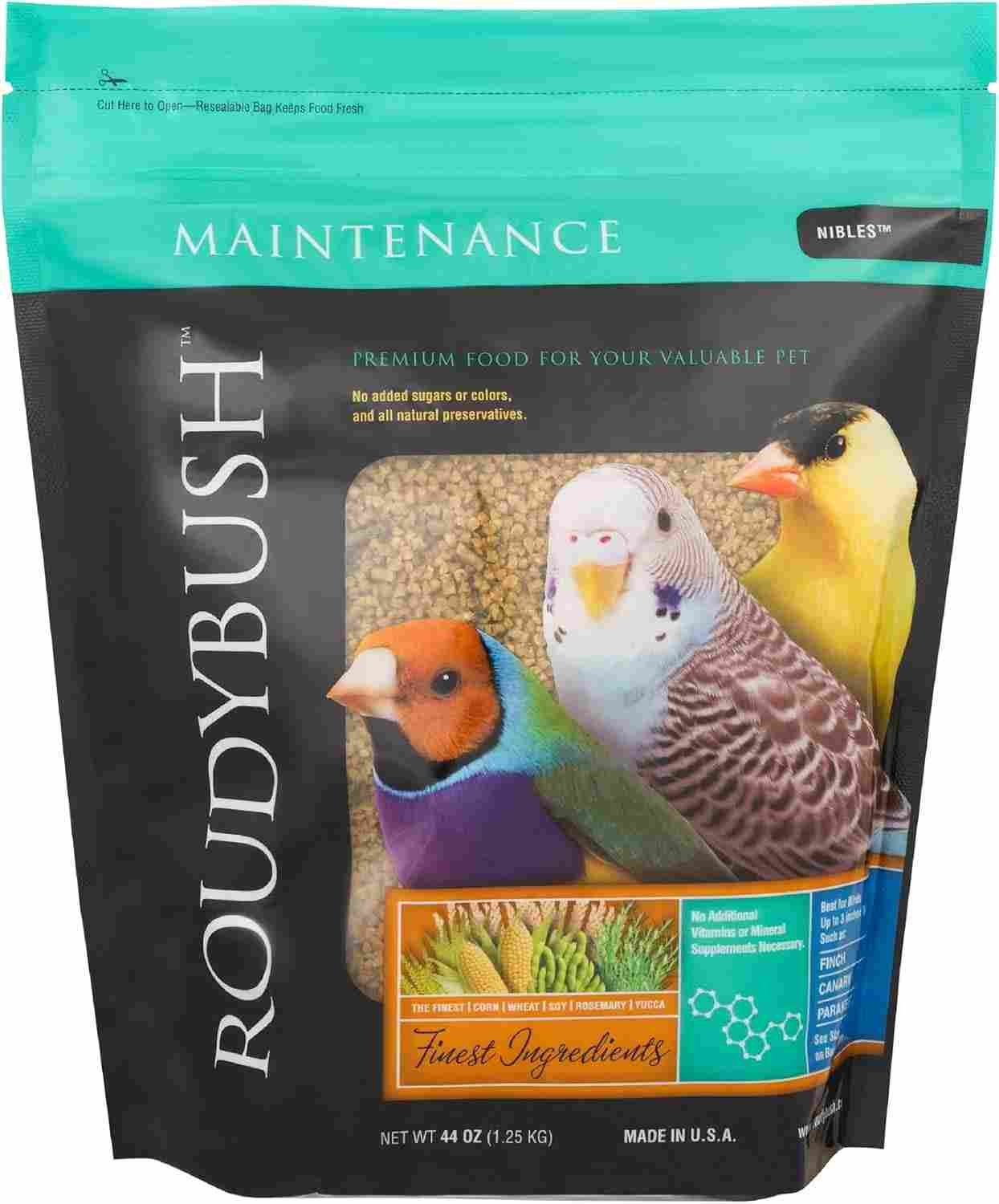
A scientifically formulated, dye-free pellet that offers complete nutrition.
- Pros: No added sugars or colors, low waste.
- Cons: Bland appearance may not excite some birds.
- Best for: Health-conscious owners.
Hari Tropimix Small Parrot Food
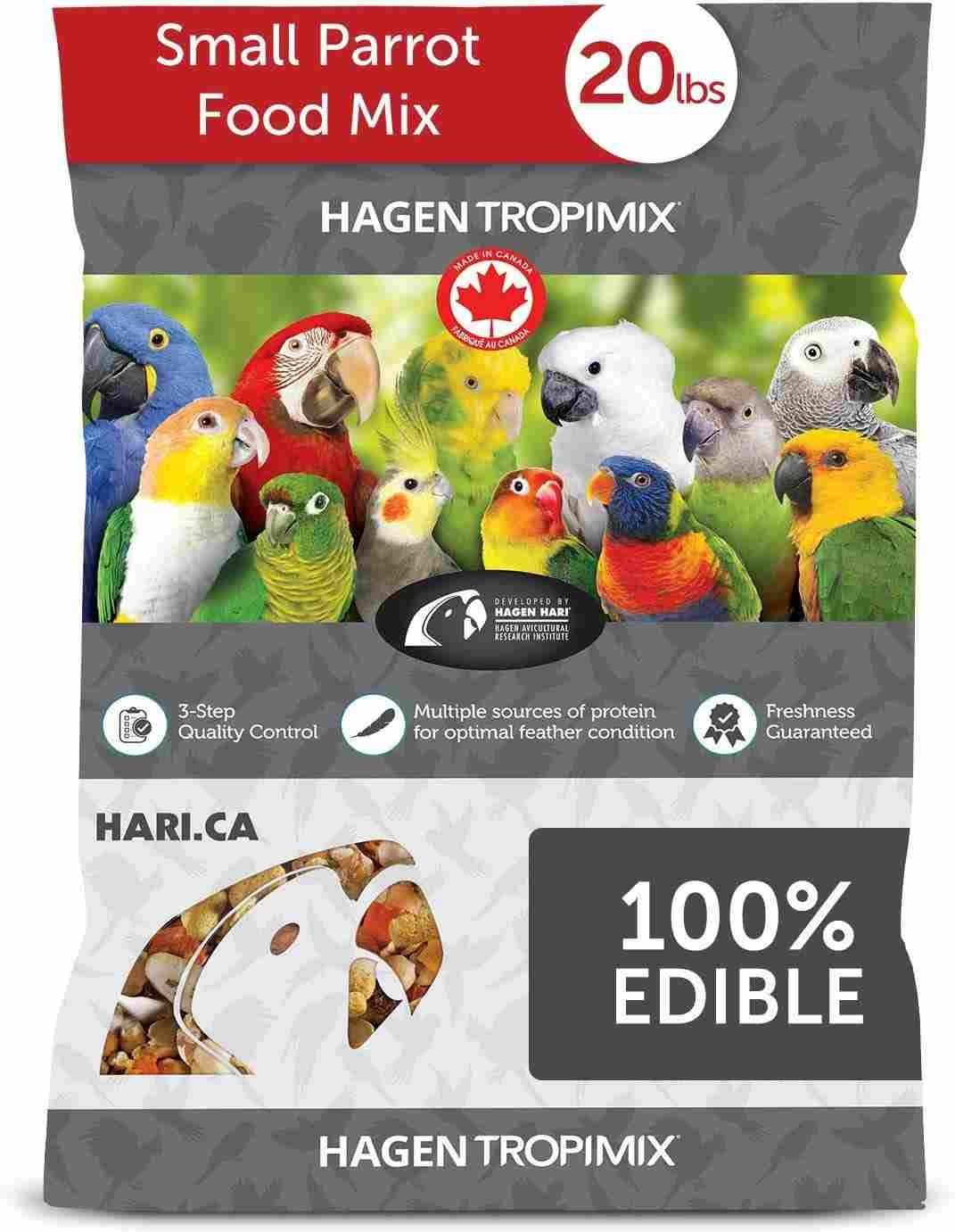
A 100% edible blend of hulled seeds, fruits, nuts, and Tropican extruded sticks.
- Pros: Zero shells = zero mess. High variety.
- Cons: Contains dried fruits (higher sugar).
- Best for: Owners who want a clean cage area.
Volkman Avian Science Lovebird Seed
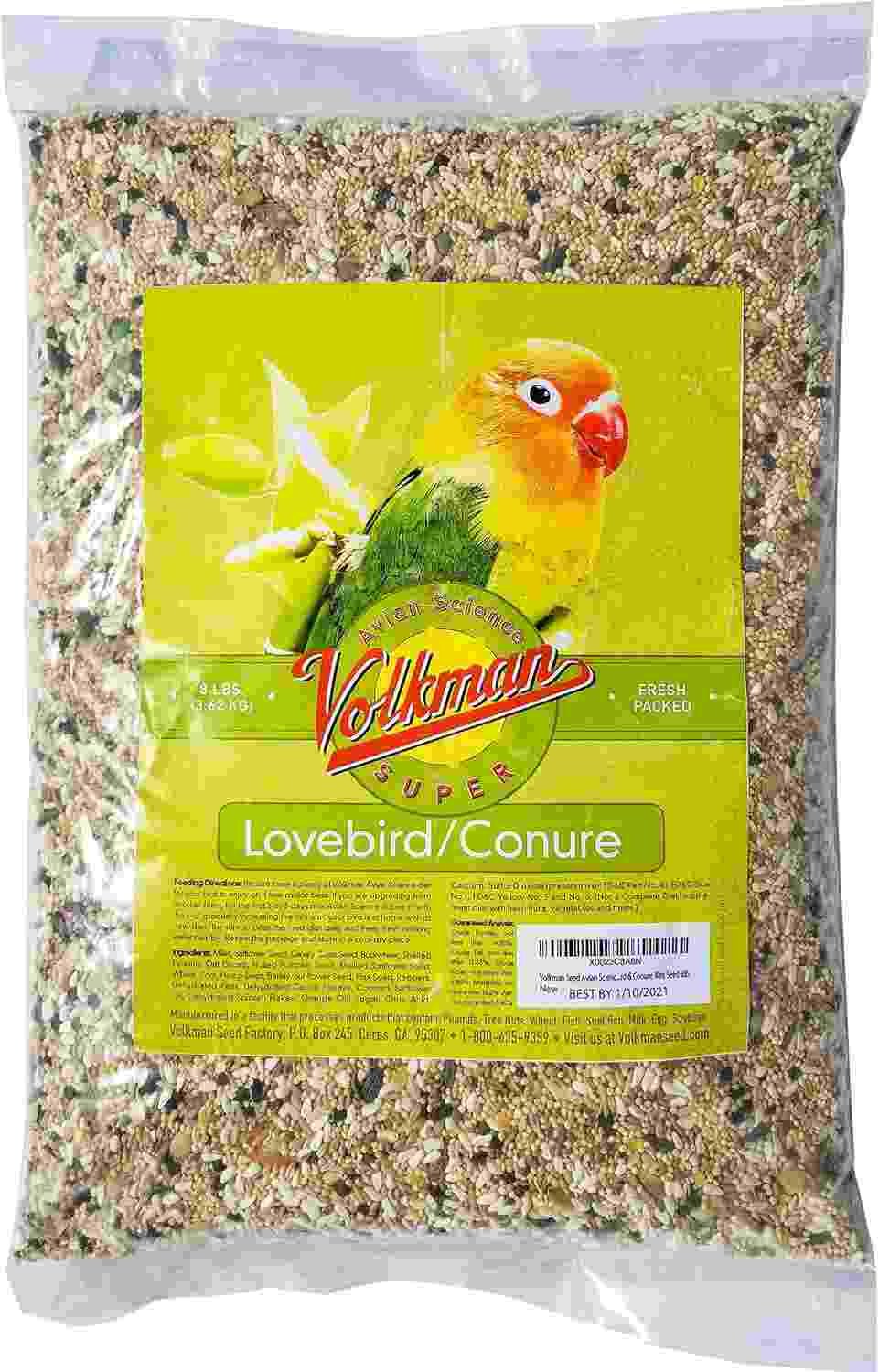
Super clean, dust-free seed mix packed with dried veggies and human-grade ingredients.
- Pros: Incredibly fresh, varied textures.
- Cons: Not a complete diet without fresh veg/pellets.
- Best for: Supplementing a pellet base.
Feeding Pet Lovebirds: The Daily Routine
Lovebirds thrive on routine. In the wild, they forage at dawn and dusk. Mimicking this schedule keeps their metabolism stable and provides mental enrichment.
- Morning Feeding (8:00 AM): This is when birds are hungriest. Provide their daily bowl of high-quality pellets. This ensures they eat the healthy stuff before filling up on treats.
- Midday Snack (12:00 PM – 2:00 PM): Offer “chop” (freshly diced vegetables) and a small piece of fruit. You can serve this in foraging toys to keep them occupied.
- Evening Feeding (5:00 PM – 6:00 PM): Offer a small amount (about 1 teaspoon) of high-quality seed mix. This gives them a carbohydrate boost to keep them warm through the night. Remove any uneaten fresh vegetables from the midday meal to prevent bacterial growth.
How Long Can Lovebirds Go Without Food?
A common question from owners planning weekend trips is: how long can lovebirds go without food?
The strict answer is that a lovebird enters the danger zone within 24 to 48 hours of not eating. Lovebirds have incredibly fast metabolisms and operate at a high body temperature (around 105°F or 40°C). They burn calories rapidly just to stay alive.
Furthermore, the dehydration risk is even more critical. A lovebird can perish in as little as 24 hours without clean water. If you are leaving for the weekend, you cannot simply leave a giant bowl of food and water. Birds soil their water frequently, and seed hulls will cover the uneaten seeds, making the bird think the bowl is empty. You must use best automatic budgie feeders and water silos, or preferably, hire a pet sitter to check on them daily.
Lovebird Diet Chart: A Day in the Life
Here is a simple, actionable schedule you can follow to ensure your bird gets exactly what do lovebirds eat daily without overfeeding.
| Time of Day | Food Offering | Portion Size |
|---|---|---|
| Morning | Commercial Pellets | 1.5 to 2 Tablespoons |
| Afternoon | Fresh Vegetables (Chop) | 1 Tablespoon |
| Afternoon (Rotate) | Fresh Fruit (e.g., apple, berry) | 1 Teaspoon (2-3x a week) |
| Evening | Seed Mix / Nutri-Berries | 1 Teaspoon |
Pro Tips for a Healthy Avian Diet
Just as you might use dog calculators or cat calculators to track the precise macros of a mammalian pet, tracking a bird’s diet requires careful observation of their weight, droppings, and feather quality.
- Rotate Foods Weekly: Prevent “food boredom” by offering kale and apple one week, and carrots and blueberries the next. Check our guide on the best fruits and vegetables for budgies, as lovebirds enjoy the exact same produce.
- Avoid Processed Human Food: Crackers, bread, chips, and dairy are terrible for your bird’s digestive tract. Birds lack the enzyme lactase, making dairy highly distressful to their gut.
- Clean Water Daily: A diet is only as good as the water they drink. Change water at least once a day, or twice if your bird loves to dunk their pellets and create “bird soup.”
- Weigh Your Bird: Use a gram scale weekly. A healthy lovebird weighs between 40 to 60 grams depending on the exact species (Peach-faced, Fischer’s, Masked, etc.). Unexplained weight loss is the #1 early indicator of avian illness.
If you are raising a very young bird, adult pellets won’t work immediately. You will need to understand the weaning process detailed in our baby parrot feeding guide.
Veterinary Recommendations for Lovebirds
Avian veterinarians globally agree on three fundamental pillars for lovebird nutrition:
- Transition to a Balanced Pellet-Based Diet: If your bird is currently on seeds, do not switch them “cold turkey,” as they may starve rather than eat an unrecognized food. Slowly mix pellets into their seeds over 4 to 6 weeks.
- Avoid Seed-Only Feeding: To reiterate, seeds are high in cholesterol and fat. They lead to atherosclerosis (hardening of the arteries) and liver failure.
- Regular Weight Monitoring & Annual Bloodwork: An annual vet visit helps catch nutritional deficits before they manifest as feather plucking, lethargy, or egg-binding in females.
Caution & Disclaimer
Disclaimer: The information provided in this article is for educational purposes only and is not a substitute for professional veterinary care. Avian nutrition needs can vary based on your bird’s specific species, age, mutation, and health status. Always consult with a certified avian veterinarian before making drastic changes to your lovebird’s diet.