
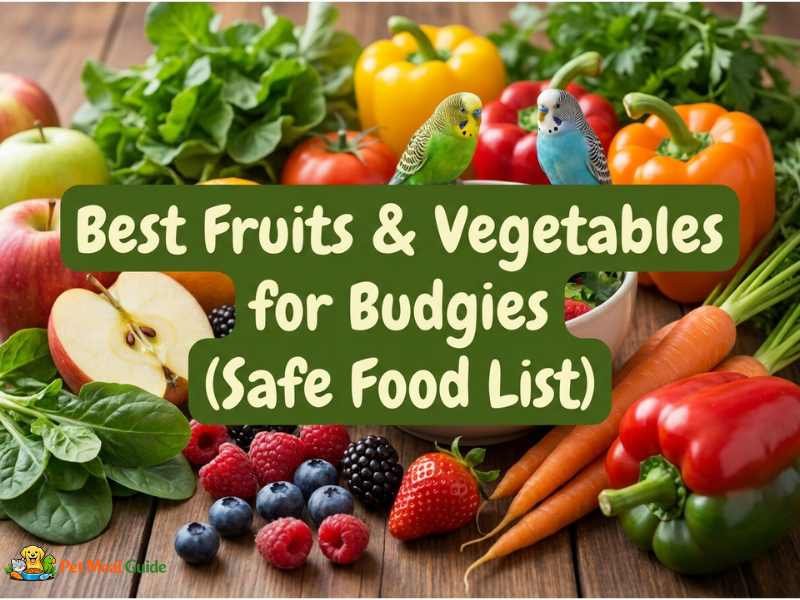
1. WHAT FRUIT & Vegetables CAN BUDGIES EAT? The Power of Fresh Produce
If you have ever caught yourself wondering, “what fruit can I feed my budgie?” or asked, “can you feed budgies fruit at all?”, the answer is a clear yes. Fresh fruits and vegetables play a big role in keeping your budgie active, healthy, and mentally stimulated.
Providing a balanced diet goes far beyond pouring a scoop of dry seeds into a bowl. In the wild, budgerigars naturally forage for a mix of seeds, grasses, fruits, and leafy greens. This variety is what supports their digestion, feather health, and overall energy levels.
Vegetables are especially important because they are lower in sugar than fruits and packed with essential nutrients like vitamins A, C, and K. They also provide fiber, which helps support a healthy digestive system.
🥦 Best Vegetables for Budgies
Here are some of the most beneficial vegetables you can safely include in your budgie’s diet:
- Spinach & Kale: Rich in calcium and iron, great for bone and feather health
- Carrots: High in vitamin A, supports eyesight and immune function
- Broccoli: Loaded with antioxidants and vitamin C
- Bell Peppers: Bright, crunchy, and full of vitamin C
- Cucumber: Hydrating and refreshing, especially in warmer weather
- Zucchini: Easy to digest and a good source of hydration
- Peas: Provide plant-based protein and fiber
Pro Tip: Offer vegetables daily in small, chopped pieces. Many budgies are picky at first, so introduce new veggies gradually and mix them with familiar foods.
🍎 Fruits vs Vegetables – What’s the Difference?
While fruits are great for variety and contain natural sugars, vegetables should make up a larger portion of fresh food in your budgie’s diet.
| Food Type | Benefits | Serving Frequency |
|---|---|---|
| Vegetables | Low sugar, high nutrients, supports digestion | Daily |
| Fruits | Natural sugars, vitamins, hydration | 2–3 times per week |
By combining both fruits and vegetables, you create a more natural and balanced feeding routine that closely matches what budgies would eat in the wild.
By mimicking this natural behavior with safe, vitamin-rich fruits and vegetables, you drastically improve their plumage, energy levels, and overall lifespan.
Before diving into our specialized list, it helps to understand broad avian nutrition rules. We highly recommend reviewing our 👉 complete parrot feeding guide to master the basics of bird care.
2. Budgie Dietary Breakdown
Nutrition for a parakeet requires strict portion control. Feeding budgies fruit and vegetables is highly beneficial, but only when offered in the correct ratios.
Too much fruit can cause sugar spikes and yeast infections. Too many seeds can lead to severe obesity and liver disease.
Here is exactly how a healthy, adult budgie’s diet should be structured every single day.
| Food Type | % of Diet | Examples |
|---|---|---|
| Pellets | 60–70% | High-quality, balanced formulated avian pellets |
| Vegetables | 20–25% | Leafy greens, carrots, broccoli, squash |
| Fruits | 5–10% | Apples (seedless), berries, papaya, mango |
| Seeds | 5% | Millet, oat groats, canary seed (used as treats) |
🥗 Balanced Budgie Diet Visualizer
3. What Fruit Can Budgies Eat?
When curating the perfect list of fruits to feed budgies, you must focus on those that offer high vitamin yields without excessive acidic content.
If you constantly ask, what fruit can I feed my budgie to keep them happy and healthy, look no further than this approved list. Remember to serve these as treats, not main courses.
- Apple (no seeds): Apples provide excellent hydration and essential vitamins. You must remove the core and seeds entirely, as apple seeds contain toxic cyanide compounds.
- Banana: A fantastic source of potassium. Bananas are soft, making them easy for young or older birds to eat. Remove the peel before serving.
- Blueberries: Packed with powerful antioxidants that support immune health. Cut them in half so your small parakeet can easily grasp them.
- Mango: A tropical delight rich in Vitamin A, which is crucial for eye and respiratory health. Peel and dice it finely.
- Papaya: Contains digestive enzymes that help keep your budgie’s crop functioning smoothly. The black papaya seeds are actually safe and fun for them to crunch!
| Safe Fruits | Core Benefits | Feeding Tip |
|---|---|---|
| Apple | Hydration, Vitamin C | Slice thin; strictly remove all seeds. |
| Banana | Potassium, Energy | Offer small mash; remove uneaten parts quickly. |
| Blueberries | Antioxidants | Slice in half to prevent rolling. |
| Mango | High Vitamin A | Dice into tiny cubes; serve without skin. |
| Papaya | Digestive enzymes | Can be served with the seeds included. |
4. What Vegetables Can Budgies Eat?
Vegetables are the cornerstone of fresh avian diets. They provide essential minerals without the dangerous sugar spikes associated with fruit.
You should aim to offer a fresh “chop” of veggies every morning. Below are the top nutrient-dense vegetables your budgie will love.
- Spinach: Extremely rich in iron and calcium. However, offer it in moderation (1-2 times a week) because high oxalate levels can inhibit calcium absorption.
- Carrots: Loaded with beta-carotene, leading to vibrant, beautiful feathers. You can serve them grated, steamed, or finely chopped.
- Broccoli: An absolute favorite for budgies. The textured tops act like a fun foraging toy, while providing immense nutritional value.
- Peas: Snow peas and garden peas are excellent for protein. Budgies love popping the peas out of their pods.
5. What Salad Vegetables Can Budgies Eat?
Many owners want to share their lunch salads with their flock. While mostly safe, some salad veggies are better than others.
Avoid Iceberg lettuce entirely, as it consists almost entirely of water and can cause loose droppings.
- Romaine Lettuce: The superior leafy green for salads. It offers hydration alongside actual vitamins and minerals.
- Cucumber: Excellent for hot summer days when your bird needs extra moisture. Offer slices with the skin on if it is organic.
- Bell Peppers: Budgies can eat red, yellow, and green bell peppers. Surprisingly, they also love the spicy seeds inside, as birds do not have capsaicin receptors!
6. How to Prepare: Feeding Budgies Fruit and Vegetables
The method you use for feeding budgies fruit and vegetables determines whether they will eat it or ignore it.
Budgies are visually stimulated and prefer specific textures. Follow these exact steps to ensure safe and successful feeding.
- Wash properly: Scrub all produce under cold running water. You must remove all pesticides, waxes, and chemicals which are highly toxic to small birds.
- Chop into small pieces: Create a “chop.” Because budgies are small, finely dicing vegetables in a food processor makes it easier for them to consume.
- Serve fresh: Place the fresh chop in a clean bowl in the morning. Remove any uneaten portions after 2 to 3 hours to prevent deadly bacterial growth.
7. Food and Drink Budgies Can’t Have ⚠️
Knowing what not to feed is just as critical as knowing what is safe. A budgie’s system is delicate.
Even tiny amounts of certain human foods can result in fatal toxicity within hours.
⚠️ Toxic Alert: Keep These Away!
Never let your budgie have access to the following items:
- ❌ Avocado: Contains persin, a fungicidal toxin that causes sudden heart failure and respiratory distress in birds.
- ❌ Chocolate: Theobromine and caffeine in chocolate trigger hyperactivity, tremors, seizures, and death.
- ❌ Alcohol: A bird’s liver cannot process alcohol. Even a sip can cause immediate and fatal organ failure.
- ❌ Caffeine: Coffee, tea, and energy drinks cause cardiac arrhythmias and hyper-excitability.
Always wash your hands after consuming these items before handling your bird.
8. Pellets or Seed Mix: The Ultimate Decision
The foundation of your bird’s diet is where many owners make a fatal error. A seed-only diet is the leading cause of premature death in captive parakeets.
Avian veterinarians unanimously agree that formulated pellets are vastly superior to standard seed mixes.
| Feature | Pellets | Seeds |
|---|---|---|
| Nutrition Level | 100% Balanced per bite | Deficient in Vitamin A, D, and Calcium |
| Fat Content | Low to Moderate (Healthy) | Excessively High (Causes Fatty Liver) |
| Eating Behavior | Prevents selective eating | Birds pick favorites, leave the rest |
Why Pellets Are Better: Pellets are scientifically formulated so that every single bite contains the exact ratio of vitamins, minerals, and amino acids your bird needs. This completely eliminates the issue of selective feeding.
9. What Seeds Can Budgies Eat?
While seeds should not be the main course, they are vital for training and mental stimulation.
Reserving seeds for foraging toys keeps your bird mentally sharp and highly motivated during taming sessions.
- Millet: The ultimate high-value treat. Spray millet is perfect for finger-taming your budgie.
- Canary Seed: A great, standard seed that provides good protein levels compared to fatty sunflower seeds.
- Oats: Oat groats are excellent for older birds, or keeping birds warm and energized during winter months.
10. Budgie Food List: Essential Grains
Whole grains provide complex carbohydrates, fiber, and vital energy that sustains your bird throughout the day.
Sprouting these grains unlocks massive amounts of enzymes and vitamins. Here is your EXACT list of safe grains to feed:
- Amaranth
- Barley
- Buckwheat
- Canary seed
- Oats
- Quinoa
- Rye
- Sweetcorn kernels
- Wheat
11. Calcium for Budgies: Bone & Beak Health
Calcium deficiency is incredibly common and leads to brittle bones, beak overgrowth, and dangerous egg-binding in females.
Ensure your parakeet has continuous access to natural calcium sources inside their cage at all times.
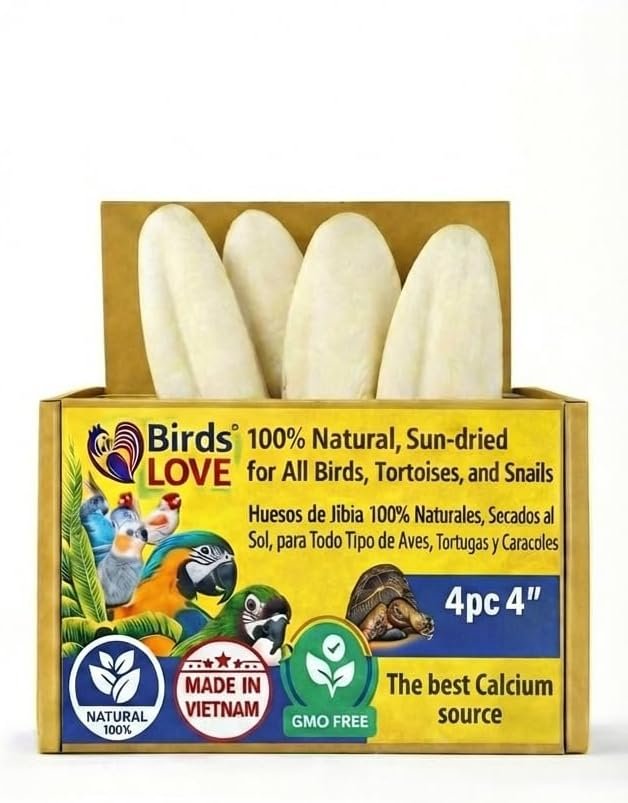
- Cuttlebone: A natural product that provides calcium and helps file down a sharp, growing beak.
- Eggshell powder: Boil, bake, and crush organic chicken eggshells into a fine dust to sprinkle over their morning vegetable chop.
12. What Do Baby Budgies Eat?
Raising a chick requires highly specialized care. You cannot feed baby budgies whole seeds or chopped vegetables.
Their crops are incredibly delicate and require warm, easily digestible liquids to simulate regurgitated food from the mother.
- Hand feeding formula: Always use a high-quality, commercial avian hand-rearing powder mixed with warm water to a specific consistency.
- Feeding frequency: Newborns require feeding every 2 hours around the clock. By week 4, this reduces to 3-4 times a day as they begin to wean onto pellets.
🐣 Baby Budgie Feeding Tips You Should Know
Raising a healthy chick starts with the right feeding routine. For a complete step-by-step breakdown including feeding schedule, formula preparation, and safe foods, explore our 👉 baby budgie feeding guide.
13. How Much Should You Feed a Budgie?
Overfeeding is a fast track to obesity. A budgie only weighs about 30-40 grams, meaning they require very little food by volume.
Follow strict measurements rather than filling the bowl to the brim.
| Age / Status | Daily Amount (Per Bird) |
|---|---|
| Adult Budgie | 1.5 to 2 Teaspoons of Pellets + 1 Tbsp Veggies |
| Weaning Juvenile | Free-access to Pellets + Hand Formula 2x Day |
| Breeding/Molting | 2.5 Teaspoons Pellets + Extra Protein/Veggies |
14. How Often Should You Feed a Budgie?
Establish a strict routine. Birds thrive on predictability. You should actively feed them twice daily.
Provide their fresh food (chop and fruits) in the morning when they are most hungry. Leave their measured portion of dry pellets in the cage all day for grazing.
Crucially, provide fresh water daily. Change it twice if they drop food into the bowl, as bacteria multiplies rapidly in dirty water.
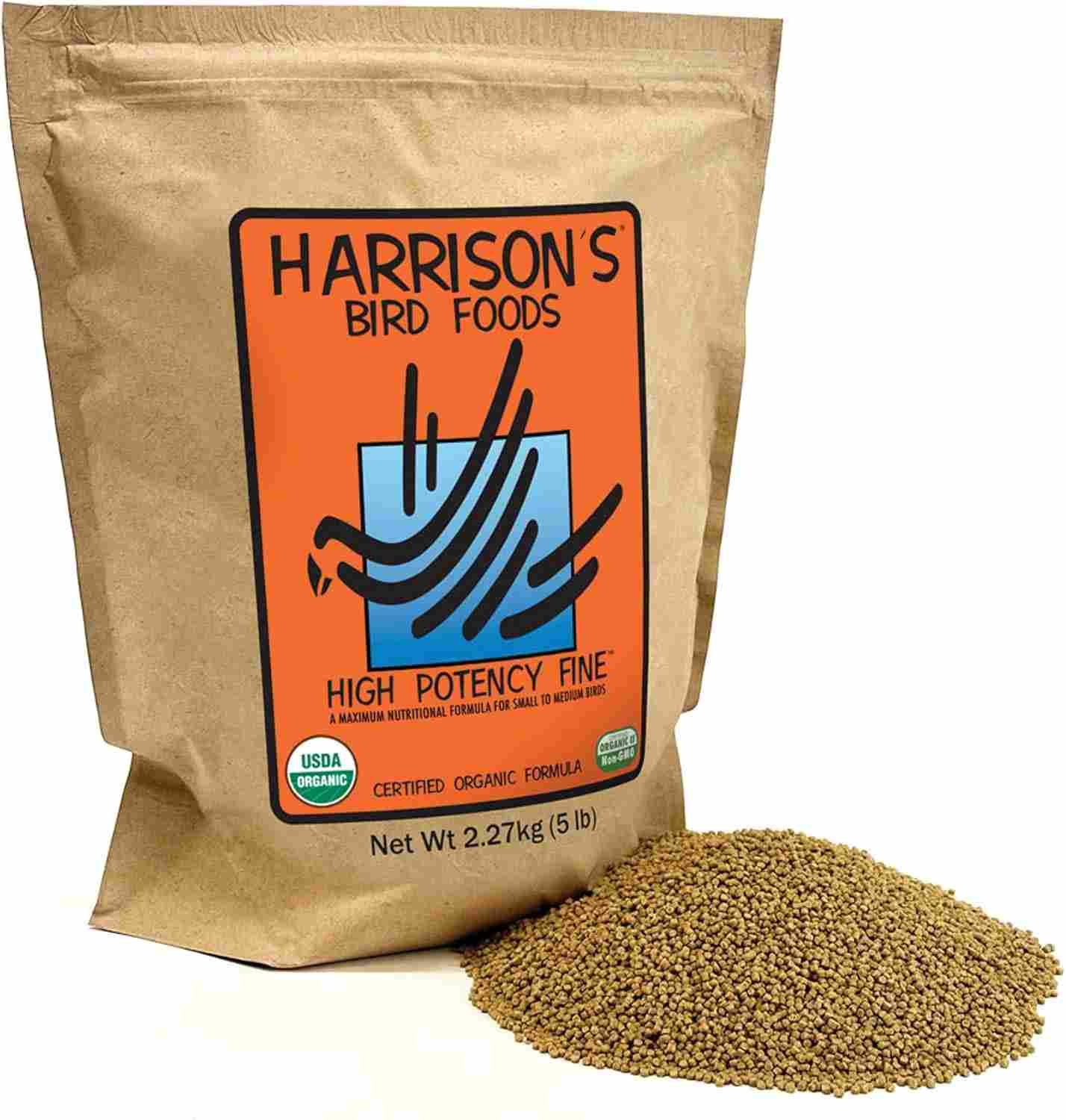
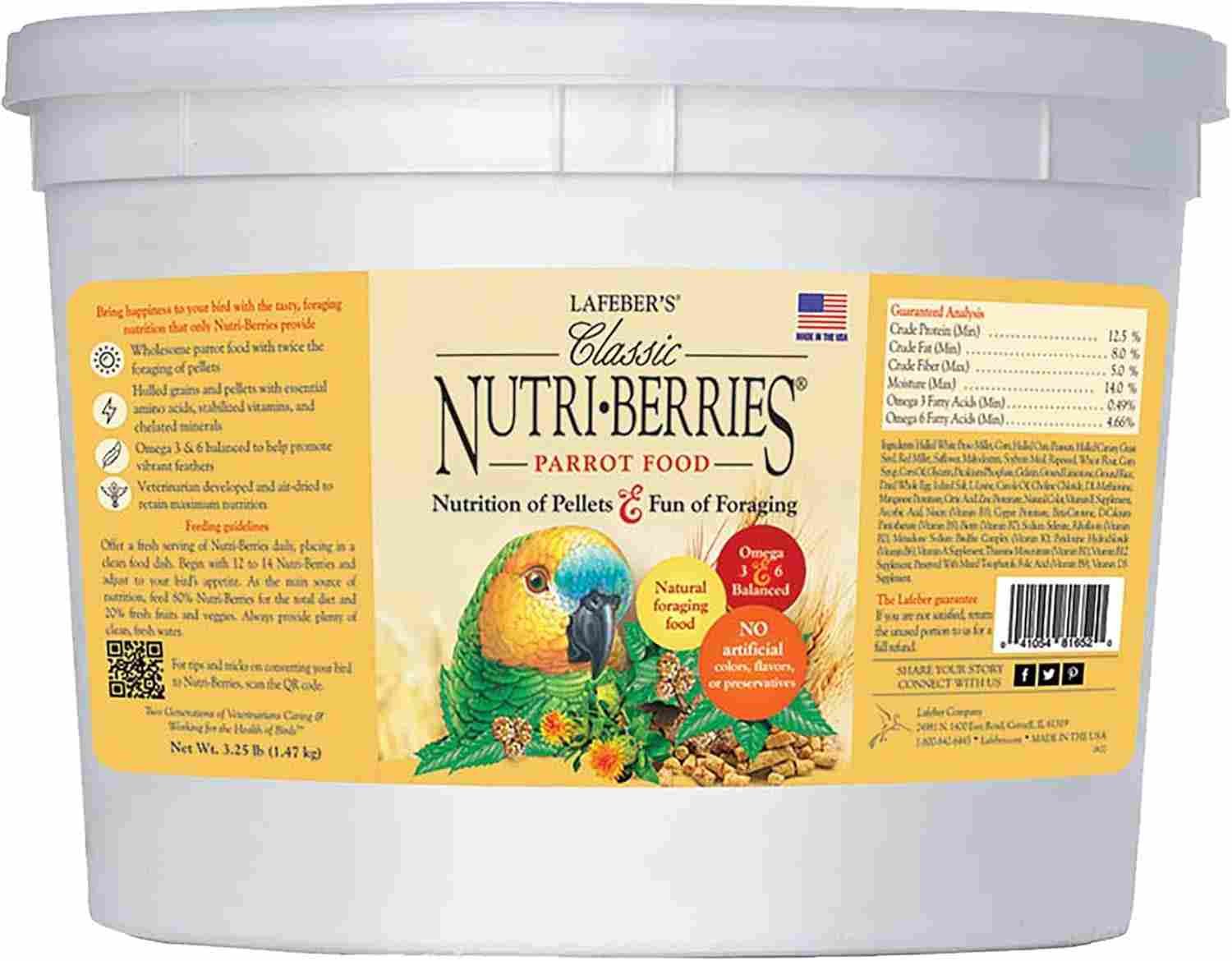
15. Top Rated Budgie Foods & Supplies
Ready to upgrade your bird’s pantry? These are the top-rated, vet-approved commercial foods available for quick delivery.
16. Pro Tips for Picky Eaters
If your budgie flat-out refuses to eat vegetables, do not give up. It takes patience and strategy to convert a stubborn bird.
- Introduce foods slowly: Never remove their old food abruptly. Gradually mix pellets with their seeds over a 4 to 6-week period.
- Rotate diet: Prevent boredom by offering broccoli one day, and carrots the next. Visual variety is highly stimulating.
- Avoid overfeeding: If a bird has endless access to millet, they will never try their spinach. Control the treats to encourage eating greens.
17. Vet-Reviewed Recommendations
Avian medicine has advanced drastically over the last two decades. Modern veterinarians stress the absolute necessity of fresh produce.
Do your own research and stay updated on the latest avian care standards. For comprehensive, peer-reviewed welfare policies, read the guidelines by the 👉 American Veterinary Medical Association (AVMA).
For specific disease prevention related to diet, the resources at 👉 VCA Animal Hospitals are invaluable.
18. Caution & Disclaimer
The information provided in this article is for educational purposes only and is not a replacement for professional vet care.
Always monitor bird health closely. If your budgie exhibits lethargy, fluffed feathers, or changes in droppings during a diet transition, contact a certified avian veterinarian immediately.
19. Explore More Pet Nutrition Guides
Proper diet management is essential across the animal kingdom. If you have a multi-pet home, take advantage of our other specialized resources:
- Master avian care with our 👉 complete parrot feeding guide.
- Calculate precise canine portions using our 👉 dog calculators tools.
- Optimize your feline’s daily intake with our 👉 cat calculators tools.
- Curious about exotics? Read our comprehensive reference on 👉 what turtles eat.
20. Video: How to Feed Budgies Fruits and Vegetables
Watch this fantastic visual breakdown on how to properly chop, wash, and serve a fresh daily salad for your parakeet.
21. Keep Your Diet Guide Handy
Want a printable cheat sheet for your fridge? Get our exact measurements and safe food lists instantly.
👉 Download Budgie Feeding Chart PDF22. Frequently Asked Questions
We have compiled the most common questions owners ask regarding fresh foods for their flock.
While fruit is healthy, it is very high in natural sugars. You should not feed budgies fruit daily. Instead, limit fruit to 1-2 times per week as a special treat, keeping it to about 5% of their total diet.
The safest and most nutritious fruits include apples (strictly without seeds), bananas, blueberries, mango, and papaya. Always wash them thoroughly and cut them into tiny, bite-sized pieces.
Start by finely chopping the vegetables and mixing them with a few of their favorite seeds. Present the food early in the morning when they are most hungry. Patience is key, as it may take weeks for them to try a new texture.