
How Much Should You Feed a Turtle Based on Size & Species?
How Much Food Does a Turtle Need Each Day?
Most turtles should be fed an amount of food equal to the size of their head (excluding the neck). Juveniles eat daily, while adults are fed every 2–3 days depending on species and metabolism. Overfeeding is a massive risk in captivity, leading to severe organ failure and shell deformities.
Dietary Breakdown:
- Baby turtles: Small, high-protein portions, fed 1–2 times daily.
- Juveniles: Fed once daily with a mix of protein and plants.
- Adults: Fed a plant-heavy meal every 2–3 days.
- Pellets: Usually 5–10 pieces per meal, depending entirely on the turtle’s size.
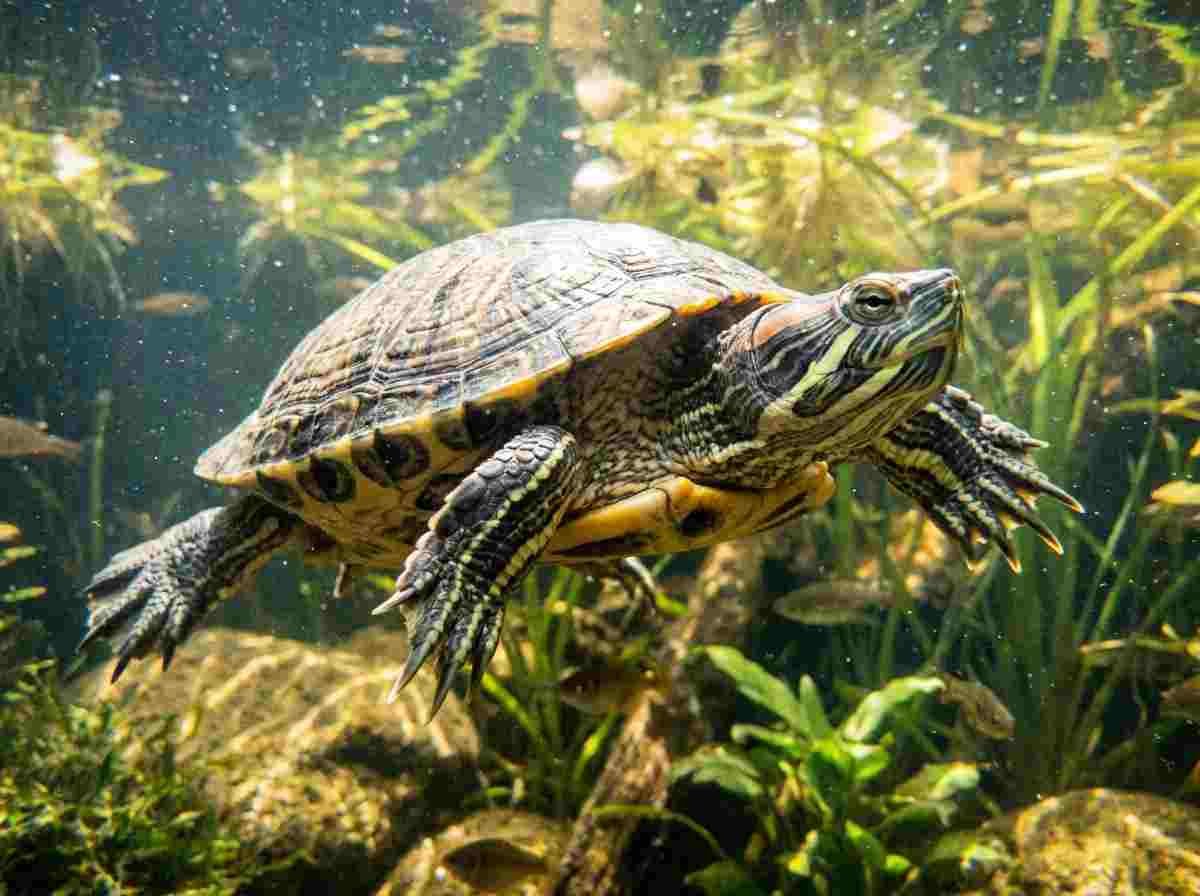
Determining exactly how much to feed a turtle is one of the most stressful challenges new reptile owners face. Unlike mammals that self-regulate or stop eating when full, most aquatic turtles are opportunistic scavengers that will continue to consume food until they literally cannot fit another pellet in their stomachs. This evolutionary survival trait makes answering the question of how much should I feed my turtle absolutely critical to preventing captive obesity, fatty liver disease, and permanent shell deformities.
As a professional reptile nutrition expert, I frequently consult with pet owners who are unintentionally loving their pets to death through massive overfeeding. To establish a solid foundation of care, it is highly beneficial to first understand exactly 👉 what do turtles eat across different life stages. In this exhaustive, veterinary-backed guide, we will break down exact portion sizes, establish rigid daily feeding schedules, and eliminate the guesswork of measuring out your reptile’s meals.
Read Detailed Buying Guide:
Types of Turtles (Pet, Wild, Sea)
The amount of food a turtle requires is entirely dictated by its species, its natural habitat, and its daily caloric expenditure. Common pet turtles, such as red-eared sliders and painted turtles, live highly sedentary lives in glass aquariums, meaning their caloric requirements are astonishingly low compared to their wild counterparts. Feeding a pet turtle the same massive volume of food a wild turtle consumes to survive winter brumation will inevitably lead to catastrophic health failures and systemic infections.
Conversely, wild and sea turtles burn massive amounts of energy battling ocean currents, migrating thousands of miles, and hunting live prey across massive aquatic territories. Because of this massive energy expenditure, wild reptiles must consume vast amounts of food daily just to survive. If you are curious about the massive dietary differences required for oceanic survival, you can explore our detailed guide on the 👉 sea turtle diet to see how wild diets scale.
Feeding Frequency for Baby and Hatchling Turtles
When dealing with hatchlings, answering how much do you feed a turtle a day requires a completely different approach than adult care. Baby turtles are in an intense, rapid phase of skeletal and shell development that demands an incredibly high intake of calcium, vitamin D3, and animal protein. To fuel this exponential growth without causing digestive blockages, hatchlings must be fed small, protein-dense meals one to two times every single day until they reach roughly one year of age.
Because their stomachs are microscopic, you must offer very tiny portions—such as micro-pellets, bloodworms, or flightless fruit flies—to ensure they can swallow the food safely. Monitoring their intake at this stage is vital; you want them to grow steadily without developing “pyramiding,” a dangerous condition where the shell grows upward in sharp peaks rather than remaining smooth. For specific micro-food options, review our dedicated 👉 baby turtle feeding guide.
How Often Should You Feed Your Aquatic Turtle?
For fully mature aquatic turtles, the feeding frequency drops dramatically, reflecting their naturally slow, ectothermic (cold-blooded) metabolisms. An adult aquatic turtle over the age of three years should only receive a substantial, protein-based meal every two to three days. Feeding them any more frequently than this almost guarantees the development of thick fat pockets around their legs, which restricts their ability to pull safely into their shells.
While protein and pellets are restricted to every few days, you can safely offer dark leafy greens and aquatic vegetation on a daily basis. Aquatic turtles naturally graze on duckweed, hornwort, and romaine lettuce throughout the day in the wild, which provides essential dietary fiber without adding unnecessary calories. This daily grazing satisfies their instinct to forage without destroying their internal organs.
Signs Your Turtle is Hungry
Identifying legitimate hunger in a reptile requires you to differentiate between true biological need and trained behavioral begging. A genuinely hungry turtle will actively forage along the bottom of the tank, digging through the substrate, flipping over rocks, and intensely investigating any small moving objects in the water column. If your turtle is exhibiting this relentless, exploratory hunting behavior on a scheduled feeding day, it is appropriately ready for its next meal.
However, you must completely ignore the classic “splashing at the glass” routine that occurs whenever you walk into the room. Turtles are incredibly intelligent animals that quickly associate their owners with a free meal, leading them to violently splash and beg even if they were fed an hour prior. Yielding to this begging behavior is the number one cause of water fouling and captive reptile obesity.
Should You Feed Your Turtle Every Day?
A common myth among beginner hobbyists is that every pet requires a daily bowl of food, but asking how much do you feed a turtle a day often leads to dangerous husbandry mistakes. If you possess a mature adult turtle, you absolutely should not feed them commercial pellets or heavy meats every single day. Their digestive systems take significantly longer to break down complex proteins than a mammal’s, and stacking meals on top of undigested food causes severe gastrointestinal rot.
The only exception to this strict rule is the daily provision of low-calorie leafy greens and floating aquatic plants. You can safely drop a leaf of dandelion greens or green leaf lettuce into the tank every morning to act as a mental enrichment tool and digestive aid. This keeps the turtle occupied and satisfied while preventing the massive caloric overload associated with daily pellet feedings.
Feeding Schedule for a Turtle
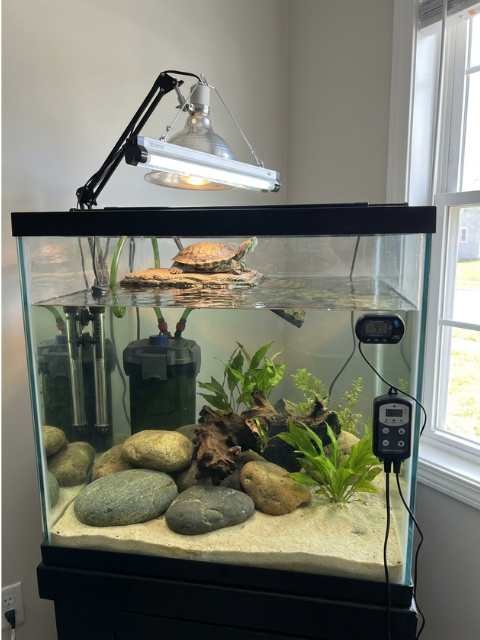
Establishing a highly predictable, written feeding schedule is essential for regulating your turtle’s digestive tract and maintaining pristine aquarium water quality. The best time to feed a turtle is early in the morning, shortly after their habitat lights turn on and they have had a chance to warm their bodies under the basking lamp. A warm turtle has an active metabolism, ensuring they digest their meal quickly and efficiently throughout the daylight hours.
A highly successful adult feeding schedule involves designating specific days for specific macronutrients. For example, you might offer high-quality commercial pellets on Monday, live insects or worms on Thursday, and leave fresh leafy greens floating in the tank for grazing on all the other days. This structured rotation prevents dietary boredom while ensuring a perfect balance of calcium, vitamins, and protein.
How Often Should You Feed Your Pet Turtle?
The exact frequency of your feeding schedule will vary slightly depending on the specific species of pet turtle you are keeping. Highly carnivorous species, like the common snapping turtle or the mud turtle, process protein differently and may require slightly more frequent, smaller meals of live prey to satiate their intense hunting drives. Failing to accommodate their specific predatory needs often leads to extreme aggression and stress within the enclosure.
Conversely, terrestrial box turtles and adult painted turtles lean heavily toward omnivory and herbivory, requiring a much slower, plant-dominant feeding frequency. If you own multiple species, you cannot apply a blanket feeding schedule to all of them; you must tailor the frequency to their evolutionary biology. To cross-reference specific species requirements, you should explore a comprehensive 👉 what do painted turtles eat guide.
How Many Times Should You Feed Your Turtle?
When breaking down how many times do you feed a turtle in a day, you must focus entirely on the age and size of the reptile in question. Hatchlings measuring under two inches in shell length should have their daily food allotment split into two separate, micro-sized meals—one in the morning and one in the late afternoon. This prevents their tiny stomachs from becoming painfully distended while ensuring a constant stream of energy for bone development.
For adult turtles on their scheduled feeding days (every 2-3 days), they should only be fed a single time during that day. Offering multiple meals to an adult on a feeding day is unnecessary and drastically increases the biological waste load on your aquarium’s filtration system. Give them their measured portion once, let them digest, and remove any leftover debris immediately.
Help! How Many Pellets Do I Feed My Turtle a Day
If you find yourself panicking and asking, “how many pellets should I feed my turtle,” the most scientifically accepted measurement strategy is the “Hollow Head Method.” Look closely at your turtle’s head, completely ignoring the length of their neck, and imagine the volume of that head if it were entirely hollow. You should only offer an amount of pellets that would perfectly fit inside that imaginary hollow space.
For an average-sized adult slider, this typically equates to roughly 5 to 10 high-quality commercial pellets, depending on the specific brand’s pellet size. Additionally, you must employ the “15-Minute Rule” as a secondary fail-safe. Drop the measured pellets into the water, and if the turtle has not consumed all of them within 15 minutes, you have offered too many and must physically net out the remaining food to prevent water toxicity.
What Do Most Pet Turtles Eat?
Understanding exactly what does turtle eat at home requires blending commercial convenience with natural, whole-food nutrition. The absolute baseline of any captive diet should be a premium aquatic turtle pellet, which is scientifically fortified with the exact ratios of Vitamin D3 and calcium required to prevent metabolic bone disease. However, relying exclusively on dry pellets is heavily frowned upon by modern exotic veterinarians.
To achieve optimal health, a pet turtle’s diet must be supplemented heavily with dark leafy greens, occasional safe fruits like blueberries, and live protein sources such as earthworms, gut-loaded crickets, and safe feeder fish. Rotating these fresh ingredients mimics the natural foraging diversity they would experience in a wild pond. For an exhaustive breakdown of safe ingredients and toxic foods, review our ultimate 👉 reptile feeding guide.
How Should You Serve Food to Your Turtle?
The physical mechanics of serving food to an aquatic turtle are highly specific because they completely lack the biological ability to produce saliva. This means an aquatic turtle cannot swallow food on dry land; they must physically drag their food into the water to use the aquatic environment to wash the meal down their throats. If you attempt to place pellets on their dry basking dock, you will only frustrate the animal and create a massive mess.
To maintain pristine water quality in your primary display aquarium, many expert keepers utilize a highly effective technique called “tub feeding.” This involves filling a separate, smaller plastic bin with warm tank water and moving the turtle into this bin exclusively for their messy, protein-heavy meals. Once they finish eating and passing waste, you simply return them to their clean aquarium and dump the dirty tub water outside.
🚨 WARNING: Can You Overfeed a Turtle?
Yes, overfeeding is the leading cause of premature death in captive turtles. Because they do not have an “off switch” for hunger, excessive feeding leads directly to:
- Hepatic Lipidosis: A fatal fatty liver disease caused by excess calories.
- Pyramiding: Severe shell deformities where the scutes grow upward into sharp peaks due to excessive protein intake.
- Water Toxicity: Uneaten food rapidly decays into deadly ammonia, burning the turtle’s skin and destroying their immune system.
Do Turtles Eat Grass?
When determining what vegetables do turtles eat, it is important to distinguish between terrestrial tortoises and aquatic turtles. True tortoises are dedicated grazing herbivores that heavily rely on tough, fibrous grasses like Timothy hay and Bermuda grass to keep their digestive tracts functioning. However, if you attempt to feed standard lawn grass to an aquatic slider or painted turtle, they will likely ignore it or suffer from severe intestinal impaction.
Instead of terrestrial grass, aquatic and semi-aquatic turtles require delicate, water-dense vegetation to thrive. Safe and highly recommended leafy greens include dandelion greens, red leaf lettuce, and turnip greens. If you keep terrestrial box turtles, they enjoy a slightly wider variety of terrestrial vegetation and forest floor foraging; you can read more about their specific needs in our guide on 👉 what to feed a box turtle.
| Turtle Age / Stage | Optimal Food Amount | Feeding Frequency |
|---|---|---|
| Hatchling (0-6 Months) | Small pinch (Micro-pellets, tiny insects) | 1 to 2 times every day |
| Juvenile (6 Months – 2 Years) | Size of hollow head | Once every single day |
| Adult (2+ Years) | Size of hollow head | Every 2 to 3 days |
| Gravid Female (Carrying Eggs) | Slightly larger portion + Calcium dusting | Every 1 to 2 days (Monitor closely) |
| Brumating Turtle (Winter) | Zero to minimal food | Stop feeding if temps drop significantly |
The Head Size Rule
Your turtle’s meal of pellets and protein should never exceed the estimated volume of their hollow head. This perfectly calibrates the meal to their stomach size.
Adult Macronutrient Shift
Adult turtles require 70% of their diet to be low-calorie aquatic plants and greens, with only 30% consisting of commercial pellets and animal protein.
Red Eared Slider Portion Size
The Red-Eared Slider is the most commonly kept pet reptile in the world, and unfortunately, it is also the most frequently overfed. Because sliders can grow up to 12 inches in length, their portion sizes must be strictly managed to prevent catastrophic tank fouling. An adult slider should receive roughly a tablespoon of high-quality pellets every three days, supplemented by daily floating greens like water lettuce.
It is vital to note that female sliders grow significantly larger than males, meaning their head-sized portions will naturally be larger. If you are struggling to balance the dietary needs of this specific, highly aggressive feeding species, I strongly recommend reviewing our specialized 👉 red eared slider feeding guide for advanced portion control techniques.
🛒 Best Turtle Food & Feeding Supplies
Providing the exact right amount of food requires utilizing premium products that don’t immediately disintegrate and foul your aquarium water. Here are the top veterinarian-recommended feeding supplies:
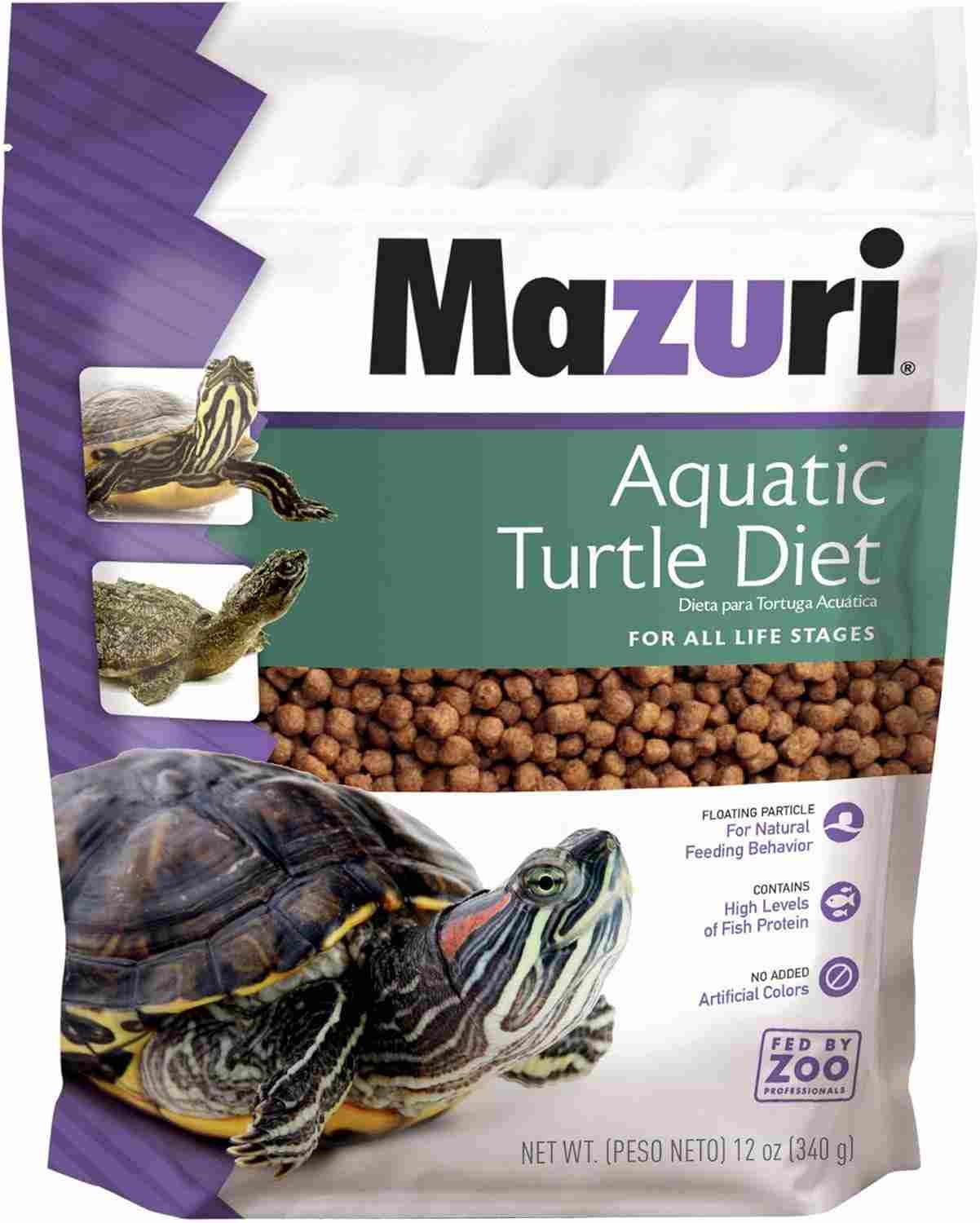
Mazuri Aquatic Turtle Diet
The absolute gold standard in reptile nutrition. These highly digestible, floating pellets prevent water clouding and ensure perfect portion control.
View on Amazon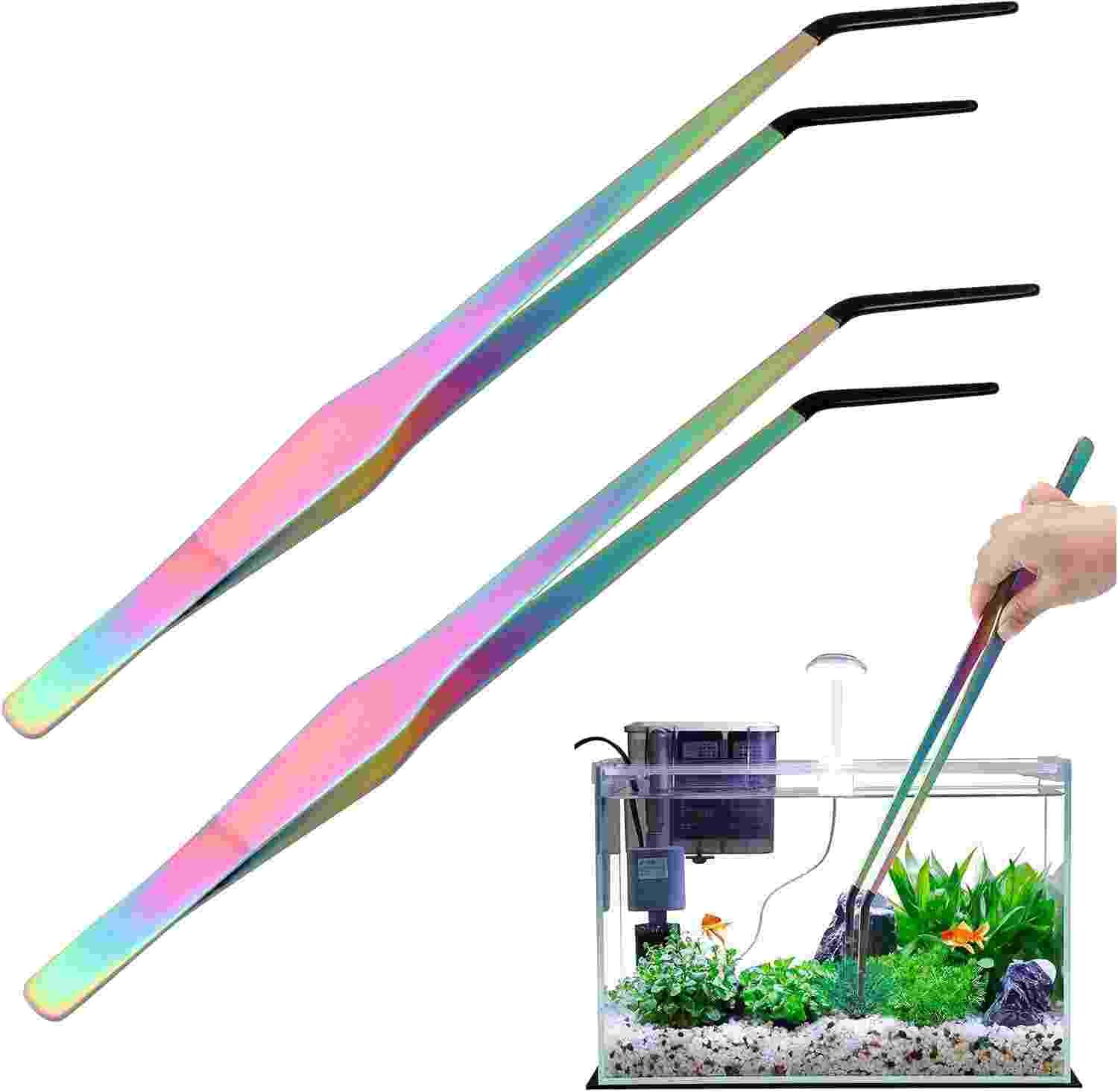
Heavy-Duty Feeding Tongs
Essential for safely offering live insects and avoiding painful bites. 12-inch stainless steel protects your fingers during feeding time.
View on AmazonFor a deeper dive into supplements and lighting equipment, visit our full 👉 nutrition product guide or check out the 👉 best reptile feeding tongs.
Watch: How Much to Feed a Turtle
Visualizing the “Hollow Head Rule” and the “15-Minute Rule” is incredibly helpful for new owners terrified of overfeeding. Watch this comprehensive video guide to see exactly how to measure pellet portions and safely offer live insects using professional tongs.
Vet Recommendations
When determining exact portion sizes, relying on professional veterinary research is non-negotiable. According to top exotic veterinarians published on PetMD and leading husbandry experts at Hepper, the vast majority of captive turtle illnesses stem directly from caloric overload and vitamin A deficiency. Veterinarians universally agree that a lean turtle is a healthy turtle, and owners must resist the urge to feed their pets every time they beg at the glass.
Veterinary experts also stress the critical importance of lighting in the digestion process. Even if you feed your turtle the perfect amount of high-quality food, without access to a high-output UVB bulb and a warm basking dock, their bodies cannot synthesize the calcium required to process the meal, leading directly to metabolic bone disease. Always pair your feeding schedule with immaculate environmental parameters.
📄 Downloadable PDF Resource
Want to keep a hard copy of our feeding charts next to your aquarium? Download our free, printable PDF guide to ensure anyone in your household knows exactly how much to feed your reptile.
Explore More Advanced Pet Health Tools
Do you own other animals besides reptiles? Ensure all of your furry companions are receiving the perfect caloric intake and nutritional balance with our advanced, interactive health calculators:
Access Dog Health Calculators Access Cat Health Calculators💡 Pro Tips for Perfect Feeding
- Feed Based on Size, Not Age: If you have a stunted older turtle, feed it based on its current head size, not the amount recommended for its age bracket.
- Use the 15-Minute Rule: Never leave pellets floating in the tank all day. If they haven’t eaten it in 15 minutes, remove it immediately to save your water filter.
- Check for Obesity: Look at the skin around their back legs. If it billows out like a muffin top when they pull into their shell, you need to cut their food portions in half.
⚠️ Educational Disclaimer & Cautions
The feeding amounts outlined in this guide are general parameters designed for healthy, standard-sized pet turtles. If your turtle is sick, gravid (carrying eggs), or recovering from metabolic bone disease, their dietary needs will change drastically. Always consult with a licensed exotic veterinarian if you suspect your turtle is suffering from the effects of a poor diet or chronic overfeeding. Use our 👉 reptile health symptom checker for early warning signs.
FAQ Section
How much should you feed a turtle per day?
You should feed an adult turtle an amount of food roughly the size of their hollow head, excluding the neck. Juveniles require this amount daily to support rapid growth, while mature adults only need this exact portion every two to three days to prevent dangerous captive obesity.
How many pellets should I feed my turtle?
The exact number depends entirely on the size of the pellet and the physical size of the turtle. Generally, you should offer 5 to 10 high-quality pellets per meal, ensuring the total volume does not exceed the size of the turtle’s head. Apply the 15-minute rule to ensure you aren’t overfeeding.
What vegetables do turtles eat?
Most pet turtles, especially adults, thrive on dark, nutrient-dense leafy greens. Safe vegetables include dandelion greens, romaine lettuce, collard greens, and mustard greens. Aquatic turtles also benefit heavily from grazing on floating aquatic plants like duckweed, hornwort, and water hyacinth.
Conclusion
Mastering exactly how much to feed a turtle is a delicate balancing act that requires discipline, observation, and a deep understanding of reptilian biology. By strictly adhering to the “Hollow Head Method” and restricting adult feedings to every two to three days, you effectively eliminate the devastating risks of captive obesity, fatty liver disease, and severe water toxicity. Remember, a turtle begging at the glass is not starving; it is simply exhibiting opportunistic survival instincts.
Ultimately, providing the perfect portion size is only one piece of the complex husbandry puzzle. Your commitment to maintaining pristine water conditions, replacing UVB bulbs regularly, and rotating their fresh food options will guarantee your prehistoric pet lives a vibrant, healthy life for decades to come. To expand your knowledge on building the perfect menu for your specific species, be sure to explore our ultimate guide on 👉 what do turtles eat.
Further Reading for Specific Species:
1 thought on “How Much Should You Feed a Turtle? Daily Feeding Amount Guide”