
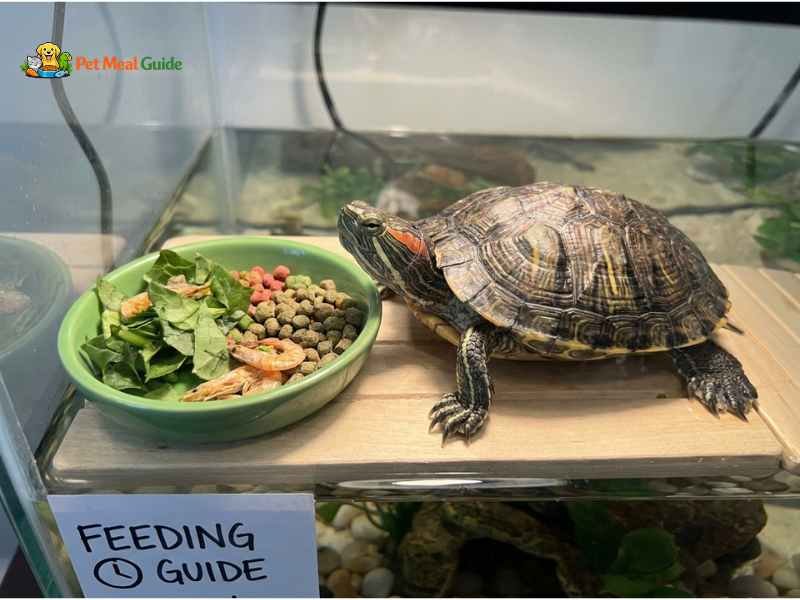
Red Eared Slider Feeding & Care Guide
What to Feed Red Eared Slider Turtles?
Red-eared sliders are omnivores. Juveniles need more protein like insects and fish, while adults prefer plant-based foods such as leafy greens and aquatic vegetation. A balanced diet includes pellets, vegetables, protein foods, and calcium sources.
Dietary Breakdown:
- Juveniles: 60–70% protein, 30–40% plants
- Adults: 60–70% plants, 30–40% protein
- Staple Diet: Commercial aquatic turtle pellets
- Feeding Rule: Must eat their food completely submerged in water
Determining exactly what to feed red eared slider turtles is the most critical component of ensuring your aquatic pet thrives in a captive environment. Many beginner hobbyists make the mistake of assuming these resilient reptiles can survive solely on cheap, generic pet store flakes. However, proper red eared slider turtle feeding requires a meticulous understanding of their shifting, omnivorous nutritional requirements as they age from hyperactive hatchlings into mature, slower-moving adults.
As a professional reptile nutrition expert, I have witnessed countless sliders suffer from entirely preventable metabolic bone diseases and vitamin deficiencies due to improper meal planning. To set a proper foundation, it is incredibly helpful to first explore the broader concepts of 👉 what do turtles eat across various species. In this exhaustive, science-backed guide, we will break down the exact food lists, establish rigorous feeding schedules, and highlight the severe medical risks associated with poor dietary management.
Read Detailed Buying Guide:
Red-Eared Slider Turtle (Trachemys scripta elegans)
The Red-Eared Slider (Trachemys scripta elegans) is arguably the most recognizable and widely kept aquatic turtle species in the entire world. Native to the warm, slow-moving rivers, marshes, and ponds of the southern United States—particularly surrounding the Mississippi River—these highly adaptable reptiles thrive in habitats rich with dense underwater vegetation. In the wild, their environment dictates a highly opportunistic diet, meaning they will voraciously consume whatever edible flora or fauna they can successfully catch or scavenge.
Because of their incredibly vibrant juvenile coloration and relatively low purchase cost, they have surged in popularity as household pets globally. Unfortunately, this massive popularity often overshadows the complex reality of their long-term care requirements and dietary needs. If owners fail to replicate the vast biological diversity of their native marshlands through a varied, carefully curated captive diet, these magnificent creatures suffer from stunted growth and compromised immune systems.
👉 How Much Should You Feed a Turtle
👉 What Do Sea Turtles Eat
Characteristics & Behavior
Understanding the natural behavioral quirks of the red-eared slider is essential for managing their feeding routines effectively. These turtles are primarily diurnal, meaning they are highly active during the daylight hours, dividing their time between actively hunting in the water column and intensely basking on dry logs to absorb ultraviolet radiation. Their metabolism is entirely ectothermic; they rely on environmental heat to digest their food, meaning a cold turtle will simply refuse to eat, regardless of how appetizing the meal is.
One of the most famous—and problematic—behavioral traits of this species is their aggressive “begging” routine. When a red-eared slider associates their human owner with food, they will splash violently at the glass of the aquarium every time someone walks into the room, feigning absolute starvation. Owners must possess the discipline to ignore this begging behavior; yielding to their demands inevitably leads to massive overfeeding, resulting in dangerous captive obesity and fatal organ failure.
Red Eared Slider Turtle Head, Size, Lifespan
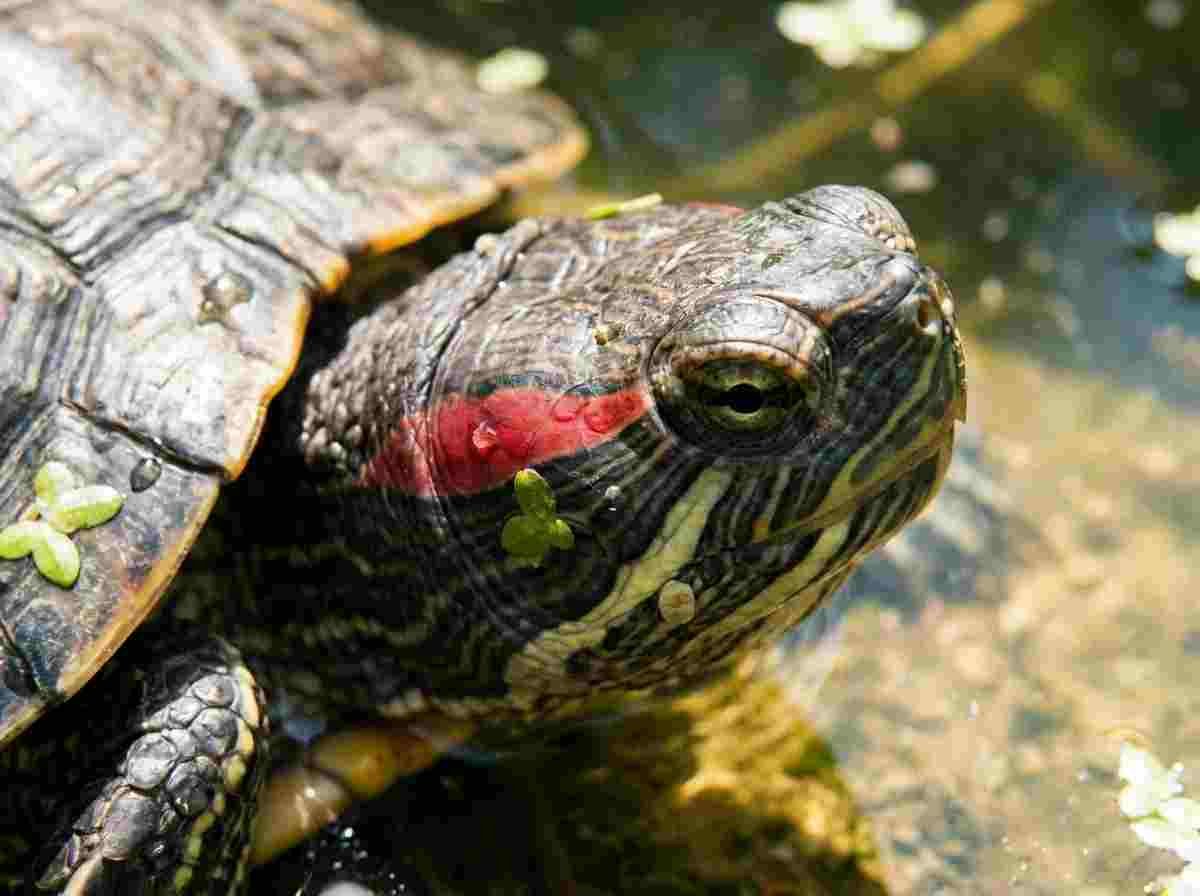
The most defining physical characteristic of this species is the brilliant, crimson-red stripe located directly behind each eye on the sides of their heads. While they are sold as tiny, quarter-sized hatchlings that look incredibly fragile, these reptiles undergo massive growth spurts during their first few years of life if fed a high-protein diet. An adult female red-eared slider can reach a staggering 10 to 12 inches in shell length, requiring an absolutely massive aquatic enclosure to swim comfortably.
Furthermore, taking on a red-eared slider is an incredible, multi-decade commitment that heavily relies on sustained, high-quality nutritional support. When provided with an impeccable diet, crystal-clear water, and proper veterinary care, a captive red-eared slider has an impressive lifespan that frequently exceeds 30 to 40 years. Therefore, establishing a reliable, financially sustainable feeding schedule early on is absolutely vital for both the animal’s longevity and the owner’s peace of mind.
Determining Sex and Breeding
As your red-eared slider approaches sexual maturity, which typically occurs between two and five years of age depending on their dietary protein intake, distinct physical dimorphisms become apparent. Males are generally much smaller than females, possessing incredibly long, specialized front claws used to stroke the female’s face during their elaborate courtship dance. Additionally, males have a noticeably thicker, longer tail, with the cloaca positioned further away from the edge of the shell compared to females.
If you house males and females together, breeding behavior is almost guaranteed, which drastically alters the nutritional demands placed on the female. A gravid (egg-carrying) female requires a massive spike in dietary calcium and vitamin D3 to properly form the eggshells without draining the calcium reserves directly from her own bones. Failure to provide this specialized diet during the breeding season frequently results in egg-binding, a potentially fatal condition requiring immediate surgical intervention.
Housing Requirements
Before you even begin to worry about what should I feed my red eared slider turtle, you must ensure their physical environment is biologically capable of supporting their digestive processes. Adult sliders produce an extraordinary amount of biological waste, requiring a minimum of a 100-gallon aquarium equipped with a heavy-duty external canister filter to prevent the water from becoming a toxic ammonia trap. Poor water quality directly suppresses their appetite, leading to severe lethargy and secondary bacterial infections.
Equally critical to their aquatic space is the provision of a completely dry, easily accessible basking platform located directly beneath specialized lighting. Turtles require a heat lamp to raise their core body temperature for digestion, paired with a high-output UVB bulb that allows them to synthesize Vitamin D3, the hormone responsible for absorbing dietary calcium. For a complete breakdown of specific bulb wattages and thermal gradients, please consult our dedicated 👉 temperature and lighting guide.
Red Eared Slider Diet and Nutrition
The absolute foundation of feeding a red eared slider turtle lies in mimicking the shifting macronutrient ratios they would naturally experience throughout their lifecycle in the wild. While their dietary foundation should consist of a premium, scientifically formulated aquatic turtle pellet, relying on pellets alone is highly discouraged by modern exotic veterinarians. A truly holistic diet integrates fresh, dark leafy greens, safe aquatic vegetation like duckweed, and varied sources of lean animal protein to ensure they receive a full spectrum of natural vitamins.
A major challenge in captive husbandry is convincing older, stubborn sliders to transition away from a strictly carnivorous diet to the plant-heavy diet they require in adulthood. Owners must employ tactics such as fasting the turtle for a day to increase their appetite, then introducing highly palatable greens like red leaf lettuce or dandelion greens before offering any protein. If you are struggling with this transition, cross-referencing tactics in a comprehensive 👉 reptile feeding guide can provide invaluable behavioral strategies to encourage herbivory.
Juvenile Diet (Under 2 Years)
Focus on heavy protein intake for rapid shell ossification and bone density development.
Adult Diet (Over 2 Years)
Focus on leafy greens and vegetation to manage slow metabolism and prevent obesity.
Diet Chart
To successfully manage your turtle’s complex nutritional needs over the course of an entire month, utilizing a structured, easily readable diet chart is an absolute necessity. The table below outlines the ideal food categories, their specific biological benefits, and how frequently they should be incorporated into your adult red-eared slider’s feeding rotation. Strict adherence to this balanced chart actively prevents the most common captive nutritional diseases.
It is important to remember that this chart is designed for adult turtles; hatchlings and juveniles will require a modified version that leans heavily toward daily protein offerings. Always adjust these frequency recommendations based on your individual turtle’s body condition score, ensuring their shell remains streamlined and they do not develop bulging fat pockets around their legs.
| Food Item | Dietary Type | Nutritional Benefits | Recommended Frequency |
|---|---|---|---|
| Premium Turtle Pellets | Complete Base | Fortified with D3, Calcium, essential trace minerals | 2 to 3 times per week |
| Dandelion & Collard Greens | Vegetation | High in Vitamin A (prevents eye swelling), high fiber | Daily / Keep available constantly |
| Earthworms & Dubia Roaches | Live Protein | Lean muscle growth, excellent hunting enrichment | Once a week |
| Duckweed & Water Hyacinth | Aquatic Plants | Replicates natural foraging, smooth digestion | Always floating in the tank |
| Crickets & Mealworms | Insect Protein | Chitin for roughage, mental stimulation | Once every two weeks |
Vegetables for Red Eared Sliders
Because adult red-eared sliders require a diet consisting of roughly 70% plant matter, knowing exactly which vegetables are safe and beneficial is critical for their survival. The absolute best vegetables you can provide are dark, leafy greens such as romaine lettuce, dandelion greens, turnip greens, and mustard greens. These specific vegetables are packed with beta-carotene, which the turtle’s body synthesizes into Vitamin A, a nutrient absolutely essential for maintaining clear eyes and a healthy respiratory tract.
However, not all vegetables found in your refrigerator are safe for reptile consumption; some can actually cause severe harm over time. You must strictly avoid feeding your turtle iceberg lettuce, as it contains zero nutritional value and can cause severe diarrhea. Furthermore, avoid oxalate-rich greens like spinach, rhubarb, and parsley, as oxalates actively bind to dietary calcium in the stomach, rendering it useless and eventually triggering severe metabolic bone disease.
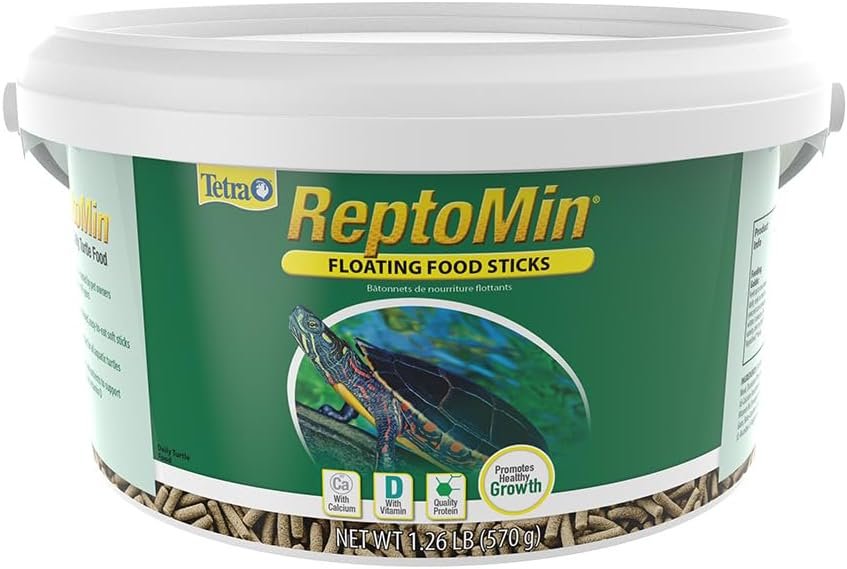
Premium Aquatic Turtle Pellets
Formulated for captive freshwater species, providing essential calcium and vitamins for strong shell growth.
View on Amazon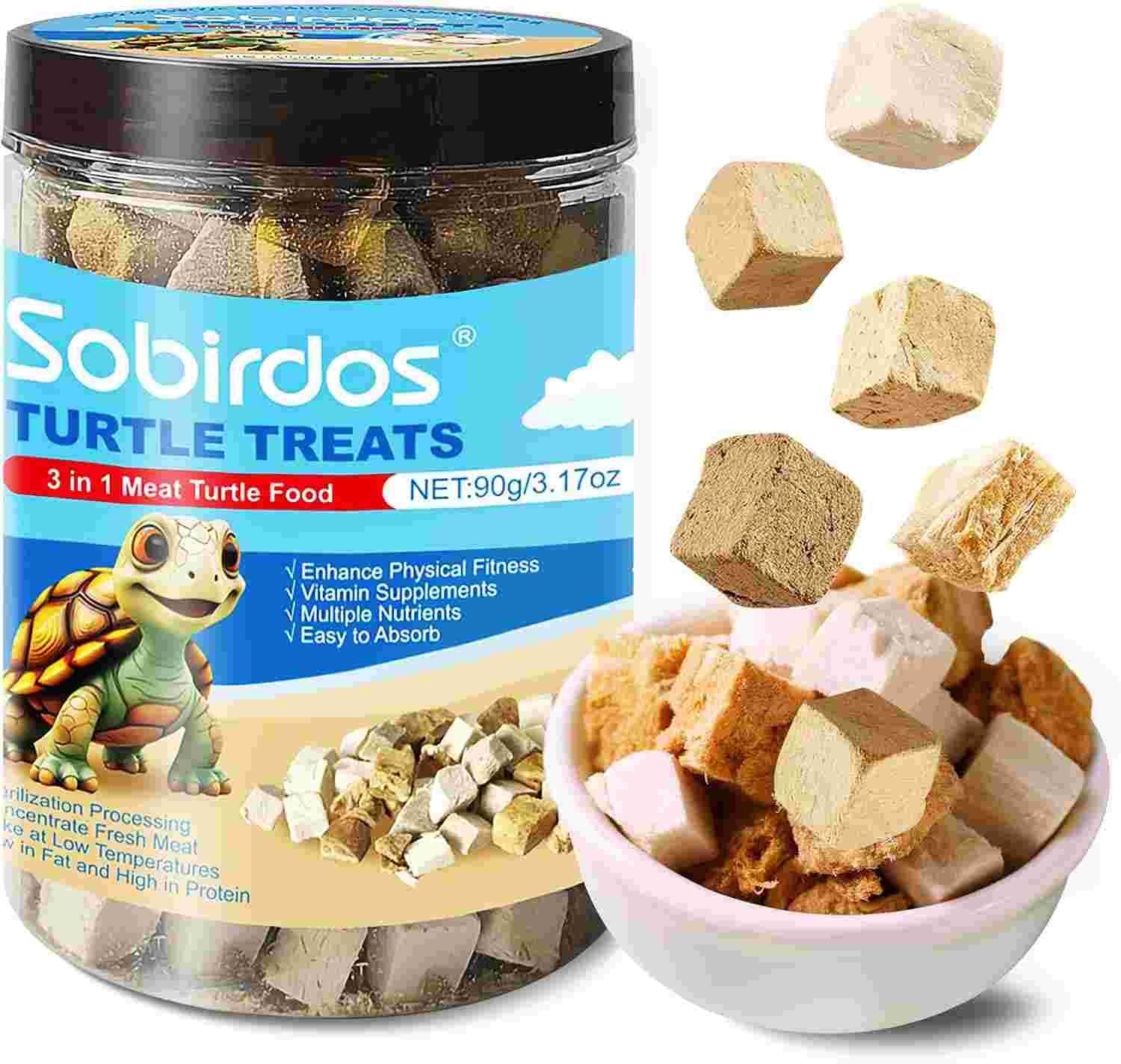
Dried Shrimp Protein Treats
An excellent supplementary protein source for captive aquatic turtles, mimicking wild crustacean foraging.
View on Amazon
Aquatic Calcium Block
Slow-release calcium supplements essential for preventing metabolic bone disease in captive environments.
View on AmazonProtein Foods for Red Eared Sliders

Animal protein provides the essential amino acids required for muscle repair, organ function, and sustained energy levels. The safest and most biologically appropriate protein sources include farm-raised earthworms, bloodworms, and gut-loaded dubia roaches, all of which provide highly digestible meat without excessive fat content. You can also offer small, live feeder fish like guppies or platies, which provide an incredible source of hunting enrichment and calcium from their tiny bones.
You must exercise extreme caution when selecting live prey, completely avoiding goldfish and rosy red minnows, as these species contain a dangerous enzyme called thiaminase that destroys Vitamin B1 and causes fatal neurological damage. To ensure you are only offering parasite-free, nutritionally optimal bugs to your slider, I highly recommend reviewing our comprehensive guide on the 👉 best feeder insects for reptiles before visiting your local pet store.
Pellets for Red Eared Sliders
While fresh greens and live prey are excellent, commercial turtle pellets should still act as the reliable staple base of their diet, bridging any nutritional gaps you might accidentally create with fresh foods. High-quality pellets manufactured by reputable brands like Zoo Med, Mazuri, or Tetra are specifically formulated by exotic animal nutritionists to contain exact ratios of calcium-to-phosphorus and synthesized Vitamin D3. These pellets are designed to float on the water’s surface, mimicking the natural feeding behavior of the slider.
When selecting a pellet, it is vital to read the ingredient label; the first ingredient should always be a high-quality whole fish meal or whole insect meal, rather than cheap corn or wheat fillers. Because the market is flooded with subpar commercial foods, choosing the right brand can be overwhelming for beginners. To make an informed decision, take a moment to explore our detailed 👉 reptile nutrition product guide to find the best options available today.
Feeding Schedule
Establishing a highly regimented red eared slider turtle feeding schedule is the most effective way to prevent the chronic water quality issues and obesity that plague captive setups. For hatchlings and juveniles under two years of age, their hyperactive metabolisms demand that you feed them one meal every single day. During this daily feeding, offer only the amount of food they can actively consume within a 10 to 15-minute window; any food left floating after this period must be netted out immediately.
Once the turtle reaches maturity, their physical growth slows down immensely, and feeding them daily will rapidly lead to dangerous visceral fat buildup. An adult red-eared slider should only be fed a substantial meal of pellets and protein once every two to three days, while fresh leafy greens can be left floating in the tank on a daily basis for them to graze on casually. Always practice strict portion control, utilizing the “head-size rule”: the volume of food offered per meal should roughly equal the size of the turtle’s hollow head.
How Often to Feed a Red Eared Slider Turtle
Understanding exactly how often to feed a red eared slider turtle requires an owner to be deeply attuned to the animal’s life stage and environmental factors like seasonal temperature changes. As a general rule of thumb, if your turtle is actively shedding its scutes (the plates on its shell) or appears highly active, it is processing food efficiently and should remain on its standard schedule. However, if the ambient room temperature drops during the winter months, their metabolism will naturally slow, requiring you to reduce feeding frequency to prevent food from rotting in their digestive tract.
To summarize the definitive frequency guidelines: feed babies (under 1 year) once daily with heavy protein; feed juveniles (1-2 years) every other day balancing protein and plants; feed adults (over 2 years) every two to three days prioritizing vegetables. If you ever notice the skin around your turtle’s legs billowing out and restricting their ability to fully pull into their shell, you are feeding them far too often and must immediately adjust the schedule to initiate weight loss.
Watch: Red Eared Slider Feeding Guide
Visualizing the proper portion sizes, feeding techniques, and water management strategies is incredibly beneficial for ensuring you do not overfeed your aquatic pet. Watch this comprehensive video guide to see exactly how to offer live insects and pellets safely in a captive aquatic environment.
Best Food & Supplies
To properly manage your red-eared slider’s diet over the long haul, you must equip yourself with a few vital pieces of husbandry hardware and nutritional supplements. In addition to premium floating pellets, you must purchase a high-quality, phosphorus-free calcium powder. Because sliders must eat underwater, dusting their food can be tricky; therefore, it is best to dust live insects right before dropping them into the tank, or use specialized calcium blocks that slowly dissolve in the water column.
Furthermore, human safety should never be overlooked when feeding aggressive aquatic predators. Sliders strike at their food with lightning speed and possess a sharp, beak-like jaw capable of delivering a highly painful, bleeding bite to unsuspecting fingers. To safely offer live worms or feeder insects, it is mandatory that you invest in long, stainless steel tweezers; you can find excellent recommendations in our guide to the 👉 best reptile feeding tongs.
Explore More Pet Care Tools
Ensure all of your household pets are receiving the perfect nutritional balance with our advanced, interactive health calculators:
Dog Health Calculators Cat Health CalculatorsHealth and Medical Concerns
Dietary mismanagement is the root cause of almost every severe medical emergency seen by exotic veterinarians treating red-eared sliders. The most visually distressing condition is shell rot, a bacterial or fungal infection that eats away at the shell’s keratin, which is almost always triggered by poor water quality resulting from chronic overfeeding and rotting leftovers. Additionally, a diet lacking in calcium and UVB lighting leads to Metabolic Bone Disease (MBD), causing the shell to become soft, deformed, and permanently crippled.
Another incredibly common ailment is hypovitaminosis A (Vitamin A deficiency), which occurs when owners feed their turtles exclusively on dried shrimp or cheap meat. This deficiency causes the turtle’s eyelids to swell shut entirely, blinding them and leading to secondary respiratory infections that can be fatal within weeks. If your slider exhibits lethargy, swollen eyes, a soft shell, or refuses to eat, use our 👉 reptile health symptom checker immediately to assess the severity before rushing to a vet.
Vet Recommendations
The advice provided in this feeding guide is strictly aligned with the medical consensus of top-tier exotic animal veterinarians and herpetologists worldwide. Veterinary science has evolved significantly over the past two decades, definitively proving that the traditional “all-meat” diets pushed by early pet stores are highly toxic and drastically reduce the lifespan of aquatic turtles. Modern veterinary professionals universally emphasize a varied, plant-heavy adult diet combined with impeccable water filtration.
For further peer-reviewed literature, advanced husbandry data, and professional medical care sheets, I highly recommend consulting the following trusted veterinary and herpetological resources:
- LafeberVet: Basic Information on the Red-Eared Slider
- Reptiles Magazine: Expert Red-Eared Slider Care Sheet
- AZEAH: Basic Veterinary Care for Red-Eared Sliders
💡 Pro Tips for Feeding Success
- Always Feed in Water: Sliders lack saliva and physically cannot swallow food on dry land. Placing food on their basking dock will only cause frustration.
- Use a Feeding Tub: To keep your main display tank crystal clear, move the turtle to a smaller, separate plastic tub filled with tank water just for meal times.
- Remove Leftovers: Never let uneaten pellets rot in the tank. Net them out after 15 minutes to prevent deadly ammonia spikes.
⚠️ WARNING & DISCLAIMER: Foods to Avoid
Feeding your red-eared slider inappropriate items can result in immediate gastrointestinal blockages or fatal toxicity. You must absolutely avoid:
- Processed Human Foods: Hot dogs, lunch meats, and seasoned chicken contain lethal amounts of sodium and preservatives.
- Bread and Dairy: Turtles lack the enzymes to digest lactose or complex carbohydrates; these will cause severe, painful bloating.
- Wild-Caught Insects: Bugs caught in your backyard may carry dangerous parasites or lethal agricultural pesticides.
Educational Disclaimer: This article is for informational purposes only. Always consult with a licensed exotic veterinarian regarding specific health concerns for your pet.
FAQ Section
What do baby red eared sliders eat?
Baby red-eared sliders are highly carnivorous and require a diet consisting of 70% animal protein. They should eat small live insects like bloodworms, chopped earthworms, small feeder fish, and specialized high-protein hatchling pellets to support rapid skeletal and shell growth. Vegetation should be offered, but they will primarily focus on meat.
How often should I feed my turtle?
Feeding frequency depends strictly on the turtle’s age. Juvenile red-eared sliders (under 1-2 years old) should be fed once every single day. Once they reach adulthood (typically around 2 to 3 years of age), their metabolism slows down significantly, and they should only be fed a substantial meal once every two to three days to prevent dangerous captive obesity.
Can red eared sliders eat fruits?
Yes, red-eared sliders can eat fruits, but they should only be offered as a very rare treat. Safe options include small, bite-sized pieces of apples, melons, and berries. However, fruits should make up less than 5% of their total diet, as excess sugar cannot be processed easily by their digestive tracts and will cause severe intestinal upset and diarrhea.
Conclusion
Mastering the complexities of red eared slider turtle feeding is a deeply rewarding process that guarantees your prehistoric pet will thrive, swim actively, and display vibrant colors for decades to come. By strictly adhering to the dietary breakdowns, prioritizing high-quality commercial pellets, and transitioning to a heavily plant-based diet in adulthood, you actively shield your turtle from the most devastating nutritional diseases. Always remember that a balanced diet is only half the battle; impeccable water quality and precise UVB lighting are equally critical for their biological success.
Ultimately, becoming a responsible aquatic turtle owner requires a commitment to continuous education and a willingness to adjust your husbandry practices as the animal matures. If you are looking to expand your knowledge regarding other cold-blooded pets, or need help formulating meal plans for different species in your collection, be sure to bookmark our ultimate 👉 reptile feeding guide. With patience, discipline, and high-quality ingredients, your red-eared slider will remain a healthy, fascinating focal point of your home.
1 thought on “Red Eared Slider Feeding Guide: What to Feed and How Often”