
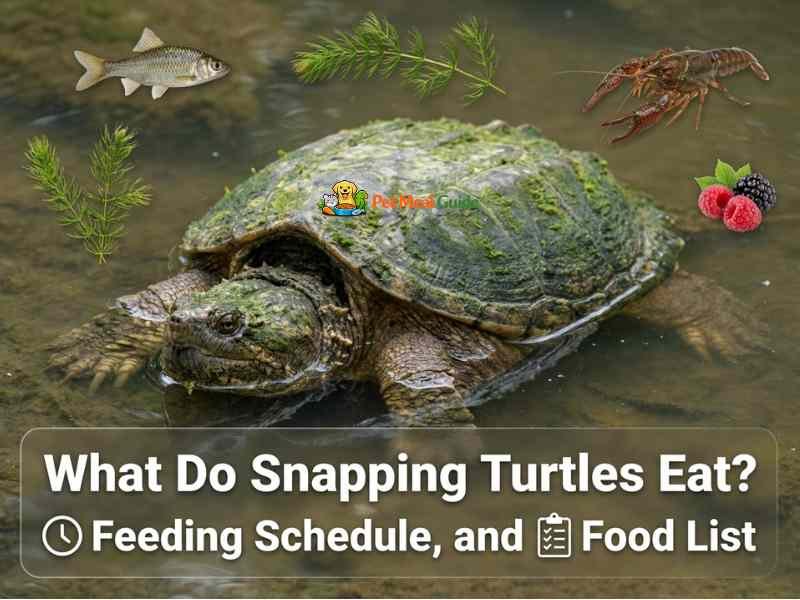
What Do Snapping Turtles Eat? Wild vs Pet Diet Guide
What Do Snapping Turtles Eat?
Snapping turtles are opportunistic omnivores. In the wild, they eat fish, insects, amphibians, small animals, aquatic plants, and even decaying matter. In captivity, they thrive on a balanced mix of protein foods, vegetables, and commercial turtle pellets.
Dietary Breakdown:
- 60–70% protein (fish, worms, insects)
- 20–30% plants (aquatic greens, algae)
- Occasional fruits (less than 10%)
Understanding what to feed a snapping turtle is the most critical aspect of keeping these prehistoric reptiles healthy and active. Whether you have recently rescued a hatchling or are managing a fully grown adult, proper snapping turtle feeding requires mimicking their highly varied, opportunistic natural diet. Many beginners assume these animals only require meat, but offering a purely carnivorous diet often leads to severe nutritional deficiencies over time.
As a professional reptile nutrition researcher, I have seen countless health issues arise from improper husbandry and feeding practices. In this comprehensive guide, we will outline exactly how to build the perfect meal plan for your reptile, establish a reliable feeding schedule, and review the safest food lists available. Before long, you will understand exactly how to balance live prey, commercial pellets, and fresh greens to ensure your turtle lives a long, thriving life.
Read Detailed Buying Guide:
What Are Snapping Turtles?
Snapping turtles are large, freshwater reptiles native to North and Central America, characterized by their powerful, beak-like jaws and rugged, spiked shells. These aquatic creatures belong to the family Chelydridae, which is primarily split into two well-known species: the Common Snapping Turtle (Chelydra serpentina) and the massive Alligator Snapping Turtle (Macrochelys temminckii). They are highly adapted predators that spend the vast majority of their lives submerged in slow-moving, heavily vegetated bodies of water.
Behaviorally, these turtles are ambush predators that rely on stealth and camouflage rather than speed to secure their next meal. They bury themselves in the muddy bottoms of ponds, lakes, and shallow rivers, waiting patiently for fish, amphibians, or invertebrates to swim past their open mouths. Because of this sedentary lifestyle, their biological metabolism is incredibly efficient, making proper dietary management essential to prevent captive obesity.
What Do Snapping Turtles Eat in the Wild and at Home
In their natural wetland habitats, wild snapping turtles are the ultimate opportunistic scavengers and apex predators. If you are wondering what do turtles eat in the wild, snapping turtles consume a massive variety of live fish, frogs, crayfish, snakes, aquatic birds, and even small mammals that venture too close to the water’s edge. Additionally, they consume a significant amount of aquatic vegetation, algae, and decaying organic matter, which helps regulate their digestive tracts.
Conversely, feeding a snapping turtle at home requires a structured, easily measurable approach to replicate this wild diversity without introducing dangerous parasites. In captivity, owners must rely on high-quality commercial diets, parasite-free feeder insects, farm-raised fish, and dark leafy greens. Balancing this captive diet ensures that the animal receives adequate calcium, phosphorus, and vitamin D3 without the risk of disease commonly found in wild-caught prey.
Snapping Turtle Diet Explained
The core of any snapping turtle diet revolves around achieving the correct macronutrient balance, which shifts dramatically as the animal ages from a hatchling to a mature adult. While young turtles are highly carnivorous to fuel their rapid shell and bone development, adult snapping turtles become increasingly omnivorous, relying far more on plant matter. Maintaining an approximate ratio of 60% to 70% lean protein, 20% to 30% aquatic plants or vegetables, and a minimal amount of fruit is the gold standard for adult care.
Furthermore, seasonal variations play a vital role in what to feed snapping turtles throughout the calendar year. In the wild, as temperatures drop, a snapping turtle’s metabolism slows down significantly, meaning they require far fewer calories during the autumn and winter months. Even in temperature-controlled captive environments, owners should slightly reduce feeding frequencies during the winter to mimic this natural biological rhythm and prevent fatty liver disease.
Baby Snapping Turtle Diet
When determining exactly what to feed baby turtles, it is crucial to recognize that hatchlings possess wildly different metabolic demands than their adult counterparts. A baby snapping turtle diet must be extremely rich in protein and calcium to support the rapid ossification of their shells and the structural growth of their skeletons. During their first year of life, their meals should consist of roughly 80% to 90% animal protein, utilizing micro-sized foods that easily fit into their tiny mouths.
For feeding frequency, baby snapping turtles must be fed once every single day, receiving only as much food as they can actively consume within a ten-minute window. Ideal staple foods for these juveniles include bloodworms, small crickets, guppies, and high-calcium hatchling turtle pellets. Introducing small, floating aquatic plants like duckweed early on is also highly recommended, as it encourages them to develop an acquired taste for the vegetation they will need later in life.
Best Protein Foods for Snapping Turtles
Protein is the absolute foundational building block of a healthy snapping turtle, but not all protein sources offer the same nutritional value or safety profile. The best protein food include a varied rotation of live, farm-raised feeder fish such as guppies, platies, and mosquito fish. You should strictly avoid feeding goldfish or rosy red minnows, as these species contain thiaminase, an enzyme that actively destroys vitamin B1 and causes severe neurological issues in reptiles.
In addition to safe fish, high-quality invertebrates are spectacular sources of lean protein and essential minerals. You can heavily rely on earthworms, nightcrawlers, dubia roaches, and aquatic snails to round out their meaty requirements. If you are looking to expand their diet, reviewing a guide on the best feeder insects will help you identify bugs that have superior calcium-to-phosphorus ratios, ensuring optimal skeletal health.
| Food Item | Dietary Type | Nutritional Benefits | Recommended Frequency |
|---|---|---|---|
| Guppies & Platies | Protein (Live Prey) | Excellent lean protein, hunting enrichment, calcium from bones | 2–3x / week |
| Earthworms | Protein (Invertebrate) | High moisture, excellent calcium-to-phosphorus ratio | 1–2x / week |
| Commercial Pellets | Complete Nutrition | Fortified with Vitamin D3, calcium, and essential vitamins | Staple (3x / week) |
| Duckweed / Water Lettuce | Vegetation | High in fiber, vitamins, aids in smooth digestion | Keep available at all times |
| Blueberries / Melon | Fruit (Treat) | Antioxidants, hydration, mental enrichment | 1x / month (Sparingly) |
👉 How Much Should You Feed a Turtle
👉 What Do Sea Turtles Eat
👉 Red Eared Slider Feeding Guide
👉 What Do Painted Turtles Eat
What to Feed a Snapping Turtle in Captivity
When figuring out what do you feed a snapping turtle in a closed, captive environment, relying on a premium commercial turtle pellet should form the bedrock of your nutritional strategy. High-quality pellets manufactured by reputable aquatic brands are scientifically formulated to provide the exact balance of vitamins and trace minerals that are difficult to replicate with fresh foods alone. However, pellets should never make up 100% of the diet; they should serve as a base, supplemented heavily by fresh, whole foods.
To keep the turtle mentally stimulated and physically healthy, feeding a snapping turtle should involve rotating their fresh food options weekly. You can drop in safe aquatic plants like water hyacinth, anacharis, and hornwort, which the turtle will graze on throughout the day. Combining these floating plants with weekly offerings of live worms or safe feeder fish ensures your captive reptile receives a rich, biologically appropriate diet that prevents food fatigue.
Explore More Pet Health Tools
Ensure all your household pets stay in peak condition with our easy-to-use nutritional calculators:
Dog Calculators Cat CalculatorsFeeding Schedule for Snapping Turtles
Establishing a strict, predictable feeding schedule is arguably just as important as the food items you actually provide. As previously mentioned, hatchlings and juvenile turtles up to one year of age require daily feeding sessions to fuel their exponential growth spurts. Once the turtle reaches the juvenile stage (between one and three years old), you should gradually transition their feeding schedule to every other day, monitoring their weight and shell health closely to ensure they remain lean.
For fully mature adults, overfeeding is the leading cause of premature death in captivity due to organ failure and obesity. An adult snapping turtle should only be fed substantial meals two to three times per week. A great portion control rule of thumb is to offer an amount of food roughly the size of the turtle’s head. This prevents excessive waste from fouling the tank water while ensuring the animal digests its meals thoroughly before the next feeding.
What Can I Feed a Snapping Turtle From Home?
If you run out of commercial pellets or feeder insects, you might wonder, what can I feed a snapping turtle directly from my kitchen pantry or refrigerator? Fortunately, snapping turtles can safely consume a variety of unseasoned, raw household vegetables. Excellent home-sourced options include dark, leafy greens like romaine lettuce, collard greens, dandelion greens, and shredded carrots, which provide excellent vitamin A essential for their eye health.
In terms of protein found at home, you can occasionally offer small pieces of raw, unseasoned lean meats like plain chicken breast or safe, unflavored fish filets (like tilapia or salmon). However, these human-grade meats lack the crucial bones and organs found in whole prey, meaning they are very poor in calcium. Therefore, home-sourced meats should only be used as a rare, emergency substitute rather than a staple part of their weekly routine.
⚠️ WARNING: Foods to Avoid
Never feed your snapping turtle processed human foods, as their digestive systems cannot process complex carbohydrates, refined sugars, or dairy products. Specifically, you must avoid:
- Bread and Crackers: Causes severe intestinal blockages and massive water fouling.
- Hot Dogs & Processed Meats: Dangerously high in sodium and toxic preservatives.
- Spinach and Rhubarb: Contain high levels of oxalates, which actively bind to calcium and trigger Metabolic Bone Disease (MBD).
- Goldfish & Minnows: Contain thiaminase, which destroys essential B-vitamins and causes fatal neurological damage.
Are Snapping Turtles Dangerous?
It is impossible to discuss caring for these animals without addressing the question: are snapping turtles dangerous? The reality is that these reptiles possess incredibly powerful, sheer-like jaws capable of delivering devastating bites that can easily amputate human fingers or cause deep tissue lacerations. Furthermore, common snapping turtles have incredibly long, flexible necks that allow them to strike backward over their own shells with lightning speed.
Despite their fearsome reputation, snapping turtles are generally not aggressive unless they feel trapped, threatened, or are removed from their aquatic environment. When completely submerged in water, they are incredibly docile and prefer to swim away from humans rather than attack. However, when placed on dry land, their defensive instincts take over entirely, making safe handling with proper equipment and technique absolutely mandatory for owners.
Where Do Snapping Turtles Live?
In the wild, snapping turtles have a massive geographic range, thriving across the eastern and central United States, stretching from southern Canada all the way down to Florida and into parts of Central America. They heavily favor freshwater environments with muddy bottoms, dense vegetation, and slow-moving currents, such as swamps, marshes, bogs, and the shallow edges of lakes and rivers. These muddy bottoms allow them to bury themselves for camouflage and brumation during the winter.
Replicating this habitat in captivity requires massive aquariums or outdoor ponds equipped with heavy-duty filtration systems, as these turtles produce a massive amount of biological waste. They also require access to a dry basking dock equipped with proper UVB lighting and heat lamps to regulate their body temperature. For a complete breakdown on setting up these parameters, you should consult a proper temperature and lighting guide to prevent metabolic illnesses.
Do Snapping Turtles Live in Water?
Yes, snapping turtles are highly aquatic creatures that spend approximately 90% to 95% of their entire lives completely submerged in water. Their physical anatomy—featuring webbed feet, flat streamlined shells, and eyes positioned near the top of their heads—makes them incredibly efficient swimmers and aquatic ambush predators. They typically only leave the water for two specific reasons: females emerging to lay their eggs in the sandy soil, or individuals migrating to a new body of water.
Unlike painted turtles or red-eared sliders, snapping turtles are rarely seen basking on logs out in the open sun. Instead, they practice what is known as “aquatic basking,” where they float just beneath the surface of the warm water, exposing only their nostrils and eyes to the air while absorbing the sun’s thermal energy. In captivity, while they still require a dry land area to fully dry off and prevent shell rot, you will notice they spend almost all their time at the bottom of the tank.
What Do Snapping Turtles Do?
The daily routine of a snapping turtle is largely defined by stealth, patience, and energy conservation. Throughout the day, they will bury themselves in the substrate of their enclosure or the bottom of a pond, remaining completely motionless for hours on end. By wiggling their worm-like tongues (especially prominent in the alligator snapping turtle), they lure unsuspecting fish directly into their open jaws, snapping shut with incredible velocity.
During the night, they become slightly more active, utilizing the darkness to actively forage along the bottom of the water column for snails, dead fish, or aquatic plants. Their highly developed sense of smell allows them to easily locate decaying organic matter, making them essential cleanup crews for their local ecosystems. In a home aquarium, you will often find them quietly rearranging decorations or digging deep into the sand searching for leftover food scraps.
What Do Snapping Turtles Eat Human Food?
There is a dangerous misconception among inexperienced keepers regarding what do snapping turtles eat when it comes to human table scraps. Feeding a snapping turtle seasoned meats, cooked foods, dairy, or complex carbohydrates can lead to catastrophic health emergencies. Their livers and kidneys are not biologically equipped to filter out the high sodium levels, artificial dyes, and fat contents found in standard human meals.
If your turtle accidentally ingests toxic human food, you must monitor them closely for signs of lethargy, bloating, or abnormal floating behavior, which indicates severe gastrointestinal distress. If you notice any of these alarming signs, it is vital to immediately consult a reptile health symptom checker and contact a specialized exotic veterinarian to prevent permanent organ damage or death.
👨⚕️ Veterinary Insight: “Reptile veterinarians strongly recommend a high-protein, diverse diet for juvenile snapping turtles, followed by a strict transition to a lower-calorie, plant-heavy diet in adulthood. Failing to adjust their macronutrients as they age is the leading cause of fatal hepatic lipidosis (fatty liver disease) in captive specimens.”
Watch: Snapping Turtle Feeding Guide
Visualizing the proper feeding techniques and portion sizes is incredibly helpful for new owners. Watch this comprehensive video guide to see exactly how to safely offer live prey and commercial pellets using specialized feeding tongs to protect your fingers from accidental bites.
Best Food & Tools for Snapping Turtles
To successfully manage snapping turtle feeding over the course of several decades, investing in the right equipment and nutritional supplies is non-negotiable. First and foremost, you must purchase a premium commercial turtle pellet, such as Mazuri Aquatic Turtle Diet or Zoo Med Natural Aquatic Turtle Food. These specific brands are highly regarded by zoologists because they float properly, resist breaking down immediately in the water, and contain optimal vitamin D3 ratios.
Beyond the food itself, purchasing heavy-duty, stainless steel reptile feeding tongs is an absolute safety requirement. Snapping turtles strike their prey with incredible speed, and using your bare hands to offer food is a guaranteed way to sustain a severe injury. Additionally, keeping a high-quality calcium powder (without D3, if you have proper UVB lighting) on hand is essential for dusting feeder insects before dropping them into the aquatic enclosure.
💡 Pro Tips for Feeding Success
- Avoid Overfeeding: A turtle’s stomach is roughly the size of its head. Never feed more than this volume in a single sitting.
- Keep Water Clean: Snapping turtles are messy eaters. Consider feeding them in a separate, smaller plastic tub of water to keep your main aquarium’s water quality pristine.
- Rotate the Diet: Never rely on just one type of food. Alternate between pellets, fish, worms, and greens to prevent nutritional deficiencies and food boredom.
FAQ Section
Navigating the complexities of large aquatic reptile care often leaves owners with a multitude of questions. Below, we address the most frequently asked queries regarding their nutritional requirements and safety.
What do baby snapping turtles eat?
Baby snapping turtles require a highly carnivorous diet consisting of 80% protein and 20% plant matter. Ideal foods include bloodworms, small feeder fish, crickets, and high-quality commercial turtle pellets. They need to be fed daily to support their rapid skeletal and shell growth.
Are snapping turtles dangerous?
Yes, snapping turtles can be dangerous if mishandled. They possess exceptionally powerful jaws capable of causing severe lacerations or amputating fingers. While generally docile underwater, they become highly defensive on land and will strike quickly if they feel threatened.
What do snapping turtles eat in captivity?
In captivity, snapping turtles thrive on a varied diet of commercial turtle pellets, live feeder fish, earthworms, dubia roaches, and aquatic plants like duckweed. Adults should be fed a ratio of roughly 60% protein and 40% vegetation every 2 to 3 days to prevent obesity.
📚 Educational & Authority Resources
For more scientifically backed research regarding exotic reptile care, medicine, and nutritional data, please visit the following esteemed veterinary authorities:
Conclusion
Mastering the complexities of what to feed a snapping turtle is an incredibly rewarding endeavor that guarantees your prehistoric pet will thrive for decades. By diligently providing a rich, varied diet consisting of high-quality proteins, commercial pellets, and dark leafy greens, you effortlessly replicate their natural foraging habits. Remember to always adjust their feeding schedules according to their age and size, keeping a close eye on their weight to prevent captive obesity.
Ultimately, responsible reptile husbandry requires continuous education, patience, and a deep respect for the animal’s natural biological needs. If you are looking to expand your knowledge across different species or need help formulating meal plans for other cold-blooded companions, be sure to explore our complete reptile feeding guide. With the right tools, proper tongs, and a commitment to quality nutrition, your snapping turtle will remain a healthy, fascinating centerpiece of your aquatic collection.