
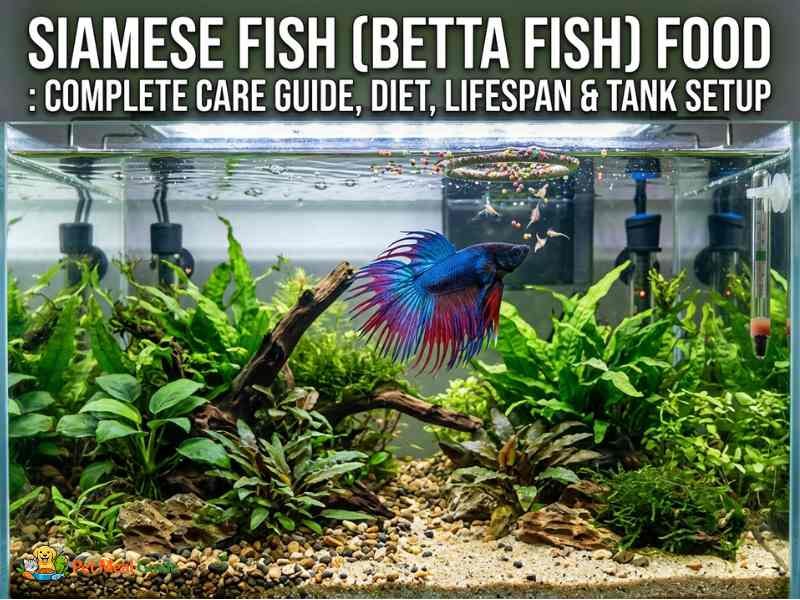
Siamese Fish (Betta Fish) Food
Quick Betta Fish Facts
- What is a Siamese Fish? Commonly known as a Betta Fish, it is a highly intelligent, territorial freshwater fish native to the shallow rice paddies of Southeast Asia.
- What They Eat: They are strict insectivorous carnivores requiring a high-protein diet (40%+) of specialized pellets, bloodworms, daphnia, and brine shrimp.
- Lifespan: A healthy siamese fighting fish typically lives 2 to 5 years in captivity, depending heavily on genetics and optimal water quality.
- Tank Setup Basics: Requires a minimum 5-gallon tank, a water heater set between 76–82°F, a gentle sponge filter, and plenty of resting places near the water surface.
Welcome to the most comprehensive and deeply researched siamese fish food and care manual available today. If you have recently brought home one of these magnificent aquatic creatures, you are likely captivated by their flowing fins, vibrant jewel-toned colors, and highly interactive personalities. However, beneath their beautiful exterior lies a complex biology that demands specific nutritional and environmental care. Many new owners are surprised to learn that standard fish keeping rules do not always apply to this unique species, particularly when it comes to their highly specialized dietary requirements and sensitive digestive tracts.
The siamese fighting fish bettas have become an iconic staple in the USA aquarium hobby, frequently serving as the first pet for children and adults alike. Their incredible hardiness and ability to breathe atmospheric air make them incredibly adaptable, but this resilience has unfortunately led to widespread misinformation regarding their care. It is an enduring myth that these fish can thrive in tiny, unfiltered bowls while surviving on the roots of a peace lily. In reality, keeping them in such conditions drastically shortens their lives, stifles their brilliant coloration, and suppresses their natural, inquisitive behaviors.
While they are undoubtedly beginner-friendly compared to sensitive saltwater species, a common stumbling block for new aquarists is understanding exactly what do siamese fighting fish eat to achieve peak health. Providing the correct balance of crude protein, essential fatty acids, and vitamins is the absolute cornerstone of responsible betta husbandry. Just as you wouldn’t feed an obligate carnivore a plant-based diet without consulting a cat nutrition guide, you must respect the carnivorous biological design of the siamese fighting fish to prevent painful bloating and nutritional deficiencies.
This exhaustive guide is meticulously designed to answer all your burning questions about aquatic care, diet, and habitat optimization. We will explore the absolute best commercial and live foods, establish a foolproof feeding schedule, and dive deep into creating a stress-free living environment. Whether you are wondering how long they can safely go without food during your vacation, or you need to accurately track their health metrics akin to using dog calculators for mammals, this master guide provides the veterinary-backed knowledge necessary to help your betta thrive for years to come.
What is a Siamese Fighting Fish (Betta Fish)?
To truly understand your pet’s needs, you must first look at the origins of the Betta splendens, universally known as the Siamese fighting fish. These captivating creatures originate from the warm, tropical climates of Southeast Asia, predominantly found in the Mekong basin regions of Thailand, Cambodia, Laos, and Vietnam. In their natural, wild state, they look drastically different from the brightly colored, long-finned varieties we see in modern pet stores. Wild bettas typically possess duller, muddy green and brown scales with short fins, an evolutionary trait designed to help them camouflage against predators in murky waters.
The behavioral hallmark of this species is its fiercely territorial nature, which is deeply ingrained in its genetic code. Male bettas are famously intolerant of other males of their species, a trait that leads to intense posturing, flaring of their gill covers (opercula), and physical combat if confined in the same space. This aggression is not mindless; it is an evolutionary survival mechanism designed to protect their carefully constructed bubble nests and secure breeding rights in small, isolated bodies of water. Female bettas are generally less aggressive and can sometimes be kept in “sororities” by advanced keepers, though this practice still carries significant behavioral risks.
The breathtaking appearance of the modern captive betta is the result of centuries of meticulous selective breeding. What started as breeding for aggression eventually shifted toward breeding for aesthetic beauty, resulting in the spectacular fin variations we recognize today, such as the Halfmoon, Crowntail, Plakat, and Veiltail. These heavy, flowing fins, while beautiful, require the fish to expend massive amounts of energy simply to swim. Consequently, they require specific siamese fighting fish food that is incredibly nutrient-dense to fuel this constant muscular exertion without causing excessive physical fatigue.
The moniker “fighting fish” stems directly from their historical background in Thailand, where they were originally known as “Plakad Thai,” which translates literally to “biting fish.” Over a hundred years ago, these fish were bred specifically for organized combat, much like rooster fighting. Fortunately, the global aquarium trade has shifted the focus entirely toward their ornamental beauty. Understanding this history is crucial, as it explains their high-strung, reactive nature and underscores why a peaceful, solitary tank setup is the most humane and scientifically sound way to house them.
Natural Habitat & Living Environment
The natural habitat of the siamese fighting fish is characterized by vast, shallow bodies of water such as rice paddies, slow-moving agricultural drainage ditches, marshes, and densely vegetated floodplains. During the dry season in Southeast Asia, these waters can evaporate significantly, leaving the fish isolated in small, muddy puddles. This dense, stagnant environment is rich in decaying plant matter (tannins) which naturally lowers the pH of the water, creating a soft, slightly acidic ecosystem that acts as a natural antibacterial shield for the fish’s scales and slime coat.
Because these shallow waters are baked by the tropical sun, they are exceptionally warm, dictating the siamese fish care requirement for a heated aquarium. A betta fish is highly sensitive to temperature fluctuations and relies entirely on external heat to regulate its metabolism and digestive enzymes. If a betta is kept in an unheated bowl at standard room temperature, its bodily functions drastically slow down, causing severe lethargy, a loss of vibrant color, and an inability to properly digest its food, which rapidly leads to fatal bacterial infections in the gut.
One of the most fascinating evolutionary marvels of the siamese fighting fish is its development of the labyrinth organ. Because their natural stagnant waters contain incredibly low levels of dissolved oxygen, bettas evolved this specialized respiratory organ located just above their gills. The labyrinth organ allows them to swim to the surface and gulp atmospheric air directly, extracting oxygen to survive in conditions that would suffocate a normal fish. This is exactly why you will frequently see your betta darting to the surface of the tank to take a quick breath of room air.
Replicating this natural environment at home is not just an aesthetic choice; it is a biological necessity. To foster a thriving betta, you must provide an enclosure that mimics the slow, warm, and highly vegetated waters of Thailand. This involves utilizing a low-flow filtration system, as their heavy fins make it exhausting to swim against strong artificial currents. Adding live aquatic plants, such as Anubias or Java Fern, provides essential resting places near the surface, allowing them to easily access the air they need to breathe without expending excess energy.
| Environmental Factor | Ideal Aquarium Condition | Why It Matters |
|---|---|---|
| Temperature | 76°F – 82°F (24°C – 28°C) | Crucial for active metabolism, digestion, and immune system function. |
| pH Level | 6.5 – 7.5 (Slightly Acidic to Neutral) | Mimics tannin-rich wild waters; prevents scale and fin degradation. |
| Tank Size | Minimum 5 Gallons | Provides stable water chemistry and adequate swimming space for health. |
| Filtration | Gentle flow (Sponge Filter ideal) | Keeps water clean without pushing the fish around and exhausting them. |
| Lighting | Moderate to Dim | Reduces stress; mimics the shaded environments of dense rice paddies. |
Siamese Fish Food – Complete Diet Guide
When approaching the topic of siamese fighting fish food, the most critical biological fact to remember is that these animals are strict, obligate insectivores and carnivores. In the wild rice paddies, they spend their days hunting just beneath the water’s surface, aggressively snapping up mosquito larvae, tiny water-bound insects, zooplankton, and small bloodworms. Their short, relatively straight digestive tracts are biologically optimized to rapidly break down dense animal proteins and fats. They simply do not possess the necessary enzymes or intestinal length to efficiently process complex carbohydrates or plant-based matter.
Because of this carnivorous nature, their primary dietary intake must consist of exceptionally high protein levels. When selecting a commercial food, you must obsessively read the ingredient label. The absolute best foods will contain a minimum of 40% to 50% crude protein, with the first several ingredients listed as whole fish meal, krill, black soldier fly larvae, or shrimp meal. If the first ingredients listed are wheat flour, soybean meal, or corn starch, you are looking at a low-quality filler food that will pass right through the fish as excess waste, immediately fouling your tank water and starving the fish of necessary nutrients.
The importance of dietary variety cannot be overstated in siamese fish care. Feeding your betta the exact same dry pellet every single day for years is akin to a human eating nothing but protein bars; it sustains life but severely lacks a complete micronutrient profile. To achieve vibrant scale coloration and robust energy levels, you must rotate their diet. Introducing freeze-dried, frozen, and live foods into their weekly rotation provides essential amino acids and fatty acids that stimulate their immune system and trigger their natural predatory hunting instincts, providing excellent mental enrichment.
Overfeeding is arguably the most common and deadliest mistake made by new betta owners. A betta’s stomach is remarkably small—roughly the size of its eyeball. Because they are opportunistic hunters, they will greedily consume every piece of food you drop into the tank, even if they are completely full. This gluttony rapidly leads to severe constipation, bloating, and Swim Bladder Disease, a terrifying condition where the pressure from the swollen stomach prevents the fish from controlling its buoyancy, causing it to float sideways or sink like a stone to the bottom of the tank.
| Food Type | Feeding Frequency | Primary Nutritional Benefits |
|---|---|---|
| High-Protein Pellets | Daily Staple (Base Diet) | Provides a completely balanced profile of vitamins, minerals, and protein. |
| Frozen/Live Bloodworms | 2–3 times per week | Extremely high in iron and dense protein; triggers natural hunting behavior. |
| Frozen Brine Shrimp | 1–2 times per week | Rich in beta-carotene and essential fats to dramatically boost scale coloration. |
| Live Daphnia (Water Fleas) | Weekly (or as needed) | Acts as a natural laxative due to mild exoskeleton fiber; clears digestion. |
| Freeze-Dried Treats | Very sparingly (Pre-soaked) | Convenient protein boost, but lacks the moisture content of frozen foods. |
What Do Siamese Fighting Fish Eat? (Detailed Breakdown)
To fully answer the question of what do siamese fighting fish eat, we must break down the available dietary categories in the modern aquarium hobby. Dry foods, specifically floating micro-pellets, are the undisputed foundation of a captive betta’s diet. These pellets are engineered by aquatic nutritionists to contain a fortified blend of vitamins and trace minerals that are difficult to replicate using whole foods alone. Floating pellets are vastly superior to sinking pellets or standard tropical flakes, as bettas feature an upturned mouth specifically designed to feed at the water’s surface. Flakes tend to sink rapidly, dissolve into a mess, and quickly degrade your water parameters.
Live food is the holy grail of food for siamese fighting fish, offering unparalleled nutritional value and intense behavioral stimulation. Introducing live wingless fruit flies, live mosquito larvae, or live daphnia into the tank allows the betta to stalk, flare at, and strike its prey just as it would in the wild of Southeast Asia. However, sourcing clean, parasite-free live foods can be difficult and expensive for the average hobbyist. You must never feed your betta wild-caught insects from your backyard, as they may be contaminated with lethal chemical pesticides or carry internal parasites that will decimate your fish’s health.
Frozen foods represent the perfect middle ground between the supreme nutrition of live prey and the long-term convenience of dry pellets. Products like frozen bloodworms, mysis shrimp, and spirulina-enriched brine shrimp are flash-frozen at the peak of their nutritional value, locking in moisture and amino acids. Before feeding, you must thaw a tiny portion of the frozen cube in a small cup of aquarium water. Never drop a frozen block of food directly into the warm tank, as the sudden temperature shock can damage the fish’s delicate internal organs upon ingestion.
Finally, treat foods, such as freeze-dried bloodworms and tubifex worms, should be utilized with extreme caution. While they are marketed heavily as the best betta food, the freeze-drying process removes 100% of the moisture from the insect. If a betta rapidly consumes a dry, hard freeze-dried worm, the insect will absorb the moisture inside the fish’s stomach and violently expand, causing immediate and painful bloating. To use these treats safely, you must soak them in a small cup of tank water for at least five minutes to allow them to fully rehydrate before offering them to your fish.
Best Food for Siamese Fighting Fish (Top Recommendations)
Navigating the crowded shelves of a pet store can be overwhelming, as dozens of brightly colored containers claim to be the ultimate diet. Through rigorous veterinary consultation and nutritional analysis, we have identified the top-tier commercial products that actively promote robust health, intense coloration, and digestive stability. By integrating these specific products into your weekly routine, you guarantee that your fish is receiving premium, highly digestible ingredients.
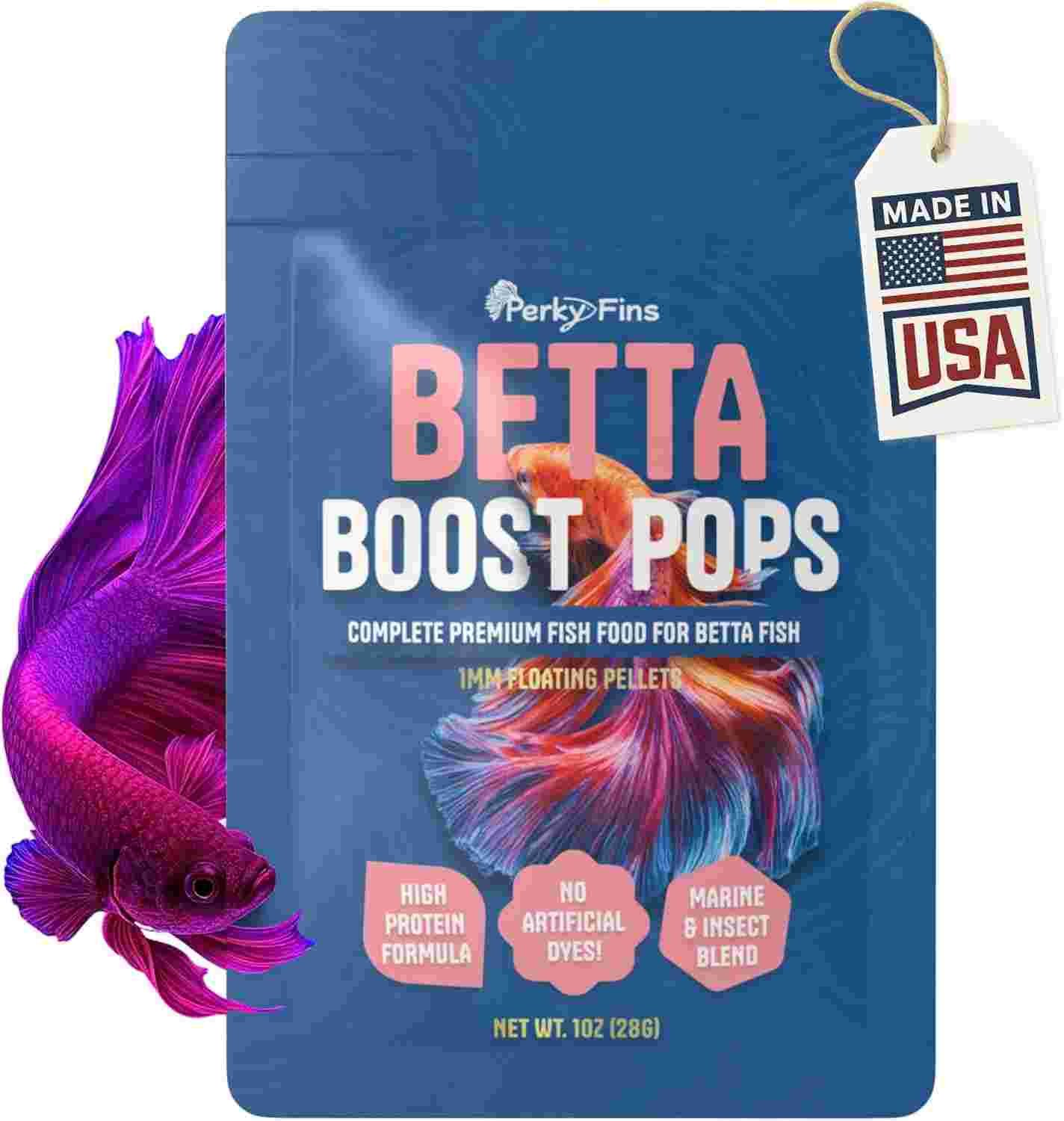
Ultra-Premium Insect-Based Betta Pellets
- First Ingredients: Black soldier fly larvae and whole salmon.
- Benefits: Mimics wild insectivorous diet; highly digestible to prevent bloating.
- Best For: Daily morning and evening foundational feedings.
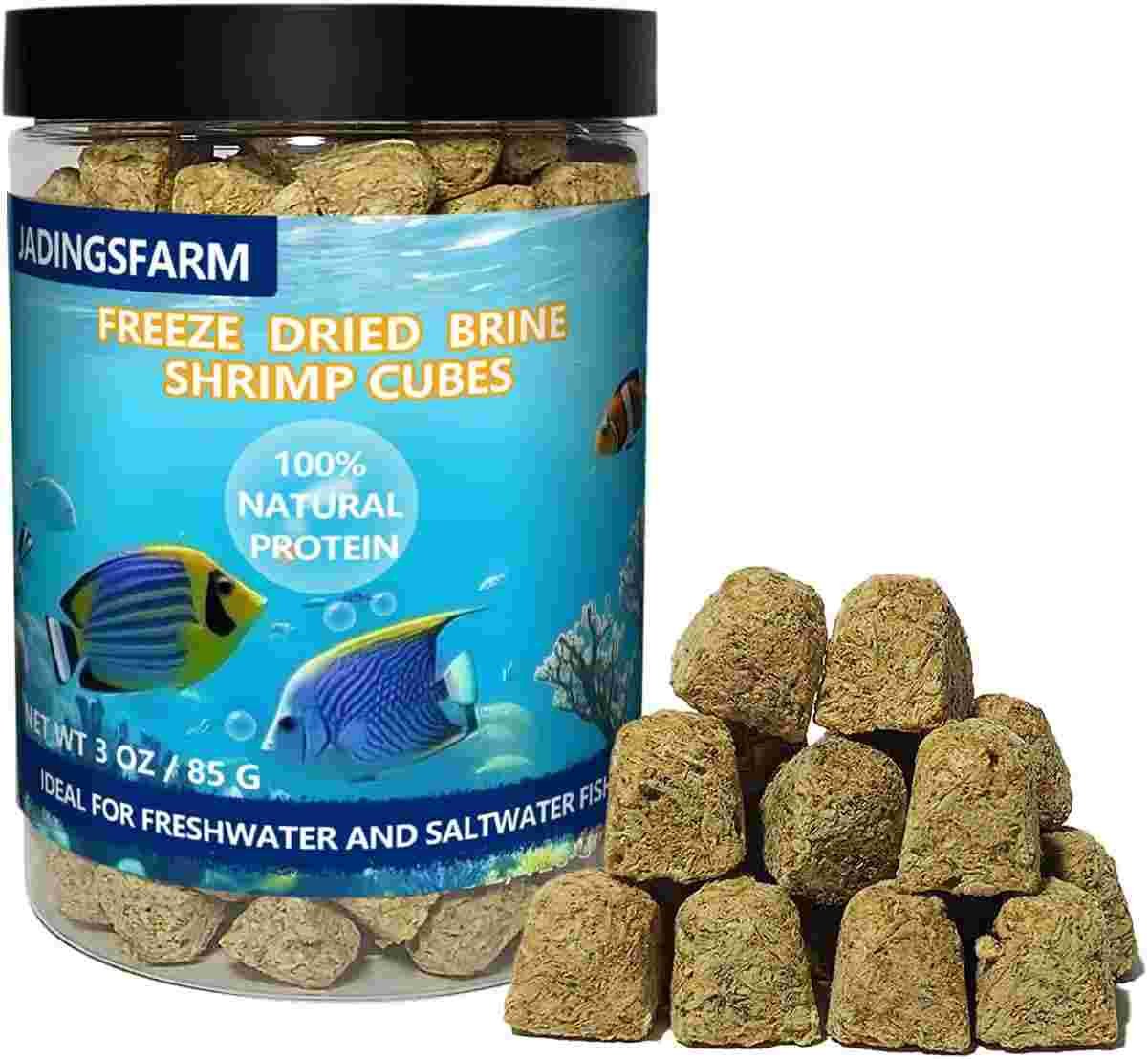
Enriched Frozen Brine Shrimp
- First Ingredients: 100% whole brine shrimp enriched with spirulina.
- Benefits: Massive dose of natural carotenoids to make red and blue scales pop.
- Best For: Bi-weekly feedings to boost immune system health.
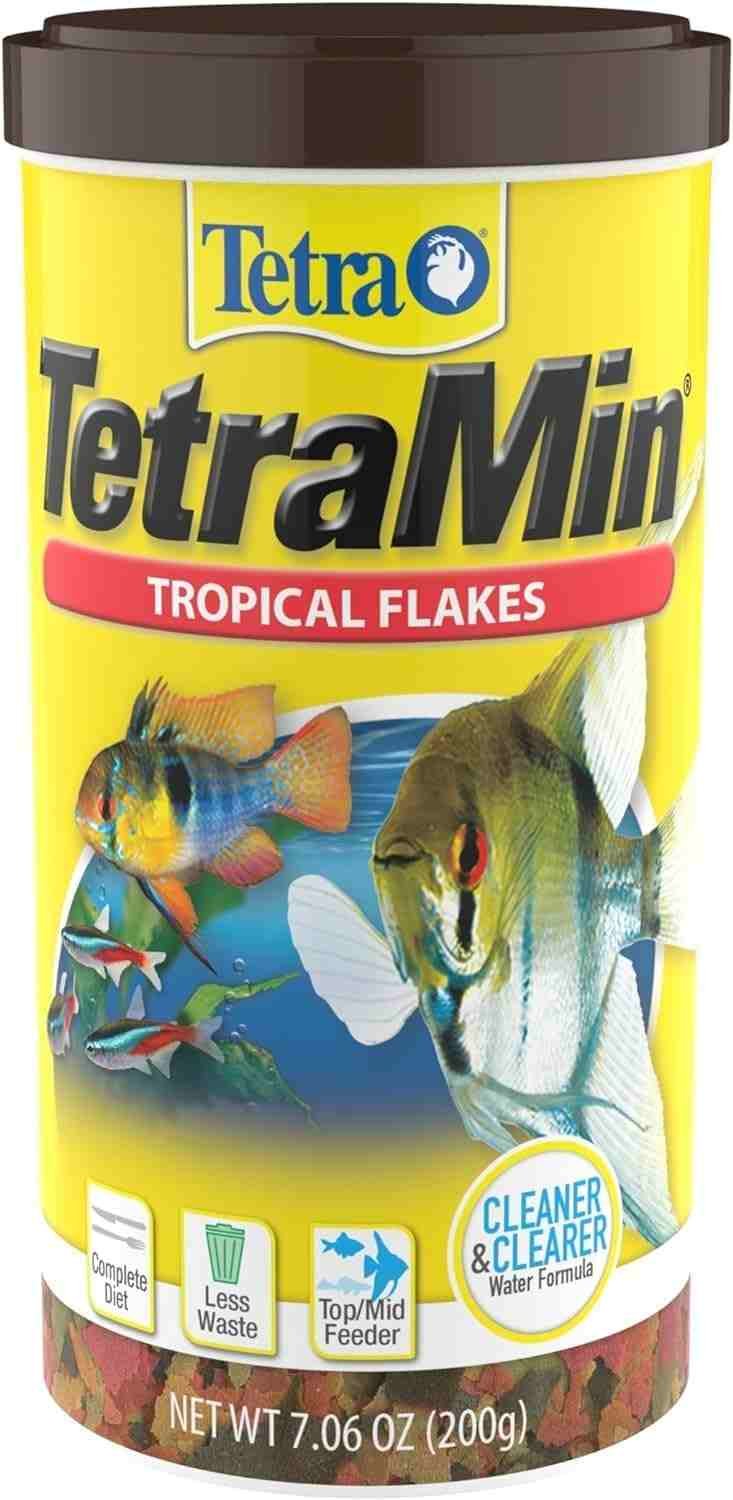
Freeze-Dried Bloodworm Treats
- First Ingredients: 100% pure freeze-dried bloodworms.
- Benefits: Provides a massive, clean protein spike; excellent for conditioning.
- Best For: Occasional treats (must be pre-soaked in tank water!).
Ideal Feeding Schedule: How Often to Feed Betta Fish
Mastering exactly how often should i feed my betta fish is just as critical as selecting the right ingredients. Because of their small, highly efficient digestive tracts, the most medically sound approach is to feed them small amounts twice a day. Feeding them once a day with a massive pile of food overloads their digestive enzymes, causing the food to rot in their intestines before it can be fully processed. A twice-daily schedule perfectly mimics their natural foraging behavior, keeping their metabolism active and preventing spikes in dangerous tank ammonia caused by massive amounts of decaying waste.
Strict portion control is the golden rule of betta keeping. Regardless of how vigorously your fish dances at the glass begging for food, you must limit each meal to an amount equal to the size of the betta’s eyeball. In practical terms, if you are feeding high-quality 1mm micro-pellets, this equates to roughly 2 to 4 pellets per meal. If you drop the pellets in and the fish does not consume them within two minutes, you have offered too much. You must immediately use a small net to remove any uneaten food to prevent it from sinking into the gravel and turning into toxic ammonia.
Establishing a consistent morning and evening routine will greatly reduce your fish’s stress levels. Bettas are highly intelligent and habitual creatures; they possess an internal clock and will quickly learn your routine, often swimming to the designated “feeding corner” of the tank as soon as you approach. It is highly recommended to feed them at least 30 minutes after the tank lights turn on in the morning to allow them to wake up fully, and at least an hour before the lights turn off at night so they have ample time to digest before entering their resting metabolic state.
One of the best-kept secrets among professional aquarists is the implementation of a weekly fasting day. Pick one day a week—many hobbyists choose Sunday—where you do not offer the betta any food whatsoever. This 24-hour fasting window allows the fish’s digestive tract to completely empty itself of all residual waste, drastically reducing the risk of constipation and swim bladder disorders. Much like scheduling strict routines using a dog feeding schedule, establishing a firm betta routine ensures long-term physiological stability.
At-A-Glance: The Betta Mastery Blueprint
🍖 Diet & Nutrition
Goal: 40%+ Crude Protein
Staple: Floating Micro-Pellets
Treats: Frozen Bloodworms
Rule: Stomach is the size of their eye!
⏰ Feeding Schedule
Morning: 2-3 Pellets
Evening: 2-3 Pellets
Weekly Fast: Skip all meals on Sunday
Prep: Always pre-soak freeze-dried treats.
🌊 Tank Setup
Size: 5 Gallons Minimum
Temp: 78°F – 80°F
Filter: Gentle Sponge Filter
Maintenance: 20% Weekly Water Change
How Long Can a Siamese Fighting Fish Go Without Food?
A common source of anxiety for pet owners is wondering how long can a siamese fighting fish go without food, particularly when planning a weekend getaway or a sudden business trip. The surprisingly robust answer is that a healthy, well-fed adult betta fish can easily survive for 5 to 7 days without consuming a single piece of food. In the wild, food scarcity is a common occurrence, and their biology is well adapted to surviving short periods of famine by utilizing stored fat reserves without suffering any long-term metabolic damage.
However, pushing this boundary beyond 7 days begins to introduce severe risks of starvation. Once their fat reserves are depleted, the fish’s body will begin catabolizing its own muscle tissue to survive, leading to extreme emaciation, lethargy, and a complete collapse of their immune system. If you are leaving for a 2-to-3-day weekend trip, the safest and best course of action is to simply let the fish fast. Do not attempt to “double feed” them the day before you leave, as this will only result in severe bloating and a spike in toxic tank waste while you are away.
If you are planning a vacation that lasts longer than a week, you must make proper arrangements. The absolute best option is to hire a trusted pet sitter. However, you must pre-portion the exact amount of food into a daily pill organizer. If you hand a pet sitter a full container of pellets, human nature will compel them to overfeed the “hungry looking” fish, often resulting in owners returning home to a dangerously polluted, cloudy tank and a sick animal. Pre-portioning completely eliminates the risk of accidental overfeeding.
Many novice owners turn to automated vacation feeders or white plaster “vacation feeding blocks” sold in pet stores. You should avoid plaster feeding blocks at all costs; they dissolve poorly, alter the water’s pH, and bettas often refuse to eat the low-quality food trapped inside them. Electronic automatic feeders can be used, but they must be tested for several days before you leave. Many auto-feeders struggle to dispense tiny micro-pellets accurately, occasionally dumping a massive, lethal pile of food into the water all at once.
Can Siamese Fish Eat Goldfish Food?
A frequently asked emergency question is, can siamese fighting fish eat goldfish food if you suddenly run out of betta pellets? The definitive, medically sound answer is a resounding no for any long-term use. To understand why, you must look at the vast biological differences between the two species. Goldfish are cold-water omnivores with very long digestive tracts designed to slowly break down massive amounts of complex plant matter and carbohydrates. Conversely, bettas are tropical carnivores requiring fast-digesting, dense animal proteins.
The nutritional profile of goldfish flakes or pellets is entirely wrong for a betta. Goldfish food is heavily loaded with wheat, corn, spirulina, and other plant-based fillers, typically containing less than 30% crude protein. If you feed this to a betta, their short digestive tract cannot process the heavy carbohydrates. The food will ferment and block their intestines, leading directly to lethal constipation. Furthermore, the lack of appropriate protein will quickly cause the betta to lose muscle mass, and their vibrant colors will fade drastically due to malnutrition.
If you find yourself in a desperate situation where you have absolutely no betta food available for a day or two, do not reach for the goldfish flakes. It is far safer to simply let the betta fast for 48 hours until you can get to the pet store. If you must feed them, a safer emergency alternative found in your kitchen is a tiny, pinhead-sized piece of hard-boiled egg yolk, or a microscopic shred of plain, unseasoned, boiled white fish. These temporary proteins are far easier for them to digest than the heavy grains found in goldfish diets.
The overarching rule of exotic pet care is that species-specific diets exist for a reason. You would not feed aquatic turtle pellets to a bottom-dwelling catfish, just as you should research the dietary needs of exotic pets before crossing food boundaries. Always ensure you have a backup container of high-quality betta pellets stored in a cool, dry place to prevent ever having to consider dangerous dietary substitutions.
How Long Do Siamese Fighting Fish Live? (Lifespan Factors)
When investing time and emotion into a pet, it is natural to ask how long do siamese fighting fish live. Under optimal conditions in captivity, the average lifespan of a well-cared-for betta fish ranges between 2 to 5 years. However, exceptional cases exist where highly dedicated aquarists have kept their bettas alive for 7 or even 8 years. It is important to note that when you purchase a betta from a commercial pet store, it is usually already 6 to 12 months old, as they require time to grow their impressive fins before being sold.
The single largest factor affecting a betta’s lifespan is their genetic background. Unfortunately, the intense demand for unique colors and massive fins (such as the Rosetail or Dragon Scale varieties) has led to severe inbreeding in commercial fish farms. This overbreeding often results in compromised immune systems, genetic tumors, and a phenomenon known as “diamond eye,” where scales grow over the fish’s eyes, blinding them. Purchasing a fish from a reputable, ethical local breeder rather than a big-box store significantly increases the chances of a long, healthy life.
Beyond genetics, the quality of care provided by the owner dictates longevity. A betta kept in an unheated, unfiltered one-gallon bowl will suffer from constant ammonia burns and a suppressed immune system, rarely living past their first year. Conversely, a betta provided with a heated, filtered 5-gallon tank, enriched with live plants and hiding spaces, will experience minimal stress. Stress is a silent killer in the aquarium hobby; it spikes cortisol levels in the fish, making them highly susceptible to secondary bacterial and fungal infections.
Finally, nutrition plays a monumental role in extending their lifespan. Feeding a varied diet of premium, high-protein siamese fish food prevents fatty liver disease and organ failure in their later years. As a betta ages into its senior years (past 3 years old), you may notice them resting more frequently on plant leaves and struggling to catch fast-moving live food. Adapting to their aging needs by lowering the water flow and providing easily digestible, soaked pellets ensures they remain comfortable and well-nourished through their twilight years.
Common Diseases: Combating Siamese Fighting Fish Fin Rot
Even with the best preventative care, bettas can occasionally fall ill. The most ubiquitous and visually alarming ailment in the hobby is siamese fighting fish fin rot. Fin rot is not a primary disease itself, but rather a symptom of an underlying environmental issue—most commonly poor water quality. When a tank is not properly cycled or water changes are neglected, invisible toxins like ammonia and nitrite build up rapidly. These chemicals physically burn the betta’s delicate fin tissue, opening microscopic wounds that are quickly infected by opportunistic gram-negative bacteria or fungi present in all aquariums.
Identifying fin rot early is crucial for a successful recovery. In its mild stages, you will notice the edges of the betta’s majestic fins becoming frayed, ragged, or exhibiting a distinctive milky-white or necrotic black edge. If left untreated, the bacteria will rapidly eat away the tissue, working its way down to the base of the fin and eventually reaching the fish’s body, resulting in fatal body rot. A fish suffering from severe fin rot will also display extreme lethargy, clamping its fins tightly against its body and refusing to eat.
Treating fin rot requires immediate intervention, starting entirely with water chemistry. The very first step is to perform a 50% water change using a high-quality water conditioner to neutralize any lingering toxins. In mild cases, simply moving the fish to pristine, warm water (80°F) and adding a small amount of therapeutic aquarium salt is enough to allow their immune system to naturally regenerate the lost fin tissue. You must be diligent with daily 20% water changes until the fin shows clear, translucent new growth at the edges.
In severe, rapidly advancing cases of fin rot, medicinal intervention is required. Over-the-counter botanical remedies ending in “fix” (like Bettafix or Melafix) should be avoided, as the essential oils can coat the betta’s labyrinth organ, effectively suffocating them. Instead, rely on proven, vet-recommended broad-spectrum antibiotics such as Erythromycin or Kanaplex, administered exactly according to the package directions in a separate hospital tank. Prevention, achieved through rigorous weekly tank maintenance and avoidance of overfeeding, is always superior to chemical treatments.
Professional organizations dedicated to animal welfare, such as the American Veterinary Medical Association (AVMA) and resources like PetMD, strongly advocate for a complete paradigm shift in how the public views betta care. They emphasize that a sterile, bare-bottom bowl induces chronic psychological stress. Providing a stimulating environment with smooth decorations and live plants dramatically reduces this stress, strengthening the fish’s natural immune response against ambient pathogens.
Complete Care Guide for Beginners (Tank Setup)
Setting up the perfect home for your new companion is the most exciting and critical phase of siamese fish care. The absolute minimum tank size required for a single betta is 5 gallons; anything smaller drastically limits their swimming space and makes it mathematically impossible to maintain stable water parameters. A 5-gallon or 10-gallon glass or acrylic aquarium provides the necessary volume to dilute biological waste and offers enough physical footprint to establish a proper nitrogen cycle. Always ensure the tank has a secure, tight-fitting lid, as bettas are notorious and incredibly athletic jumpers.
Before adding your fish, the tank must be equipped with a reliable, adjustable submersible heater set between 78°F and 80°F, paired with a glass thermometer placed on the opposite side of the tank to verify accurate heating. Filtration is equally non-negotiable. The ideal choice for a betta is a simple air-driven sponge filter. Sponge filters provide excellent biological filtration by housing beneficial bacteria, while producing a very gentle bubbling flow that will not blow your heavy-finned betta around the tank like a whirlpool.
Once the tank is biologically established, water maintenance becomes your primary ongoing responsibility. You must perform a 20% to 30% water change every single week using a gravel vacuum to siphon out decaying food and fish waste trapped in the substrate. Every drop of tap water added to the tank must first be treated with a high-quality water conditioner to instantly neutralize lethal chlorine, chloramines, and heavy metals introduced by municipal water treatment facilities. Skipping water changes is the fastest route to disease and death.
If you have a larger tank (10+ gallons) and wish to introduce tank mates, you must tread carefully due to the betta’s aggressive nature. Never house two male bettas together. Avoid any fish that are brightly colored or have long, flowing fins (like fancy guppies), as the betta will mistake them for a rival and attack. Instead, look for peaceful, dull-colored species that occupy different areas of the tank. For excellent compatible choices, review our guide on the best bottom feeder fish for freshwater aquariums, such as Corydoras catfish or mystery snails, which peacefully clean the bottom while the betta rules the top.
Expert Secrets for a Thriving Betta
- The Mirror Exercise: Let your betta see its reflection using a small mirror for exactly 3 minutes a day. This encourages them to flare, which stretches their fin muscles and acts as excellent physical exercise, but remove it quickly to avoid chronic stress.
- Soak Dry Foods: Always soak freeze-dried treats in a spoon of tank water for 5 minutes before feeding. This prevents the food from expanding dangerously inside their stomach.
- Resting Leaves: Place a specialized “betta hammock” (a smooth plastic leaf) about one inch below the water surface. They love to sleep near the surface to easily breathe air during the night.
- Observe Daily: Spend 5 minutes daily observing their behavior during feeding. A healthy betta attacks food aggressively. If they ignore food or hide at the bottom, it is an immediate early warning sign of illness.
Critical Mistakes to Avoid
- Never House Males Together: They will fight to the death. Even placing two tanks directly side-by-side where they can see each other constantly will cause lethal stress.
- Avoid Vases and Bowls: Small, unheated bowls are unethical torture chambers that guarantee a slow death by ammonia poisoning and freezing temperatures.
- No Plastic Plants with Sharp Edges: Run a pair of pantyhose over any artificial plant. If it snags the fabric, it will tear your betta’s delicate fins to shreds. Stick to live plants or soft silk alternatives.
Want a Printable Quick-Reference Guide?
Keep your feeding schedule, tank parameters, and diet rotation easily accessible. Download our comprehensive, high-resolution infographic directly to your device.
👉 Download the Diet chart Tank setup Feeding schedule PDFVideo Guide: Beginner-Friendly Betta Care
Visual learners can greatly benefit from seeing proper tank setup and feeding techniques in real-time. Watch this excellent, beginner-friendly betta fish care guide produced by the experts at Aquarium Co-Op to see exactly how to portion food and maintain pristine water.
Frequently Asked Questions (FAQ)
What do siamese fighting fish eat in the wild?
In their natural Southeast Asian habitat, they are strict insectivorous carnivores. They hunt near the water’s surface, eagerly consuming mosquito larvae, tiny water-bound insects, zooplankton, and small aquatic worms.
How often to feed betta fish?
For optimal digestion, adult bettas should be fed twice a day (morning and evening). Each meal should consist of a very small portion—about 2 to 3 micro-pellets. It is highly recommended to fast them one day a week to clear their digestive tract.
Can betta fish eat flakes?
While they can physically eat tropical fish flakes, it is highly discouraged. Flakes lose their nutritional value quickly, sink rapidly (fouling the water), and often contain cheap plant-based fillers that bettas cannot easily digest. Floating pellets are vastly superior.
How long do siamese fighting fish live?
With proper care, a heated 5-gallon tank, and a high-protein diet, a healthy betta fish will typically live between 2 to 5 years in captivity. Exceptional care can sometimes extend this lifespan up to 7 years.
Can siamese fighting fish eat goldfish food?
No. Goldfish food is designed for omnivores/herbivores and is packed with carbohydrates and plant matter. Feeding this to a carnivorous betta will cause severe constipation, bloating, and malnutrition over time.
How long can a siamese fighting fish go without food?
A healthy adult betta can comfortably survive 5 to 7 days without food. If you are going on a short vacation, it is much safer to let them fast than to risk overfeeding with dissolving vacation blocks.
Conclusion: Ensuring a Long, Vibrant Life
Mastering the complexities of siamese fish food and proper habitat maintenance is the key to unlocking the full, vibrant potential of these incredible pets. By moving away from the outdated, cruel myth of the “unheated fish bowl” and embracing a scientifically backed approach to their care, you guarantee a thriving, interactive companion. Remember that their stunning fins and brilliant colors are a direct reflection of what they consume and the cleanliness of the water they swim in.
The core takeaway from this extensive guide is the absolute necessity of a high-protein, carnivorous diet perfectly balanced with strict portion control. By feeding them premium pellets, treating them with nutrient-dense frozen bloodworms, and rigidly enforcing a weekly fasting day, you effectively eliminate the vast majority of digestive ailments that prematurely end the lives of captive bettas. Nutrition is the primary pillar of preventative medicine in the aquarium hobby.
Equally important is your dedication to maintaining a pristine, warm, and low-stress environment. Investing in a proper 5-gallon tank, a reliable heater, and a gentle sponge filter requires a slightly higher upfront cost, but it saves countless dollars in fish medications and heartache down the road. Treat your betta not as a disposable piece of room decor, but as a complex, intelligent animal that relies entirely on you for its survival and well-being.
We hope this definitive guide empowers you to provide unparalleled care for your Siamese fighting fish. Stay observant, keep your water clean, and enjoy the deeply rewarding experience of watching your betta flourish. For more insights into tracking pet health and optimizing aquatic setups, be sure to utilize our tools like the advanced pet health calculators and explore our ongoing series on exotic pet nutrition.