
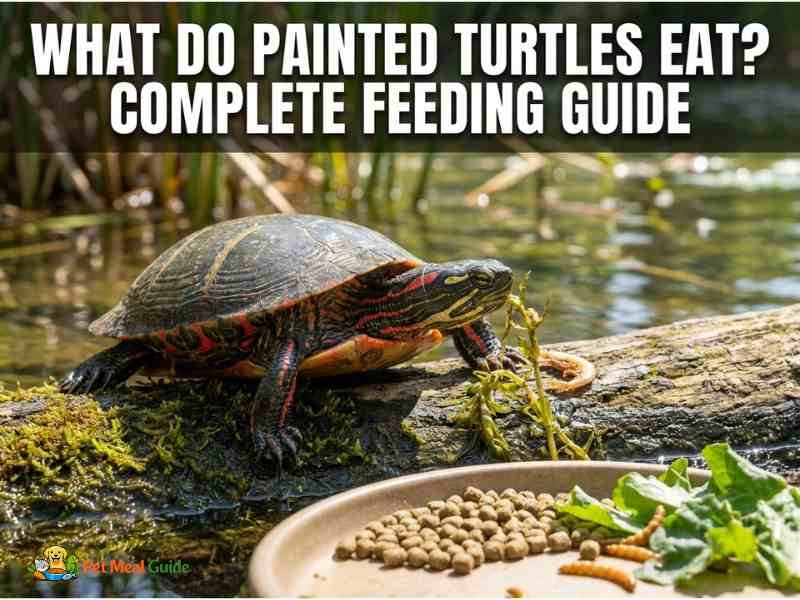
Painted Turtle Diet: What Do They Really Eat?
What Should You Feed a Painted Turtle?
Painted turtles are adaptive omnivores. In the wild, they eat aquatic plants, insects, small fish, and organic matter. Juveniles need more protein for growth, while adults eat more plant-based foods.
Dietary Breakdown:
- Juveniles: 60–70% protein, 30–40% plants
- Adults: 60–70% plants, 30–40% protein
- Staples: Commercial pellets, leafy greens, live insects
- Crucial Rule: Must eat their food while submerged in water
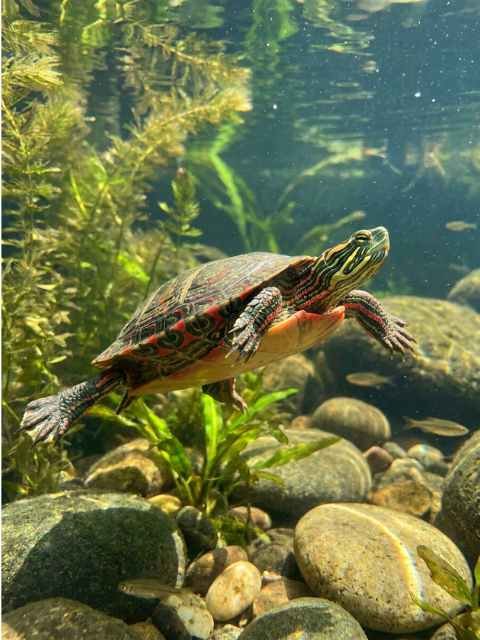
Understanding exactly what to feed a painted turtle is the absolute cornerstone of responsible aquatic reptile ownership. Many well-meaning beginners mistakenly assume that all turtles share identical nutritional requirements, but failing to cater to this specific species’ omnivorous needs can lead to devastating long-term health consequences. If you are questioning what to feed painted turtles, the answer lies in meticulously replicating the diverse, seasonally shifting diet they would naturally consume in their native freshwater habitats.
As a professional reptile nutrition expert, I frequently consult with pet owners who are desperately trying to correct the common beginner mistakes of overfeeding or relying solely on cheap, generic pet store flakes. To build a solid foundation of knowledge, it is highly beneficial to first understand the broader concepts of what do turtles eat across different species. In this comprehensive, scientifically backed guide, we will break down the precise macronutrient ratios, optimal feeding schedules, and exact food lists required to ensure your painted turtle lives a long, vibrant life in captivity.
Read Detailed Buying Guide:
Painted Turtle Diet Explained
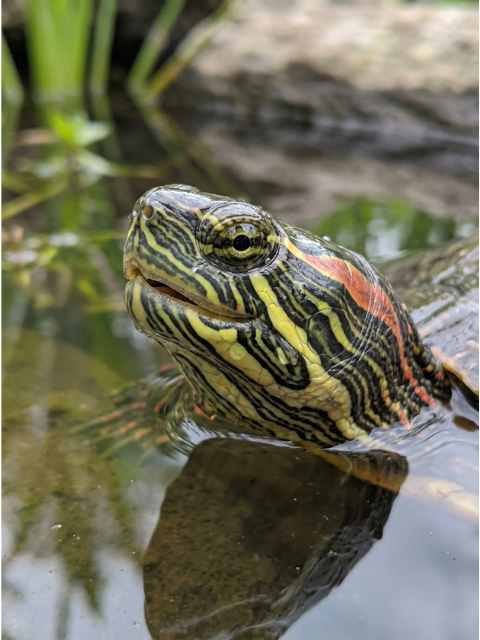
The natural diet of a painted turtle is an incredibly dynamic mix of flora and fauna that shifts dramatically depending on their geographic location, the time of year, and the availability of local resources. In the wild, these opportunistic foragers spend their days hunting aquatic insects, scavenging dead fish, and grazing on an abundance of submerged vegetation. Replicating this in captivity requires a deliberate effort to balance commercial diets with fresh greens and live prey, ensuring they receive the full spectrum of trace minerals and vitamins required for optimal health.
A crucial element of their dietary profile is the shifting protein-to-plant ratio, which is entirely dependent on the developmental stage of the reptile. While young hatchlings are aggressive carnivores requiring massive amounts of protein to fuel rapid bone and shell growth, mature adults become highly herbivorous to maintain a slower metabolism. For a broader understanding of how macronutrient shifting works across different cold-blooded species, reviewing a comprehensive reptile feeding guide is an excellent way to expand your advanced husbandry skills.
Best Foods for Painted Turtles
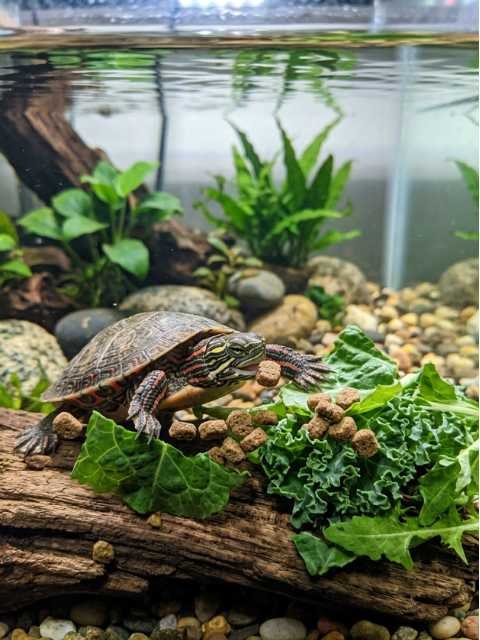
Constructing the perfect meal plan requires combining high-quality commercial products with nutrient-dense natural foods to prevent dietary fatigue and nutritional gaps. The absolute bedrock of their captive diet should be premium aquatic turtle pellets, which are scientifically formulated to provide the exact baseline of Vitamin D3, calcium, and phosphorus. You must supplement these pellets heavily with dark, leafy greens such as dandelion greens, romaine lettuce, and aquatic plants like duckweed and water hyacinth, which provide essential dietary fiber for smooth digestion.
Beyond pellets and vegetation, introducing live prey is spectacular for both their physical health and their mental enrichment. Offering gut-loaded crickets, earthworms, and occasional small feeder fish stimulates their natural predatory instincts and provides incredibly lean, easily digestible animal protein. If you are unsure which live foods are safest and most nutritious for your aquatic pet, I highly recommend consulting an expert list detailing the best feeder insects for reptiles to avoid species carrying heavy parasite loads.
👉 How Much Should You Feed a Turtle
👉 What Do Sea Turtles Eat
👉 Red Eared Slider Feeding Guide
Feeding Schedule for Painted Turtles
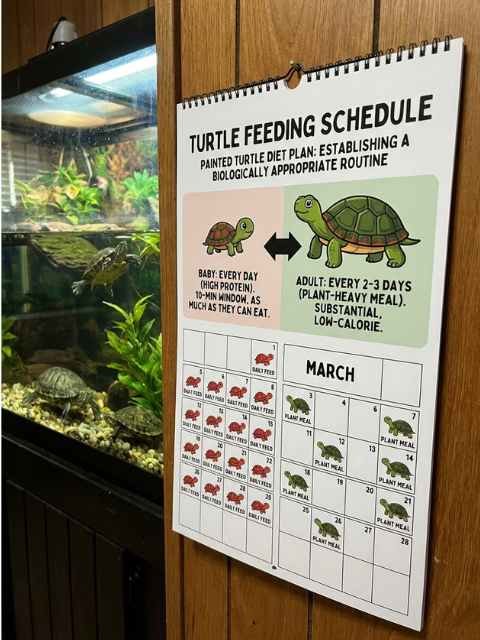
Establishing a strict, biologically appropriate feeding routine is just as vital as the actual ingredients you choose to put into their aquatic enclosure. Baby painted turtles possess hyperactive metabolisms and require one feeding session every single day, consuming as much high-protein food as they can actively eat within a ten-minute window. Conversely, adult painted turtles have incredibly slow metabolic rates and should only be fed a substantial, plant-heavy meal once every two to three days to completely eliminate the risk of obesity and hepatic lipidosis (fatty liver disease).
Portion control is a skill that takes time to master, but the golden rule of aquatic turtle keeping is to offer an amount of food roughly equivalent to the size of the turtle’s hollow head. Just as you might check a feeding schedule comparison to manage a mammal’s caloric intake, implementing precise portion control for your reptile prevents excess food from rotting in the tank and destroying your water quality. Consistency in this schedule trains the turtle’s digestive tract to process waste efficiently and predictably.
Juvenile vs Adult Diet
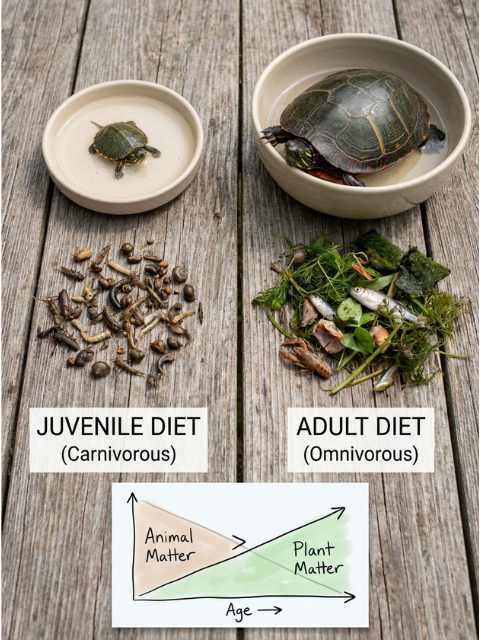
The physiological shift that occurs as a painted turtle transitions from a juvenile to a fully mature adult requires a complete overhaul of their daily meal composition. During their first two to three years of life, a juvenile’s biological imperative is to grow their protective shell as quickly as possible, demanding a diet that consists of 60% to 70% animal protein. If you fail to provide this massive protein influx, the juvenile will likely develop severe stunting, soft shell syndrome, and an irreversibly compromised immune system.
As they reach adulthood, their growth rate halts almost entirely, meaning that excess protein will no longer fuel bone growth, but rather turn directly into dangerous visceral fat. Therefore, you must meticulously transition their adult diet to be predominantly herbivorous, consisting of 60% to 70% dark leafy greens and aquatic vegetation, with protein acting only as a supplementary treat. This slow transition should occur gradually over the course of several months, introducing more vegetables while simultaneously scaling back live prey offerings.
Juvenile Diet Ratio
High protein demand for rapid bone and shell development.
Adult Diet Ratio
High plant demand for digestion and weight management.
Feeding Frequency
Babies: Every Day (1x)
Juveniles: Every Other Day
Adults: Every 2-3 Days
Painted Turtles as Pets: Aquatic Turtle Care
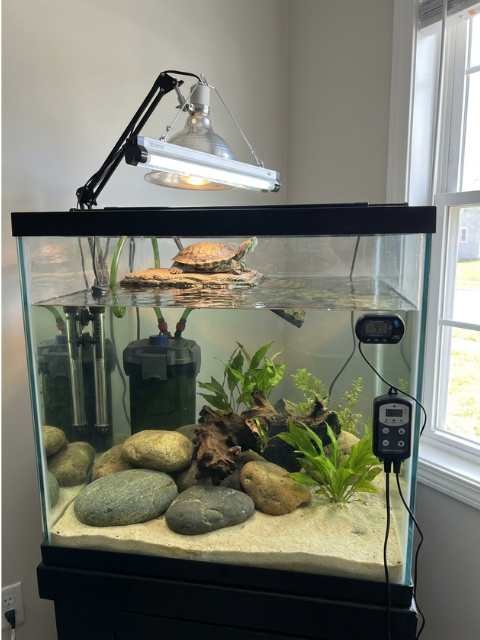
Keeping painted turtles as pets is a massive, multi-decade commitment that requires a sophisticated understanding of aquatic habitat management and environmental control. An adult painted turtle requires a minimum of a 75-gallon to 100-gallon aquarium equipped with heavy-duty canister filtration, as they produce an extraordinary amount of biological waste that will rapidly turn stagnant water toxic. Creating a pristine aquatic environment is arguably just as important as the food you provide, as poor water quality immediately suppresses their appetite and immune function.
Furthermore, because turtles are ectothermic (cold-blooded), they rely entirely on external heat and ultraviolet light to metabolize the food you feed them. Without access to a dry basking dock illuminated by a high-output UVB bulb and a dedicated heat lamp, their digestive tracts will literally shut down, causing food to rot inside their stomachs. To ensure your enclosure meets all biological requirements, you must carefully study a professional temperature and lighting guide before bringing the animal home.
What Do Baby Painted Turtles Eat?
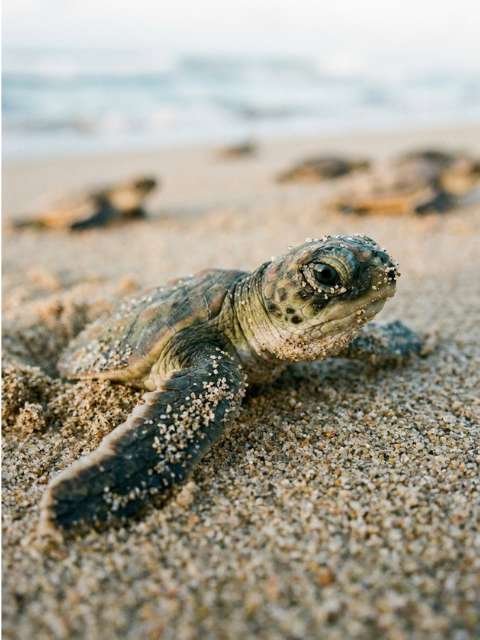
When investigating exactly what baby painted turtles consume, it is imperative to focus entirely on micro-sized, protein-dense food items that can easily fit into their incredibly small mouths. A baby’s diet should revolve heavily around live or freeze-dried bloodworms, small newly molted crickets, flightless fruit flies, and high-quality, calcium-dusted hatchling pellets. Providing live prey at this stage is particularly important, as the movement stimulates their natural predatory instincts and ensures they actively hunt, which is vital for cardiovascular health.
While you should primarily focus on meat and insects, it is incredibly wise to introduce tiny floating plants like duckweed into their enclosure from day one. Even though they may initially ignore the vegetation in favor of moving prey, exposing them early ensures they develop a taste for greens, making the inevitable transition to an adult herbivorous diet vastly easier. If you are managing multiple hatchlings of different species, reviewing a broader resource on what to feed baby turtles can provide further micro-food alternatives.
What Do Painted Turtles Eat During Winter?
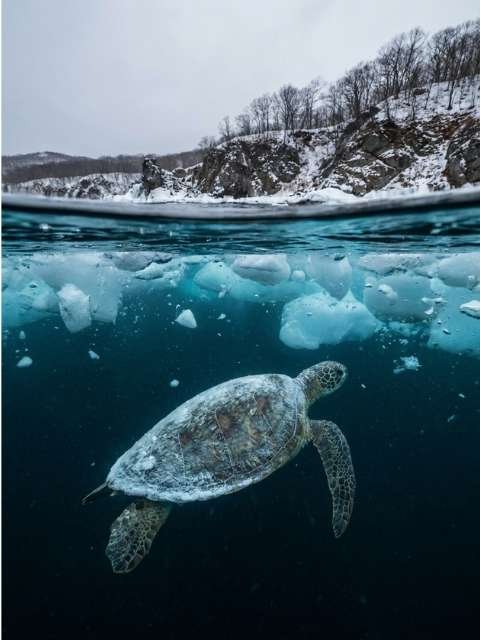
During the harsh winter months, wild painted turtles undergo a process called brumation—a reptilian equivalent of hibernation—where their metabolism plummets and they stop eating entirely to survive the freezing temperatures. Even in a temperature-controlled captive indoor aquarium, many painted turtles naturally sense the shifting barometric pressure and the shortening of daylight hours, leading to a noticeable, entirely natural decrease in their appetite. Owners should not panic if their pet refuses food during December and January, as this is a deeply ingrained biological response.
To safely manage this period, you must actively adjust your feeding practices by offering smaller portions and significantly reducing the frequency of meals until the ambient room temperatures rise again in the spring. If you force-feed a turtle that is attempting to enter a state of brumation, the food will remain completely undigested in their intestinal tract, eventually rotting and causing a fatal systemic infection. Always monitor their water temperature closely during this time; if the water remains a consistent 75°F (24°C), their appetite reduction will be minimal compared to a wild specimen.
Food and Water of Painted Turtles
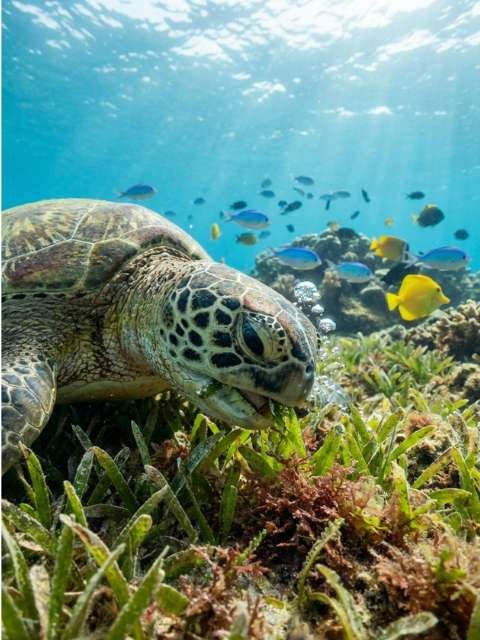
One of the most unique and critical anatomical quirks of the painted turtle is that they lack the biological ability to produce saliva, making swallowing food on dry land completely impossible. Therefore, it is an absolute necessity that you always place their food directly into the water, allowing them to submerge and use the aquatic environment to wash the meal down their throats. If you attempt to hand-feed them on their basking dock, they will simply drag the food back into the water before making any attempt to consume it.
This biological necessity poses a significant challenge for maintaining pristine water quality, as the mechanical action of the turtle tearing apart pellets and live prey generates massive amounts of floating debris. To combat this, many expert keepers utilize a separate, smaller plastic “feeding tub” filled with warm tank water, moving the turtle into this tub strictly for meal times. This advanced husbandry technique ensures that your main display aquarium remains crystal clear and free of rotting organic matter, drastically reducing the load on your filtration system.
The Care of Painted Turtles
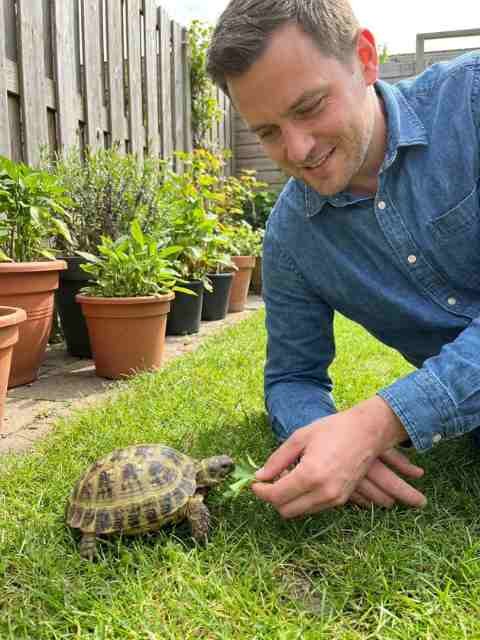
Providing holistic care for a painted turtle requires far more than just tossing a handful of pellets into a glass box; it demands a seamless integration of pristine habitat management, precise temperature control, and rigorous dietary discipline. Your overarching goal as a keeper should be to replicate the tranquil, heavily vegetated ponds of their natural habitat, offering plenty of underwater hiding spots made of driftwood and aquatic plants. A stressed turtle living in a bare, brightly lit tank will almost always suffer from chronic anorexia, refusing to eat regardless of how high-quality the food is.
Long-term management also requires meticulous observation of their physical condition, ensuring their shell remains smooth, hard, and free of any white fungal spots or foul odors. You should weigh your turtle monthly using a digital kitchen scale, tracking their growth to ensure they are gaining mass as juveniles and maintaining a stable, healthy weight as adults. By combining a diverse, vitamin-rich diet with a perfectly calibrated aquatic environment, you eliminate the vast majority of stress-related illnesses that plague captive reptiles.
🚨 WARNING: Foods to Absolutely Avoid
Feeding improper foods can result in immediate gastrointestinal distress or fatal long-term organ damage. You must completely avoid:
- Processed Human Foods: No hot dogs, lunch meats, or seasoned chicken.
- Dairy & Bread: Turtles cannot digest lactose or complex carbohydrates; these will cause severe, painful bloating.
- Goldfish & Minnows: These fish contain thiaminase, an enzyme that actively destroys Vitamin B1 and causes fatal neurological issues.
- Spinach & Rhubarb: Extremely high in oxalates, which block the absorption of calcium and trigger bone disease.
Common Health Problems in Painted Turtles
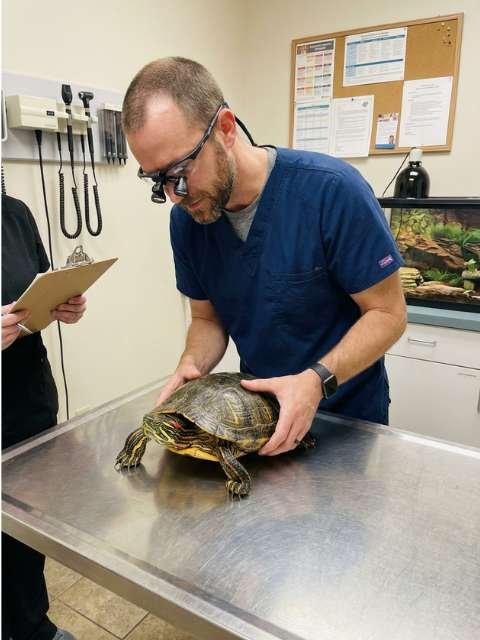
Despite their rugged exterior, painted turtles are highly susceptible to several devastating, diet-related health problems if their nutritional and environmental needs are not strictly met. One of the most prevalent issues is Metabolic Bone Disease (MBD), which occurs when a turtle does not receive adequate dietary calcium paired with sufficient UVB lighting, causing their shell to become soft, deformed, and eventually cave in. Additionally, a severe lack of Vitamin A—often caused by an all-meat diet—leads directly to swollen, infected eyes and chronic respiratory infections that require immediate veterinary intervention.
Waterborne infections and internal parasite imbalances are also incredibly common, especially when owners feed their turtles wild-caught insects or cheap, diseased feeder fish from local bait shops. If your turtle exhibits extreme lethargy, prolonged loss of appetite, abnormal floating (listing to one side), or breathing with an open mouth, these are critical emergency indicators. I strongly urge owners to cross-reference any unusual behaviors using a professional reptile health symptom checker and contact a qualified exotic veterinarian immediately.
| Food Item | Dietary Type | Nutritional Benefits | Recommended Frequency |
|---|---|---|---|
| Commercial Pellets | Staple Base | Fortified Calcium, Vitamin D3, balanced macros | 3x / Week (Adults) |
| Earthworms / Bloodworms | Protein (Live/Frozen) | Lean protein, excellent for growth, mental enrichment | 1-2x / Week |
| Dandelion / Collard Greens | Plant (Vegetation) | High Vitamin A, excellent fiber for digestion | Daily / Available constantly |
| Duckweed / Hornwort | Aquatic Plant | Natural foraging simulation, digestive health | Always in tank |
| Apples / Blueberries | Fruit (Treat) | Hydration and antioxidants | Once a month (Very sparingly) |
🛒 Best Food & Supplies for Painted Turtles
To succeed in keeping your turtle healthy, you must invest in high-grade tools and supplements. Ensure you have the following in your reptile keeping arsenal:
- Premium Pellets: Look for brands like Mazuri or Zoo Med that use whole fish meal rather than cheap fillers. (View on Amazon)
- Calcium Powder (Without D3): Essential for dusting live insects before offering them in the water. (Check Price)
- Feeding Tools: Always use sturdy stainless steel tongs to offer live prey to avoid accidental bites. Check out the best reptile feeding tongs for safety. (Buy on Amazon)
For a complete breakdown of dietary supplements, visit our comprehensive reptile nutrition product guide .
Watch: Painted Turtle Feeding Guide
Visual learning is incredibly effective for mastering portion control and safe feeding techniques. Watch the video below to see a perfect demonstration of feeding a painted turtle in an aquatic setup, utilizing tongs and floating plants.
💡 Expert Pro Tips
- Always Feed in Water: Remember, they cannot produce saliva. Dry feeding will cause choking.
- Avoid Overfeeding: A fat turtle is a sick turtle. Stick strictly to the “head-sized portion” rule.
- Rotate Food Types: Offer pellets on Monday, greens on Wednesday, and worms on Friday to prevent dietary boredom and nutrient deficiency.
Explore More Pet Care Tools
Do you own other animals? Ensure all your household pets are receiving the perfect nutritional balance with our advanced interactive calculators:
Access Dog Calculators Access Cat Calculators👨⚕️ Veterinary Recommendation: “Veterinarians recommend a highly varied diet with proper calcium supplementation and rigorous UVB exposure. Relying entirely on freeze-dried shrimp or a single brand of pellet is the leading cause of preventable metabolic illnesses in captive painted turtles. Mimic nature, provide clean water, and ensure they transition to a heavily plant-based diet as they mature.”
📚 External Authority Resources
For peer-reviewed scientific data and advanced exotic veterinary medicine literature, consult these trusted organizations:
FAQ Section
What do baby painted turtles eat?
Baby painted turtles require a highly carnivorous diet consisting of roughly 70% protein. They predominantly eat aquatic insects, bloodworms, small feeder fish, and high-protein commercial pellets to support their rapid skeletal and shell growth. Vegetation should be offered, but they will primarily focus on meat.
How often should I feed my turtle?
The frequency depends entirely on age. Juvenile painted turtles (under 2 years old) should be fed once every single day. Adult painted turtles have significantly slower metabolisms and should only be fed a substantial, plant-heavy meal every 2 to 3 days to prevent obesity.
Can painted turtles eat fruits?
Yes, but fruits should only be given as a very rare treat, making up less than 5% of their total diet. Safe options include tiny, bite-sized pieces of apples, melons, and blueberries. Feeding too much fruit causes severe digestive upset due to their inability to process high amounts of sugar.
Conclusion
Providing the perfect diet for a painted turtle is a delicate but highly rewarding balance of science, observation, and consistency. By strictly adhering to the dietary breakdown of high-protein for juveniles and plant-heavy meals for adults, you effectively safeguard your aquatic pet against the most common, life-threatening nutritional diseases. Always remember that food quality is meaningless without pristine water conditions and access to high-output UVB lighting, which acts as the biological engine driving their digestion.
Ultimately, becoming an expert in turtle husbandry means committing to lifelong learning and being willing to adjust your feeding strategies as the animal ages. If you are looking to expand your knowledge further or manage multiple species of reptiles in your home, be sure to bookmark our ultimate reptile feeding guide. With patience, high-quality ingredients, and a clean environment, your painted turtle will thrive and provide decades of fascinating companionship.