
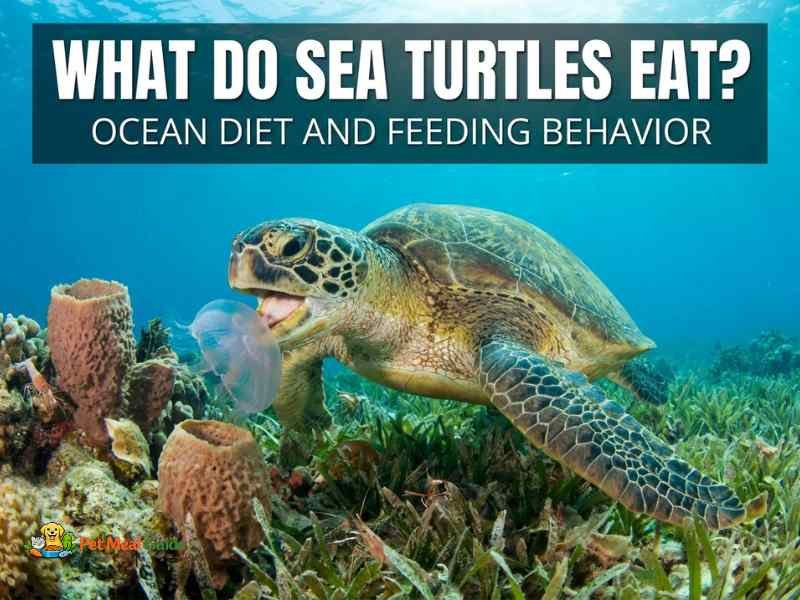
What Do Sea Turtles Eat?
What to Feed Sea Turtles?
Sea turtles are omnivores, carnivores, or herbivores depending entirely on their specific species and life stage. They feed on a wide variety of marine life, including seagrass, algae, jellyfish, crustaceans, sponges, and small marine animals. Their diet changes dramatically with age, shifting from highly carnivorous juveniles to diverse adult feeding behaviors.
Dietary Breakdown:
- Herbivorous species: Primarily consume seagrass and algae (e.g., adult Green sea turtles).
- Carnivorous species: Consume jellyfish, crabs, and mollusks (e.g., Leatherbacks and Loggerheads).
- Omnivores: Eat a mixed diet of plants and small animals (e.g., Hawksbills and Flatbacks).
- Crucial Note: Feeding behavior depends entirely on the health of their local ocean ecosystem.

Understanding exactly what to feed sea turtles is a question strictly reserved for marine biologists and professional wildlife rehabilitators, as these majestic creatures belong entirely to the wild ocean. However, examining sea turtle feeding habits provides us with an incredible window into the health, diversity, and intricate balance of our global marine ecosystems. When people ask 👉 what do turtles eat, they are often surprised to learn that sea turtles possess wildly different dietary needs compared to common freshwater pets.
Additional captive care guides for educational comparison:
As a marine wildlife researcher, observing the natural diet of these ancient reptiles reveals how perfectly adapted they are to their specific ecological niches. From the crushing jaws of the loggerhead to the delicate, sponge-eating beak of the hawksbill, every species has evolved a specialized method of hunting and grazing. In this comprehensive guide, we will explore the diverse food sources of all seven sea turtle species, explain how their diets shift as they mature, and highlight the severe threats facing their natural feeding grounds today.
What Do Sea Turtles Eat Everyday
When investigating what do sea turtles eat everyday, one must look at the specific oceanic zones these reptiles inhabit during different times of the day. For many species, daily feeding involves migrating vertically through the water column, hunting for jellyfish near the surface during the warm daylight hours, and diving deeper for crustaceans as the sun sets. Their daily caloric intake is massive, required to fuel their incredibly long migratory journeys across entire oceans, making them opportunistic feeders that rarely pass up a suitable meal.
Seasonal variations also heavily dictate their everyday feeding patterns, as changing ocean temperatures influence the blooming of algae and the breeding cycles of jellyfish. During periods of abundant food supply, sea turtles will gorge themselves daily to build up thick layers of fat, which sustain them during long nesting seasons when feeding becomes a secondary priority. This feast-or-famine lifestyle highlights the critical importance of protecting their natural foraging grounds from coastal development and pollution.
What Do Sea Turtles Eat in the Wild
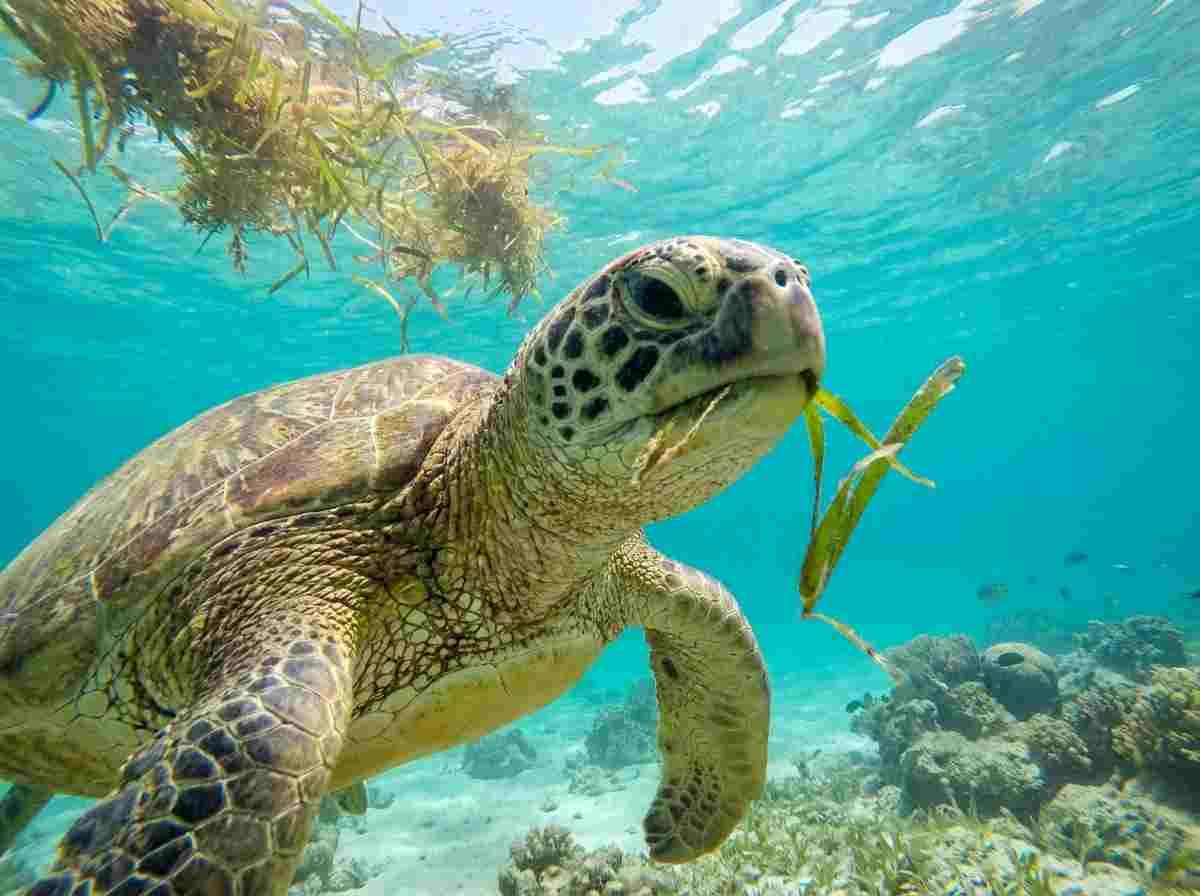
Determining exactly what do sea turtles eat in the wild requires an understanding of their crucial role as both apex predators and essential grazers within the ocean food chain. In their natural oceanic habitats, they consume a vast array of invertebrates, including sea squirts, squid, sea anemones, and various species of toxic marine sponges that most other predators actively avoid. To understand how this compares to captive reptile nutrition, you can review a comprehensive 👉 reptile feeding guide to see the stark contrast in dietary complexity.
Beyond simply sustaining themselves, wild sea turtles act as the ocean’s lawnmowers and exterminators, maintaining the delicate balance of coral reefs and seagrass beds. By constantly grazing on wild seagrass, they prevent the beds from becoming overgrown and dying off, thereby ensuring a healthy breeding ground for thousands of other fish species. Their wild diet is not just about survival; it is a fundamental mechanism that keeps the entire marine ecosystem functioning efficiently.
What Do Green Sea Turtles Eat
The question of what do green sea turtles eat is fascinating because they are the only species that undergoes a complete dietary transformation into strict herbivory. While juveniles are omnivorous, consuming worms, small crustaceans, and aquatic insects, adult green sea turtles transition to a diet consisting almost exclusively of marine vegetation. They spend their days peacefully grazing on vast underwater meadows of seagrass, seaweed, and various types of nutrient-dense marine algae.
This strict herbivorous diet is so biologically significant that it actually dictates the internal physiology and physical appearance of the turtle itself. The massive amounts of chlorophyll found in the seagrass they consume daily actually turns the turtle’s internal fat layers a distinct, vibrant shade of green, which is precisely how the species earned its common name. Protecting these shallow coastal seagrass beds is the single most important conservation effort required to keep the green sea turtle population thriving.
What Adult Sea Turtles Eat
Analyzing what adult sea turtles eat reveals how vastly different the seven species become once they reach full sexual maturity. Unlike baby sea turtles that simply float in offshore sargassum weed eating whatever tiny morsels drift by, adult turtles develop highly specialized jaws and beaks tailored to specific prey. An adult loggerhead, for example, uses its massive, muscular head to effortlessly crush the hard shells of conchs, whelks, and horseshoe crabs found along the sandy ocean floor.
This dietary specialization means that different species of adult sea turtles rarely compete with one another for food, even when sharing the exact same geographic coral reef system. While a hawksbill is busy using its narrow beak to extract toxic sponges from deep inside coral crevices, a leatherback will be miles away in the open ocean swallowing hundreds of pounds of floating jellyfish. This perfect ecological separation ensures that adult sea turtles can coexist peacefully while maintaining the biodiversity of the reef.
Diet of Different Sea Turtle Species
The global ocean is home to seven distinct species of sea turtles, and their evolutionary paths have resulted in wildly different nutritional requirements. From the shallow coastal estuaries to the deep, freezing waters of the pelagic zone, these animals have adapted their digestive systems to process the most abundant food sources available in their specific regions. Understanding these differences is critical for marine biologists who work to rehabilitate injured turtles and return them to the wild.
When a stranded turtle washes ashore, the rescue team must immediately identify the species to formulate a biologically appropriate, life-saving diet. Feeding a strictly herbivorous green turtle the squid-heavy diet of a Kemp’s ridley could result in fatal digestive blockages or severe nutritional shock. Below, we break down the exact food sources and specialized feeding behaviors of all seven recognized sea turtle species.
Green Sea Turtle Diet
As previously highlighted, the green sea turtle is the ocean’s premier grazing herbivore once it reaches adulthood. Their jaws have evolved to feature finely serrated edges, perfectly designed for tearing tough blades of seagrass and scraping stubborn algae directly off of coral formations and rocks. This constant grazing acts exactly like mowing a lawn, encouraging new, healthy plant growth that benefits the entire coastal ecosystem.
Because plant matter is notoriously difficult to digest, green sea turtles possess specialized hindgut fermentation systems similar to those found in terrestrial cows or horses. They rely on complex colonies of gut bacteria to break down the tough cellulose found in marine plants, allowing them to extract vital nutrients and calories. Without access to healthy, unpolluted seagrass beds, adult green sea turtles will rapidly suffer from starvation and fatal vitamin deficiencies.
Kemp’s Ridley Sea Turtle Diet
The Kemp’s ridley sea turtle, which holds the unfortunate title of the most endangered sea turtle species in the world, is a dedicated and aggressive benthic carnivore. They primarily inhabit the shallow, muddy coastal waters of the Gulf of Mexico, where they hunt voraciously for their absolute favorite food: the blue crab. Their powerful jaws are expertly adapted to crushing the hard carapaces of crabs, allowing them to access the protein-rich meat inside.
While crabs make up the vast majority of their daily caloric intake, Kemp’s ridleys are also known to scavenge opportunistically on whatever dead fish, shrimp, or mollusks they find along the sea floor. Their heavy reliance on near-shore crab populations makes them incredibly vulnerable to accidental capture in commercial fishing nets and crab traps, highlighting the desperate need for specialized turtle excluder devices in the commercial seafood industry.
Hawksbill Sea Turtle Diet
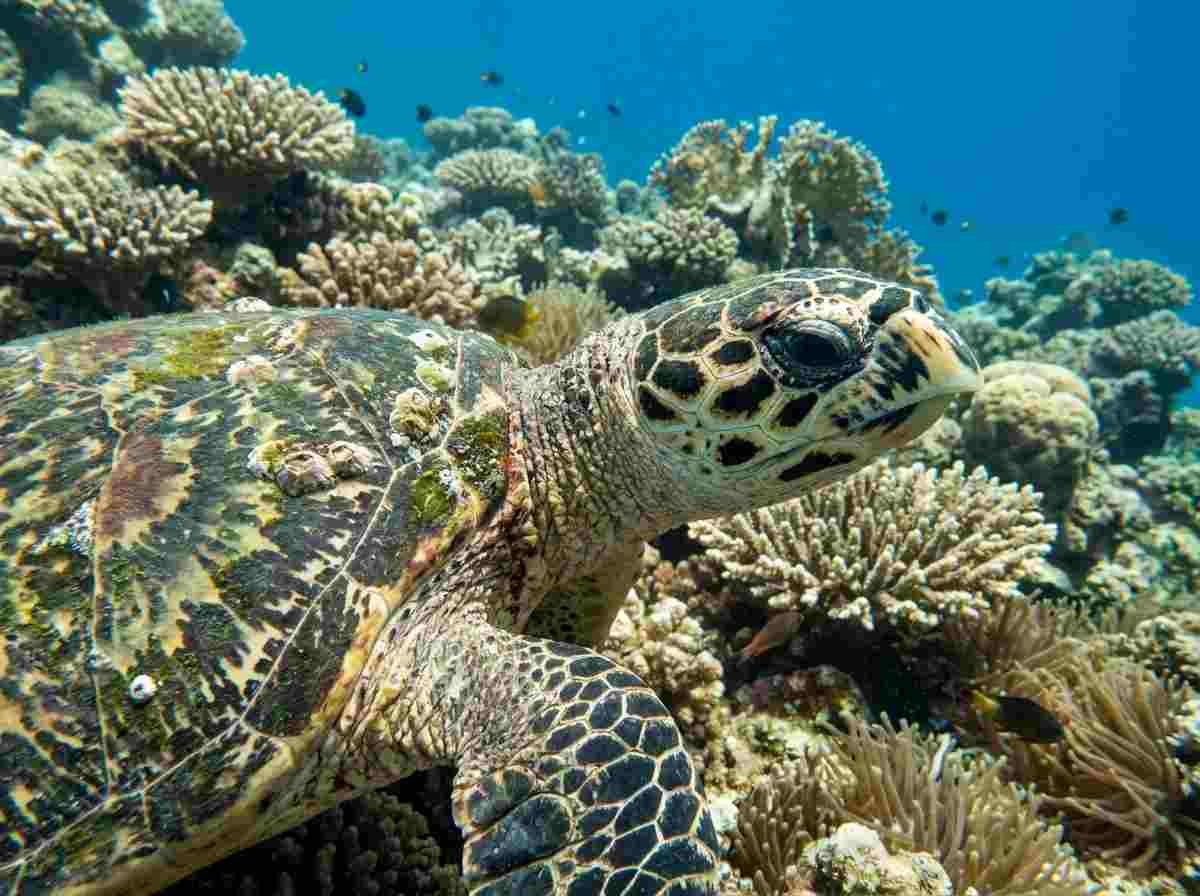
The hawksbill sea turtle boasts one of the most fascinating and highly specialized diets in the entire animal kingdom, feeding almost exclusively on sea sponges. Sponges are incredibly toxic to most marine life, filled with sharp, glass-like silica spicules that would shred the digestive tract of any other predator. However, the hawksbill has evolved an incredibly tough, biologically immune digestive system that allows them to consume these toxic organisms without suffering any ill effects.
Their physical anatomy is perfectly suited for this unique diet; they possess a sharp, narrow, bird-like beak that allows them to reach deep into the cracks and crevices of coral reefs to extract hidden sponges. By aggressively eating these fast-growing sponges, hawksbill turtles prevent the sponges from overgrowing and suffocating the slow-growing coral, making them absolute keystone species for the survival of global reef ecosystems.
Flatback Sea Turtle Diet
Endemic exclusively to the shallow, murky coastal waters of Australia and Papua New Guinea, the flatback sea turtle is an opportunistic omnivore with a highly varied palate. Unlike species that migrate across deep oceanic trenches, flatbacks prefer to remain in the soft-bottomed, turbid waters near the continental shelf. Here, they feed on a diverse mixture of sea cucumbers, soft corals, jellyfish, shrimp, and various small invertebrates.
Because they hunt in waters with notoriously poor visibility, flatbacks rely heavily on their advanced olfactory senses (sense of smell) to locate food buried in the sandy bottom. Their varied diet allows them to easily adapt to seasonal changes in prey availability, making them somewhat resilient to minor ecological shifts. However, their restricted geographic range makes their food sources highly susceptible to localized industrial pollution and coastal habitat destruction.
Leatherback Sea Turtle Diet
The massive leatherback sea turtle, the largest turtle species on earth, survives almost entirely on a diet of gelatinous prey, specifically massive quantities of jellyfish. It is a biological marvel that an animal capable of weighing over 1,500 pounds can sustain its massive body heat and energy levels on a diet that is essentially 95% water. To meet their caloric needs, a single adult leatherback must consume hundreds of pounds of jellyfish every single day.
To prevent these slippery, gelatinous meals from escaping their mouths, leatherbacks have evolved terrifying, backward-pointing, spine-like structures called papillae lining their throats. Unfortunately, this specialized diet is the exact reason leatherbacks are dying in record numbers; a floating plastic grocery bag looks exactly like a jellyfish to a hungry leatherback. Once swallowed, the plastic cannot be regurgitated due to the backward-facing throat spines, leading to a slow, agonizing death by starvation.
Olive Ridley Sea Turtle Diet
The olive ridley is the most abundant sea turtle species in the world, largely due to its incredibly adaptable, generalist feeding strategy. These turtles are true oceanic omnivores, capable of diving to astonishing depths to forage for food along the ocean floor, while also hunting near the surface in the open pelagic zone. Their broad diet includes everything from lobster, crabs, and shrimp to snails, tunicates, and occasional marine algae.
During their famous mass nesting events, known as “arribadas,” millions of olive ridleys gather off the coast, requiring massive amounts of food to sustain the population. Their ability to switch seamlessly between carnivorous hunting and opportunistic scavenging allows them to survive in vastly different ocean basins across the globe. This dietary flexibility is a key evolutionary trait that has kept their global population numbers relatively high compared to other species.
Loggerhead Sea Turtle Diet
The loggerhead sea turtle is appropriately named for its massive, block-like head and incredibly thick, muscular jaw muscles, which are designed for one specific purpose: crushing armor. Loggerheads are dedicated carnivores that feed primarily on hard-shelled, benthic invertebrates found along the ocean floor. Their powerful jaws easily shatter the thick shells of whelks, conchs, horseshoe crabs, and sea urchins, functioning much like a heavy-duty hydraulic press.
As they crunch through these hard-shelled prey items, they naturally ingest large amounts of shell fragments, which actually pass harmlessly through their robust digestive tracts. Interestingly, while adults are strict bottom-feeding carnivores, loggerhead hatchlings spend their early years floating in surface seaweed mats, feeding on tiny, soft-bodied insects and larvae. This drastic dietary shift as they age prevents the young and adult populations from competing for the same localized food resources.
Read Detailed Buying Guide:
| Species | Diet Type | Primary Food Sources | Primary Foraging Habitat |
|---|---|---|---|
| Green Sea Turtle | Herbivore (Adults) | Seagrass, Seaweed, Marine Algae | Shallow coastal waters, seagrass beds |
| Leatherback Turtle | Carnivore | Jellyfish, Salps, Tunicates | Open ocean (Pelagic zone) |
| Loggerhead Turtle | Carnivore | Conchs, Crabs, Sea Urchins | Ocean floor, coastal bays |
| Hawksbill Turtle | Spongivore | Toxic Sea Sponges, Anemones | Tropical coral reefs |
| Kemp’s Ridley | Carnivore | Blue Crabs, Mollusks, Shrimp | Muddy coastal estuaries (Gulf of Mexico) |
| Olive Ridley | Omnivore | Lobster, Snails, Algae, Tunicates | Deep ocean and coastal shallows |
| Flatback Turtle | Omnivore | Sea Cucumbers, Soft Corals, Prawns | Turbid, shallow Australian coasts |
Dietary Spectrum of Sea Turtles
While the Green sea turtle is famous for its plant-based diet, the vast majority of sea turtle species rely heavily on animal protein to survive the harsh ocean environments.
The Threat of Plastic Bags
Leatherback turtles have a high mortality rate due to mistaking floating plastic bags for their primary food source, the jellyfish, leading to fatal digestive blockages.
The Importance of Ocean Food Sources
The availability and health of wild ocean food sources directly dictate the global population stability of every single sea turtle species. When coral reefs suffer from devastating bleaching events caused by rising ocean temperatures, the toxic sponges that hawksbill turtles rely on completely die off, leaving the turtles to starve. Similarly, agricultural runoff from coastal farming can cause massive algae blooms that block sunlight, destroying the critical seagrass meadows that feed adult green sea turtles.
Protecting these natural food sources requires a monumental, coordinated global effort to reduce chemical pollution and implement sustainable fishing practices. If the base of the marine food web collapses, the apex predators and keystone grazers will follow shortly after, leading to a catastrophic breakdown of oceanic biodiversity. It is our responsibility to ensure that these ancient mariners always have access to clean, abundant, and natural feeding grounds.
👉 How Much Should You Feed a Turtle
How Plastic Pollution Disrupts Sea Turtle Feeding
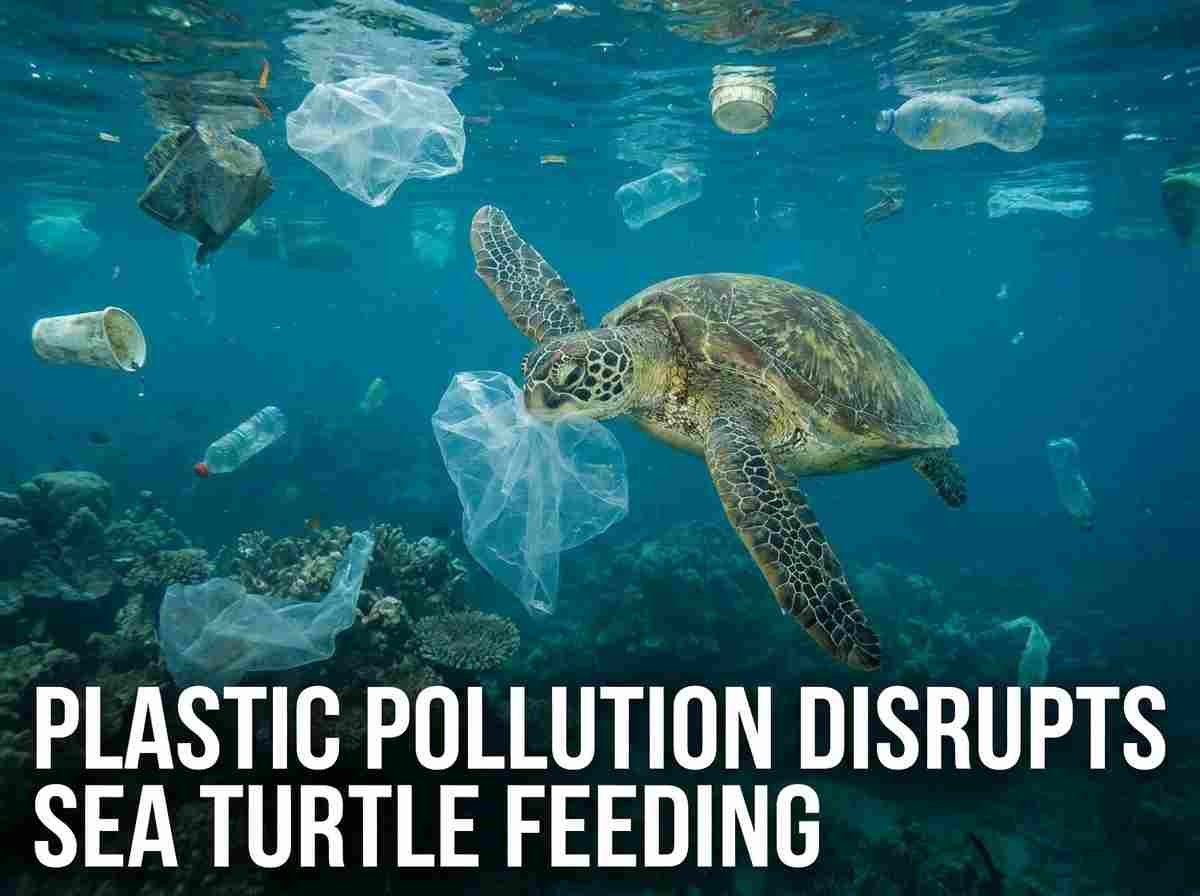
The escalating crisis of marine plastic pollution has fundamentally disrupted the natural feeding behaviors of almost every sea turtle species on the planet. Because sea turtles are highly visual hunters, they frequently mistake brightly colored microplastics, floating balloons, and discarded fishing gear for their natural prey. Once ingested, these indigestible plastics accumulate in the turtle’s stomach, creating a false sense of fullness that causes the animal to slowly starve to death while feeling completely satiated.
Furthermore, toxic chemicals leaching from these degraded plastics are absorbed directly into the turtle’s bloodstream, causing severe neurological damage and suppressing their reproductive capabilities. Combating this crisis requires immediate, systemic changes in global waste management and a heavy reduction in single-use plastics. By choosing to eliminate plastic from our daily lives, we directly contribute to the safety and longevity of the world’s wild sea turtle populations.
Understanding the Sea Turtle Digestive System
The sea turtle digestive system is an incredibly complex, evolutionary marvel designed to process some of the most difficult and toxic prey in the animal kingdom. From the backward-pointing papillae in a leatherback’s throat that prevent jellyfish from escaping, to the specialized gut bacteria in green turtles that ferment tough cellulose, their internal anatomy is perfectly tailored to their environment. These specific adaptations mean that their digestive tracts are highly sensitive to sudden, unnatural dietary changes.
Because their digestive transit time is notoriously slow, taking several weeks to fully process a large meal, any ingestion of foreign debris or inappropriate food can be a lethal sentence. This is why marine wildlife rehabilitators must be incredibly precise when feeding recovering turtles, often using liquid diets and specialized feeding tubes before reintroducing solid marine proteins. For owners dealing with digestive issues in captive pet reptiles, utilizing a 👉 reptile health symptom checker is crucial, but wild sea turtles require professional veterinary intervention.
Baby Sea Turtle Diet vs Adult Diet
The dietary transition from a baby sea turtle to a fully mature adult represents one of the most dramatic ecological shifts in marine biology. After hatching and frantically swimming out to the open ocean, baby sea turtles enter what scientists call “the lost years,” where they spend years floating passively in massive, offshore mats of sargassum seaweed. During this vulnerable phase, they are completely omnivorous and opportunistic, snapping up tiny fish eggs, mosquito larvae, and small crustaceans hiding in the weeds.
As they grow massive and eventually return to near-shore coastal habitats, their diets specialize dramatically, diverging completely from their childhood eating habits. This massive dietary shift is an evolutionary safeguard designed to prevent juvenile and adult populations from exhausting the exact same food supply. For those curious about the specialized dietary needs of captive terrestrial hatchlings, you can read our detailed guide on 👉 what to feed baby turtles.
Sea Turtle Food and Commercial Alternatives
🚨 Educational Note: Sea Turtles Are Not Pets
It is federally illegal and highly unethical to capture, keep, or attempt to feed a wild sea turtle. The commercial products listed below are strictly for freshwater aquatic pet turtles (such as red-eared sliders or painted turtles) and are provided here for educational comparison regarding captive vs. wild reptile nutrition. Do not ever throw pet food into the ocean.
For individuals who keep legally captive, freshwater aquatic turtles, providing a diet that mimics the nutritional density of the wild ocean is a massive responsibility. Captive aquatic turtles require scientifically formulated pellets that bridge the nutritional gaps created by living in a glass aquarium rather than a wild ecosystem. High-quality commercial turtle foods are fortified with synthesized Vitamin D3 and calcium, mirroring the raw nutrients a sea turtle would extract from eating whole crabs and wild algae.
When selecting a commercial diet for a pet aquatic turtle, it is vital to prioritize brands that utilize whole fish meal and natural spirulina algae, rather than cheap corn or wheat fillers. For a comprehensive breakdown of the safest and most biologically appropriate commercial options for your captive pets, I strongly encourage you to review our dedicated 👉 reptile nutrition product guide to ensure optimum health.
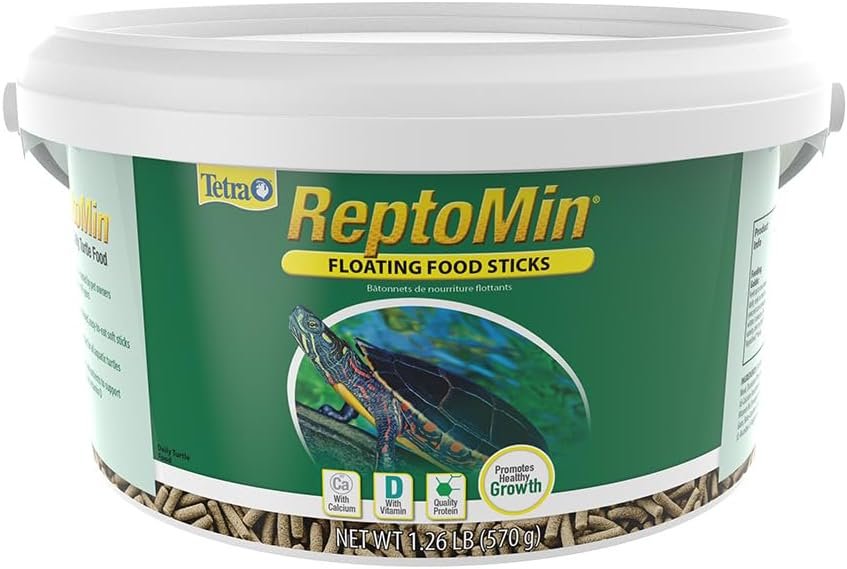
Premium Aquatic Turtle Pellets
Formulated for captive freshwater species, providing essential calcium and vitamins for strong shell growth.
View on Amazon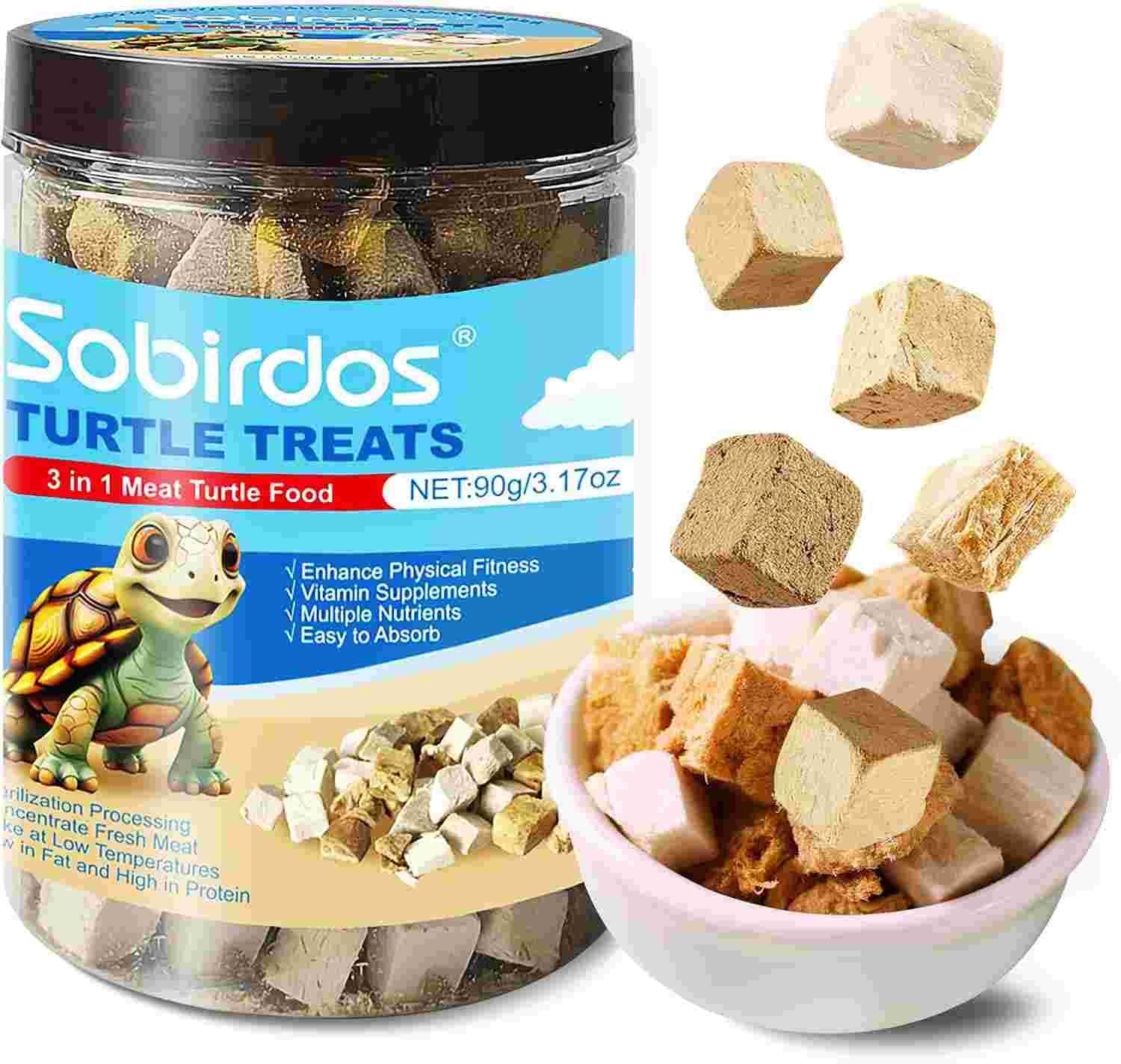
Dried Shrimp Protein Treats
An excellent supplementary protein source for captive aquatic turtles, mimicking wild crustacean foraging.
View on Amazon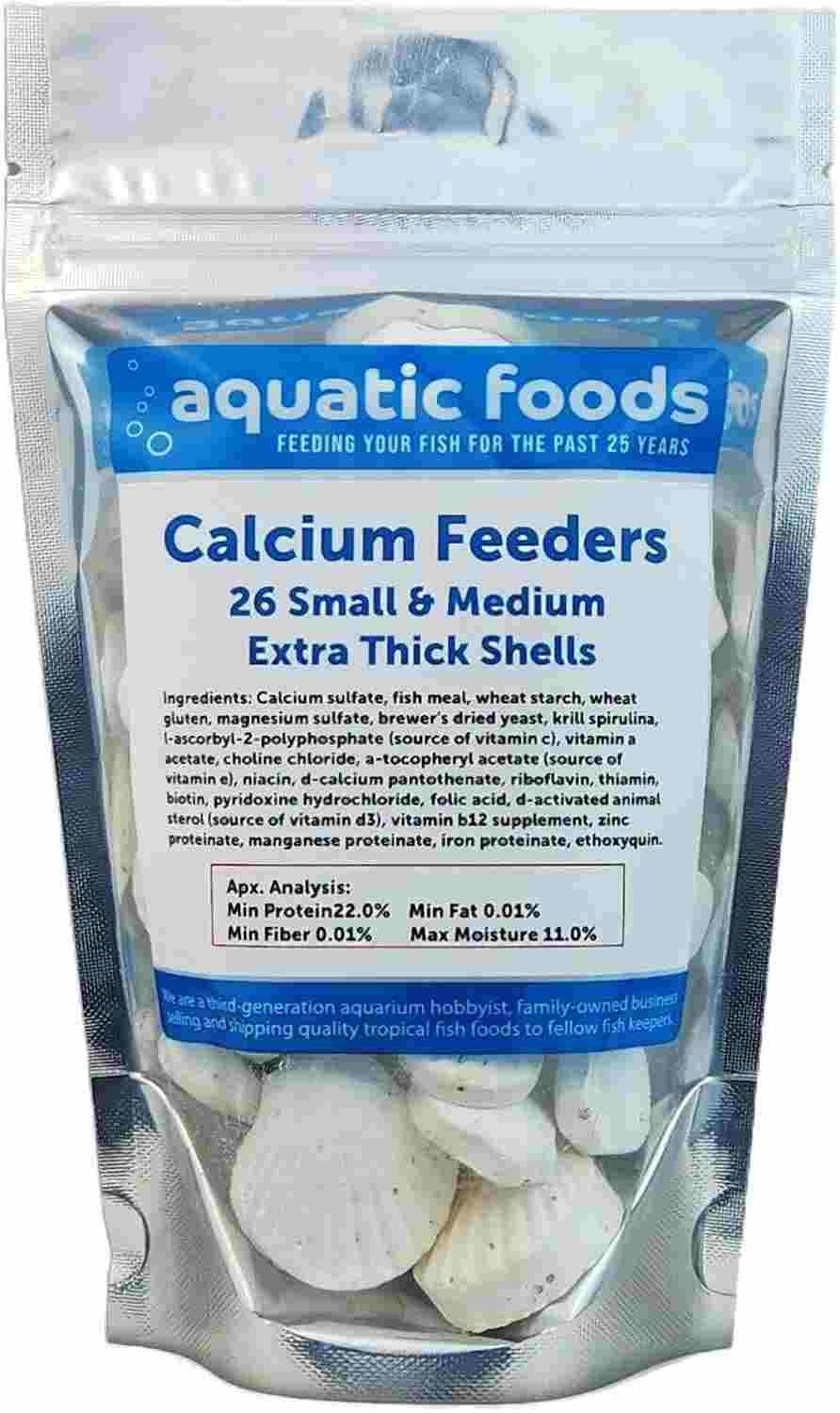
Aquatic Calcium Block
Slow-release calcium supplements essential for preventing metabolic bone disease in captive environments.
View on AmazonWatch: Sea Turtle Feeding Behavior in the Ocean
Witnessing the natural feeding behavior of sea turtles in their wild habitat is an awe-inspiring experience that highlights their incredible evolutionary adaptations. Watch the video below to see exactly how green sea turtles peacefully graze on seagrass beds, and how hawksbills navigate dangerous coral reefs to hunt for toxic sponges.
Vet & Expert Recommendations
Marine biologists and exotic wildlife veterinarians unanimously agree that the greatest threat to sea turtle nutrition is human interference and habitat destruction. According to extensive research published by PetMD and leading marine organizations, attempting to feed wild sea turtles human food or commercial fish food fundamentally alters their natural foraging instincts, leading to severe nutritional deficiencies and increased vulnerability to boat strikes.
In simple terms, wild sea turtles are perfectly capable of finding their own highly specialized diets without human assistance. Expert veterinarians emphasize that the best way the public can “feed” wild sea turtles is by fiercely protecting their natural habitats. This means advocating for clean oceans, supporting sustainable seafood initiatives, and leaving marine vegetation completely undisturbed during coastal recreational activities.
Conservation Efforts for Wildlife Diet
Global conservation efforts have increasingly shifted their focus from simply protecting sea turtle nesting beaches to actively restoring and defending their critical oceanic feeding grounds. Initiatives led by organizations like NOAA focus heavily on replanting decimated seagrass meadows and enforcing strict marine protected areas (MPAs) where commercial fishing and destructive bottom-trawling are completely banned. These MPAs provide a safe haven for sea turtles to gorge on crabs, sponges, and algae without the looming threat of deadly bycatch.
Community-level conservation is equally vital for preserving their complex food webs. Beach cleanup initiatives directly remove the deadly plastics that leatherbacks mistake for jellyfish, while agricultural runoff regulations prevent the toxic algae blooms that suffocate coastal feeding zones. Every single local environmental policy that prioritizes clean water directly guarantees that future generations of sea turtles will have abundant, natural food sources.
The Impact of Climate Change on Sea Turtle Diets
Anthropogenic climate change is rapidly altering the fundamental chemistry and temperature of the global ocean, posing a catastrophic threat to sea turtle food sources. As oceans absorb massive amounts of carbon dioxide, the water becomes increasingly acidic, an environmental condition that actively dissolves the delicate calcium-carbonate shells of the crabs, snails, and mollusks that loggerhead and Kemp’s ridley turtles rely on for survival.
Furthermore, rising sea temperatures are causing massive coral bleaching events, fundamentally destroying the complex reef ecosystems that house the toxic sponges essential to the hawksbill’s diet. As their traditional feeding grounds become barren, sea turtles are forced to migrate further into unfamiliar territories, expending massive amounts of energy that often results in starvation before they can successfully reproduce.
How Marine Biologists Study Sea Turtle Feeding
Because sea turtles spend the vast majority of their lives deep underwater, marine biologists must employ cutting-edge technology to accurately study their elusive feeding behaviors. Researchers attach advanced GPS satellite tags and miniaturized “crittercams” directly to the turtle’s carapace, providing unprecedented, first-person video footage of their deep-sea hunting techniques and dietary preferences without interfering with their natural behavior.
Additionally, scientists utilize stable isotope analysis, a highly advanced chemical process that analyzes tiny samples of the turtle’s blood or scute clippings to determine exactly what types of protein and plant matter the animal has been consuming over the past several months. This non-invasive tracking data is absolutely vital for identifying critical foraging hotspots that require immediate governmental protection from commercial shipping lanes.
Can Sea Turtles Eat Human Food?
It cannot be stressed enough: sea turtles absolutely cannot and should not eat any form of human food under any circumstances. When well-meaning tourists throw bread, hot dogs, or seasoned bait into the water to attract wild turtles for a photograph, they are actively poisoning the animal. The sea turtle’s digestive tract lacks the necessary enzymes to break down processed complex carbohydrates, leading to severe, painful gastrointestinal blockages.
Furthermore, feeding wild sea turtles causes them to associate humans and boats with an easy meal. This behavioral conditioning strips away their natural fear of boat propellers, leading to a massive increase in fatal vessel strikes. If you want to learn more about the strict dietary requirements of captive turtle species and what they can safely digest, check out our guide on 👉 what do painted turtles eat.
Pro Tips and Environmental Cautions
💡 Marine Pro Tips for Citizens
- Never Feed Wild Sea Turtles: It disrupts their natural hunting instincts and causes severe digestive distress.
- Respect the Ecosystem: When boating or snorkeling, never anchor in or trample on fragile seagrass beds.
- Minimize Plastic Use: Cut down on single-use plastics and always properly dispose of fishing line to prevent lethal entanglement and ingestion.
⚠️ CAUTION & LEGAL DISCLAIMER
All species of sea turtles are federally protected under the Endangered Species Act and international conservation laws. It is a severe criminal offense to touch, harass, feed, or capture a wild sea turtle. This article is published strictly for educational purposes only to promote marine conservation awareness. Sea turtles can never be kept as domestic pets.
External Authority Sources & Tools
For those looking to dive deeper into peer-reviewed marine biology data, veterinary care protocols, and governmental conservation laws, it is crucial to consult established authority organizations. The National Oceanic and Atmospheric Administration (NOAA) provides exhaustive, publically available data on the migratory patterns and dietary struggles of all endangered marine reptiles. Additionally, trusted veterinary resources offer excellent comparative insights into reptile digestion.
- PetMD – Expert Veterinary Health & Nutrition Data
- NOAA Fisheries – Official Sea Turtle Conservation Guidelines
- Download: Marine Turtle Conservation & Diet Study (PDF)
If you are a domestic pet owner looking to optimize the dietary health of your household animals, be sure to utilize our advanced, interactive health and feeding calculators:
FAQ Section
What do sea turtles eat everyday?
Everyday feeding depends heavily on the species. Adult green turtles graze on seagrass beds and algae daily, acting as marine lawnmowers. Carnivorous species, like the leatherback, consume massive quantities of jellyfish every single day to fuel their massive bodies and oceanic migrations.
What do green sea turtles eat?
Green sea turtles undergo a fascinating transformation; while juveniles eat insects and worms, adults are strict herbivores. They primarily eat vast amounts of seagrasses, seaweed, and marine algae. This heavy diet of chlorophyll actually gives their internal fat layers a distinct green color.
Are sea turtles herbivores?
Only the adult green sea turtle is considered a true, strict herbivore. Most other sea turtle species, such as the loggerhead, leatherback, and Kemp’s ridley, are highly specialized carnivores or omnivores that rely on crabs, mollusks, sponges, and jellyfish for their primary nutritional intake.
Conclusion
The dietary behaviors of wild sea turtles are an intricate, beautifully complex component of the global oceanic food web. From the jellyfish-hunting leatherbacks to the sponge-eating hawksbills, these ancient mariners have spent millions of years perfecting their specialized diets to maintain the health of coral reefs, seagrass meadows, and open ocean ecosystems. Understanding and respecting their wild feeding habits is the first crucial step toward ensuring their survival in an increasingly threatened marine environment.
We hold the ultimate responsibility to protect their natural foraging grounds from the devastating impacts of plastic pollution, climate change, and habitat destruction. By advocating for clean oceans and respecting marine wildlife laws, we can ensure that future generations will continue to witness these incredible creatures peacefully grazing in the wild. For more educational insights into the complex dietary needs of various reptile species, continue your journey by exploring exactly 👉 what do turtles eat across the globe.