
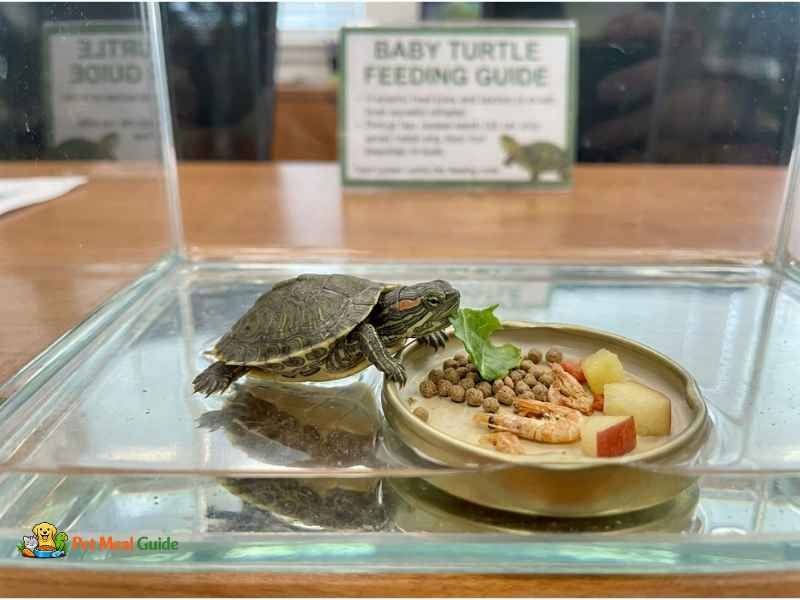
What to Feed Baby Turtles: Complete Feeding Guide for Hatchlings
Complete Baby Turtles Feeding Guide for Hatchlings
If you are wondering exactly what to feed baby turtles, the direct answer is a carefully balanced diet consisting of high-quality commercial turtle pellets, live feeder insects, and small amounts of leafy green vegetables. Because hatchling turtles are growing at a rapid pace, their developing bodies require significantly more protein and calcium than adult turtles. Providing the correct ratio of nutrients during this critical growth phase is absolutely essential to prevent debilitating conditions such as metabolic bone disease. Navigating what a baby turtle can and cannot eat is the first and most important step in successful reptile husbandry.
One of the most frequent and dangerous mistakes beginners make is offering their hatchlings a diet that consists entirely of dried shrimp, bread, or nutrient-deficient iceberg lettuce. While baby turtles might eagerly consume these items, they severely lack the complex vitamins and minerals required for proper skeletal and shell development. In their natural habitats, hatchlings act as opportunistic omnivores with a strong carnivorous preference, meaning they will actively hunt small aquatic prey. For a broader look at dietary habits across all life stages, you should explore our detailed guide on what do turtles eat.
Another crucial factor to remember is that baby turtles must eat their food in the water if they are an aquatic species, as they lack the saliva necessary to swallow dry food on land. Terrestrial hatchlings, on the other hand, need their food finely chopped and placed in shallow, easily accessible feeding dishes to encourage natural foraging behaviors. Understanding the specific environmental feeding requirements of your unique turtle species will drastically improve their digestion and overall health. We highly recommend consulting a comprehensive reptile feeding guide to ensure your enclosure setup supports healthy eating habits.
Finally, keeping the water clean after feeding times is just as important as the food itself, since decaying leftover food can quickly cause bacterial blooms that lead to respiratory infections and shell rot. Many experienced keepers prefer to move their baby turtles into a separate, smaller container during meal times to prevent the main tank’s filtration system from becoming overwhelmed. By maintaining a strict feeding schedule and monitoring their intake, you guarantee a long, vibrant life for your pet. In the following sections, we will break down the precise foods, schedules, and expert techniques required to raise a healthy hatchling.
Baby Turtle Diet Chart Overview
| Age Stage | Dietary Focus | Food Types | Feeding Frequency |
|---|---|---|---|
| Hatchling (0-6 months) | High Protein (70-80%) | Micro-pellets, bloodworms, flightless fruit flies, duckweed | 2 to 3 times daily |
| Juvenile (6-18 months) | Moderate Protein (50-60%) | Small pellets, crickets, earthworms, leafy greens | Once daily |
| Young Adult (18+ months) | Omnivorous Balance (30-40% Protein) | Adult pellets, occasional insects, heavy vegetation | Every other day |
1. What Do Baby Turtles Eat in the Wild vs. Captivity
When investigating what do baby turtles eat in their natural habitats, it is fascinating to note that their survival relies heavily on their instinct to hunt small, protein-rich prey. In the wild, aquatic hatchlings spend their early months hiding in shallow, heavily vegetated waters where they can safely ambush mosquito larvae, tiny water bugs, small fish fry, and tadpoles. This intense carnivorous phase provides the immense burst of energy and calcium required to harden their soft shells and evade local predators. They will also occasionally nibble on aquatic plants like duckweed or water lily pads to aid in digestion and fiber intake.
Replicating this complex, varied diet in captivity requires a strategic mix of commercially formulated foods and fresh, natural ingredients. Captive baby turtles thrive when their owners provide a base diet of high-quality aquatic turtle micro-pellets, which are engineered by animal nutritionists to contain precise ratios of vitamins A and D3. To satisfy their natural hunting instincts and enrich their environment, keepers should also offer live, moving prey to stimulate the hatchlings. You can find excellent recommendations for safe, nutritious live prey in our guide covering the best feeder insects for reptiles.
It is important to recognize that a captive environment does not offer the same vast nutritional variety as a wild ecosystem, making supplementation an absolute necessity. Even the highest quality commercial pellets may lose some vitamin potency once the container is opened and exposed to air and light over several months. To bridge this nutritional gap, keepers must regularly dust live feeder insects with a high-quality reptile calcium powder that contains vitamin D3. Organizations dedicated to exotic pet health, such as the Association of Avian Veterinarians (which also publishes exotic pet standards), emphasize the critical nature of calcium supplementation in preventing metabolic bone disease.
Transitioning a baby turtle from a purely wild-type diet of insects to accepting commercial pellets can sometimes be a test of patience for new pet owners. If a hatchling refuses to eat manufactured pellets, you can try soaking the pellets in a small amount of tuna water (from canned tuna in spring water, not oil) to enhance their scent and appeal. Slowly mixing these scent-enhanced pellets with live bloodworms will eventually train the turtle to recognize the pellets as a reliable food source. Consistency, patience, and mimicking their wild dietary patterns are the keys to establishing healthy eating habits in captivity.
2. Best Foods for Baby Turtles
When determining what to feed a baby turtle, commercial hatchling pellets should serve as the foundational cornerstone of their daily dietary intake. These pellets are specifically manufactured to be smaller in size, making them easy for tiny jaws to bite and swallow without posing a choking hazard. Premium pellets are fortified with essential nutrients, including calcium, phosphorus, and vitamin A, which are notoriously difficult to balance perfectly using only whole foods. Always read the ingredient label and choose a brand where whole fish meal or shrimp meal is listed as the first ingredient, rather than cheap corn or wheat fillers.
Live protein sources are the second most critical component of a baby turtle’s diet, providing both necessary nutrients and vital mental stimulation. Excellent live food options for hatchlings include black soldier fly larvae (calciworms), bloodworms, mosquito larvae, and appropriately sized pinhead crickets. It is vital that these feeder insects are “gut-loaded” before being offered to your turtle, which means feeding the insects a highly nutritious diet of vegetables and calcium 24 hours prior to using them as prey. This ensures that your baby turtle receives the secondary nutritional benefits of whatever the insect recently consumed.
While hatchlings lean heavily toward a carnivorous diet, introducing small amounts of vegetation early on is crucial for training them to accept greens as they age. Safe, nutrient-dense vegetables include finely chopped dandelion greens, turnip greens, mustard greens, and aquatic plants like water lettuce or anacharis. Avoid feeding them spinach or kale in large quantities, as these greens contain oxalates that can bind to calcium and prevent its absorption in the turtle’s body. Offering a single leaf of romaine lettuce floating in their tank can serve as both a healthy snack and a resting spot for tired aquatic hatchlings.
No discussion about the best foods for baby turtles is complete without addressing the absolute necessity of calcium and vitamin D3 supplementation. Turtles require calcium to build their shells and bones, but they cannot metabolize that calcium without adequate vitamin D3, which is naturally synthesized through UVB light exposure. In captivity, you must provide a dedicated reptile UVB bulb and lightly dust their live food with a calcium/D3 powder supplement two to three times a week. Without this combination of dietary calcium and proper lighting, your turtle will inevitably suffer from soft shell syndrome and fatal developmental disorders.
3. What to Feed Baby Turtles at Home
Many new owners suddenly find themselves needing to know what to feed baby turtles at home when they run out of commercial pellets or discover a rescued hatchling. Fortunately, there are several safe, easily accessible human foods and backyard items that can serve as temporary or supplemental meals. Earthworms and nightcrawlers sourced from a pesticide-free, organic garden are an incredibly nutritious, calcium-rich protein source that baby turtles eagerly devour. You must wash the worms thoroughly and chop them into small, bite-sized pieces that are no larger than the space between the turtle’s eyes to prevent choking.
In the kitchen, you can prepare small, unseasoned pieces of boiled chicken breast, cooked plain turkey, or raw freshwater fish like tilapia or salmon. It is imperative that absolutely no salt, butter, oils, or spices are used during the preparation, as a turtle’s digestive system cannot process human culinary ingredients. While measuring precise protein portions for furry pets is easily managed using dog calculators or cat calculators, turtle food requires visual portioning based on the exact size of the animal’s head. Offering these lean meats once a week provides a fantastic protein boost and adds variety to their standard diet.
You can also utilize fresh vegetables from your refrigerator to supplement your baby turtle’s daily dietary routine safely. Shredded carrots, thinly sliced zucchini, and peeled sweet potatoes are excellent choices that provide high levels of vitamin A, which is essential for healthy eyes and respiratory function. These vegetables should be blanched in boiling water for a few minutes to soften them, making it much easier for the baby turtle’s tiny beak to tear off manageable pieces. Always remove any uneaten vegetable matter from the enclosure within a few hours to prevent water fouling and bacterial growth.
Fruits can be offered as a very rare treat, but they should never make up a significant portion of what a baby turtle eats at home due to their high sugar content. Safe fruits include mashed bananas, finely chopped apples (strictly without seeds, which contain cyanide), and small pieces of melon or berries. The high sugar content in fruit can disrupt the natural flora in the turtle’s digestive tract if fed too frequently, leading to severe diarrhea and dehydration. Treat fruits as a once-a-month delicacy rather than a dietary staple, focusing primarily on leafy greens and lean proteins for optimal household feeding.
4. How Often to Feed Baby Turtles
Establishing a consistent schedule for how often to feed baby turtles is one of the most critical aspects of ensuring their rapid and healthy development. Because hatchlings have exceptionally fast metabolisms and tiny stomachs, they cannot consume enough food in a single sitting to sustain their energy levels for a full 24 hours. Therefore, veterinary guidelines recommend feeding baby turtles two to three times every single day during their first six months of life. These frequent, smaller meals mimic their natural foraging habits in the wild, where they spend most of their waking hours hunting for tiny morsels of food.
As your turtle grows and transitions from a hatchling into the juvenile stage (typically around six months to one year of age), their feeding schedule should be adjusted accordingly. At this point, you can safely reduce their feeding frequency to once per day, offering a slightly larger portion to match their increasing stomach capacity. Maintaining a reliable routine by feeding them at the exact same times each day will reduce their stress levels and train them to anticipate meal times. Turtles are highly visual and habitual creatures, and they will quickly learn to swim to the feeding area of their tank when they see you approach.
A crucial factor that directly impacts how often your baby turtle should eat is the temperature of their environment and the water in their enclosure. Reptiles are ectothermic, meaning they rely entirely on external heat sources to regulate their body temperature and digest their food properly. If the water or basking area is too cold, the food will literally rot inside their stomachs, causing a complete loss of appetite and fatal impaction. Before adjusting their feeding schedule, ensure their habitat meets strict thermal requirements by reviewing a professional temperature and lighting guide.
It is also highly recommended to schedule their meals during the hours when their habitat lighting is active, preferably mid-morning and early afternoon. Feeding your baby turtle right before turning off their heat and UVB lamps for the night is dangerous, as their metabolism slows down in the dark and halts digestion. Providing at least two hours of basking heat after a meal allows the turtle to properly digest the proteins and absorb the essential nutrients. By matching your feeding times with their natural circadian rhythms, you optimize their digestion and overall metabolic health.
5. How Much to Feed Baby Turtles
Determining exactly how much to feed a baby turtle can be tricky for beginners, but there are two highly reliable methods used by professional herpetologists to measure portions. The first and most widely accepted method is the “hollow head rule,” which suggests that the total volume of food offered per meal should roughly equal the size of the turtle’s head if it were hollow. This visual estimation works exceptionally well because a turtle’s stomach is roughly the same anatomical size as its head. By strictly adhering to this portion size, you can effectively prevent the dangerous consequences of overfeeding your tiny pet.
The second popular method for portion control is the “15-minute rule,” which is particularly useful when offering floating aquatic pellets or live insects. Under this guideline, you should drop a small amount of food into the water and allow the baby turtle to eat as much as it naturally wants for exactly 15 minutes. Once the time is up, you must immediately use a small net to remove any remaining food from the tank to prevent them from gorging themselves later. This method not only controls their caloric intake but also significantly aids in keeping the enclosure’s water clean and free of decaying organic matter.
Overfeeding is one of the most prominent causes of premature death and physical deformity in captive aquatic and terrestrial turtles. When a baby turtle consumes too much high-protein food too quickly, their internal organs and flesh grow much faster than their external skeletal shell can expand. This rapid growth leads to a painful, permanent condition known as “pyramiding,” where the scutes of the shell bulge upward into sharp, unnatural peaks. A smooth, gently rounded shell is the ultimate indicator of a healthy, properly portioned diet and excellent husbandry practices.
It is perfectly normal for a baby turtle to constantly act as though they are starving, aggressively begging for food by frantically paddling at the glass whenever you walk by. As opportunistic feeders, their wild instincts tell them to consume as many calories as possible whenever food is available, as they never know when their next meal might arrive. You must resist the urge to give in to their begging, sticking strictly to your established portion sizes and schedules to protect their long-term health. If you are ever in doubt about their weight or body condition, consult with an exotic veterinarian who can assess their growth rate accurately.
6. Foods to Avoid for Baby Turtles
Knowing what not to feed your hatchling is just as critical as knowing what to feed a newborn turtle, as certain items can be instantly toxic or lead to severe long-term illnesses. You must absolutely avoid feeding your turtle any form of processed human food, including bread, crackers, cheese, hot dogs, or lunch meats. A turtle’s digestive tract does not possess the enzymes necessary to break down complex carbohydrates, dairy lactose, or the high levels of sodium and preservatives found in these foods. Feeding them these items will result in severe gastrointestinal blockages, painful bloating, and potentially fatal bacterial infections.
In the realm of vegetation, iceberg lettuce and celery should be entirely banned from your turtle’s dietary rotation. While these vegetables are not inherently toxic, they are composed of over 95% water and contain absolutely zero nutritional value for a growing reptile. If a baby turtle fills its small stomach with iceberg lettuce, it will not have the appetite to consume the protein and calcium-rich foods it actually needs to survive. Additionally, avoid plants high in oxalates and goitrogens, such as spinach, cabbage, and rhubarb, which bind to calcium and prevent proper bone development.
When it comes to live prey, never feed your baby turtle wild-caught insects from areas where chemical pesticides, herbicides, or synthetic fertilizers have been used. Insects easily absorb these toxic chemicals, which are then passed directly into the turtle’s bloodstream, causing acute neurological failure and rapid death. Furthermore, certain insects like fireflies (lightning bugs), centipedes, and specific species of wild spiders are highly toxic to reptiles and should never be offered as food. Always source your live feeder insects from reputable pet stores or breed your own colonies in a controlled, safe environment.
Raw meats sourced from the grocery store, such as ground beef or raw chicken, carry a very high risk of transmitting Salmonella and E. coli to both the turtle and the owner. While turtles are naturally resistant to some bacteria, elevated levels of pathogens from spoiled raw meat can overwhelm their immune systems. If you suspect your turtle has ingested something toxic or is showing signs of illness after a meal, immediate intervention is required. We strongly recommend utilizing a reptile health symptom checker and scheduling an emergency visit with a certified exotic veterinarian.
What to Feed Baby Snapping Turtles
When determining what to feed baby snapping turtles, you must understand that these specific reptiles are almost entirely carnivorous during their early developmental stages. Unlike other aquatic species that enjoy a balance of greens, hatchling snappers require heavily protein-dense meals to support their rapid muscle growth and aggressive nature. Their ideal diet in captivity consists of live feeder fish (such as guppies or mosquitofish), earthworms, bloodworms, and high-quality sinking carnivore pellets. Snapping turtles are bottom-feeders by nature, meaning floating pellets are often ignored in favor of food that sinks directly into their hiding spots.
Feeding frequency for baby snapping turtles should be maintained at two times per day, ensuring that the portions are small enough to be consumed within ten minutes. Because they produce an incredible amount of biological waste due to their high-protein diet, feeding them in a separate, easily washable container is highly recommended. This practice prevents their main enclosure’s water from turning toxic and reduces the load on your filtration system. Always use long feeding tongs when offering live prey, as even a hatchling snapping turtle possesses a surprisingly powerful and painful bite.
As they reach the juvenile stage, you can slowly begin introducing small amounts of aquatic vegetation to their diet, though many snappers will stubbornly refuse plant matter. Duckweed and anacharis are excellent starter plants, as they naturally float in the tank and the turtle may accidentally ingest them while striking at a fish. It is crucial to ensure their calcium intake is incredibly high during their first year, as their large, dense shells require massive amounts of minerals to harden properly. Dusting their earthworms with a calcium powder before dropping them into the water is an effective supplementation strategy.
One specific food to strictly avoid when feeding baby snapping turtles is goldfish or rosy red minnows purchased from standard pet stores. These specific feeder fish contain an enzyme called thiaminase, which aggressively destroys Vitamin B1 in the turtle’s body, leading to fatal neurological conditions. Instead, breed your own safe feeder fish like mollies or platies, which do not contain this dangerous enzyme. By providing a safe, high-protein, bottom-dwelling diet, you will ensure your baby snapping turtle grows into a formidable and healthy adult.
What to Feed Baby Box Turtles
Unlike their fully aquatic cousins, figuring out what to feed baby box turtles requires a completely different approach, as these reptiles are terrestrial and primarily land-dwelling. Baby box turtles are true omnivores from the moment they hatch, requiring a delicate balance of 50% animal protein and 50% plant matter to thrive. Because they hunt and forage on the forest floor, their food must be presented on a flat, shallow dish like a piece of slate rock or a terracotta saucer. This keeps the food free of impaction-causing substrate while dulling their growing beaks naturally as they bite down on the hard surface.
The protein portion of a baby box turtle’s diet should consist entirely of small, live, crawling insects that trigger their predatory instincts. Small earthworms, pillbugs (rolly pollies), flightless fruit flies, and small mealworms are excellent choices that mimic their natural woodland diet. It is essential to ensure that the insects are no larger than the width of the baby box turtle’s head to prevent them from choking or suffering from intestinal blockages. Dusting these insects with a high-quality reptile calcium powder containing D3 is mandatory at least three times a week for healthy bone development.
The plant matter portion of their daily meals should be vibrantly colorful, as box turtles are highly visual eaters attracted to reds, oranges, and yellows. Finely grated carrots, mashed sweet potatoes, chopped strawberries, and blueberries are absolute favorites that provide vital antioxidants and Vitamin A. You must chop all vegetables and fruits into incredibly tiny, mushy pieces, as baby box turtles do not have the jaw strength to tear apart large chunks of hard produce. Mixing these colorful fruits with dark leafy greens like dandelion leaves ensures a comprehensive nutritional profile.
Baby box turtles are notoriously shy and easily stressed, which can frequently lead to a stubborn refusal to eat during their first few weeks in a new home. To encourage a reluctant hatchling, try feeding them early in the morning right after their enclosure has been heavily misted with warm water. In the wild, box turtles are most active during the humid hours after a rainstorm, as this is when earthworms and slugs emerge from the soil. Replicating this humid, rainy environment before mealtime is a highly effective expert trick to stimulate a robust feeding response.
What to Feed Baby Painted Turtles
When assessing what to feed baby painted turtles, owners must cater to an active, fully aquatic species that relies on water to swallow and process its meals. Painted turtle hatchlings are fiercely carnivorous in their early months, requiring a diet that consists of 75% protein to fuel their constant swimming and rapid shell expansion. High-quality floating micro-pellets specifically formulated for aquatic turtles should make up the bulk of their daily diet. Because painted turtles feed at the water’s surface, floating pellets are vastly superior to sinking pellets, allowing the hatchling to breathe easily while they eat.
To supplement their commercial pellet diet, you should offer a variety of aquatic proteins such as live blackworms, brine shrimp, and the occasional freeze-dried krill. Freeze-dried insects are incredibly popular due to their convenience, but they lack the moisture and full nutritional profile of live prey, so they should only be used as a supplementary treat. Painted turtles are highly visual hunters and will aggressively chase down live mosquito larvae or tiny guppies, providing them with excellent physical exercise. Ensuring a diverse rotation of proteins prevents the turtle from becoming addicted to a single food source.
Although they lean heavily toward meat as babies, introducing aquatic plants early is crucial for the baby painted turtle’s long-term digestive health. Floating plants like duckweed, water lettuce, and frogbit are excellent additions to their tank, as they double as both a natural food source and protective cover. The hatchlings will instinctively nip at the roots and leaves of these plants between their scheduled meals, keeping their digestive tracts moving smoothly. This early introduction to vegetation ensures a seamless transition when their dietary needs shift toward an omnivorous balance in adulthood.
Feeding frequency for baby painted turtles should strictly adhere to the two-times-a-day rule, ensuring the water temperature remains a consistent 78-82°F (25-28°C) for optimal digestion. Because painted turtles are prone to bacterial shell rot if their water quality degrades, utilizing the “15-minute rule” to remove uneaten food is absolutely non-negotiable. Many painted turtle keepers utilize a bare-bottom feeding tank to ensure no food particles get trapped in gravel or sand. Maintaining pristine water conditions is just as important as the quality of the food you provide to these colorful reptiles.
What to Feed Baby Red Eared Slider Turtles
Figuring out what to feed baby red eared slider turtles is one of the most common inquiries in the reptile hobby, as they are the most widely kept pet turtle in the world. Similar to painted turtles, baby red eared sliders require a protein-heavy, fully aquatic diet composed primarily of commercial hatchling pellets to ensure they receive adequate Vitamin A and D3. Deficiencies in Vitamin A are incredibly common in captive red eared sliders, leading to swollen, infected eyes and severe respiratory infections. Choosing a pellet fortified with these specific vitamins is the best preventative measure an owner can take.
Red eared slider hatchlings have voracious appetites and will enthusiastically consume almost anything dropped into their water, making them highly susceptible to overfeeding and obesity. You can supplement their pellet diet with live prey such as bloodworms, small crickets, and earthworms, which provide necessary mental stimulation and calcium. It is important to avoid feeding them fatty meats like beef heart or pork, as their livers cannot process high levels of mammalian fat. Stick strictly to lean aquatic proteins and insect-based foods to mirror their natural ecosystem’s offerings.
Introducing dark, leafy greens to a baby red eared slider requires persistence, as they will often completely ignore vegetables in favor of protein-rich pellets. You must continuously offer small pieces of romaine lettuce, dandelion greens, and shredded carrots, allowing them to float in the tank throughout the day. A brilliant trick to encourage vegetable consumption is the “tough love” method: withhold all pellets and protein for 24 hours, offering only fresh greens in the tank. Once the hatchling realizes no other food is coming, hunger will naturally prompt them to finally taste the floating vegetation.
Because red eared sliders are exceptionally messy eaters that tear their food apart with their front claws, maintaining a rigorous feeding schedule and cleaning routine is paramount. Feed them twice daily in portions no larger than their hollow head, and always utilize a high-powered canister filter to handle the biological load in their main enclosure. By providing a diverse, vitamin-rich diet and enforcing strict portion control, you set the foundation for a healthy red eared slider that can easily live for over 30 years in captivity.
Best Food Products for Baby Turtles
Zoo Med Hatchling Formula
High-protein micro pellets specially designed for baby turtles.
View ProductWhen navigating the overwhelming pet store aisles to find the best commercial options for your hatchling, selecting premium, scientifically formulated products is non-negotiable. The absolute best base diets for baby aquatic turtles are micro-pellets manufactured by trusted brands like Zoo Med (Natural Aquatic Turtle Food – Hatchling Formula) or Mazuri (Aquatic Turtle Diet). These specific brands employ veterinary nutritionists to ensure their pellets contain the exact ratios of crude protein (usually around 40-43%), calcium, and essential vitamins needed for early development. Avoid generic, brightly colored “turtle sticks” that are often packed with artificial dyes and empty carbohydrate fillers.
Beyond the primary pellets, every turtle owner must invest in a high-quality, ultra-fine calcium powder supplement that includes synthesized Vitamin D3. Brands like Repashy Calcium Plus or Zoo Med Repti Calcium with D3 are industry standards that stick easily to the bodies of live feeder insects. For fully aquatic turtles that eat exclusively in the water, powder supplements can wash off quickly; therefore, utilizing liquid calcium drops added directly to their food or water is an effective alternative. You can explore our comprehensive reptile nutrition product guide for an in-depth breakdown of the most effective supplements available today.
In addition to the actual food, acquiring the proper feeding tools will drastically improve your husbandry routine and protect your fingers from accidental bites. A pair of long, stainless steel or bamboo feeding tongs is an essential tool for safely offering live insects or earthworms to aggressive eaters like snapping turtles or red eared sliders. Tongs allow you to wiggle the dead or pelletized food to simulate live prey, successfully tricking reluctant hatchlings into striking. Furthermore, using tongs prevents the natural oils and potential bacteria on human hands from contaminating the turtle’s water and food.
Finally, consider purchasing a small, dedicated plastic feeding container (often called a “critter tote”) to serve as a separate dining room for your aquatic turtles. Feeding your baby turtle outside of their main beautifully decorated enclosure prevents organic debris from clogging your expensive aquarium filters and ruining your water parameters. Simply fill the small container with warm water from their main tank, place the turtle inside, drop in their food, and return them to their home once the 15-minute feeding window closes. This simple product investment saves hours of tank cleaning and prevents fatal bacterial infections.
Video Guide: Feeding Baby Turtles Properly
Visual learners can greatly benefit from seeing the proper portion sizes, water levels, and feeding techniques in action. Watch this comprehensive video guide to see exactly how professionals handle meal times for fragile hatchling turtles, ensuring they get the nutrition they need without fouling their habitat.
Professional Feeding Tips for Hatchlings
Expert Feeding Checklist:
- Temperature is Everything: Never feed a turtle if its basking area is below 85°F (29°C) or water below 78°F (25°C). Cold turtles cannot digest food and will suffer from impaction.
- The 15-Minute Rule: Only offer as much food as the turtle can actively consume in 15 minutes. Net out all leftovers immediately.
- Separate Feeding Tanks: Use a separate, small plastic tub filled with tank water for feeding aquatic turtles. This keeps the main aquarium pristine and free of bacterial blooms.
- Soak Hard Pellets: If a baby turtle struggles to bite dry pellets, soak them in a teaspoon of water for 2 minutes before feeding to soften them up.
- Avoid Wild Insects: Never feed backyard insects unless you are 100% certain the area is free of toxic pesticides and chemical fertilizers.
For more advanced husbandry tips, read the latest guidelines published in Reptiles Magazine.
Veterinary Recommendations on Turtle Nutrition
“According to board-certified reptile veterinarians, baby turtles require a protein-rich diet intricately balanced with precise calcium-to-phosphorus ratios to survive their fragile hatchling stage,” states Dr. A. Peterson, an exotic animal specialist. Veterinarians across the globe continually treat young turtles for preventable nutritional diseases simply because owners rely entirely on cheap, unbalanced commercial diets. The medical consensus emphasizes that without the inclusion of whole-prey items like gut-loaded insects, turtles will inevitably develop severe vitamin deficiencies. Establishing a relationship with an exotic vet early on is the best way to ensure your feeding practices are medically sound.
One of the most devastating conditions treated in veterinary clinics is Metabolic Bone Disease (MBD), which is entirely caused by a lack of dietary calcium and insufficient UVB lighting. When a baby turtle does not receive enough calcium from its food, its body begins stealing calcium directly from its own skeletal structure and shell to maintain basic nerve functions. This results in a rubbery, soft shell, deformed limbs, and a jaw too weak to chew food, ultimately leading to a slow and painful death. The American Veterinary Medical Association (AVMA) routinely highlights MBD as the number one killer of captive reptiles.
To combat these severe health issues, veterinarians strongly recommend a holistic approach to feeding that perfectly mimics the biodiversity of a turtle’s natural ecosystem. This involves not only providing high-quality food but ensuring the environment allows the turtle to metabolize that food effectively through proper heat gradients. Vets warn that feeding a baby turtle without providing a specialized 10.0 UVB bulb is essentially rendering the dietary calcium useless, as the body cannot absorb it without synthesized D3. Always consult a comprehensive reptile feeding guide to perfectly align your dietary offerings with your environmental setup.
Finally, routine fecal examinations are highly recommended by veterinarians for all new baby turtles to check for internal parasites, which drastically affect their nutritional uptake. Even if you are providing the perfect diet, a heavy load of intestinal worms will steal the nutrients before the turtle’s body can absorb them, leading to emaciation despite a hearty appetite. If your baby turtle is eating constantly but still losing weight or showing lethargy, immediate medical intervention and deworming medication are required. Proper nutrition combined with proactive veterinary care guarantees your pet will thrive.
⚠️ Caution & Important Disclaimer
Strictly Avoid Human Foods: Do NOT feed your baby turtle bread, dairy, processed meats, or salted foods. Their bodies cannot process these items, leading to fatal toxicities.
Hygiene Warning: Turtles naturally carry Salmonella bacteria. You must thoroughly wash your hands with antibacterial soap immediately after feeding, touching the turtle, or handling any tank equipment.
Disclaimer: The information provided in this article is for educational purposes only and is not intended to replace professional veterinary advice. Always consult a certified exotic animal veterinarian for specific medical concerns regarding your pet.
Nutritional Breakdown Infographic
Understanding the exact ratios of your hatchling’s diet is key to visual meal prepping. Use this quick reference guide to balance their plates perfectly.
Hatchling Diet Composition (0-6 Months)
*Always supplement with Calcium & D3 powder 2-3 times per week.
Frequently Asked Questions (FAQ)
What can I feed a baby turtle if I don’t have pellets?
If you find yourself out of commercial pellets, you can safely feed your baby turtle a mixture of boiled, unseasoned chicken, small chopped earthworms, and finely grated carrots. It is important to ensure all human foods are completely free of oils, salt, and spices. You can also offer small pieces of fresh, raw fish like tilapia, avoiding fatty fish like salmon in large quantities. This should only serve as a temporary measure until you can purchase high-quality aquatic turtle pellets.
What do you feed baby turtles to make their shells hard?
To ensure a baby turtle develops a hard, healthy shell, you must feed them a diet exceptionally high in dietary calcium while simultaneously providing strong UVB lighting. Foods like gut-loaded crickets dusted in reptile calcium powder, calciworms (black soldier fly larvae), and dark leafy greens like dandelion leaves are excellent natural calcium sources. However, without a dedicated UVB bulb, the turtle’s body cannot produce Vitamin D3, meaning all that dietary calcium will simply pass through their system unabsorbed, resulting in a soft shell.
What to feed a newborn turtle that won’t eat?
Newborn turtles often refuse to eat due to stress from a new environment or incorrect water temperatures that shut down their metabolism. First, verify that their water temperature is between 78-82°F (25-28°C) and their basking spot reaches 90°F (32°C). To stimulate their appetite, try offering highly pungent foods like live bloodworms, or soak their pellets in the liquid from a can of water-packed tuna to enhance the scent. If they refuse to eat for more than a week, consult an exotic veterinarian immediately.
Can baby turtles eat fruit?
Yes, baby turtles can eat fruit, but it should be offered extremely sparingly—no more than once a month as a special treat. Fruits like strawberries, blueberries, and mashed bananas contain high levels of sugar that a turtle’s digestive system is not designed to process regularly. Overfeeding fruit will alter the pH of their digestive tract, killing beneficial gut bacteria and causing severe, dehydrating diarrhea. Always prioritize leafy greens and high-quality proteins over sugary fruits.
How long can a baby turtle go without eating?
While adult turtles can survive weeks or even months without food during hibernation, baby turtles have incredibly fast metabolisms and very little fat reserves. A healthy hatchling can typically survive 5 to 7 days without food, but going this long will severely stunt their growth and compromise their immune system. You should never intentionally withhold food from a baby turtle for more than 48 hours unless explicitly instructed to do so by a certified exotic veterinarian for medical reasons.
Conclusion
Learning exactly what to feed baby turtles is the most fundamental responsibility you undertake when bringing one of these fascinating reptiles into your home. By providing a meticulously balanced diet of high-quality commercial pellets, live gut-loaded insects, and healthy greens, you mimic the diverse nutrition they would naturally seek out in the wild. Remember that the hatchling phase is a rapid, critical period of growth where nutritional mistakes can cause permanent, debilitating shell deformities. Diligence, strict portion control, and a commitment to daily routines are the hallmarks of an excellent turtle keeper.
Equally important to the food itself is the environment in which your baby turtle digests its meals. Without adequate heat gradients and intense UVB lighting, even the most expensive, nutrient-dense diet will fail to support their growing skeletal structure. The symbiotic relationship between diet, temperature, and lighting cannot be overstated in reptile husbandry. Always ensure your setup is fully optimized before introducing new foods, as poor conditions will immediately lead to a lack of appetite and dangerous impaction.
We highly encourage new owners to keep a written feeding log near the enclosure to track feeding times, portion sizes, and the specific foods offered each day. This practice not only ensures you are rotating proteins and greens effectively but also provides invaluable data to your veterinarian if your turtle ever falls ill. Monitoring their weight, shell hardness, and energy levels will give you real-time feedback on the success of your dietary regimen. A healthy, well-fed baby turtle should be bright-eyed, highly active, and eager to swim toward you at meal times.
Thank you for taking the time to educate yourself on proper hatchling nutrition and husbandry. By strictly avoiding toxic human foods and committing to premium aquatic diets, you are setting your pet up for decades of health and vitality. For more comprehensive information on dietary care as your turtle matures into an adult, be sure to bookmark and review our complete reptile feeding guide. Happy feeding, and enjoy the rewarding journey of raising a beautiful, healthy turtle!