
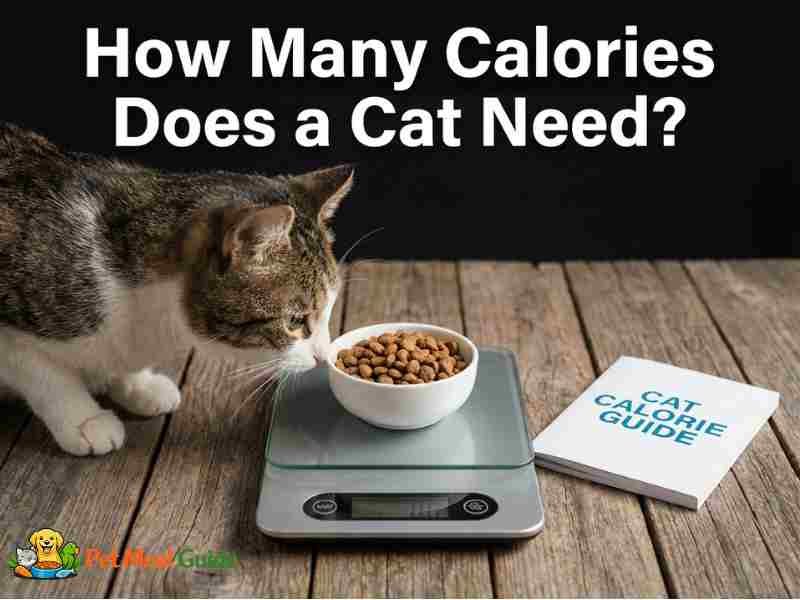
How Many Calories Does a Cat Need Per Day?
Whether you are dealing with a plump tabby who loves to beg for treats, or a highly active kitten bouncing off the walls, figuring out exactly how many calories does a cat need is one of the most important responsibilities of a pet parent. Overfeeding leads to feline obesity—a major risk factor for diabetes and joint disease—while underfeeding can lead to malnutrition and muscle loss.
In this comprehensive guide, we will break down the exact mathematical formulas veterinarians use to calculate daily caloric needs. We will also review the best high and low-calorie cat foods on the market, and show you exactly how to read confusing pet food labels to ensure your feline friend stays perfectly healthy.
Most adult cats need between 20 to 30 calories per pound (45–70 kcal/kg) per day, depending heavily on their weight, age, and activity level.
For example, a standard 10-pound indoor cat typically needs 200 to 250 calories daily to maintain a healthy weight. For precise, personalized results based on your cat’s unique body condition score and lifestyle, it is highly recommended to use a veterinary-based cat calorie calculator.
Cat Calories Per Day – Quick Answer by Weight
If you are simply wondering how many calories should a cat eat a day, here are the baseline daily energy requirements for healthy, spayed/neutered adult cats:
- Small Cat (5–7 lbs): 120–180 kcal/day
- Average Cat (8–12 lbs): 180–300 kcal/day
- Large Cat (13–18 lbs): 300–450 kcal/day
How Many Calories Should a Cat Eat? (Detailed Explanation)
Understanding your cat’s precise calorie needs isn’t a one-size-fits-all equation. It depends heavily on three primary factors:
1. Weight and Body Condition
Heavier cats naturally require more calories to maintain their mass. However, if your cat is overweight, you must calculate their calorie needs based on their ideal target weight, not their current weight, to safely facilitate weight loss.
2. Activity Level
- Indoor Cats: Generally lead sedentary lifestyles (sleeping 12-16 hours a day). They require significantly fewer calories.
- Outdoor/Active Cats: Hunting, running, and regulating body temperature in outdoor weather burns vastly more energy, requiring a higher caloric intake.
3. Age and Life Stage
- Kittens: Growing bodies have massive energy demands.
- Adults (1-7 years): Require balanced, maintenance-level calories.
- Seniors (7+ years): Generally experience a slowing metabolism and need fewer calories, unless they are suffering from age-related weight loss (like hyperthyroidism), in which case they may need more.
The Cat Calorie Formula (Vet-Based Calculation)
If you want to do the math yourself, veterinarians use a formula called the Resting Energy Requirement (RER). This calculates the basic calories a cat needs just to exist (breathe, pump blood, digest food).
The RER Formula:
👉 70 × (Body weight in kg)^0.75
Once you have the RER, you must multiply it by an “activity factor” to get their total daily maintenance calories:
- Neutered Adult (Normal Activity): RER × 1.2
- Intact Adult / Active Cat: RER × 1.4 to 1.6
- Weight Loss Goal: RER × 0.8
Note: This exact formula is what powers our cat weight calorie calculator.
How Many Calories Should a Cat Eat? (By Life Stage)
🐾 Kittens (0–12 Months)
Kittens are essentially tiny, furry athletes. They often require 2 to 3 times the calories of an adult cat of the same weight. Because their stomachs are small, these high-calorie needs must be met through frequent, small meals (3 to 4 times a day) using kitten-specific formulas.
🐾 Adult Cats (1–7 Years)
The average adult cat thrives on 200–300 calories per day to maintain their weight. This is the stage where monitoring portions becomes critical, as the “kitten metabolism” slows down and excess calories quickly turn into fat.
🐾 Senior Cats (7+ Years)
Senior cats often become less active, meaning their calorie needs drop. However, as they age further (11+ years), their ability to digest protein and fat can decline, causing them to lose weight. Adjust their intake based on regular veterinary weigh-ins.
Best High Calorie Cat Food (Weight Gain Support)
If you have an older cat losing muscle mass, a rescue cat that is severely underweight, or a feline recovering from surgery, you need to transition them to a high calorie cat food. These foods are densely packed with premium proteins and fats, meaning the cat gets more energy from smaller bites.
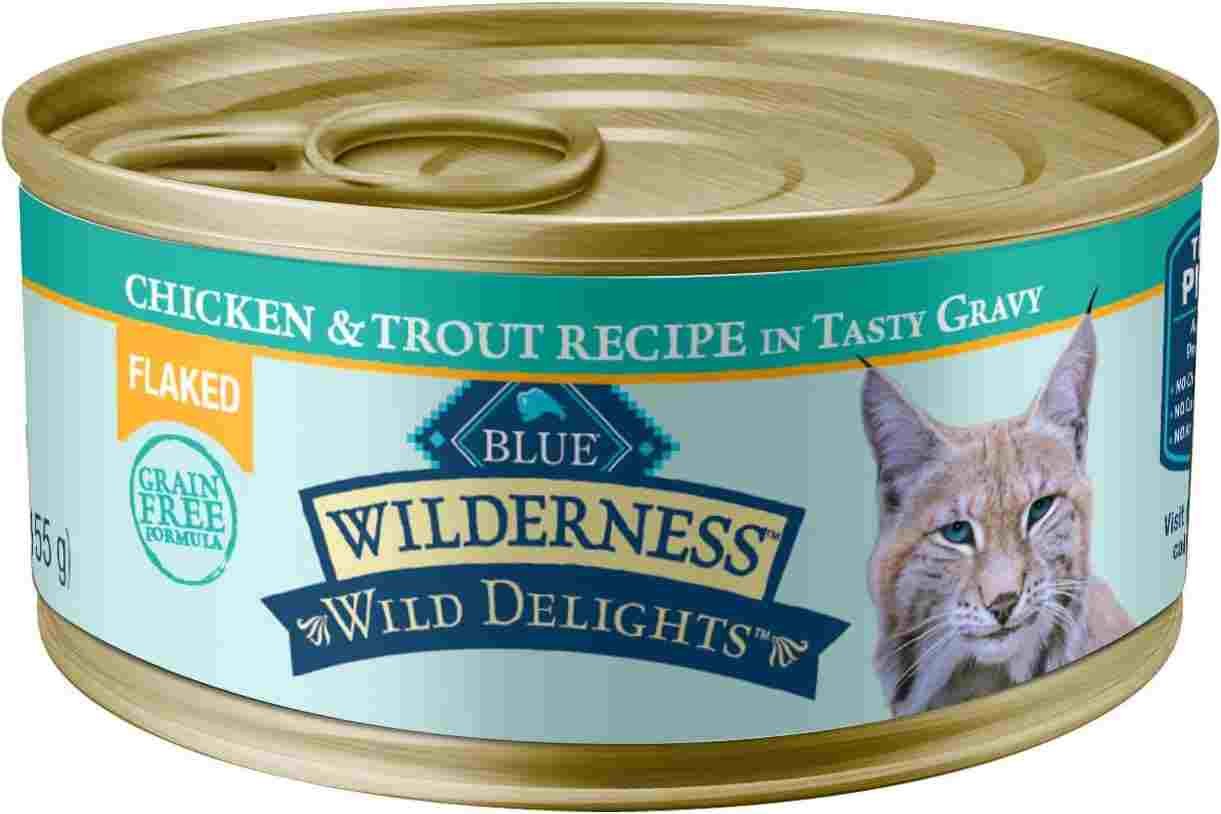
1. High Calorie Wet Cat Food (Weight Gain Formula)
A premium wet formula specifically designed for underweight cats. The soft pate texture is incredibly easy to digest and highly palatable for cats with low appetites.
- Dense calories per serving (often 120+ kcal per small can)
- Rich in easily digestible animal fats
- Perfect for sick or recovering felines
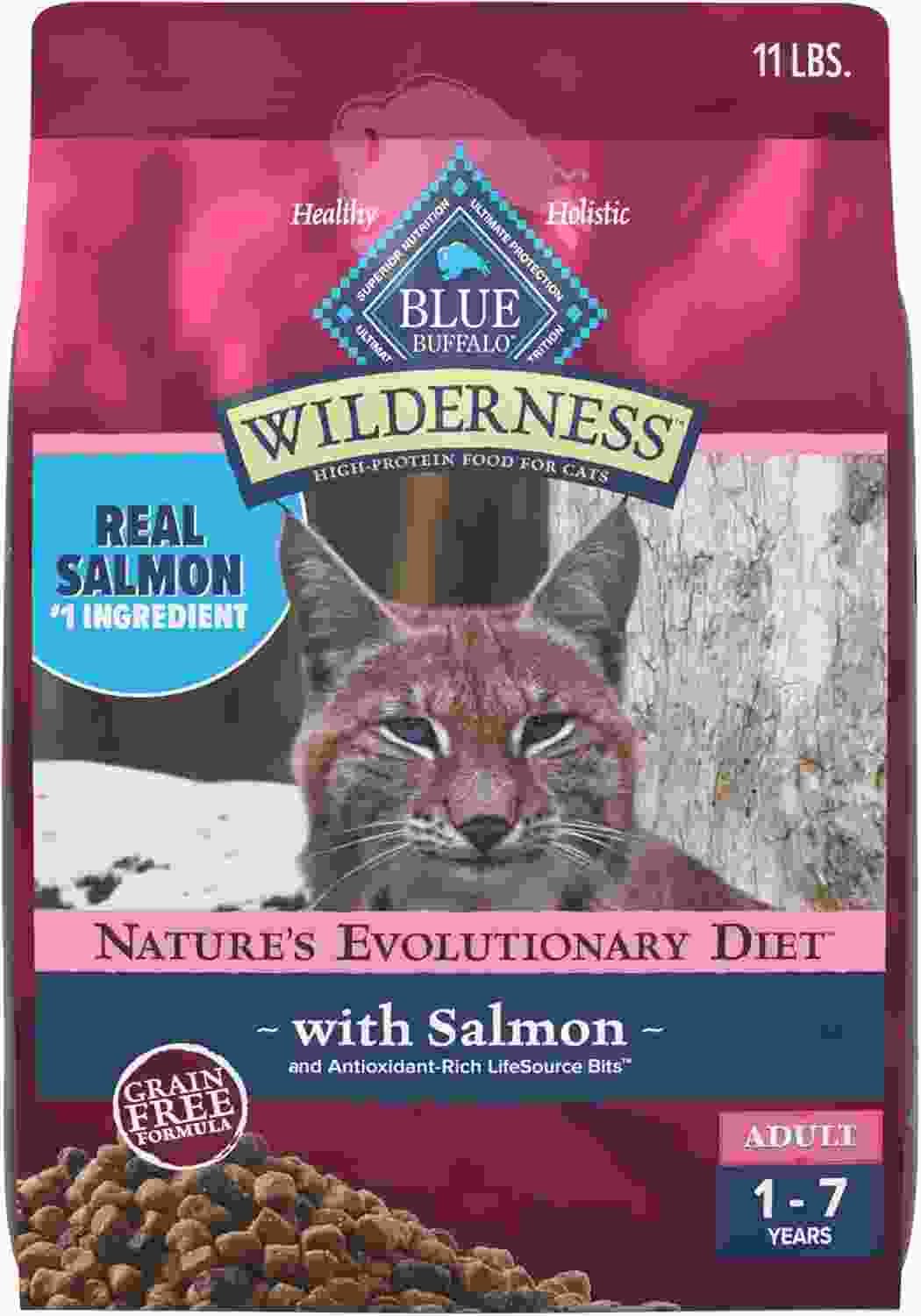
2. High Calorie Cat Food for Senior Cats
Aging cats often struggle to absorb nutrients. This specialized senior kibble blends high caloric density with added glucosamine and chondroitin for joint support.
- Supports aging metabolisms and prevents muscle wasting
- Softer kibble pieces for older teeth
- Enhanced aroma to stimulate fading senses of smell
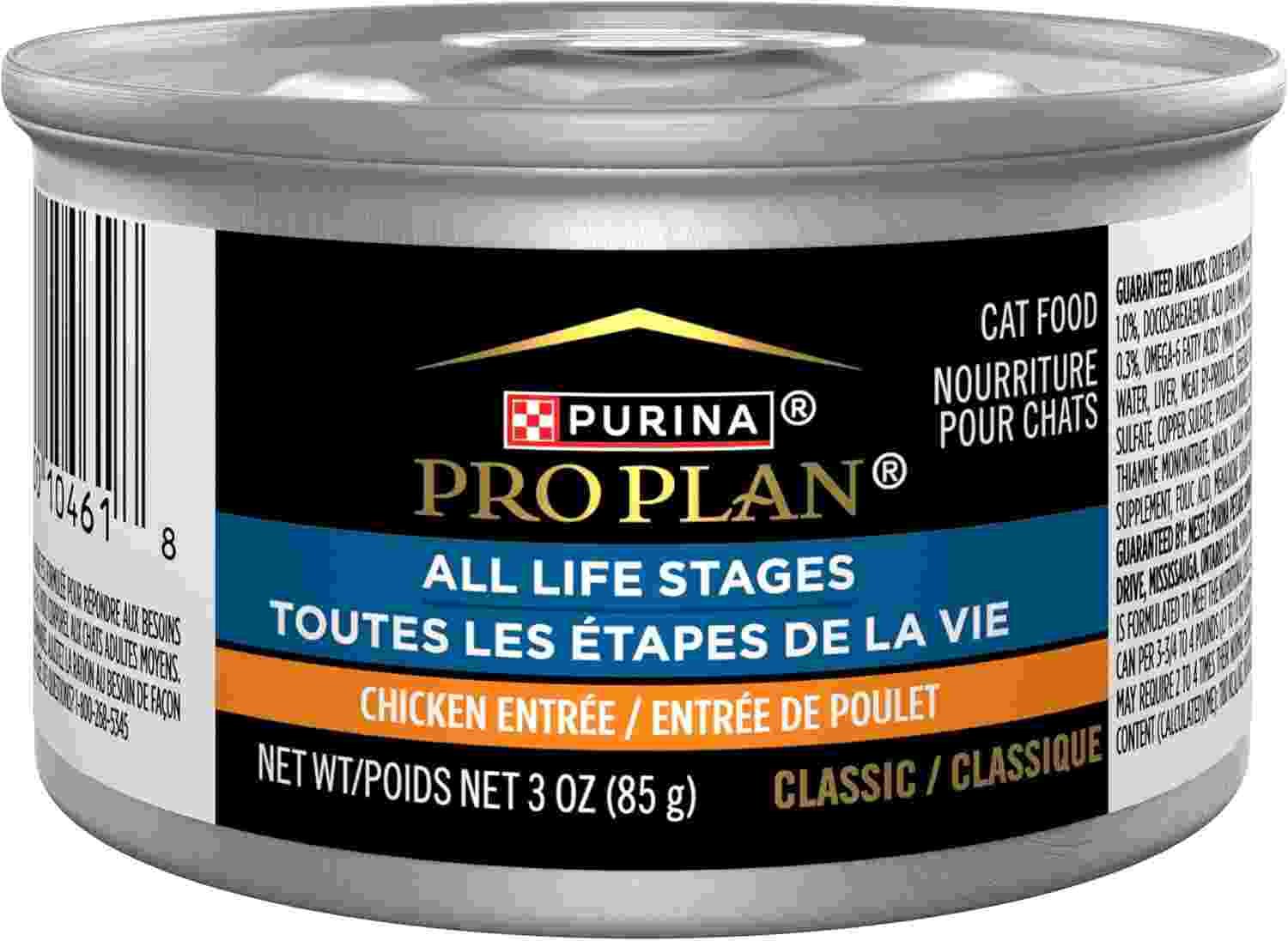
3. High Calorie Canned Cat Food (Kitten/All Life Stages)
Often marketed for kittens, these incredibly rich canned foods are an excellent “life hack” for putting weight on an adult cat quickly and safely.
- Exceptionally high protein and fat content
- Provides essential hydration alongside calories
- Excellent for mixing with dry food to boost overall intake
Low Calorie Cat Food (Weight Loss Guide)
Conversely, if your cat is carrying extra weight, you cannot simply cut their food portions in half. Drastically reducing food volume will leave your cat constantly hungry, stressed, and at risk for a fatal liver condition called hepatic lipidosis.
Instead, switch them to a low calorie cat food. These diets allow your cat to eat a satisfying volume of food while consuming fewer calories.
Features of Low Calorie Diets:
- Reduced fat content: Fat has more than double the calories per gram compared to protein or carbs.
- High fiber: Fiber adds bulk to the food, helping your cat feel full and satisfied longer.
- L-Carnitine: An amino acid often added to weight-management foods to help turn fat into usable energy.
Options include low calorie dry cat food, moisture-rich low calorie canned cat food, and specifically formulated low calorie cat treats so you can still reward your pet during their diet.
How to Calculate Calories in Dry Cat Food
A frequent question from pet owners is: how to calculate calories in dry cat food?
Dry kibble is incredibly calorie-dense, as all the water has been removed. Because of this, it is exceptionally easy to overfeed. A simple “cup” of food can vary wildly depending on the brand.
Step-by-Step Calculation:
- Check the Label: Look at the back of the bag under the Guaranteed Analysis. Find the caloric content, usually listed as “kcal/kg” and “kcal/cup”.
- Determine Your Cat’s Needs: Let’s say your cat needs 250 kcal per day.
- Do the Math: If the food is 350 kcal/cup, divide your cat’s needs by the food’s calories (250 ÷ 350 = 0.71).
- The Result: You should feed your cat roughly 0.7 cups of this specific food per day.
How Many Calories in Canned Cat Food?
If you are feeding a wet diet, you might be typing “how many calories in canned cat food” or “how many calories in a can of cat food” into search engines daily. Because wet food contains 70-80% water, the calorie count per can is much lower than an equivalent volume of dry food.
Typical Calorie Ranges for Wet Food:
- 3 oz can (Small): 70–150 kcal per can
- 5.5 oz can (Large): 150–250 kcal per can
Examples of Popular Brands:
- Fancy Feast canned cat food calories: A standard 3 oz can of Fancy Feast Classic Pate contains roughly 90 kcal. An average adult cat would need 2.5 to 3 cans per day.
- Friskies canned cat food calories: A standard 5.5 oz can of Friskies Pate contains roughly 170 to 180 kcal. An average adult cat would need about 1.5 cans per day.
Cat Food Calorie Comparison Table
| Food Type | Caloric Density | Moisture Level | Best For… |
|---|---|---|---|
| Dry Food (Kibble) | High (~350-500 kcal/cup) | Very Low (~10%) | Convenience, grazing, active cats |
| Wet Food (Canned) | Medium (~30 kcal/oz) | High (70-80%) | Hydration, kidney health, picky eaters |
| High Calorie Food | Very High | Varies | Weight gain, sick cats, senior recovery |
| Low Calorie Food | Low | Varies | Weight loss, inactive indoor cats |
Cat Calorie Calculator – Why You Need It
Relying on the feeding guidelines printed on the back of the pet food bag is risky. Those guidelines are broad averages and often overestimate portion sizes (which encourages you to buy food more frequently).
Using a cat food calorie calculator or a veterinary tool like the VCA cat food calculator helps you:
- Prevent Obesity: By dialing in exact daily limits.
- Maintain Ideal Weight: By making micro-adjustments as your cat ages.
- Mix Diets Safely: If you feed half dry and half wet, a calculator helps you split the calories accurately.
For more detailed information on ingredients and overall feline health, be sure to read our comprehensive Cat Food Nutrition Guide, and stay tuned for our upcoming Cat Weight Management Guide.
Video Guide: How Much Should You Feed Your Cat?
For a great visual explanation on feline body condition scores and calorie management, watch this veterinary breakdown:
Common Feeding Mistakes & Pro Tips
- Overfeeding dry food: Eyeballing a scoop of dry food almost always leads to overfeeding.
- Ignoring treat calories: Treats should only make up 10% of your cat’s total daily calories.
- Leaving food out all day: Free-feeding ruins portion control and leads to weight gain.
- Measure food daily: Use a digital kitchen scale to weigh dry food in grams for ultimate accuracy.
- Use calculators: Let our feeding calculators do the math for you.
- Combine wet + dry: This gives your cat the dental benefits of kibble and the hydration benefits of wet food.
- Monitor weight weekly: Weigh your cat regularly to ensure your calorie calculations are working.
Frequently Asked Questions (FAQs)
Most adult cats need between 200 to 300 calories per day. However, this varies based on their weight, age, and activity level. A good rule of thumb is 20 to 30 calories per pound of body weight per day.
A standard, healthy 10 lb indoor cat typically needs about 200 to 250 calories daily to maintain their current weight. If the cat is highly active, that number may be closer to 280 calories.
To safely lose weight, a cat should consume about 80% of their Resting Energy Requirement (RER) for their ideal target weight. Never drastically cut calories, as rapid weight loss in cats can cause severe liver disease.
The best high calorie cat foods are usually premium wet or canned foods (often kitten formulas) that feature high levels of animal protein and healthy animal fats. These provide dense calories in small portions, which is ideal for underweight or recovering cats.