
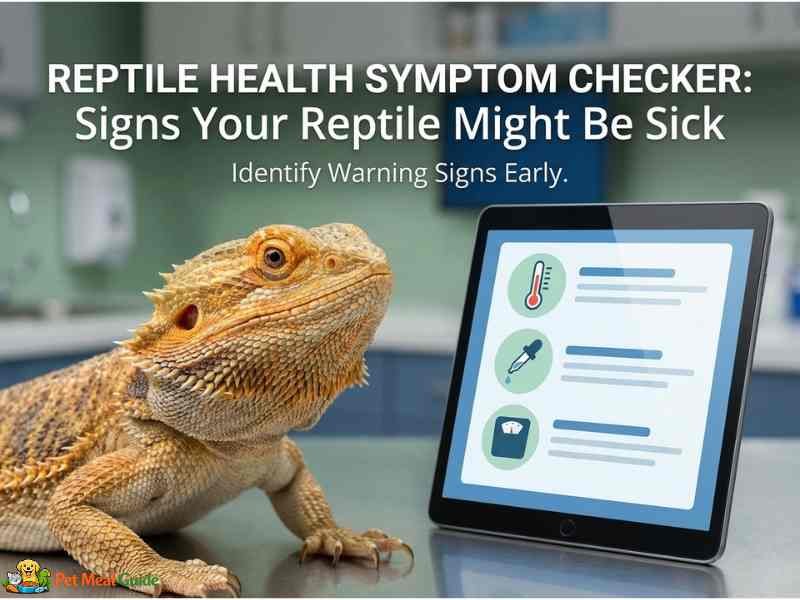
Reptile Health Symptom Checker
Common Reptile Illness Symptoms
Detecting a sick reptile requires close observation, as their natural instinct is to hide vulnerability. If your reptile is exhibiting abnormal behavior, it is vital to act quickly. Common signs of illness in reptiles include:
- Loss of appetite (Refusing food for an unusual length of time)
- Unusual lethargy (Lack of movement, unable to lift their body)
- Swollen limbs or a soft jaw (Indicators of bone disease)
- Difficulty shedding (Stuck skin around eyes, toes, or tail)
- Respiratory symptoms (Open-mouth breathing, wheezing, clicking sounds)
- Abnormal feces (Runny, bloody, or exceptionally foul-smelling stool)
| Observed Symptom | Possible Health Problem |
|---|---|
| Rubbery, soft jaw or bowed legs | Metabolic Bone Disease (MBD) |
| Bubbles from nose, open-mouth breathing | Respiratory Infection (RI) |
| Cheese-like buildup in the mouth | Stomatitis (Mouth Rot) |
| Sudden, rapid weight loss | Internal Parasites or Organ Failure |
Note: The Association of Reptile and Amphibian Veterinarians strongly advises seeking immediate exotic veterinary care if respiratory distress or severe lethargy is observed.
Owning a reptile is a deeply rewarding experience, but it comes with a unique set of challenges. Unlike a dog that might whine or a cat that might vocalize when in pain, a reptile is biologically hardwired to suffer in absolute silence. In the wild, displaying any sign of weakness makes a reptile an immediate target for predators. Because of this stoic nature, by the time your bearded dragon, leopard gecko, or ball python physically looks sick, the underlying illness has likely been progressing for weeks.
As dedicated keepers, our greatest tool is observation. A sudden refusal to eat, a slight change in the consistency of their stool, or spending too much time on the cool side of the terrarium are often the very first red flags. Understanding how to navigate a reptile health symptom checker empowers you to catch these subtle clues early. Many of the most devastating reptile health problems—such as Metabolic Bone Disease or severe respiratory infections—are entirely preventable and highly treatable if caught in their earliest stages.
In this comprehensive guide, we will walk you through a complete head-to-tail physical examination, breakdown the pathology of the most common reptile diseases, and provide you with a veterinary-approved checklist to ensure your cold-blooded companion thrives. Often, the root cause of these ailments stems from improper habitat setups. To ensure your baseline husbandry is flawless, we highly recommend familiarizing yourself with proper lighting, which you can master with our Complete Reptile Temperature and Lighting Guide.
Why Monitoring Reptile Health Symptoms Is Important
Preventative medicine is the cornerstone of exotic pet care. Because reptiles have slower metabolisms than mammals, the onset of illness can be insidious. A bacterial infection that might present rapidly in a dog can take weeks to visibly manifest in a snake or lizard. When a reptile’s immune system is compromised, it is almost always a secondary result of chronic stress caused by improper environmental parameters.
According to welfare advice from the Royal Society for the Prevention of Cruelty to Animals (RSPCA), maintaining exact temperature gradients, proper humidity, and species-specific nutrition are non-negotiable pillars of reptile health. When a reptile is kept too cold, their digestive enzymes stop functioning. When they are kept too dry, their kidneys suffer and they cannot shed properly. Early detection through daily monitoring allows you to correct these environmental stressors before they morph into irreversible organ damage or systemic infections.
Common Signs of a Sick Reptile
Every reptile owner should be intimately familiar with their pet’s baseline behavior. If you know what “normal” looks like, “abnormal” stands out instantly. When evaluating reptile illness symptoms, look for these universal warning signs:
- Loss of Appetite (Anorexia): While some reptiles (like ball pythons) naturally fast during certain seasons or shedding cycles, a sudden, unexplained refusal to eat for an extended period is a massive red flag.
- Rapid Weight Loss: Reptiles carry weight in specific areas, such as the base of the tail in geckos or the fat pads on the head of a bearded dragon. If the spine, ribs, or hip bones become visible and sharp, the animal is emaciated.
- Lethargy and Weakness: A healthy reptile is alert. If your pet is unresponsive to touch, unable to lift its belly off the floor, or dragging its hind legs, it is in critical condition.
- Abnormal Posture (Stargazing): If your reptile is pointing its nose straight up in the air for long periods, or twisting its neck unnaturally, it is struggling to breathe or suffering from a neurological disorder.
- Swelling or Unexplained Wounds: Look for swollen joints (a sign of gout or bone disease) or blisters and red scales on the belly (a sign of scale rot from sitting in wet, dirty substrate).
- Difficulty Shedding (Dysecdysis): A healthy reptile should shed its skin in one piece (snakes) or large flakes (lizards). Skin stuck around the toes, tail tip, or eyes restricts blood flow and can lead to necrosis and amputation.
Essential Tools for Monitoring Reptile Health
You cannot manage what you do not measure. To properly use a reptile health guide, you must have the correct equipment to monitor their environment. These top-rated veterinary tools are essential for preventing and diagnosing illnesses.
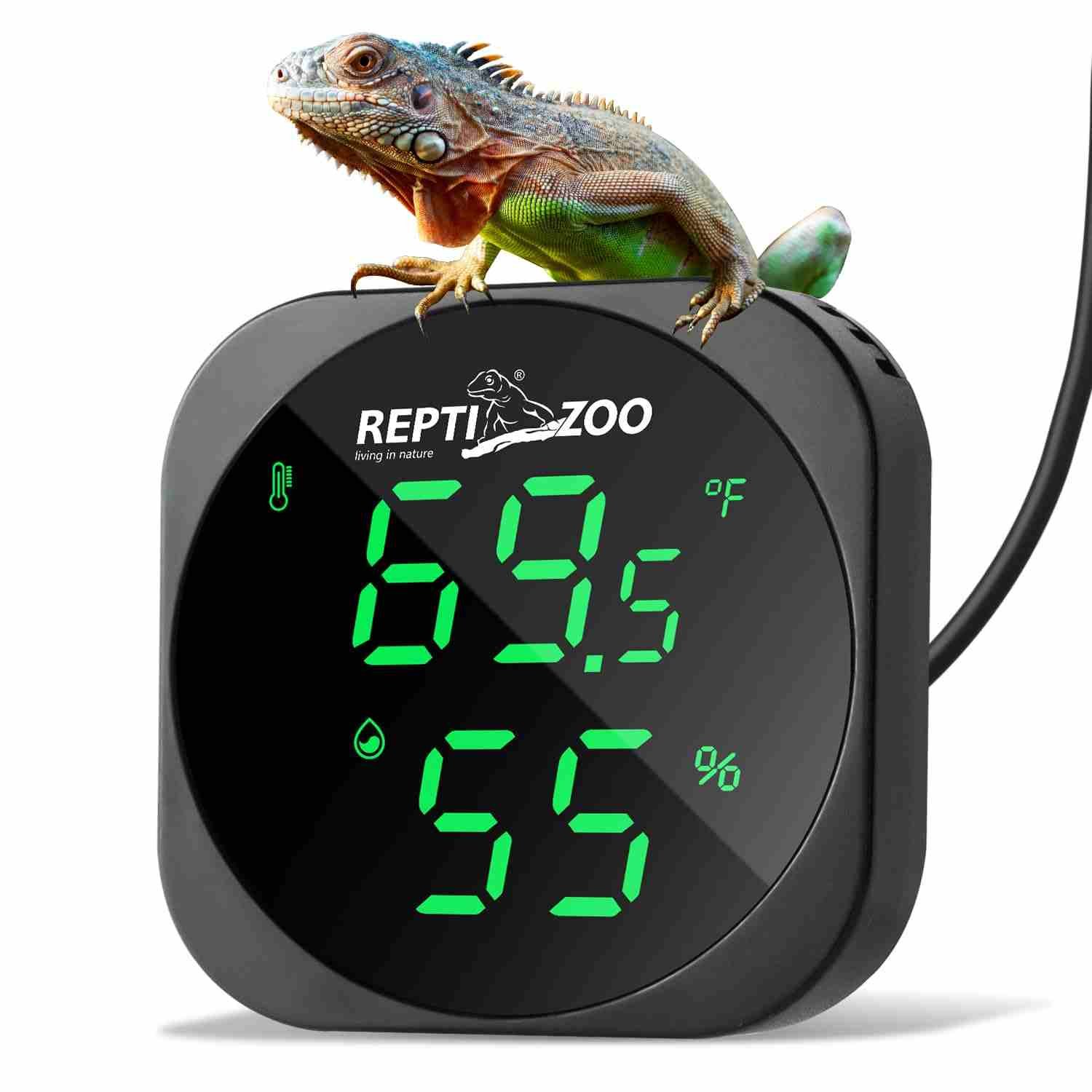
Digital Reptile Thermometer & Hygrometer
Accurately monitor both the ambient temperature and humidity levels inside the terrarium. Dual probes allow you to check the hot and cool zones simultaneously.
Check Price on Amazon
High Output UVB Lighting Kit
A premium linear T5 UVB bulb and fixture. Absolutely mandatory for preventing Metabolic Bone Disease and ensuring proper calcium synthesis in diurnal reptiles.
Buy Now on Amazon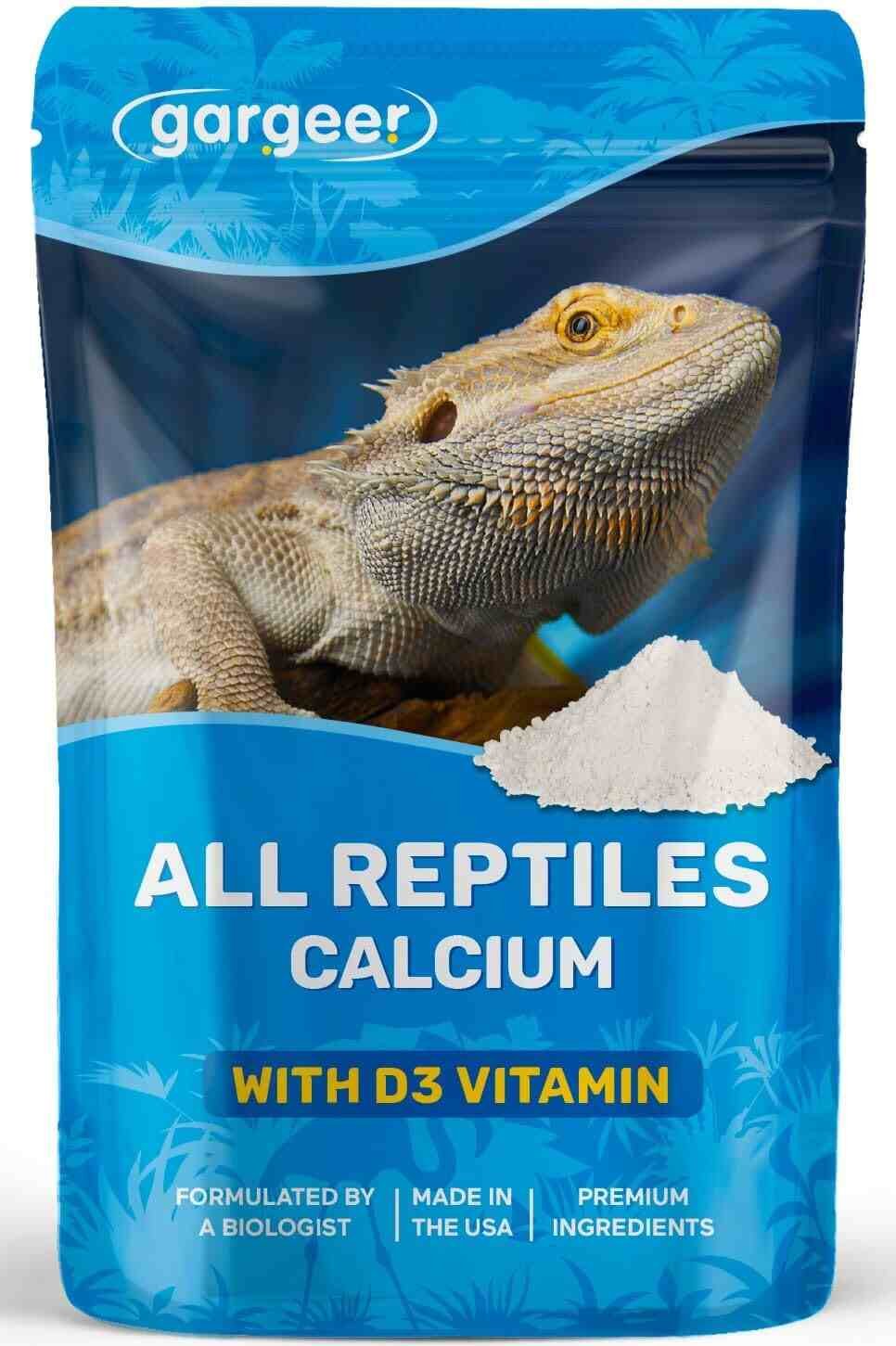
Reptile Calcium Supplement with D3
Ultra-fine precipitated calcium carbonate. Dusting your feeder insects with this powder is the only way to build strong bones and maintain neurological health.
Check Price on Amazon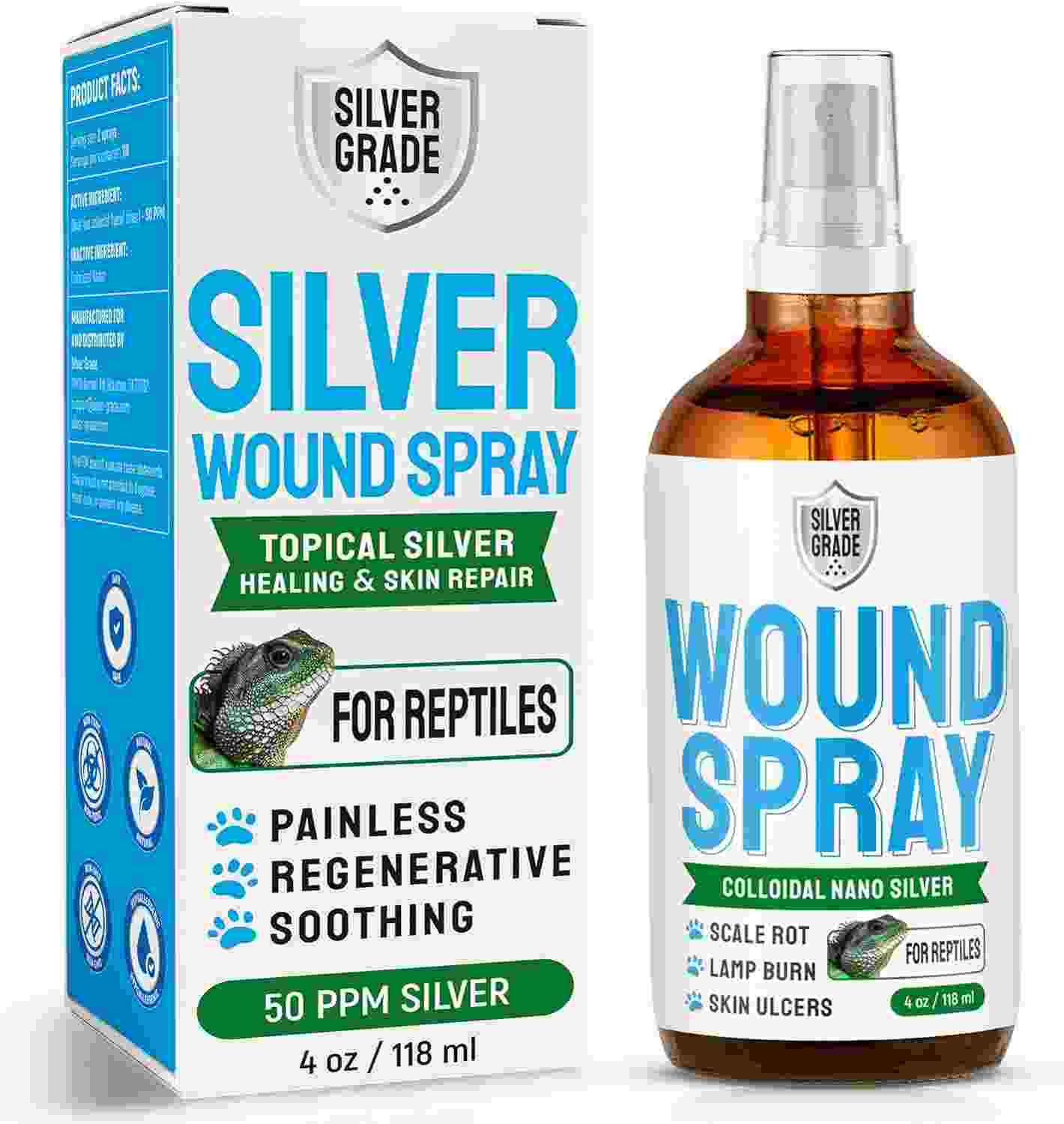
Reptile Wound Care & First Aid Kit
Contains reptile-safe antiseptic sprays, shedding aids, and wound healing gels to treat minor scrapes, stuck shed, and early signs of scale rot at home.
Buy Now on AmazonReptile Symptom Checker Table (Health Problem Guide)
Use this diagnostic table as a quick reference guide to decipher signs of unhealthy reptile behavior. Disclaimer: This table is for informational purposes and does not replace professional veterinary diagnostics.
| Observed Symptom | Possible Cause | Recommended Action |
|---|---|---|
| Loss of appetite, weight loss, runny foul-smelling stool | Internal Parasites (Pinworms, Coccidia) | Collect a fresh fecal sample and take it to an exotic vet for testing and deworming medication. |
| Open-mouth breathing, wheezing, bubbles from nose, “stargazing” | Respiratory Infection (RI) / Pneumonia | Increase ambient heat slightly. Seek emergency veterinary care for antibiotics immediately. |
| Soft or rubbery jaw, bowed limbs, twitching toes, kinked spine | Metabolic Bone Disease (MBD) / Calcium Deficiency | Check UVB bulb expiration. Immediately correct calcium dusting schedule. See vet for liquid calcium injections. |
| Sunken eyes, wrinkled skin, thick stringy saliva, constipation | Severe Dehydration | Provide a lukewarm soak (15-20 mins). Check hygrometer to ensure enclosure humidity is correct for the species. |
| Cheesy yellow buildup in mouth, red/inflamed gums, excessive drooling | Stomatitis (Mouth Rot) | Requires veterinary-prescribed antimicrobial cleanses and injectable antibiotics. |
| Pieces of dead skin stuck to toes, tail tip, or eye caps | Dysecdysis (Shedding Problems) due to low humidity | Create a “humid hide” with damp sphagnum moss. Gently massage affected areas with a wet Q-tip after soaking. Do not pull dry skin. |
Common Reptile Diseases and Symptoms Deep Dive
To truly understand reptile disease symptoms, we must look at the pathology of the illnesses themselves. The Association of Reptile and Amphibian Veterinarians (ARAV) consistently treats the following five preventable diseases in captive populations.
1. Respiratory Infections (RI)
Reptiles do not have a diaphragm to help them cough, making it incredibly difficult for them to clear fluid from their lungs. RIs are usually caused by keeping the enclosure too cold or too humid, allowing bacteria to flourish in the respiratory tract. Symptoms include clicking or popping noises when breathing, excess mucus around the mouth and nose, and lifting the head straight up to clear the airway. RIs are fatal without prescription antibiotics.
2. Metabolic Bone Disease (MBD)
MBD is the most tragic disease in the reptile hobby because it is 100% preventable. It occurs when a reptile is deprived of dietary calcium and/or Vitamin D3 (via UVB lighting). Without these, the blood calcium levels crash, and the body begins stealing calcium from the skeleton to keep the heart beating. The bones become rubbery, leading to fractured legs, a completely soft jaw, and severe spinal deformities. You can prevent this by using the supplements highlighted in our Reptile Nutrition Product Guide.
3. Internal Parasites
All reptiles carry a low, manageable load of gut flora and microscopic parasites. However, when a reptile becomes stressed—due to poor husbandry, moving to a new home, or a dirty enclosure—their immune system drops, and the parasite population explodes. This leads to severe diarrhea, dramatic weight loss despite eating, and lethargy.
4. Stomatitis (Mouth Rot)
Mouth rot is a bacterial infection of the gums. It often starts from a minor injury, such as a lizard biting the glass, chewing on rough substrate, or striking feeding tongs too hard. The bacteria enter the wound, causing swelling, redness, and eventually a buildup of caseous (cheese-like) pus inside the mouth. It makes eating excruciatingly painful.
5. Scale Rot and Blister Disease
This is a bacterial infection of the skin, most common in snakes. It is caused by keeping the animal in a continuously wet, unhygienic environment (such as soiled, damp bedding). The scales on the belly will blister, turn red or brown, and eventually ulcerate, allowing bacteria to enter the bloodstream (sepsis).
How to Check Your Reptile for Health Problems (Physical Exam)
You should perform a brief “nose-to-tail” inspection of your reptile at least once a week. Here is a step-by-step reptile health checklist for physical examinations:
- Examine the Eyes and Head: The eyes should be bright, alert, and clear of any discharge. Sunken eyes indicate severe dehydration. Swollen, puffy eyes can indicate a Vitamin A deficiency. The jawline should be uniform, hard, and symmetrical.
- Check the Skin and Scales: Run your hands gently over the body. The skin should be taut and hydrated. Look closely at the tips of the toes and the very end of the tail for any restrictive bands of stuck shed. Check the belly for any brown, crusty lesions.
- Monitor Body Mass and Muscle Tone: Feel the spine and the base of the tail. The bones should not feel sharp or prominent. A healthy reptile feels firm and muscular. If you notice weight loss, you may need to reconsider their caloric intake by adjusting their diet using a species-specific Leopard Gecko Feeding Schedule or ensuring proper prey sizes outlined in our Snake Feeding Guide.
- Assess Mobility and Posture: Place the reptile on a flat surface. They should be able to lift their body, walk without dragging their limbs, and exhibit no tremors or twitching in their digits.
- Examine the Feces: Check the terrarium daily. A healthy stool consists of a solid, dark fecal log and a solid white urate (the reptile equivalent of urine). A yellow or green urate indicates dehydration or liver issues.
Preventing Reptile Health Problems
The best veterinary care is prevention. By mastering your husbandry, you eliminate 95% of potential reptile health problems.
- Precision Heating: Use digital thermometers and automated thermostats to maintain a flawless temperature gradient. A warm side for digestion and a cool side for thermoregulation are mandatory.
- Proper Lighting: If your species requires UVB, the bulb must be replaced every 6 to 12 months. A UVB bulb stops emitting UV radiation long before the visible light burns out.
- Strict Hygiene: Spot clean feces and uneaten food daily. Perform a deep clean of the enclosure with a reptile-safe disinfectant (like chlorhexidine) once a month to prevent bacterial overgrowth.
- Nutritional Excellence: Gut-load your feeder insects 24 hours prior to feeding, and follow a strict schedule for dusting foods with calcium and multivitamins.
Pro Tips for Keeping Reptiles Healthy
Veteran herpetoculturists rely on these advanced strategies to keep their collections thriving:
- Quarantine New Arrivals: If you bring a new reptile home, keep it in a separate room in a sterile, minimalist setup (paper towel substrate) for at least 60 to 90 days. This prevents them from transmitting hidden parasites or viruses (like Nidovirus or Adenovirus) to your existing pets.
- Weigh Your Reptile Monthly: Purchase a cheap digital kitchen scale. Tracking your reptile’s weight in grams is the most accurate way to detect hidden illnesses. A 10% drop in body weight warrants a vet visit.
- Maintain Proper Humidity with a “Humid Hide”: Instead of spraying the entire tank and risking scale rot, provide a localized humid hide filled with damp sphagnum moss. This creates a microclimate the reptile can use exactly when it needs to shed.
- Establish a Relationship with an Exotic Vet: Do not wait for an emergency to find a vet. Reptiles require specialized doctors. Find a local exotic veterinarian using the ARAV database and schedule an initial wellness exam and fecal float test.
Authoritative Resources & Veterinary Advice
This reptile health guide has been compiled using peer-reviewed veterinary protocols and welfare standards. For further, authoritative reading on clinical reptile medicine and animal welfare, we highly recommend consulting the following organizations:
- Association of Reptile and Amphibian Veterinarians (ARAV) – The global standard for herpetological medicine and an excellent tool for locating a certified exotic vet near you.
- RSPCA Reptile Care Guidelines – Comprehensive, science-based welfare guides outlining the optimal living conditions for captive reptiles.
- ASPCA Animal Poison Control – A vital resource for identifying toxic plants, dangerous household chemicals, and unsafe foods for exotic pets.
Helpful Video Guide: Reptile Health Checks
For a visual demonstration of how to safely handle your reptile, check their mouth for stomatitis, and evaluate their body condition, watch this expert tutorial below:
Frequently Asked Questions (High Search Demand)
Below are detailed answers to the most common questions concerned reptile owners have regarding the health and well-being of their pets.
You can tell a reptile is sick by observing changes in their normal behavior and physical appearance. Common indicators include a sudden loss of appetite, extreme lethargy, hiding more than usual, rapid or open-mouth breathing, sunken eyes, and abnormal or runny feces. Because reptiles hide illnesses to avoid predators, any subtle change should be taken seriously.
Common symptoms of illness in reptiles include weight loss, difficulty shedding (dysecdysis), swollen joints or limbs, mouth discharge or cheesy buildup (stomatitis), clicking sounds when breathing, and a soft or rubbery jawline.
You should take your reptile to an exotic veterinarian immediately if you notice open-mouth breathing, stargazing (staring straight up), severe lethargy, blood in their stool, a completely soft jaw, or if they have refused food for an extended period accompanied by rapid weight loss.
A reptile may stop eating due to improper husbandry, specifically enclosure temperatures that are too low to allow for proper digestion. Other reasons include shedding, brumation (winter dormancy), stress from a new environment, internal parasites, or impaction (a blocked digestive tract).
Reptiles can recover from the active progression of Metabolic Bone Disease (MBD) with aggressive veterinary treatment, liquid calcium injections, and corrected UVB lighting. However, the physical skeletal deformities caused by the disease—such as kinked spines, bowed legs, and stunted growth—are permanent.