
Reptile Nutrition Product Guide: Best Foods, Supplements, and Feeding Tools for Healthy Reptiles
Reptile Nutrition Essentials
Reptiles require a carefully balanced, high-quality diet that mimics their wild foraging habits. This often includes live insects, fresh vegetables, and mandatory commercial vitamin supplements. The exact diet depends on the specific reptile species, but most captive reptiles thrive when provided with premium nutrition products such as:
- Calcium powder with Vitamin D3 (To prevent fatal bone diseases)
- Reptile multivitamin supplements (To ensure immune and eye health)
- Gut-loading insect food (To maximize the nutritional value of live feeders)
- Live feeder insects (Like crickets, dubia roaches, and mealworms)
- Professional reptile feeding tools (Such as stainless steel tongs and escape-proof bowls)
Veterinary reptile specialists, including the Association of Reptile and Amphibian Veterinarians (ARAV), highly recommend investing in top-tier nutrition products and strictly adhering to calcium supplementation schedules to prevent common, irreversible health problems like Metabolic Bone Disease (MBD).
Your reptile’s health starts from the inside out. One of the most common mistakes new reptile owners make is assuming that a simple box of pet store crickets or a plain bowl of lettuce is enough to keep their cold-blooded companion thriving. In reality, captive environments strip reptiles of the diverse, mineral-rich diets they would naturally consume in the wild. If you want your pet to display vibrant colors, maintain high energy levels, and live to its maximum lifespan, you must invest in premium, high-quality reptile nutrition products.
In this comprehensive, sales-driven buyer’s guide, we will break down the absolute best supplements, feeding tools, and commercial diets on the market. From ultra-fine calcium powders to specialized gut-loading gels, this guide will help you equip your terrarium with the products the professionals use.
Understanding Reptile Nutrition Needs
Before adding products to your cart, you must understand your pet’s biological dietary classification. Different reptiles require drastically different diets based on their natural feeding habits and evolutionary adaptations. Feeding the wrong macronutrients to a reptile can lead to rapid organ failure.
1. Insectivores
These reptiles are strictly meat and bug eaters. Their digestive tracts are highly specialized to process animal protein and insect chitin, but they cannot break down plant matter.
- Examples: Leopard geckos, chameleons, anoles, and African fat-tailed geckos.
- Primary Foods: Crickets, mealworms, dubia roaches, and silkworms.
2. Herbivores
Herbivores require a diet entirely composed of plant matter. Their long digestive tracts rely on complex gut flora to ferment tough cellulose. Feeding them animal protein is highly toxic and causes kidney failure.
- Examples: Green iguanas, uromastyx, and desert iguanas.
- Primary Foods: Dark leafy greens (collard, mustard), vegetables, and safe plant matter.
3. Omnivores
Omnivores eat a combination of both live insects and fresh plant foods, often shifting their dietary ratio as they age from babies (more protein) to adults (more greens).
- Examples: Bearded dragons, blue-tongue skinks, and crested geckos.
- Primary Foods: A balanced mix of live insects and daily fresh salads.
Trusted reptile welfare organizations like the Royal Society for the Prevention of Cruelty to Animals (RSPCA) recommend replicating the animal’s natural wild diet as closely as possible through varied food sources and high-grade supplementation.
Essential Reptile Nutrition Products Every Owner Should Have
Proper reptile nutrition requires an integrated system. Buying premium insects is useless if they aren’t properly gut-loaded, and gut-loaded insects are useless if they aren’t dusted with high-quality calcium. Every serious reptile owner should have a dedicated “feeding station” stocked with the following essential products to ensure a balanced diet.
Best Calcium Supplements for Reptiles
If you only buy one product from this guide, make it a premium calcium supplement. Calcium deficiency is the number one health problem in captive reptiles. Experts from the Association of Reptile and Amphibian Veterinarians (ARAV) routinely warn that insufficient calcium, combined with a lack of Vitamin D3, directly causes Metabolic Bone Disease (MBD)—a painful, crippling condition that softens and breaks the reptile’s skeleton.
To avoid this, you must dust your feeder insects or salads. The best options on the market include ultra-fine powders that easily adhere to insect exoskeletons.
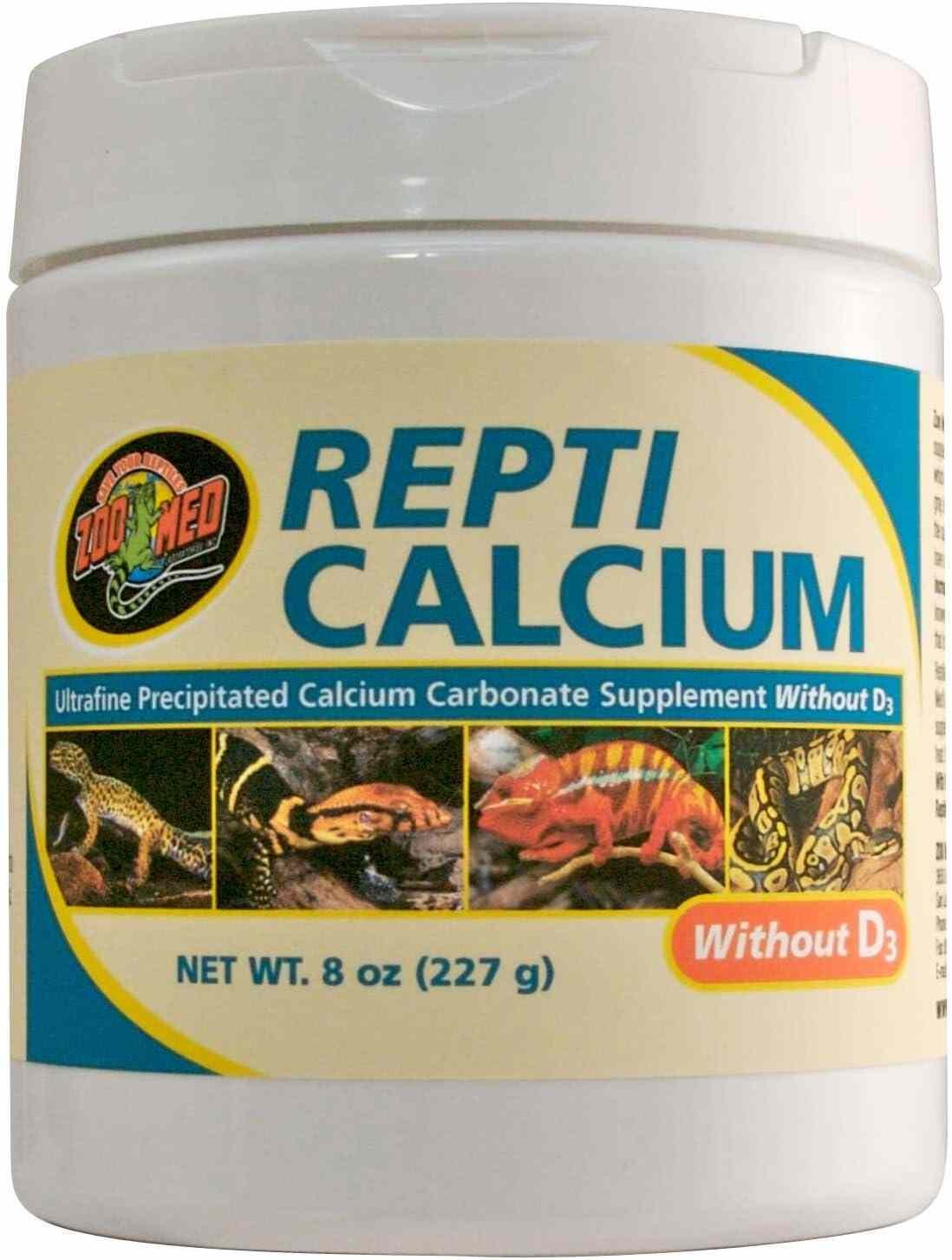
Zoo Med Repti Calcium with D3
The industry gold standard. Phosphorus-free, ultra-fine precipitated calcium carbonate with essential Vitamin D3. Ensures maximum absorption and prevents MBD.
Check Price on Amazon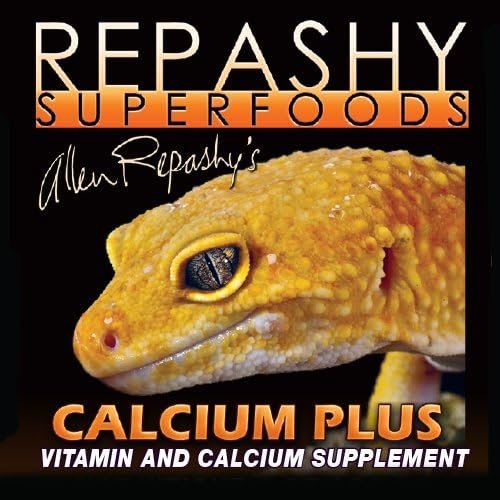
Repashy Superfoods Calcium Plus
An incredible “all-in-one” solution. Combines highly bioavailable calcium with essential vitamins and trace minerals. Perfect for dusting insects at every feeding.
Buy Now on AmazonBest Reptile Multivitamin Supplements
While calcium builds the bones, multivitamins maintain the organs, eyes, and immune system. Multivitamins provide essential nutrients like Vitamin A (crucial for healthy shedding and eye health) and Vitamin E. These supplements bridge the gap between a captive diet and the vast diversity of a wild diet.
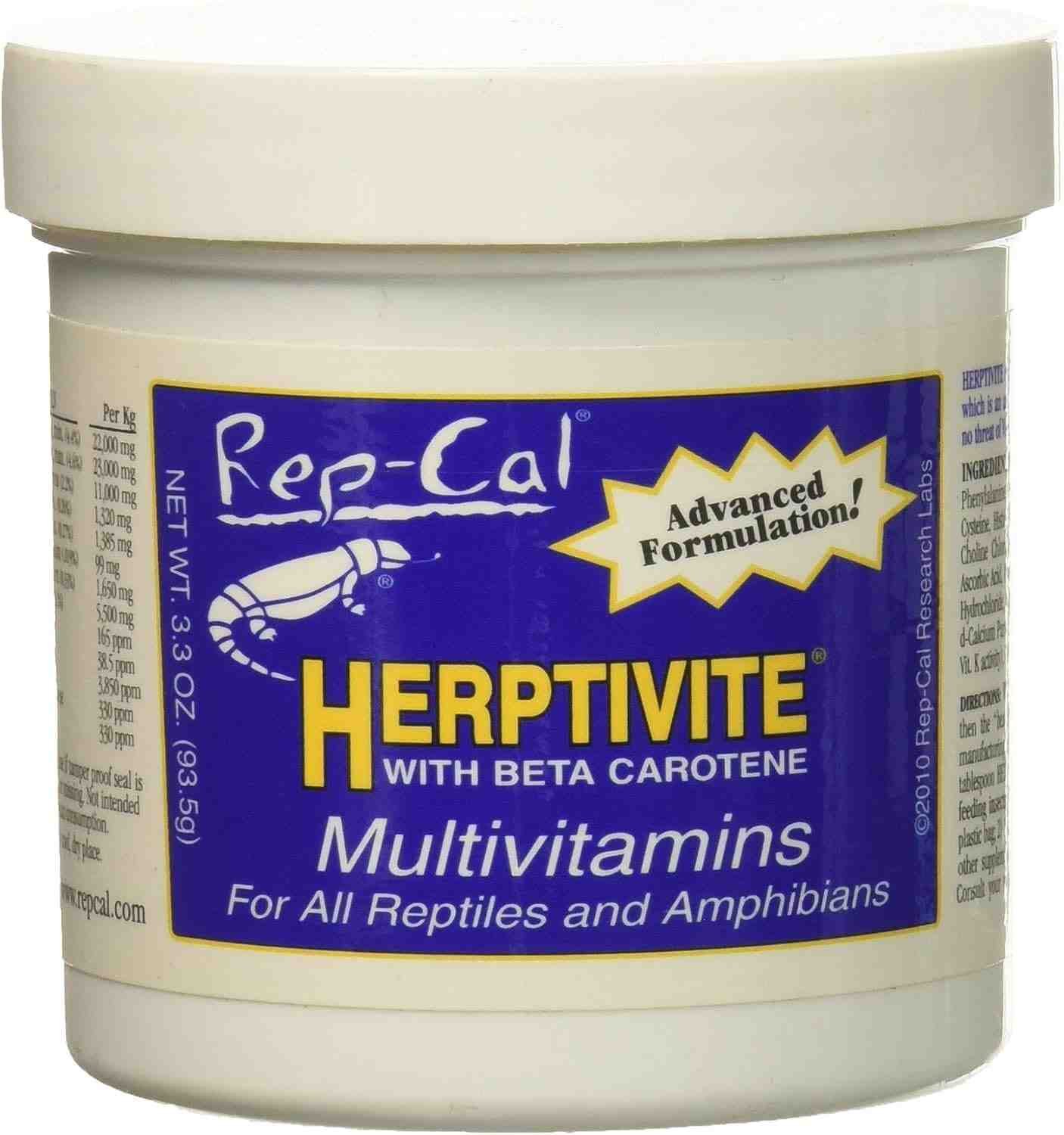
Rep-Cal Herptivite Multivitamin
A premium multivitamin containing naturally sourced beta-carotene, ensuring your reptile gets exact vitamin levels without the risk of dangerous Vitamin A toxicity.
Check Price on AmazonBest Feeder Insects for Reptiles
Feeder insects are the primary fuel source for insectivores and omnivores. For peak health, you should purchase farm-raised, parasite-free insects rather than relying on standard pet store stock, which is often undernourished.
- Dubia Roaches: The absolute best staple. High meat-to-shell ratio, low odor, silent, and highly nutritious.
- Crickets: An excellent, active staple that triggers natural hunting instincts.
- Mealworms & Superworms: Great for adding mass and offering feeding variety.
- Silkworms & Hornworms: Premium feeders perfect for hydration and delivering specific enzymes.
Gut-Loading Products for Feeder Insects
Gut loading is the process of feeding your live insects a highly nutritious, vitamin-packed food 24 to 48 hours before offering them to your reptile. If you feed your lizard an “empty” cricket that has only eaten cardboard, your lizard gets zero nutrition. Investing in a premium gut-load formula is the easiest way to supercharge your pet’s health.
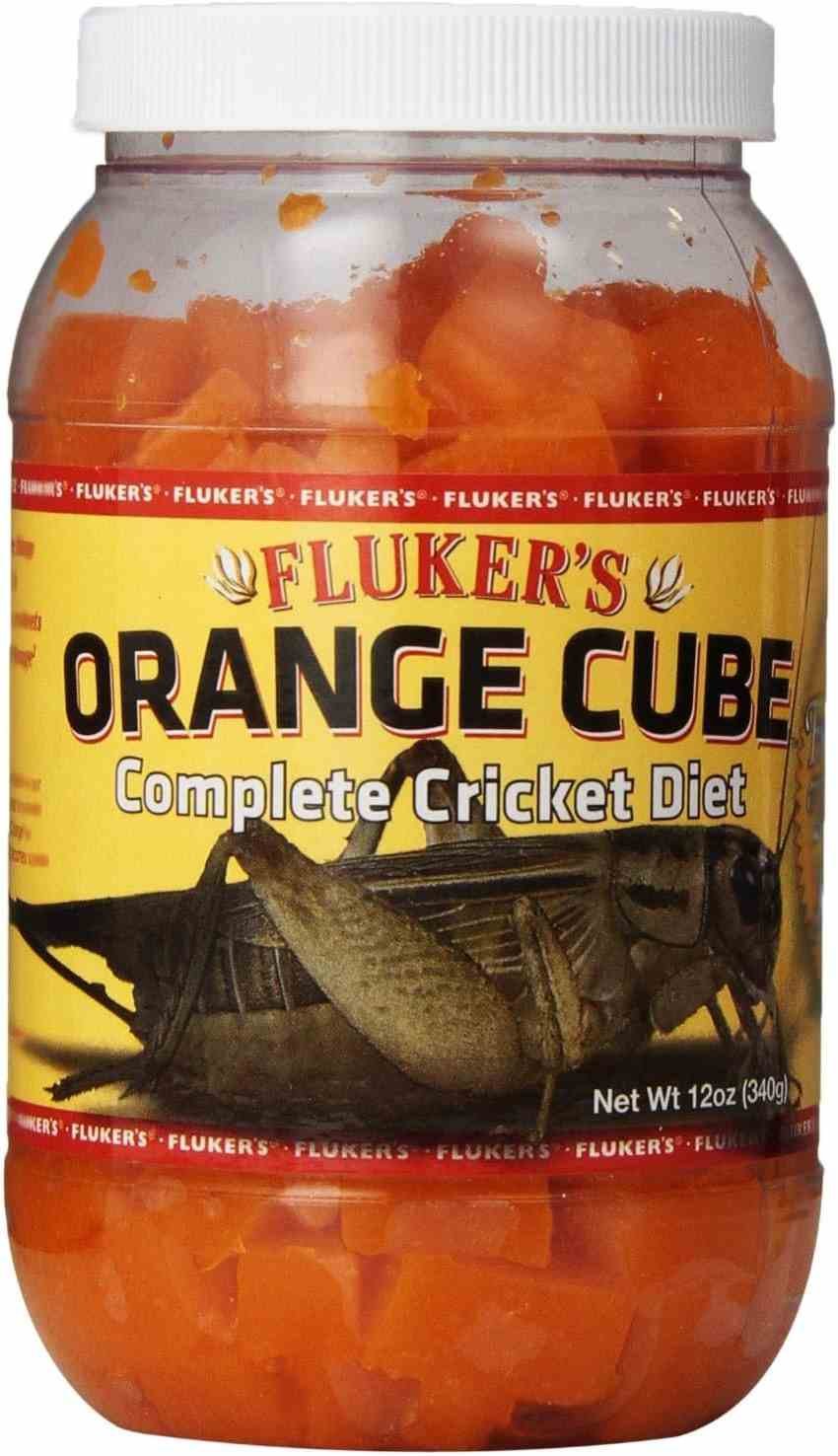
Fluker’s High-Calcium Cricket Diet
A specialized, nutrient-dense insect feed that actively loads the gut of your crickets and roaches with calcium, vitamins, and minerals before they become a meal.
Check Price on AmazonReptile Feeding Tools and Accessories
Using the right feeding tools prevents accidental finger bites, stops your reptile from swallowing loose, dangerous substrate, and makes your husbandry routine significantly cleaner and more efficient.
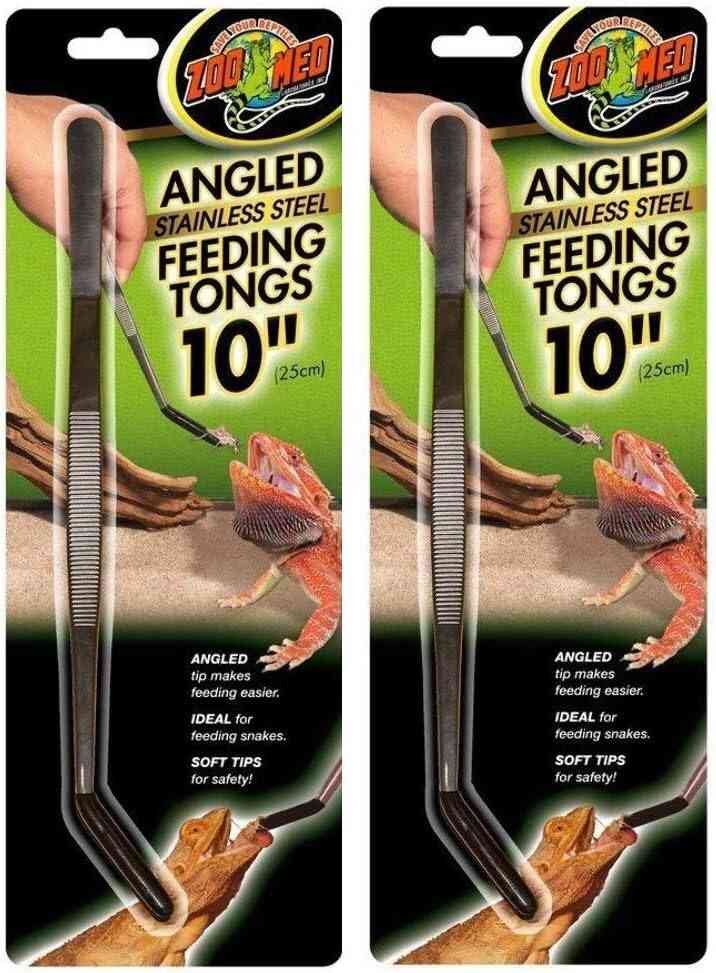
Zoo Med Stainless Steel Tongs
10-inch, medical-grade stainless steel feeding tongs. Perfect for target-training aggressive eaters and ensuring sanitary delivery of insects and thawed rodents.
Buy Now on Amazon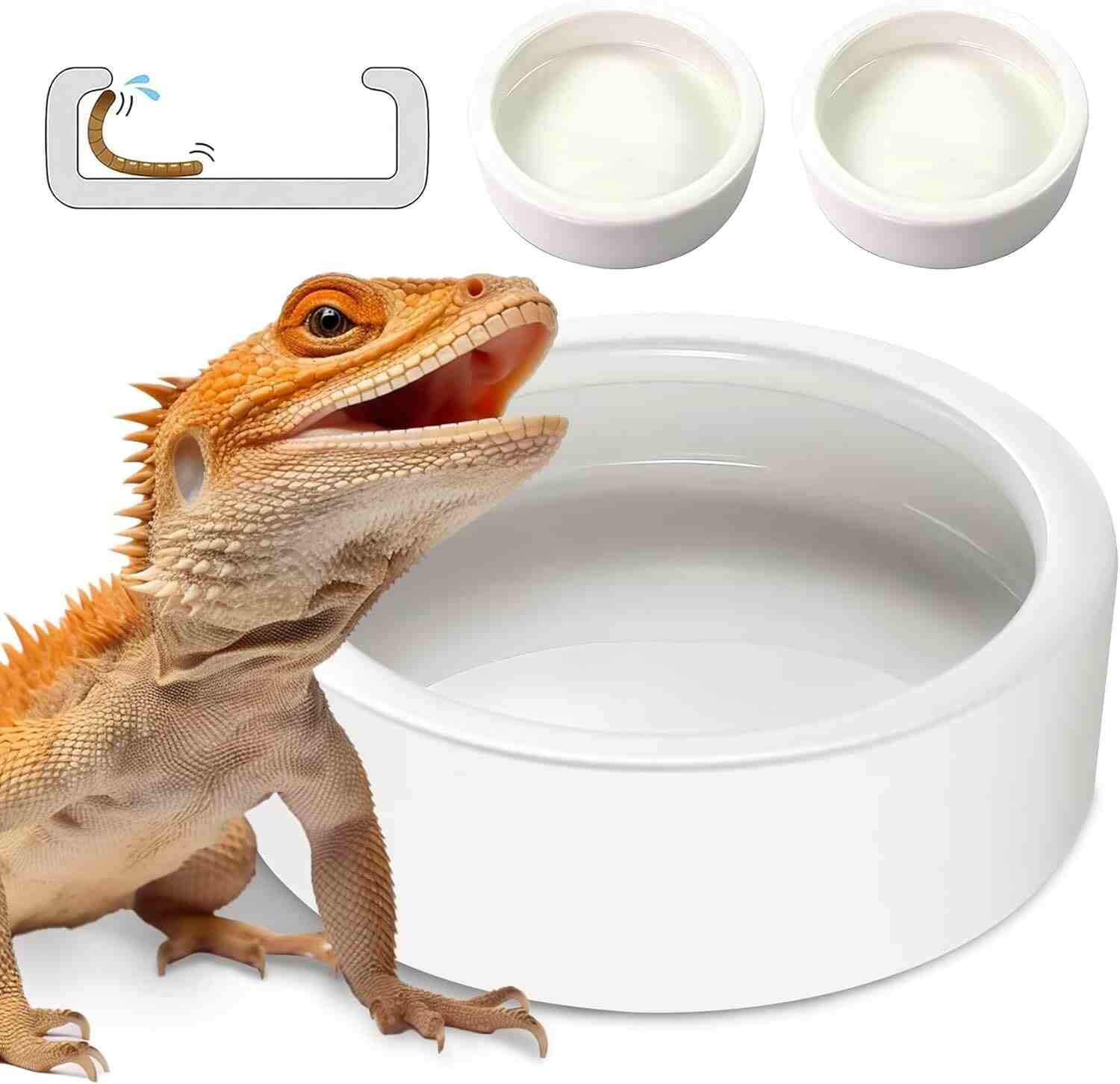
Escape-Proof Feeding Bowl
Features a smart, curved inner lip that completely prevents mealworms and dubia roaches from escaping into your terrarium, keeping your enclosure clean.
Buy Now on AmazonReptile Diet Chart by Species
Use this quick-reference table to match your specific pet with the correct dietary products and supplements.
| Reptile Species | Diet Type | Primary Foods | Required Supplements |
|---|---|---|---|
| Leopard Gecko | Insectivore | Crickets, Dubia Roaches, Mealworms | Calcium + D3, Multivitamins |
| Bearded Dragon | Omnivore | Live Insects (20%), Leafy Greens (80% for adults) | Calcium + D3, Multivitamins |
| Green Iguana | Herbivore | Collard Greens, Dandelion Greens, Squash | Calcium (Often without D3 if housed with high UVB) |
| Crested Gecko | Frugivore/Omnivore | Commercial CGD (Crested Gecko Diet gel), Small Insects | Pre-mixed CGD, occasional Calcium |
Pro Tips for Reptile Nutrition
- Always Dust Before Serving: Use the “shake and bake” method. Put your insects in a plastic bag with a pinch of calcium powder, shake gently, and serve immediately so the powder sticks.
- Provide Fresh Water Daily: Reptiles require heavy hydration to flush the high amounts of protein and synthetic vitamins through their kidneys.
- The Size Rule: Never feed an insect or piece of vegetable that is wider than the space between your reptile’s eyes to prevent choking and impaction.
- Feed During Active Hours: Feed diurnal (daytime) lizards in the morning under their heat lamp. Feed nocturnal/crepuscular lizards in the evening.
Common Reptile Feeding Mistakes
The American Society for the Prevention of Cruelty to Animals (ASPCA) and leading exotic veterinarians consistently warn against common husbandry errors that lead to sick pets. Avoid these at all costs:
- Feeding Only Mealworms: Relying on a single insect type causes severe nutritional imbalances. You must rotate your feeders.
- Skipping Calcium Supplements: Even missing calcium for a few weeks in growing baby reptiles can trigger irreversible bone deformities.
- Leaving Live Insects in the Tank: Uneaten crickets will become hungry and actively bite your sleeping reptile’s eyes and toes. Always remove leftovers after 15 minutes.
- Feeding Wild-Caught Bugs: Insects from your yard carry deadly pesticides and internal parasites. Always buy commercially bred feeders.
Helpful Video Guide: Reptile Feeding Basics
For a visual masterclass on how to properly gut-load, dust, and feed your reptiles using the products mentioned above, check out this excellent beginner’s tutorial:
Deep Dive: Expand Your Nutrition Knowledge
Mastering one aspect of reptile care is just the beginning. To ensure you are providing the absolute best husbandry possible, explore our specific care guides tailored to your pet’s exact species:
- Learn exactly when and how much to feed with our Leopard Gecko Feeding Schedule.
- Feeding frozen rodents? Master the safety protocols in our [Internal Link: Snake Feeding Guide].
- Balance the perfect omnivore salad with the Best Food for Bearded Dragons.
- Demystify the D3 versus No D3 debate in our Reptile Calcium Guide.
Frequently Asked Questions
The best food relies entirely on the species. Most reptiles eat either live insects, fresh vegetables, or a mix of both. A balanced, top-tier diet typically includes gut-loaded feeder insects (like dubia roaches), dark leafy greens (like collard greens), and strict rotation of commercial calcium and multivitamin supplements.
Yes, absolutely. Calcium supplementation is non-negotiable for almost all captive reptiles. Because commercially bred insects are poor sources of calcium, dusting their food prevents Metabolic Bone Disease (MBD), which causes bones to become rubbery, deform, and break.
The healthiest staple insects include Dubia roaches, crickets, silkworms, and mealworms. High-fat insects like waxworms and superworms should only be used as occasional treats to prevent obesity and fatty liver disease.
Feeding frequency varies by species and age. As a general rule, hatchling and baby reptiles require daily feeding to fuel their rapid growth. Juveniles eat every other day, and adult reptiles are typically fed 2 to 3 times per week to maintain a healthy weight.