
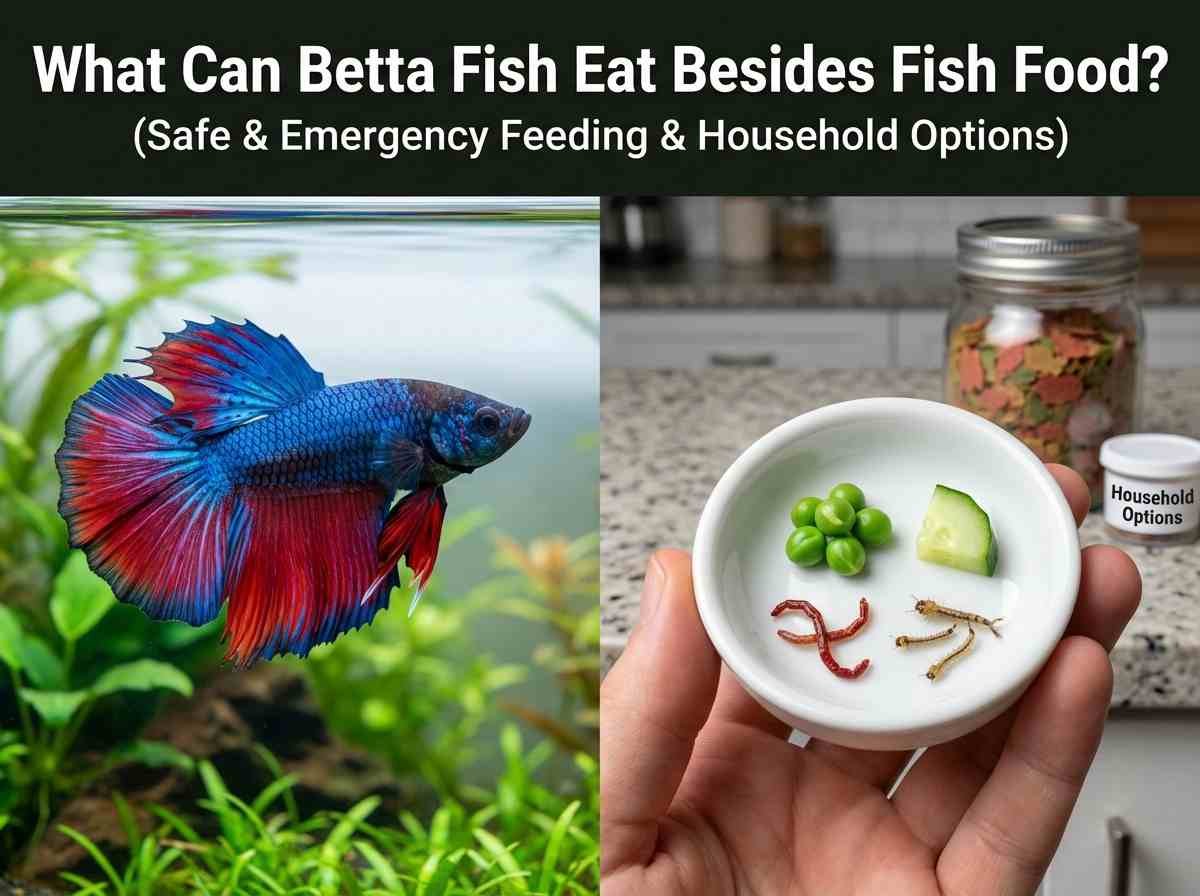
✨ What Can You Feed Betta Fish Instead of Fish Food?
Betta fish are strict carnivores that primarily require protein-rich diets to survive and thrive. If you are wondering what can I feed my betta fish besides traditional pellets or flakes, there are several safe, highly nutritious alternatives.
Safe alternatives include:
- Frozen or freeze-dried bloodworms
- Brine shrimp
- Daphnia (water fleas)
- Mosquito larvae
- Small wingless fruit flies or insects
Additionally, there are some household foods to feed fish in very rare or emergency scenarios, such as tiny amounts of boiled, deshelled peas (to treat constipation) or microscopic pieces of boiled egg yolk. However, many human foods like bread, rice, and dairy are highly toxic to them.
While occasional treats are beneficial, high-quality, protein-dense betta pellets should always remain the foundation of their daily diet.
Betta Fish Diet: What Else Can They Eat Besides Fish Food?
Every dedicated aquarist eventually looks at their beautifully colored betta fish and wonders: Is eating the exact same dry pellet every single day healthy? The simple answer is no. Just like humans, fish benefit immensely from a varied diet that provides a full spectrum of vitamins, minerals, and proteins.
Understanding what can I feed my betta fish is crucial for promoting vibrant scale coloration, strong fin growth, and a robust immune system. But stepping outside the realm of commercial fish food can be intimidating. Feeding the wrong household item can quickly foul your water or cause fatal digestive blockages in your pet.
In this comprehensive, expert-backed guide, we will explore everything you need to know about a balanced betta fish diet. We will cover the best natural live and frozen foods, answer whether can I feed a betta fish goldfish food, detail emergency household foods to feed fish, and provide a strict list of toxic human foods you must avoid at all costs.
Understanding the Natural Betta Fish Diet
To fully grasp what constitutes healthy betta fish food alternatives, we must first look at how these fish survive in their natural habitat. Betta fish (Betta splendens) originate from the shallow, warm, slow-moving waters of Southeast Asia, including rice paddies, marshes, and heavily vegetated streams.
Betta fish are strict carnivores (specifically insectivores).
If you look closely at your betta’s anatomy, you will notice their mouth points slightly upwards. This biological trait is designed for surface hunting. In the wild, their natural diet consists almost entirely of insects that fall onto the surface of the water, mosquito larvae, tiny crustaceans, and zooplankton.
Because their bodies are designed to process meat, bettas have relatively short digestive tracts compared to omnivorous or herbivorous fish. A short digestive tract is excellent at breaking down crude protein rapidly, but it struggles immensely with complex plant matter, carbohydrates, and terrestrial plant fibers.
According to credible aquatic databases like Seriously Fish and expert breeders at Fishkeeping World, failing to provide a high-protein betta fish nutrition profile is the leading cause of stunted growth, lethargy, and faded colors in captive bettas. Any alternative food you introduce to their tank must mimic this high-protein, low-carbohydrate natural diet.
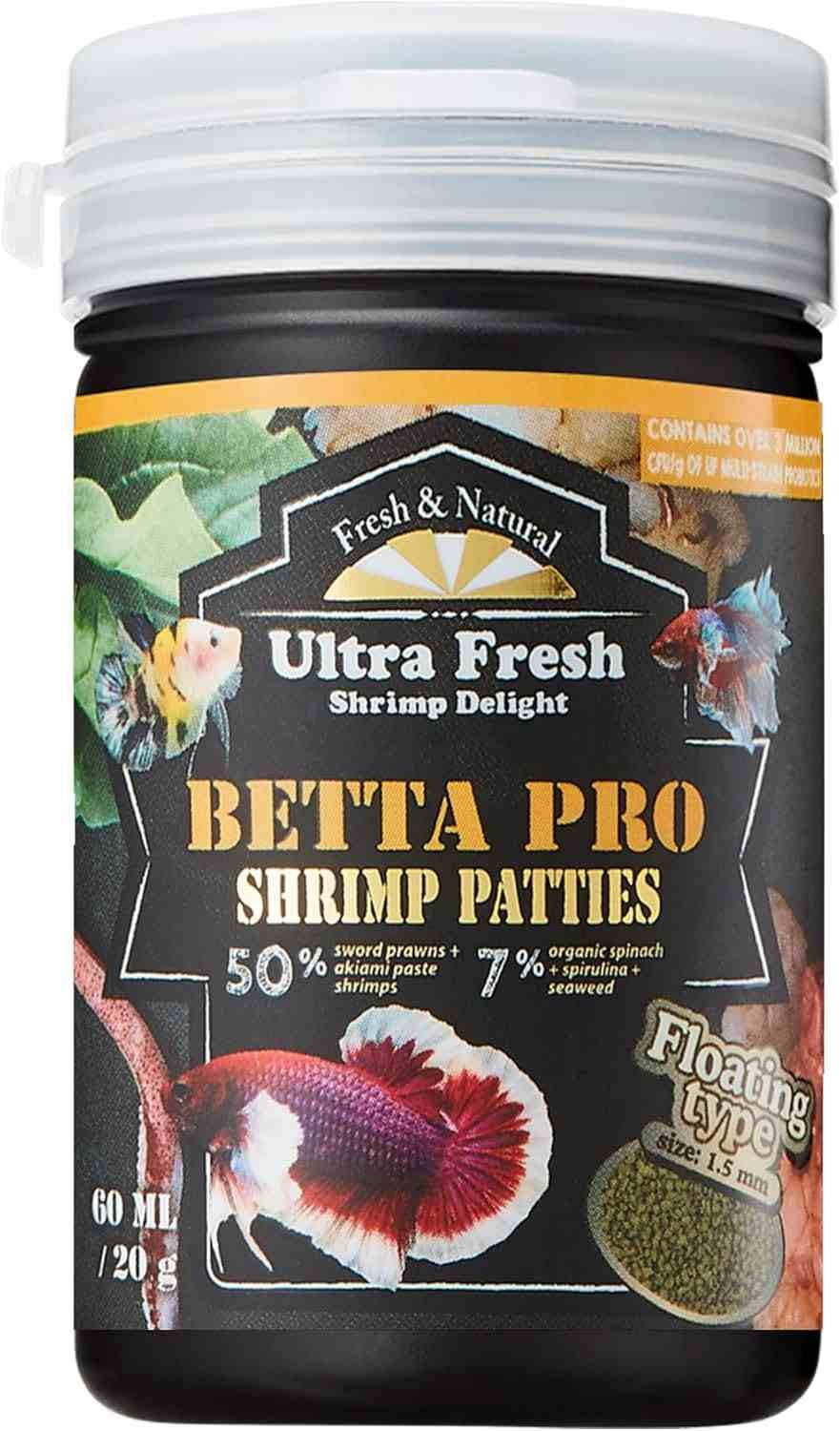
- Top ingredient: Real insect larvae
- No artificial wheat or soy fillers
- Promotes vibrant coloration
- Floats to encourage natural surface hunting
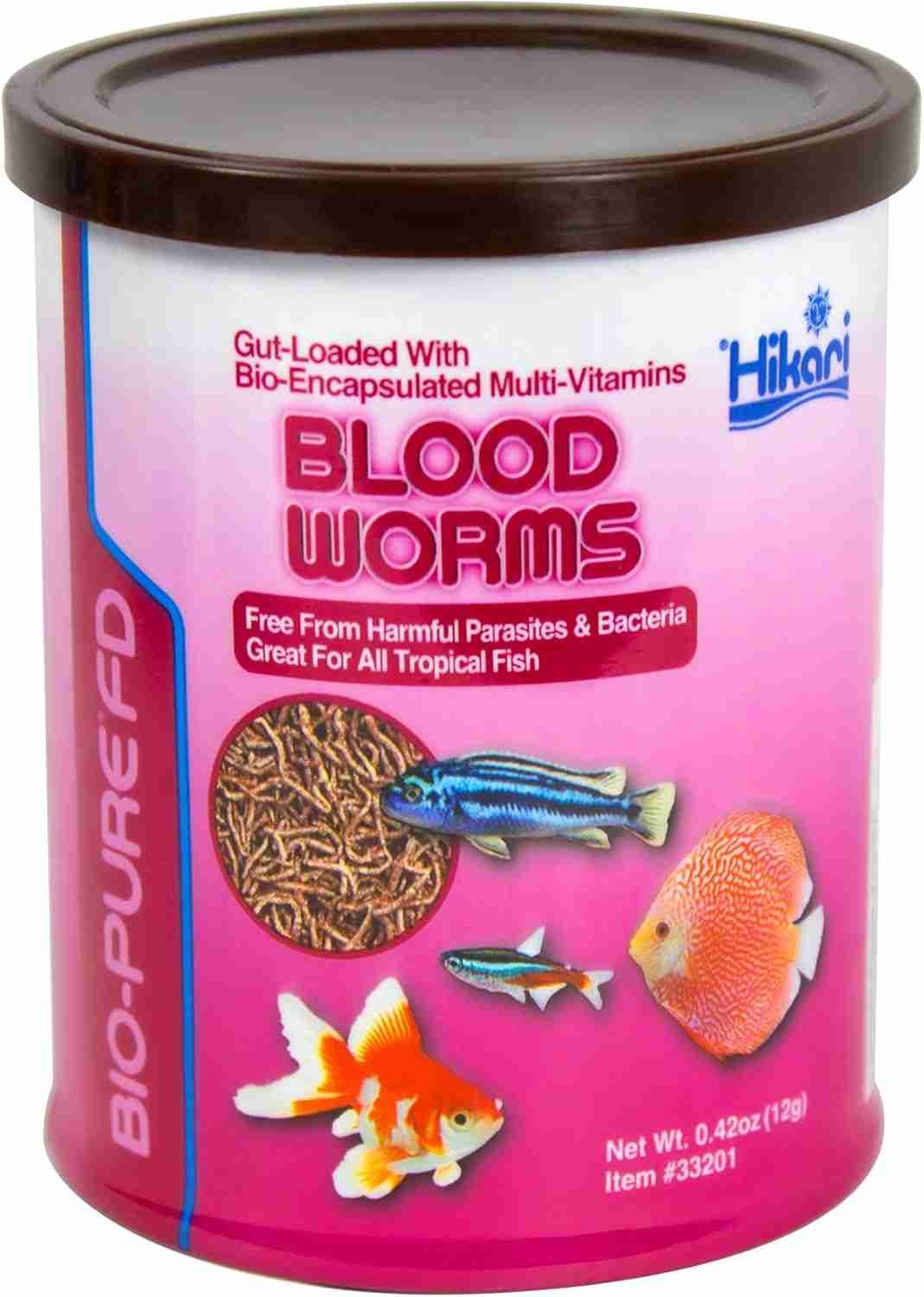
- 100% natural, whole bloodworms
- Rich in essential proteins and lipids
- Excellent for breeding conditioning
- Highly palatable for picky eaters
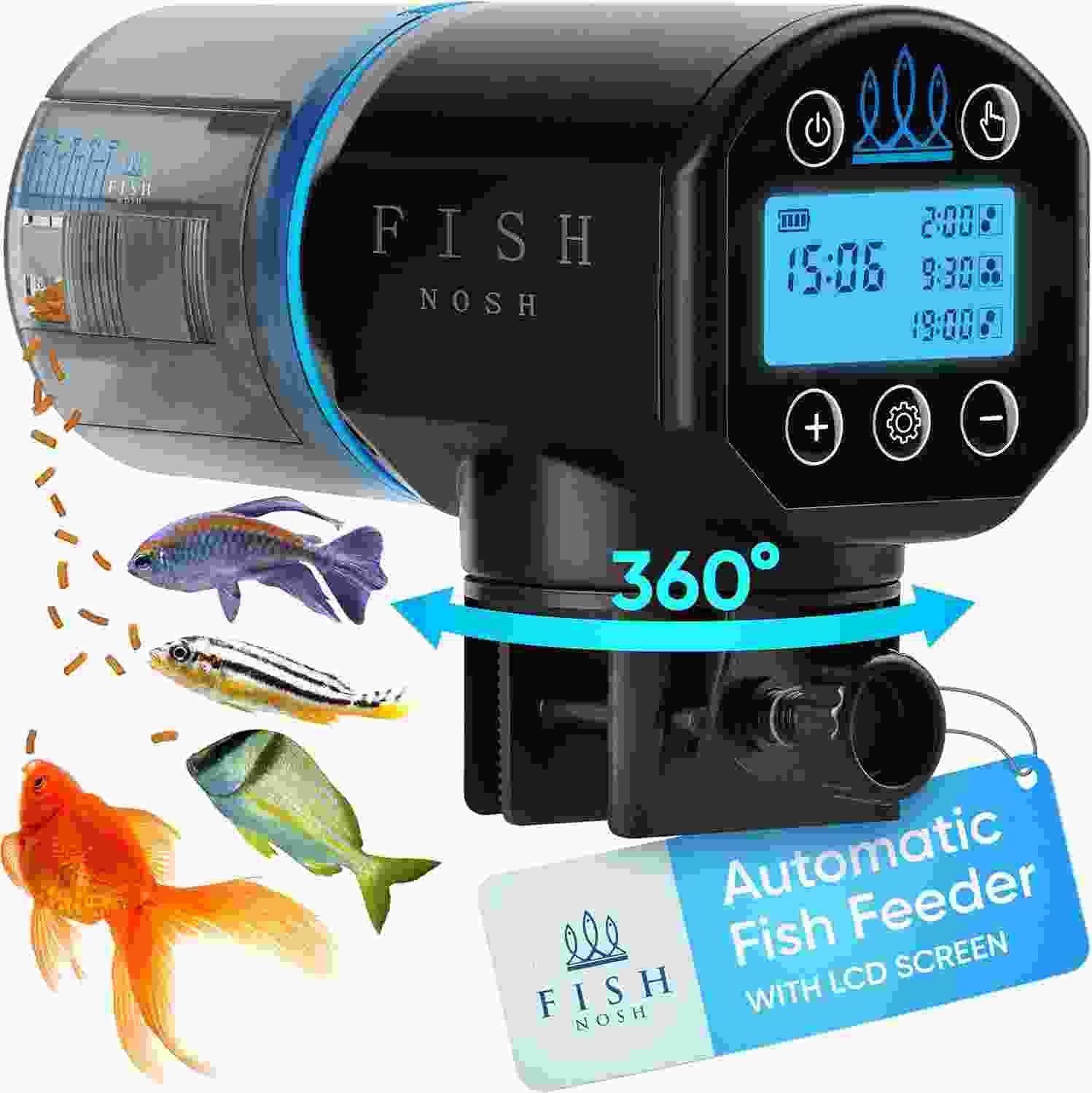
- Adjustable micro-portion control
- Moisture-resistant hopper prevents clumping
- Feeds up to 4 times per day
- Easy mounting on rimmed or rimless tanks
What Can I Feed My Betta Fish Besides Fish Food?
When looking for natural food for betta fish, the best approach is to replicate their wild diet as closely as possible. While high-quality pellets should remain the foundation of their nutrition, supplementing their diet with frozen foods, live foods, and natural protein sources 2 to 3 times a week is incredibly beneficial.
These betta fish food alternatives trigger natural hunting instincts, provide mental enrichment, and deliver a massive boost of bio-available protein that dry pellets simply cannot match. If you want your betta to live a long, active life, variety is the key. For an overall look at structuring this variety,How Much to Feed a Betta Fish.
Safe Foods Betta Fish Can Eat Besides Fish Food
If you are looking to treat your betta or enhance their color and vitality, here are the absolute best, species-appropriate foods you can offer.
Bloodworms
Bloodworms are the undisputed favorite treat of almost all freshwater fish. They are the bright red larvae of midge flies. Because they are incredibly rich in iron and protein, they are perfect for conditioning bettas for breeding or helping a sick fish regain weight. However, due to their high fat content, they should only be fed as a treat 1-2 times a week. Overfeeding bloodworms can lead to obesity.
Brine Shrimp
Brine shrimp are small aquatic crustaceans that provide an outstanding nutritional profile. They are packed with essential amino acids and lipids. More importantly, brine shrimp contain high levels of carotenoids—natural pigments that will dramatically enhance the red, orange, and yellow colorations in your betta’s scales.
Daphnia (Water Fleas)
Daphnia is arguably the most functional food you can feed a betta. These microscopic crustaceans are mostly composed of indigestible exoskeletons. When a betta eats them, this exoskeleton acts as natural dietary fiber. Experts at Aquarium Co-Op highly recommend keeping frozen Daphnia on hand, as it acts as a mild, natural laxative that safely cures betta fish constipation and swim bladder bloating.
Mosquito Larvae
This is the exact food your betta would eat in the wild. If you have clean, pesticide-free standing water outside, you can harvest mosquito larvae using a fine net. It provides the ultimate mental enrichment, as the betta gets to hunt live, moving prey just as nature intended.
Small Insects
Bettas are adept insect hunters. You can occasionally feed them wingless fruit flies (often sold at pet stores for dart frogs) or incredibly small, pesticide-free ants. Watching a betta lock onto an insect at the surface of the water and strike is a fascinating display of their natural behavior.
Household Foods to Feed Fish (Occasional Betta Alternatives)
It is not uncommon to run out of fish food unexpectedly, prompting aquarists to search their kitchens for household foods to feed fish. While a betta’s digestive system is strictly carnivorous, there are a few safe household items you can use in moderation or for medicinal purposes.
- Boiled, Deshelled Peas: For decades, the “pea method” has been used to treat severe fish constipation. You take a frozen sweet pea, boil it for a few minutes until soft, remove the outer skin, and feed a piece the size of a pinhead to your betta. Note: While this works well for omnivorous goldfish, modern aquarists prefer Daphnia for bettas, as bettas struggle to digest plant matter. Still, peas remain a safe emergency household remedy.
- Blanched Vegetables: Tiny pieces of boiled spinach or zucchini can be offered. While bettas are carnivores, they will occasionally pick at soft vegetables out of curiosity. This provides a minor source of fiber.
Emergency Foods: What to Feed Betta Fish When Fish Food Runs Out
If a snowstorm hits or your delivery is delayed, you might urgently wonder what can I feed my betta fish using only what is in your fridge. In an absolute emergency, you can use these high-protein kitchen staples.
- Boiled Egg Yolk: Hard-boil an egg, take a microscopic crumb of the yellow yolk, crush it into a paste with a drop of water, and feed it to the betta. It is packed with protein and nutrients. Caution: Egg yolk will pollute aquarium water faster than almost any other food. Feed only a pinhead-sized amount and do an immediate water change if any is left uneaten.
- Frozen Seafood: If you have unseasoned, raw frozen shrimp, tilapia, or white fish, you can thaw a small piece. Cut an amount no larger than the betta’s eye, mince it into a fine paste, and feed it. Never use seafood cooked in oils, butter, or garlic.
- Canned Tuna (Water Packed): In a dire situation, a tiny shred of tuna packed in plain water (not oil) can be offered. Rinse it thoroughly under tap water to remove excess sodium before dropping a tiny piece into the tank.
Unsafe Foods Betta Fish Should Never Eat
Just because a fish *will* swallow something doesn’t mean it is safe. Bettas are opportunistic and will often bite at anything that hits the water. Feeding the wrong household items can cause fatal internal blockages, severe bloating, or toxic water poisoning.
- Bread and Crackers: This is a classic mistake. Bread contains yeast and carbohydrates. When it enters a betta’s stomach, it rapidly absorbs water, expanding massively and causing fatal blockages and swim bladder rupture.
- Rice and Pasta: Similar to bread, these starchy, high-carb foods will expand inside the fish and cannot be digested by a carnivore’s short intestinal tract.
- Dairy Products: Cheese, milk, or yogurt will rapidly rot in the warm aquarium water, creating an instant, lethal spike in ammonia. Fish have absolutely no biological ability to digest lactose.
- Processed Human Meats: Hot dogs, lunch meats, bacon, and sausages are loaded with sodium, chemical preservatives, and saturated fats that will destroy a betta’s liver and kidneys.
Can I Feed a Betta Fish Goldfish Food?
This is one of the most common questions from beginners who may already have a goldfish tank at home: can I feed a betta fish goldfish food?
The clear, definitive answer is No, you should not feed a betta goldfish food as a regular diet. While feeding it to your betta once or twice in an absolute emergency will not immediately kill them, long-term feeding will lead to severe malnutrition.
To understand why, you must understand the difference in their biology. Goldfish are omnivores that lean heavily toward herbivory (eating plants). Therefore, commercial goldfish flakes and pellets are formulated with high percentages of wheat, corn meal, soy, and spirulina algae. They have a low crude protein content (usually around 30%).
Betta fish are strict carnivores. High-quality Best Betta Fish Food for Healthy Growth requires a crude protein level of 40% to 50%, sourced primarily from whole fish meal, krill, or insects. If a betta is forced to eat goldfish food, their body cannot extract the necessary energy from the plant-based carbohydrates, leading to a weakened immune system, dull colors, and chronic lethargy.
Betta Fish Feeding Chart
To help you navigate these betta fish food alternatives safely, use this comprehensive feeding chart to structure a balanced weekly diet.
| Food Type | Frequency | Portion Size | Primary Benefit |
|---|---|---|---|
| High-Protein Pellets | Daily (Base Diet) | 2-3 pellets per meal | Complete, balanced baseline nutrition. |
| Frozen Bloodworms | 1-2 times a week | 2-3 individual worms | High fat and protein; great for weight gain. |
| Frozen Brine Shrimp | 1-2 times a week | Size of the betta’s eye | Carotenoids for vivid color enhancement. |
| Daphnia (Water Fleas) | Once a week | Size of the betta’s eye | Digestive aid; acts as a natural laxative. |
| Live Insects/Larvae | Occasional Treat | 1-2 small insects | Mental enrichment and natural hunting behavior. |
| Boiled Egg Yolk | Absolute Emergency Only | Microscopic crumb | Survival protein (pollutes water quickly). |
How Often Should Betta Fish Be Fed?
Now that you have a solid betta fish feeding guide regarding *what* to feed, you must master *how often* to feed.
Adult betta fish should be fed once or twice a day. Splitting their daily food allowance into two smaller meals (morning and evening) is highly recommended. Because their stomach is only the size of their eyeball, small, frequent meals are much easier to digest than one massive daily feeding.
Additionally, experts at The Spruce Pets strongly advise implementing a “fasting day” once a week. On this day, you feed the betta absolutely nothing. This 24-hour digestive rest period ensures that all old food is completely passed through their system, drastically reducing the risk of swim bladder disease.
Pro Tips for Feeding Betta Fish Healthy Diets
Keep your betta in peak condition with these expert feeding strategies:
- Pre-Soak Dry Foods: Pellets and freeze-dried foods absorb water and expand. If a betta eats them dry, they expand inside the fish’s stomach, causing painful bloating. Soak dry foods in a spoonful of tank water for 3 minutes before feeding.
- Rotate Protein Foods: Do not rely on just one type of treat. Rotate between bloodworms, brine shrimp, and daphnia to ensure a complete spectrum of amino acids.
- Remove Leftover Food immediately: If your betta misses a piece of food and it sinks to the bottom, use a turkey baster or small net to remove it within 5 minutes. Rotting food is the number one cause of lethal ammonia spikes in small betta tanks.
Video Guide: Betta Fish Feeding Guide
For a visual demonstration on how to properly portion and prepare live and frozen foods for your betta, watch this highly recommended expert feeding guide.
Frequently Asked Questions (FAQs)
If you run out of commercial fish food, you can safely feed your betta microscopic amounts of boiled egg yolk, a tiny shred of unseasoned, thawed frozen shrimp or white fish, or a pinhead-sized piece of a boiled, deshelled pea. These should only be used temporarily.
Generally, no. Betta fish are carnivores with sensitive digestive systems. While plain, unseasoned raw seafood is acceptable in emergencies, most human foods like bread, rice, processed meats, and dairy are highly toxic and will cause fatal digestive blockages or water pollution.
Household foods safe for fish depend on the species. For carnivorous bettas, unseasoned seafood is best. For omnivorous community fish, blanched vegetables like zucchini, cucumber, spinach, and shelled peas are excellent, safe household supplements.
Betta fish are strict carnivores, so vegetables provide very little nutritional value to them. However, feeding a tiny piece of a boiled, deshelled sweet pea is a widely used home remedy to act as a laxative and cure constipation in bettas. It should not be a regular part of their diet.
No, you should not feed a betta goldfish food as a regular diet. Goldfish are omnivores, and their food is packed with plant matter and carbohydrates. Bettas are carnivores that require high levels of crude protein. Goldfish food will cause long-term malnutrition in bettas.
Adult betta fish should be fed 1 to 2 times a day in very small portions (an amount roughly the size of their eyeball). It is also highly recommended by aquatic veterinarians to fast the fish (feed them nothing) one day per week to allow their digestive tract to clear completely.
Toxic and dangerous foods include bread, crackers, rice, pasta, dairy products, processed meats (like bacon or hotdogs), and any food heavily seasoned with salt, garlic, or spices. These will cause immediate bloating or lethal ammonia spikes in the water.
The healthiest diet for a betta fish is a varied one. A high-quality bug-based or whole-fish-based pellet should be the daily staple, supplemented 2-3 times a week with frozen or live protein sources like bloodworms, brine shrimp, mosquito larvae, and daphnia.
1 thought on “What Can Betta Fish Eat Besides Fish Food?”