

Lizard Feeding Guide (Complete Diet & Chart)
What Do Lizards Eat?
Lizards eat different foods depending on their specific species and evolutionary adaptations. However, most pet lizards fall securely into three distinct diet categories: insectivores, herbivores, or omnivores.
Common foods for pet lizards include:
- Live feeder insects such as crickets, mealworms, dubia roaches, and hornworms.
- Dark, leafy greens and vegetables like collard greens, mustard greens, and butternut squash.
- Fresh fruits in very small amounts as occasional treats (mango, blueberries, papaya).
- Commercial reptile pellets and formulated gel diets.
- Essential reptile calcium and multivitamin supplements to prevent metabolic bone disease.
Young lizards usually demand a higher protein intake to fuel rapid growth, while adult lizards often transition to eating more vegetables and plant matter, depending heavily on their species. Reptile veterinarians, including guidelines set by the Association of Reptile and Amphibian Veterinarians (ARAV), strongly recommend providing varied foods, proper portion sizes tailored to the animal’s head size, and strict calcium supplementation to prevent critical nutritional deficiencies.
Whether you are bringing home your first Leopard Gecko or you are an experienced keeper caring for an adult Iguana, understanding reptile nutrition is the cornerstone of exceptional husbandry. The dietary needs of lizards are incredibly diverse. A diet that allows one species to thrive could be fatally toxic to another.
In this authoritative Lizard Feeding Guide, we will explore the complete dietary requirements of popular pet lizards. We will break down insect-eating lizards, plant-eating lizards, and omnivorous species. You will discover exactly what to feed your pet lizard, how often to offer meals, and the essential supplements required to ensure long-term health.
Best Lizard Food Products (Recommended by Reptile Keepers)
Before diving into the intricate details of fresh produce and live insects, it is important to have the right foundational supplements and commercial backup foods. Reptile keepers and veterinarians universally trust a few core brands to deliver high-quality, scientifically formulated nutrition.
To view our comprehensive reviews of commercial diets, visit our reptile nutrition product guide.
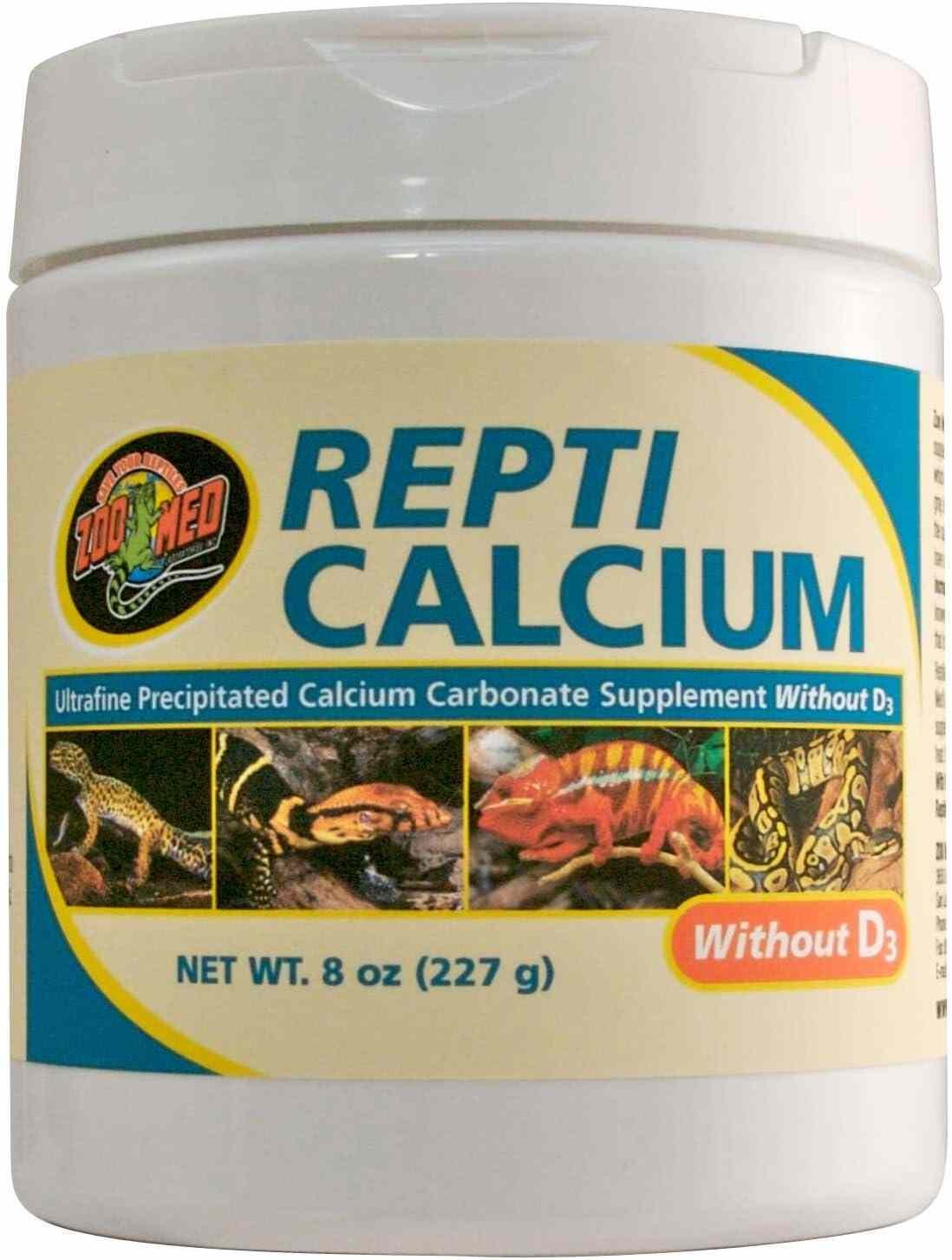
Zoo Med Natural Reptile Food
A balanced, scientifically formulated reptile diet designed for omnivorous lizards. Packed with essential vitamins, minerals, and calcium needed for robust, healthy growth.
Check Price on Amazon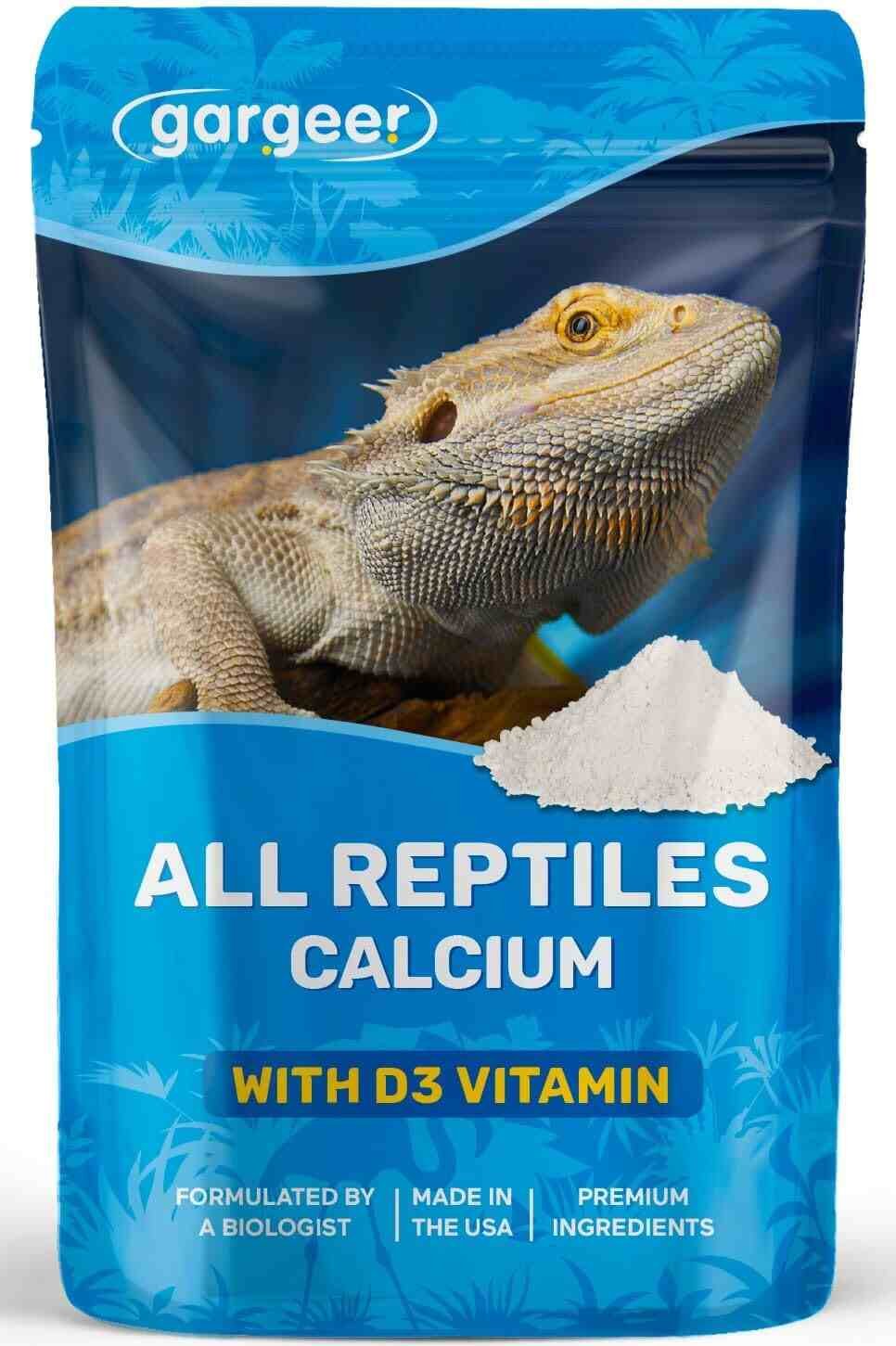
Gargeer All Reptile Calcium Powder with Vitamin D3
An absolute necessity for indoor reptiles. This ultra-fine calcium supplement with added Vitamin D3 ensures your lizard metabolizes calcium correctly, preventing bone disease.
Check Price on Amazon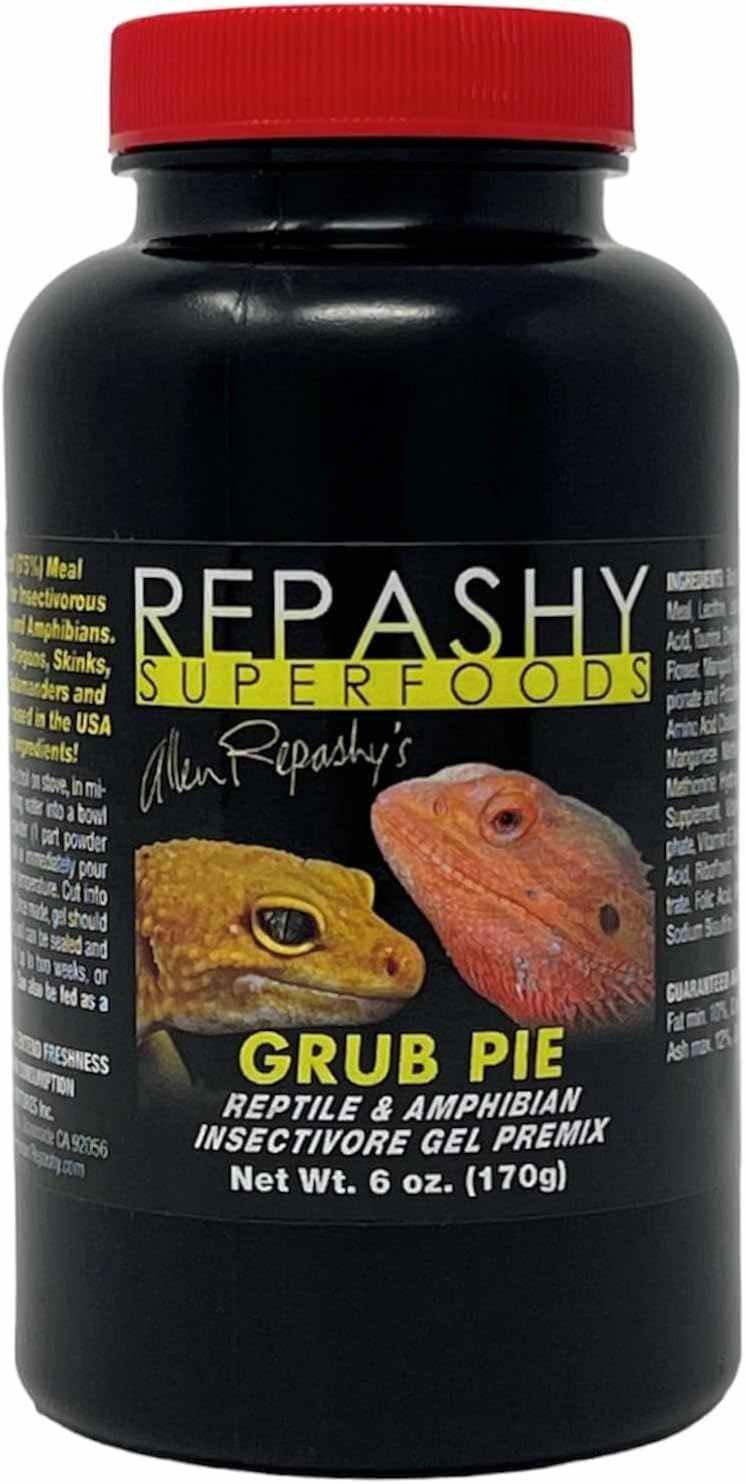
Repashy Superfood Grub Pie
A premium insect-based gel food. Highly palatable and perfectly formulated for insectivores and omnivores. Simply mix with boiling water to create a nutritious meal.
Check Price on AmazonUnderstanding the Natural Lizard Diet
To truly master your pet’s dietary needs, you must look to their wild origins. Wild lizard feeding behavior dictates not only what they should eat but how they should eat it.
Wild Lizard Feeding Behavior & Hunting Habits
In the wild, lizards are opportunistic foragers and hunters. Anoles and Leopard Geckos are visual predators. They rely on the movement of their prey to trigger their feeding response. This is why many insect-eating species will stubbornly refuse dead, freeze-dried insects; if it doesn’t wiggle, their brain doesn’t register it as food.
Alternatively, herbivorous lizards like Uromastyx and Green Iguanas spend a large portion of their day actively foraging for specific leaves, blossoms, and fruits. Their digestive tracts are specially elongated and contain specific gut flora designed to ferment tough, fibrous plant matter. This physiological setup means feeding an iguana animal protein can lead to severe kidney failure, as their bodies are biologically incapable of processing high amounts of purines and animal fat.
What Do Lizards Eat? Complete Lizard Diet Overview
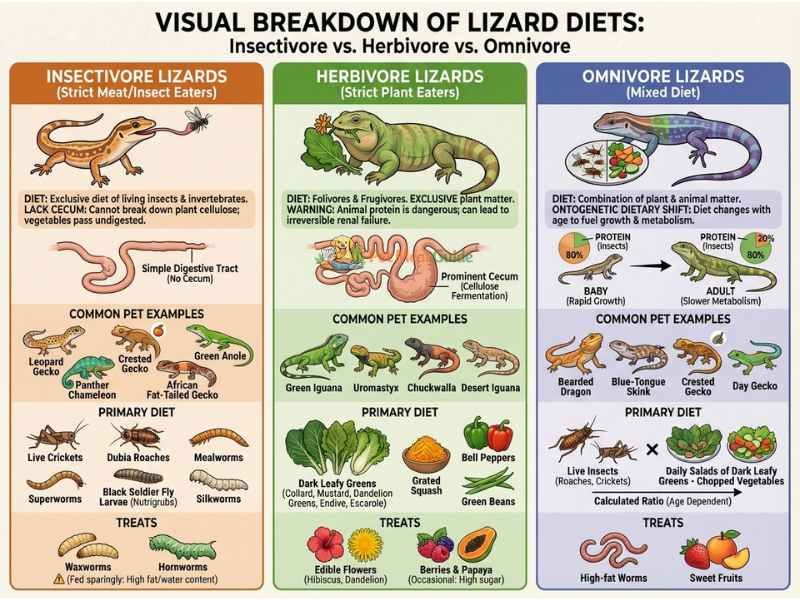
Let’s categorize pet lizards into the three main dietary types to ensure you are feeding your specific companion exactly what they require.
1. Insectivore Lizards (Strict Meat/Insect Eaters)
Insectivores consume an exclusive diet of living insects and invertebrates. They lack the cecum (a part of the digestive tract) required to break down plant cellulose, meaning if they eat a vegetable, it will simply pass through them undigested.
- Common Pet Examples: Leopard Geckos, Crested Geckos (though they eat fruit as well, many geckos lean heavily insectivore), Green Anoles, Panther Chameleons, African Fat-Tailed Geckos.
- Primary Diet: Live crickets, dubia roaches, mealworms, superworms, black soldier fly larvae (Nutrigrubs), and silkworms.
- Treats: Waxworms and hornworms (fed sparingly due to high fat/water content).
2. Herbivore Lizards (Strict Plant Eaters)
Herbivorous lizards are folivores and frugivores. They consume exclusively plant matter. Feeding animal protein to a strict herbivore is incredibly dangerous and can lead to irreversible renal failure. For more details on herbivore setups, read our complete herbivore lizard care guide.
- Common Pet Examples: Green Iguanas, Uromastyx, Chuckwallas, Desert Iguanas.
- Primary Diet: Dark leafy greens (collard greens, mustard greens, dandelion greens, endive, escarole), grated squash, bell peppers, green beans.
- Treats: Edible flowers (hibiscus, dandelion flowers) and occasional fruits like berries or papaya.
3. Omnivore Lizards (Mixed Diet)
Omnivores eat a combination of both plant and animal matter. Fascinatingly, many omnivorous lizards undergo an ontogenetic dietary shift. This means their diet changes as they age. As babies, they require up to 80% protein to fuel rapid growth. As adults, their metabolism slows, and they require up to 80% plant matter.
- Common Pet Examples: Bearded Dragons, Blue-Tongue Skinks, Crested Geckos (frugivore/insectivore), Day Geckos.
- Primary Diet: A calculated ratio of live insects (roaches, crickets) mixed with daily salads of dark leafy greens and chopped vegetables.
- Treats: High-fat worms and sweet fruits.
Complete Lizard Food List (Safe Foods)
Providing a highly varied diet is critical. Relying on just one type of insect or one type of green can lead to nutritional gaps. Below is the ultimate safe food list for pet lizards.
Safe Vegetables for Lizards (Staples)
When selecting vegetables, you must consider the Calcium-to-Phosphorus (Ca:P) ratio. Ideally, vegetables should have more calcium than phosphorus (a 2:1 ratio is perfect). Too much phosphorus binds to calcium, preventing the lizard from absorbing it.
- Collard Greens: Excellent staple, perfect Ca:P ratio.
- Mustard Greens: Highly nutritious, slightly peppery flavor that many lizards love.
- Dandelion Greens: Exceptional calcium content.
- Squash (Butternut, Acorn, Yellow, Zucchini): Great for hydration and packed with Vitamin A (beta-carotene).
- Bell Peppers: Good for hydration and color to stimulate feeding, but feed in moderation.
- Kale: Highly nutritious, though it contains moderate oxalates, so it should be rotated with other greens.
Best Protein Sources (Live Insects)
Not all insects are created equal. You must balance protein, fat, and chitin (the hard exoskeleton). For a deeper dive, view our feeder insect comparison chart.
- Crickets: The classic staple. Good protein, easy to find, but can carry parasites and have a strong odor.
- Dubia Roaches: The gold standard. Higher protein than crickets, less chitin (easier to digest), silent, and they don’t smell.
- Black Soldier Fly Larvae (BSFL): Naturally high in calcium; often do not require calcium dusting.
- Mealworms & Superworms: Good staples but higher in chitin. Best for juvenile to adult lizards with robust digestive systems.
- Earthworms / Nightcrawlers: Excellent for Blue-Tongue Skinks and Tegus.
Safe Fruits (Occasional Treats)
Fruits are high in natural sugars. In the wild, lizards only find fruit seasonally. Overfeeding fruit causes obesity, diarrhea, and periodontal disease. Keep fruit to less than 10% of the plant-based diet.
- Blueberries, Strawberries, and Raspberries
- Mango and Papaya (Excellent sources of natural vitamins)
- Melon (Watermelon, Cantaloupe – great for rapid hydration)
- Fig and Kiwi
Lizard Feeding Chart (Age-Based Diet)
A lizard’s age is the primary factor in determining both what and how often they eat. Below is a universal feeding chart. Note: Always cross-reference this with specific care sheets for your exact species.
| Lizard Age | Dietary Focus | Feeding Frequency | Portion Guidelines |
|---|---|---|---|
| Hatchlings / Babies (0-6 months) | High Protein (80%), High Calcium. (Omnivores need 80% bugs / 20% greens). | Feed 1 to 2 times DAILY. | Insects no larger than the space between the lizard’s eyes. Limit to 10-15 minutes of eating. |
| Juveniles (6-12 months) | Balanced Diet. (Omnivores shift to 50% bugs / 50% greens). | Feed once DAILY. | Increase size of prey. Offer fresh salads daily for omnivores/herbivores. |
| Adults (12+ months) | Maintenance Diet. (Omnivores shift to 20% bugs / 80% greens). | Feed every 1 to 3 days depending on species. | Focus heavily on dietary rotation. Avoid overfeeding fatty treats like superworms. |
How Often to Feed Pet Lizards (Detailed Schedule)
Proper scheduling goes beyond simply dropping food in a tank. Reptiles are ectothermic (cold-blooded), meaning their digestion is entirely dependent on their environmental temperature. If you feed a lizard but their basking temperatures are too low, the food will actually rot inside their stomach before it can be digested.
Baby Lizards → Daily Feeding: Their rapid metabolic rate and exponential growth demand constant fuel. Missed meals in baby lizards can quickly lead to stunted growth or severe dehydration.
Juvenile Lizards → Daily Feeding: As they transition to sub-adults, you maintain daily feedings but begin shifting the macronutrient profile, offering slightly larger prey items to satisfy their hunger efficiently.
Adult Lizards → Every 1–3 Days: Obesity is a rampant problem in captive adult reptiles. In the wild, adults might go days without finding food. For adult Leopard Geckos, feeding 2-3 times a week is standard. For adult Bearded Dragons, a fresh salad is provided daily, but live insects are only offered 2 times a week.
Check out our complete reptile temperature and lighting guide to ensure your setup allows for proper digestion.
Gut-Loading and Preparing Feeder Insects
The golden rule of reptile keeping is: Your lizard is only as healthy as the food it eats. If you feed your lizard a cricket that has eaten nothing but cardboard, you are essentially feeding your lizard an empty, chitinous shell. This is where gut-loading comes in.
What is Gut-Loading?
Gut-loading is the process of feeding your live feeder insects a highly nutritious diet 24 to 48 hours before feeding those insects to your lizard. You should provide your crickets and roaches with sweet potato, carrots, dark leafy greens, and commercial gut-loading gels.
Dusting Insects (Calcium and Vitamins)
Even gut-loaded insects lack sufficient calcium. To balance the high phosphorus content inherent in most insects, you must “dust” them. Place the insects in a plastic bag or cup, add a pinch of high-quality reptile calcium powder, and shake gently until the insects are lightly coated (like a powdered doughnut).
- Calcium without D3: Used frequently for lizards that have access to strong, high-quality UVB lighting.
- Calcium with D3: Used 1-2 times a week to ensure the lizard metabolizes the calcium properly.
- Multivitamin Supplement: Used 2-4 times a month to provide essential Vitamin A, E, and B-complex.
Foods Lizards Should NEVER Eat (Toxic & Dangerous)
A single mistake with dangerous foods can be fatal. Ensure you NEVER feed the following items to any species of lizard:
Strictly Prohibited Foods:
- Avocado: Contains persin, a fungicidal toxin that is deadly to reptiles and birds. It causes fatal cardiovascular issues.
- Onions & Garlic (Alliums): These destroy red blood cells, leading to hemolytic anemia.
- Iceberg Lettuce & Celery: While not immediately toxic, they are composed of 99% water and contain zero nutritional value. They cause diarrhea which leads to severe dehydration.
- Fireflies & Wild-Caught Bugs: Fireflies contain lucibufagins, a toxin that will kill a lizard within hours. Wild-caught bugs from your garden may have been exposed to toxic pesticides or carry lethal internal parasites.
- Processed Human Food: Avoid cheese, bread, crackers, and cooked meats. Reptiles cannot process complex carbohydrates, refined sugars, or dairy.
- Spinach & Rhubarb: Exceptionally high in oxalates. Oxalates bind to calcium in the body, rendering it useless and actively contributing to Metabolic Bone Disease.
Lizard Feeding Tips From Reptile Veterinarians
Following guidelines from authoritative bodies like the Association of Reptile and Amphibian Veterinarians (ARAV) ensures a long, healthy life for your pet.
- Rotate Foods Constantly: In the wild, lizards eat dozens of different plant and insect species. Rotating greens and alternating between crickets, roaches, and worms prevents dietary boredom and nutritional deficiencies.
- Feed Proper Prey Size: The rule of thumb: never feed an insect or piece of vegetable larger than the space between your lizard’s eyes. Oversized food causes choking, regurgitation, or fatal impaction in the digestive tract.
- Hydration is Key: Many lizards do not drink from standing water bowls. They get their hydration from their food and from morning dew. Mist your enclosures regularly and ensure vegetables are freshly washed and damp before serving.
- Morning Feedings: Feed your lizard in the morning after they have had 1-2 hours to bask and warm up. This gives them the entire day of heat to digest their food properly before temperatures drop at night.
Read more veterinary insights in our reptile health symptom checker.
Recommended Lizard Feeding Tools
Having the right tools makes feeding hygienic, safe, and efficient for both you and your reptile.

Rubber-Tipped Feeding Tongs
Essential for feeding aggressive eaters or target training. The rubber tips prevent the lizard from injuring their teeth or gums if they strike too hard.
Buy on Amazon
Ventilated Cricket Keeper
A specialized housing unit designed to keep live insects alive longer. Includes dark tubes that make dispensing insects into the enclosure incredibly easy.
Buy on Amazon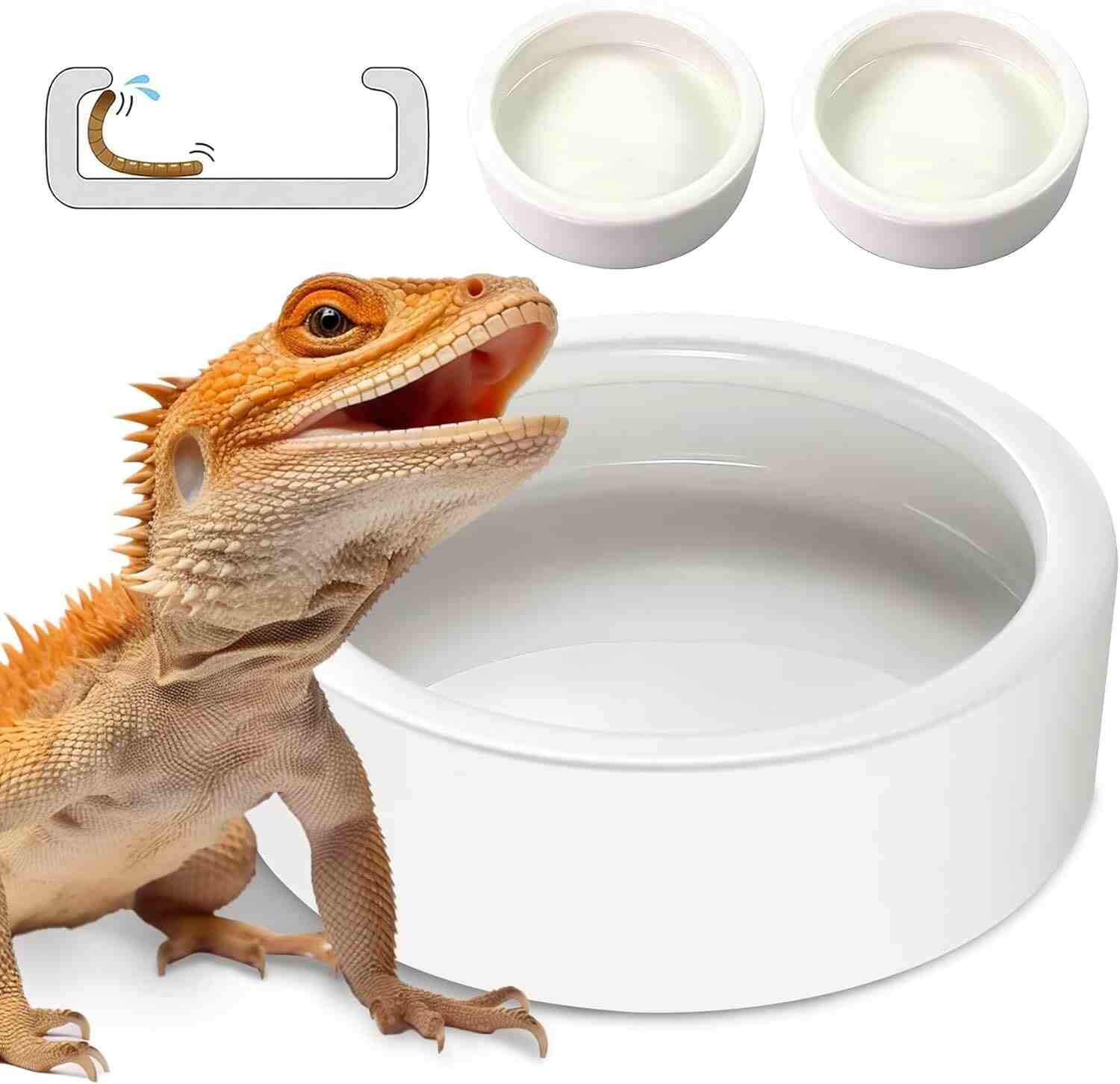
Escape-Proof Feeding Bowl
Features a curved inner lip that prevents mealworms and dubia roaches from escaping into the substrate, reducing the risk of your lizard ingesting dirt.
Buy on AmazonCommon Lizard Feeding Problems
Even the most careful keepers run into issues. Here are the most common reptile feeding problems and how to solve them.
1. Refusing Food (Anorexia)
If your lizard stops eating, do not panic immediately. Lizards may fast during shedding, during brumation (reptile hibernation), or if they are stressed by a new environment. However, if the refusal lasts more than a week accompanied by weight loss, it could indicate low temperatures, parasite overload, or impaction. Always double-check your basking temperatures with a digital infrared thermometer first.
2. Impaction
Impaction is a severe blockage of the digestive tract. It usually occurs when a lizard accidentally ingests loose substrate (like sand or bark chips) while lunging for an insect, or if they are fed insects with too much chitin (like hard mealworm pupae) combined with low tank temperatures. Using a feeding bowl or feeding with tongs prevents substrate ingestion.
3. Metabolic Bone Disease (MBD)
This is the most common and tragic captive reptile disease. It is caused by a lack of dietary calcium, a lack of Vitamin D3, and a lack of UVB lighting. Symptoms include twitching toes, a rubbery jaw, kinked spine, and lethargy. It is highly preventable with proper dusting of feeder insects and high-quality UVB bulbs.
4. Obesity and Fatty Liver Disease
Overfeeding high-fat insects (waxworms, superworms) and keeping lizards in enclosures that are too small to allow exercise leads to obesity. Fatty liver disease (hepatic lipidosis) is common in adult bearded dragons and leopard geckos fed baby-sized diets. Stick to the adult feeding schedule (every 1-3 days).
External Veterinary Feeding Resources
For more scientifically backed data, we highly recommend consulting authoritative sources. Always cross-reference your care routines with professional reptile veterinary nutrition guidelines:
- Association of Reptile and Amphibian Veterinarians (ARAV) – Global standards for herpetological medicine.
- RSPCA Exotic Pet Care – Comprehensive welfare guides for common captive reptiles.
- ReptiFiles – Exceptional, science-based, species-specific care manuals.
Lizard Feeding Guide Video
For visual learners, watch this comprehensive breakdown of preparing a healthy omnivore salad and dusting insects.
Frequently Asked Questions (People Also Ask)
Below are quick answers to the most common questions new owners have regarding reptile diets. For more detailed answers, view our complete reptile FAQ hub.
What do pet lizards eat daily?
What a lizard eats daily depends entirely on their age and species. Baby lizards (both insectivores and omnivores) eat live, gut-loaded insects daily to fuel growth. Adult omnivores and herbivores eat fresh salads (collard greens, squash) daily, but adult insectivores may only eat insects every 2 to 3 days.
How often should I feed my lizard?
As a general rule: Baby lizards (0-6 months) should be fed 1-2 times daily. Juvenile lizards (6-12 months) should be fed once daily. Adult lizards (1+ years) should be fed every 1 to 3 days, depending on their species’ metabolic rate and weight maintenance needs.
What vegetables can lizards eat?
The best staple vegetables include collard greens, mustard greens, dandelion greens, butternut squash, yellow squash, bell peppers, and zucchini. Avoid spinach, iceberg lettuce, and celery, as they either bind calcium or offer zero nutritional value.
Can lizards eat fruit?
Yes, omnivorous and herbivorous lizards can eat fruit, but it must be heavily restricted. Fruit should make up no more than 5% to 10% of their overall diet. Safe fruits include blueberries, strawberries, papaya, and mango. Too much fruit causes obesity, dental rot, and severe diarrhea due to the high sugar content.
What insects are best for lizards?
Dubia roaches, crickets, and black soldier fly larvae (BSFL) are the best staple insects due to their high protein and balanced chitin levels. Mealworms and superworms are decent additions but are higher in chitin and fat. Waxworms and hornworms are very high in fat and water and should strictly be treated as occasional snacks.
Do lizards need calcium supplements?
Absolutely. Almost all captive lizards require regular calcium supplementation. Without dusting their food in reptile calcium powder, and without providing adequate UVB lighting, lizards will quickly develop Metabolic Bone Disease (MBD), a fatal condition that causes their bones to soften, warp, and break easily.