
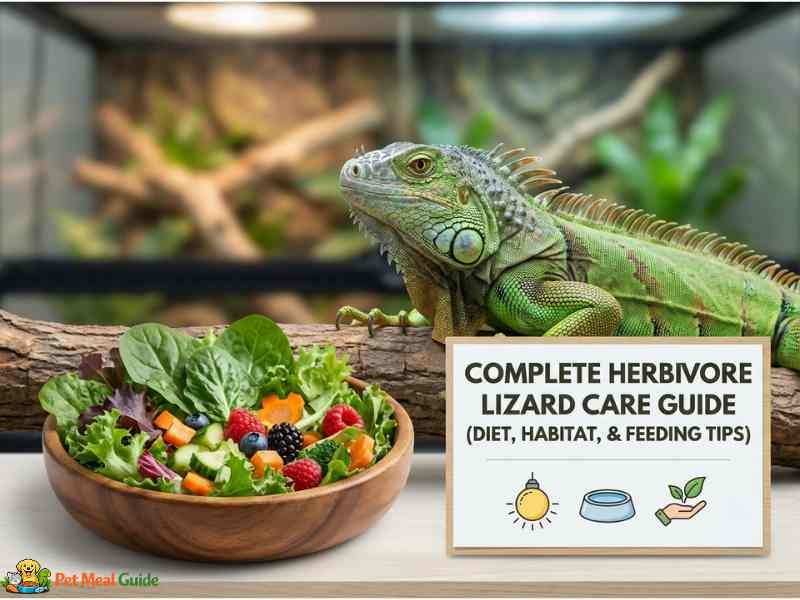
Herbivore Lizard Care Guide & Tips
Herbivore Lizard Care (Overview)
Herbivore lizards eat strictly plant-based diets, relying entirely on dark leafy greens, vegetables, and occasionally fruits to thrive. Popular herbivorous pet lizards include the Green Iguana, Desert Iguana, Uromastyx, and Chuckwalla.
A healthy herbivore lizard care routine must include:
- Daily fresh leafy greens (e.g., collard, mustard, and dandelion greens).
- A balanced mix of vegetables (e.g., butternut squash, bell peppers).
- Occasional fruits as treats (limited to 5-10% of the diet).
- Calcium and vitamin supplements dusted over their salads.
- Proper UVB lighting and high temperatures for hindgut fermentation.
Veterinary reptile specialists from the Association of Reptile and Amphibian Veterinarians (ARAV) strongly recommend providing high-fiber plant foods, complete avoidance of animal protein, and optimal UVB exposure to support healthy digestion, calcium absorption, and long-term organ health.
Caring for a herbivorous reptile is fundamentally different from keeping insect-eating species. While insectivores rely on high-protein bugs to fuel their metabolism, herbivores possess specialized, elongated digestive tracts designed to slowly ferment tough plant matter. If you feed a herbivore the wrong diet—specifically animal protein—their kidneys will fail due to an inability to process high levels of purines.
Whether you are preparing to bring home a majestic Green Iguana or setting up a desert terrarium for an active Uromastyx, mastering their botanical diet is your primary responsibility. This comprehensive guide covers everything from formulating the perfect daily salad to establishing the intense lighting and heating parameters required to keep your plant-eating lizard thriving.
To ensure your overall husbandry is flawless, we recommend pairing this feeding knowledge with our Reptile Health Symptom Checker to monitor their digestion and our Complete Reptile Temperature and Lighting Guide to guarantee their terrarium environments are dialed in perfectly.
What Is a Herbivore Lizard?
A herbivore lizard is a reptile biologically adapted to consume an exclusively plant-based diet. Unlike omnivores (like Bearded Dragons) that shift their diets as they age, true herbivores never require insects or meat at any stage of their lives.
To extract nutrients from fibrous leaves, these lizards utilize hindgut fermentation. Their intestines house specialized colonies of bacteria and microflora that break down cellulose over several days. Because this process is highly dependent on environmental heat, proper basking temperatures are critical. Without adequate heat, the food will ferment incorrectly or rot inside their stomach.
Common herbivore lizard pets include:
- Green Iguana: Large, arboreal lizards requiring massive enclosures and high humidity.
- Uromastyx (Spiny-Tailed Lizard): Ground-dwelling desert lizards requiring extreme basking temperatures (up to 120°F).
- Chuckwalla: Arid-climate lizards known for wedging themselves into rock crevices.
- Desert Iguana: Active, heat-loving lizards native to the Southwestern United States.
Best Diet for Herbivore Lizards
A healthy herbivore diet is built on the principle of variety. Feeding only one type of green leads to severe nutritional deficiencies. The diet should be composed of roughly 80% dark leafy greens, 10-15% vegetables, and 0-5% fruit. When selecting greens, aim for a positive Calcium-to-Phosphorus (Ca:P) ratio (ideally 2:1).
Leafy Greens (The Staple)
These should form the base of every salad. They are rich in calcium, fiber, and essential vitamins.
- Collard greens
- Mustard greens
- Turnip greens
- Dandelion greens
- Endive and Escarole
Vegetables (For Hydration and Vitamins)
Vegetables add texture, moisture, and critical micronutrients like beta-carotene.
- Squash (Butternut, Acorn, Yellow, Zucchini)
- Bell peppers (Red, Yellow, Green)
- Carrots (Grated)
- Green beans (Chopped)
Fruits (Occasional Treats)
Fruit is extremely high in sugar and should only be offered once a week or every two weeks. Overfeeding fruit causes diarrhea, dental rot, and obesity.
- Papaya and Mango
- Berries (Blueberries, Raspberries, Strawberries)
- Apple slices (Peeled, no seeds)
- Melon (Watermelon, Cantaloupe)
Never feed your herbivore lizard iceberg lettuce (zero nutritional value and causes diarrhea), spinach or rhubarb (high in oxalates which bind calcium and cause Metabolic Bone Disease), avocado (highly toxic to reptiles), or animal protein (insects, dog/cat food, or meat).
The Royal Society for the Prevention of Cruelty to Animals (RSPCA) strongly advises offering a diverse, rotating variety of vegetables and leafy greens to ensure a balanced, natural nutrient intake.
Herbivore Lizard Feeding Schedule
Because plant matter is lower in caloric density than meat or insects, herbivore lizards must consume a larger volume of food to meet their energy requirements. Fresh food should be provided daily.
| Lizard Age | Feeding Frequency | Portion Size |
|---|---|---|
| Hatchling & Baby | 1 to 2 times per day | Finely chopped to the size of the space between their eyes. |
| Juvenile | Once per day | A bowl full of mixed greens and grated veggies. |
| Adult | Once per day | A large salad roughly the size of the lizard’s torso. |
Pro Tip: Always remove uneaten fresh food after 4 to 6 hours to prevent spoilage, mold growth, and the attraction of fruit flies or gnats into the enclosure.
Essential Supplements for Herbivore Lizards
Even with a perfectly balanced salad, captive reptiles cannot access the mineral-rich soils found in their wild habitats. To bridge this gap, you must artificially supplement their diet. Veterinary guidance from the Association of Reptile and Amphibian Veterinarians (ARAV) highlights that improper calcium supplementation is the leading cause of Metabolic Bone Disease (MBD) in captive lizards.
- Calcium Powder (Without D3): Used 2 to 3 times a week on salads for lizards kept outdoors or under high-output UVB lighting.
- Calcium Powder (With D3): Used 1 to 2 times a week to ensure the lizard metabolizes the calcium properly, especially for indoor enclosures.
- Reptile Multivitamin: Used once every 1 to 2 weeks to provide essential Vitamin A, preventing eye and skin issues.
Top Recommended Care Products for Herbivores
Setting up your herbivore’s enclosure and feeding station requires high-quality, reliable equipment. Here are the top-rated products trusted by experienced herpetoculturists. For a wider range of products, check out our full Reptile Nutrition Product Guide.
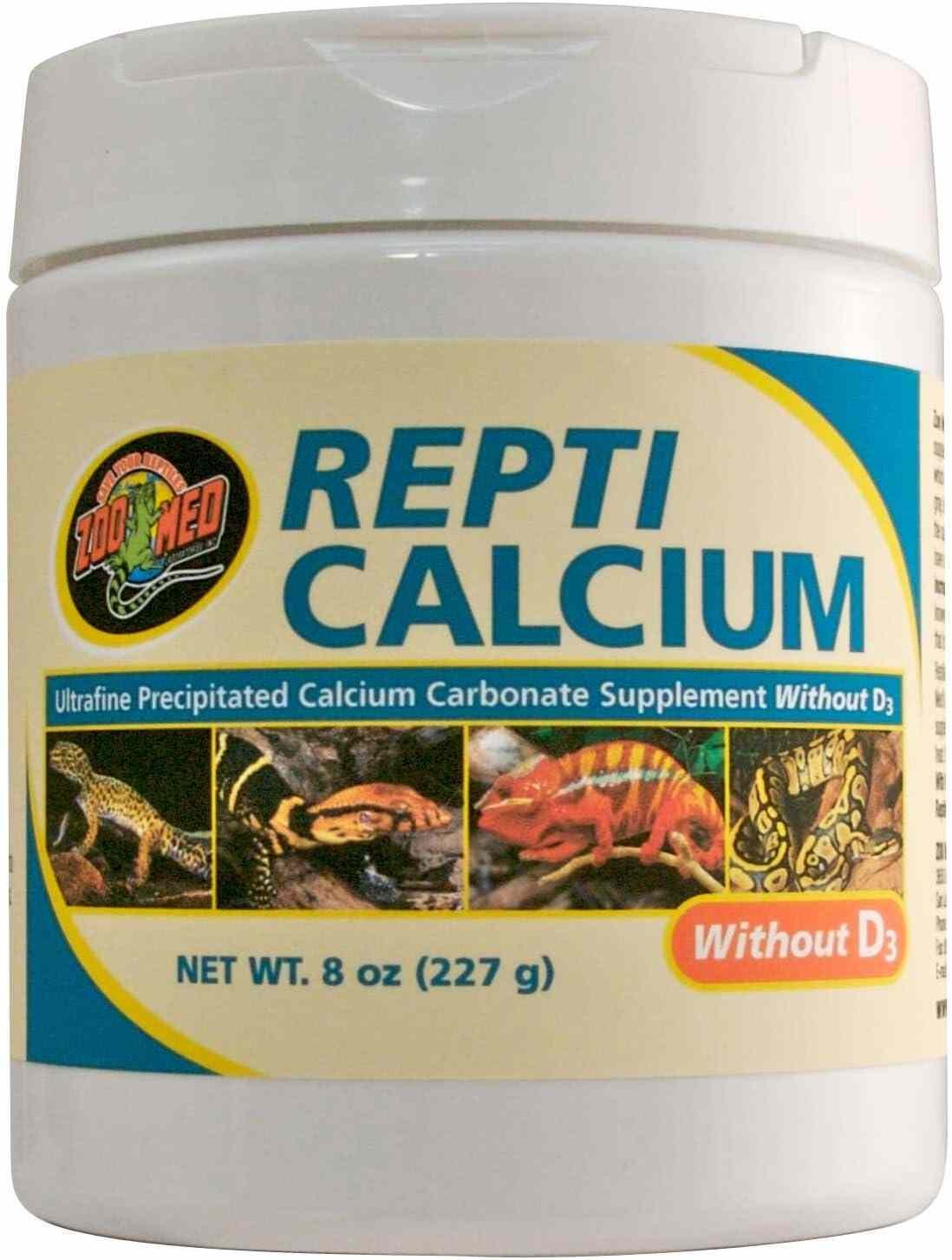
Reptile Calcium Powder
Ultra-fine, precipitated calcium carbonate. This essential supplement easily dusts over wet leafy greens to support robust bone health and prevent MBD.
Check Price on Amazon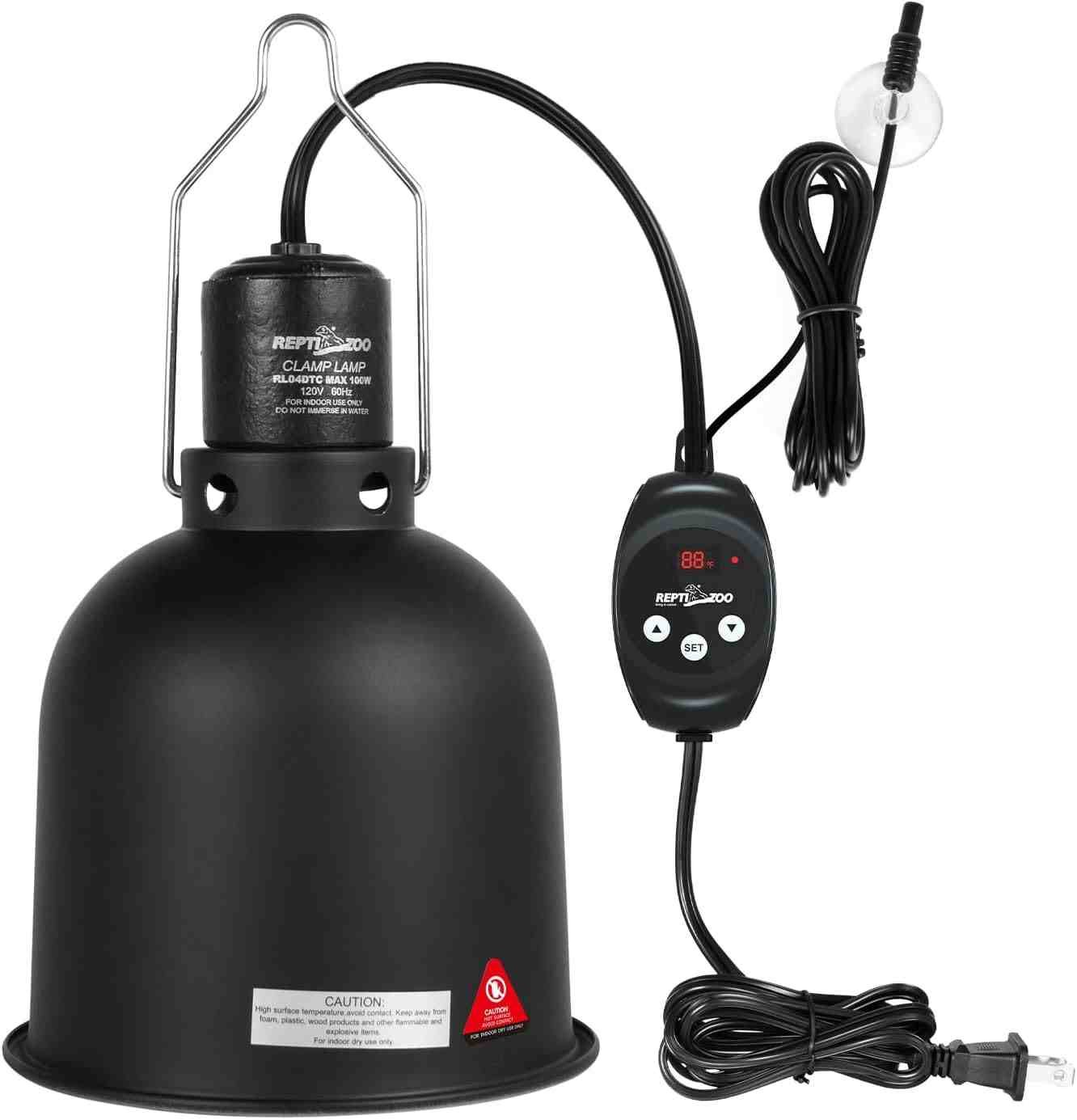
Reptile UVB Lighting Kit
A T5 High-Output linear UVB lighting system. Absolutely mandatory for indoor herbivores to synthesize Vitamin D3 and process dietary calcium.
Buy Now on Amazon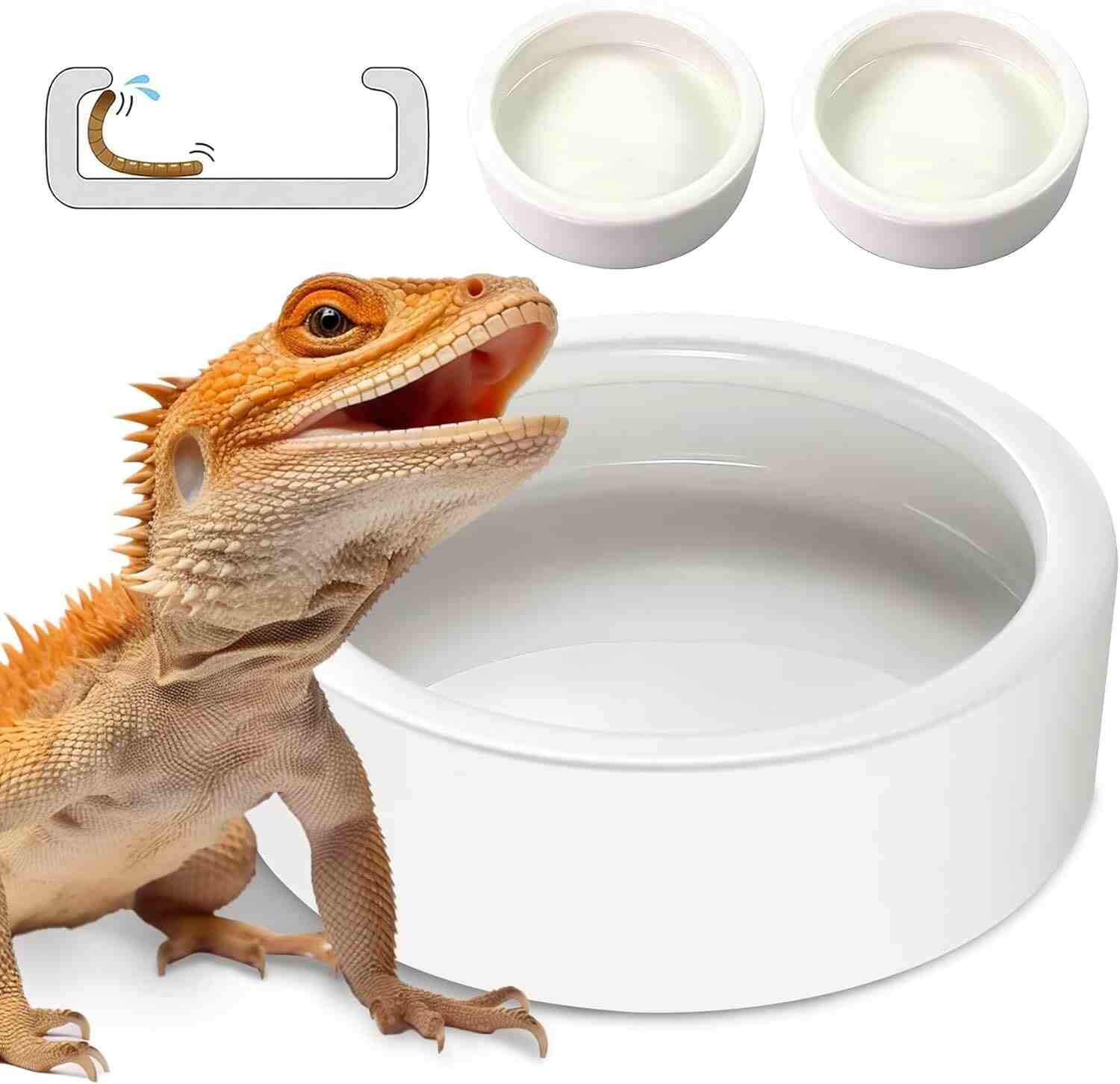
Reptile Salad Feeding Bowl
A heavy-duty, low-profile resin bowl that won’t tip over when your lizard steps on it. Non-porous and incredibly easy to clean and sanitize daily.
Check Price on AmazonHabitat Setup for Herbivore Lizards
A proper habitat dictates how well your lizard will eat and digest its food. Herbivores are often highly active and require substantial space.
- Large Enclosure Space: Adult Green Iguanas require custom-built enclosures (often 6 feet tall by 6 feet wide). Uromastyx require wide, horizontal floor space (minimum 4x2x2 feet) to forage.
- Basking Heat Lamp: A dedicated hot spot to raise their core body temperature.
- UVB Lighting: Placed directly over the basking zone so the lizard receives heat and UV radiation simultaneously, mimicking the sun.
- Climbing Structures / Hides: Arboreal lizards need thick branches; terrestrial lizards need secure, tight rock crevices to feel safe.
- Food and Water Dishes: Kept on the cooler side of the tank so the fresh greens do not wilt and dehydrate instantly under the heat lamp.
Temperature and Lighting Requirements
Hindgut fermentation is a heat-intensive process. If a herbivore is kept too cold, the plant matter will ferment abnormally, leading to fatal gas buildup and sepsis.
| Enclosure Zone | Target Temperature Range | Purpose |
|---|---|---|
| Basking Area | 95–105°F (Uromastyx up to 120°F) | Digestion, immune function, and energy. |
| Ambient / Cool Area | 80–90°F | Allows the lizard to thermoregulate and prevent overheating. |
| Night Temperature | 70–75°F | Simulates natural nighttime cooling for healthy sleep cycles. |
High-output UVB lighting is non-negotiable for herbivorous reptiles. Without it, they cannot absorb the calcium from their leafy greens.
Common Health Problems in Herbivore Lizards
The American Society for the Prevention of Cruelty to Animals (ASPCA) recommends closely monitoring your reptile for changes in appetite, fecal output, or physical appearance. Improper diet or lighting leads directly to:
- Metabolic Bone Disease (MBD): Caused by a lack of calcium or UVB. Symptoms include a soft, rubbery jaw, bowed legs, and severe lethargy.
- Dehydration: Many herbivores get their water from their food. If fed dried-out greens or kept in improper humidity, they suffer kidney stress. Misting their salads before feeding helps tremendously.
- Vitamin A Deficiency: Leads to swollen eyes, respiratory infections, and shedding issues. Prevented by feeding foods rich in beta-carotene (squash, carrots).
- Gout: Caused by feeding animal proteins (insects, dog food) to a strict herbivore. It causes painful uric acid crystals to form in their joints.
Pro Tips for Herbivore Lizard Care
- Provide fresh greens daily: Stale, wilted greens lose their nutritional value and hydration capacity.
- Wash vegetables thoroughly: Always rinse store-bought produce to remove harmful agricultural pesticides.
- Chop to the right size: Plant pieces should be no larger than the space between the lizard’s eyes to prevent choking.
- Monitor weight regularly: Buy a digital kitchen scale. A sudden drop in weight is the first indicator of internal parasites or illness.
- Mist the salad: Use a spray bottle to lightly mist the greens before serving. This ensures the lizard consumes extra water with every bite.
Helpful Video Guide: Herbivore Lizard Diet
For a visual demonstration of how to chop, mix, and supplement a perfect herbivore salad, watch this excellent tutorial below:
Frequently Asked Questions (High Search Demand)
Herbivore lizards eat a strict plant-based diet consisting primarily of dark leafy greens, vegetables, and small amounts of fruit. A balanced daily diet typically includes collard greens, mustard greens, dandelion greens, butternut squash, and bell peppers.
Yes, absolutely. Even with a perfect salad, captive herbivore lizards require a light dusting of calcium powder (often without D3 if kept under proper UVB) and reptile multivitamins 1 to 2 times a week to prevent severe nutritional deficiencies like Metabolic Bone Disease.
No. Fruit should be offered only occasionally (making up roughly 5% to 10% of their overall diet). Fruit has a very high sugar content that can cause severe gastrointestinal distress, diarrhea, dental issues, and obesity in herbivorous reptiles.
The best vegetables for herbivore lizards include butternut squash, acorn squash, bell peppers, green beans, and carrots. You should strictly avoid iceberg lettuce (which lacks nutrition and causes diarrhea) and spinach (which contains oxalates that bind calcium).