
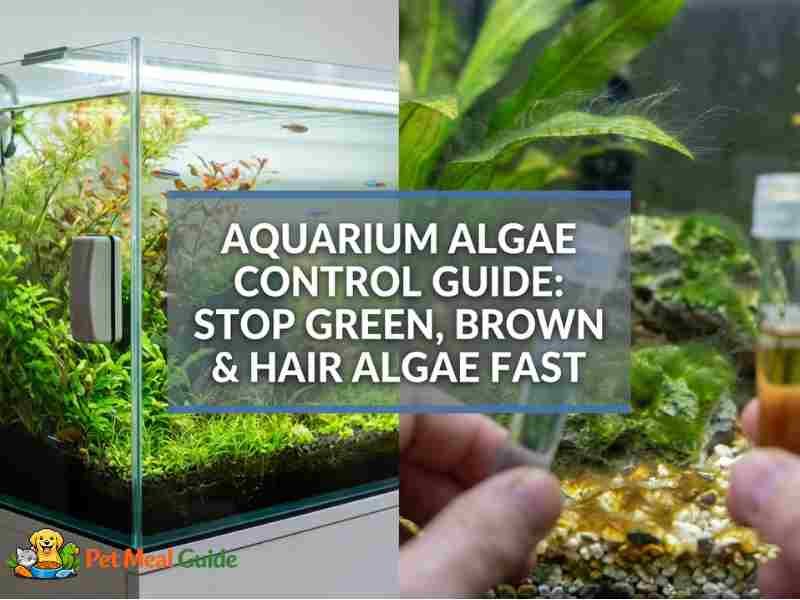
Aquarium Algae Control
✨ How to Control Algae in Aquarium
The most effective way to achieve complete aquarium algae control is by balancing the three main elements of your tank: lighting, nutrients, and carbon dioxide (CO2). Algae blooms happen when one of these elements is out of balance, allowing primitive algae spores to outcompete your live plants or natural bacteria.
To control algae in an aquarium, follow these proven steps:
- Reduce Lighting: Limit aquarium lights to 6–8 hours per day and completely block direct sunlight.
- Control Nutrients: Perform weekly 20–30% water changes to remove excess nitrates and phosphates.
- Add Algae-Eating Fish: Introduce Amano Shrimp, Nerite Snails, or Otocinclus catfish to naturally graze on algae.
- Plant Heavily: Fast-growing live aquatic plants absorb nutrients from the water column, starving the algae.
- Avoid Overfeeding: Uneaten fish food decays into ammonia and phosphates, acting as direct fertilizer for algae outbreaks.
Every single aquarium owner, from absolute beginners setting up their first tank to advanced aquascapers running high-tech reef systems, will eventually battle algae. It starts as a subtle green tint on the glass, or a small brown patch on a rock. Before you know it, your beautiful underwater ecosystem looks like a swamp. Controlling algae in an aquarium is one of the most vital, yet frustrating, aspects of the fish-keeping hobby.
Why does algae spread so quickly? Algae are simple, highly adaptable organisms. Unlike complex aquatic plants, algae require very little energy to reproduce. When there is a surplus of light or dissolved waste, algae spores capitalize on the imbalance instantly. Beginners often struggle with algae outbreaks because newly established tanks lack the biological maturity to outcompete these rapid growers.
In this comprehensive, expert-led fish aquarium algae control guide, we will break down exactly how to identify your specific algae problem and eradicate it. We will cover targeted freshwater aquarium algae control, advanced saltwater aquarium algae control, the delicate balance of planted aquarium algae control, and the absolute best natural and commercial methods to restore your crystal-clear water.
Section 1: What Causes Algae in Aquariums?
Algae does not appear out of thin air; it is a symptom of an underlying environmental imbalance. To successfully execute an aquarium algae control strategy, you must first identify what is feeding the bloom. Algae thrives when the following factors are out of proportion.
Excess Light (The #1 Culprit)
Algae relies heavily on photosynthesis. Too much aquarium lighting directly encourages explosive algae growth. Leaving your tank lights on for 12 to 14 hours a day, or placing the aquarium near a window where it receives direct sunlight, acts as a supercharger for algae spores. Even if your water is pristine, excess light will cause green water and glass algae.
Nutrient Imbalance (Nitrates & Phosphates)
In the aquatic world, fish waste, decaying plant matter, and uneaten food break down into nitrogenous compounds. If you do not fully understand this process, we highly recommend reading our complete Aquarium Nitrogen Cycle Guide to learn how to stabilize water conditions. When the end-products of this cycle—specifically nitrate and phosphate—build up to high levels, they cause massive algae blooms.
Overfeeding Fish
One of the most common beginner mistakes is feeding fish more than they can consume in a few minutes. Uneaten food sinks into the substrate, decays, and releases a massive spike of phosphates into the water column, fueling aggressive algae growth.
Poor Water Circulation
Algae loves stagnant water. Weak filtration or “dead spots” in your tank allow organic debris to settle on plant leaves, driftwood, and rocks. Algae spores settle in these nutrient-rich dead zones and begin to colonize. Proper water flow keeps waste suspended until the filter can remove it.
Section 2: Types of Aquarium Algae and How to Identify Them
You cannot effectively fight an enemy you cannot identify. Different types of algae require entirely different removal strategies.
Green Algae (Most Common)
When hobbyists search for aquarium green algae control or how to control green algae in aquarium, they are usually dealing with one of two variants:
- Green Dust Algae: Forms a thin, dusty green film on the aquarium glass. It is easily wiped away but returns quickly if light levels are too high.
- Green Spot Algae: Forms hard, circular green dots on the glass and slow-growing plant leaves (like Anubias). It is notoriously difficult to scrape off and is heavily linked to low phosphate levels in planted tanks.
Brown Algae (Diatoms)
If you are looking for aquarium brown algae control or how to control brown algae in aquarium, you are likely looking at a newly established tank. Diatoms appear as a dusty, brown, rust-like coating on gravel, glass, and decorations.
Diatoms feed on silicates (often found in new substrate or tap water) and thrive in low lighting. The good news? Diatoms almost always disappear on their own once the tank matures and the silicates are consumed.
Hair Algae
Aquarium green hair algae control is highly sought after because this algae is incredibly stubborn. It appears as long, stringy, bright green threads attached to plants, filter intakes, and decorations. How to control hair algae in aquarium tanks involves strict nutrient management, manual removal with a toothbrush, and introducing specific algae-eating shrimp.
Blue-Green Algae (Cyanobacteria)
Searching for aquarium blue green algae control or blue green algae aquarium control? Be aware: this is not actually algae. Cyanobacteria is a photosynthesizing bacteria. It forms thick, slimy, blue-green sheets over everything in the tank and emits a foul, swampy odor. Because it is a bacteria, standard algae treatments fail. It usually requires improved water flow, complete blackouts, or a vet-prescribed dose of Erythromycin.
Section 3: Freshwater Aquarium Algae Control Methods
Mastering freshwater aquarium algae control requires a multi-faceted approach. Rather than dumping chemicals into the water, you should focus on biological and mechanical balance.
Control Aquarium Lighting
As previously mentioned, too much light encourages algae. You must take control of your photoperiod.
- Reduce light duration: Keep your aquarium lights on for only 6 to 8 hours daily. Use a simple plug-in timer to ensure consistency.
- Avoid direct sunlight: Never place a tank directly in front of a window.
- Choose the right equipment: Finding the best aquarium light for algae control means choosing an LED fixture with adjustable intensity (dimming features) so you can lower the output if algae appears.
Maintain Proper Filtration
A strong, appropriately sized filter removes excess nutrients before algae can utilize them. Ensure your filter has both mechanical filtration (sponges to catch debris) and biological filtration (ceramic rings for beneficial bacteria). Clean your filter media in old tank water once a month—never under chlorinated tap water.
Regular Water Changes
The most foolproof method to control algae in freshwater aquarium setups is dilution. A strict schedule of performing a 20–30% water change every single week physically removes the dissolved nitrates and phosphates that algae feed upon. Combine this with gravel vacuuming to remove rotting detritus.
Avoid Overfeeding
If you are unsure of proper feeding amounts, research exactly what your species requires. For example, if you keep a Betta, read up on What Can Betta Fish Eat Besides Fish Food to ensure you are providing a high-quality diet that produces less waste. Only feed what the fish can consume in 2 minutes.
Section 4: Saltwater Aquarium Algae Control Guide
Marine environments are vastly different. Saltwater aquarium algae control (or reef aquarium algae control) requires specialized equipment, as the algae strains (like Dinoflagellates and Bubble Algae) are incredibly aggressive.
Protein Skimmers
A high-quality protein skimmer is the backbone of marine aquarium algae control. Skimmers create micro-bubbles that physically strip dissolved organic compounds (fish waste) out of the water column before they can break down into algae-fueling nitrates.
Refugium Setup
Reef keepers fight algae with… algae! A refugium is a separate chamber in the sump filter where aquarists grow beneficial “macroalgae” (like Chaetomorpha). This macroalgae actively consumes the nitrates and phosphates in the water, effectively starving out the ugly nuisance algae in the main display tank.
Phosphate Control and RO/DI Water
High phosphates are the death of a reef tank. To execute proper controlling algae in marine aquarium setups, you must use an RO/DI (Reverse Osmosis Deionization) system to purify your tap water before mixing your salt. Tap water is loaded with phosphates and silicates. Additionally, using a phosphate remover media (like GFO – Granular Ferric Oxide) in a media reactor will keep phosphate levels near zero.
Section 5: Planted Aquarium Algae Control
A tank filled with lush, live greenery is beautiful, but planted aquarium algae control is a delicate high-wire act. How to control algae in planted aquarium tanks comes down to one word: Competition.
Live plants and algae compete for the exact same resources: light, micro-nutrients, and macronutrients. Because higher-order plants are more complex, they can absorb nutrients much faster than algae—but *only* if their environmental needs are perfectly met.
Balance CO2, Lighting, and Nutrients
The golden rule of algae control in planted aquarium setups is Liebig’s Law of the Minimum. If a plant has intense light and heavy fertilizers, but lacks CO2, it cannot grow. The plant’s growth stalls, leaving excess light and nutrients in the water. Algae, which doesn’t need much CO2, immediately takes over.
To achieve successful freshwater planted aquarium algae control, you must balance high lighting with pressurized CO2 injection and a strict liquid fertilizer dosing schedule.
Section 6: Best Aquarium Plants for Algae Control
If you want the best plants for algae control aquarium setups, you need to look for fast-growing “nutrient sponges.” Slow-growing plants (like Java Fern) do not absorb nutrients fast enough to starve algae.
The best aquarium plants for algae control include:
- Hornwort: A floating or planted stem plant that grows incredibly fast, pulling massive amounts of nitrates directly from the water column.
- Water Sprite: A beautiful, leafy fern-like plant that acts as a nutrient vacuum.
- Anacharis (Elodea): Known to secrete an enzyme that actively inhibits the growth of certain algae types.
- Duckweed: A floating plant that blocks excess light from penetrating the tank while devouring surface nutrients (Warning: it spreads rapidly!).
Section 7: Best Fish for Algae Control in Aquariums
Building a biological clean-up crew is a highly effective fish aquarium algae control method. If you are looking for the Best Bottom Feeder Fish for Freshwater Aquariums to help keep your tank spotless, consider these absolute powerhouses:
- Siamese Algae Eater (SAE): The undisputed king of eating stubborn Black Beard Algae and Hair Algae.
- Otocinclus Catfish: Tiny, peaceful catfish that work tirelessly to clear brown diatoms and green dust algae off plant leaves and glass.
- Bristlenose Pleco: A fantastic wood-eating and algae-grazing pleco that stays relatively small (4-5 inches) compared to common plecos.
- Amano Shrimp: The absolute best fish for algae control in aquarium isn’t a fish at all! Amano shrimp are legendary for ripping apart and consuming green hair algae.
- Nerite Snails: Incredible glass and hard-scape cleaners that will consume green spot algae. As a bonus, they cannot reproduce in freshwater, so they won’t overrun your tank.
Section 8: Natural Methods for Aquarium Algae Control
Before reaching for chemicals, the best way to control algae in aquarium setups is to implement natural controlling algae in aquarium methods. Chemicals treat the symptom; natural methods cure the disease.
- Reduce Nutrients: Scale back feeding and increase water change volume.
- Improve Filtration: Clean your filter media (in tank water) to ensure maximum flow.
- Introduce Live Plants: Add fast-growing stem plants or floating plants to outcompete the algae.
- Add a Clean-up Crew: Stock algae-eating fish, shrimp, and snails.
- Manual Cleaning: Use a magnetic scraper for the glass and a toothbrush to twirl and pull stringy algae off rocks.
Section 9: Best Algae Control Products for Aquariums
Sometimes, despite your best efforts, an outbreak gets out of hand. In these scenarios, utilizing the best algae control for aquariums via commercial products is necessary. Here are the top-rated tools for fast eradication.
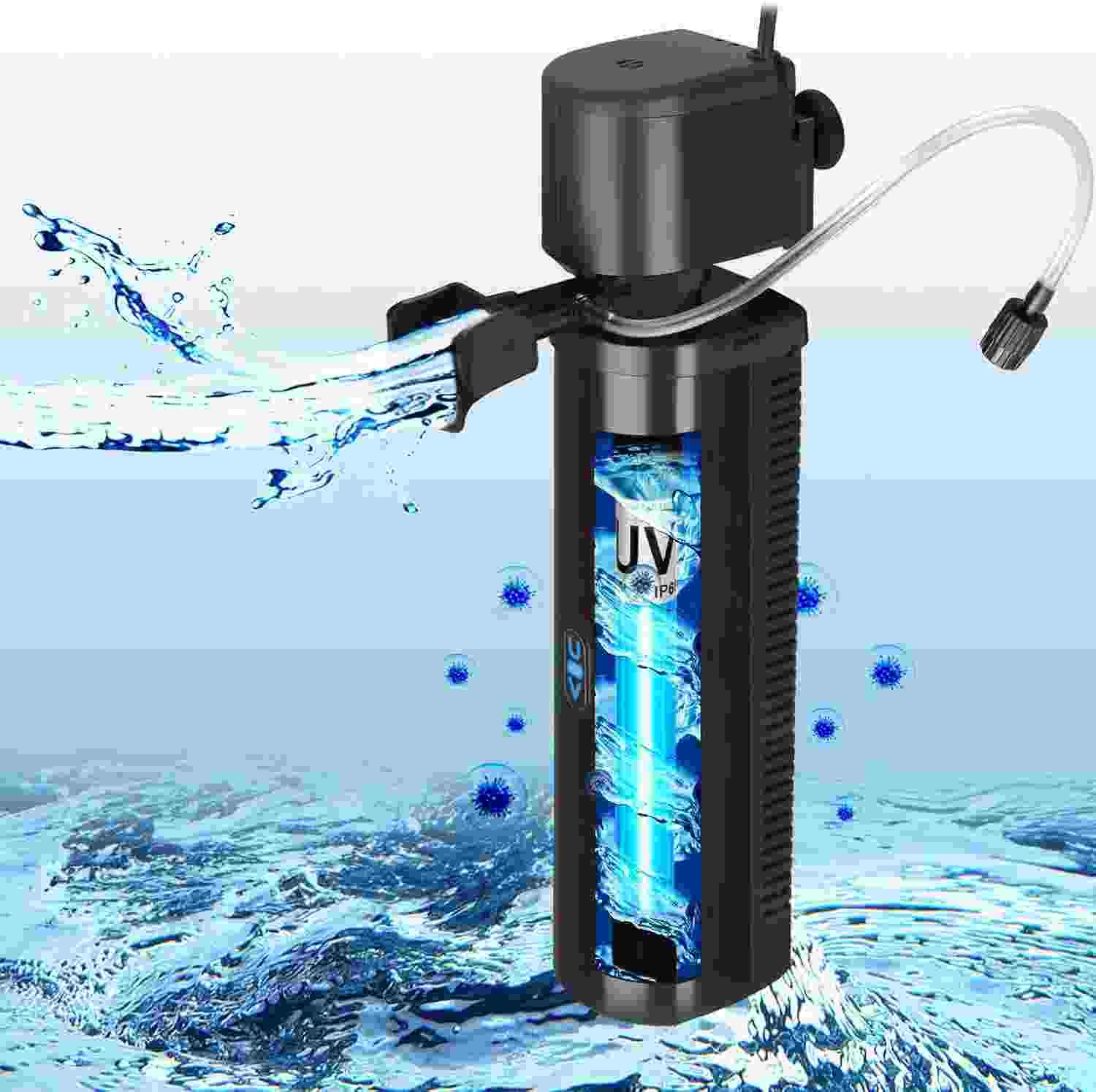
Green Killing Machine UV Sterilizer
The ultimate cure for “Green Water” (free-floating algae). This internal pump runs tank water past a UV bulb, destroying algae spores and bacteria on a cellular level within 3 to 5 days.
Check Price on Amazon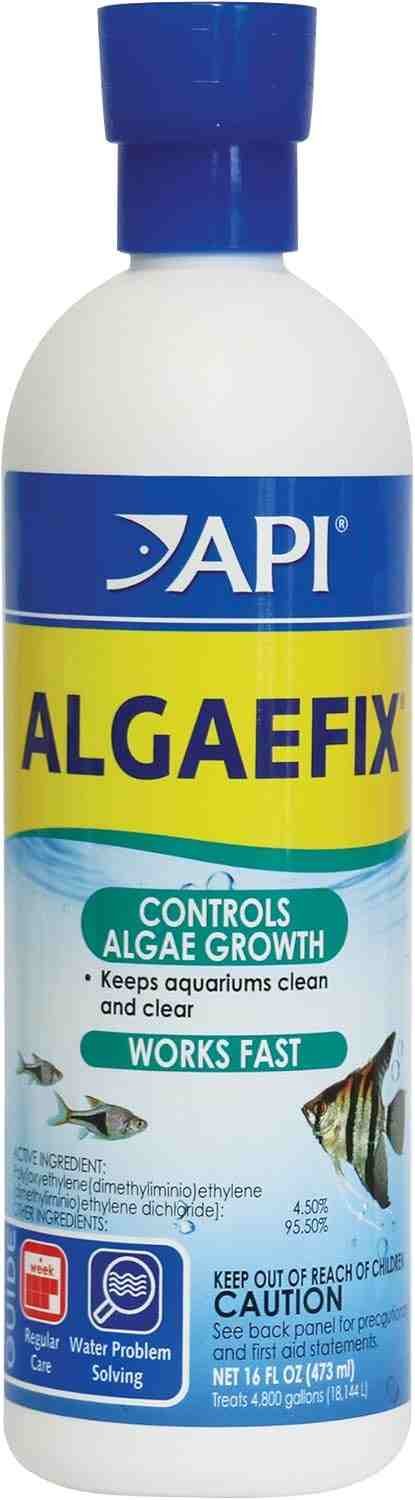
API AlgaeFix Control Drops
One of the most popular aquarium algae control drops. It effectively controls green water, hair algae, and string algae. Note: Use with extreme caution and exact dosing, as overdosing can deplete oxygen.
Check Price on Amazon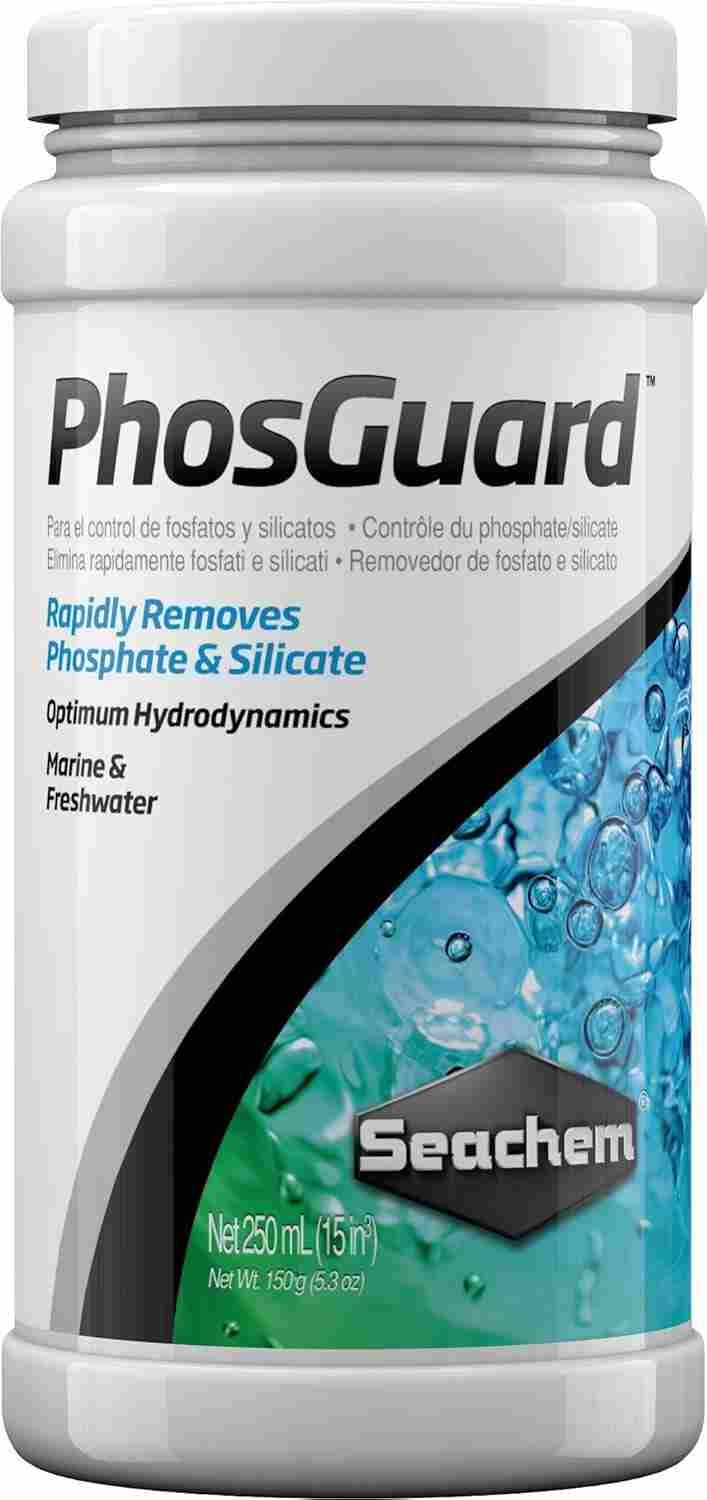
Seachem PhosGuard
A premium filter media that rapidly removes silicate and phosphate from both freshwater and marine aquariums. By removing the food source, it starves out brown diatoms and green hair algae.
Check Price on AmazonSection 10: Step-by-Step Algae Removal Routine
If your tank is currently a green mess, don’t panic. Follow this beginner-friendly step-by-step routine to reclaim your aquarium.
- Step 1: Test water parameters. Use a liquid test kit to check Ammonia, Nitrite, Nitrate, and Phosphate levels to identify the imbalance.
- Step 2: Reduce lighting. Turn your lights off completely for 3 days (a “blackout”) to severely weaken the algae, then resume at only 6 hours per day.
- Step 3: Remove algae manually. Use an algae scraper on the glass, and manually pull hair algae out with your hands or a dedicated toothbrush.
- Step 4: Perform a large water change. Siphon out 40-50% of the water, making sure to vacuum up the algae debris you just scraped off.
- Step 5: Add algae-eating fish or plants. Introduce Amano shrimp or fast-growing floating plants to prevent the algae from returning.
Section 11: Common Mistakes That Cause Algae Problems
Avoid these common pitfalls that guarantee an algae-infested tank:
- Leaving lights on all day: Aquariums are not lamps. Using lights for 12+ hours is a guaranteed algae trigger.
- Skipping water changes: “Topping off” evaporated water leaves minerals, nitrates, and phosphates concentrated in the tank. You must physically remove old water.
- Overfeeding fish: A 3-minute feeding rule must be strictly enforced.
- Overcrowding the aquarium: Too many fish produce too much waste, overwhelming the biological filter and feeding algae. (Read our Betta Tank Setup Guide to understand proper tank sizing).
- Rinsing filter media in tap water: Chlorine kills beneficial bacteria, causing ammonia to spike, which algae immediately feeds on.
Section 12: Preventing Algae in Aquariums Long-Term
Algae control is about consistency. Keep this preventive checklist in mind for a pristine tank:
✔️ Maintain a stable lighting schedule using an automatic timer.
✔️ Keep nutrients balanced by avoiding overstocking and overfeeding.
✔️ Ensure live plants are thriving to outcompete algae spores.
✔️ Run efficient, well-maintained mechanical and biological filtration.
✔️ Stick to a strict weekly maintenance and water-change schedule.
Ready to perfect your maintenance routine? Read our next topical guide: Aquarium Water Change Guide (Beginner to Advanced) to learn exactly how often to change your water!
Frequently Asked Questions (FAQ)
To control algae naturally, reduce your lighting period to 6–8 hours daily, perform regular 25% weekly water changes, add fast-growing live plants to outcompete the algae for nutrients, and introduce a clean-up crew of algae-eating fish, shrimp, or snails.
The best long-term algae control for freshwater aquariums relies on natural methods. Balancing light and nutrients, along with employing Otocinclus catfish, Amano shrimp, and heavy live planting, is vastly safer and more effective than relying on chemical algae control drops.
Your aquarium keeps growing algae because there is an environmental imbalance. The most common reasons include excessive lighting (lights left on too long or exposed to sunlight), a buildup of nutrient-rich waste (nitrates/phosphates), poor water flow, and chronically overfeeding your fish.
Small amounts of algae are perfectly normal and actually indicate a biologically active ecosystem. However, excessive algae blooms are bad; they can suffocate plant leaves, block light from penetrating the water, deplete oxygen levels at night, and drastically reduce overall water quality.